Structured Chaos: terrafold’s Mathematical Approach to Glitch
By Cansu Waldron
terrafold is a glitch and GFX artist whose relationship with digital tools began almost as soon as she could use a keyboard. At just five years old, she was experimenting on a family Commodore computer with MultiPaint, long before she had the language to describe what she was doing. By sixteen, she was teaching herself Photoshop, digital graphics fundamentals, and photo manipulation, building her skills through fan art, layered collages, and experimental edits.
Her direction began to crystallize during a formative year in Bristol, UK, where immersion in the city’s vibrant art scene sparked the emergence of the Terrafold project through early glitch experiments. Drawn to parameter-driven systems and complex effect stacks rather than expressive brushwork, she embraces a technical, almost mathematical mindset — one that feels perfectly at home in glitch processes. Community has also played a key role in her evolution: discovering and later helping manage active glitch art spaces not only sharpened her craft but reinforced her commitment to building strange, structured worlds through digital distortion.
We asked terrafold about her art, creative process, and inspirations.
Can you tell us about your background as a digital artist? How did you get started in this field?
My journey into digital art began at a very early age on our family Commodore computer using an application called MultiPaint - I was around five years old at the time. I became more seriously involved around the age of sixteen, when I started learning Photoshop, digital graphics fundamentals, and photo manipulation. Much of my early learning came through creating fan art, digital collages, and experimental edits. I never published those early works, as I was still developing my skills and couldn’t yet commit to a clear stylistic direction, and I was also learning how to approach projects more structurally.
Throughout my twenties, I had a strong creative vision but struggled to unify it into something cohesive. A turning point came during a year I spent in Bristol, UK - a city with a vibrant art scene - where the Terrafold project emerged through early glitch art experimentation. In my early thirties, I began creating daily art using mobile applications before transitioning back to computer-based workflows for greater control and flexibility. Along the way, discovering and later helping manage active glitch art communities provided both inspiration and motivation to continue creating in my free time.
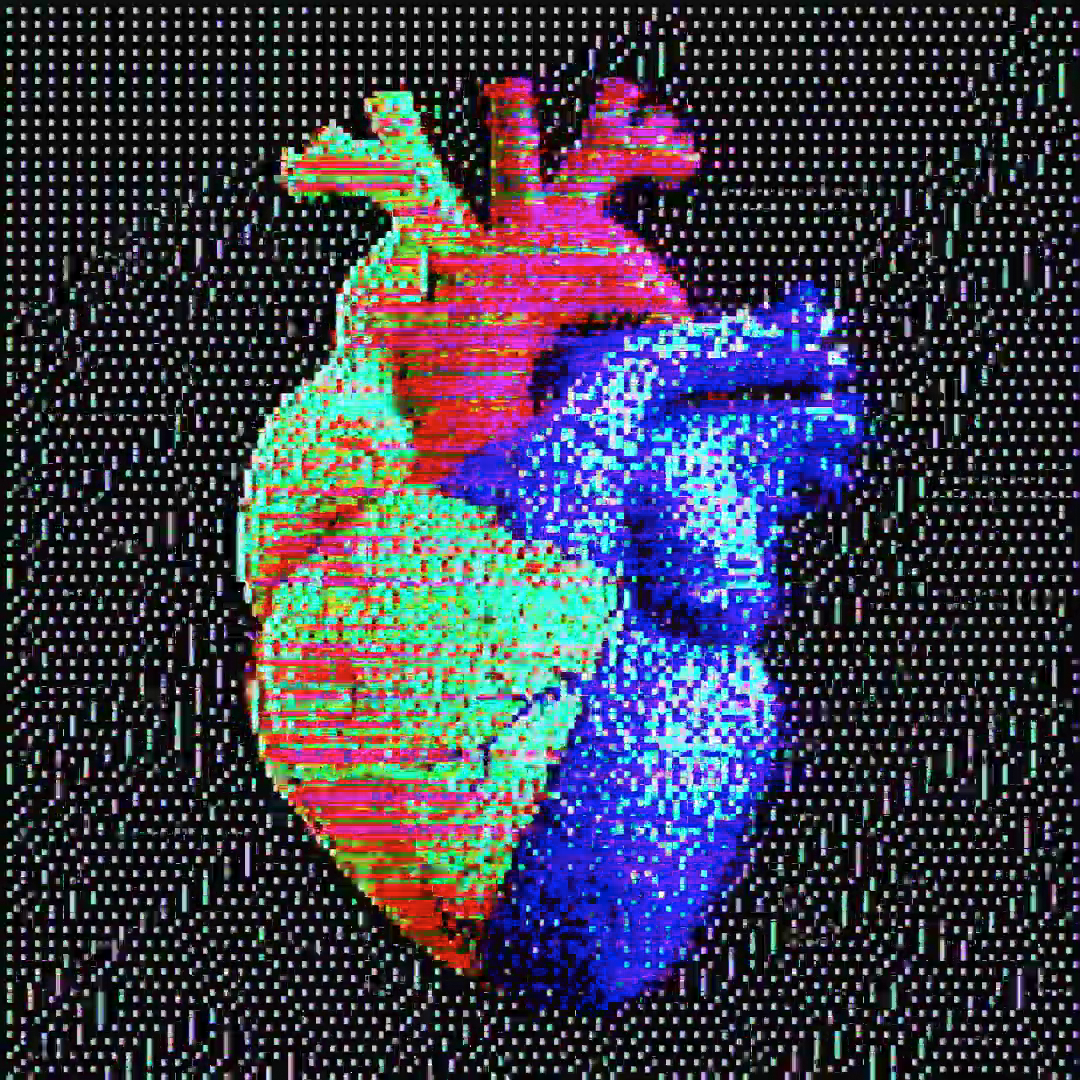
I’ve always leaned toward the technical side of creativity and preferred structured, parameter-based workflows over traditional freehand approaches. I enjoy working with numeric input and complex effect stacks rather than expressive brushwork on a physical canvas. I think this more mathematical and technical mindset naturally led me toward digital art and glitch-based processes.
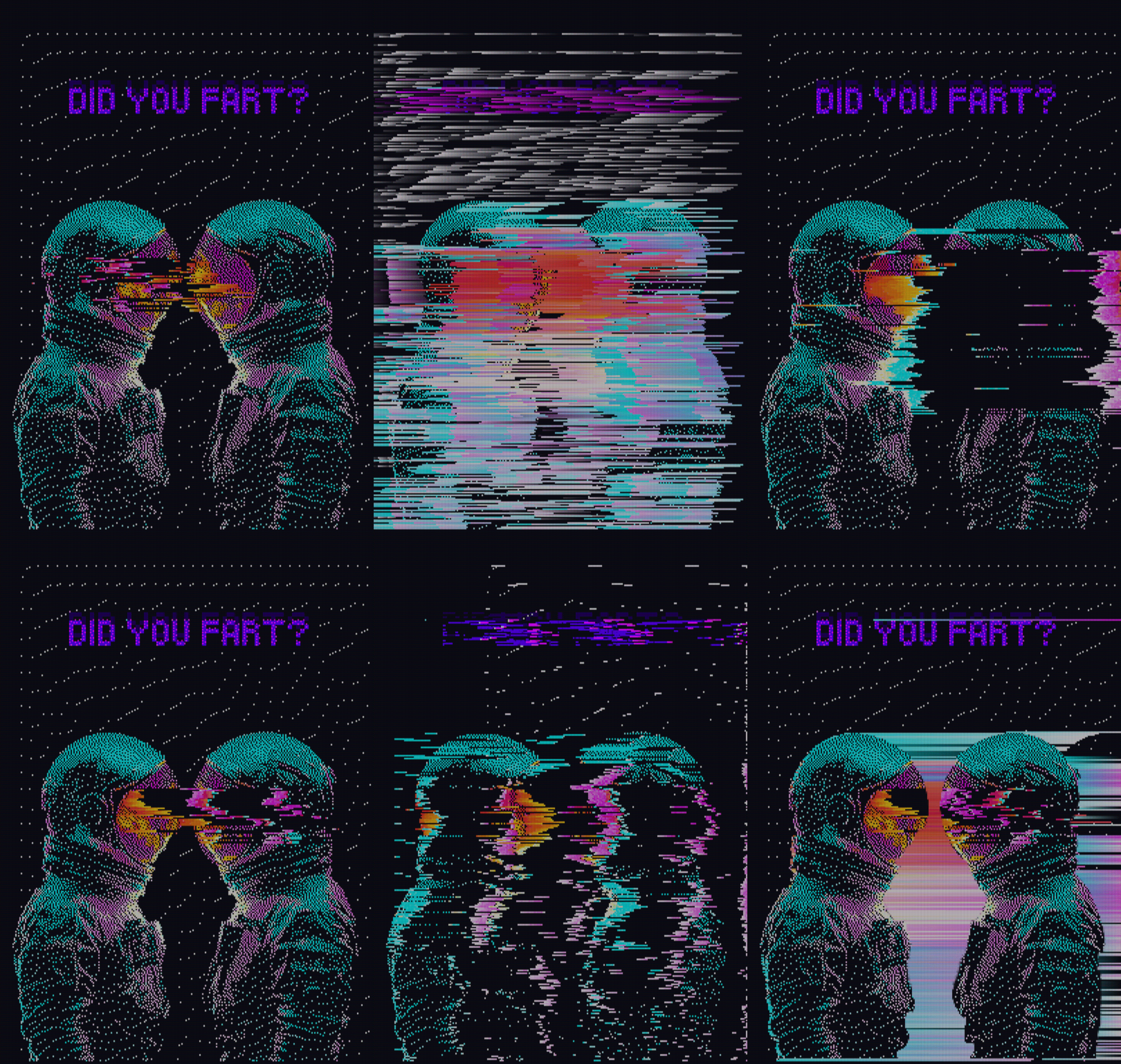
What’s your favorite way to glitch an image?
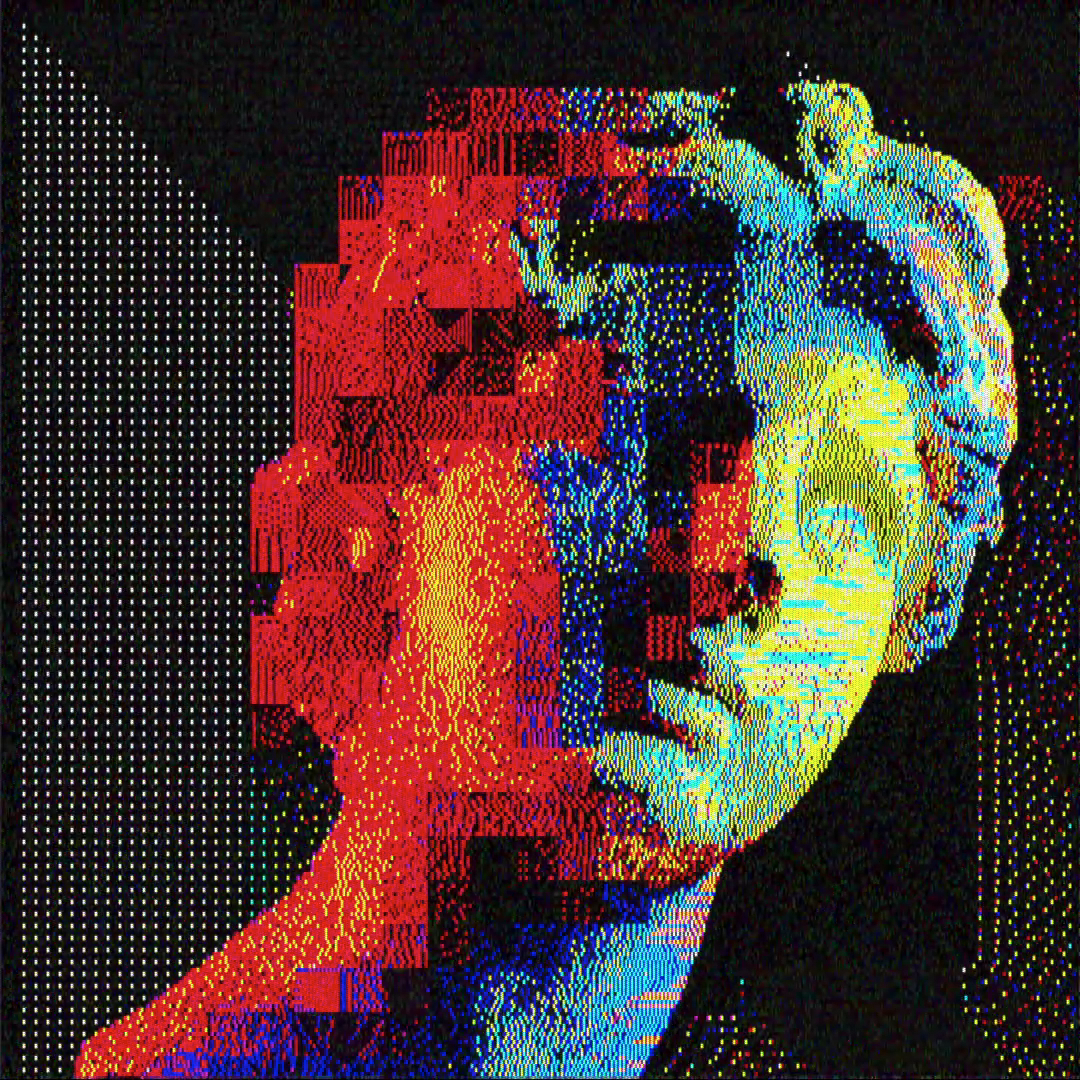
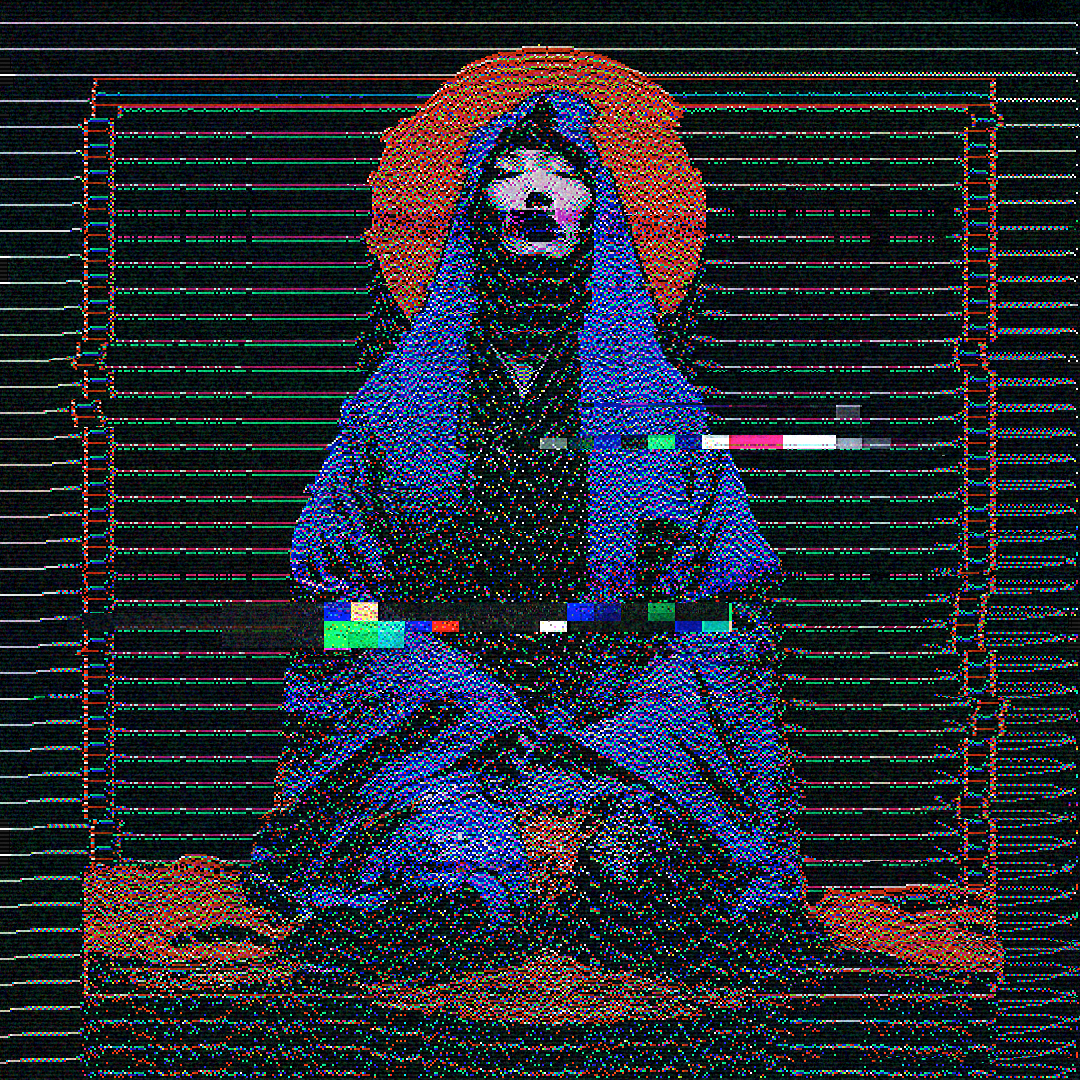
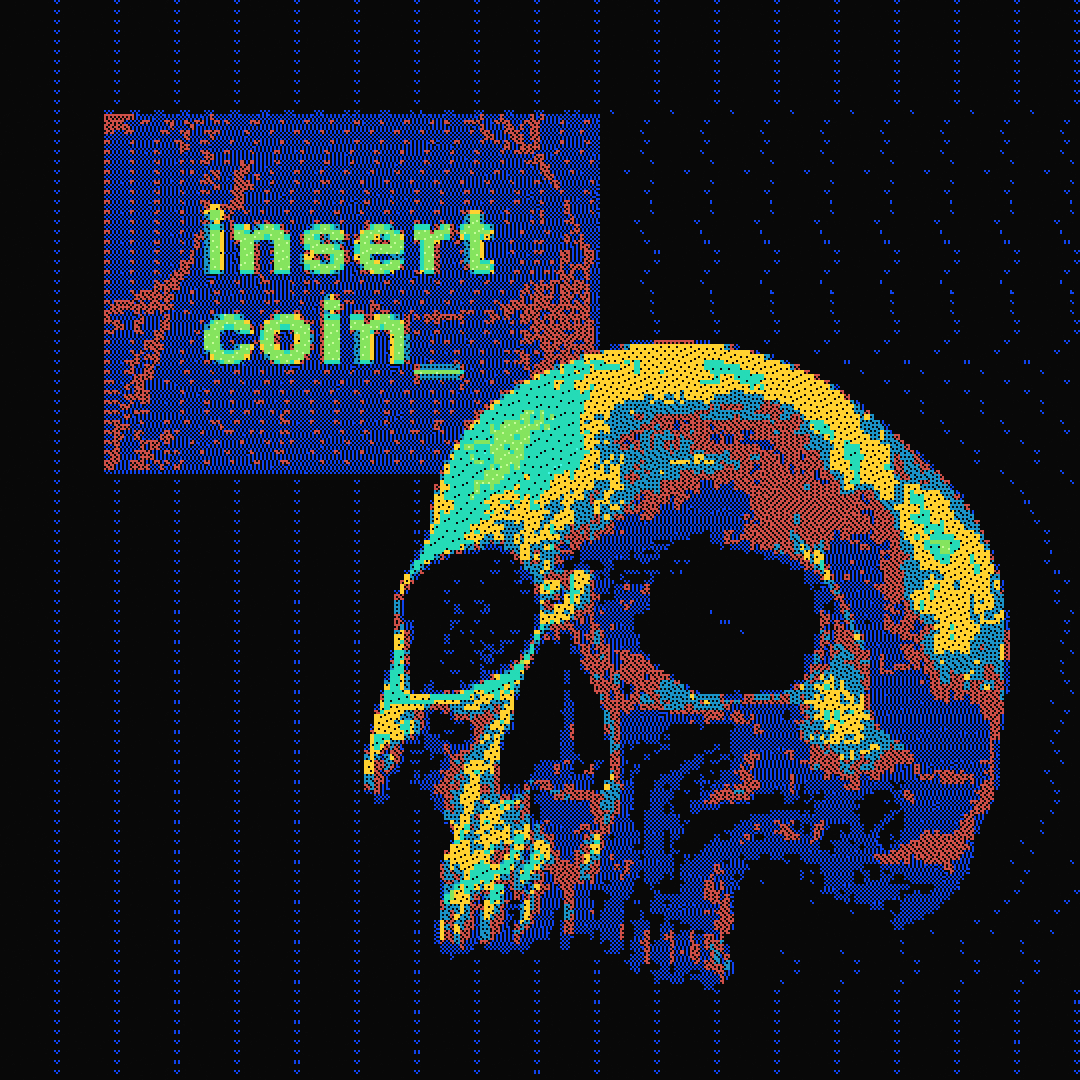
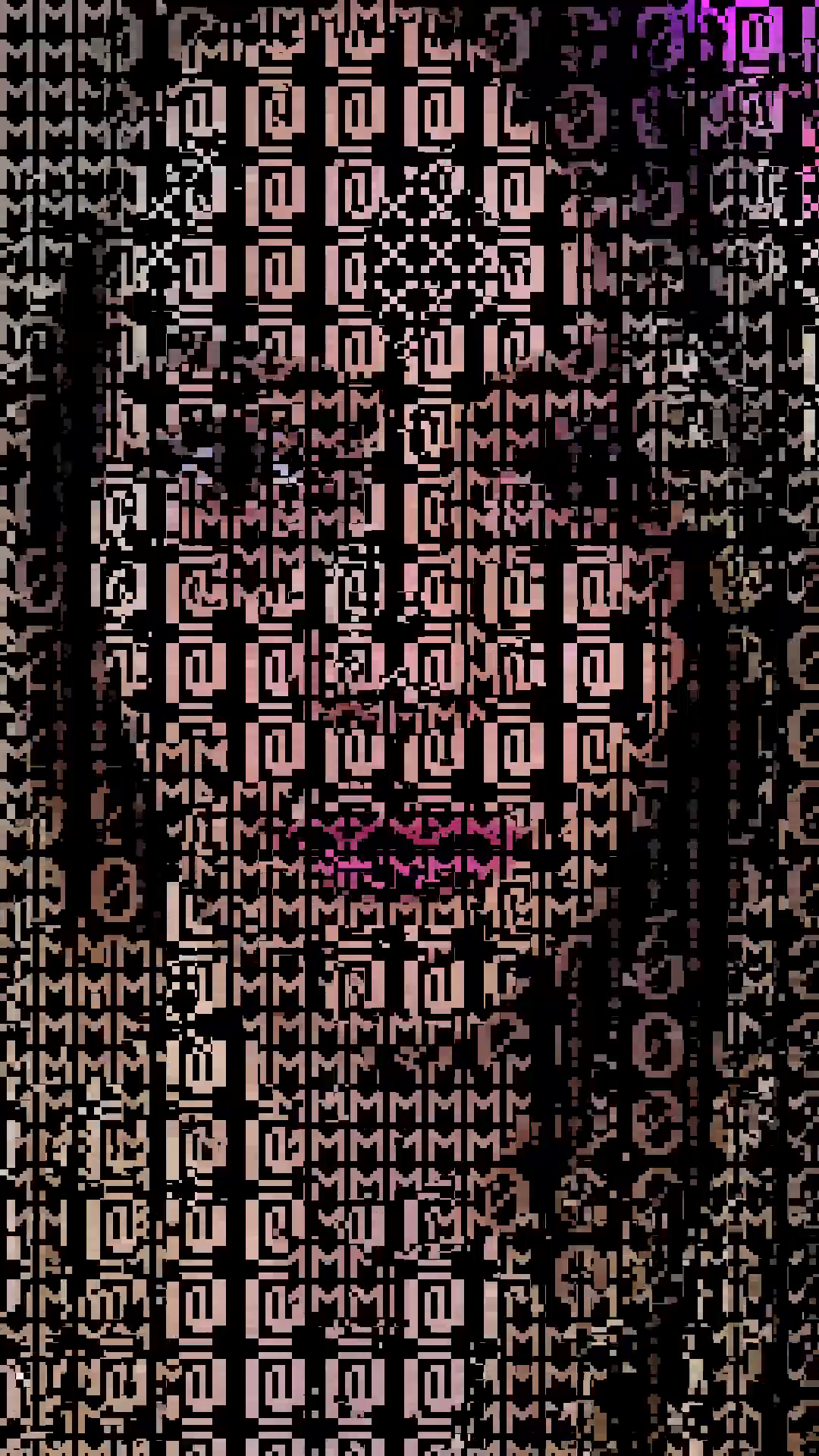
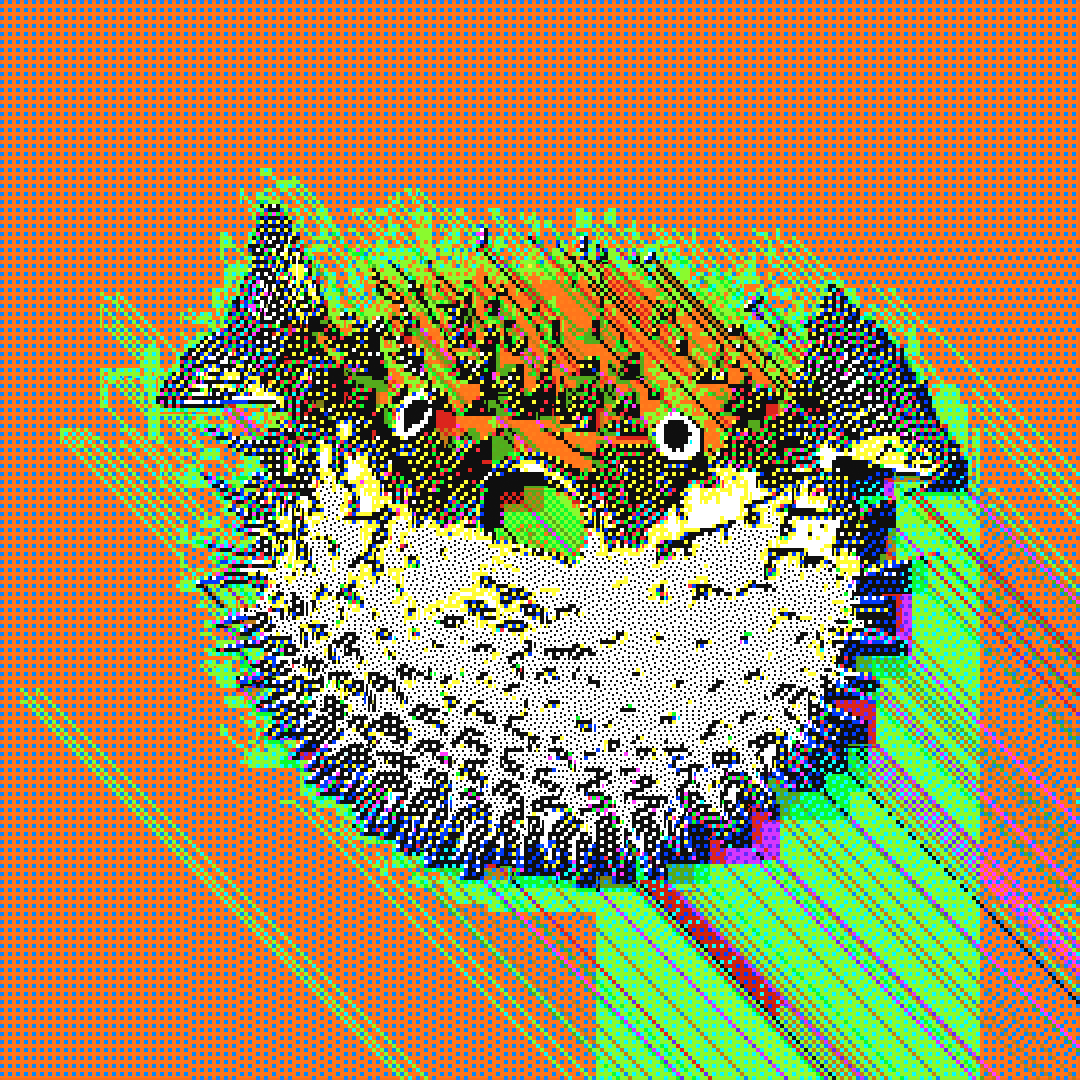
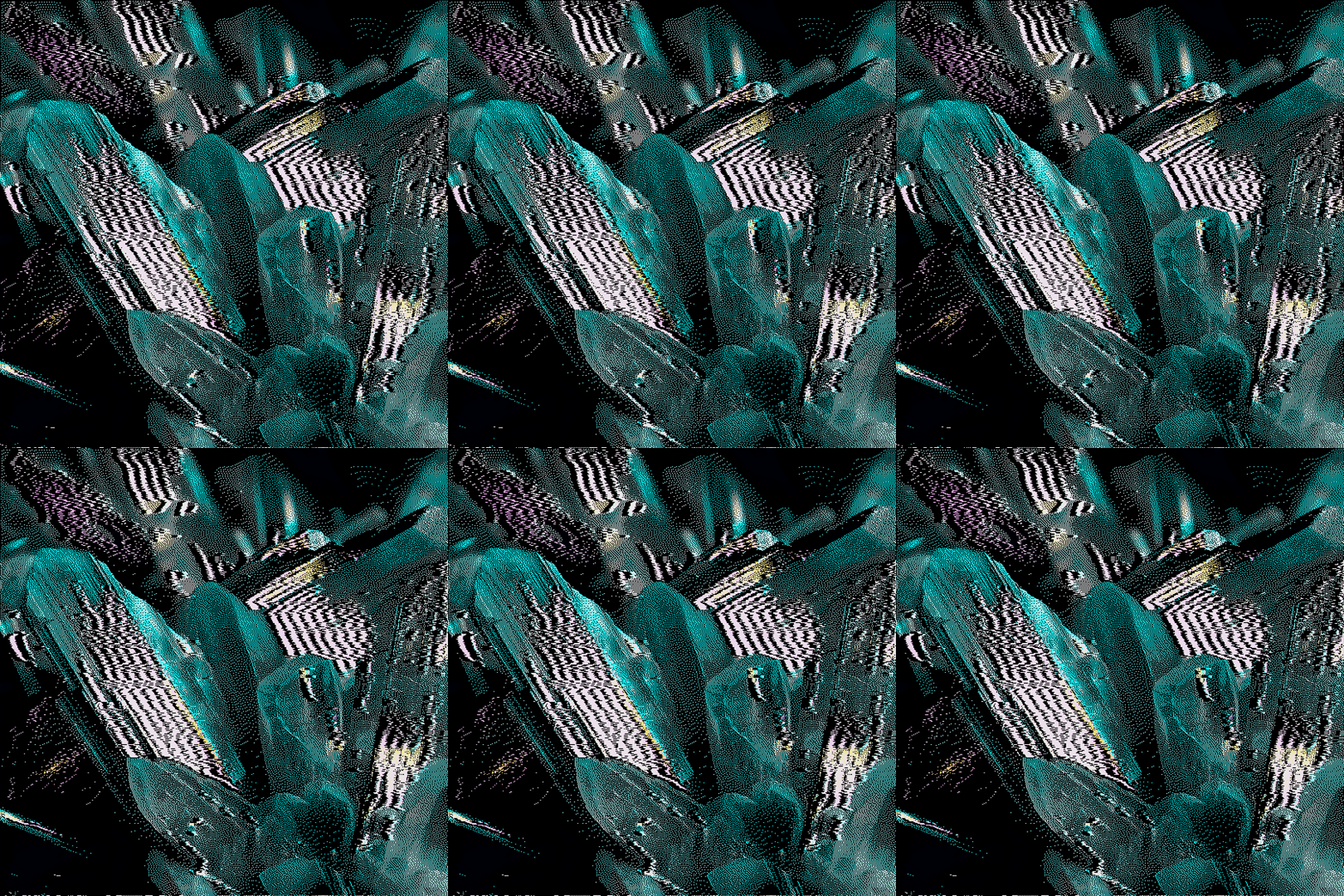
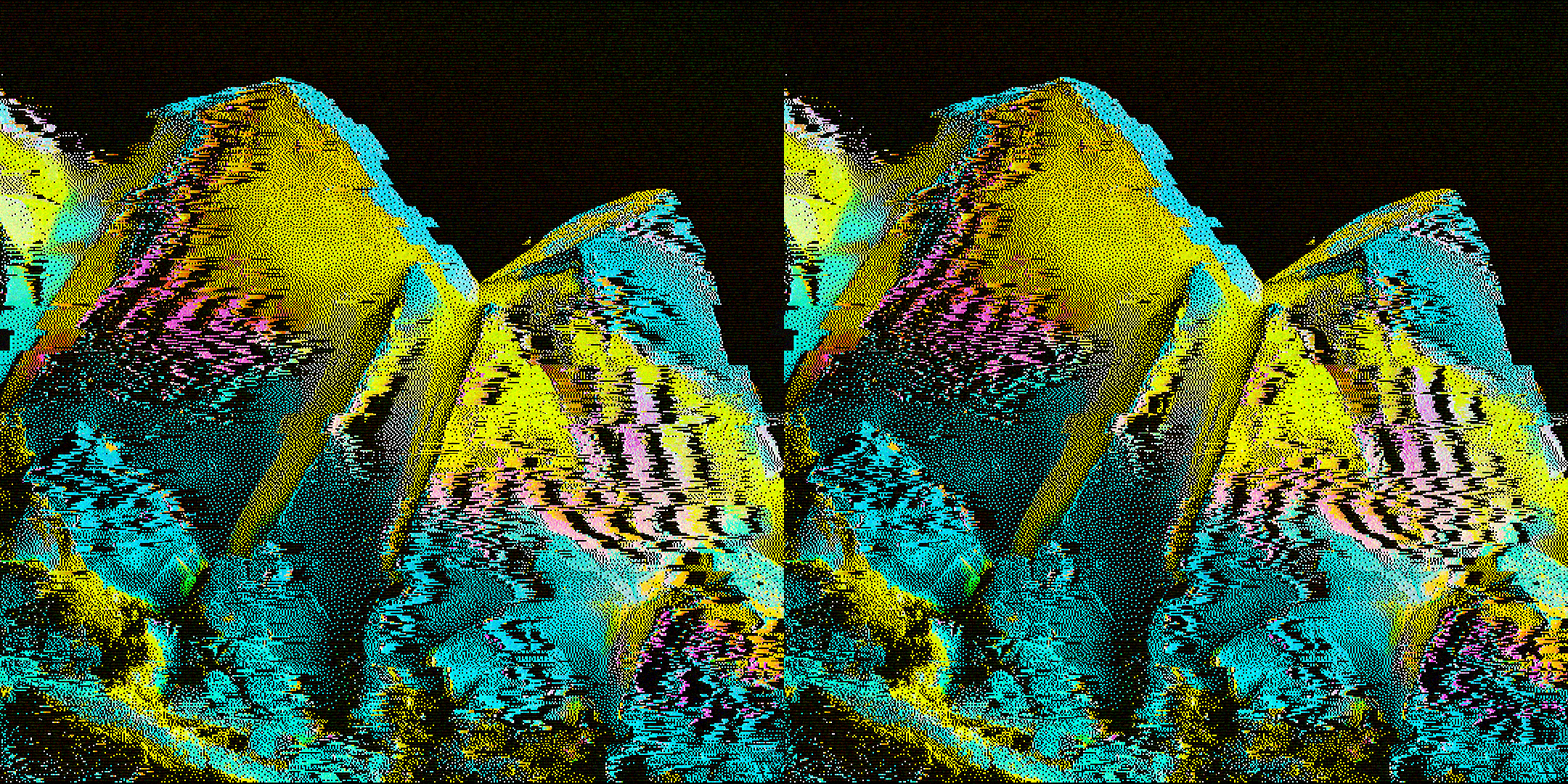
I usually combine dithering or glitch-heavy pixelation with layered digital effects to introduce a disturbed yet organic feel. Dithering is one of my current favourites - what I love about it is the mathematical precision behind pixel alignment, and the fact that there are countless free tools that make experimentation accessible to anyone.
What is a fun fact about you?
Funny enough, members of online art communities often assume I'm a guy. Maybe I don’t share enough selfies!
What else fills your time when you’re not creating art?
Outside of art, I work as an analytical chemist and data analyst. In my free time I spend a lot of time in nature, along with photography, workouts, long bike rides, clubbing, and networking with other artists.
What’s a creative experiment you’re itching to try next?
I’m looking to upgrade my setup and put together some VJ projects to explore live visuals more seriously. I’m also planning to extend my setup with a video synthesizer and create more video art using combinations of live video inputs for performances with musicians.
Do you ever feel like you’re collaborating with the software or fighting it?
I think that really depends on both the software at hand and my mood!
Have there been any surprising or memorable responses to your work?
I recently collaborated with one of my current favourite bands, and I felt completely honoured that they found my art worthy to pair with their music and reached out to work together. It’s a special feeling when art styles just click.
What’s a project you’re excited about?
I’m currently bringing a dream project to life by co-organizing a glitch art festival and exhibition in Zagreb, Croatia this April [called Glitch Cult Festival] with an awesome international group of artists. Can’t wait to see the community come together and the unexpected ideas that emerge.
Are you our next spotlight artist? Submit the form to apply to be featured!
We share works by digital artists as well as digital arts exhibitions, events, and open calls daily on Instagram — follow us for more and subscribe to our newsletter so you don’t miss new blog posts.
![Project Spotlight: pifmgr.dll’s [M]ETAL✨ @pifmgr.dll is a digital artist working at the intersection of audiovisual design, 3D experimentation, and atmospheric world-building. His project [M]ETAL explores metal both as a physical material and a](https://images.squarespace-cdn.com/content/v1/63b2fdbe4376de5bfdc6771f/1779108338452-QO04Q3MMJ3VMU8PJV1MD/image-asset.jpeg)