

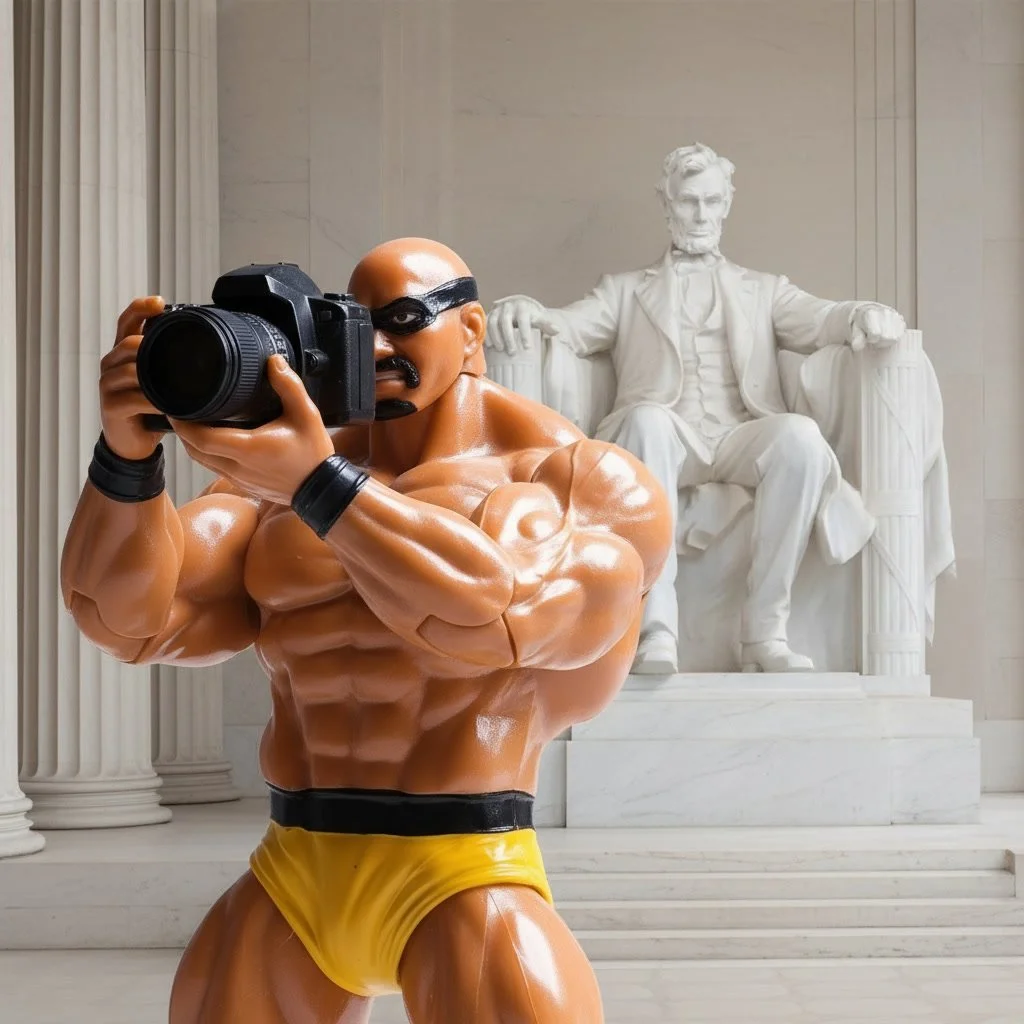
Andy Baird on Building a Toy Line That Never Existed
Andy Baird is a digital artist and the creator of Stiff Competition, a series of six original characters styled as 1994 action figures and placed into individually composed scenes. Each work is presented as a one-of-one digital artwork, framed by the fictional history of a toy line that never existed: an invented manufacturer, a cancelled 1990s product range, and even a decommission notice. Rather than pretending these objects are lost pieces of pop-culture history, Baird makes the fiction part of the work, building an alternate archive around characters and stories that are entirely his own.
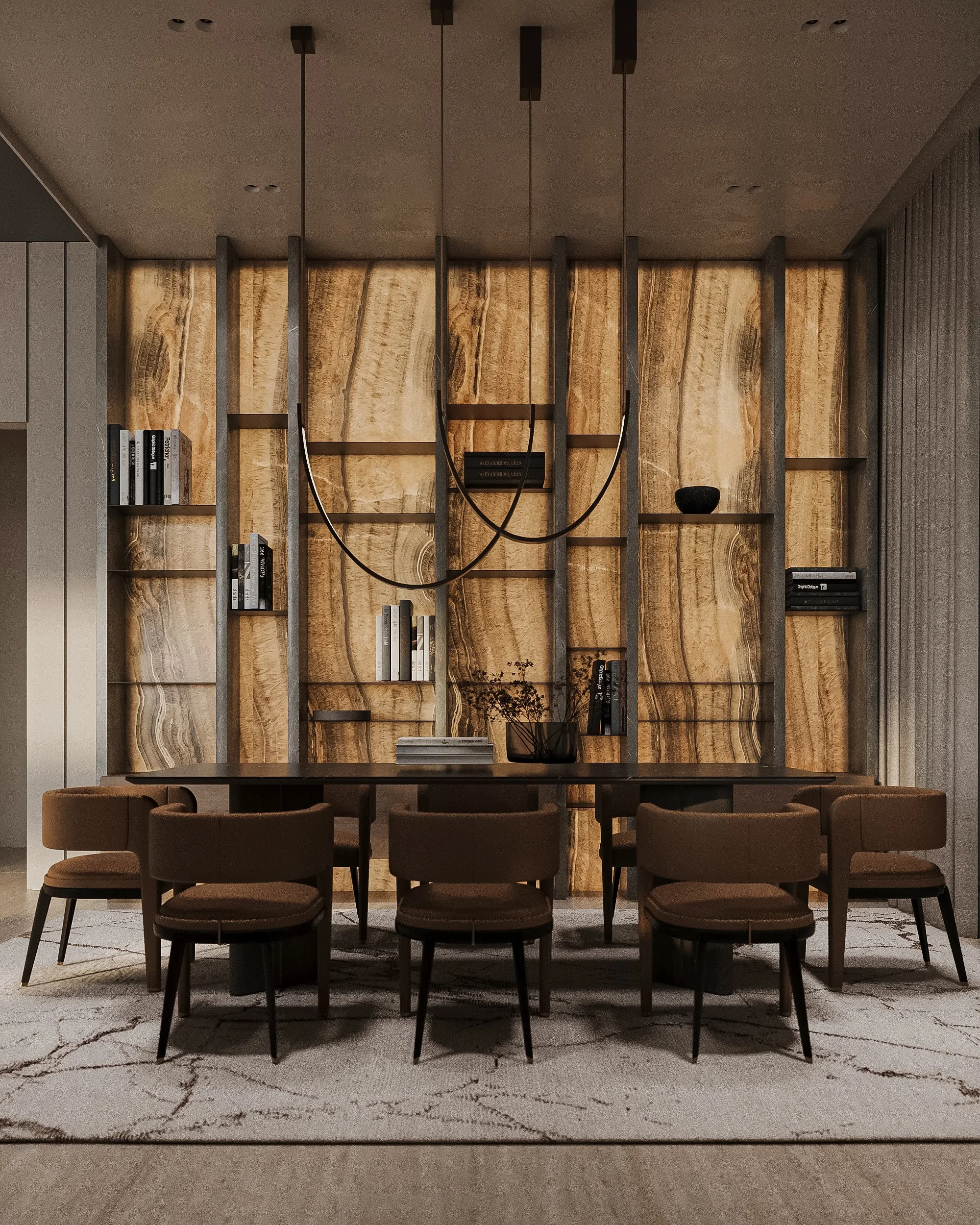
CGI as a Design Tool: A Conversation with Alina Stopina
Alina Stopina is a 3D visualizer and the founder of SILNO DESIGN, a studio with offices in Miami and Poland. For more than 14 years, she has worked on photorealistic visualization of residential and commercial interiors for clients in the US, Poland, Ukraine, and the UAE — from private residences to penthouses of up to 700 square meters.
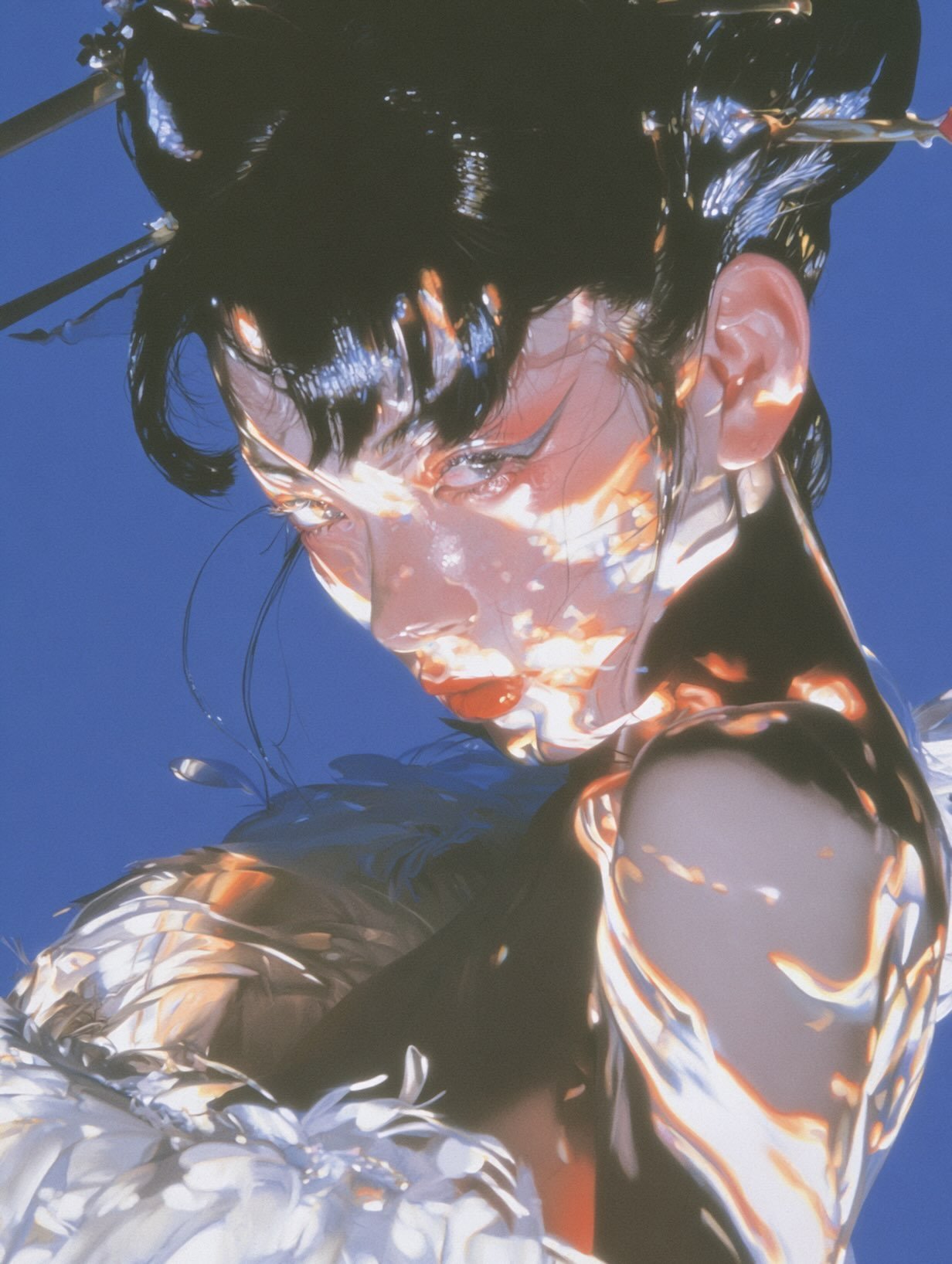
Between Charcoal and Chrome: A Conversation with Eddie Kim
Eddie Kim is a multidisciplinary artist whose practice began with charcoal, pencil, and mixed media, often focusing on figures and faces and the emotional weight that can emerge from just a few marks. More recently, he has moved into AI-assisted digital work, using the medium to experiment with materials, lighting, camera angles, and entire environments at a much faster pace. His latest piece, The Part That Couldn’t Keep Up, continues that evolution, shifting his earlier charcoal sensibility into a striking cobalt-and-chrome world. The seven-frame silent work follows a chrome rider whose human reflection suddenly stops following her, using a simple surreal premise to explore ideas of identity, separation, and transformation.
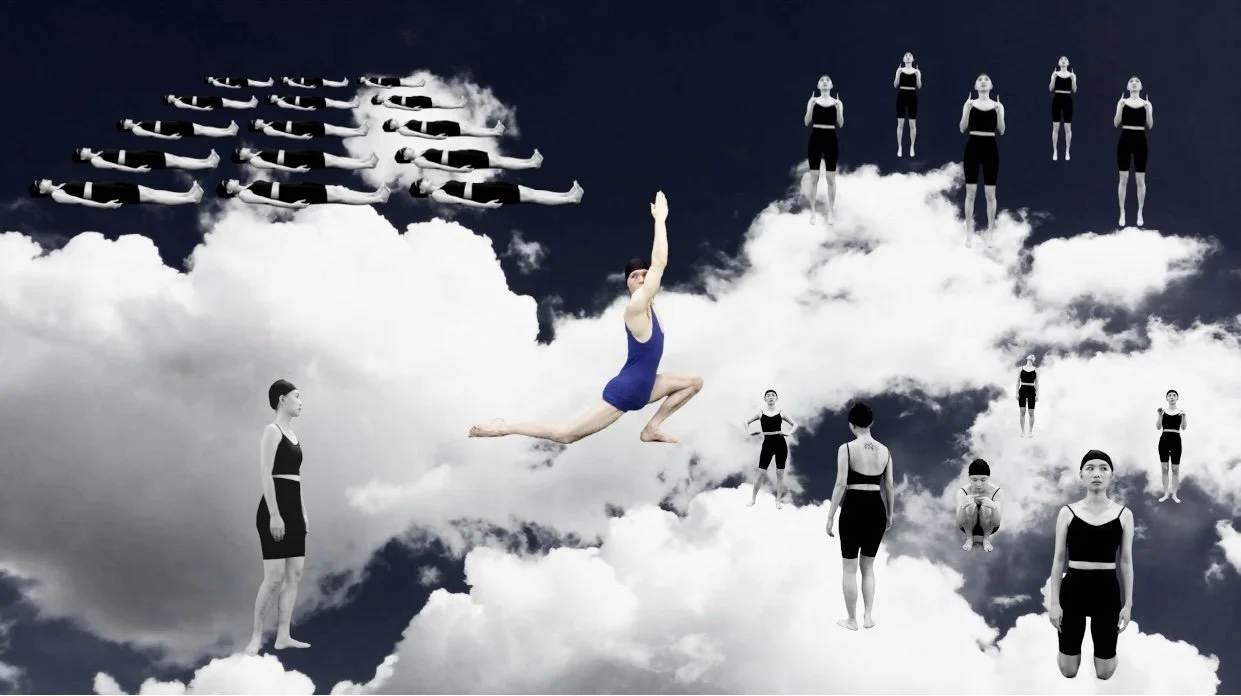
The Art of Asking Better Questions: A Conversation with Lila Rui Lan
Lila Rui Lan (蓝睿) is a London-based multidisciplinary artist from China whose practice spans photography, moving image, and interactive installation. Through participatory works, she explores the relationships between individuals, communities, nature, and technology, questioning how these systems shape one another and how they might be reimagined. Rather than offering fixed conclusions, her installations invite viewers to engage through embodied experience, creating open-ended encounters that encourage reflection on the social and algorithmic structures that influence everyday life.

How Tong Zhao Balances Brand Design with Slower Forms of Craft
Tong Zhao is a New York–based multidisciplinary designer whose practice spans brand identity, art direction, digital experiences, motion, and object-making. Currently a Senior Visual Designer at Robinhood, she approaches design with a curiosity for how ideas can evolve across different mediums, moving fluidly between digital and physical forms. Alongside her professional work, she maintains an independent practice where she explores jewelry, ceramics, textiles, and other slower, hands-on methods of making, bringing the same thoughtful attention to craft and storytelling into every project.
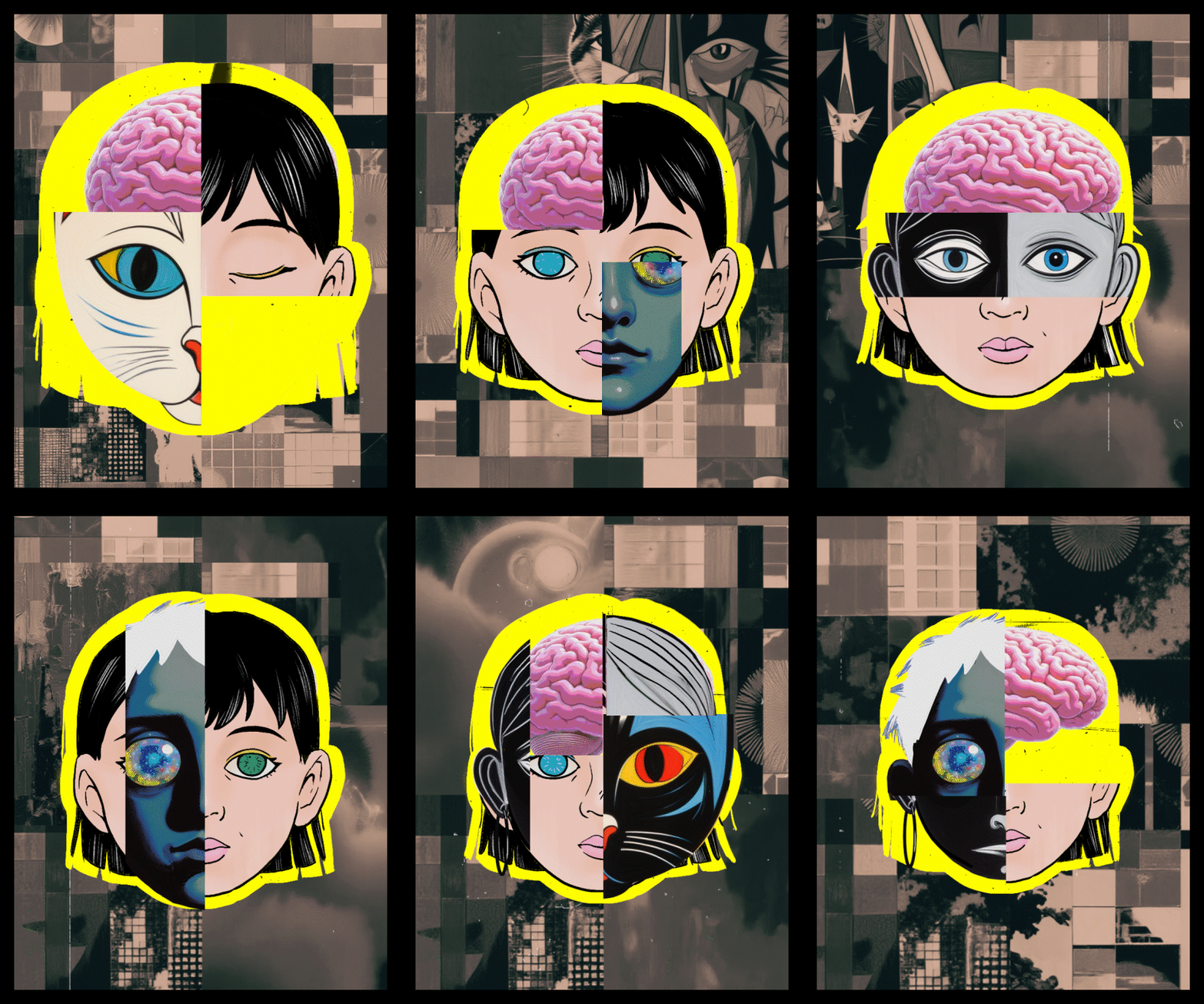
Animation as a Way of Thinking: An Interview with Anna Huijun Wang
Anna Huijun Wang is a Los Angeles–based animator and multidisciplinary artist whose work moves fluidly between hand-drawn, 2D, and procedural 3D animation. A graduate of New York University Tisch School of the Arts and the University of Southern California, she currently works at BUCK, creating animation for clients including Google and Apple while maintaining an independent practice focused on experimental filmmaking. Across both commercial and personal work, Wang treats animation as more than a visual medium — it becomes a way of exploring identity, perception, and the constant process of transformation.
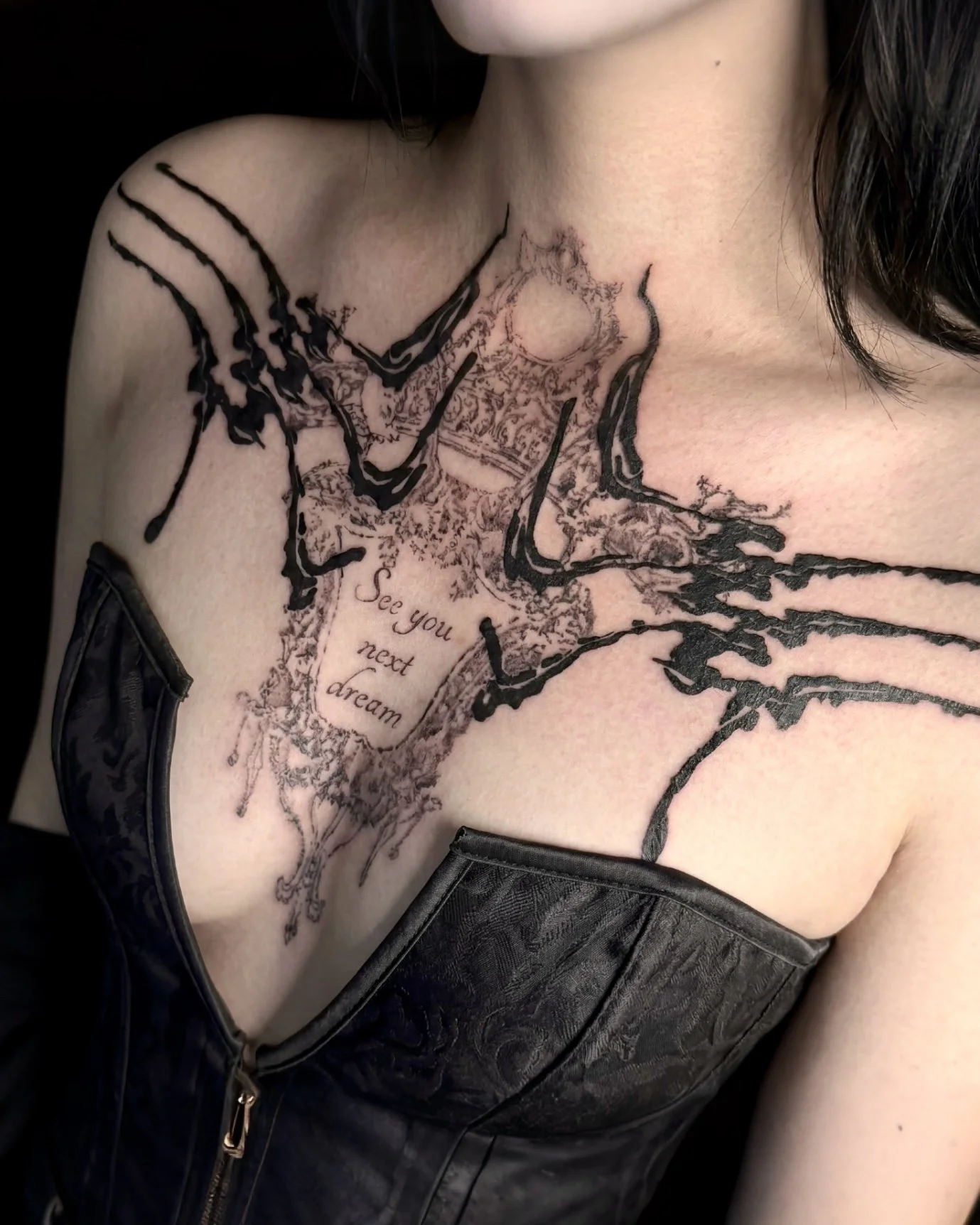
Cain on Scars, Trust, and the Art of Leaving a Mark
Cain is a multidisciplinary artist whose practice spans tattoo design, digital illustration, graphic design, product collaborations, and 3D concept development. Working primarily with digital tools, he creates bold, striking imagery that often makes its strongest impact through simplicity and immediacy. Whether designing for the screen or the body, his work is driven by an interest in visual language that captures attention first and gradually reveals deeper emotional and personal meaning. For Cain, digital creation is not an endpoint but the beginning of a process that ultimately transforms ideas into lived, physical experiences.
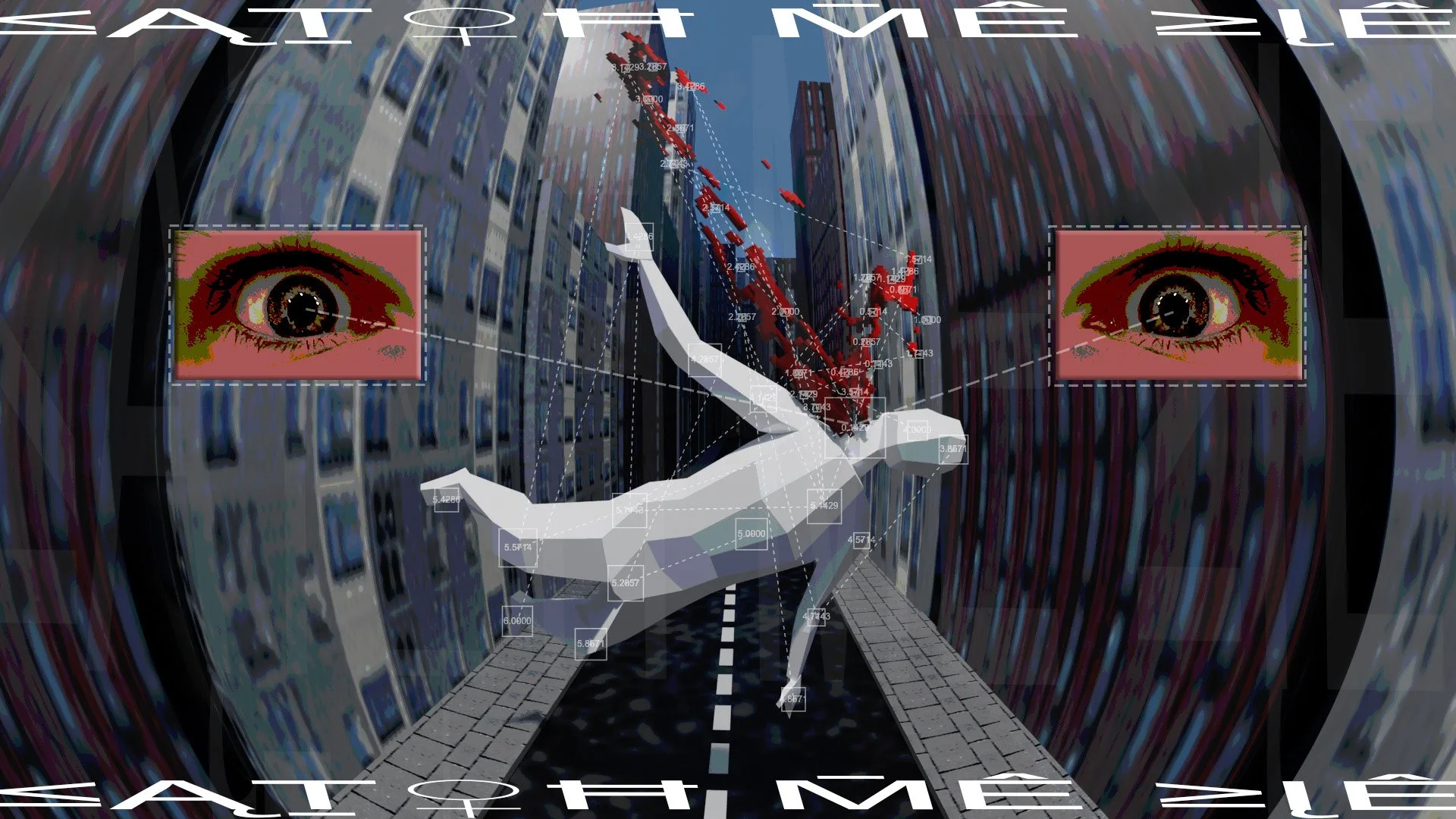
Where Dreams End and the Internet Begins: A Conversation with Daniel Todd
Daniel Todd is a multidisciplinary creative whose practice spans photography, digital art, post-production, and design. A recent graduate of Manchester Metropolitan University with a BA in Fashion Art Direction, he uses digital image-making as a way to explore perception, imagination, and the increasingly complex relationship between physical and virtual life. His work often blends surreal visual elements with personal reflection, creating immersive images that question how technology shapes our experiences, identities, and understanding of reality.
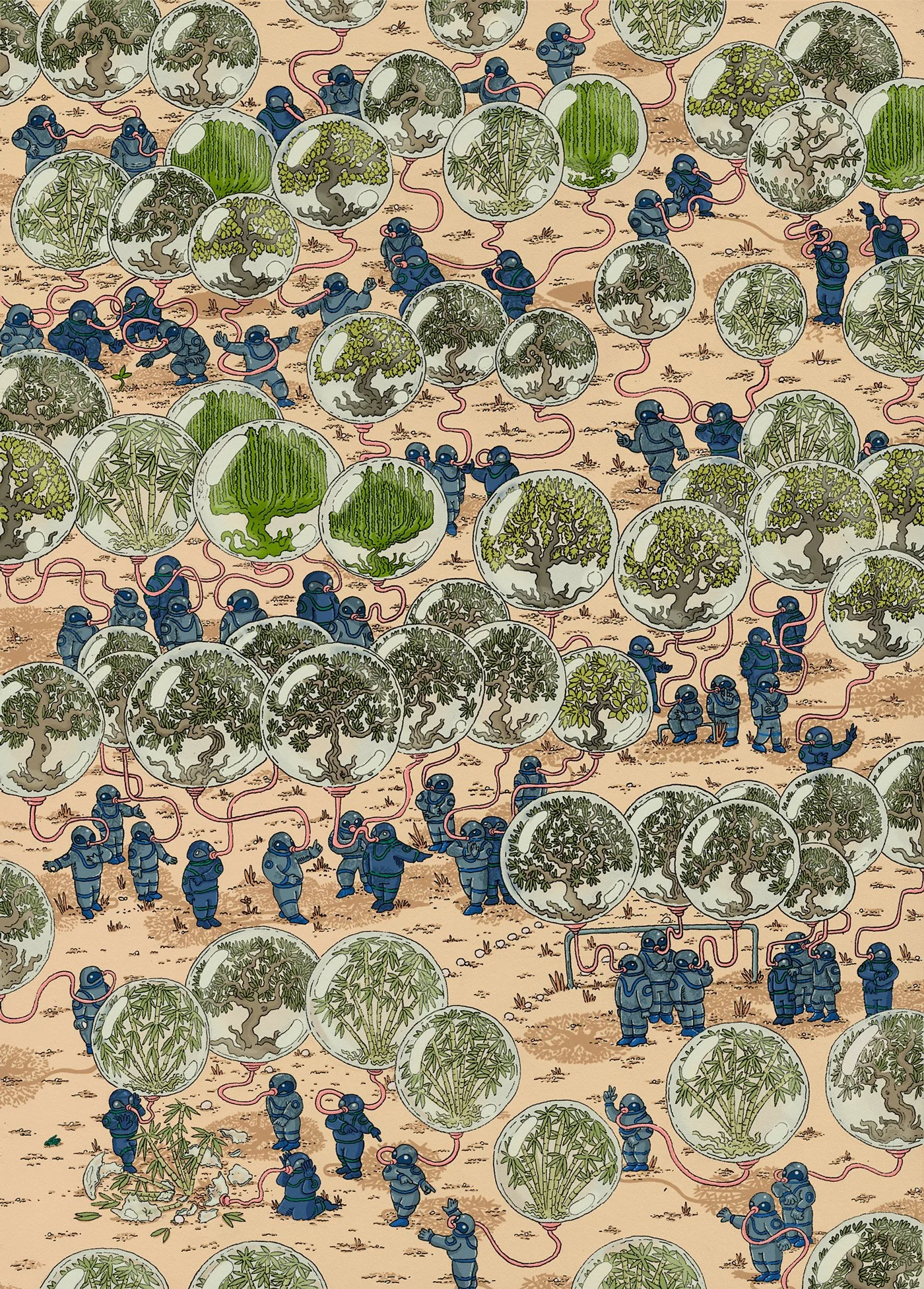
Building Cute Dystopias: Inside Kaji's Atlas K
Kaji is an artist and worldbuilder based in Bolzano, Italy, whose work blends illustration, storytelling, and AI-assisted creation into expansive fictional universes. Through his ongoing project Atlas K, he constructs what he describes as “cute dystopias” — strange worlds populated by dream-hunting mercenaries, machine rituals, synthetic folklore, and civilizations shaped by uneasy relationships with technology. Presented through short films and richly textured illustrations, his work combines playful, almost childlike visuals with deeper questions about power, belief systems, progress, and the futures we may be building for ourselves.
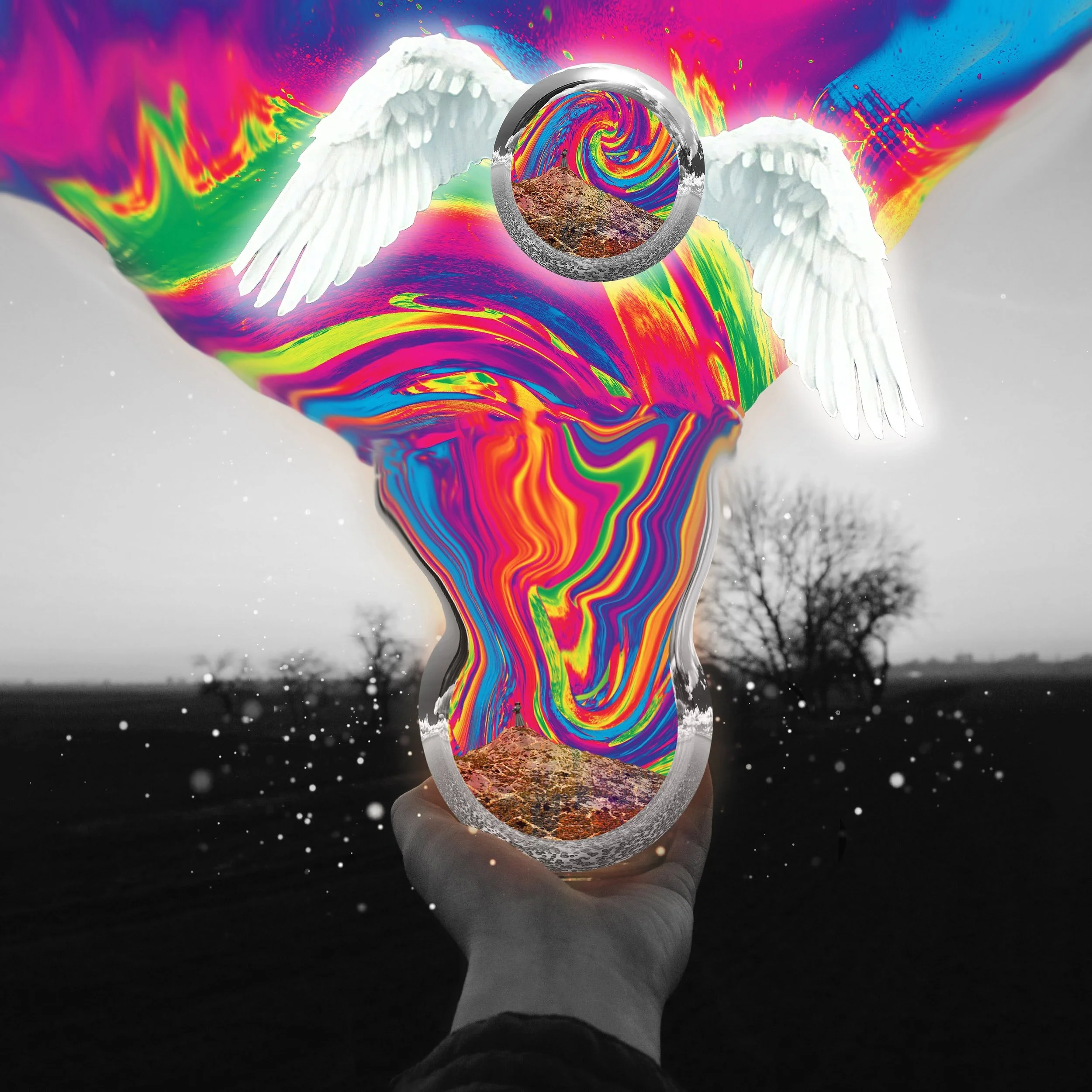
A Universe of Bioluminescence, Resilience, and Light: BeLux Beyond and the Beyondverse
BeLux Beyond is a 3D artist based in Coolum Beach, Australia, whose work invites viewers into immersive digital worlds shaped by nature, imagination, and emotion. Working within a self-created universe known as the Beyondverse, he creates surreal landscapes filled with bioluminescent forests, floating waterscapes, cosmic skies, and mysterious thresholds. Rather than functioning as standalone images, his works are designed as places to enter — environments that explore themes of resilience, transformation, and the enduring presence of light within darkness.
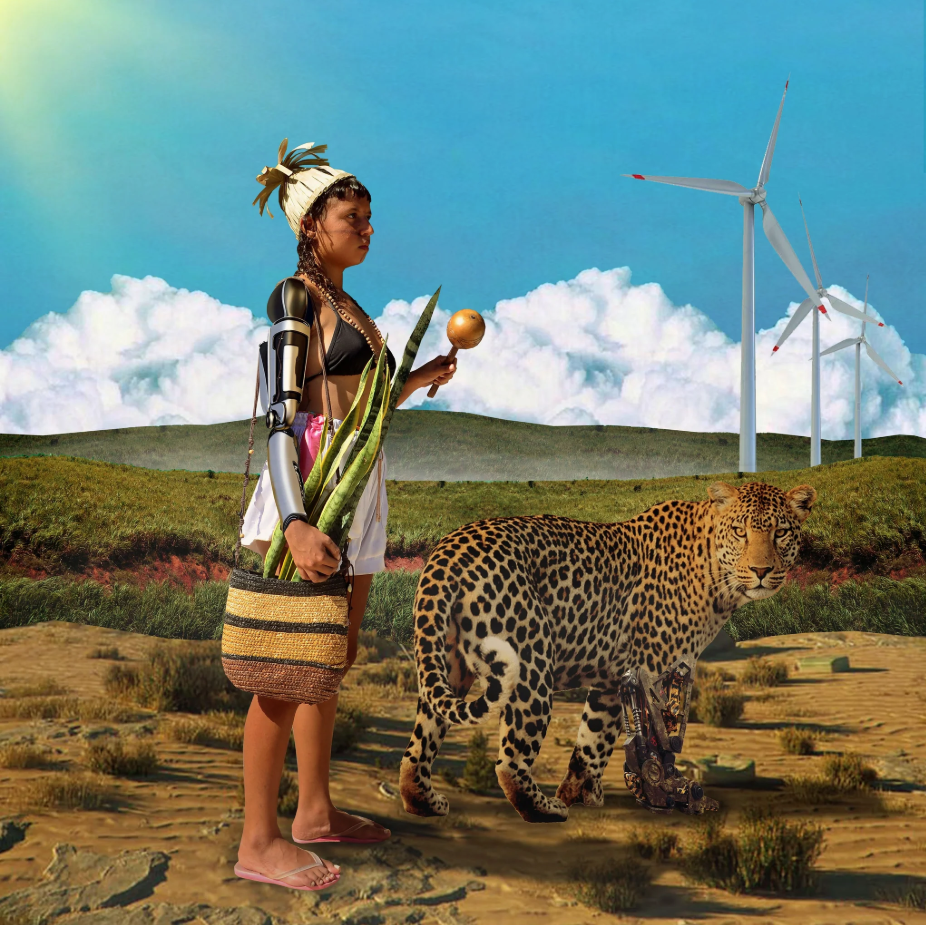
Kadu Tapuyá: The Indigenous Future Was Already Here
Kadu Tapuyá’s production intervenes in a sensitive point of Brazilian contemporary art: the persistence of colonial images that still condition the reception of Indigenous peoples within the cultural field. His work breaks with the expectation, still present in cultural institutions and international circuits, that Indigenous identity should remain tied to originary purity, territorial isolation, or a fixed image of the past.
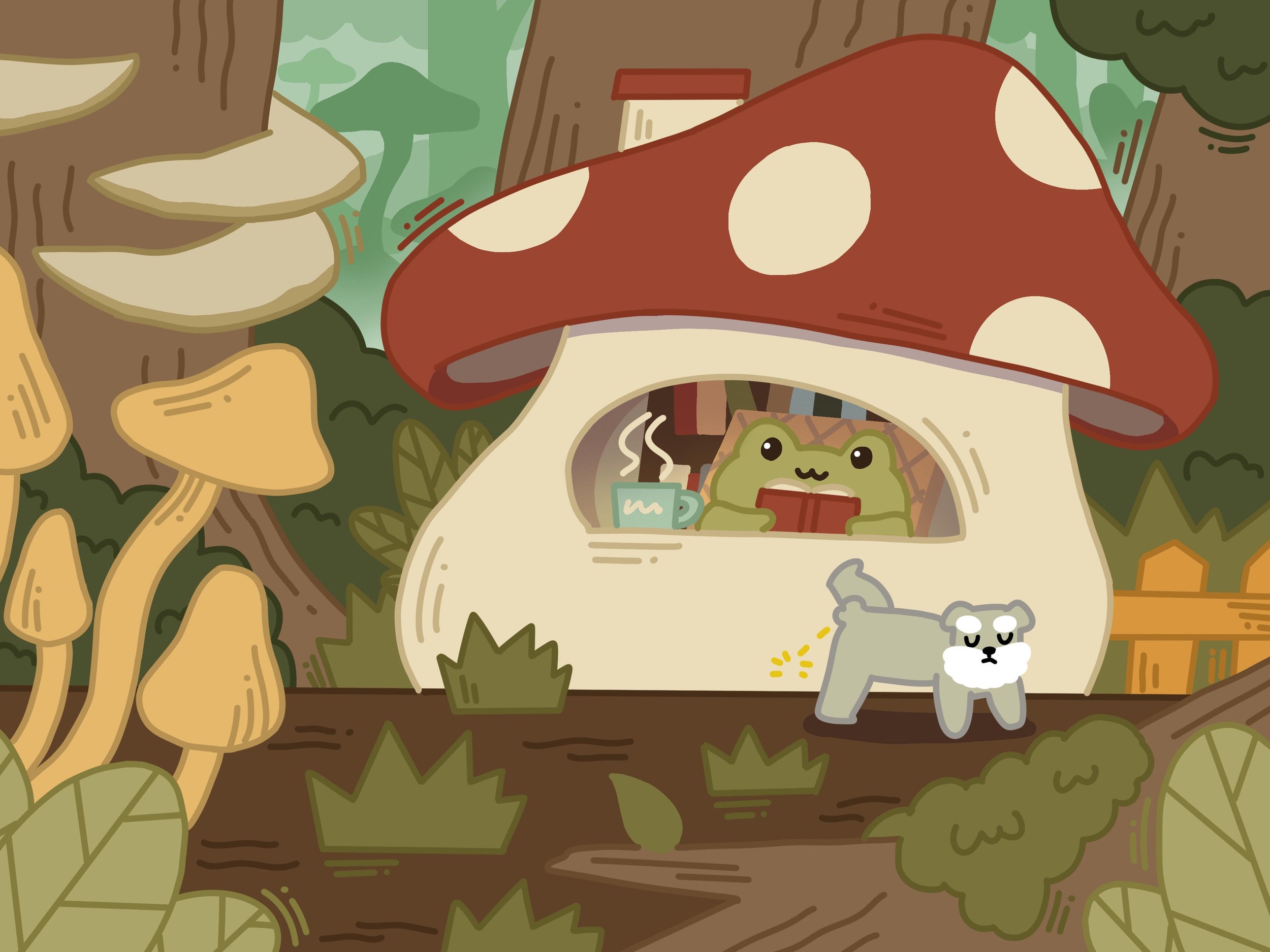
Building Atmosphere Through Illustration: The Work of Yiming Zhai
Yiming Zhai is an illustrator and mural artist whose work combines playful visual storytelling with a strong sense of rhythm, movement, and atmosphere. Drawing inspiration from everyday life, urban environments, and personal experiences, he creates character-driven illustrations and large-scale murals that balance bold compositions with an approachable sense of humor and warmth. Holding a BFA in Illustration from the School of Visual Arts and an MFA in Illustration from the Savannah College of Art and Design, Yiming is interested in how images can shape the feeling of a space while still leaving room for viewers to discover their own connections within the work.
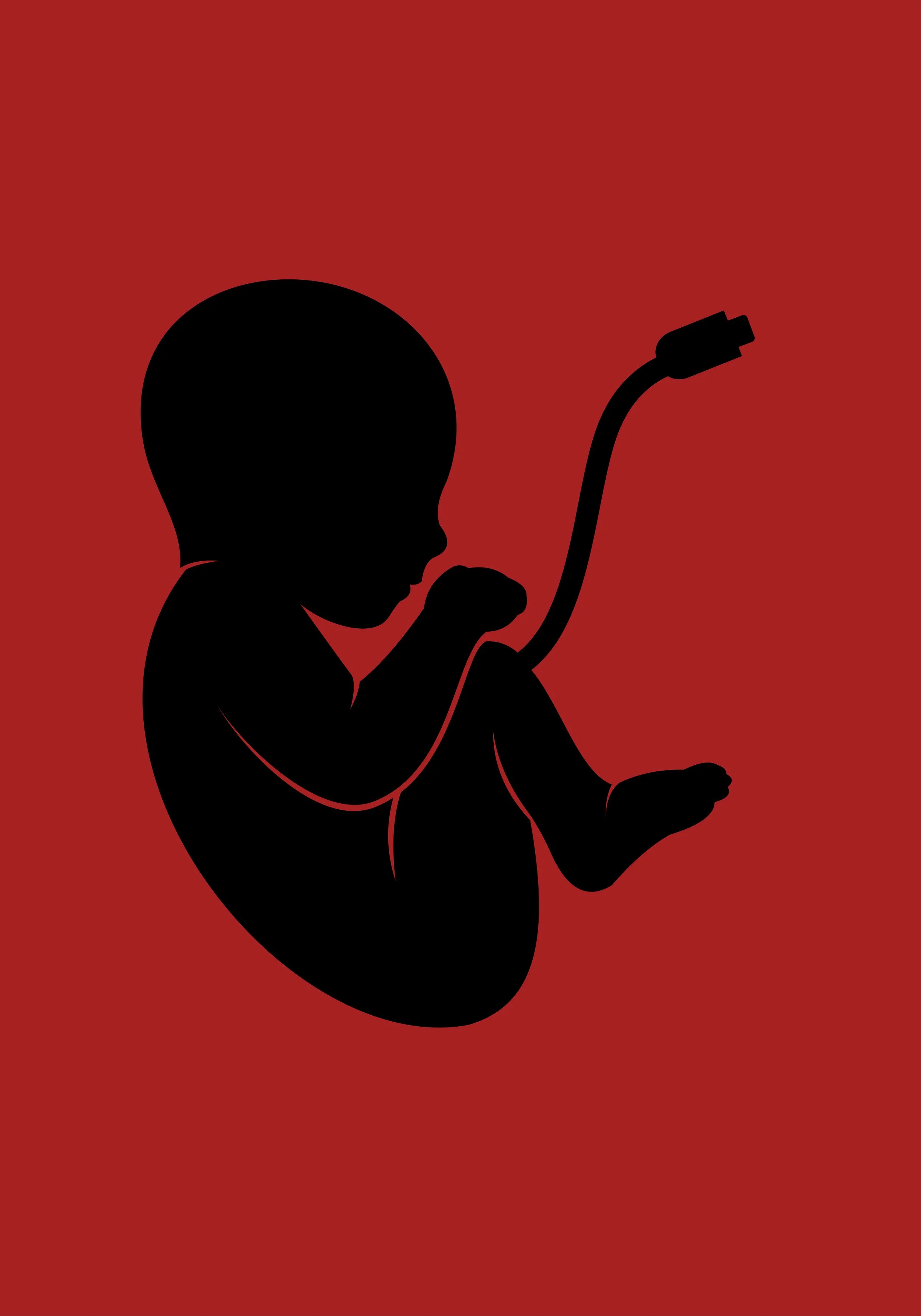
Behnam Raeesian Explores Fear, Censorship, and the Atmosphere of Silence
Behnam Raeesian is an Iranian visual artist and poster designer whose work operates at the intersection of political urgency and symbolic minimalism. Through graphic design, exhibitions, curatorial collaborations, and international jury roles, he explores themes of power, censorship, conflict, and the psychological weight carried by contemporary societies. His visual language is often restrained yet emotionally charged, using minimal forms and sharp symbolism to reflect collective states of fear, control, and unease within modern culture.
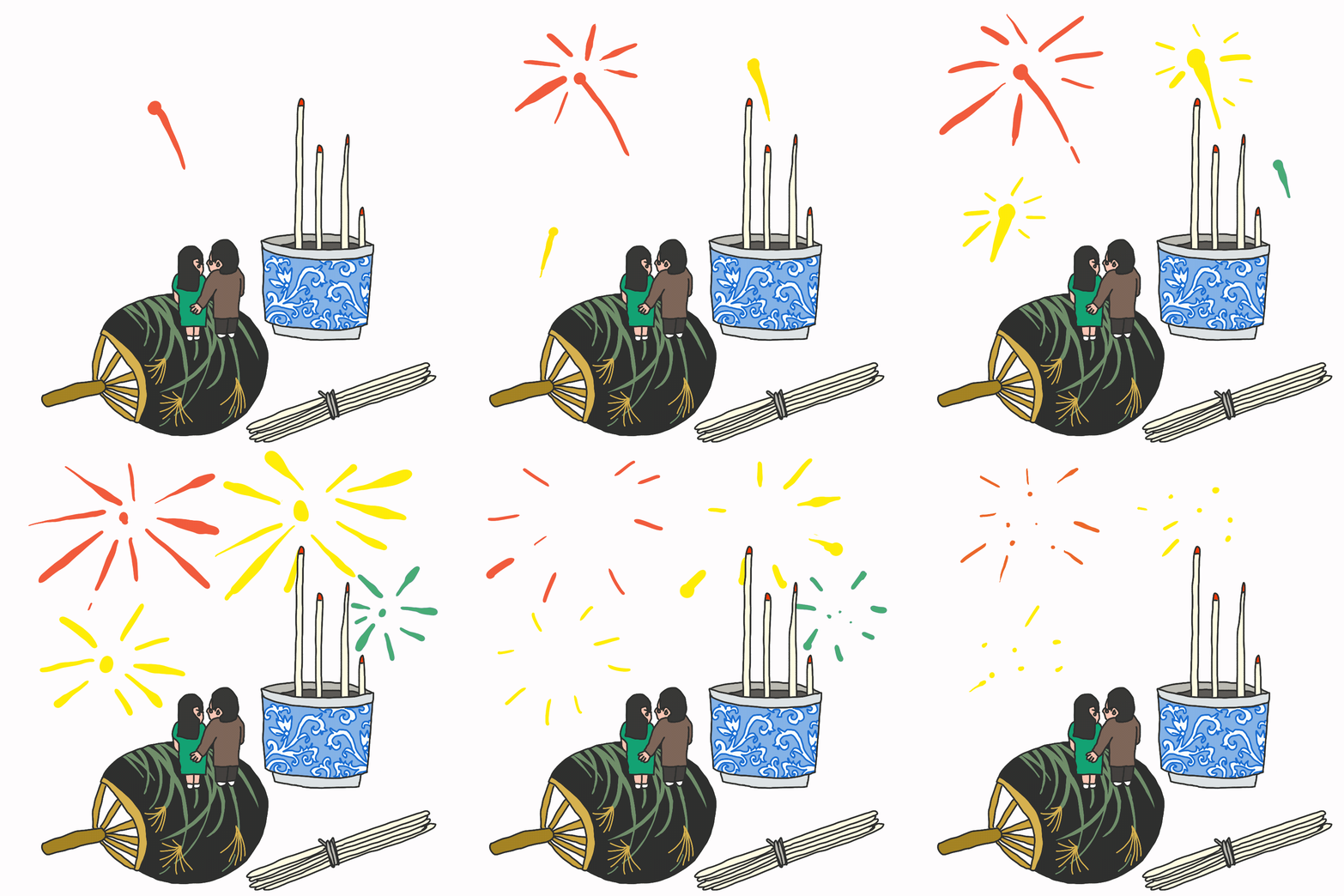
Morain An on Shared Spaces, Stillness, and Human Connection
Morain An is a New York–based illustrator whose work draws from the quiet rhythms of everyday life. Through editorial and personal projects, she creates scenes centered on people, shared spaces, and fleeting interactions that often go unnoticed. Using bold color, hand-drawn lines, and intentionally imperfect forms, her illustrations feel intimate and human, capturing the subtle emotional texture of ordinary moments rather than dramatic narratives.
![Between Brutalism and Biomorphism: pifmgr.dll’s [M]ETAL](https://images.squarespace-cdn.com/content/v1/63b2fdbe4376de5bfdc6771f/1778269349264-QR9AOFRXHYN0EX44LTBK/FE26+GIF.gif)
Between Brutalism and Biomorphism: pifmgr.dll’s [M]ETAL
pifmgr.dll is a digital artist working at the intersection of audiovisual design, 3D experimentation, and atmospheric world-building. His project [M]ETAL explores metal both as a physical material and as a symbolic image — something simultaneously rigid, industrial, alien, and unexpectedly fragile. Built around nine digitally created objects, the project examines form, surface, and volume through carefully constructed visual tension, using digital tools to give seemingly inanimate structures a sense of presence and life.
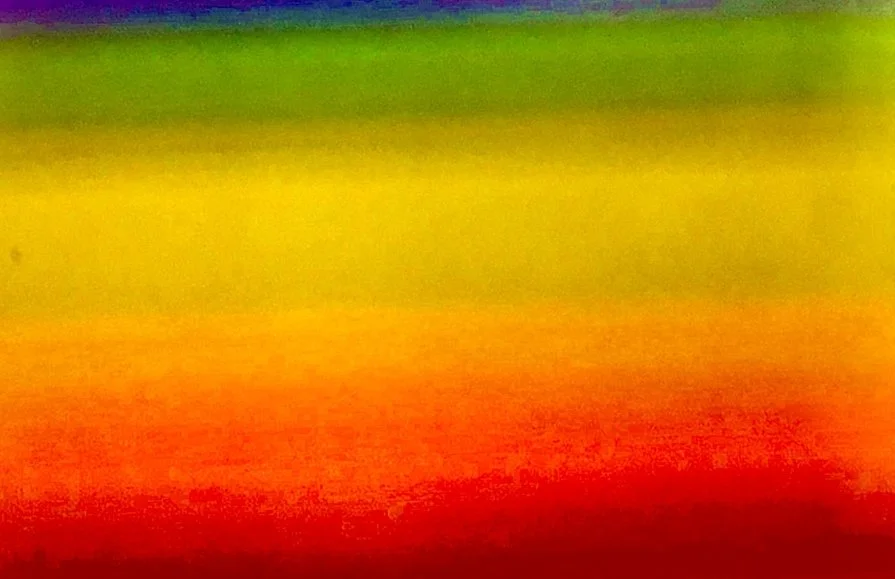
The Unphotographable Painting: The Frequency-Based Art of Scott Rummler
Scott Rummler is an artist exploring the limits of perception, painting, and digital representation. At first glance, his minimalist white canvases appear almost blank, but when viewed through a digital camera, they reveal shifting spectrums of color created through precisely calibrated interactions of paint and light. Because each photograph captures something slightly different, the works resist stable documentation, disrupting the usual relationship between a physical artwork and its online image. His practice sits at a compelling intersection of perception, technology, and painting, using subtle visual shifts to question how we experience and translate art in a digital context.
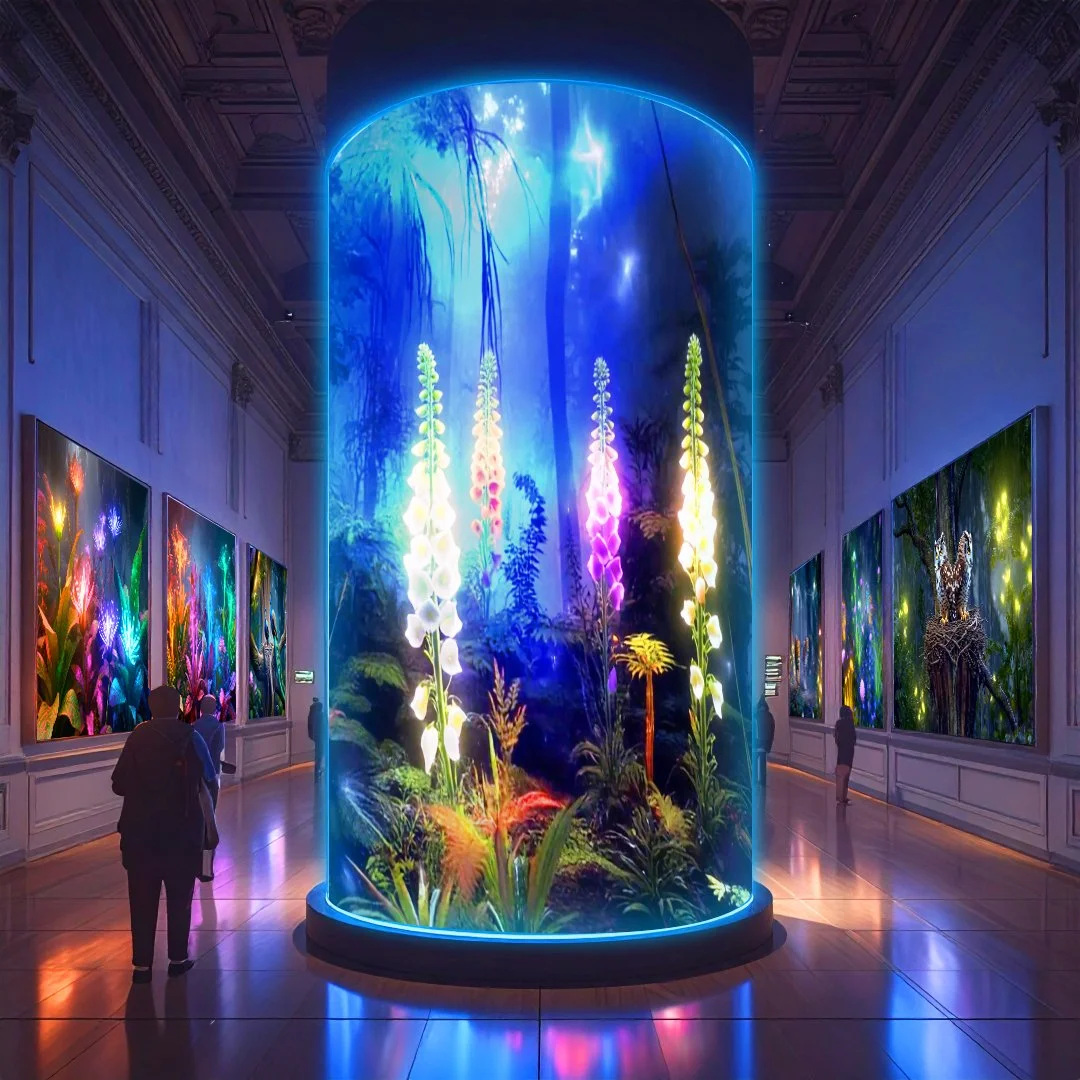
R. Gopakumar and the Art of Changing How We Think
R. Gopakumar is an India-based multidisciplinary artist whose practice moves fluidly between art and technology. His work explores pressing environmental, social, and political questions, using digital and experimental approaches to create visually layered, thought-provoking pieces. With a focus on how technology shapes contemporary life, he treats it not just as a medium but as a critical lens — one that allows him to examine the complexities of the world we’re living in.
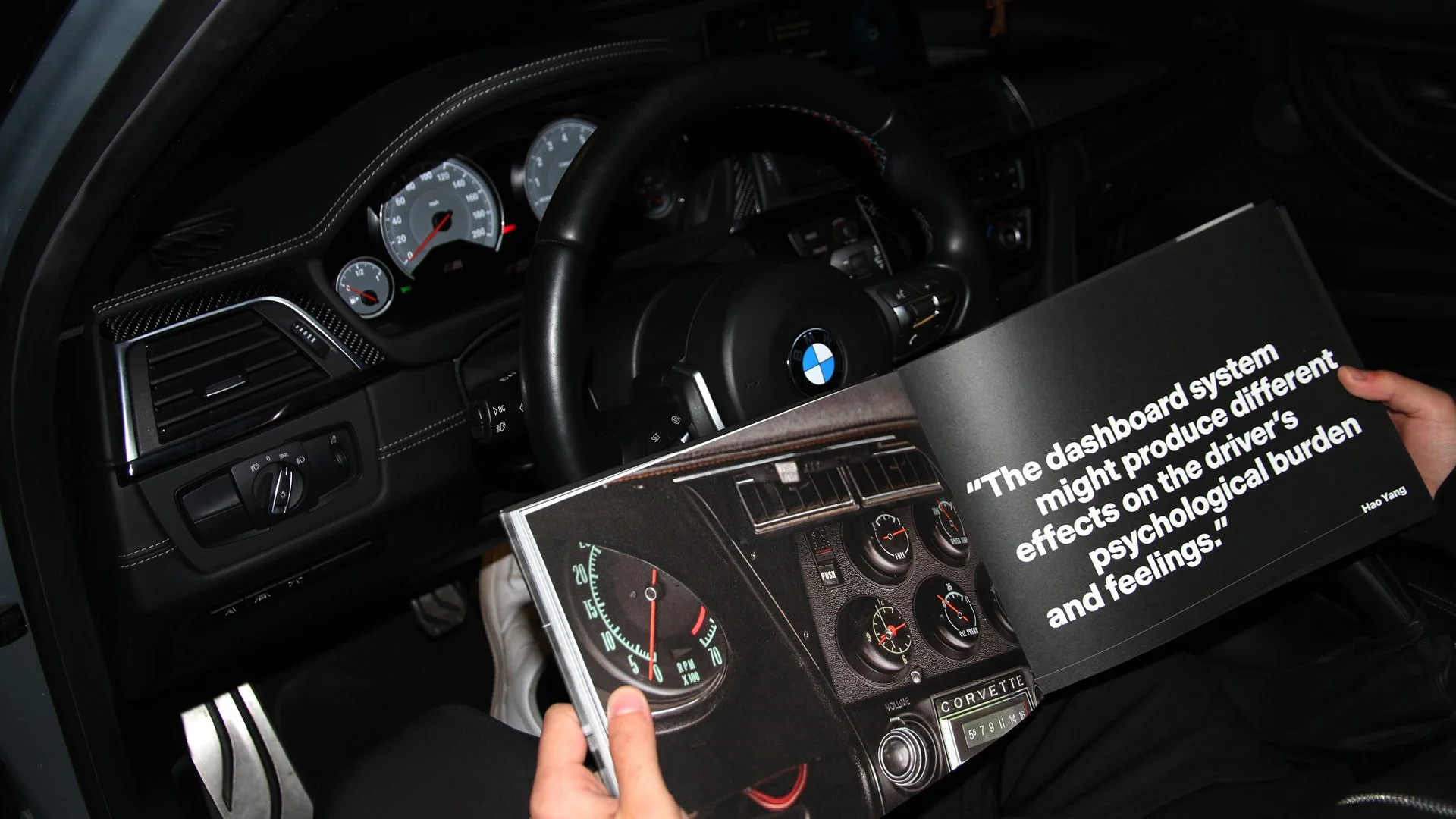
“Storytelling Is Everywhere”: Shengjie Wu on Design in Everyday Objects
Shengjie Wu is a designer specializing in brand identity, art direction, and book design. Originally from Shenzhen and now based in Los Angeles, he currently works at the Petersen Automotive Museum, where his interests in visual storytelling and design intersect with a broader cultural conversation around objects and mobility. Across his work, Shengjie is drawn to the idea of design as a bridge — something that can connect people, ideas, and places through carefully considered visuals.
“Creativity, Consistency, Curiosity”: Liora Laeticia’s Storyboarding Philosophy
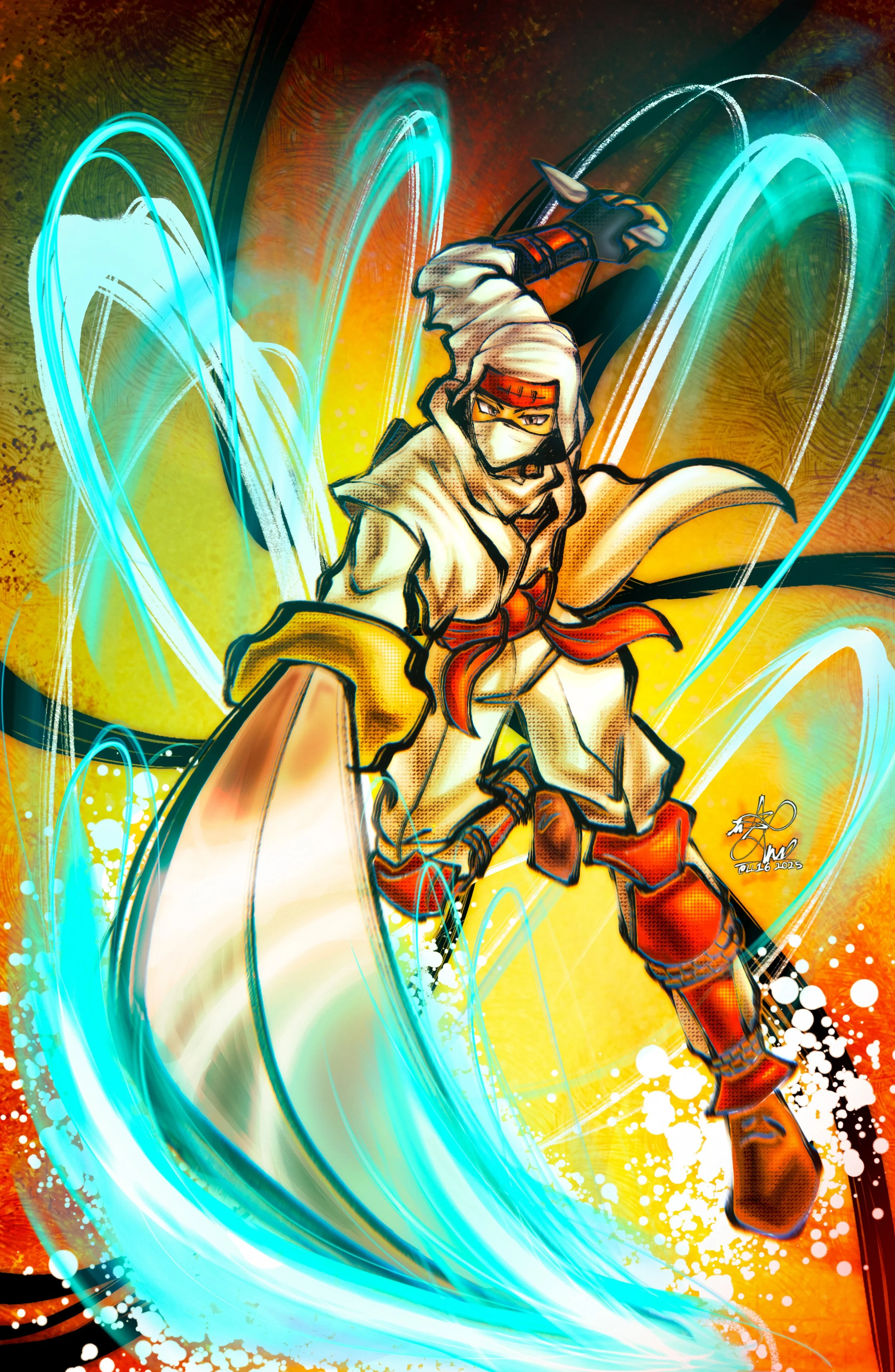
Liora Laeticia is a Jakarta-based Indonesian storyboard artist and illustrator who brings stories to life through dynamic visual storytelling. Working across brand commercials, illustration, and narrative media, she focuses on translating scripts into clear, expressive sequences that guide how a scene unfolds on screen. Her projects have included work for companies like Chery, Shopee, and Antam. At the heart of her practice is a simple principle she calls the “3C”: creativity, consistency, and curiosity — values that shape the way she approaches every storyboard and visual narrative.
Ronen Tanchum on Generative Art, Data, and Living Digital Environments
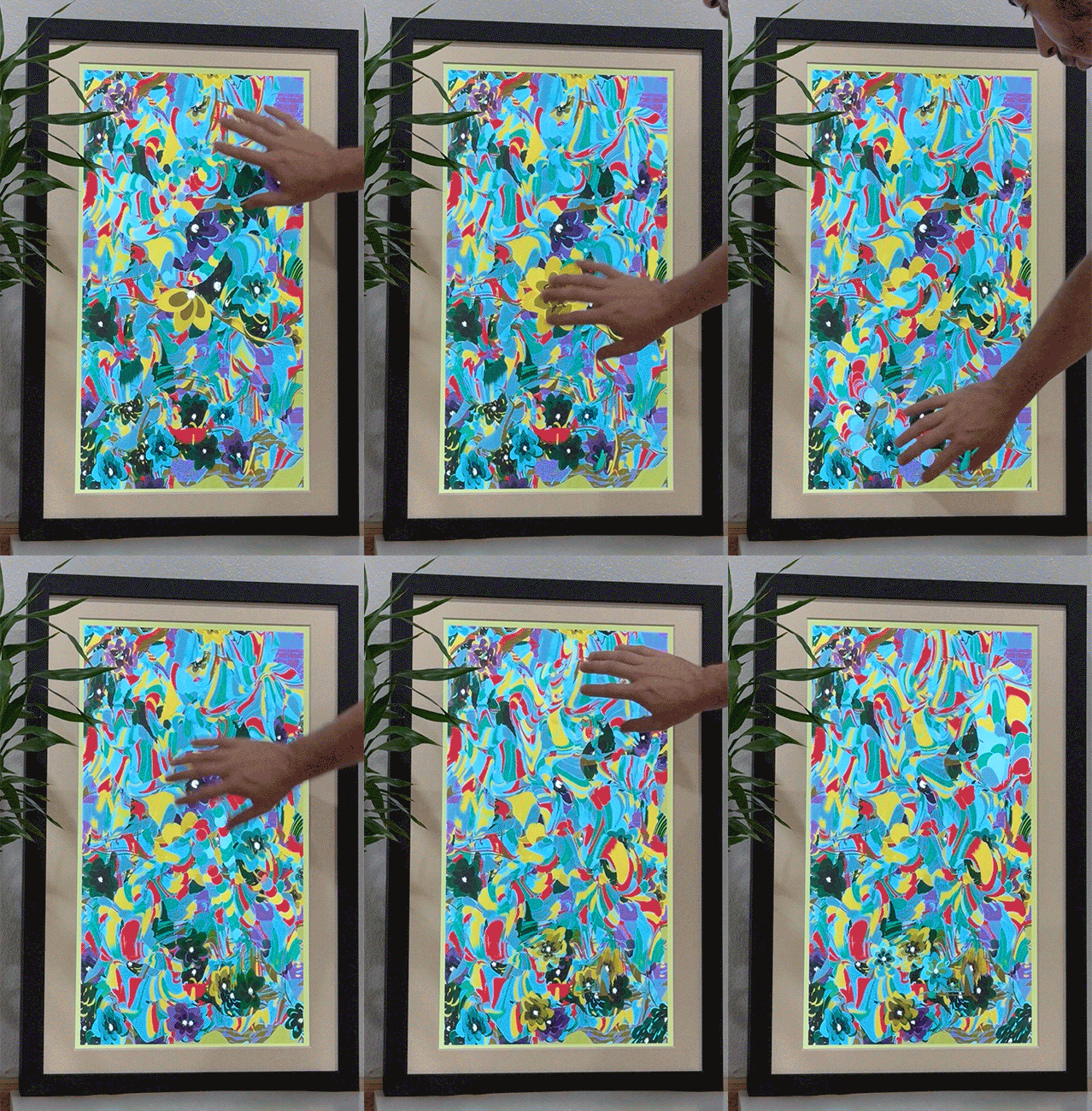
Ronen Tanchum is an artist and technologist whose immersive practice explores the relationships between technology, nature, and human perception. Working with generative systems and real-time data, he creates digital environments that behave like living ecosystems, transforming environmental signals, such as weather patterns, biological processes, and human interaction, into evolving visual landscapes. Originally trained in computational design and visual effects for major films, he now treats technology itself as an artistic medium, using it to investigate environmental systems, artificial intelligence, and the emotional dimensions of data.