The Mirror and the Map: Joe Karlovec on Buildings, Belonging, and the Metaphysics of Place
A long-form interview exploring process, tools, influences, and the realities of working in contemporary digital art.
By Cansu Waldron
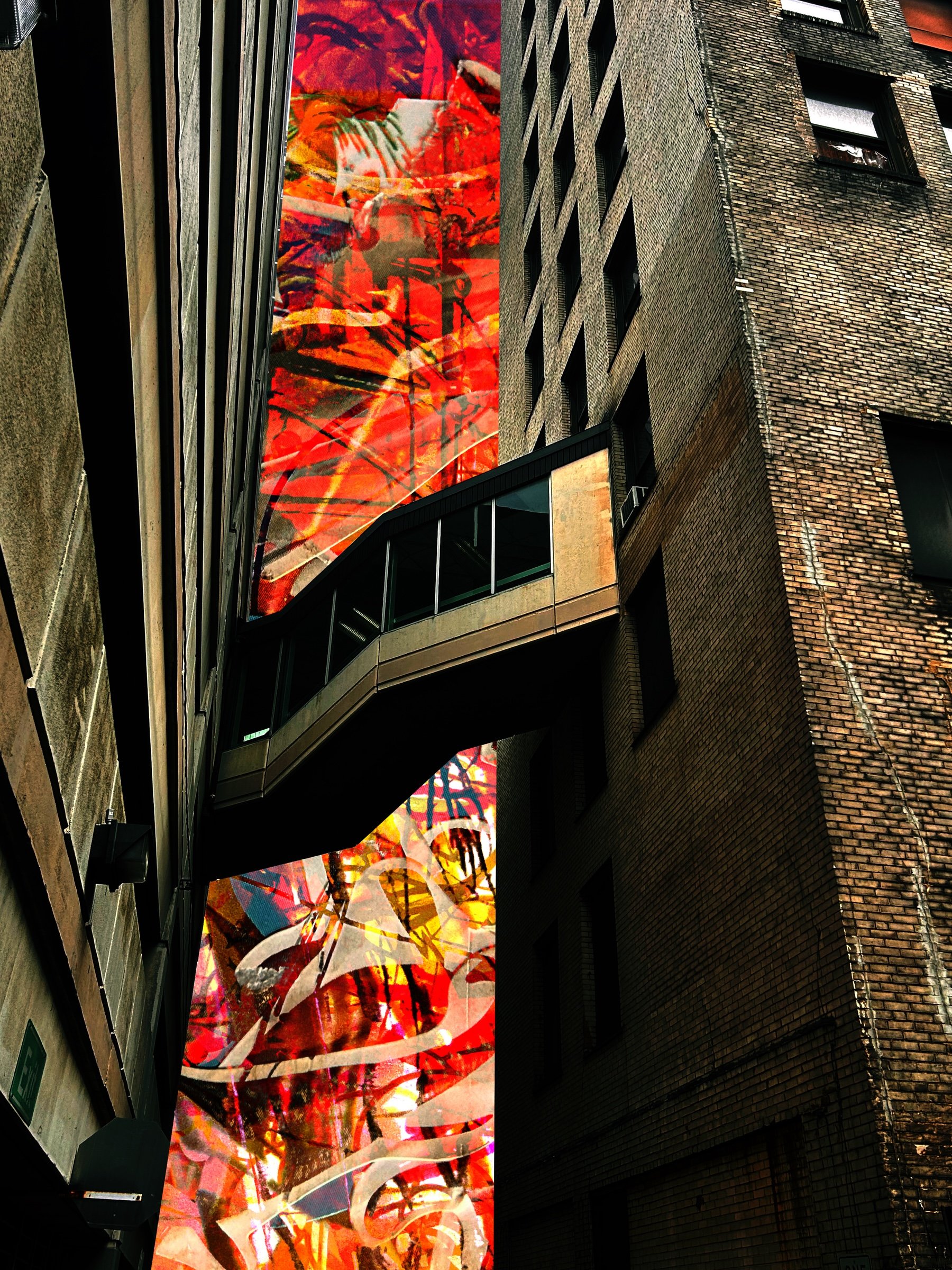
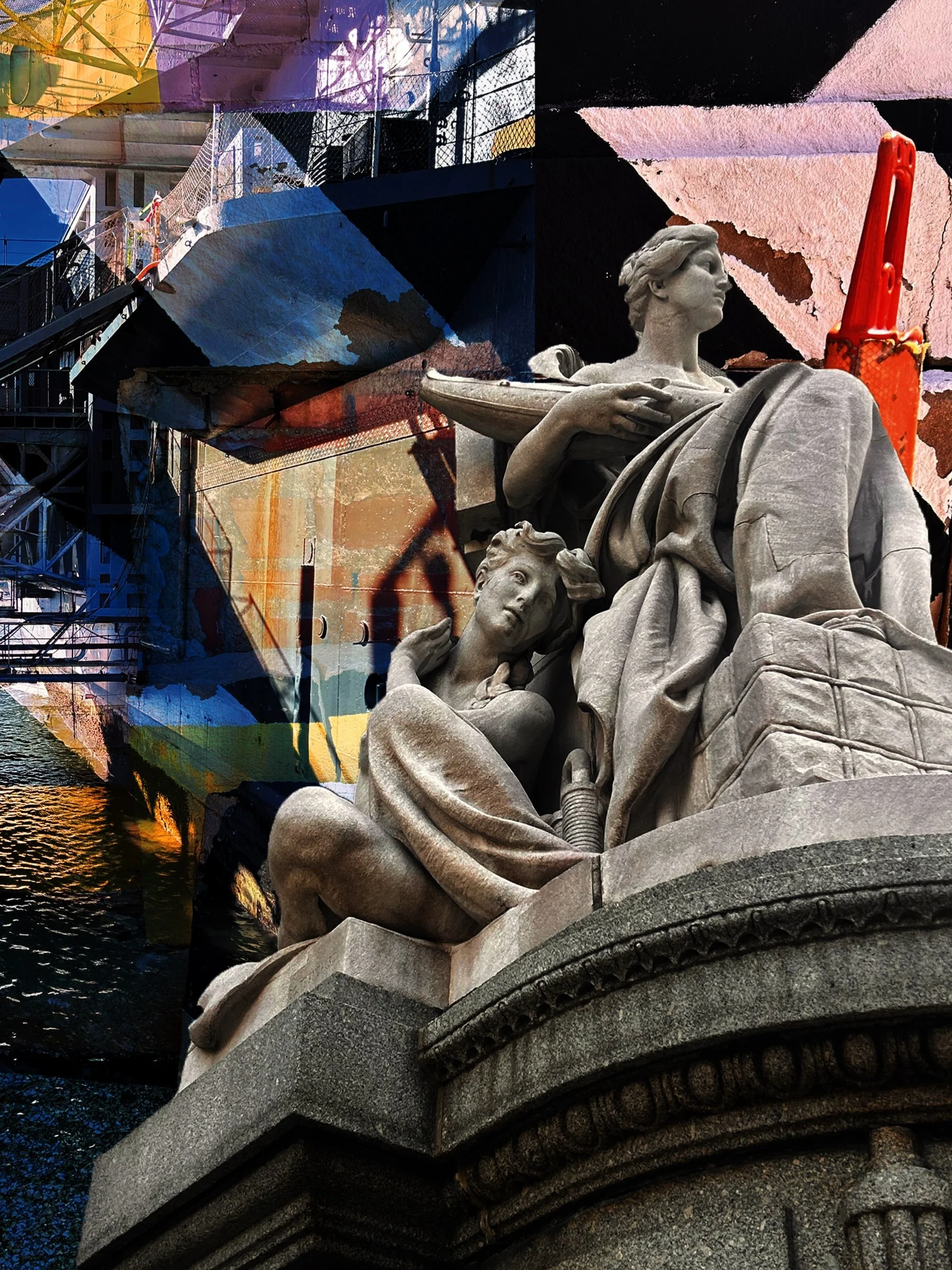
Joe Karlovec is an interdisciplinary artist and writer based in Wilmington, North Carolina, whose work investigates the metaphysical charge of everyday architecture — those familiar, vernacular spaces that quietly hold layers of history, mythology, and social meaning. Over the past decade, he has built a nomadic studio practice while moving through Ohio, Florida, South Carolina, and now North Carolina, letting each place shape the way he observes, archives, and interprets the built environment. He currently works as the Facilities Coordinator for a museum, where he oversees the preservation of three historic buildings, a role that deepens his relationship with the structures that occupy his artistic imagination. His latest video work is set to debut in Korea at the Czong Institute of Contemporary Art in 2026.
Joe’s first entry into digital art began at the Cleveland Institute of Art, where he created experimental video projects that blended post-production image manipulation with layered sound — a strategy that continues to anchor his process today. He approaches his subjects almost like a sketchbook, collecting, cataloguing, and documenting architectural fragments and everyday moments. These accumulated observations become raw material for future works, allowing him to build new narratives from the quiet, often overlooked spaces we move through.
We asked Joe about his art, creative process, and inspirations.
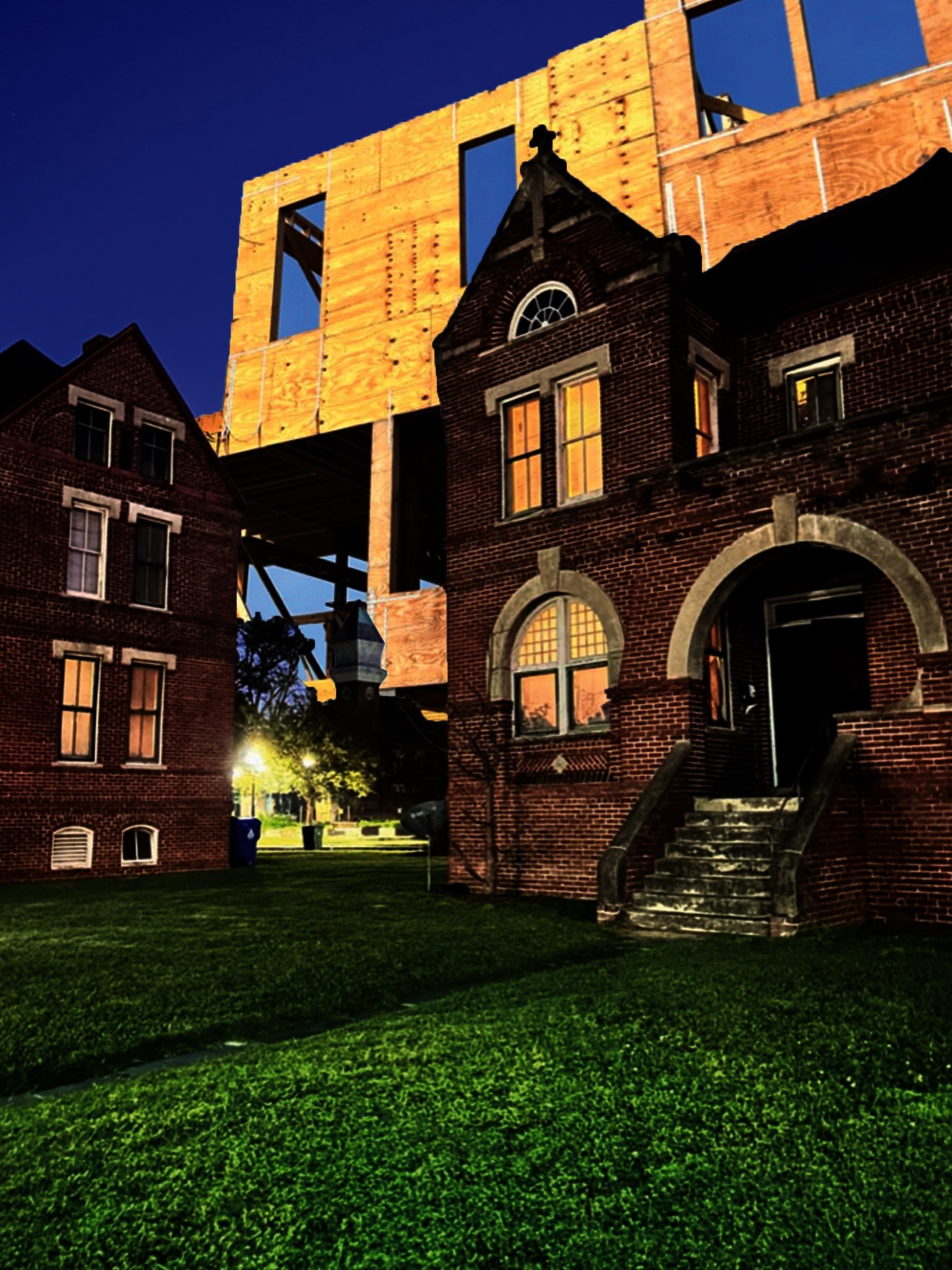
Can you tell us about your background as a digital artist? How did you get started in this field?
My first exposure to digital art was making experimental video projects while at the Cleveland Institute of Art. It involved a lot of post production photo and video manipulation with densely layered sound elements. A strategy I’ve continued to this day. Collecting, archiving, and documenting architectural subjects in a very sketchbook way. A process of accumulating vernacular moments for future use.
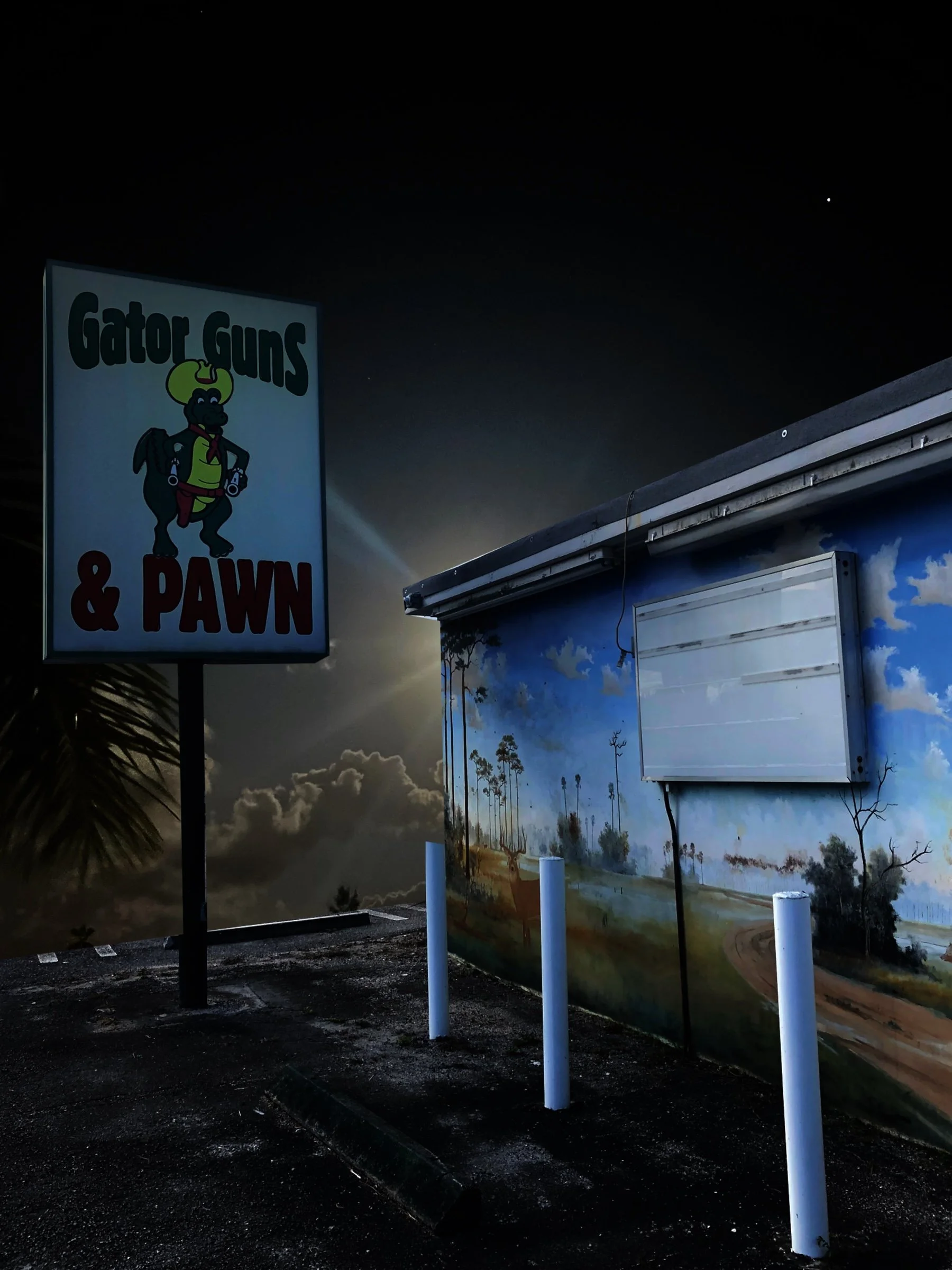
What first drew you to vernacular architecture as a subject? Was there a specific building or moment that clicked something into place?
In high school I went to a vocational school for art. It was in an old retrofitted army base in Columbus, Ohio. It was a big campus. Some of the buildings were renovated for school, the others dilapidated for decades. Old military hummers were parked all over the property as if they were still in use. This site had well documented ghost activity too. It was notorious for it. Even things I witnessed first hand. I couldn’t get enough of that place.
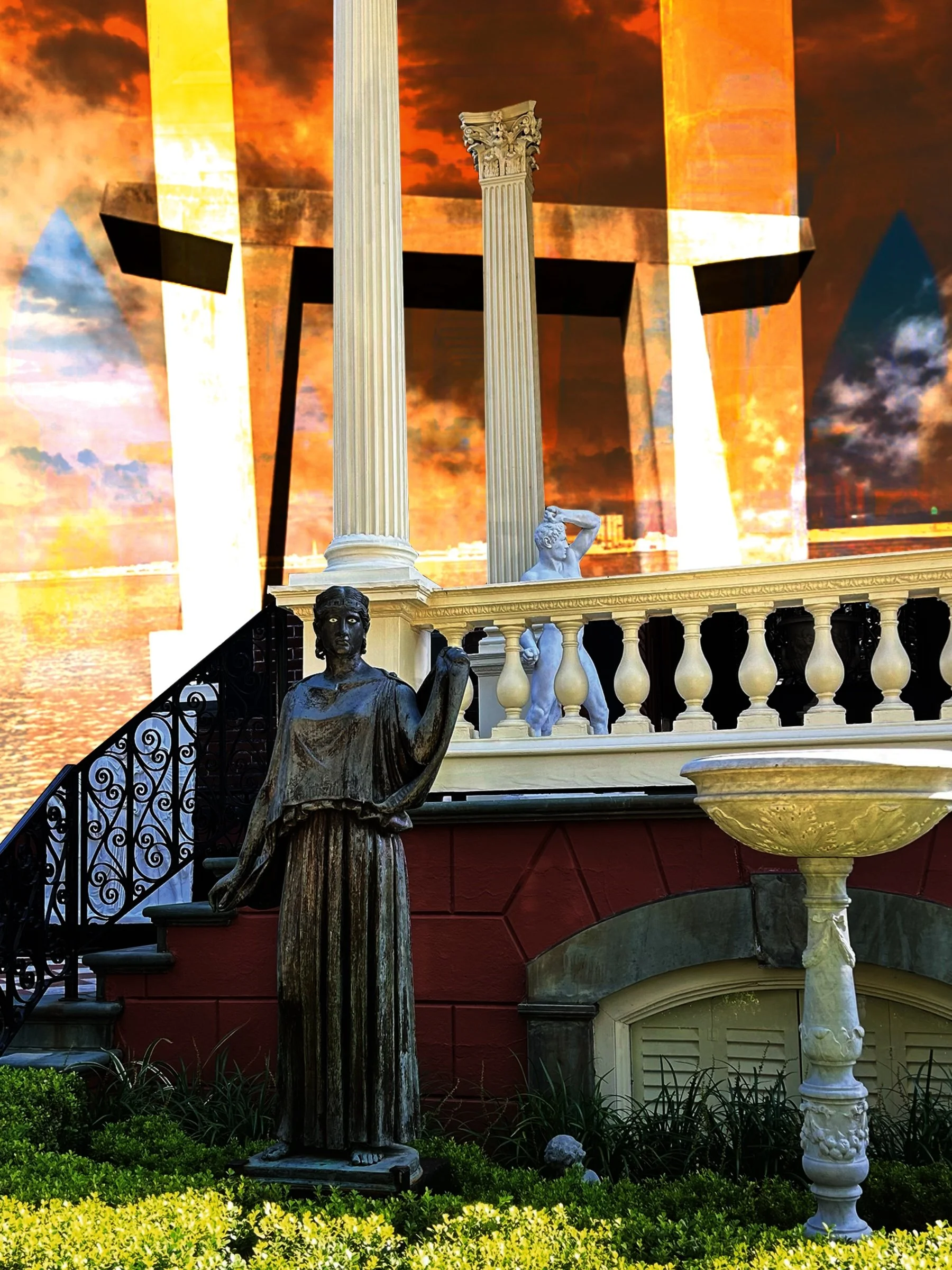
In your artist statement you talk about hyperlocality — walking your dog, biking to the store, taking the same everyday routes. How do these small routines find their way into your work?
All routines evolve, even when they seem to stay the same. It’s a slow burn. A long exposure. The work is entirely born out of these small moments. There’s an implied directionality in our daily interactions. A trajectory of experience that shapes how we see ourselves through the lens of our cities and neighborhoods.
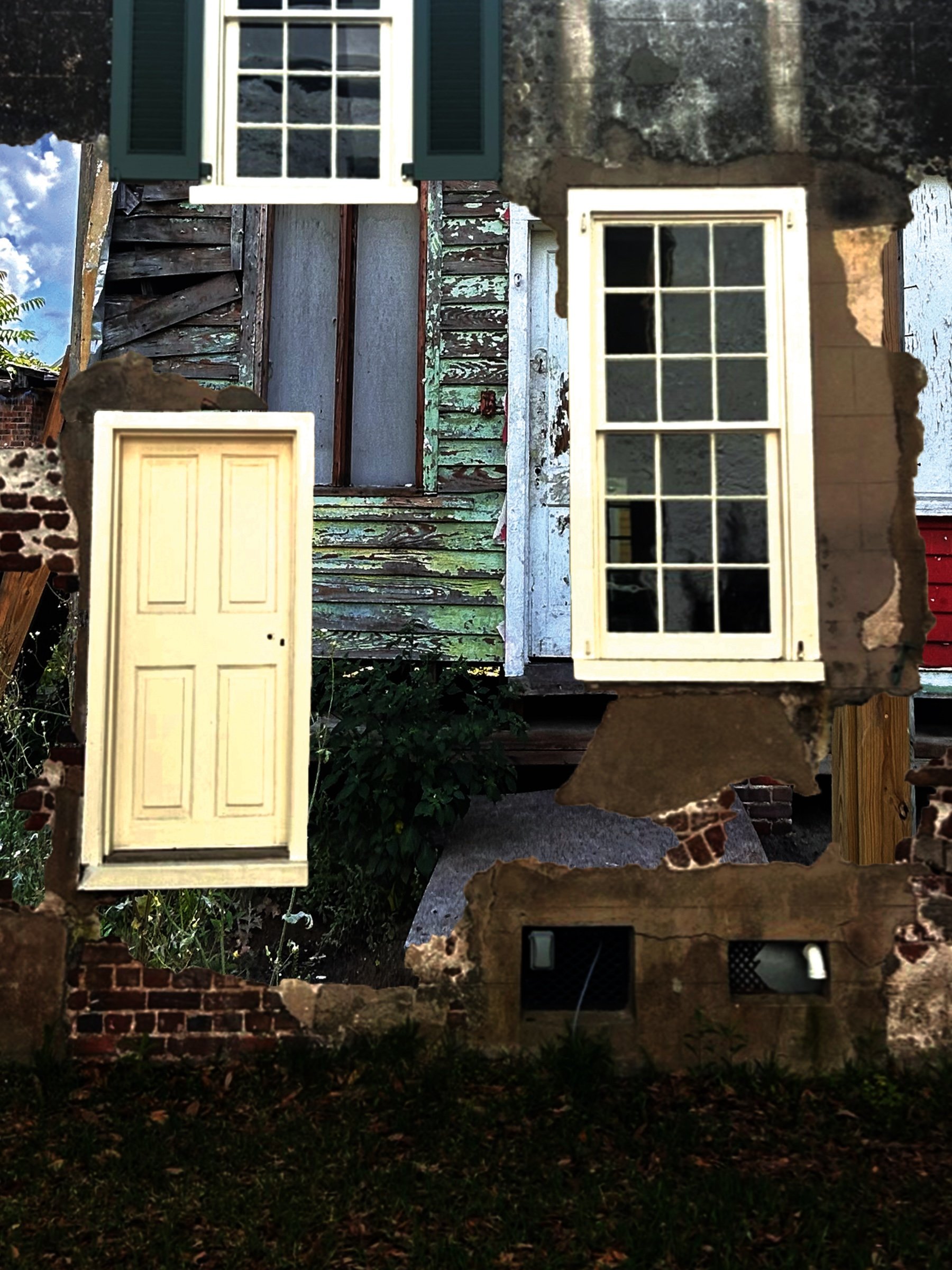
Do you ever return to a location you once filmed and feel the story has changed?
Yes, frequently. It’s ongoing and infinite. They’re continuously adaptable and primed for reinvention. Many of the videos were created in response to moving to another city or relocating to a new state. Sometimes with eager excitement, other times out of economic necessity. It’s my way of addressing traumatic experiences that I was unable to fully process in real-time. Almost like reprogramming unresolved issues from my past lives.
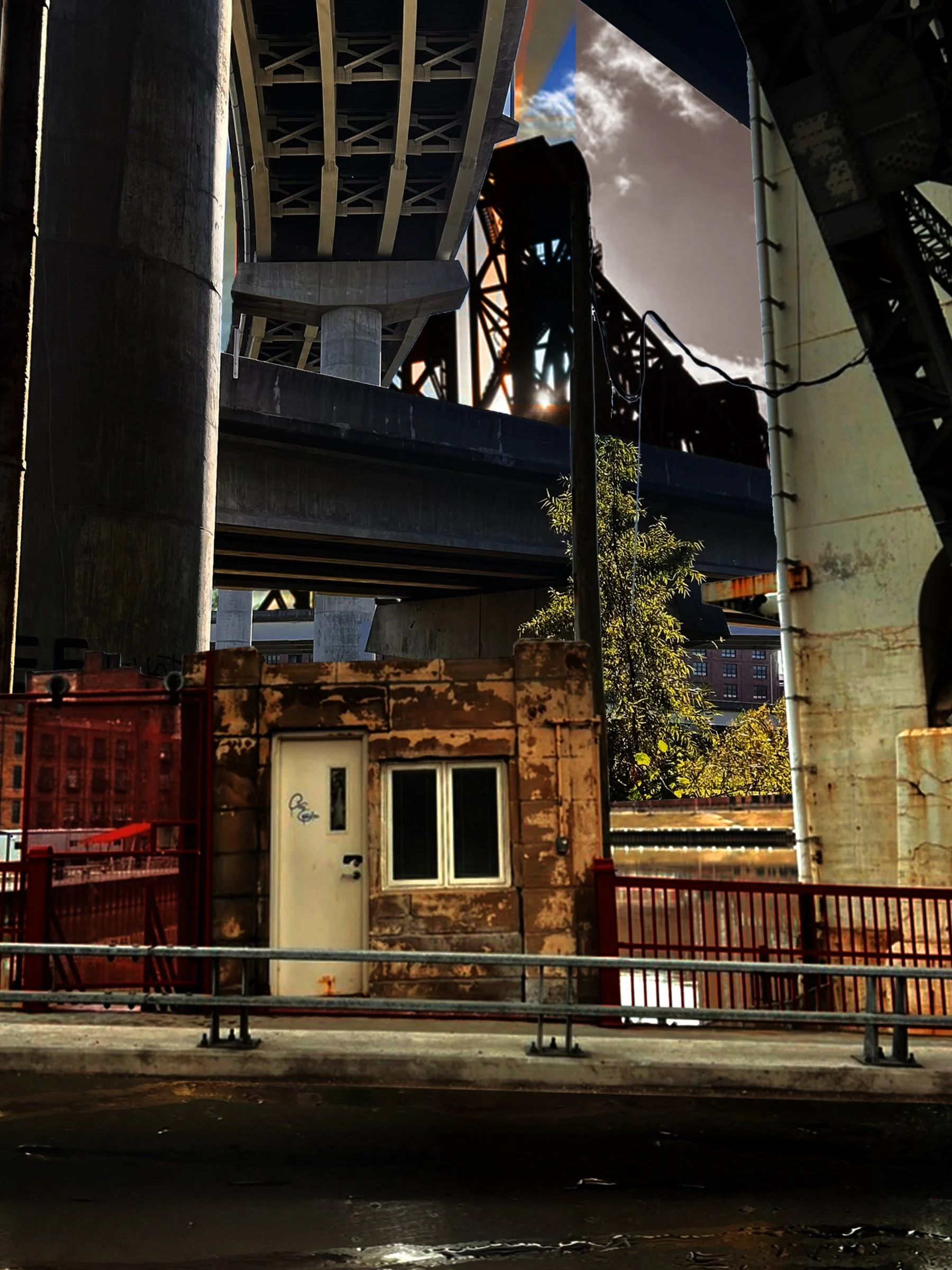
You describe your videos as “autoethnographic.” What does that mean in your own practice?
Over the past 10 years I’ve developed a nomadic style studio relocating 7 times to 4 different states. It’s a method of reconstructing my own history in reaction to a semi-transient life. I’ve noticed vast cultural differences from growing up in cities built of the industrial era to plantation cities born out of the Colonial era. Decoding their parallel histories is no small task, but by archiving abstract moments from my own life, I’ve begun to craft visual narratives that evoke a fluid play between personal, collective, and even mythological meanings.
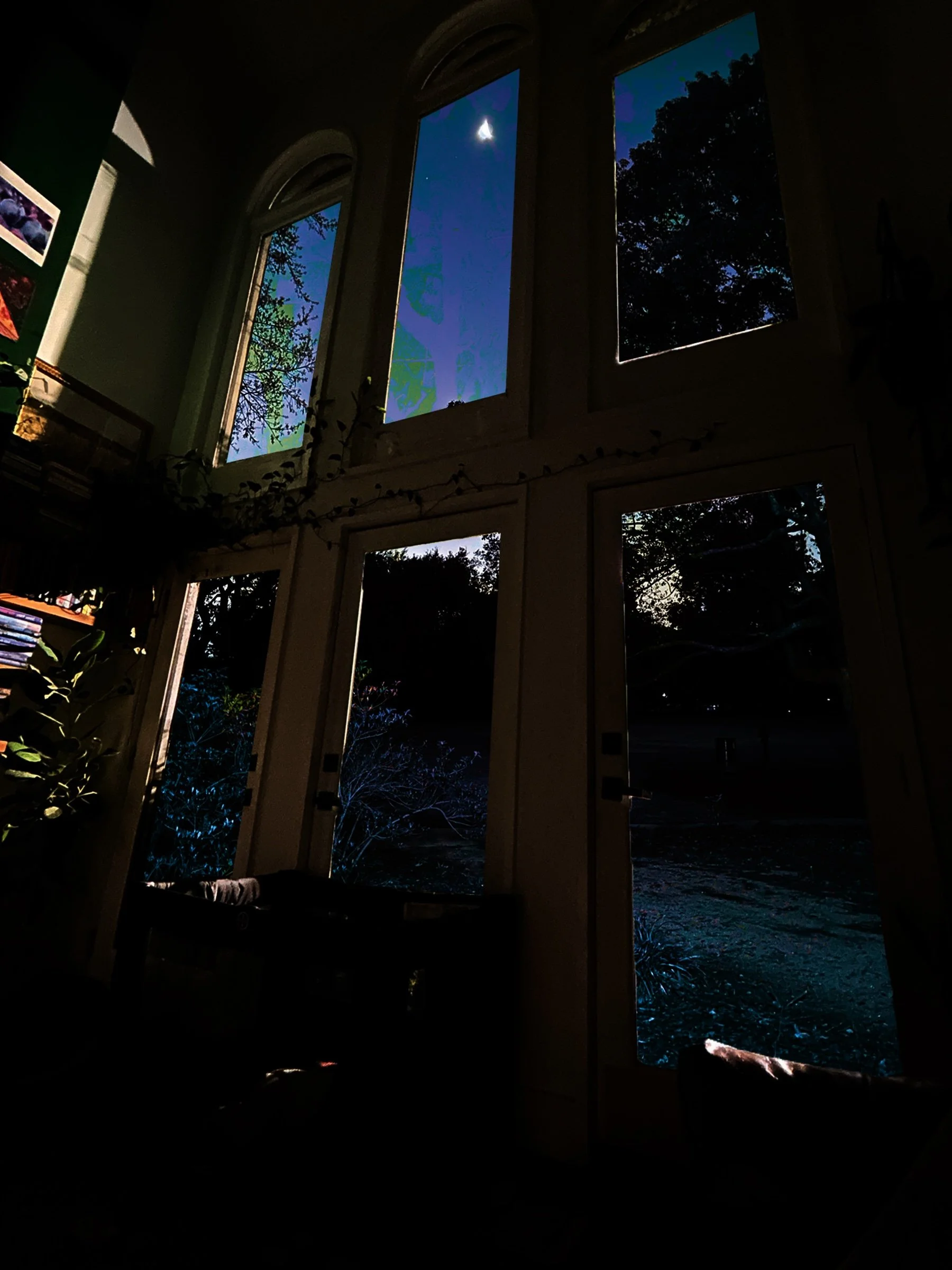
You’ve written about architecture acting as both a “mirror and a map.” Can you share an example of a building or space that has done this for you?
Coastal communities of the American South. Historic tree lined brick roads next to towering church spires. Places where buildings are not static. Perfectly present. Malleable and unpredictable. Physical artifacts of our evolving memory. Guardians of heritage and ushers of progress. Anonymous performers stretching beyond limits to redefine space. Relics of the past. A promise to the future. Though when it stands before me, I would not know.
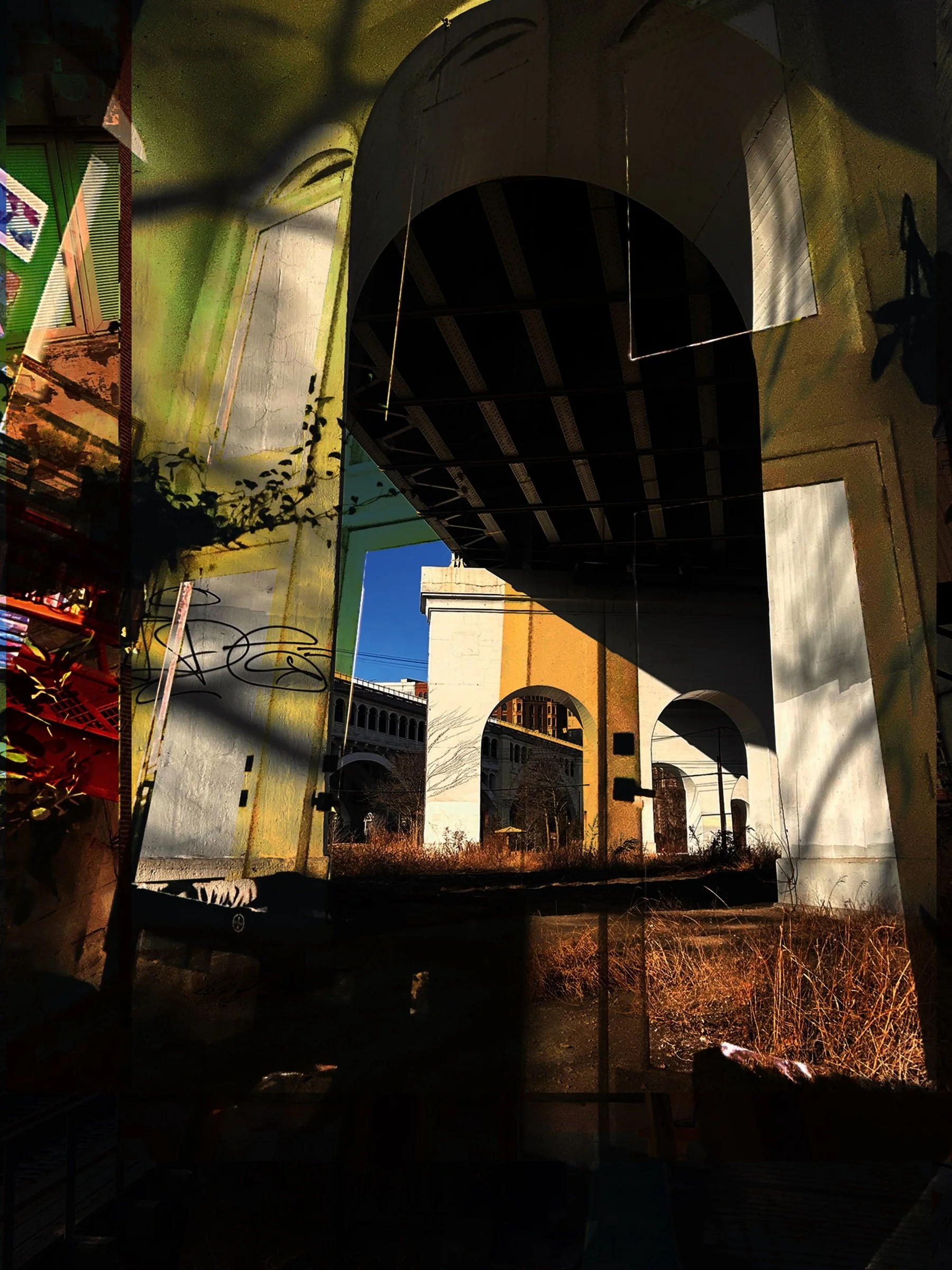
What kinds of spaces or architectural stories are you feeling pulled toward next?
Southwestern desert towns or rocky Canadian coastlines of Nova Scotia.
Are you our next spotlight artist? Submit the form to apply to be featured!
We share works by digital artists as well as digital arts exhibitions, events, and open calls daily on Instagram — follow us for more and subscribe to our newsletter so you don’t miss new blog posts.
![Project Spotlight: pifmgr.dll’s [M]ETAL✨ @pifmgr.dll is a digital artist working at the intersection of audiovisual design, 3D experimentation, and atmospheric world-building. His project [M]ETAL explores metal both as a physical material and a](https://images.squarespace-cdn.com/content/v1/63b2fdbe4376de5bfdc6771f/1779108338452-QO04Q3MMJ3VMU8PJV1MD/image-asset.jpeg)