Half‑Lit Rooms and Half‑Remembered Lives: Inside David Miller’s Liminal Visual Worlds
A long-form interview exploring process, tools, influences, and the realities of working in contemporary digital art.
By Cansu Waldron
David Miller is a UK-born visual artist whose work blends narrative, AI-assisted imagery, and painterly approaches to explore memory, ritual, and the quiet strangeness of childhood. A former filmmaker and scriptwriter, David creates cinematic scenes filled with emotional ambiguity, gentle ghosts, and half-remembered moments. His practice investigates the shifting boundary between what we recall, what we invent, and what continues to haunt us.
After years of collaborative filmmaking, David sought a more intimate form of storytelling. With the advent of AI, he discovered a medium that allowed him to merge the emotional depth of cinema with the dreamlike logic of memory, producing images that are simultaneously narrative, poetic, and guided by personal impulse.
We asked David about his art, creative process, and inspirations.
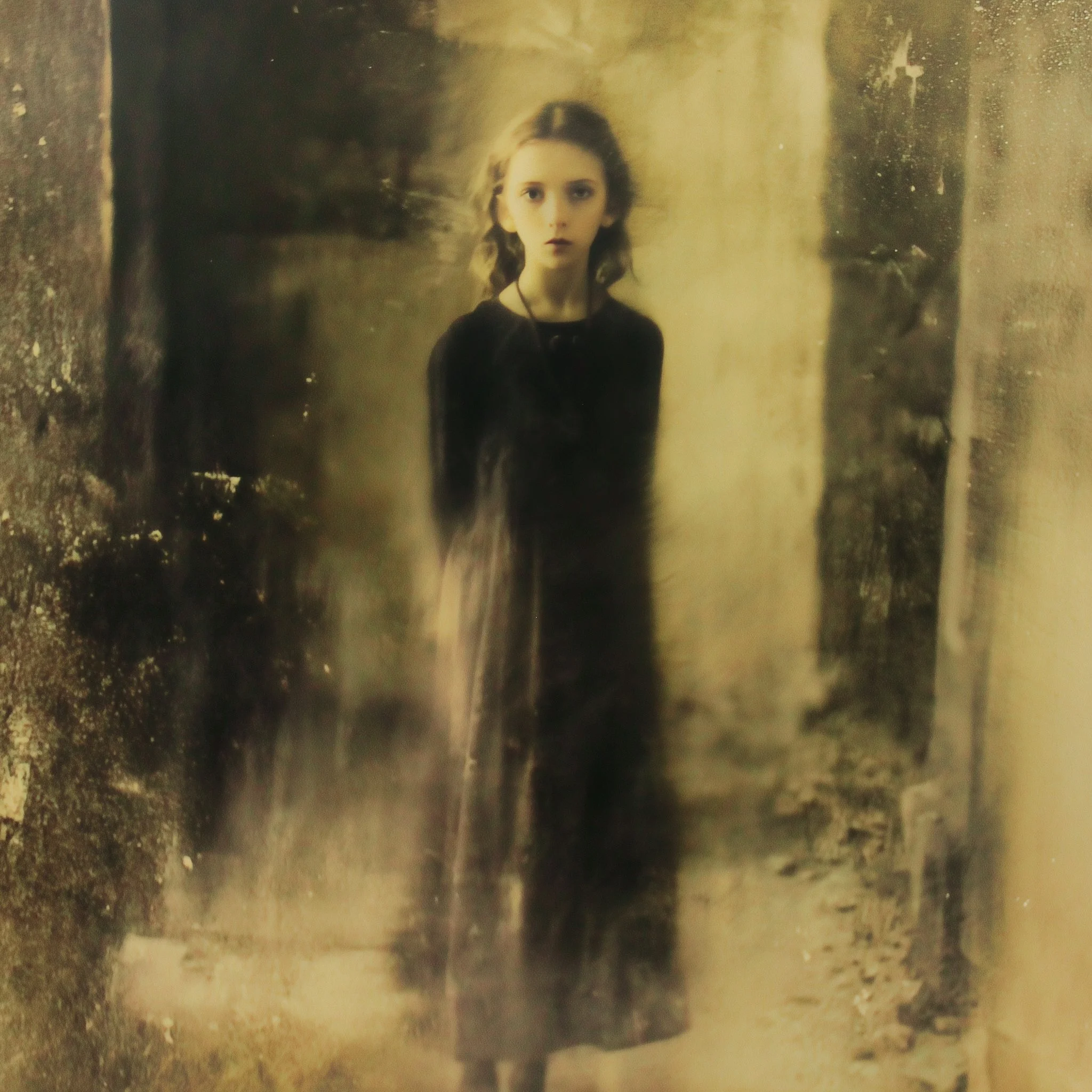
Inheritance
You come from filmmaking and scriptwriting — what pulled you toward visual art and AI-assisted imagery as your main language now?
For many years, filmmaking and scriptwriting were my way of telling stories — dynamic, collaborative, and alive. But as time went on, I found myself craving a more intimate form of storytelling, one where I could explore memory, identity, and ambiguity without the machinery of a film set. When AI arrived, it felt like someone had quietly opened a door I’d been knocking on for decades. Suddenly, I could build images that contained the emotional weight of cinema but with the dream-logic of memory. It became the perfect hybrid of all my instincts: narrative, visual poetry, and the freedom to follow an impulse without asking anyone’s permission.
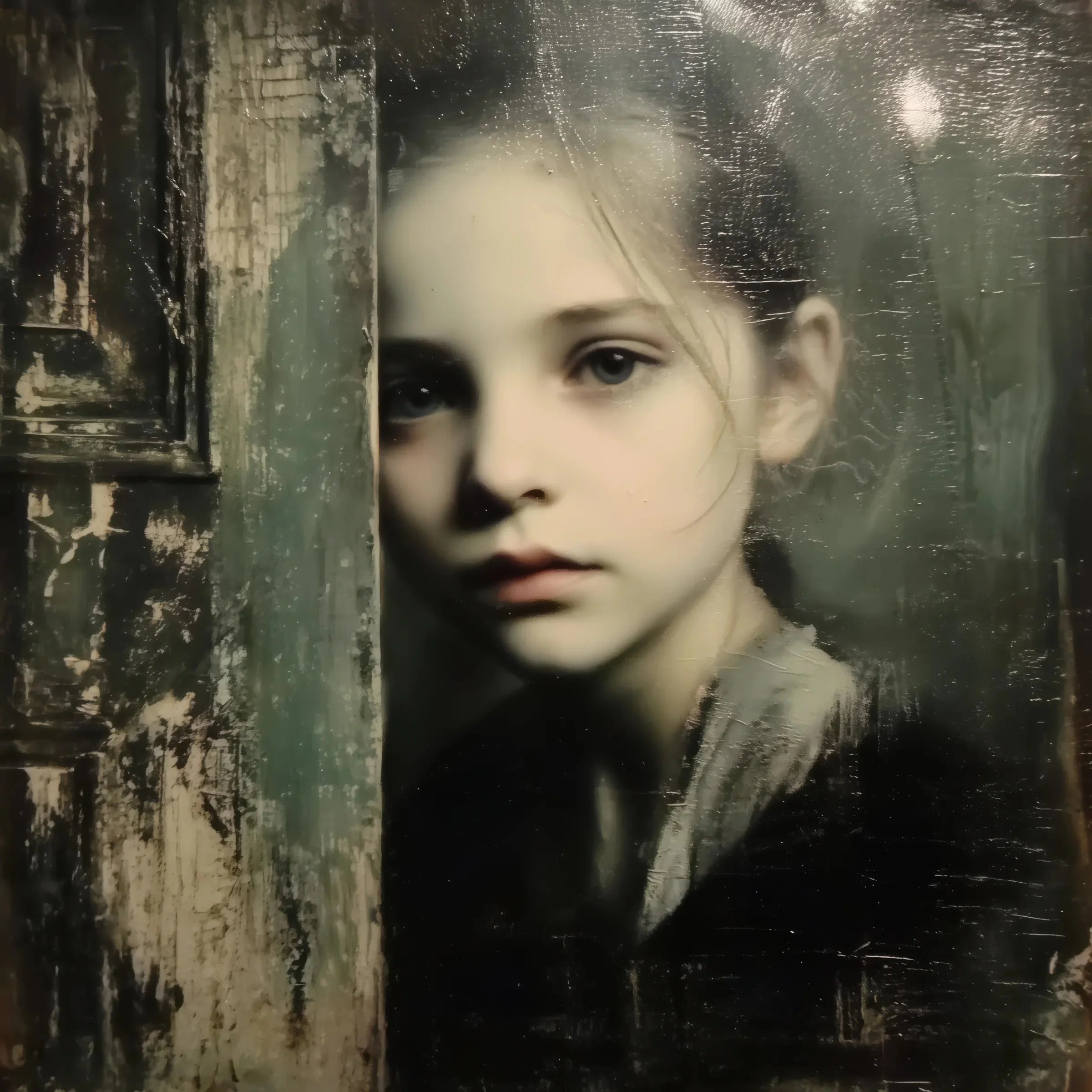
In the silence of waiting
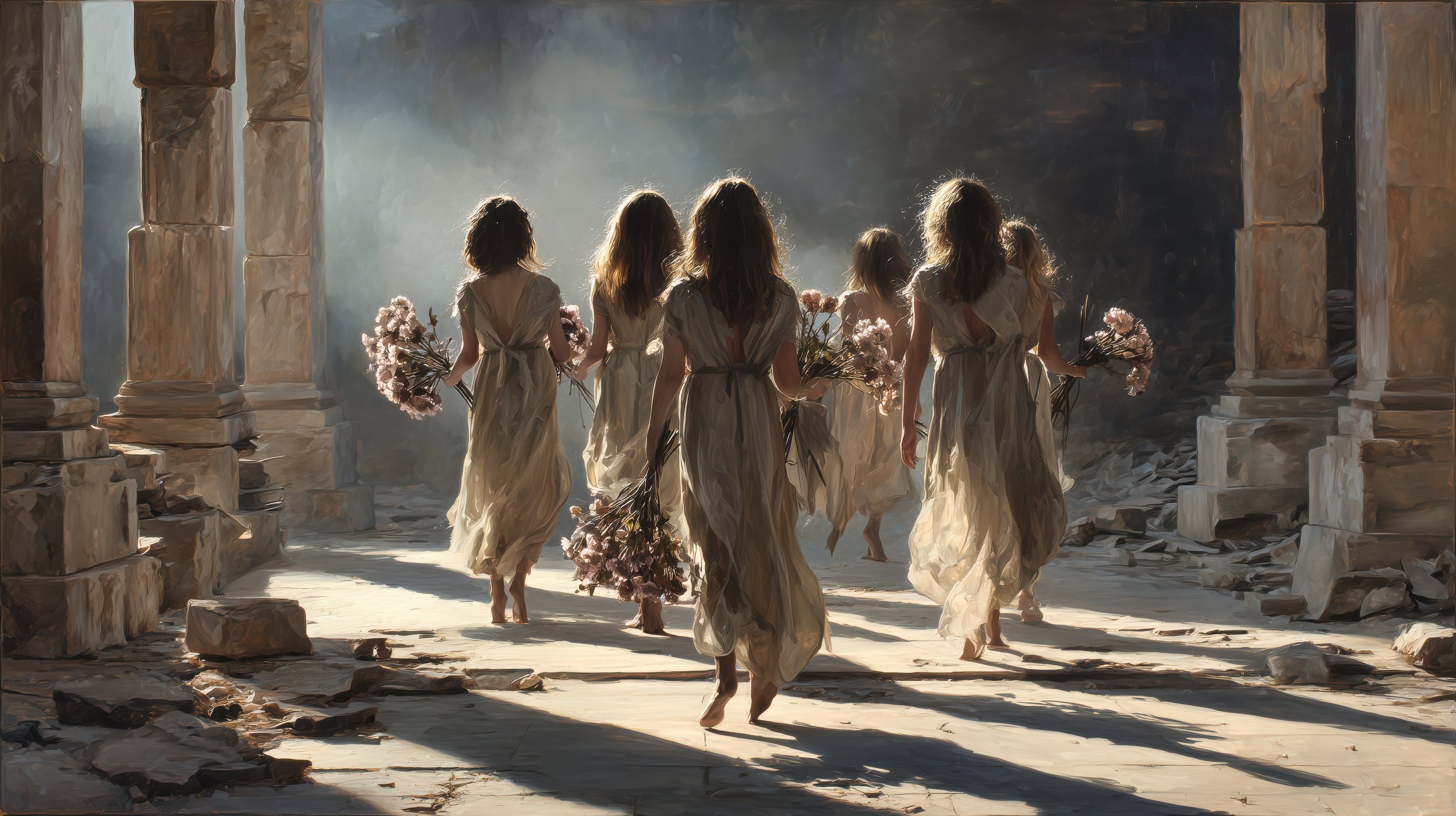
Master We Who Were Once the Festival
Do you remember the first image you created that felt like, “Oh, this is my voice”?
Yes — I remember the moment vividly. It was an early portrait of a young girl standing in a half-lit room, looking both fragile and impossibly certain. The image felt like a memory I’d never lived, and yet it belonged deeply to me. That contradiction — familiar and unfamiliar, real and invented — was when I knew I’d found my voice. AI didn’t just generate the picture; it unlocked a part of my imagination I hadn’t been able to reach before.
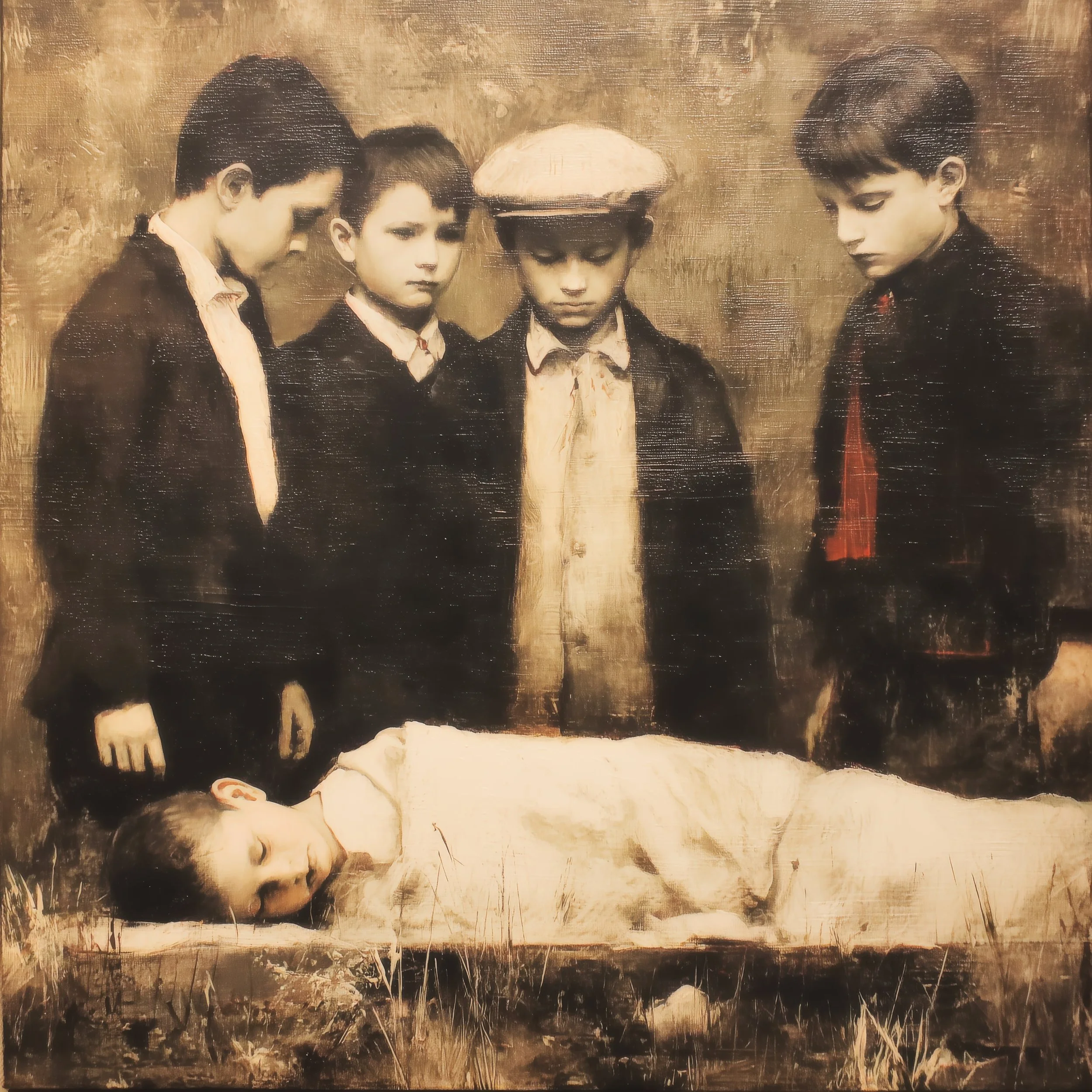
Prodigi Master The Vigil
Childhood can feel both magical and unsettling. What parts of your own childhood echo the loudest in your images?
I grew up in a world where silence was often more expressive than words. That atmosphere — slightly hushed, slightly expectant — still shapes my work. The Lost Children series, for instance, draws on that blend of awe and unease. I was always fascinated by the private worlds children carve out for themselves: the sense of being small inside something vast, the feeling that everything is enchanted but also slightly dangerous. Those echoes remain with me, and they find their way into almost every image I make.
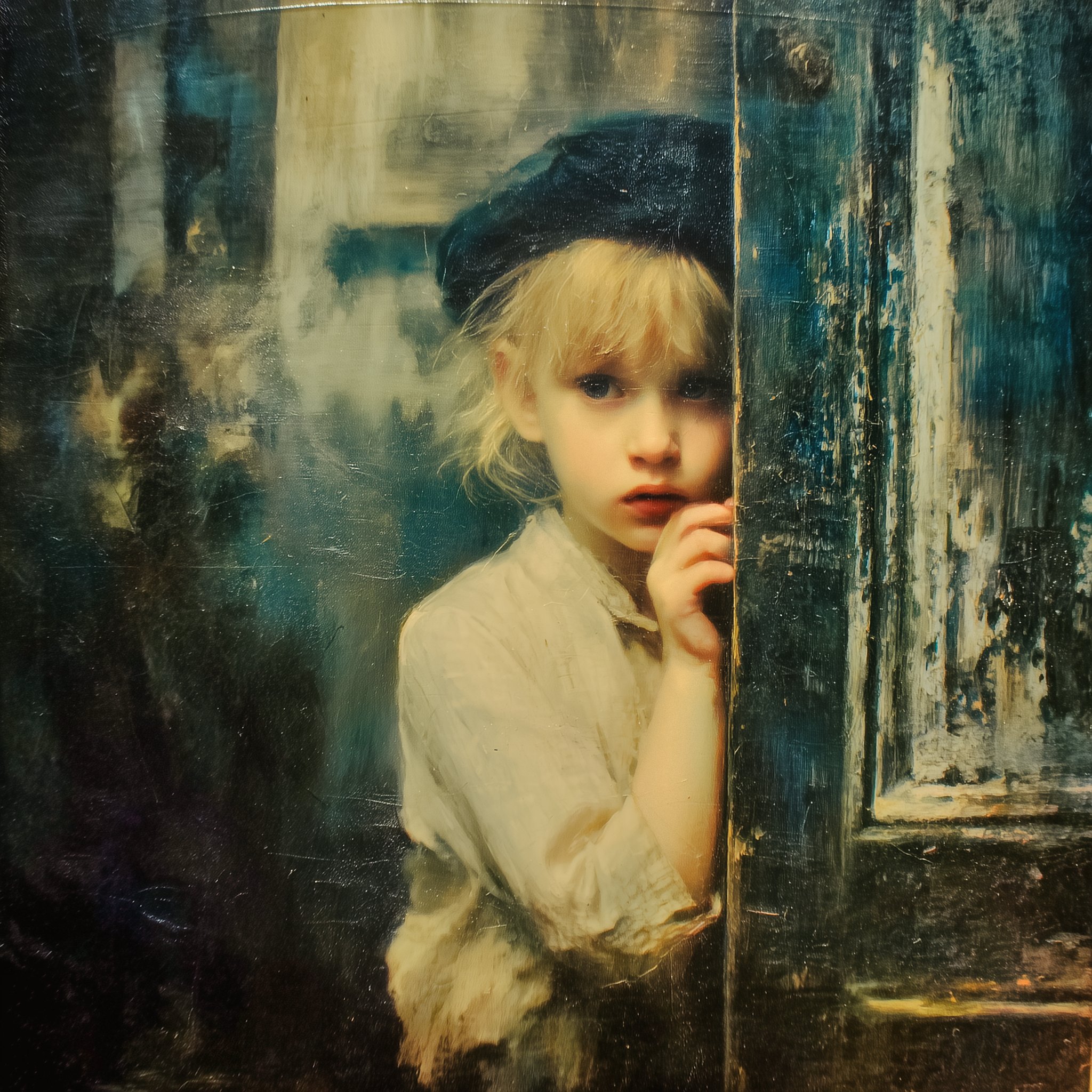
The Door
How does ritual show up in your practice, either in the themes you explore or in the actual way you make the work?
Ritual appears everywhere in my practice — both in the content and the process. Thematically, I’m drawn to moments that feel ceremonial: thresholds, departures, gestures repeated across generations. In the practical sense, I have my daily ritual: one hour of deep meditation using binaural entrainment. That hour opens the door to the subconscious, where most of my ideas live. When I sit down to create, I work quietly, almost reverently. The images feel like they’re arriving, not being assembled.
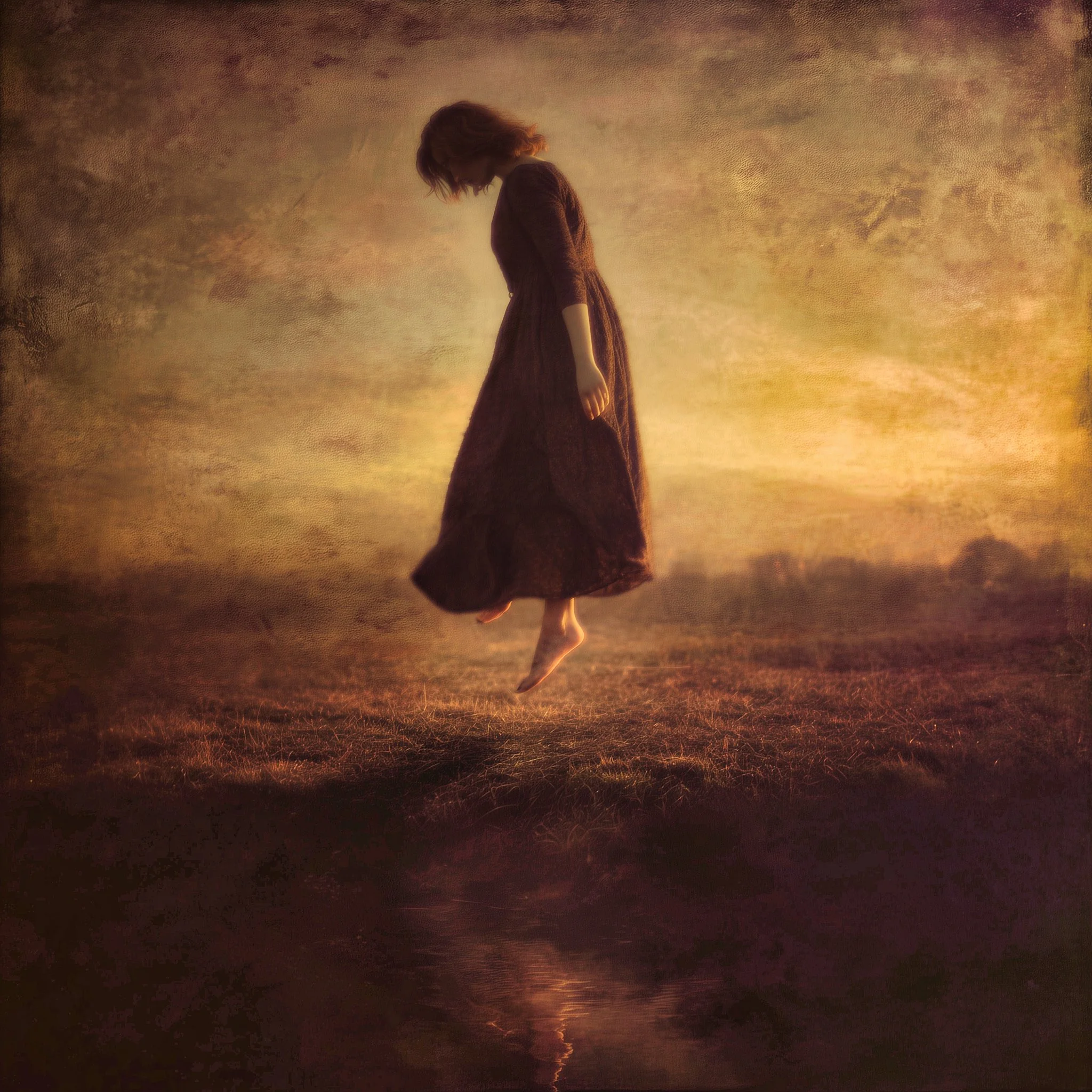
The Evening She Forgot to Fall
Has AI ever surprised you into a direction you didn’t expect?
Constantly. That’s part of the magic. AI is not a passive tool — it’s a kind of mischievous collaborator. Sometimes it misunderstands me beautifully, and I end up following that mistake into a new idea. Some of my most haunting images were accidents at first, born from misread prompts or unexpected textures. AI’s unpredictability keeps my work from becoming formulaic; it pushes me to stay curious.
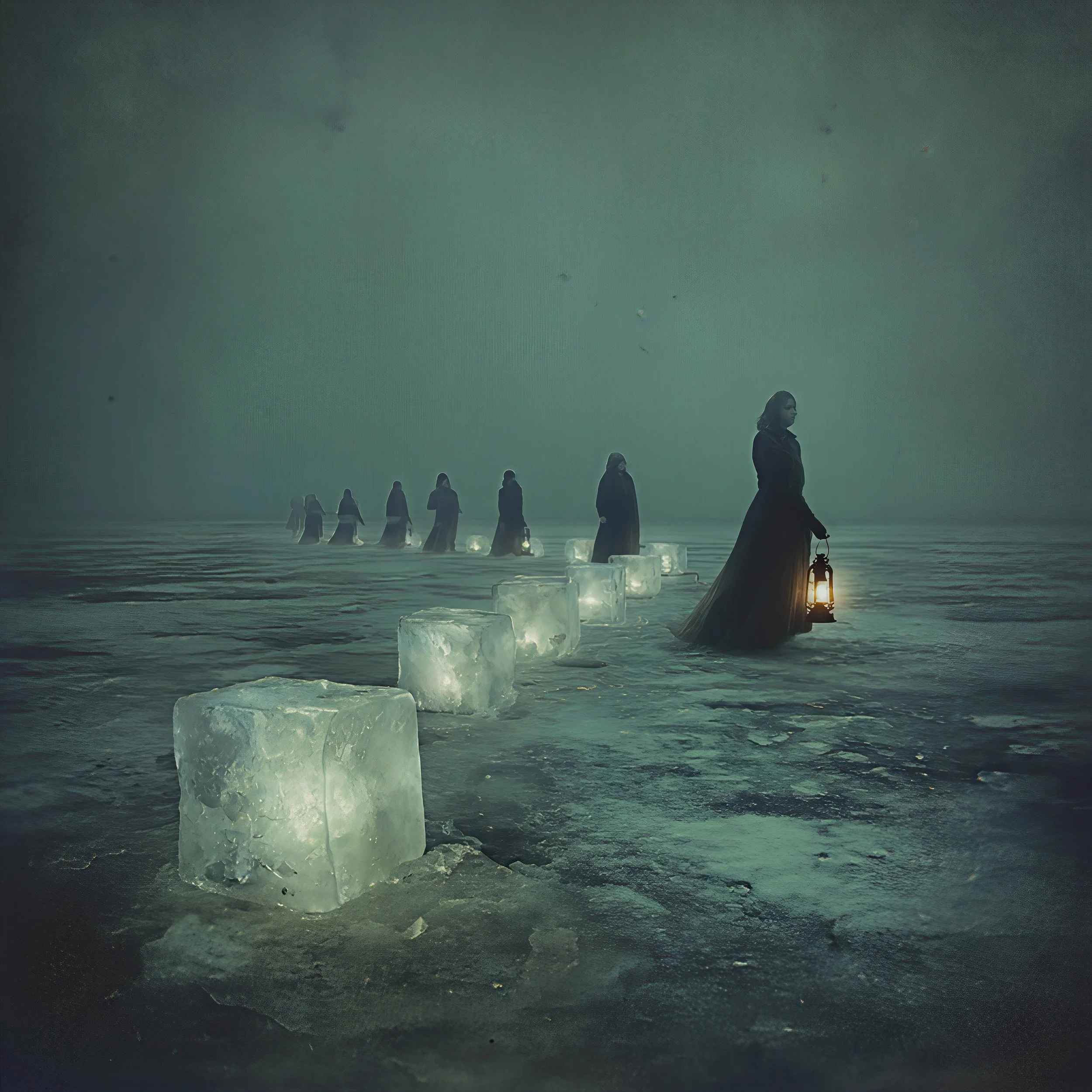
Where the Light Waits Quietly
There’s a quiet ghostliness in your work — figures that feel present and absent at the same time. What draws you to that in-between space?
I’ve always been fascinated by the things we half-remember — the spaces where memory, dream, and imagination overlap. That liminal zone is where identity becomes fluid and stories reveal their deeper truths. The figures in my images often feel like echoes or visitations because that’s how memory behaves: always shifting, always withholding something essential. That ghostliness isn’t about loss; it’s about presence in another form.

What aspects of your practice are you most excited to experiment with next?
I’m excited about expanding the narrative world of my work — bringing in more poetry, sound, and possibly short experimental films that blend AI imagery with my background in filmmaking. I’m also exploring ritual from a different angle: how images can function almost like talismans or memory-objects. There’s a whole landscape there I feel ready to step into.
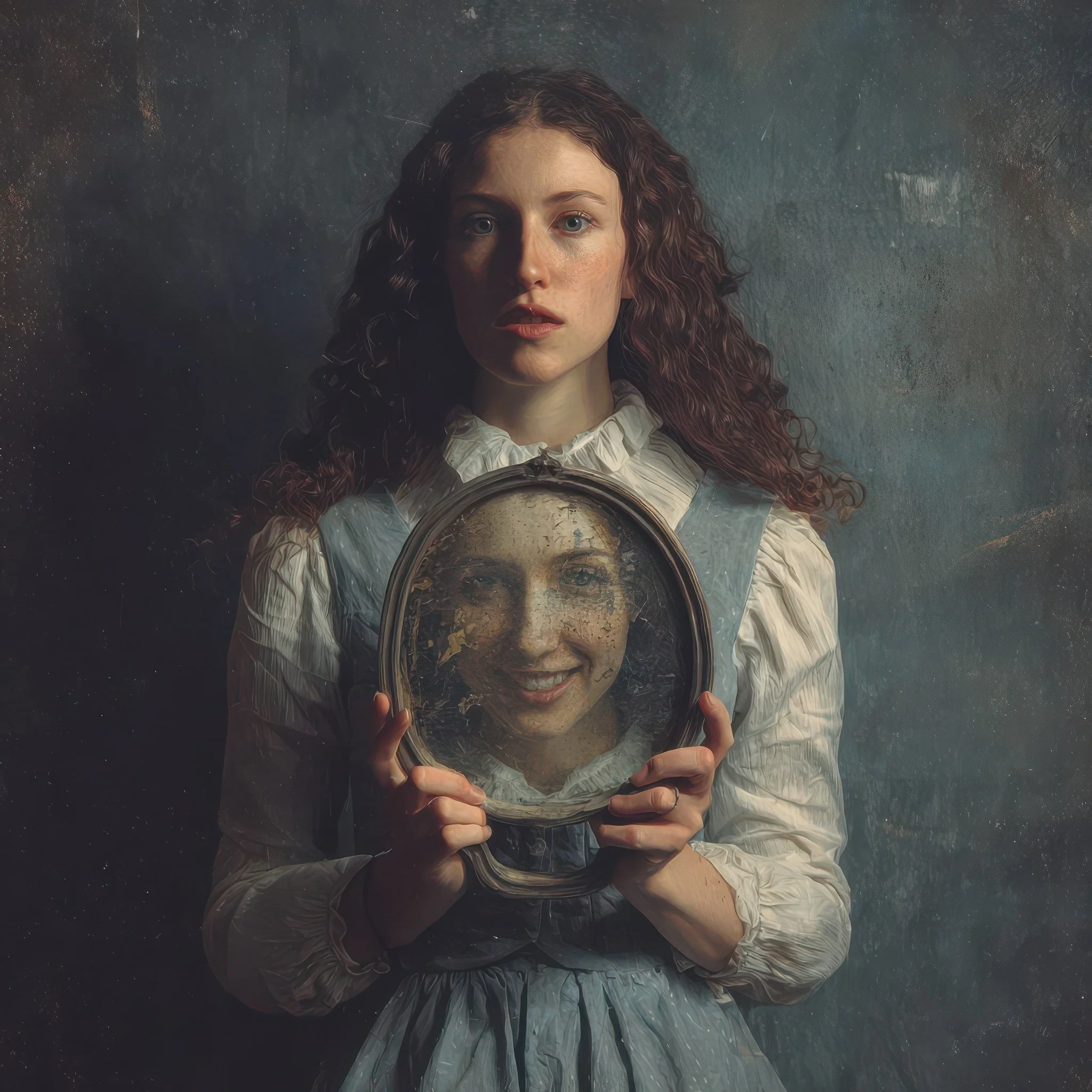
Almost Still Here
What is a fun fact about you?
I meditate for an hour every morning using brainwave entrainment — and occasionally fall asleep halfway through, only to wake up feeling like I’ve returned from a different century. It was in meditation that I first met my ‘lost children’, they were there waiting for me.
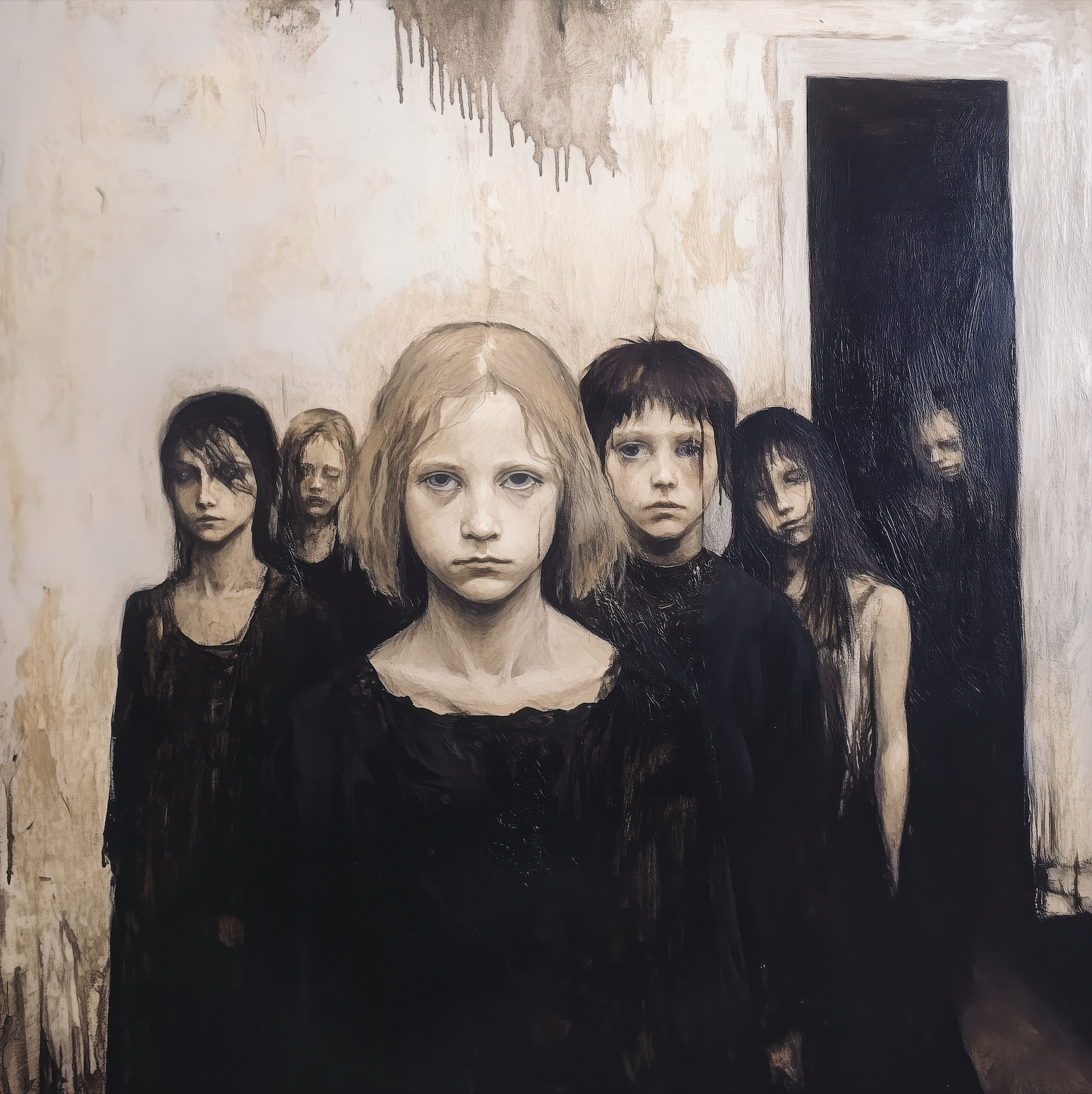
The children who stayed
Are you our next spotlight artist? Submit the form to apply to be featured!
We share works by digital artists as well as digital arts exhibitions, events, and open calls daily on Instagram — follow us for more and subscribe to our newsletter so you don’t miss new blog posts.
![Project Spotlight: pifmgr.dll’s [M]ETAL✨ @pifmgr.dll is a digital artist working at the intersection of audiovisual design, 3D experimentation, and atmospheric world-building. His project [M]ETAL explores metal both as a physical material and a](https://images.squarespace-cdn.com/content/v1/63b2fdbe4376de5bfdc6771f/1779108338452-QO04Q3MMJ3VMU8PJV1MD/image-asset.jpeg)