Transformation Digital Art 2026: Full Programme Announced
10th Edition of LI-MA’s Symposium Sold Out
26–27 March 2026
LI-MA, at LAB111, Arie Biemondstraat 111, Amsterdam
Visit LI-MA website for more info
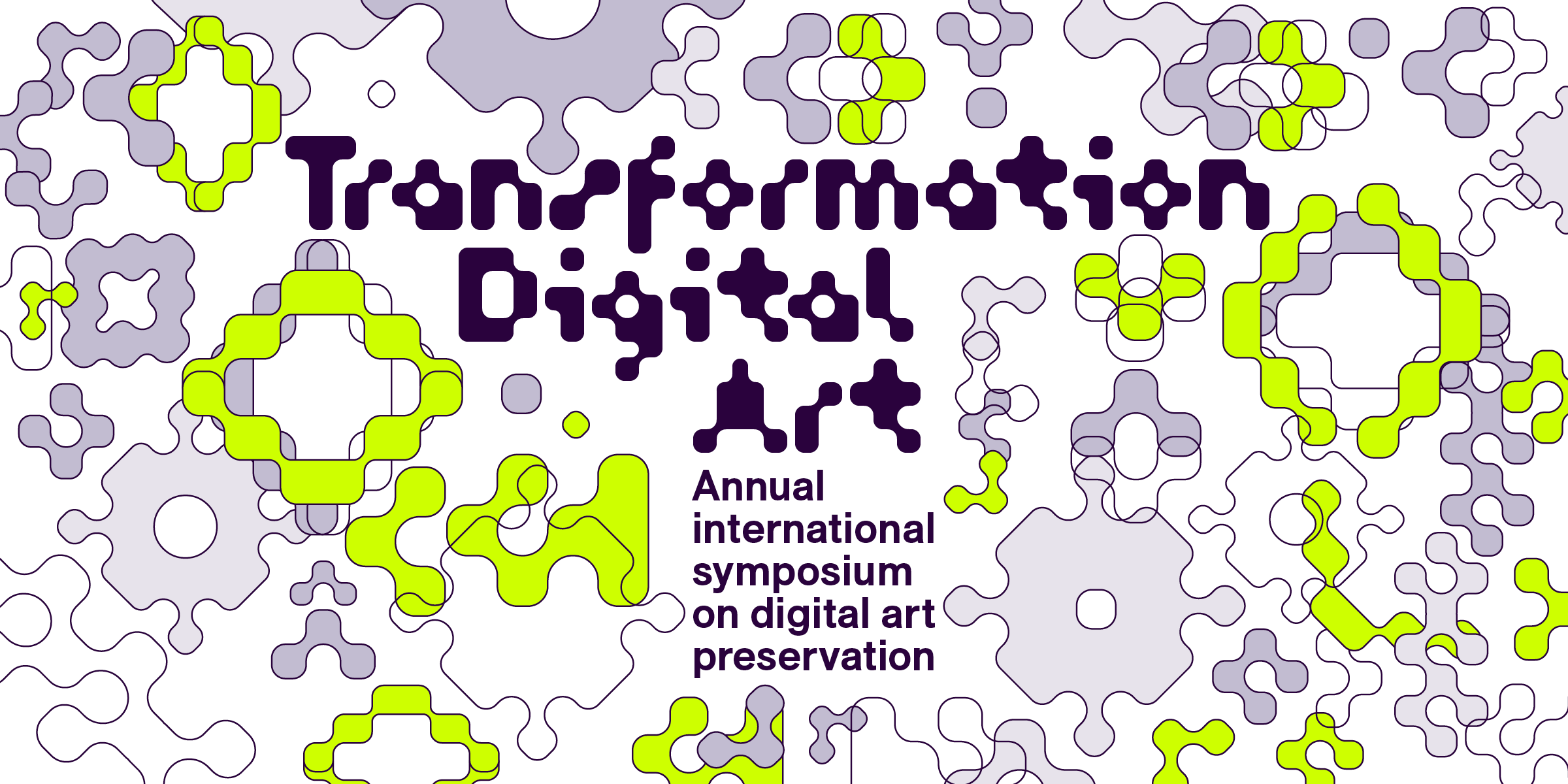
Promotional design by Nicole Martens / NM(studio).
LI-MA – Living Media Art announces the full programme for the 10th edition of Transformation Digital Art (TDA), its annual international symposium bringing together international perspectives on the future of caring for digital art. This milestone, sold out edition takes place under the theme Networks: Structures of Collaboration, Care, and Trust and examines sustainability as a shared, networked practice.
“In today’s world, the need for collaborative action is greater than ever. At LI-MA, sharing infrastructure and knowledge is in our DNA. Operating as a community means working from a networked approach. I am happy the symposium highlights this and connects vivid new networks and tools, shaping the future of digital art, raising questions about who takes care of digital art in increasingly data-driven environments.”
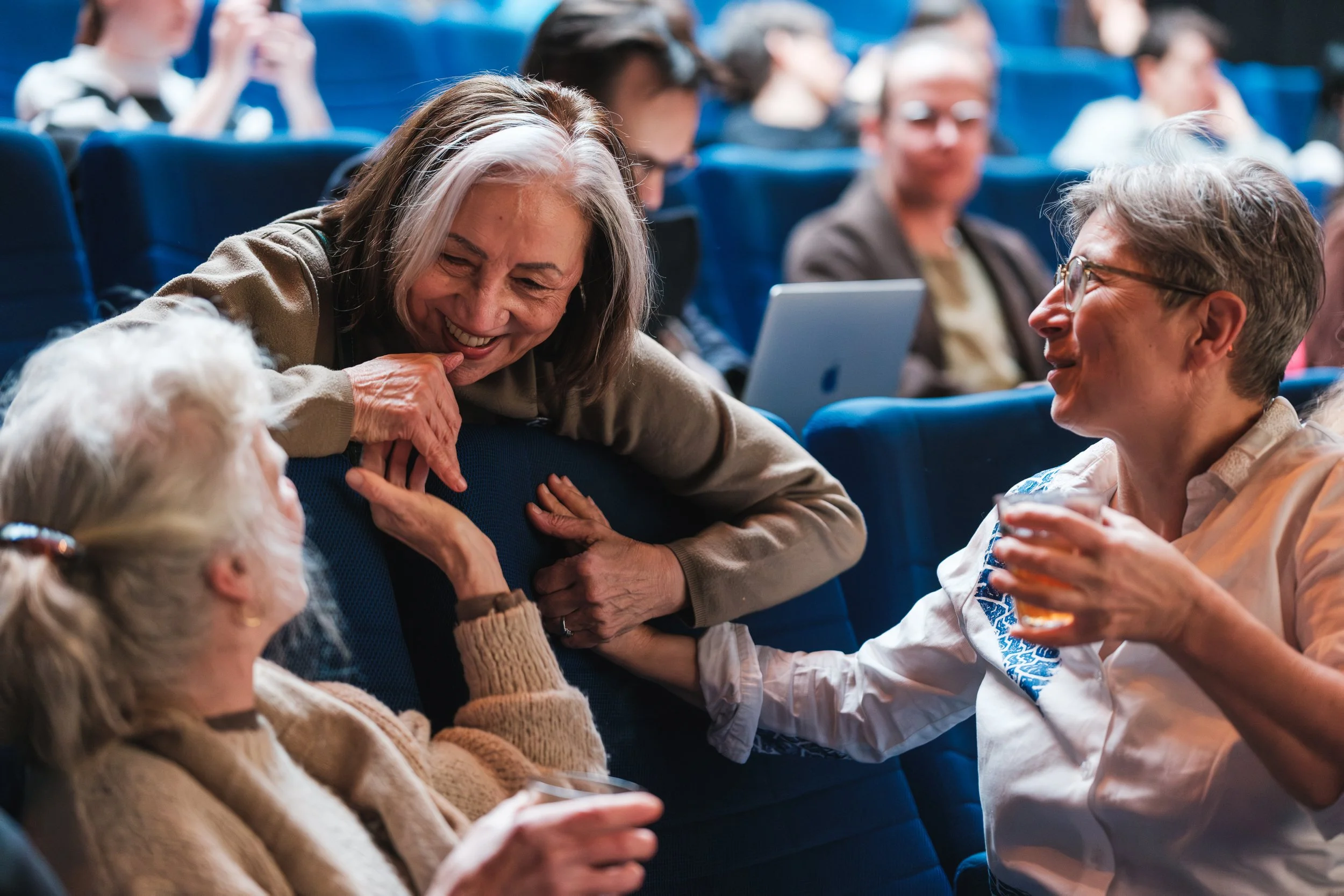
Transformation Digital Art 2025. Photo by Alex Heuvink.
Speakers & Participants
For ten years, Transformation Digital Art has been a leading international platform for critical exchange on the long-term care and accessibility of digital art. The 2026 edition foregrounds collaboration and networks as key conditions for sustainability, examining how digital artworks are shaped – and sustained – by the communities and infrastructures they inhabit.
This year’s programme brings together established and emerging voices from across the field, including: Antti Ahonen, Danielle Arets, Steve Benford, Chiara Borognovo, Marijn Bril, Brian Castriota, Annet Dekker, Joost Dofferhoff, Constant Dullaart, Patricia Falcao, Paula Fernández, Flaminia Fortunato, Sarah Friend, Amira Gad, Gabriella Giannachi, Tjarda de Haan, Fabian Hampel, Tereza Havlikova, Ronny Heiremans, Inge Hinterwaldner, Elsbeth Kwant, Jan Robert Leegte, Adam Lockhart, Jonas Lund, Mauricio van der Maesen de Sombreff, Hélia Marçal, Esther Moñivas Mayor, John Moore, Kelani Nichole, Andrew Paterson, Esther Polak, Sakrowski, Nestor Siré, Nick Tandavanitj, Aga Wielocha, Gaby Wijers, and Florian van Zandwijk.
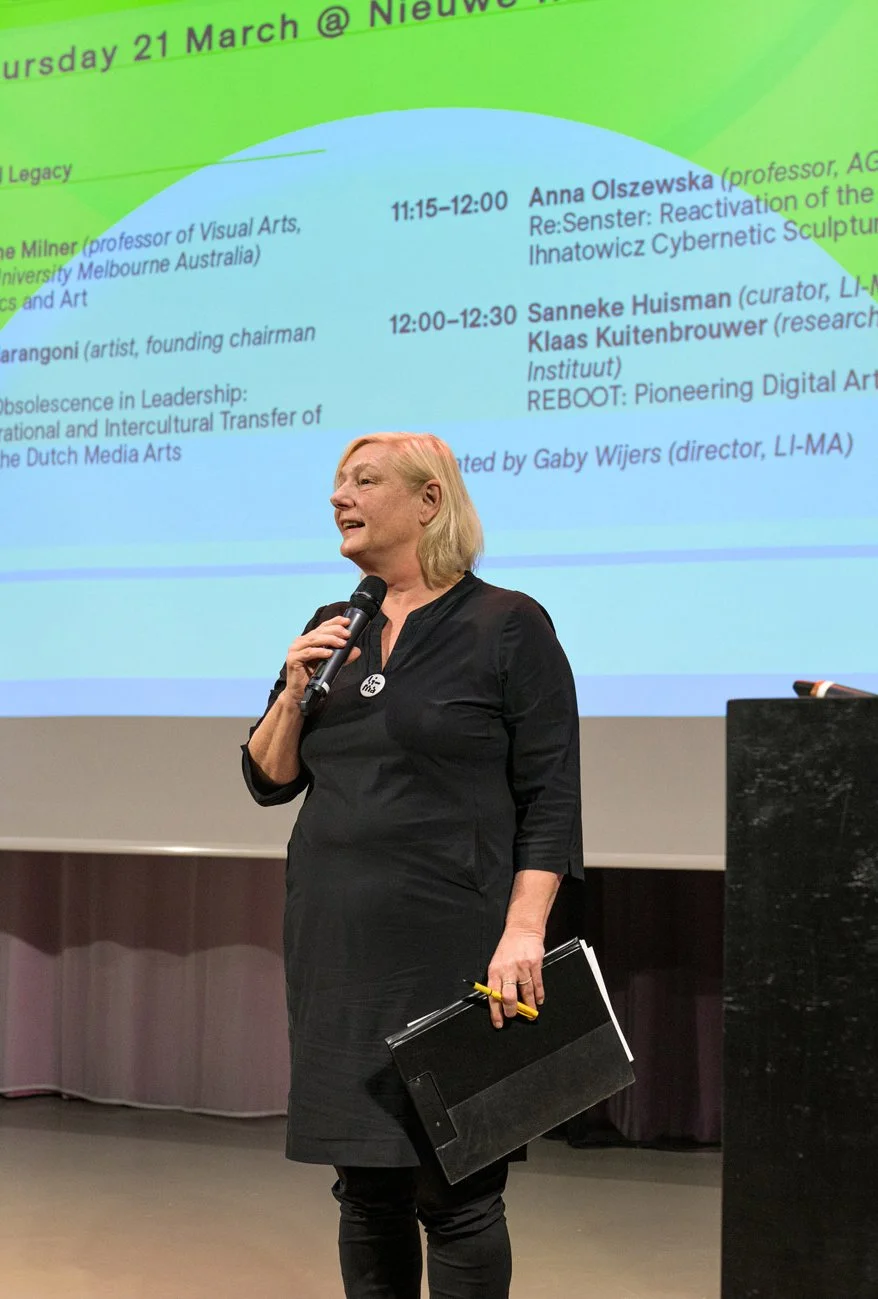
Gaby Wijers, Transformation Digital Art 2024. Photo by Pieter Kers (beeld.nu).
Programme Highlights
Day 1 – Networks, Trust, and Collective Care (Thursday, 26 March)
The first day of Transformation Digital Art 2026 focuses on networks as infrastructures of collaboration, trust, and shared responsibility. Panels will explore trust-based preservation models, ethical approaches to conservation, and the role of informal and community-driven networks in sustaining digital art. Contributions from initiatives such as TRANSFER Data Trust (New York), and Zentrum für Netzkunst (Berlin) highlight emerging frameworks for collective stewardship. The day concludes with Jonas Lund’s Network Maintenance, an artistic exploration of ownership as ongoing care, alongside parallel workshops on media art preservation and AI content creation.
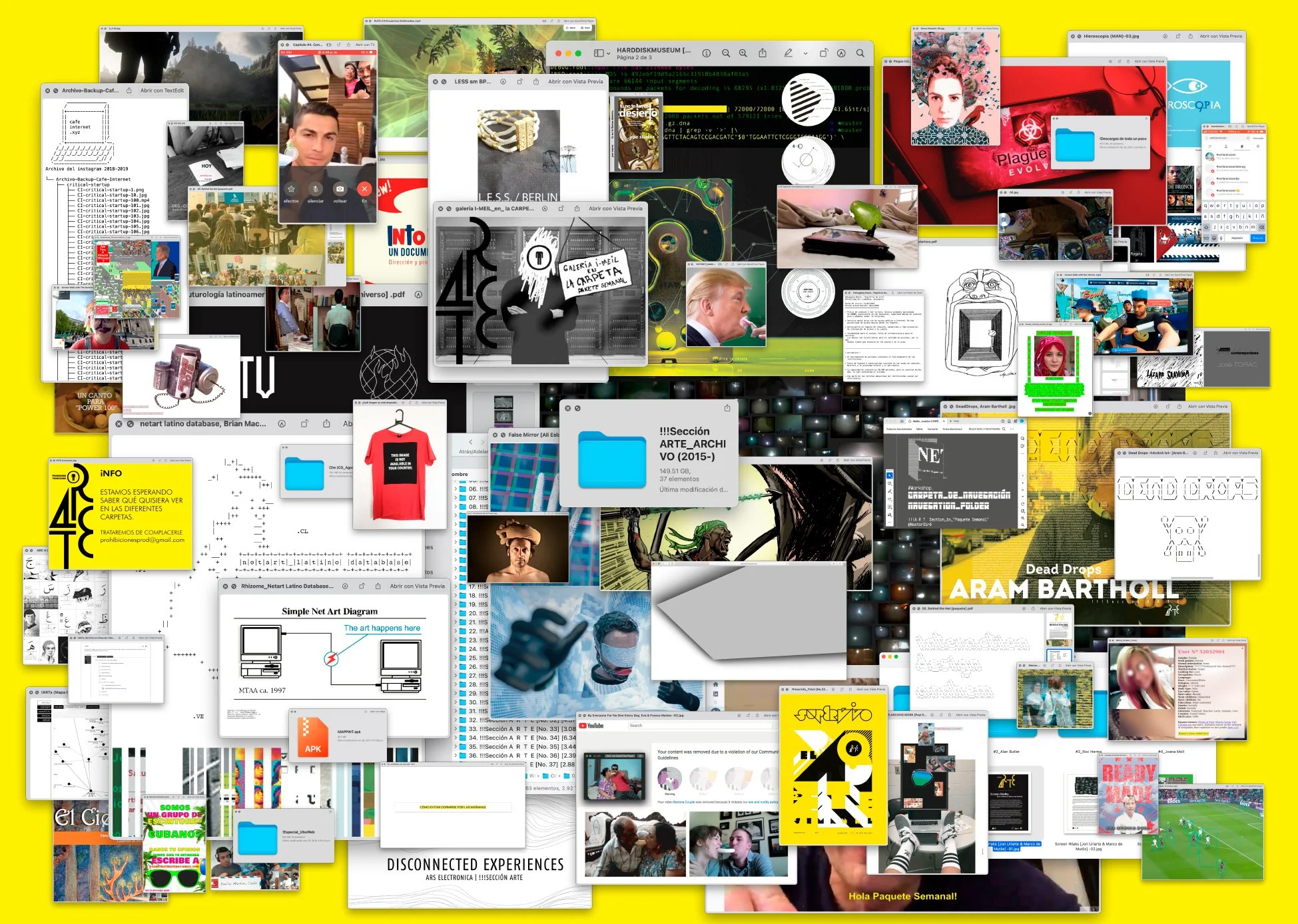
Nestor Siré, Offline Networks – Creativity Beyond the Internet.
Day 2 – Care, Technology, and Connected Futures (Friday, 27 March)
The second day turns to the tools and technologies shaping the future of digital art, raising questions about who takes care of artworks in increasingly data-driven environments. Speakers will examine how data, archives, and knowledge are connected across institutions and communities, with contributions from international participants including researchers Lozana Rossenova and Danielle Arets, and artists Nestor Siré, Nick Tandavanitj of Blast Theory, Esther Polak, and Jan Robert Leegte. The programme closes with discussions on the challenges in keeping digital artworks future-proof and the sustainability of locative art.
Alongside the talks, the symposium opens up hands-on learning, with a student workshop on media art preservation, as well as two intensive sessions on algorithmic content creation led by artists Constant Dullaart and Fabian Hampel.
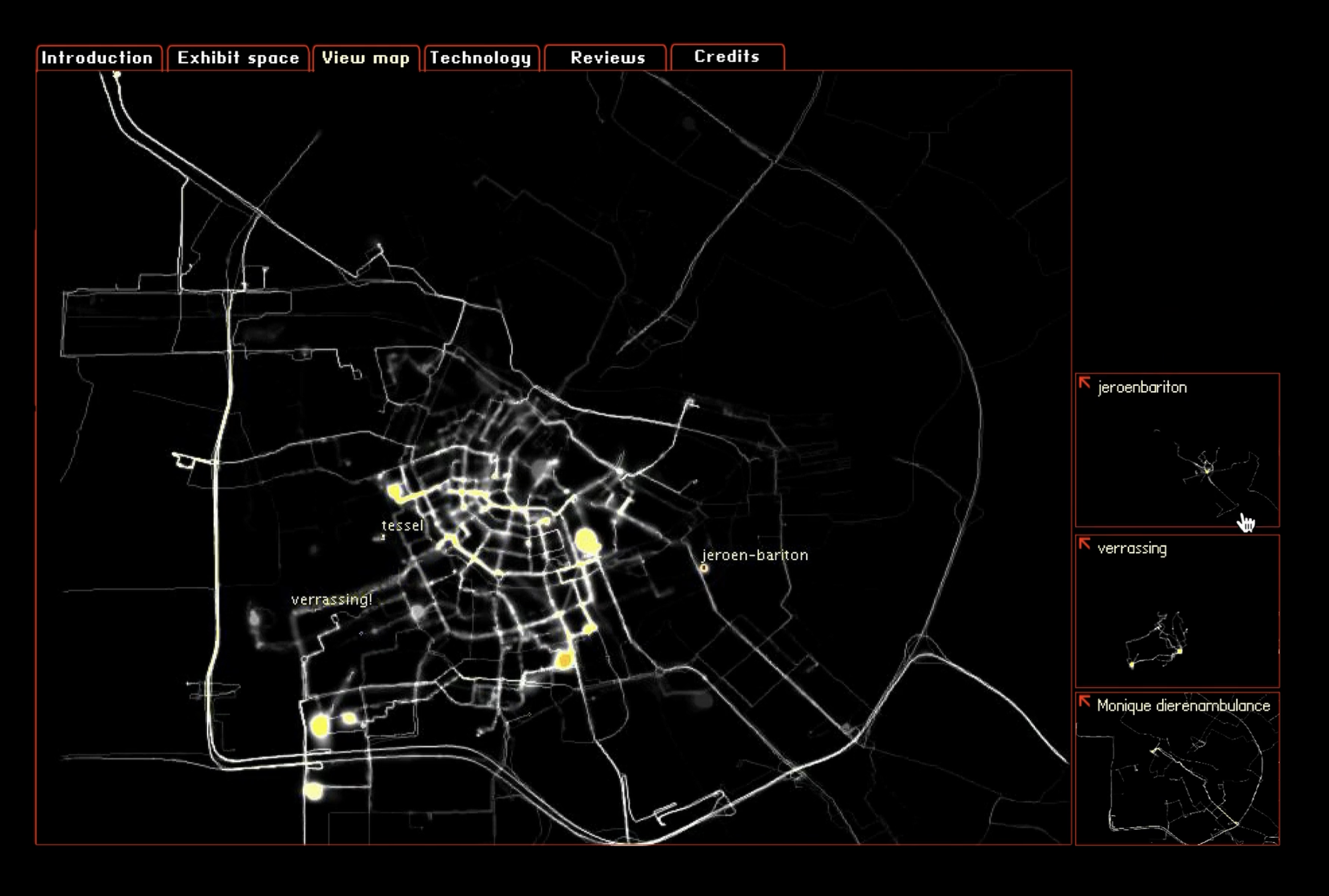
Esther Polak, Amsterdam Realtime.
For more information and the full programme, visit LI-MA website.
View the full programme for each day: Day 1 (26 March) and Day 2 (27 March).
About LI-MA
LI-MA – Living Media Art is a centre of expertise dedicated to the sustainable archiving, conservation and distribution of media art. Our mission is to ensure the long-term accessibility of media art. Since its founding in 2013, LI-MA has grown into an influential national and international platform, a hub of knowledge, and a key networking space. We support media art and digital culture, championing its artists and creators. LI-MA collaborates with museums, artists, universities and networks – with 80+ networks and partners worldwide on digital preservation and knowledge exchange.
Building on this broad foundation of support, LI-MA invites you to join to continue strengthening its position and realising a future in which all its core tasks – preservation, distribution and presentation – can be fully realised.
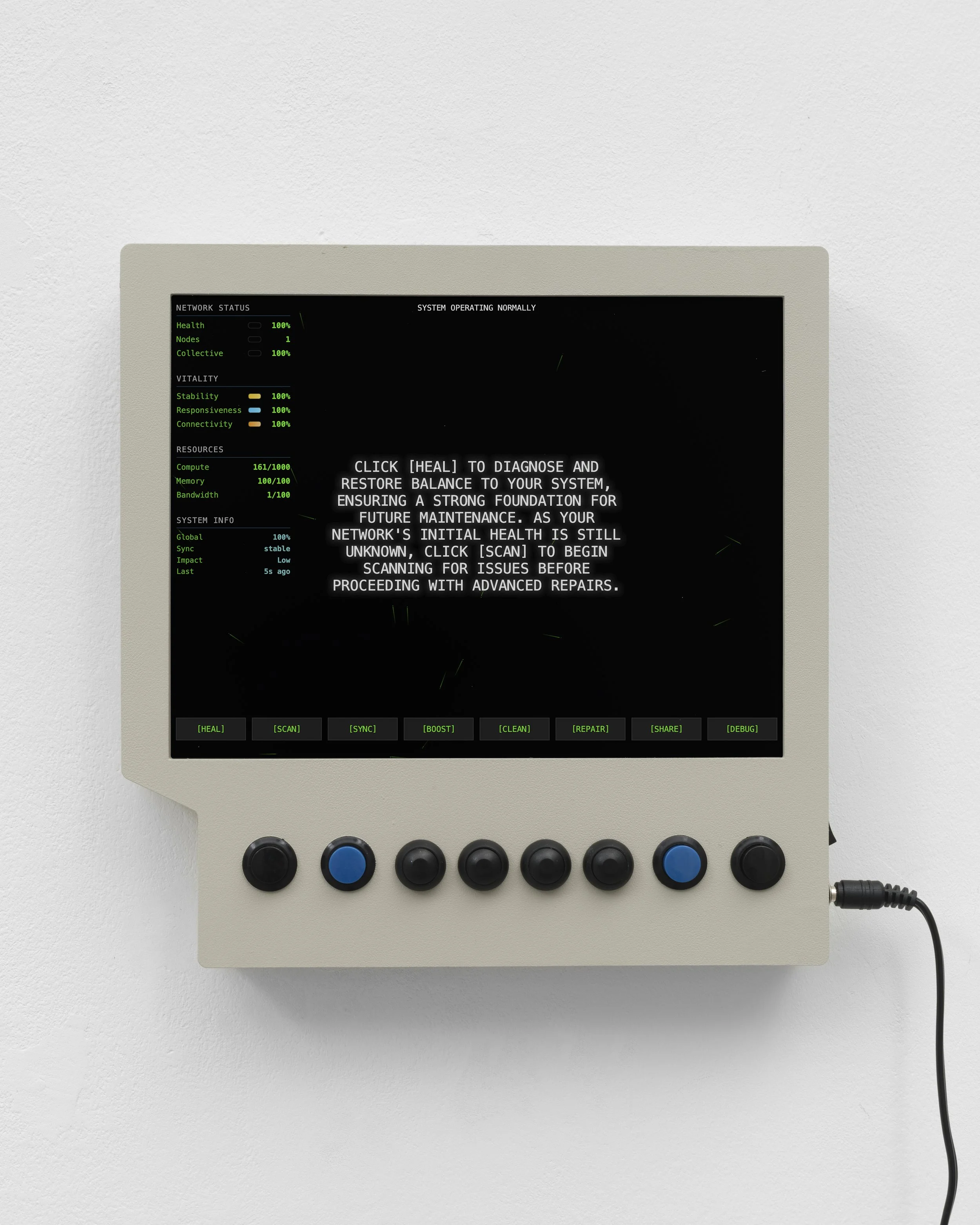
Jonas Lund, Network Maintenance, 2025, PLA, custom hardware, software, 25x25x5cm.
Partners
This event is made possible with the support of Amsterdams Fonds voor de Kunst (AFK).
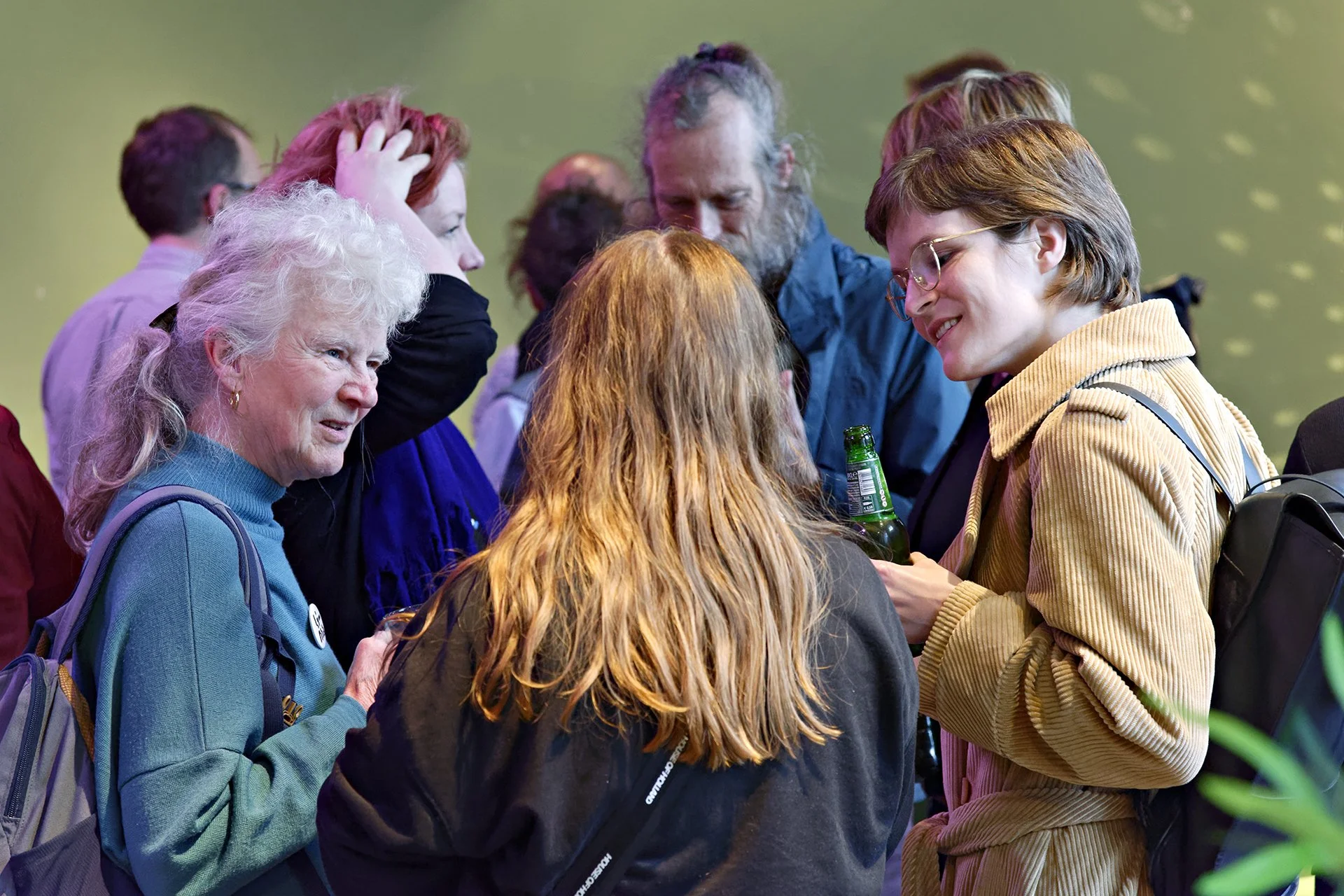
Transformation Digital Art 2024. Photo by Pieter Kers (beeld.nu).
We share works by digital artists as well as digital arts exhibitions, events, and open calls daily on Instagram — follow us for more and subscribe to our newsletter so you don’t miss new blog posts.
![Project Spotlight: pifmgr.dll’s [M]ETAL✨ @pifmgr.dll is a digital artist working at the intersection of audiovisual design, 3D experimentation, and atmospheric world-building. His project [M]ETAL explores metal both as a physical material and a](https://images.squarespace-cdn.com/content/v1/63b2fdbe4376de5bfdc6771f/1779108338452-QO04Q3MMJ3VMU8PJV1MD/image-asset.jpeg)