2026 Design Trends Digital Artists Are Actually Paying Attention To
When we’re trying to get a sense of where digital art and design are headed in 2026, we aren’t talking about one single style or aesthetic. There seems to be more of a shift blending tech, craft, humanity, and storytelling.
Across studios, creative directors, and forward-looking artists, a few themes keep coming up again and again. Some are extensions of the last few years, others feel brand-new, but together they paint a very clear picture of what the next wave of digital art will look like.
Wenqing Gu
1. The Return of the Human Hand (Imperfect, Textured, Emotional)
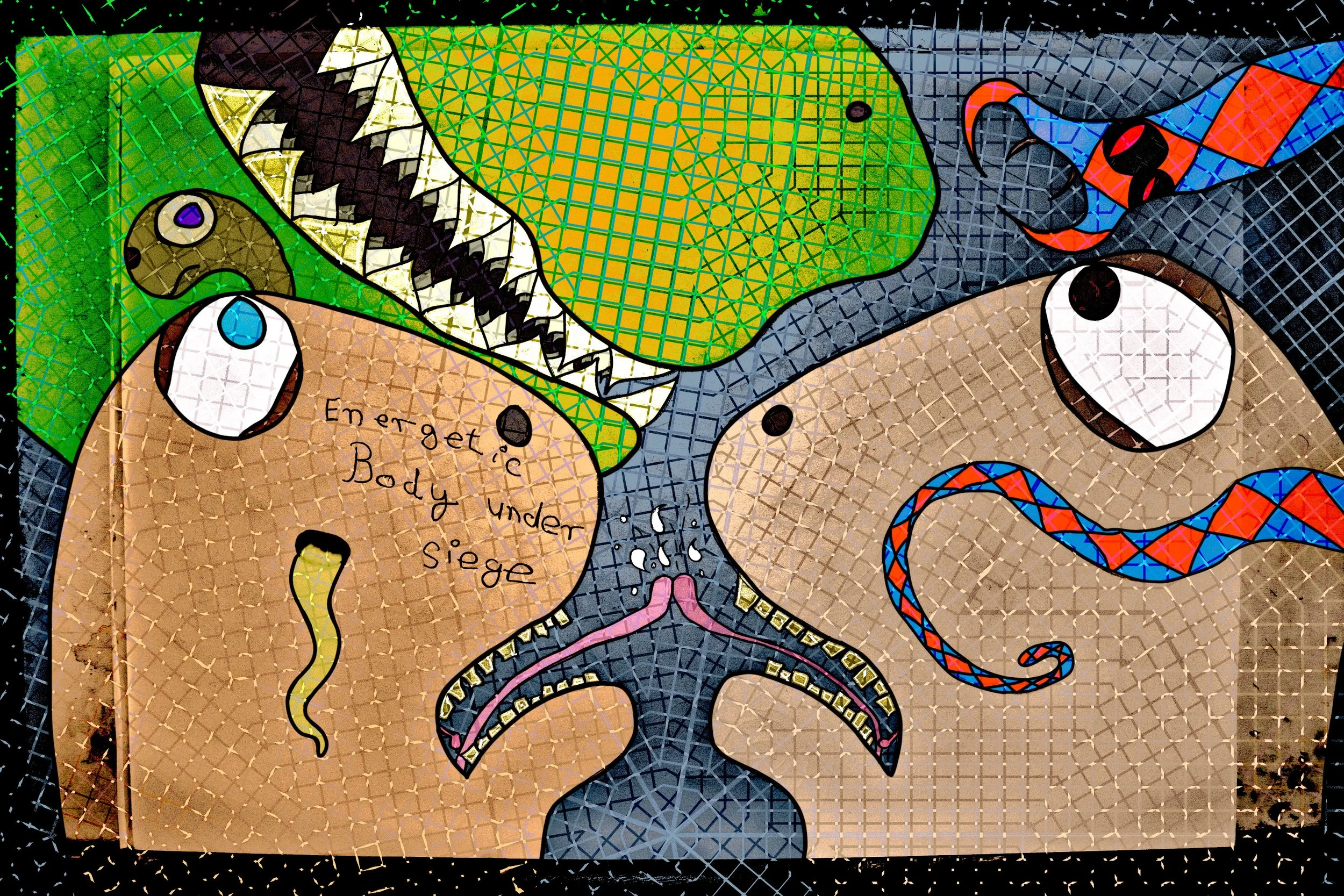
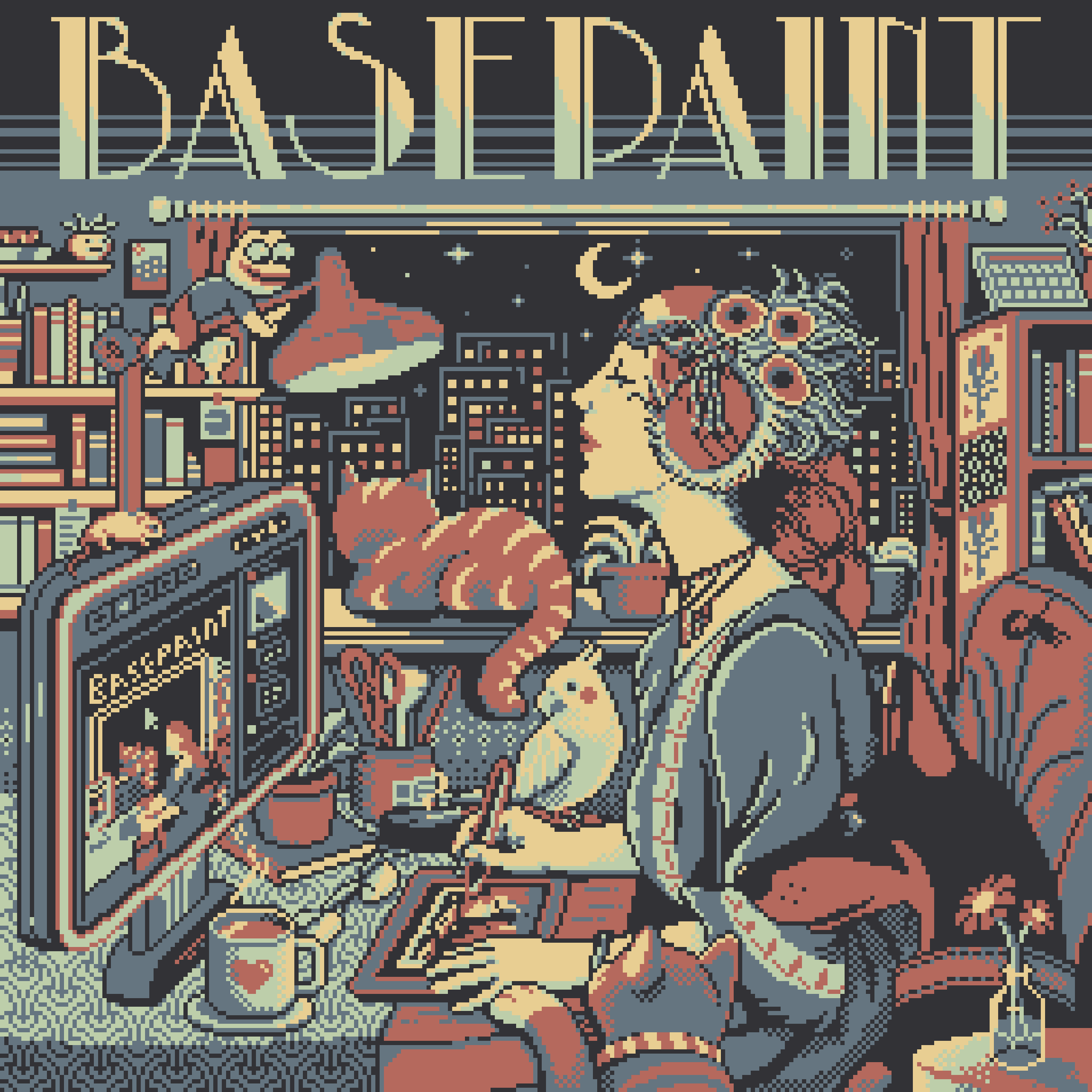
This one was expected, I think. As AI gets more capable, artists are responding by leaning into what feels unmistakably human: hand-drawn textures, visible brushstrokes, scanned sketchbook pages, rough lines, analog grit.
Artists are layering:
pencil marks over digital color
collage elements over vector designs
handwritten scans under 3D renders
The result is work that feels warm, lived-in, and emotionally grounded. You can see the artist’s choices and fingerprints.
In 2026, imperfection is a signature.
Christopher Reusch
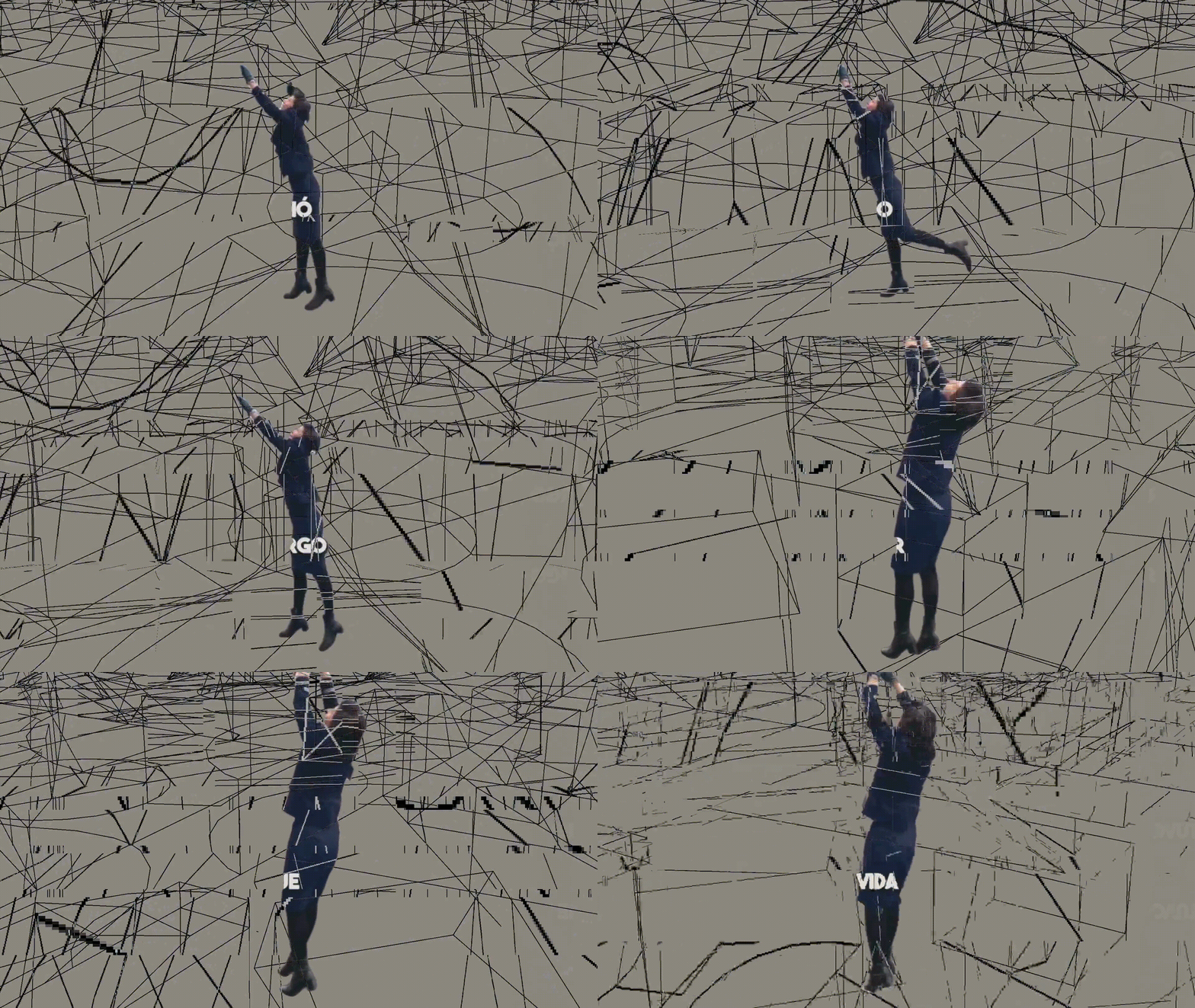
2. 3D, Motion, and the Era of “Immersive Everything”
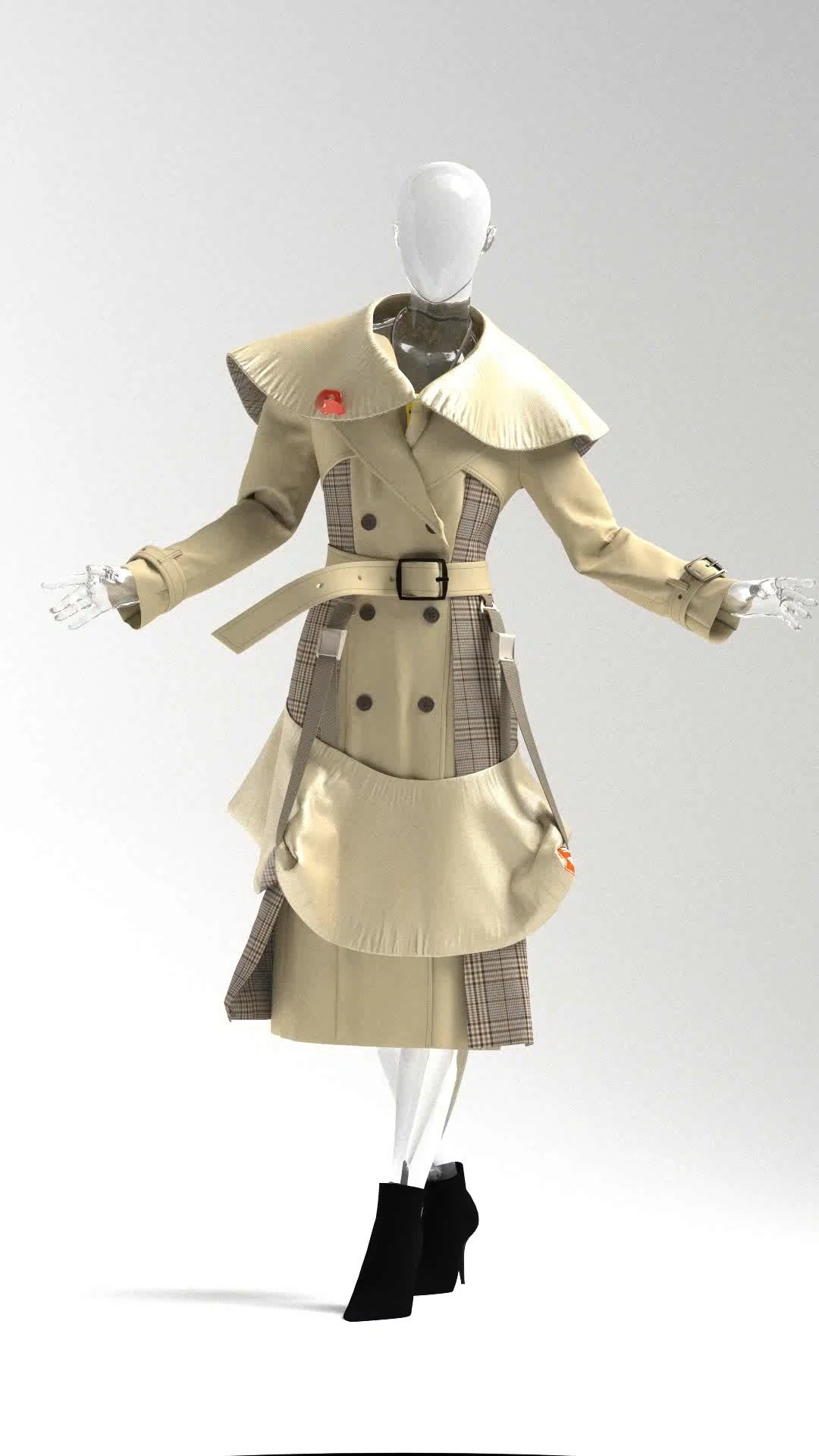
3D is not just for character designers or game studios anymore — it’s becoming part of everyday visual culture. Artists are mixing 3D elements with 2D illustration, adding subtle depth, turning static compositions into moving ones, and experimenting with short-form animation as easily as they used to test color palettes.
While the tools aren’t new, the expectation is.
Audiences increasingly respond to motion, depth, and atmosphere. Even a minimal piece feels richer when something moves or breathes within it.
For digital artists, this means:
learning a bit of 3D is almost standard (or learn how to use AI to do it)
motion design (even micro-animations) is becoming part of the visual language
mixed media environments like 3D + vector + photography are everywhere
This one is about world-building, mood, and making digital art feel alive.
Javier Aparicio Frago
3. AI as a Collaborator, Finally
“AI art” is already old news. The biggest trend now is AI-assisted art — artists treating AI as a creative partner; testing out styles, speeding up processes, and letting it write the code or add animation etc. when you don’t know how to.
Trend-setters talk about AI the same way photographers talk about lenses or illustrators talk about brushes: a tool that expands what’s possible.
The practical role of AI in 2026:
generating variations or composition tests
exploring color options
creating quick moodboards
prototyping style directions
accelerating workflows
The artist still sets the tone, the taste, the concept, and the finish — which is exactly where the real creative distinction lives. Top AI tools are also leaning into this collaborative outlook. Nowadays, we’re not talking about tools that can do it all. We’re looking at options like Seedream, transform your existing images based on your chosen references or text prompts for everything from editing speed to visual consistency.
The work that stands out is the work where you can sense the human decision-making over the AI output.
Cubist Heart Laboratories
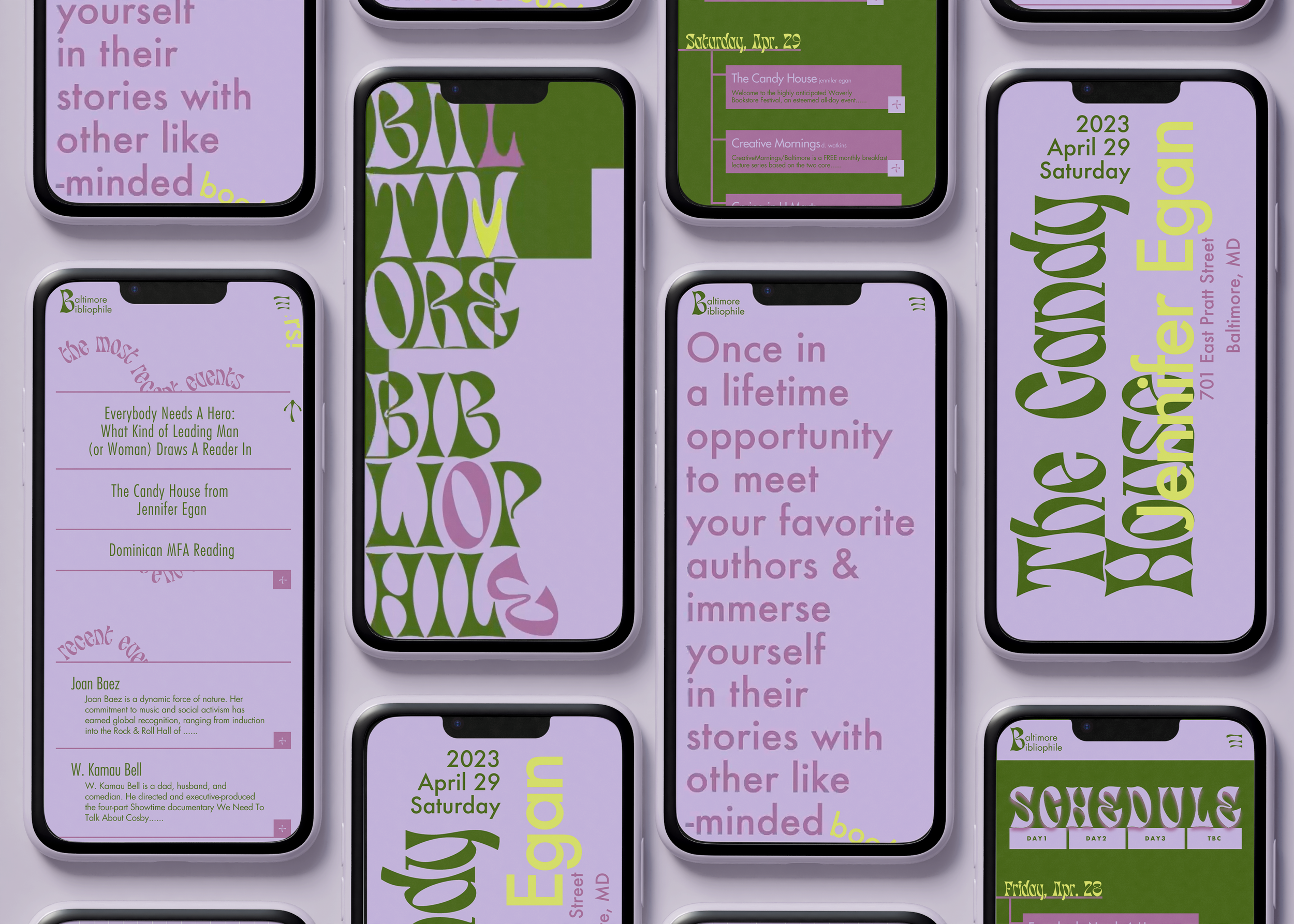
4. Visual Identity as a System, Not a Logo
This one is coming straight from branding studios and design strategists: the future of identity is flexible, expressive, and multi-layered.
Brands in 2026 want:
custom typefaces
animated logomarks
dynamic color systems
iconography with personality
motion rules
illustration that actually looks unique
graphic systems that can stretch across social, web, print, physical space, and more
For digital artists, this opens up new opportunities — especially if you can think beyond standalone images and into ecosystems.
Illustrators with a clear visual voice are becoming invaluable for brands trying to avoid the generic “AI aesthetic.”
Jingyuan Huang
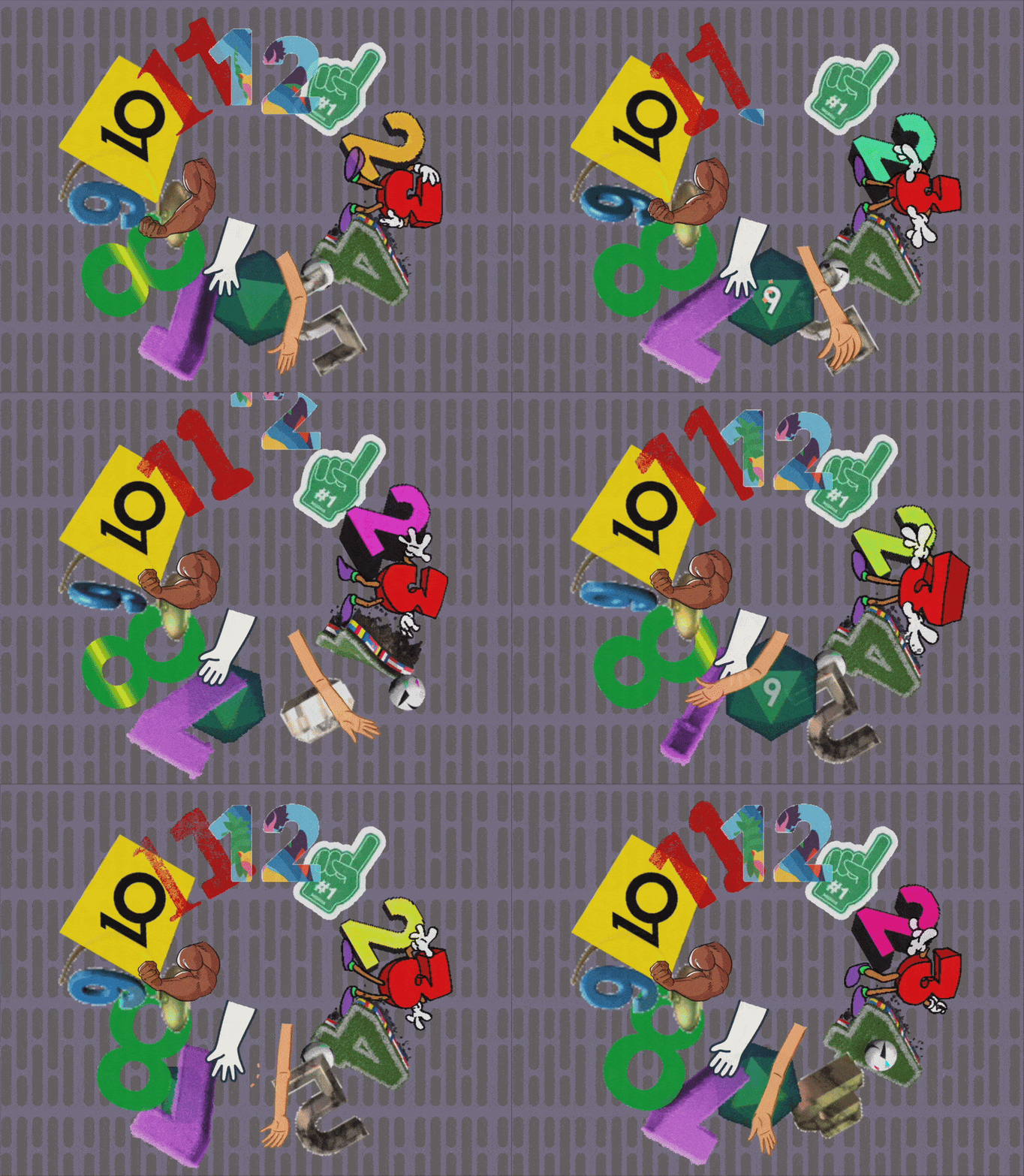
5. Maximalism, Retro-Futurism, and the Rise of Mixed-Era Visuals
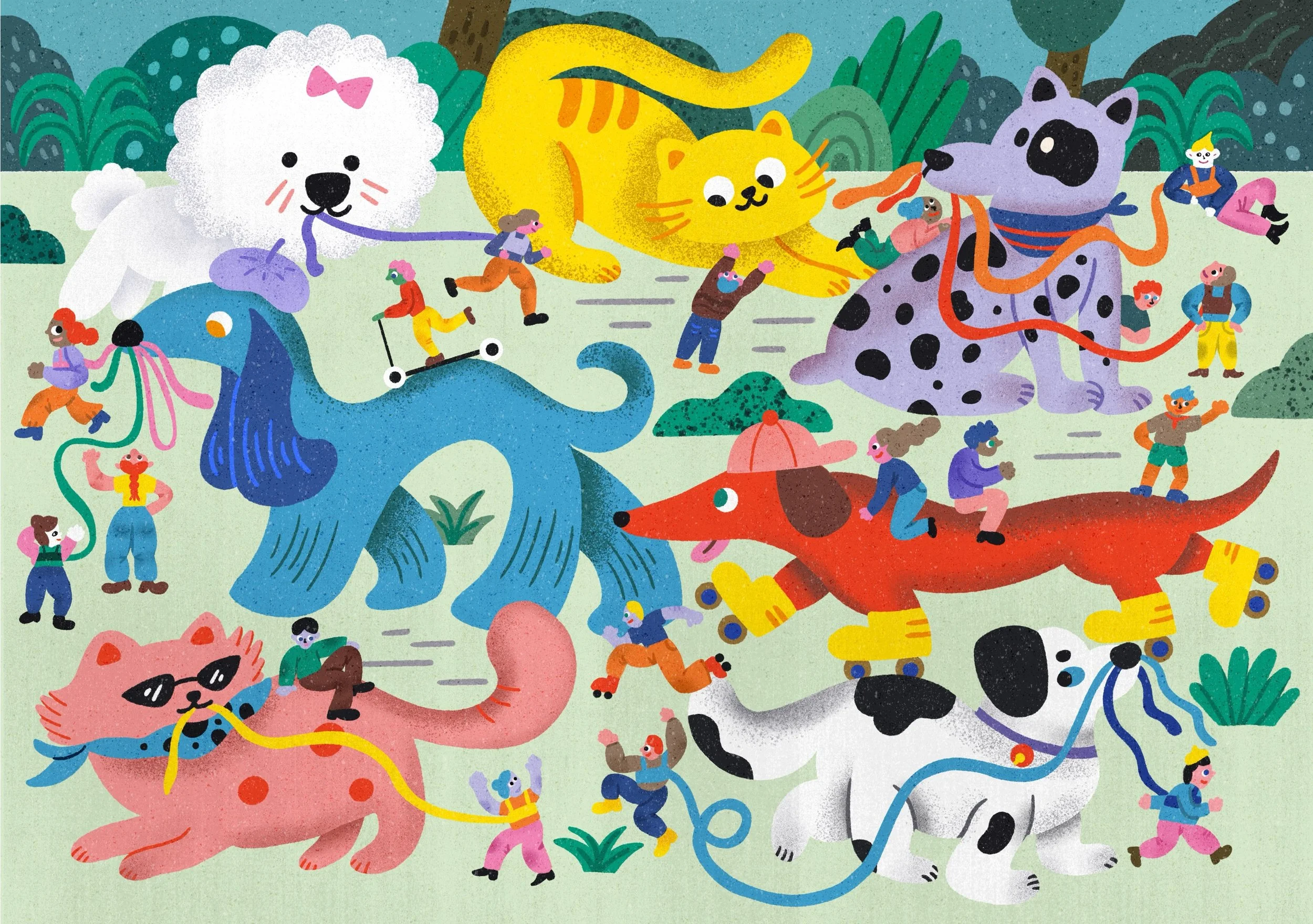
Minimalism is still here, but maximalism is having a moment — a loud, joyful, layered moment.
2026 trend moodboards are full of:
saturated colors
bold typography
surreal compositions
retro-futuristic glows
glitchy overlays
cyberpunk accents
mixed-media collages
visual density that somehow still feels intentional
It’s nostalgia meets futurism; 80s neon meets 2030’s UI, with a little bit of surreal fun.
The trick is balance: maximalism only works when it feels curated and not chaotic.
Jude Buffum
6. Socially Conscious Design: Sustainability and Representation
Creators are thinking not just about style, but about ethics, inclusivity, and meaning. The expectation is that every design should tell a story – ideally a good one.
You’ll see:
nature-inspired palettes
organic textures
more inclusive characters and narratives
visual storytelling grounded in real communities
artwork that feels thoughtful rather than performative
Audiences (and brands) are increasingly drawn to art with purpose — something that says more than “this looks cool.”
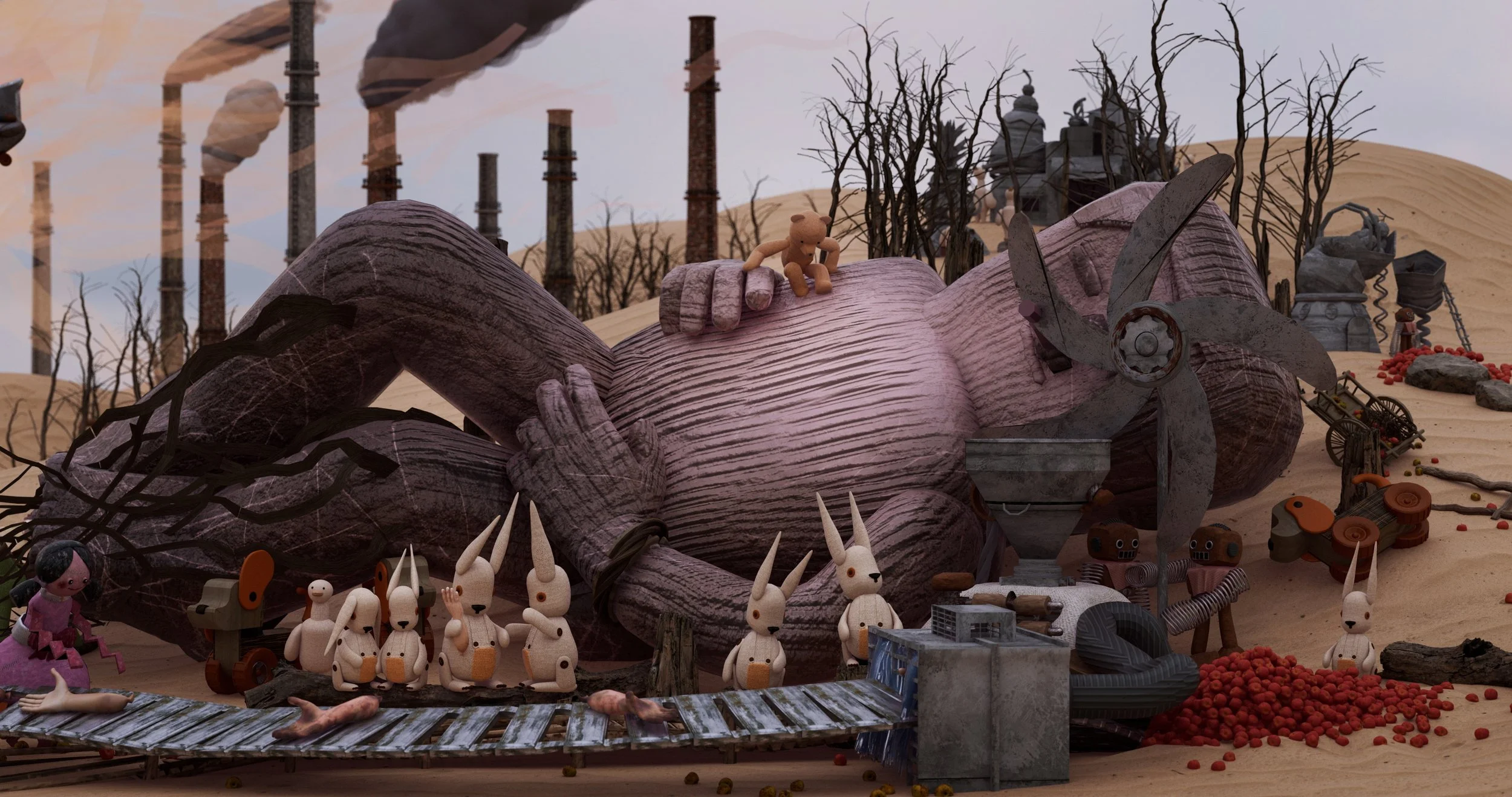
Wenwen Zhu
What This All Means for Digital Artists
If you’re creating work right now, here’s how 2026’s landscape might inform your practice:
Learn just enough 3D or motion to enrich your style — or learn how to use AI to help your workflow.
Lean into your personal handprint — textures, quirks, analog touches, anything that feels distinctly “yours.”
Let AI support your work, but start with your own ideas and own angles instead of AI’s, so you don’t let it flatten your voice.
Think in systems — if you do branding or commercial work, design with flexibility in mind so the style can be applicable to logos, website, social media content, merch, and everything in between.
Play with contrast: mix eras, mix mediums, mix aesthetic languages.
Stay grounded in meaning — work that feels connected to real people resonates more.
2026 is about expanding what your art can be — more layered, more expressive, more alive, more you!
We share works by digital artists as well as digital arts exhibitions, events, and open calls daily on Instagram — follow us for more and subscribe to our newsletter so you don’t miss new blog posts.
![Project Spotlight: pifmgr.dll’s [M]ETAL✨ @pifmgr.dll is a digital artist working at the intersection of audiovisual design, 3D experimentation, and atmospheric world-building. His project [M]ETAL explores metal both as a physical material and a](https://images.squarespace-cdn.com/content/v1/63b2fdbe4376de5bfdc6771f/1779108338452-QO04Q3MMJ3VMU8PJV1MD/image-asset.jpeg)