3D Motion Design and Cinematic Storytelling with Coco (Yuqun Huang)
By Cansu Waldron
Coco (Yuqun Huang) is a Los Angeles–based 3D motion designer and look development artist specializing in cinematic title sequences and narrative-driven motion design. She has contributed to projects for Disney, HBO, Netflix, Hulu, and Amazon, including the Emmy-nominated House of the Dragon title sequence, as well as look development for the main titles of Lilo & Stitch and Mufasa: The Lion King. Working at the intersection of graphic design and 3D craft, Coco focuses on clarity, mood, and cinematic detail, collaborating closely with art directors and production teams from concept through final execution.
Drawing has been part of her life for as long as she can remember — covering textbooks, homework sheets, and anything within reach. Her perspective shifted when she discovered motion graphics and realized that abstract forms could communicate complex ideas with elegance and precision. That conceptual approach led her to study motion design more deeply, first during an exchange year in Australia where she learned After Effects, and later through an MFA in Motion Media Design at SCAD. Since then, working across specialized design studios has sharpened her visual storytelling instincts and solidified her focus on motion and 3D as powerful narrative tools.
We asked Coco about her art, creative process, and inspirations.
Can you tell us about your background as a motion designer? How did you get started in this field?
I’ve been drawing for as long as I can remember.
As a child, my main extracurricular class was drawing, and honestly, I drew on everything — textbooks, exam papers, homework sheets, even math scratch paper. I loved drawing instinctively, but I wasn’t naturally gifted at realistic accuracy or perfect proportions.
Everything shifted when I first discovered motion graphics. I was immediately drawn to the idea that abstract forms could express complex concepts in a smart, elegant, and efficient way. It felt conceptual-level — almost like visual thinking. That mindset later became very concrete in my professional work, such as an infographic-style project I worked on for Cadillac, where the goal was to communicate critical information with as little visual noise as possible. Using light and minimal geometry to guide attention felt both practical and poetic.
During my exchange year in Australia, I had the freedom to choose any courses I was curious about, so I enrolled in a motion graphic design class. That was where I first learned After Effects. I realized that compared to verbal expression, I felt much more comfortable — and fulfilled — building things visually on a computer and seeing ideas take form over time.
That experience led me to pursue an MFA in Motion Media Design at SCAD, where I was able to fully immerse myself in an art and design environment and learn the foundations of the motion design industry. Since graduating, I’ve worked across several specialized design studios on a wide range of projects, from film and television to technology-focused work. Being surrounded by highly skilled collaborators in those studio environments has been incredibly formative, and it’s where my focus gradually crystallized around motion and 3D as narrative and expressive tools.
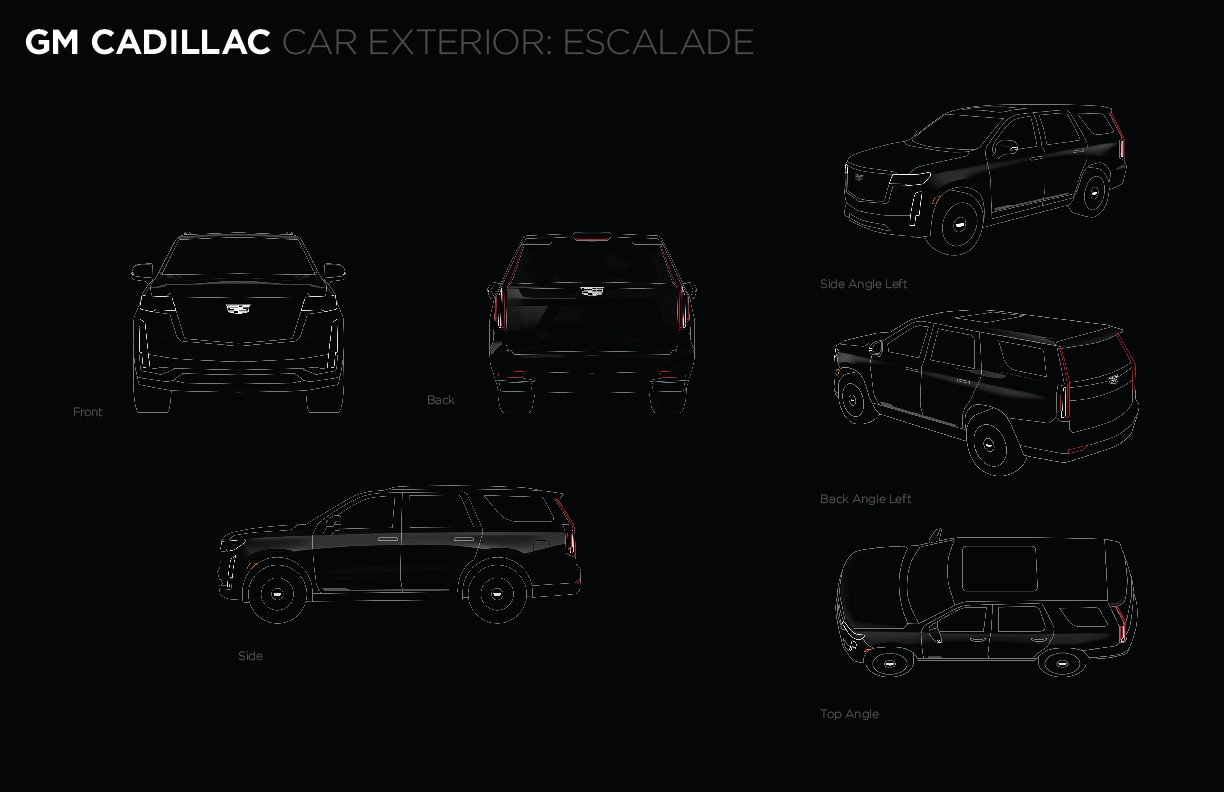
Cadillac Styleguide 3D design by Yuqun Huang at yU+co
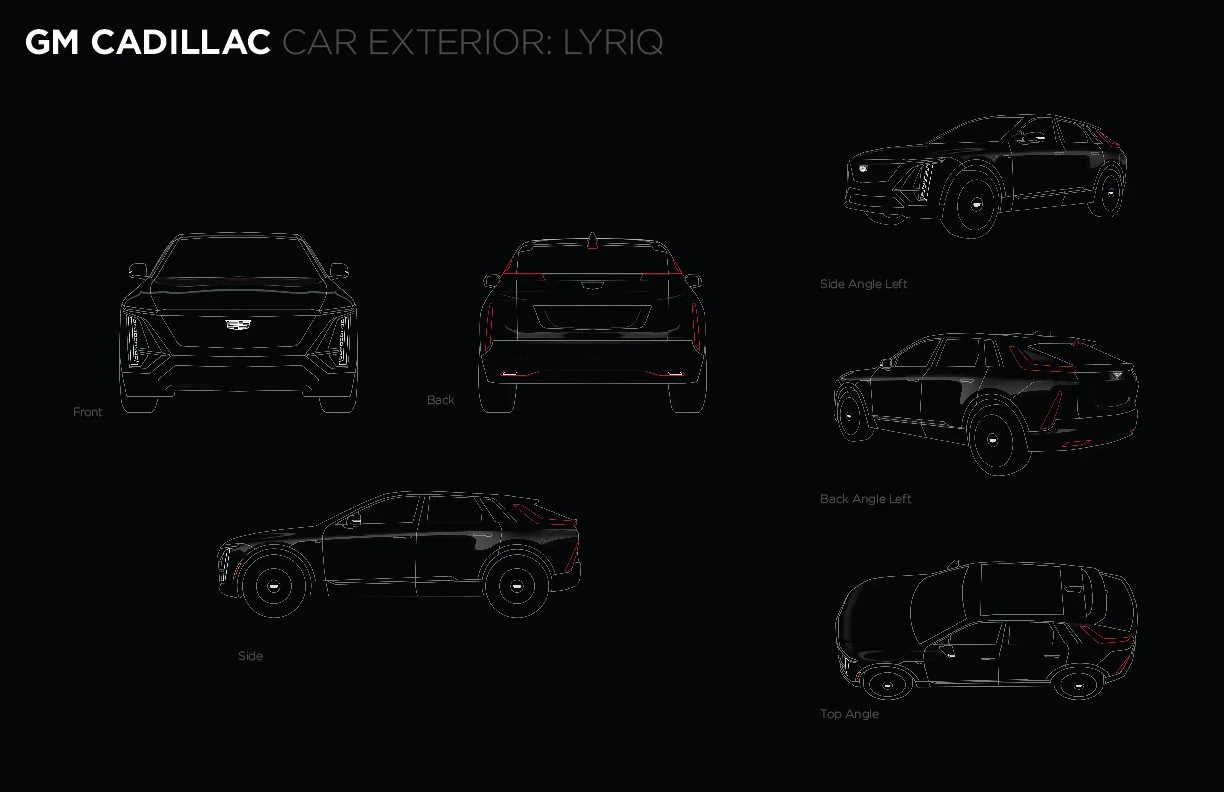
Cadillac Styleguide 3D design by Yuqun Huang at yU+co
What does your workflow look like when you’re developing a look from nothing — and where do surprises usually happen?
I usually begin by researching references beyond motion design — photography, sculpture, books, architecture or music— that relate to the core theme of the project. I like to build a loose keyword mind map to understand the emotional and conceptual direction before opening up softwares.
Surprises often happen once I start testing materials, lighting in 3D. Something unexpected might emerge from how light interacts with a surface or how an element moves in space, and those moments often lead the look in a more interesting direction than what I initially imagined.
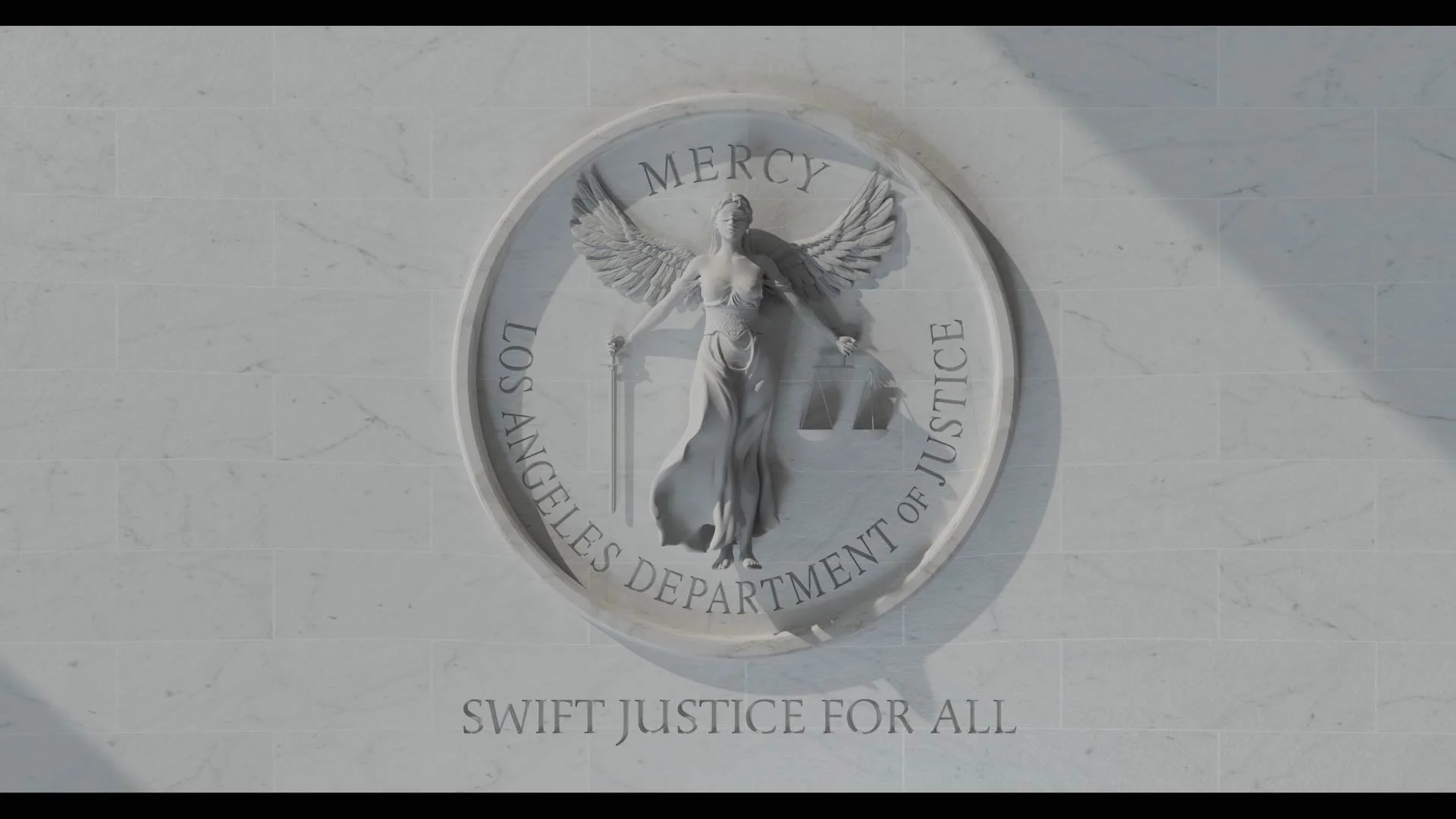
Mercy styleframe 3D design by Yuqun Huang at yU+co
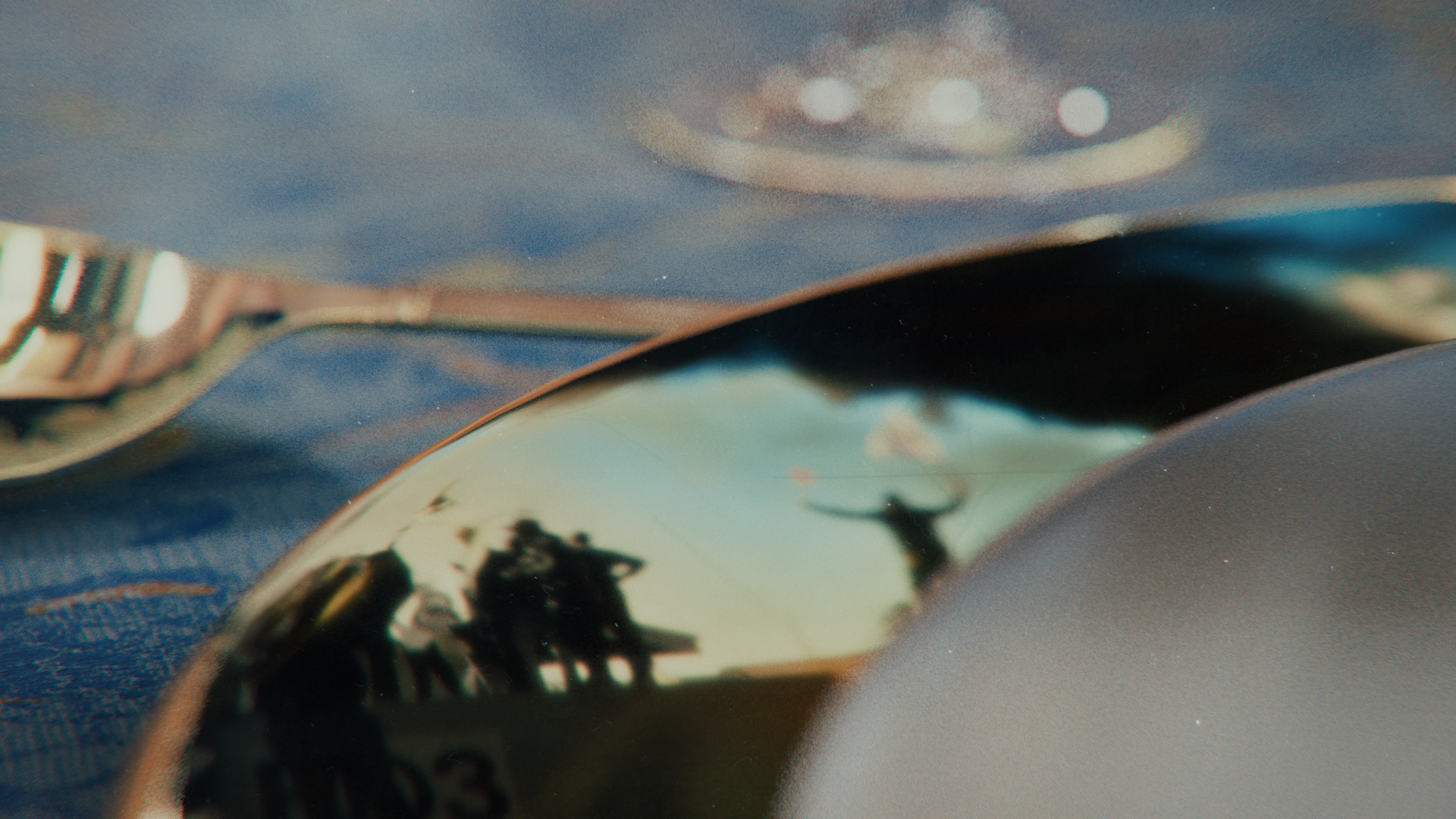
The Diplomat styleframe 3D design by Yuqun Huang at yU+co
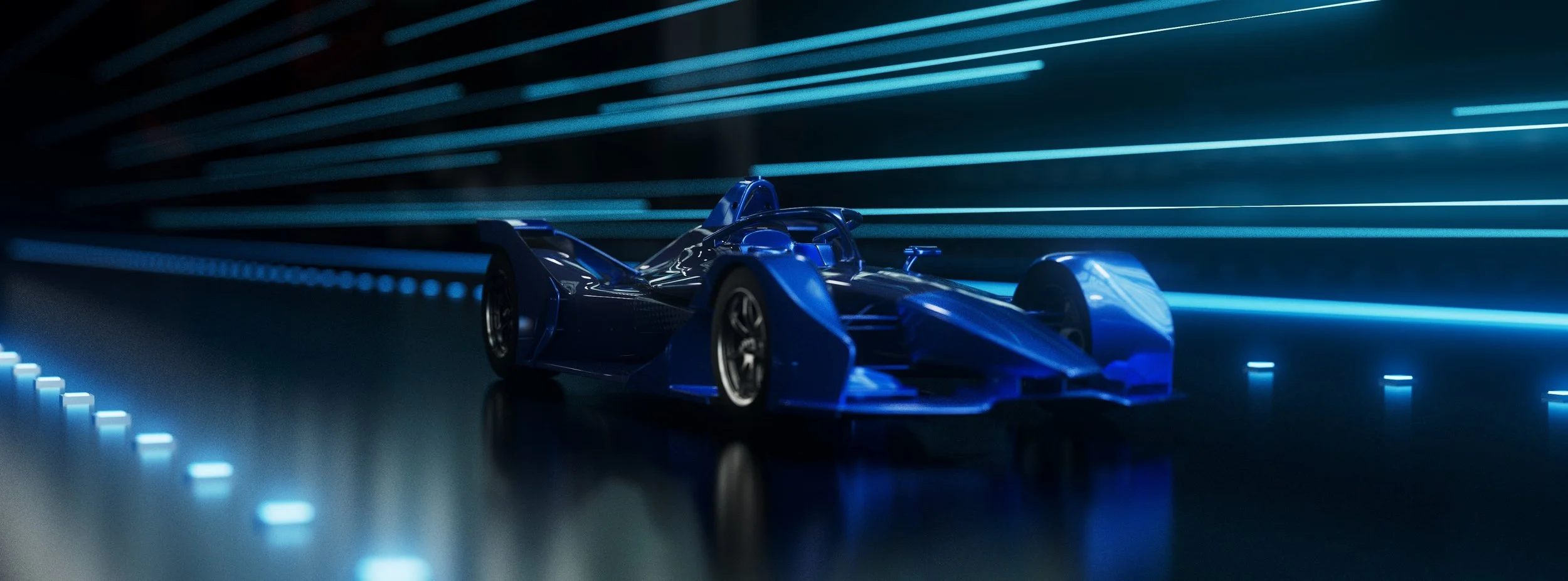
Prologis 2024 Opening Video styleframe 3D design by Yuqun Huang at yU+co
How has your eye changed since you first started working in motion and 3D?
I’ve become much more sensitive to light and movement in everyday life. I find myself noticing how afternoon sunlight spills onto a wall, how light refracts and disperses through a glass, or how soft shadows shift across a surface.
I also have a deeper appreciation for subtle, smooth motion — even something as simple as a plastic bag drifting in the sky. These small movements have taught me a lot about rhythm, balance, and realism in motion design.
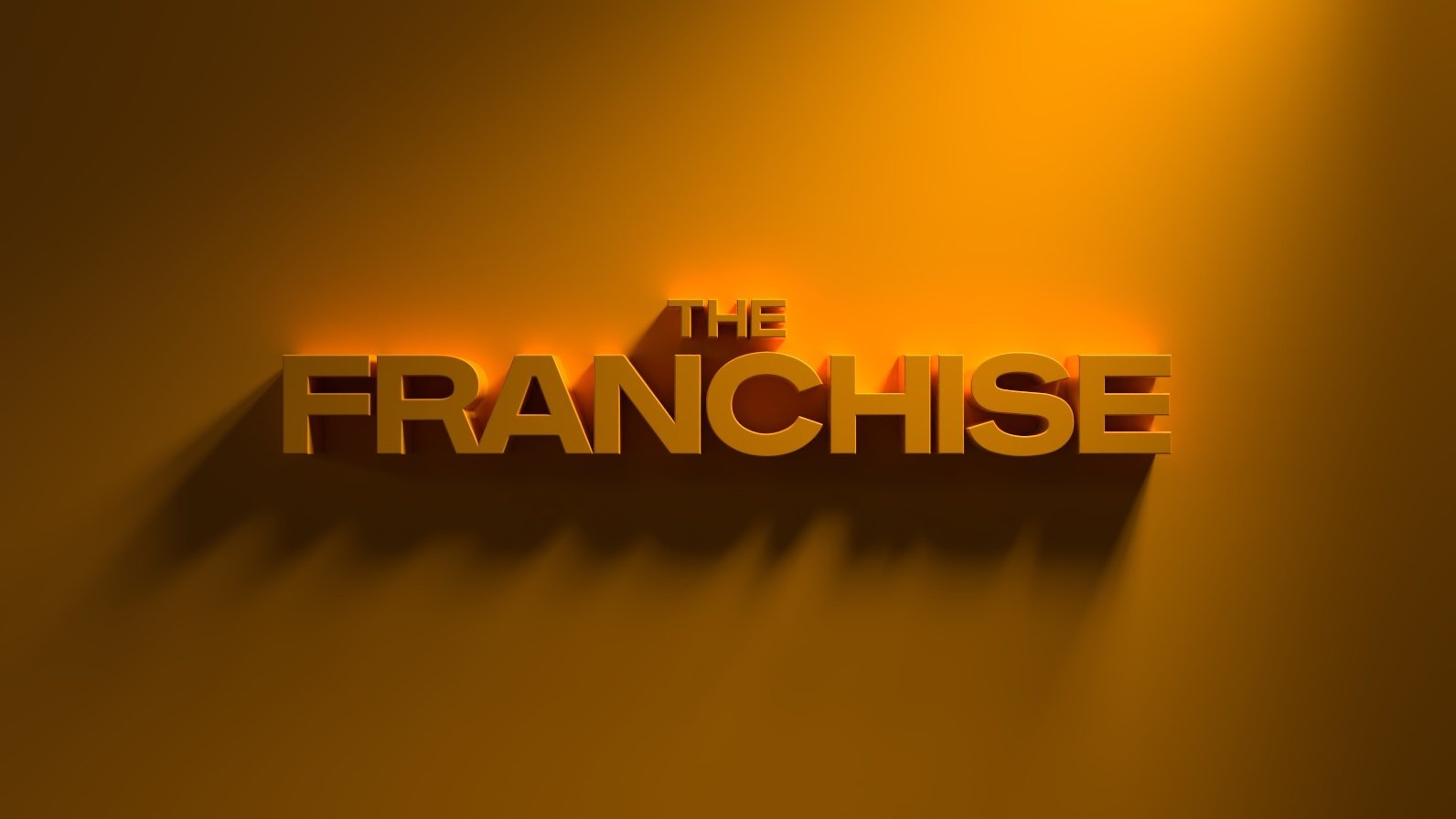
The Franchise Main Title 3D design by Yuqun Huang at yU+co
Can you tell us about some of your favorite pieces or a past or upcoming project? What makes them special to you?
One project that’s very meaningful to me is a styleframe exploration I did for We Were the Lucky Ones.
While reading the book, I felt that the characters were like flowers growing out of cracks — fragile, yet incredibly resilient. That feeling stayed with me, and it became the starting point for my visual exploration.
I was deeply moved by the way the characters continue to hold onto hope, even in the most difficult moments. When I was younger, the word ‘hope’ felt very ordinary to me. But as I grew older and experienced hardship myself, I realized how precious hope really is — and how extraordinary it is for someone to keep believing when it would be so easy to give up.
Some people lose hope very quickly. But the people facing the hardest situations are often the ones who refuse to let go of it, still trying until the very last moment. That spirit — quiet, persistent, and human — is what I wanted to honor through these styleframes.
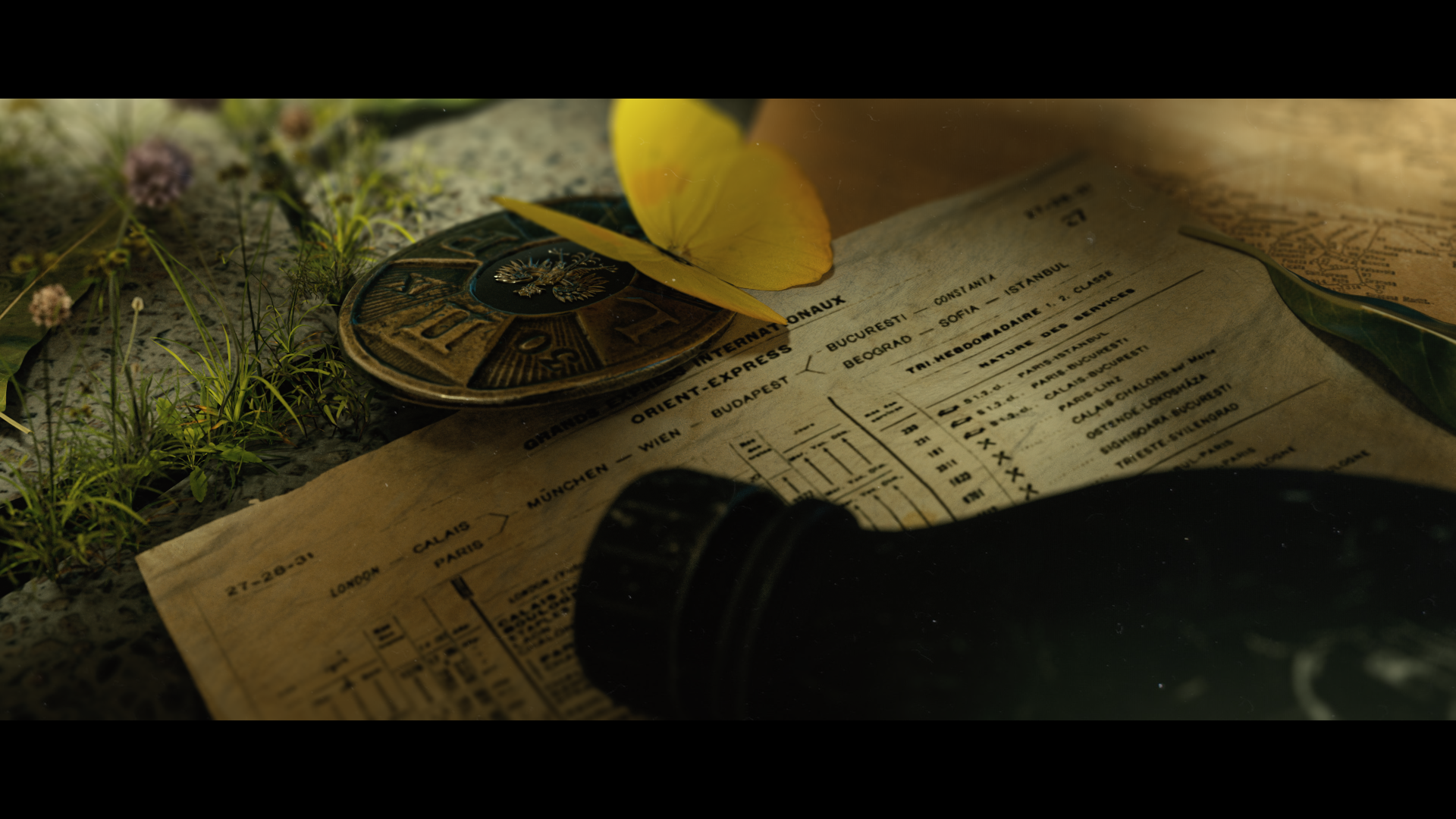
We were the lucky ones styleframes 3D design by Yuqun Huang at yU+co
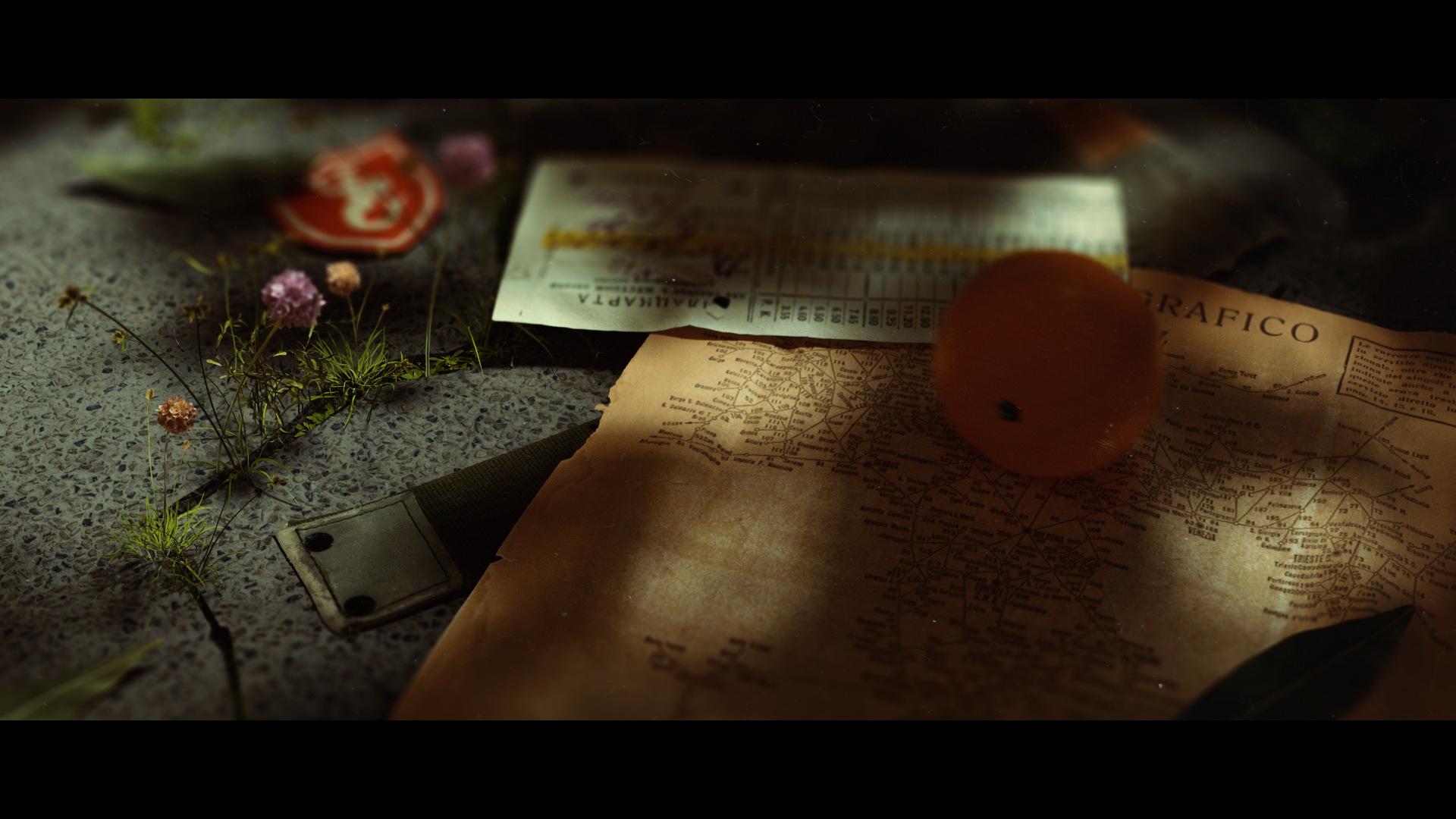
We were the lucky ones styleframes 3D design by Yuqun Huang at yU+co
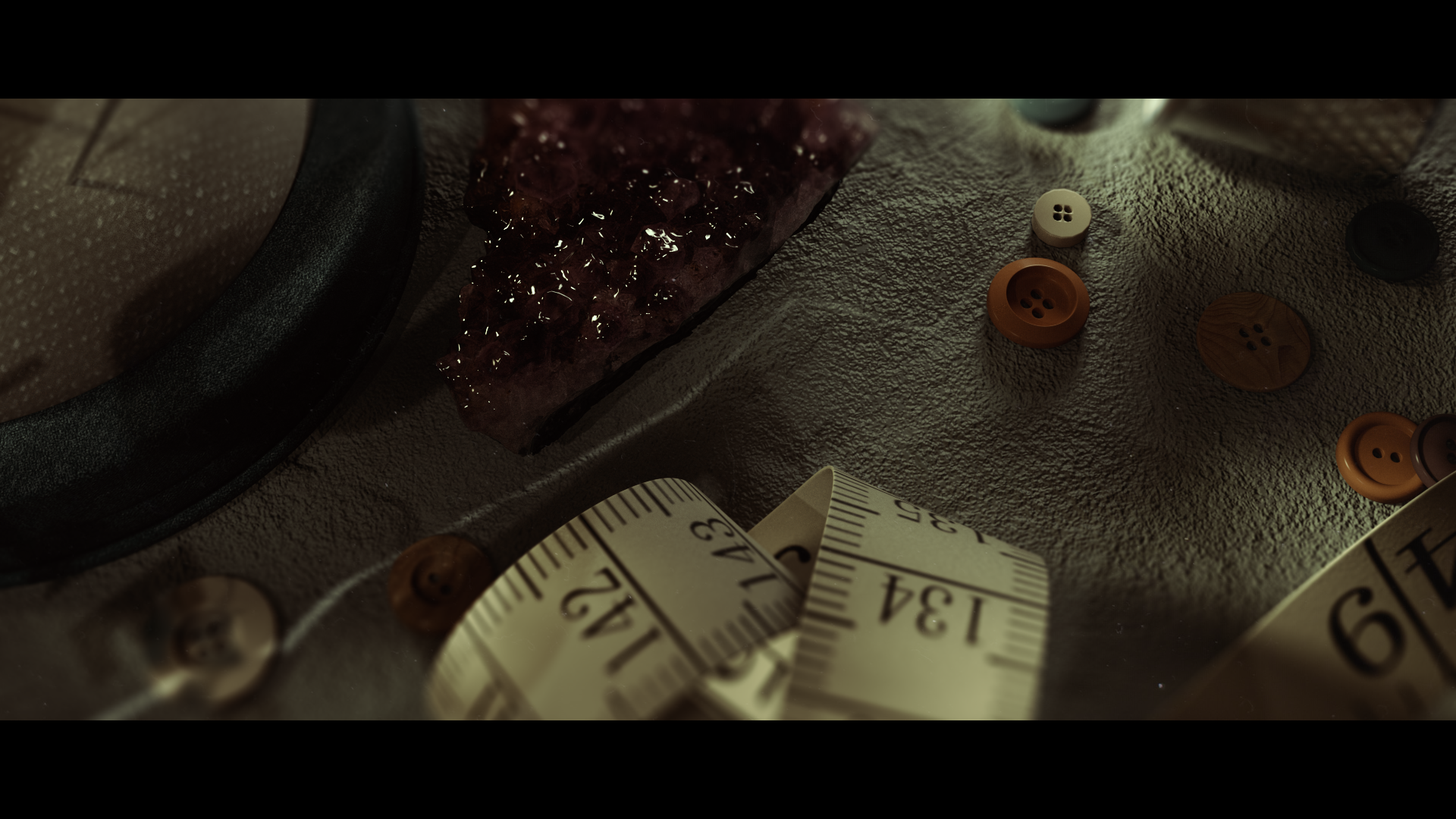
We were the lucky ones styleframes 3D design by Yuqun Huang at yU+co
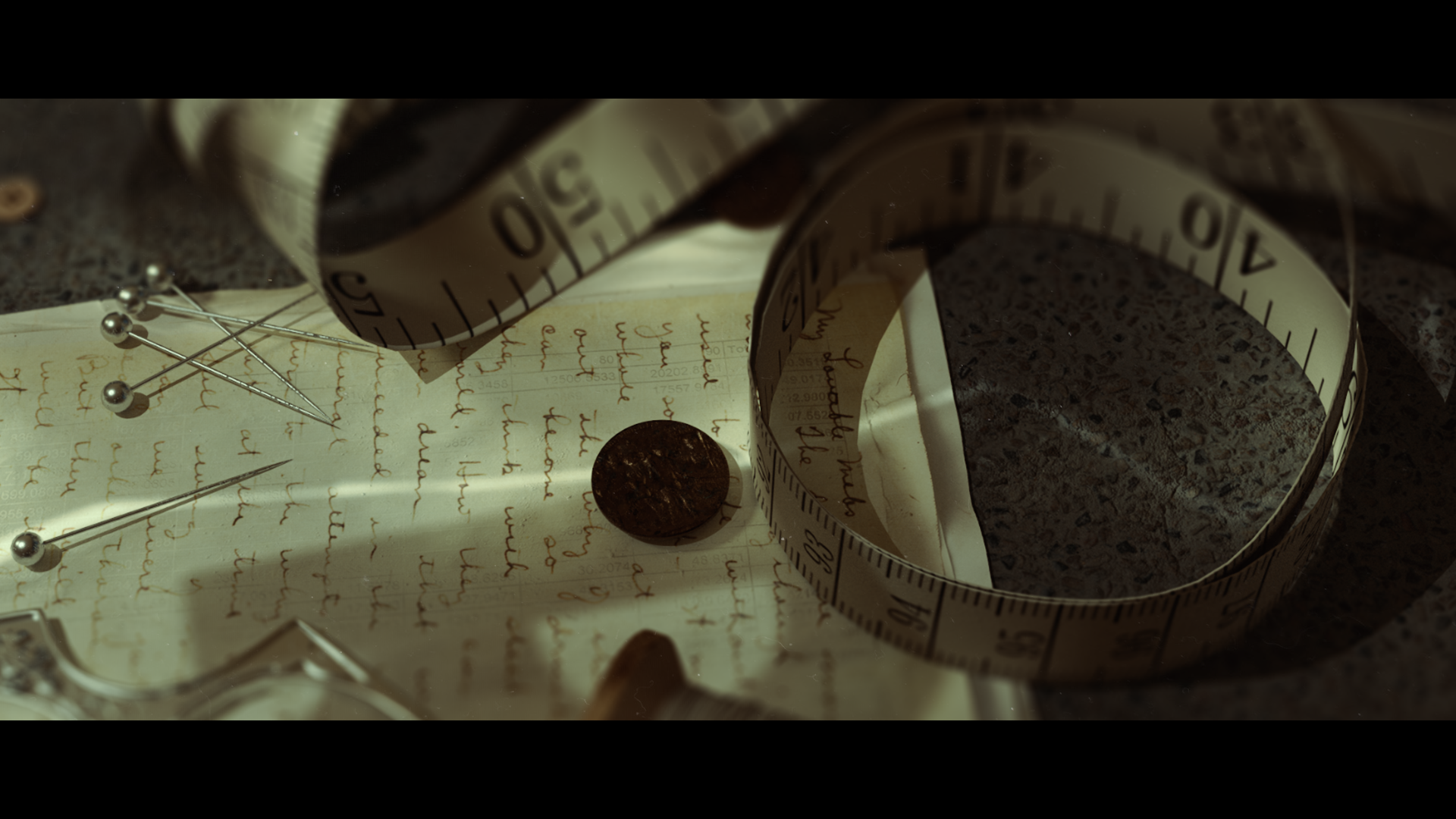
We were the lucky ones styleframes 3D design by Yuqun Huang at yU+co
What’s a visual detail most viewers would never notice — but you love?
I love what happens in negative space.
Sometimes it’s not the object itself, but the gap around it — the pause before a title appears, or the space that allows a silhouette to breathe. Viewers rarely notice it as a “design choice,” but that space is often where tension, anticipation, or meaning quietly forms.
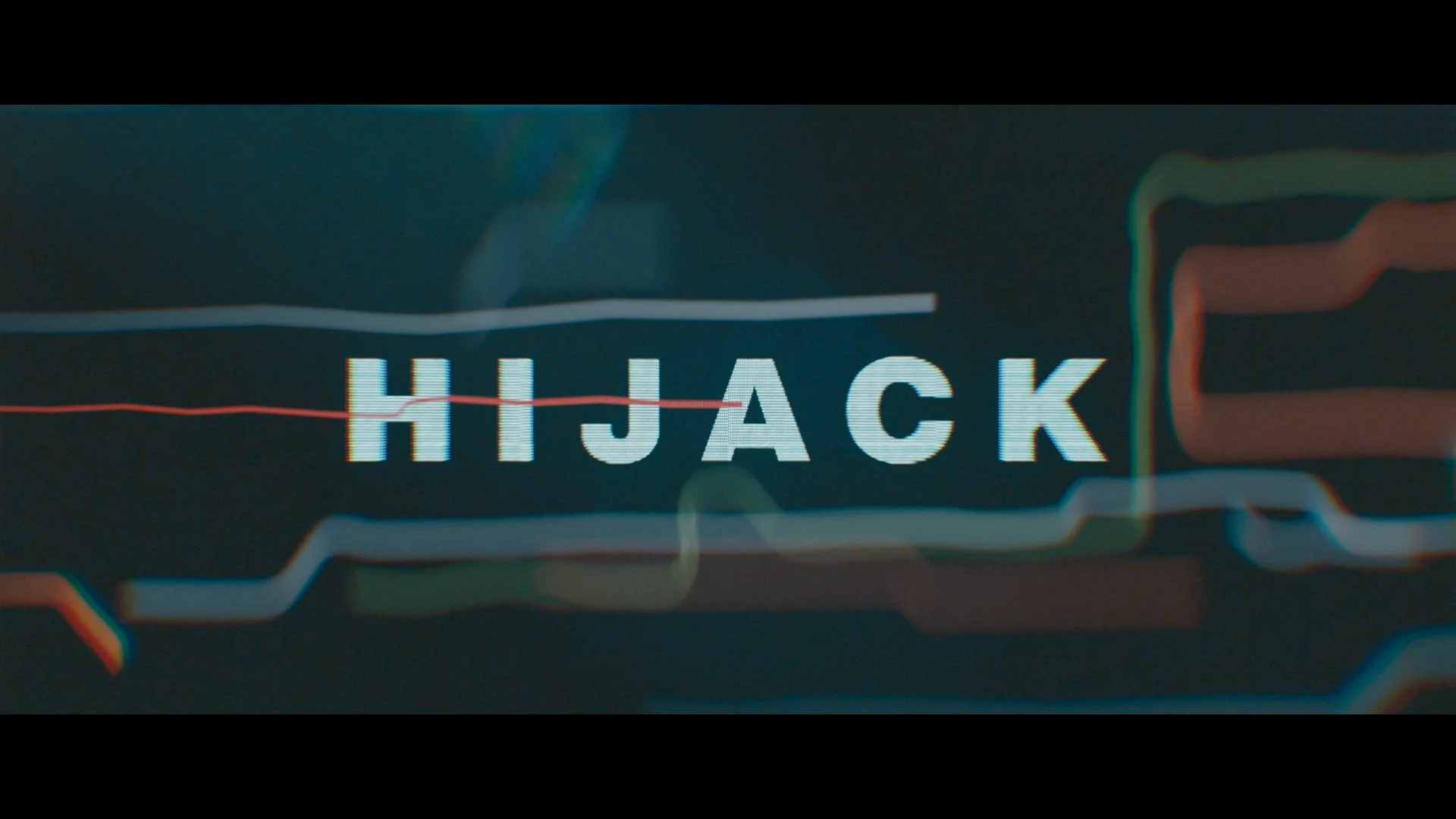
Hijack styleframes design by Yuqun Huang at yU+co
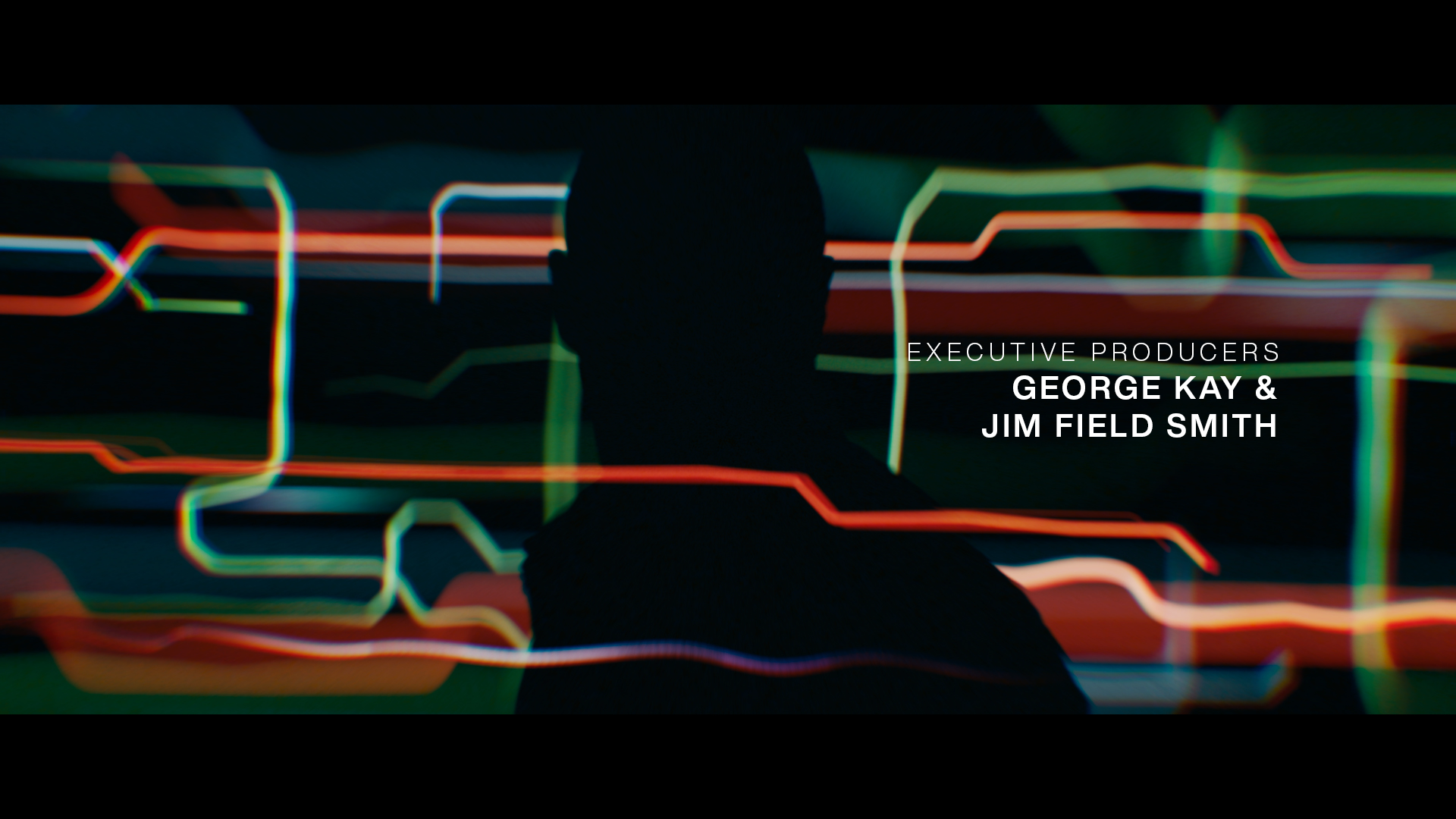
Hijack styleframes design by Yuqun Huang at yU+co
You’ve worked as a designer across multiple types of companies — from in-house teams at a game company, to design studios serving tech clients, and now a studio focused on film and television. How has your design perspective evolved through these different environments over the years?
When I look back, my design opinion didn’t change by replacing one belief with another — it evolved by accumulating experiences.
My first internship at a game company left a very positive mark on me. I learned to care about clarity, functionality, and how visuals live inside a larger product ecosystem. At Jam City’s Los Angeles studio — a major North American game company with a large global player base — I had the chance to experiment with how gameplay mechanics could translate into marketing ideas across several popular match-three games. One concept I explored was turning the matchable pieces into words representing negative emotions, which players could then “clear” through the game character’s actions. Seeing players respond positively to that idea made me realize how powerful design can be when it taps into both interaction and emotion, within a playful, commercial context.
Later, working in the tech-focused studio helped me understand how design operates within real-world systems — timelines, stakeholders, and scalability. It was a very positive experience. In a design studio serving tech clients, I worked on a large-scale Google project, where I created a series of wallpapers. Working on branding videos for a tech product made the design process feel rational and grounded. I became very aware of how frequently products iterate in the tech world, and how closely design decisions need to align with evolving interaction flows and system changes. When those flows shifted, the UI often needed to adapt quickly as well. The focus was strongly on clarity and problem-solving, while still leaving room for thoughtful creative exploration within the system.
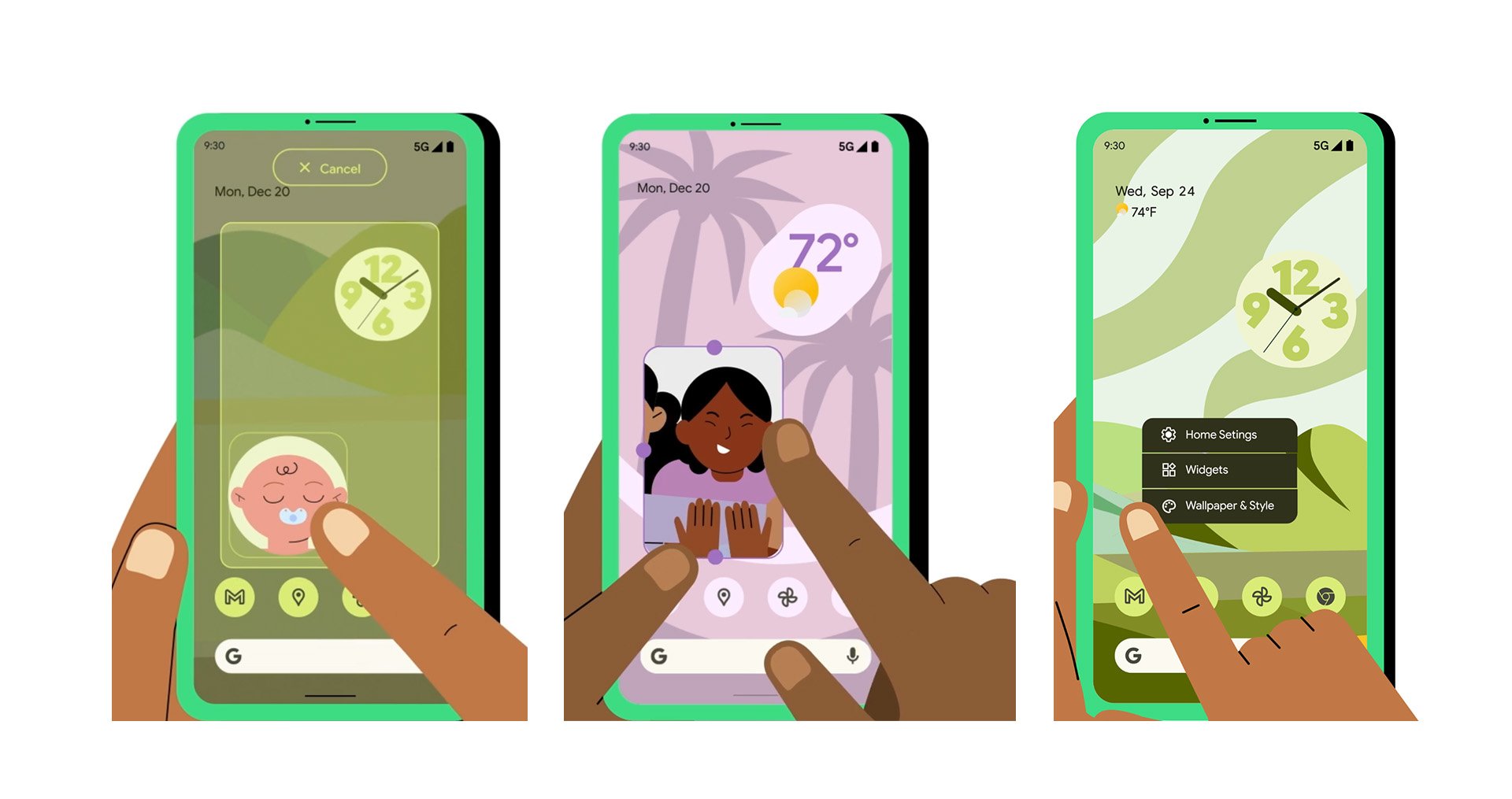
Wall paper design created by Yuqun Huang for Google Android at Brand New School
As I almost accidentally found my way into the TV and film title space, my perspective began to shift toward narrative and meaning. I became interested in why a visual choice exists — what emotional, historical, or narrative weight it carries, and how it supports a larger story.
In this environment, we pay close attention to the show’s narrative, its time period, the characters, and the symbolic meaning embedded in props and visual details.
Now, my design opinion feels less reactive and more grounded. I don’t see these experiences as separate chapters, but as layers. The curiosity and joy I felt in that first game studio are still there — they just manifest through a deeper sensitivity to narrative, context, and intention.
What kind of project are you secretly hoping lands in your inbox next?
I’m really curious about exploring AI-related projects next. A friend of mine has been working on an AI comic series, and it made me want to try it myself — just to see how AI can open up new ways of telling stories.
Are you our next spotlight artist? Submit the form to apply to be featured!
We share works by digital artists as well as digital arts exhibitions, events, and open calls daily on Instagram — follow us for more and subscribe to our newsletter so you don’t miss new blog posts.
![Project Spotlight: pifmgr.dll’s [M]ETAL✨ @pifmgr.dll is a digital artist working at the intersection of audiovisual design, 3D experimentation, and atmospheric world-building. His project [M]ETAL explores metal both as a physical material and a](https://images.squarespace-cdn.com/content/v1/63b2fdbe4376de5bfdc6771f/1779108338452-QO04Q3MMJ3VMU8PJV1MD/image-asset.jpeg)