The Unreasonable Logic of Desire: An Interview with Daniela Krol
By Cansu Waldron
Daniela Krol is an artist and creative director based in Tel Aviv whose AI-assisted practice explores identity, femininity, desire, and control through painterly, surreal imagery. Her work often begins with an emotion or an unspoken story, using image-making as a way to understand feelings that are difficult to put into words. Working with generative AI, Daniela moves intuitively between colors, forms, and compositions, continually reshaping her images until they capture an initial feeling or reveal something unexpected. Rather than focusing on the endless possibilities of the technology, she searches for the one image that carries a genuine emotional presence.
Daniela began experimenting with generative AI as an artistic medium before it became a mainstream commercial tool, an exploration that eventually led to a career creating work for brands. After several years working within the rapidly expanding AI industry, she has returned to a more personal practice, with a renewed interest in what an image can express and how it makes people feel. She wants her work to invite prolonged looking, allowing viewers to discover their own stories and associations within it. She is also interested in how images shape the spaces they inhabit, creating an atmosphere that extends beyond the artwork itself.
We asked Daniela about her art, creative process, and inspirations.
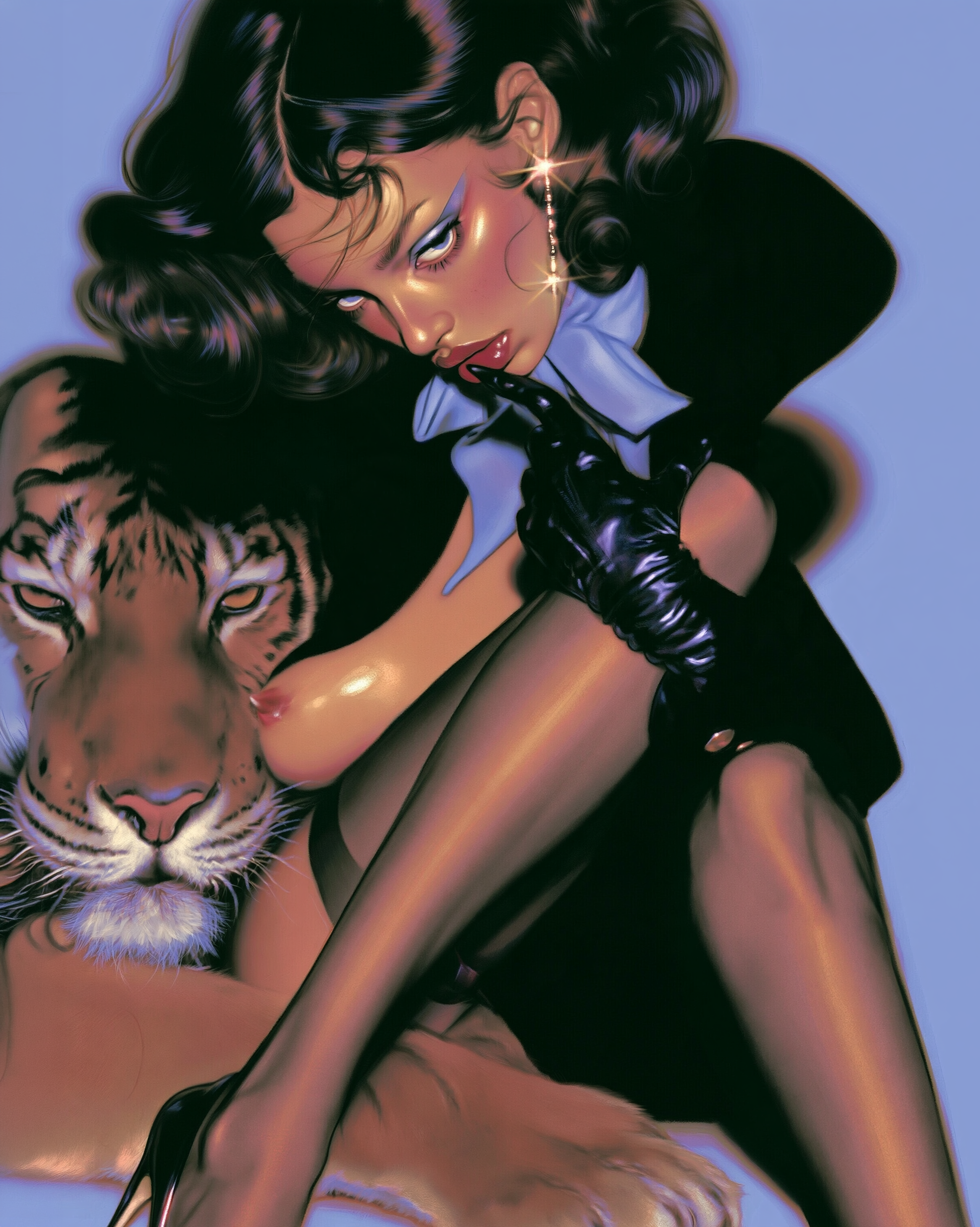
You’ve said that sometimes an image helps you understand what you were feeling in the first place. Can you tell us a little about your process?
Sometimes I start making something before I can explain why I need to make it. There’s a feeling, an energy, or a story that hasn’t quite become clear to me yet. Working gives me a way to spend time with it without having to put it into words immediately. I play with it, and eventually the concept and story of the work reveals itself to me.
I work across different mediums: acrylic on canvas, pastels, pencils, and AI images that I continue working on digitally or by hand. What I choose depends on what I need that day. If I’m curious about an idea and want to explore it, I’ll often start with AI. If I’m overwhelmed or need to release something from my body or energy, I’m more likely to reach for paint or pastels. I need the physical movement and contact with the material.
Sometimes the understanding comes afterward. I look at what I’ve made and can finally recognize something I couldn’t articulate when I started.
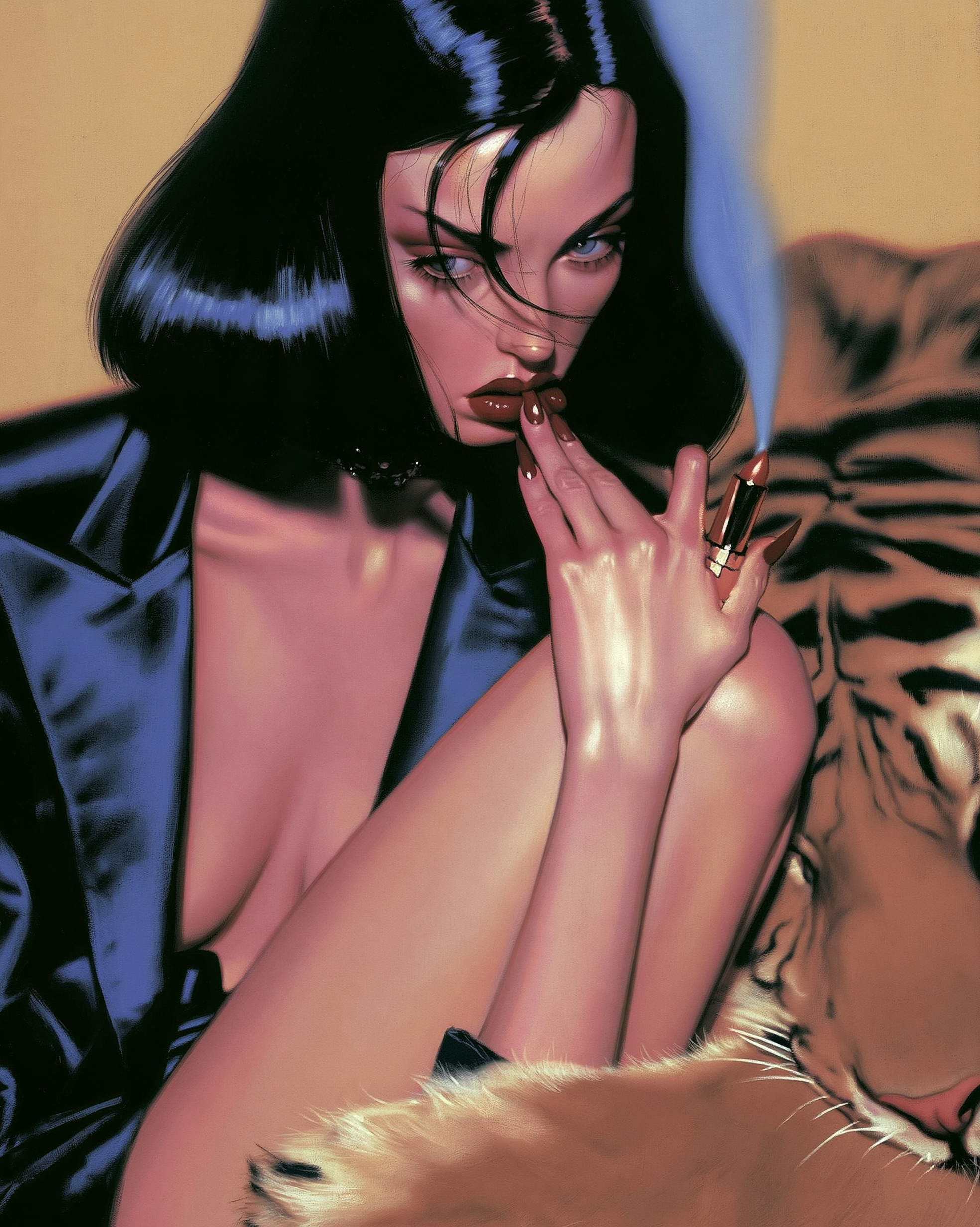
Your images explore identity, femininity, desire, and control. What draws you to these particular subjects, and how do they intersect within your work?
My work comes from what I’m living through. I’m always channeling the experiences, feelings, and questions that are present in my life, sometimes before I’ve had a chance to fully understand them. Right now, femininity, desire, identity, and control are things I’m exploring very personally, in my own body and mind, so they naturally come through in the work.
I’m exploring the power of femininity and my relationship to it as a woman. How much control does it give me? What happens when I let go of that control? Can letting go feel powerful, too With desire, I’m interested in the things we want but don’t necessarily feel safe expressing, and how that shapes what we allow ourselves to feel, reveal, or act on.
These questions come up through situations and relationships in my everyday life. Something happens, and it makes me notice how I act, what I hold back, or what I want. That experience finds its way into an image or a story, and working with it gives me another way to explore my relationship with these parts of myself.
I don’t always separate those questions while I’m making something. They overlap in the same way they do in life. Often I only recognize which one I was dealing with once the work is there in front of me.
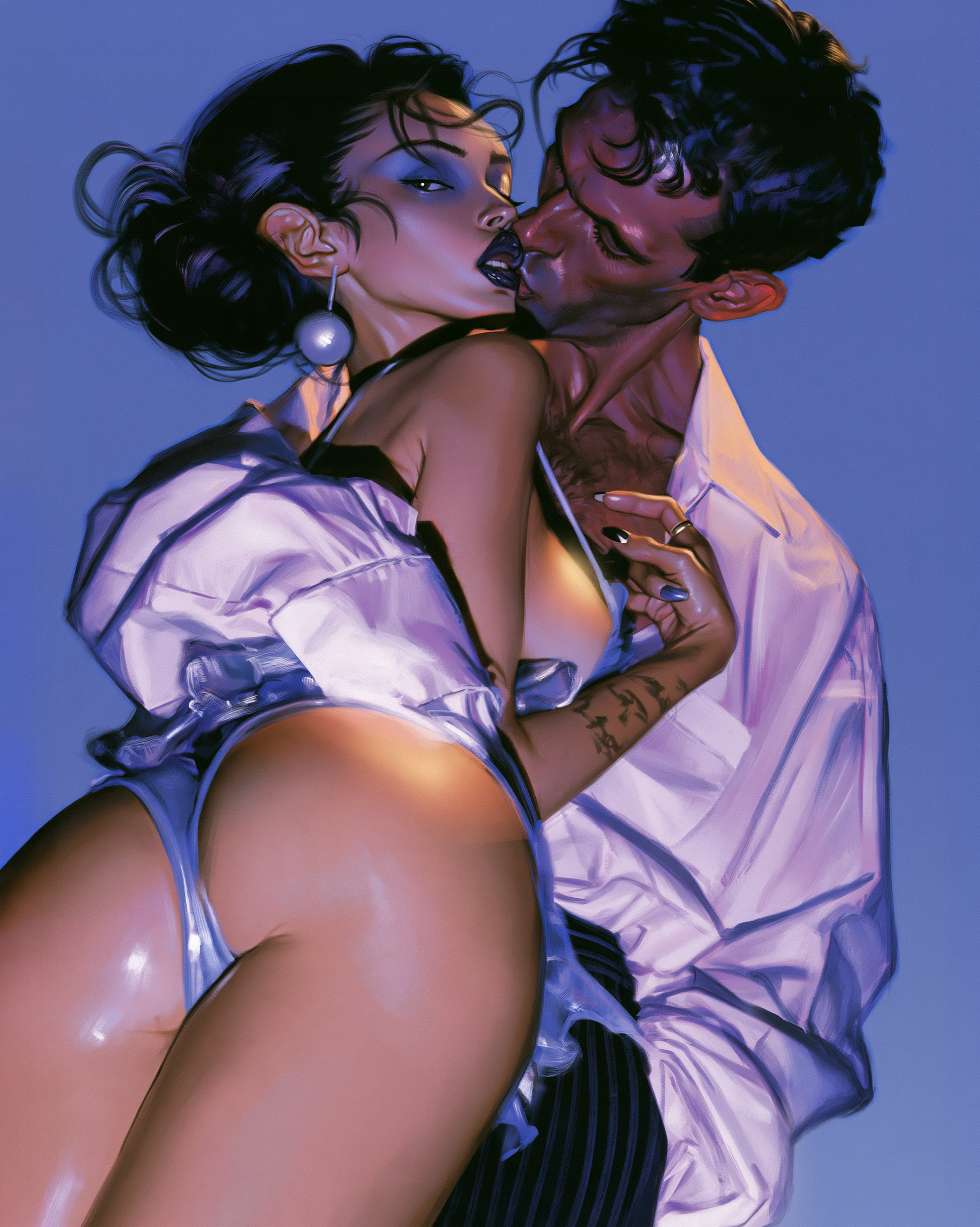
You describe your AI process as highly intuitive, moving through different forms, colors, and compositions until an image feels right. How do you recognize that moment?
Creating often starts with an urge in my body. I feel like I need to stop whatever I’m doing and make something. There might be a question I’m exploring, a feeling, or something I need to release out of my body. I don’t necessarily know what it will look like, but I feel that I need to follow it.
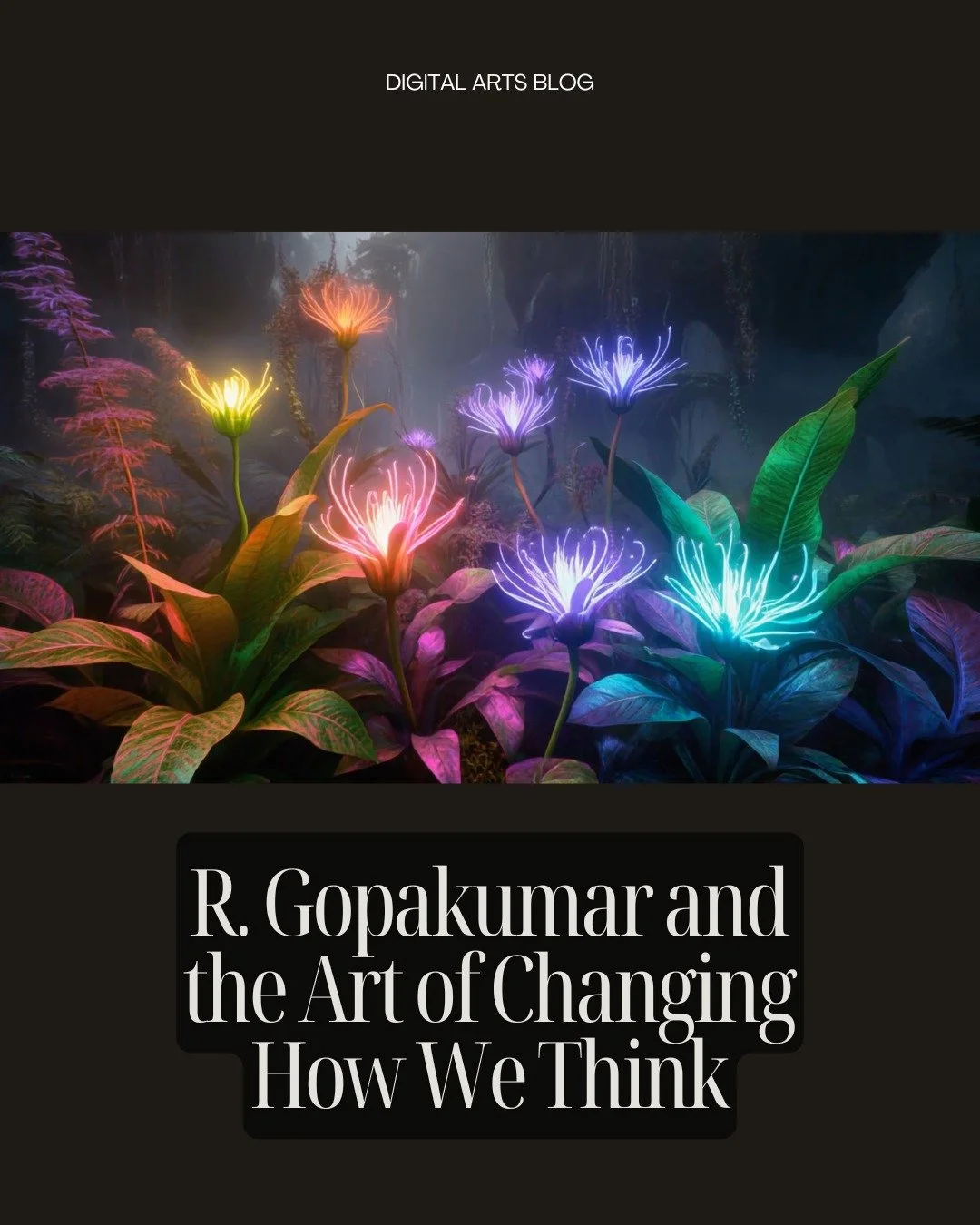
With AI, I start really broad. I rarely describe exactly what I want to see. I might begin with just a few words around the concepts I’m interested in, alongside references that feel connected to them. It could be a flower, a yogi, a third eye, something psychedelic or alien. Sometimes the combination seems random, but those things represent what’s inspiring me at that moment, how I feel, or the story I want to tell. Sometimes it feels like a message I’m trying to channel from above.
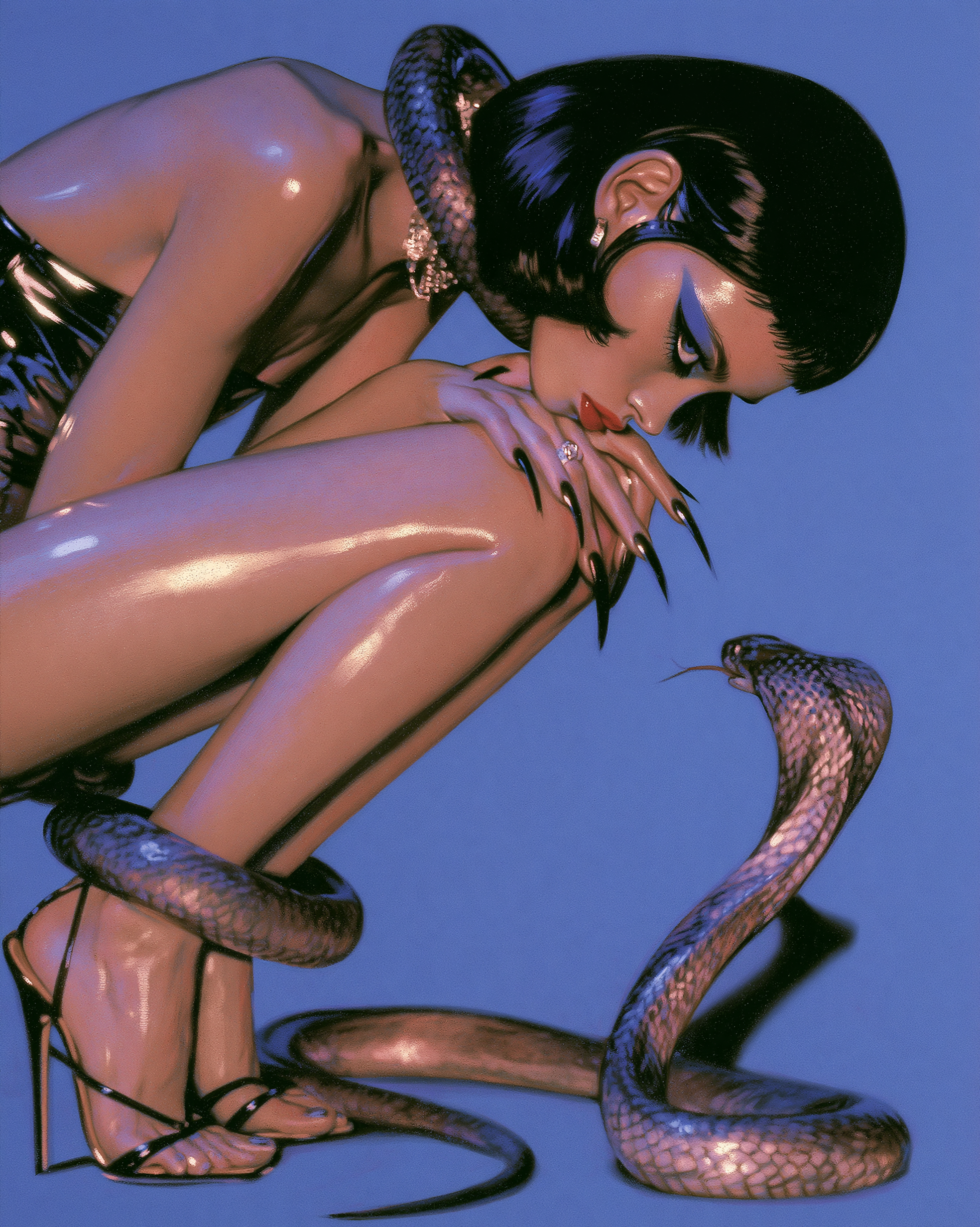
Then I generate and explore a lot of variations. I see plenty of beautiful images, and I might pause on one and appreciate it, but it doesn’t quite hit. So I keep going.
When the right image appears, the feeling is immediate and intense. In the first second of seeing it, I know: “Okay, that’s it. We’re done. ” Something in it meets the feeling that brought me there, and the urge to keep searching stops.
That’s how I recognize it. If I’m still wondering whether an image could be the one, I usually haven’t found it yet. When it happens, I feel it before I can explain it.
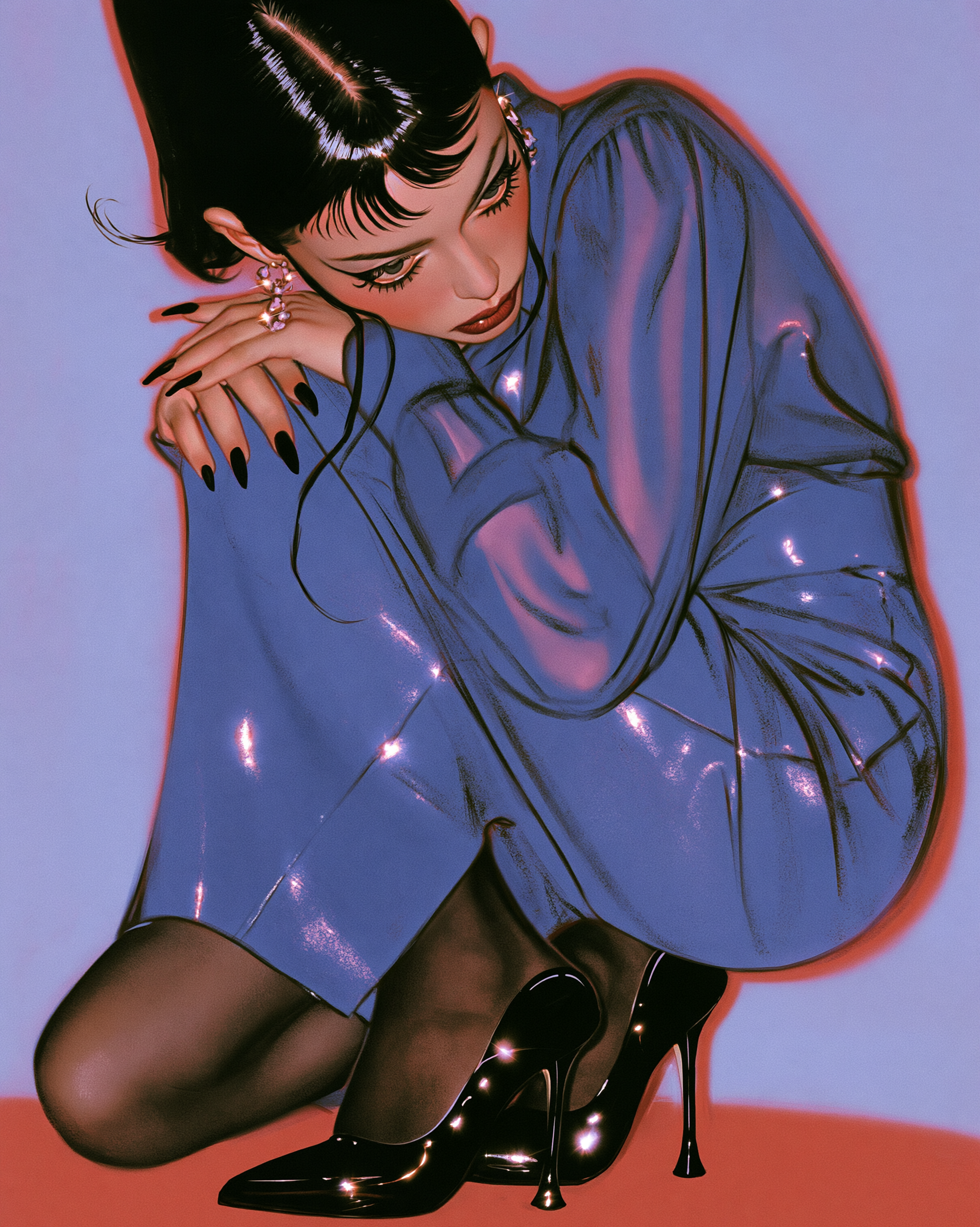
You’re returning to a more personal practice after several years inside the AI boom. What feels different about making images for yourself now compared with when you first began experimenting?
When I started working with AI in 2022, I was curious. The tools were new, and I was experimenting without knowing where it would lead. That exploration eventually became a big part of my professional life, and I found myself creating work for brands.
Coming back to personal work now, I’m more aware of how much my starting point matters. In commercial work, I’m responding to a brief, a brand, and other people’s expectations. When I make something for myself, I have to ask what I actually want to spend time with.
Over the past few months, I’ve felt that curiosity from 2022 coming back. I don’t need the image to show an exact product or model, or meet a very specific set of requirements. I can follow whatever catches my attention and let myself be surprised again.
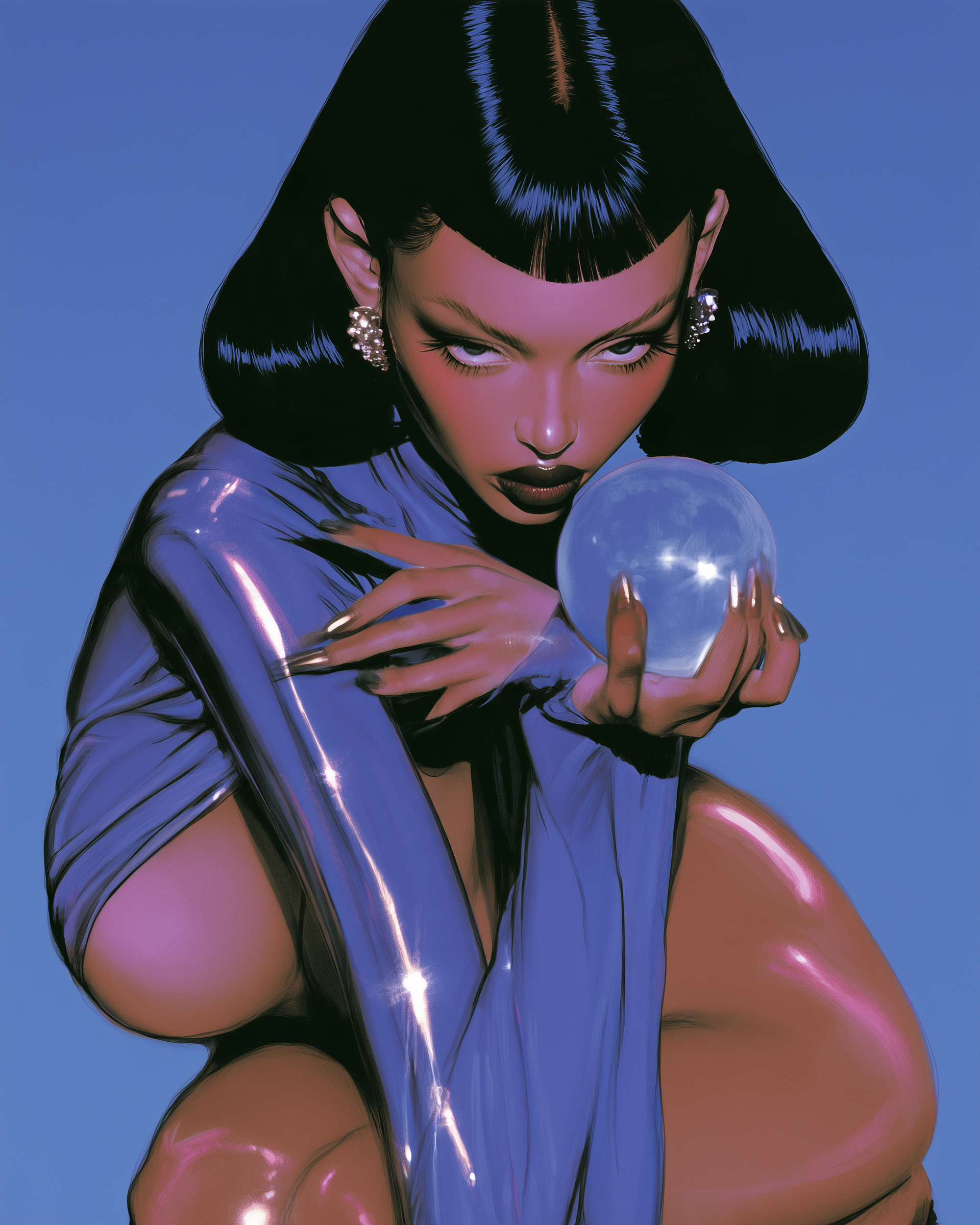
I’ve found myself drawn back to the raw glitches, the imperfections, and the things that are obviously unreal. I’m tired of seeing so many polished, hyperrealistic images that start to look the same. Right now, I’m much more interested in an image that feels strange but carries something I recognize emotionally. The image can be completely unreal, while the energy it holds feels real to me.
I’m also bringing back the other mediums I work in. I don’t feel that every idea needs to become an AI image. Sometimes painting is what I need. I want to give myself room to choose the process that fits the work.
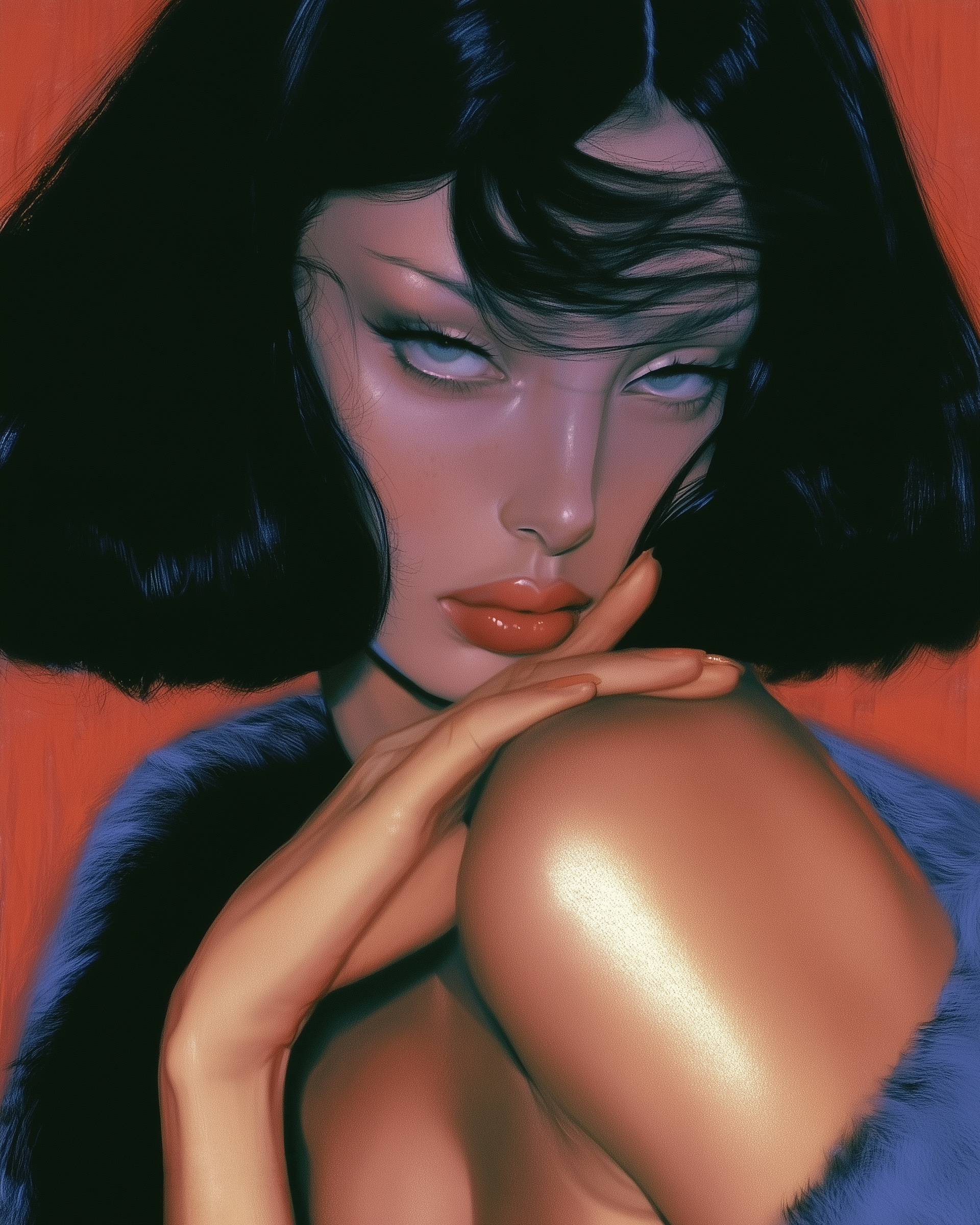
How do you think about the physical and emotional presence of a digital image once it becomes part of a space?
On a screen, an image is often something we encounter briefly. I’m interested in what happens when you live with it and keep seeing it in different moods and at different times.
Scale, material, and the space around a work all affect that experience. I think about how it feels from across a room, but also whether someone will want to come closer and spend time with it.
That’s part of what draws me to making physical works. I want the image to have a presence in someone’s everyday life, with enough room for their own associations and feelings. The story they find in it might be different from the one I started with.
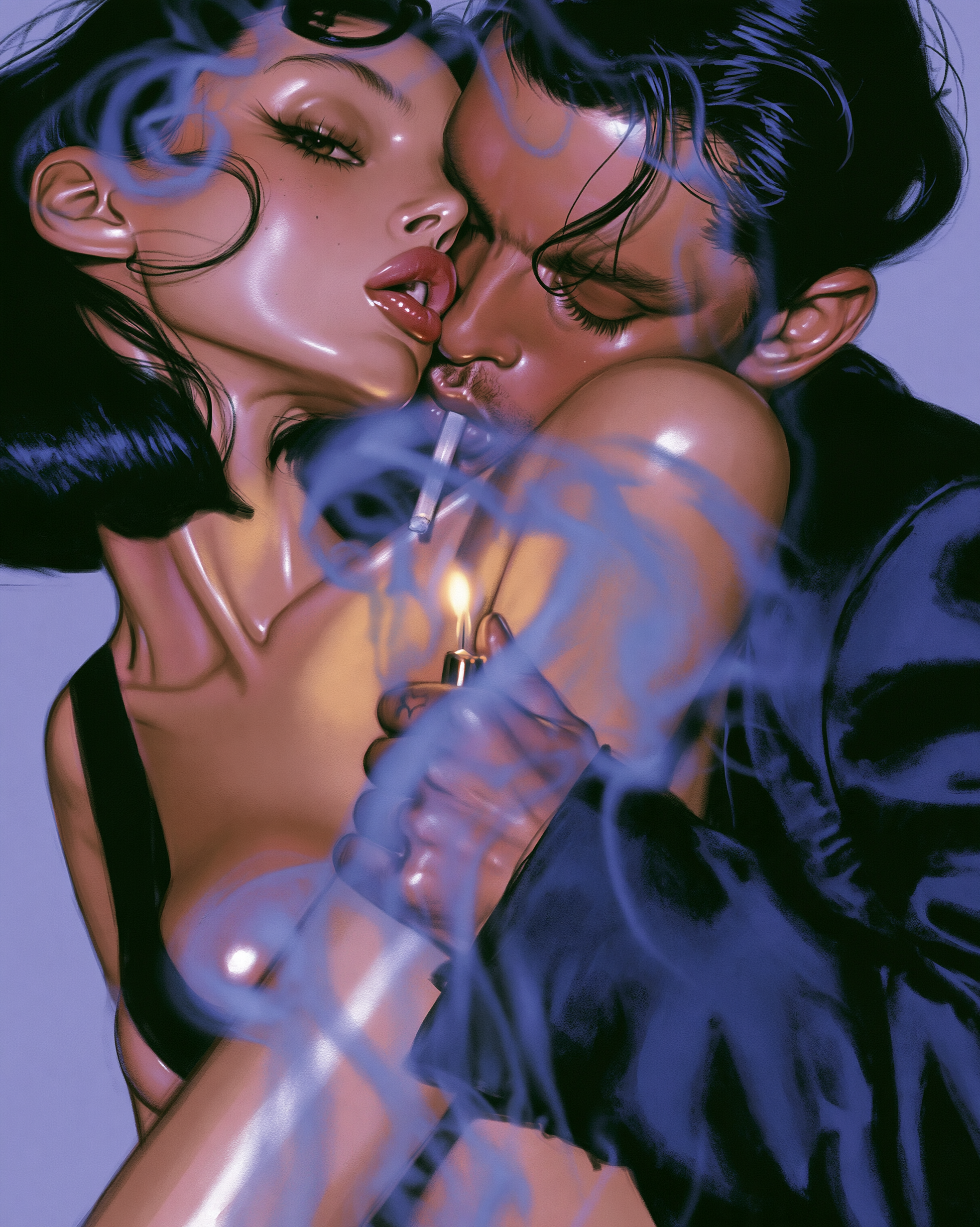
What else fills your time when you’re not creating art?
Mostly, I love having experiences. They don’t have to be major or dramatic, but I do like to live big in my everyday life. I’m drawn to interesting encounters, meeting new people, and finding myself in situations that give me something to feel or question. Sometimes slightly questionable situations, too, but that’s just part of the fun. I like to play with life and explore the world and myself through it.
Lately, I’ve been also reading a lot of esoteric books about consciousness, aliens, simulation theories, society, and awakening. I’m curious about different ways of understanding reality. I also spend probably too much time watching tarot readings on TikTok.
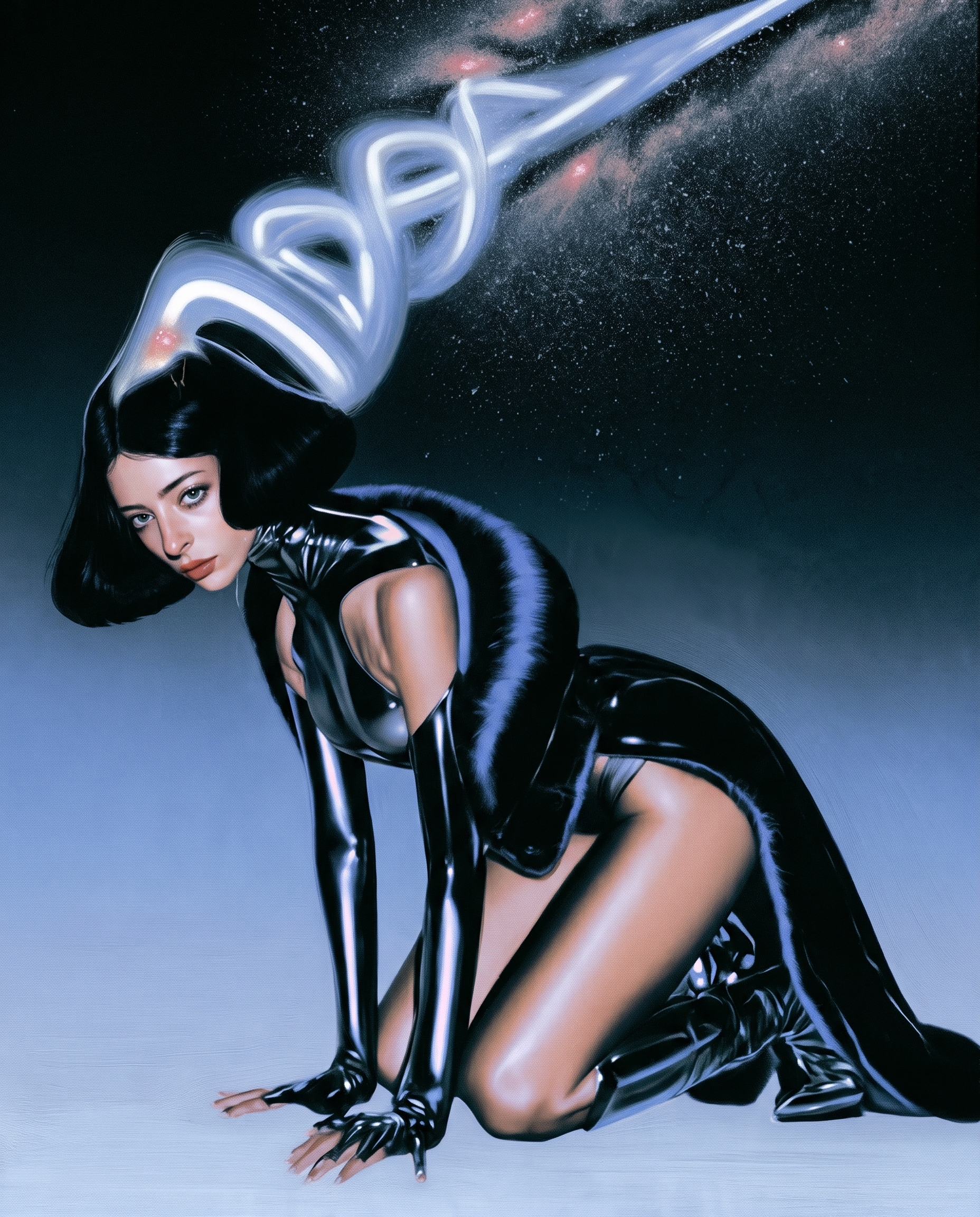
What is a dream project you’d like to make one day?
I want to make a book that brings together my art and really intimate, weird, funny, sexy stories from my life. I’ve been thinking about it for years, and I finally feel ready to start exploring it.
I imagine a beautifully made coffee table book, but with very personal things inside. I want to go back through my experiences over the past ten years and find a way to bring the stories and images together. There’s a lot I want to share: things that happened, thoughts I’ve had, feelings that are difficult to admit or casually bring up in conversation.
I want it to be raw and intimate, with room for humor and all the strange details that make an experience feel real. My hope is that people will recognize something of themselves in it, including things they might never have said out loud.
It’s been cooking in the back of my mind for a long time. Now I feel ready to actually sit with those memories and see what they can become.
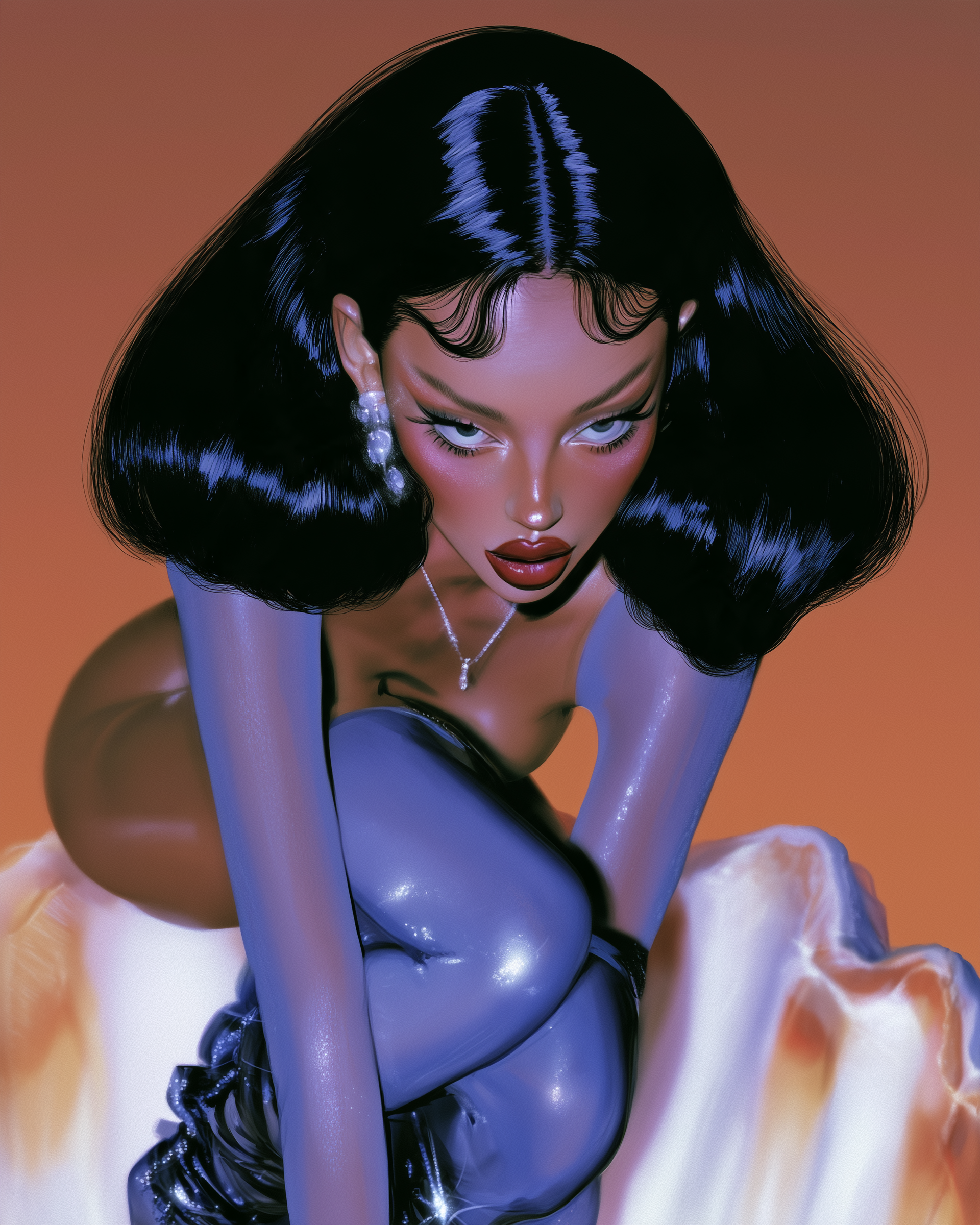
Have there been any surprising or memorable responses to your work?
The responses that stay with me usually come when I share something so intimate that I almost keep it to myself. It feels exposed, raw, and real, and there’s that moment before posting when I wonder if I’m sharing too much.
Then someone messages me saying, “I can’t believe you just posted this. I’ve lived through that,” or “I thought it was only me.” Sometimes I’ve shared something incredibly specific to my own life, and someone recognizes themselves in it so deeply that it feels like it belongs to them, too. Like they’d been carrying the same feeling and needed to know someone else understood it.
There’s something mutual about that. Sharing my experience gives them validation, and their response gives it back to me. I feel less alone, too. It reminds me why I want to share these things, even when it feels uncomfortable.
I love making beautiful things, but when someone responds like that, I know they’ve felt what’s inside the work. Some of it is really really deep. It comes from a very real place in me, and knowing it can reach that place in someone else means a lot.
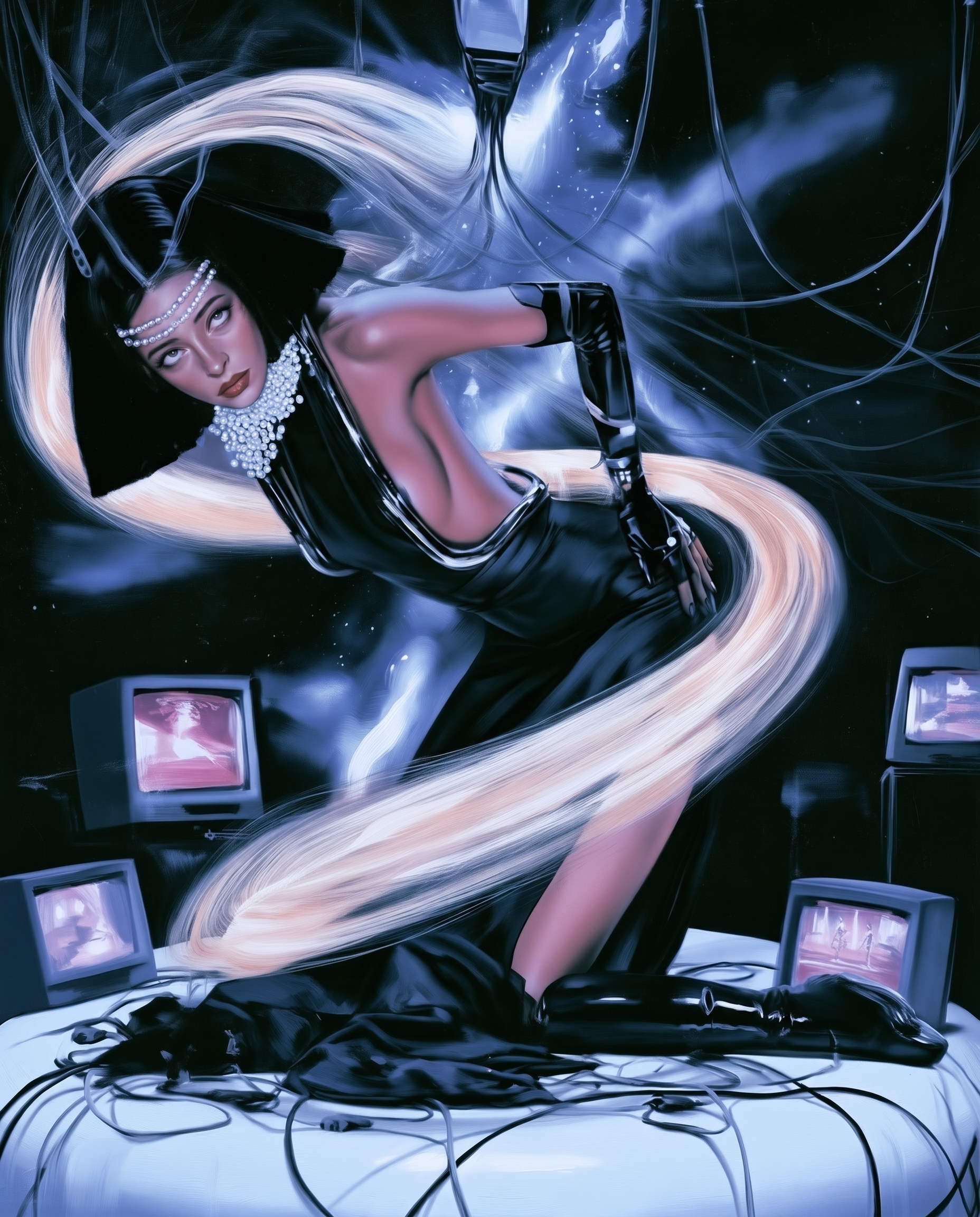
After spending years helping shape the visual language of the commercial AI boom, what do you now want your own images to say or hold that commercial work couldn’t?
Commercial work taught me a lot about making an idea clear and creating an image for a specific purpose. When I work with a brand, understanding its audience is part of the job. I bring my perspective and creativity into that brand’s world, and the work needs to connect with the people it’s meant for.
With my own art, I can go much deeper into my life experiences and let them develop without having to make them fit a brief or be immediately understandable. I can spend time with something intensely personal, follow it somewhere unexpected, and keep exploring without needing to explain how it serves a commercial purpose.
I can make it provocative. I can make it wild. I can play with it and see what happens. Some of the things I want to express come from experiences so personal that I wouldn’t bring them into a brand project in the first place.
I want to invite people into my world and let them decide how they feel about it. They can connect with it, question it, like it, or not. I’m curious about what happens when I give myself that freedom and allow the work to find the people it resonates with.
That’s what returning to personal work means to me right now: giving more space to my own stories, including the parts I’m still figuring out how to share.
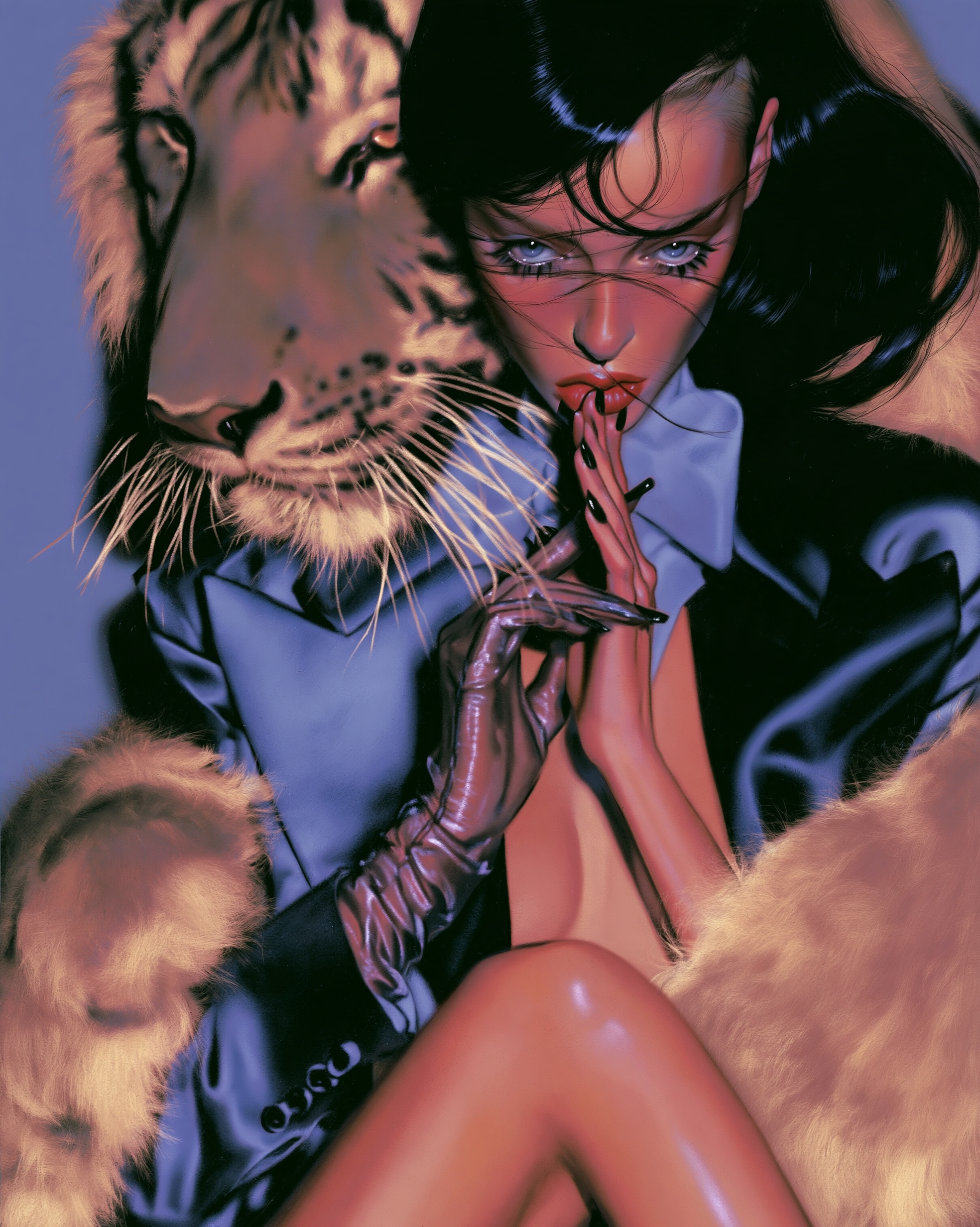
Are you our next spotlight artist? Submit the form to apply to be featured!
We share works by digital artists as well as digital arts exhibitions, events, and open calls daily on Instagram — follow us for more and subscribe to our newsletter so you don’t miss new blog posts.