Wholesome, Deranged, and a Little Bit Retro: The Art of Paul Volker
By Cansu Waldron
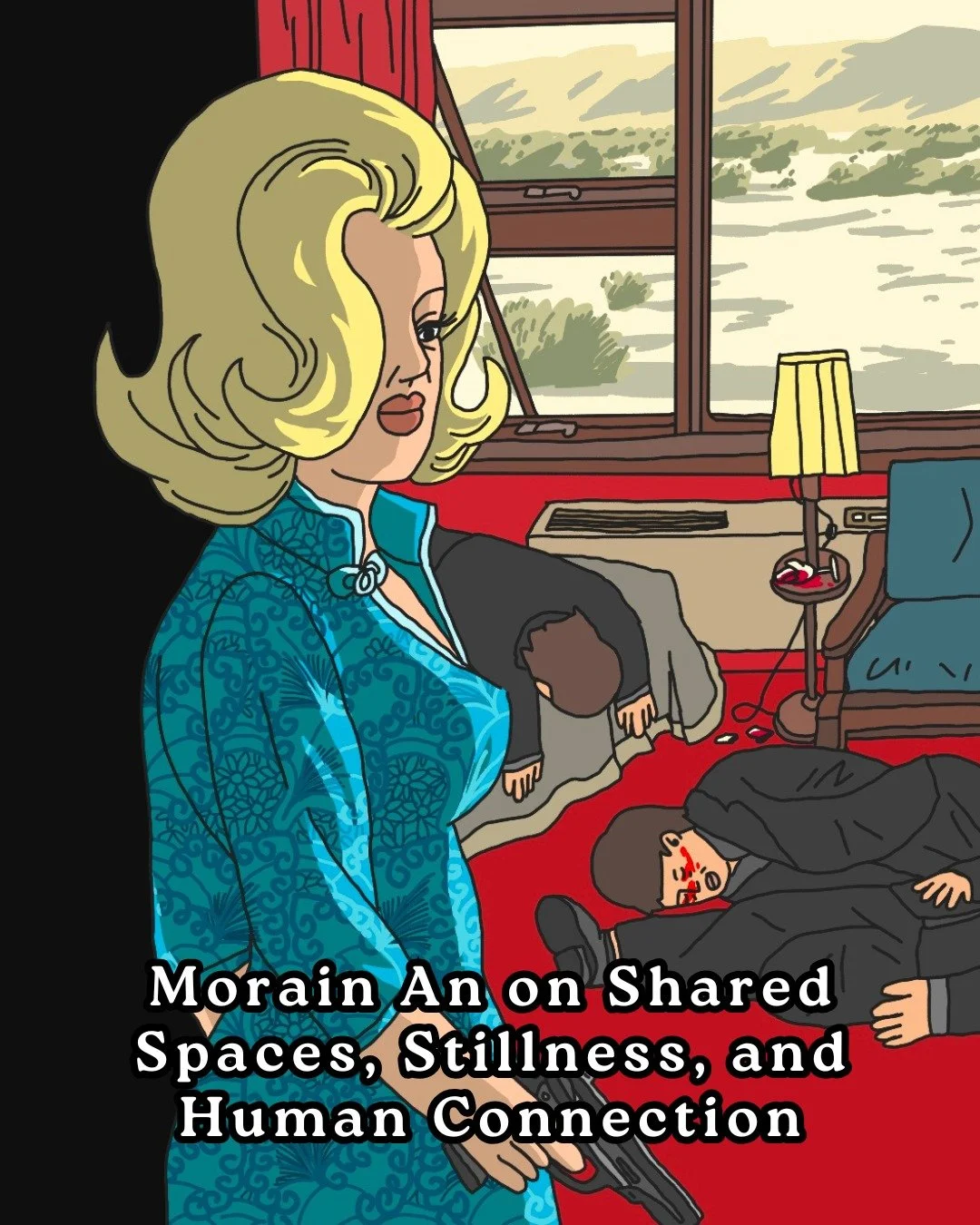
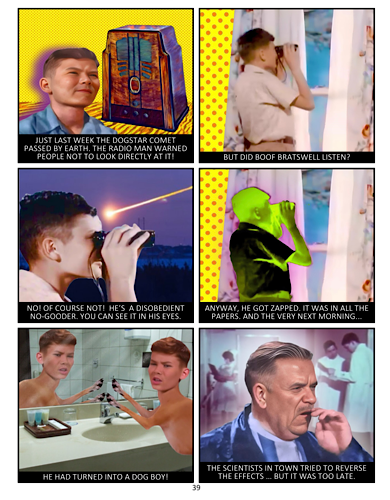
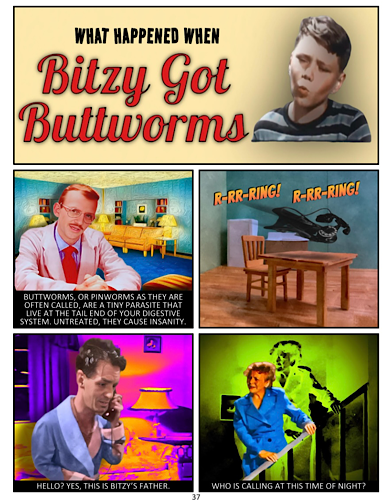
A professional cartoonist and illustrator with more than 50 years of experience, Paul Volker has spent much of his career exploring the possibilities of drawing, painting, and visual storytelling. His current digital collage series, Wholesome And Deranged SMAPT! Adventures, takes the form of a glossy, surreal comic book, combining images sourced from public-domain films into humorous and unexpected compositions. Having previously painted and sold more than 3,000 paintings, he now works primarily on an iPad, bringing decades of traditional image-making experience into a new digital medium. He also creates children's books, continuing his longstanding interest in illustration and storytelling.
Moving from traditional painting to digital collage has introduced a different way of thinking about images. Rather than composing an entire scene at once, Paul builds his work in layers, starting with background settings and gradually combining individual elements into new arrangements. Over time, this process has allowed him to develop a growing catalogue of scenery and characters that can be recombined in countless ways. Despite embracing the flexibility of digital tools, he remains drawn to the physical qualities of printed images. For him, a finished work should have weight, texture, and a surface that reflects real light, giving the image a tangible presence beyond the screen.
We asked Paul about his art, creative process, and inspirations.
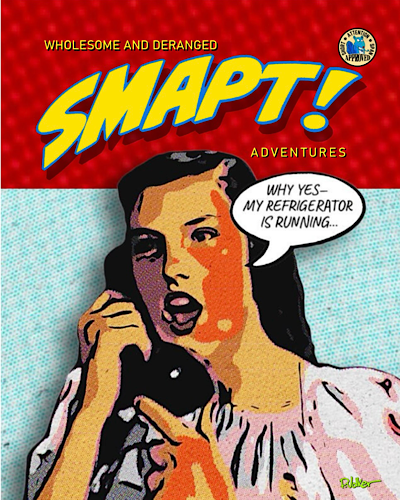
You’ve been working as a professional cartoonist and illustrator for more than 50 years. What has stayed the same for your visual storytelling for so long? Is there something that's constantly changing?
My work has always dealt with humor and contradiction, whether through drawings and illustration, painting, writing, or sculpture. The only time My work wasn’t about humor was during a brief period when I only painted pictures of trapezes. I was a trapeze artist.
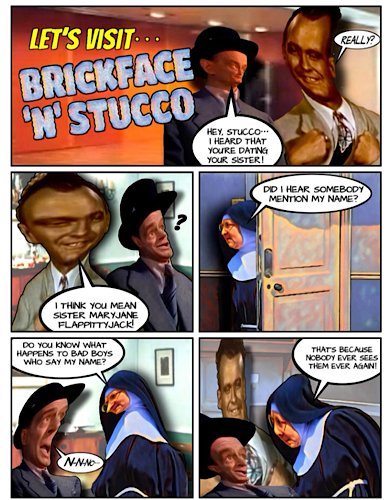
You’ve sold more than 3,000 paintings, worked as a cartoonist and illustrator, created children’s books, and now make digital collages on an iPad. What made you want to explore this new direction at this point in your career?
I have always enjoyed making collages for fun, but never made it my focused until now. Collage played a big part in DaDa and the Surrealist movements (which I love) and especially in the bold, anti-fascist posters that John Heartfield produced in Germany during the 1930s.
They did amazing things with very limited technology. Today, technology opens up so many new ways to produce an image, not only in terms of replacing scissors and glue, but in being able to afford full-color printing. That was unthinkably expensive for an emerging artist just 40 years ago. I like printed media – books, posters, postcards. Eyes get tired staring at screens. A printed item can be a work of art in itself.
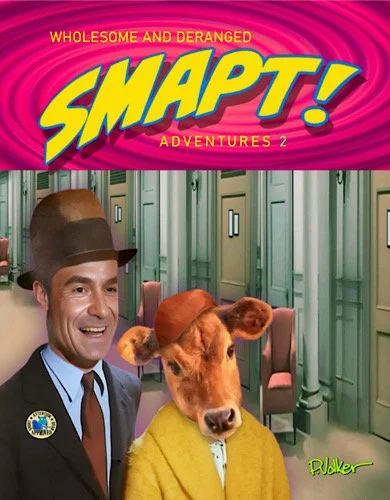
You describe yourself as “just some crazy old man with an iPad.” There’s a lot of humor in that description, but does working digitally actually feel very different from the way you worked earlier in your career?
In terms of creating a traditional painting or drawing, you compose the whole picture in your mind all at once, and usually begin with the foreground subject. Digital creation uses a very different thinking process, working in layers and tiny, individual elements, starting with the background scenery. I can easily create a catalogue of backgrounds and subject events to combine later in infinite possibilities. I was a bit overwhelmed by this at first.
On the other hand, a iPad screen is a very small space in which to be working with infinite possibilities.
My end goal is still some kind of printed image. I know that digital art doesn’t require that. It can just glow from a screen or be projected, or experienced with special eyewear, but it disappears as soon as the power source stops or the WiFi connection is lost. I would rather create something that has weight and texture, and reflects real light off its surface.
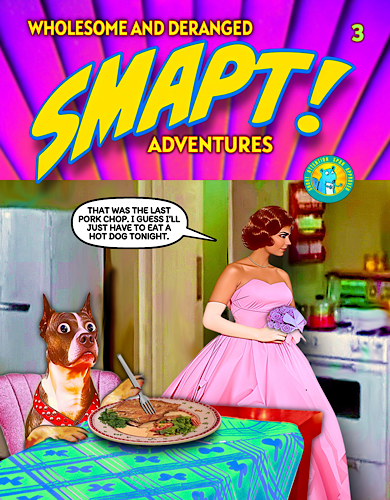
Wholesome And Deranged SMAPT! Adventures' imagery comes from old films in the public domain. What first attracted you to working with this existing visual material?
I studied filmmaking and film history in college, but film-making was a very expensive process back then. Public Domain material is free for anyone to use, and there is an endless supply of it. While I was creating a graphic novel adaptation of the 1960 cult classic, “Little shop of Horrors” I realized that I could make my own movies —in a graphic novel format— creating actors and scenery sourced from public domain movies. Of course, when all of your source material is decades old, the finished product looks a bit retro. But, I like that.
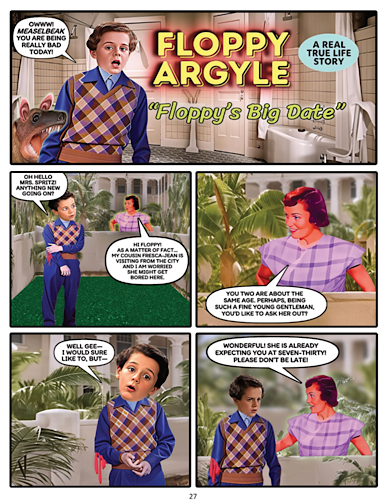
The title “Wholesome And Deranged” suggests a deliberate collision between innocence and absurdity. What role does that contrast play in your humor and storytelling?
The stories in ‘SMAPT! Adventures’ present twisted plot lines and warped and humor in a way that unfolds according to the levels of innocence or depravity within your own mind. A young reader will experience the humor as very weird silliness, and a twenty-year old will experience it as humor for very weird adults. There is some corny sexual innuendo, about as lame as what you’d find in an old 007 movie.
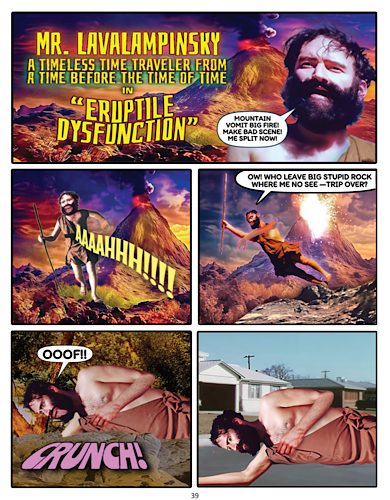
You also create children’s books. How do you approach humor and storytelling for children versus adults?
I have self-published two books for children’s and have two more books on the way. The main characters are always badly behaved and causing trouble. Kids can identify with that. Curious George, Peter Rabbit, The Cat in the Hat, Huckleberry Finn —they were all juvenile delinquents in their own way.
Young readers especially enjoy stories where things are messed up, because they are in a stage in life when the contrast between right and wrong is very clear. For adults, stories need more subtle, conflicting options, and the humor can be a lot more ‘adult’. That’s the only real difference.
But when you have a kid’s book that an adult enjoys reading, then you know it’s going to be a great kid’s book.
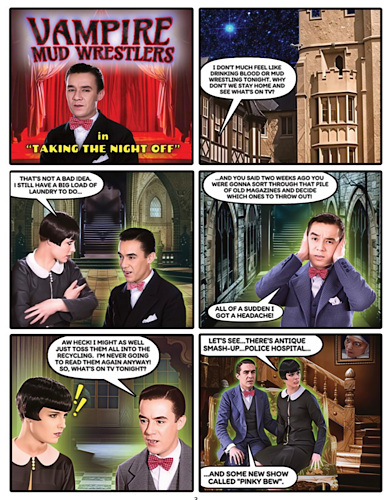
What is a profound childhood memory?
In second grade, I thought that I was from Mars, and that everybody knew it, but nobody was allowed to tell me. And even though I knew, I couldn’t let anybody know that I knew. I thought it was this big secret, but it turned out that I was just a really weird kid.
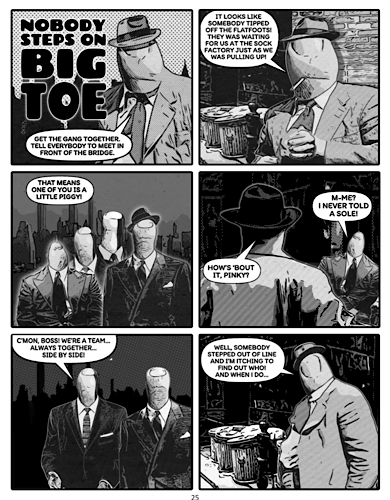
Have there been any surprising or memorable responses to your work?
People I know who have purchased my children’s books have sent me short videos of their kids reading the books and laughing and giggling. That’s very, very rewarding. My wife and both used to read books to our son. It’s so much fun watching a young person process and respond to a story. The little gears in their brains are clicking. So when it’s a story I created, that’s the best!
After more than five decades as an artist, what still makes you excited to sit down and make something new? Has your idea of what it means to be an artist changed over the years?
When I began, I wasn’t sure what “type” of artist I wanted to be. Later, I realized that labels are unnecessary. Just create.
Sometimes I start with an idea and sometimes I don’t. What excites me is when the imagination just flows. You can’t force that. You just have to leave your mind open and see what lands there.
Marathon runners talk about “being in the zone”, a space of total mental clarity and complete focus. People in the creative professions experience this too. You lose track of time, lose yourself, and there is the feeling of being carried by whatever you are working on. I look forward to that. It’s probably a chemical in the brain, and I’m just addicted to it.
I keep going because I want to do more things than I have time left in which to do them all. I have the ability to create things that make myself and other people happy. It would be a waste not to do that for as long as I can.
Are you our next spotlight artist? Submit the form to apply to be featured!
We share works by digital artists as well as digital arts exhibitions, events, and open calls daily on Instagram — follow us for more and subscribe to our newsletter so you don’t miss new blog posts.