From Darkroom to Dream State: Dlela Lombard on Visionary Flow and Digital Art
By Cansu Waldron
Dlela Lombard is a German photo and digital artist with roots in analogue photography, darkroom practice, and film-set work. Largely self-taught, her early career included book cover art and international exhibitions, and since the early 2000s she has developed an evolving digital practice grounded in intuition, sensory experience, and experimental image-making. Her work blends photography, painting, and unconventional digital techniques to explore ephemeral form, perception, and states of consciousness.
A profound Kundalini awakening became a turning point in her life and practice, shifting her work toward visionary flow, embodied awareness, and the unseen dimensions behind visible reality. In 2023, she began integrating AI-generated imagery through surrealist text automatism, expanding her exploration of formlessness while staying rooted in intuition rather than automation. Across analogue and digital realms, Dlela’s work continues to explore the deep connections between art, consciousness, and nature.
We asked Dlela about her art, creative process, and inspirations.
You began in analogue photography and darkroom work. How do those early, hands-on experiences still shape the way you create today?
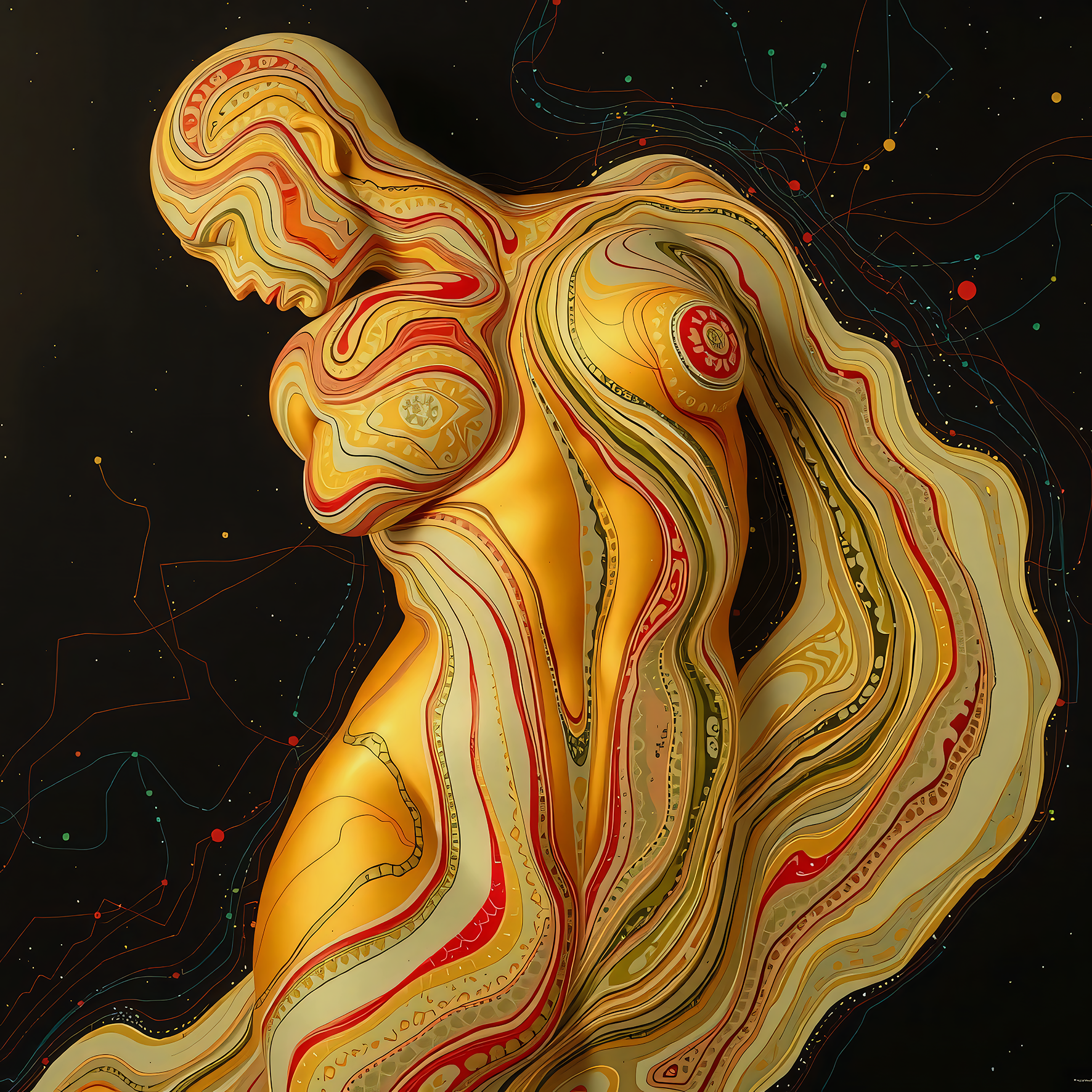
The NakedEye has always functioned like an invisible extension of the camera lens, shaped by my early years in analogue photography and darkroom work. That process of working with light, chemicals, and time—of transforming latent information into something visible—still defines how I think and see. In the darkroom, unseen phenomena slowly emerge into consciousness, and I see computer art and data visualisation in the same way: as tools for making the invisible perceptible, translating hidden structures into a form we can experience.
You’ve spoken about your Kundalini awakening as a turning point. How did that inner shift change the way you see the world and how you make art?
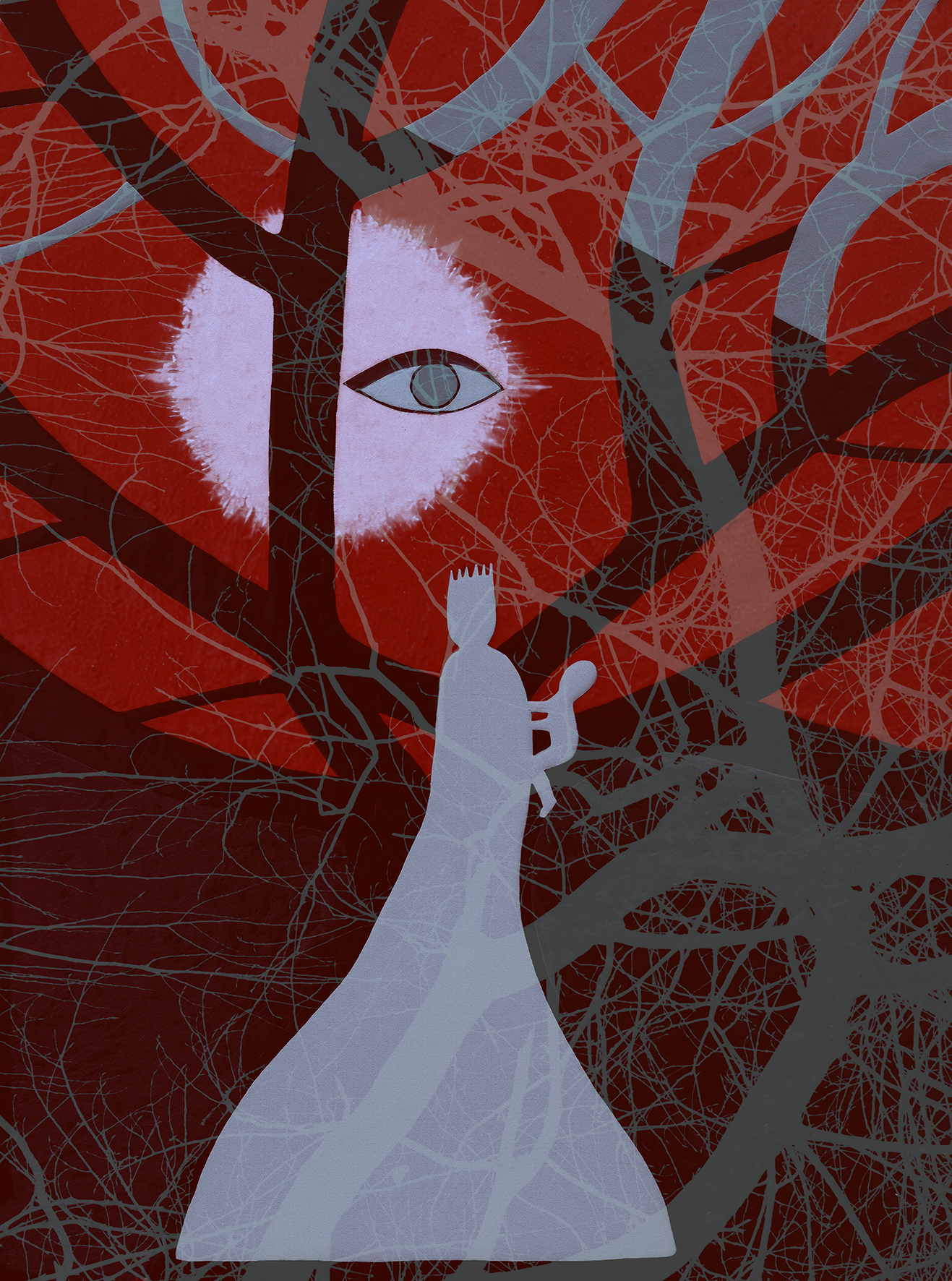
Coming from a difficult post-war upbringing in Germany, I was later forced to pause all career plans in order to heal. This process gave rise to a Kundalini serpent power rise or awakening—though at the time I did not know its name. It shifted me away from mental striving and into an embodied, intuitive, visionary state of flow, into the formless dimension.
I create from a state of being—from mental stillness, free of the constraints of the thinking mind. Only when I work with AI generators do I create through language; otherwise, my process is purely visual and intuitive. This is how it is for me.
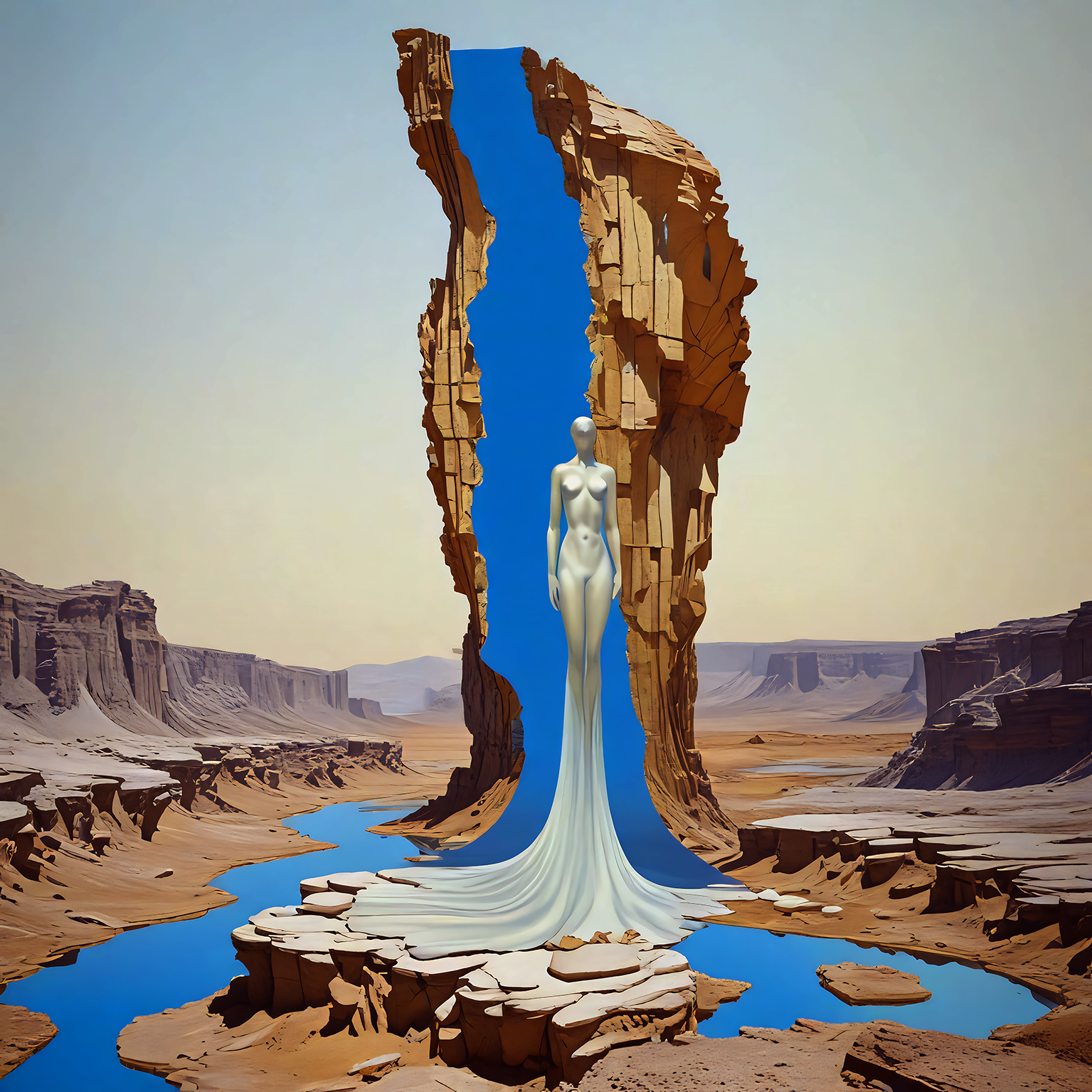
You explored “formless consciousness” long before AI entered your practice. How do you approach non-AI digital creation versus your more recent AI-generated pieces?
Since around 2000, my digital work has grown out of very hands-on image making—daily photo editing, shooting photography for book covers, and doing noir-inspired outdoor shoots with models I scouted myself. By about 2016, I started working more intuitively with raw pixel material, pushing and reshaping photographic data until unexpected forms began to appear. That way of working—later called *Kniff Art*—came from a place of mental quiet and openness, exploring a formless state of consciousness. It developed privately, without the influence of social media, and the goal was always a finished, print-ready image.
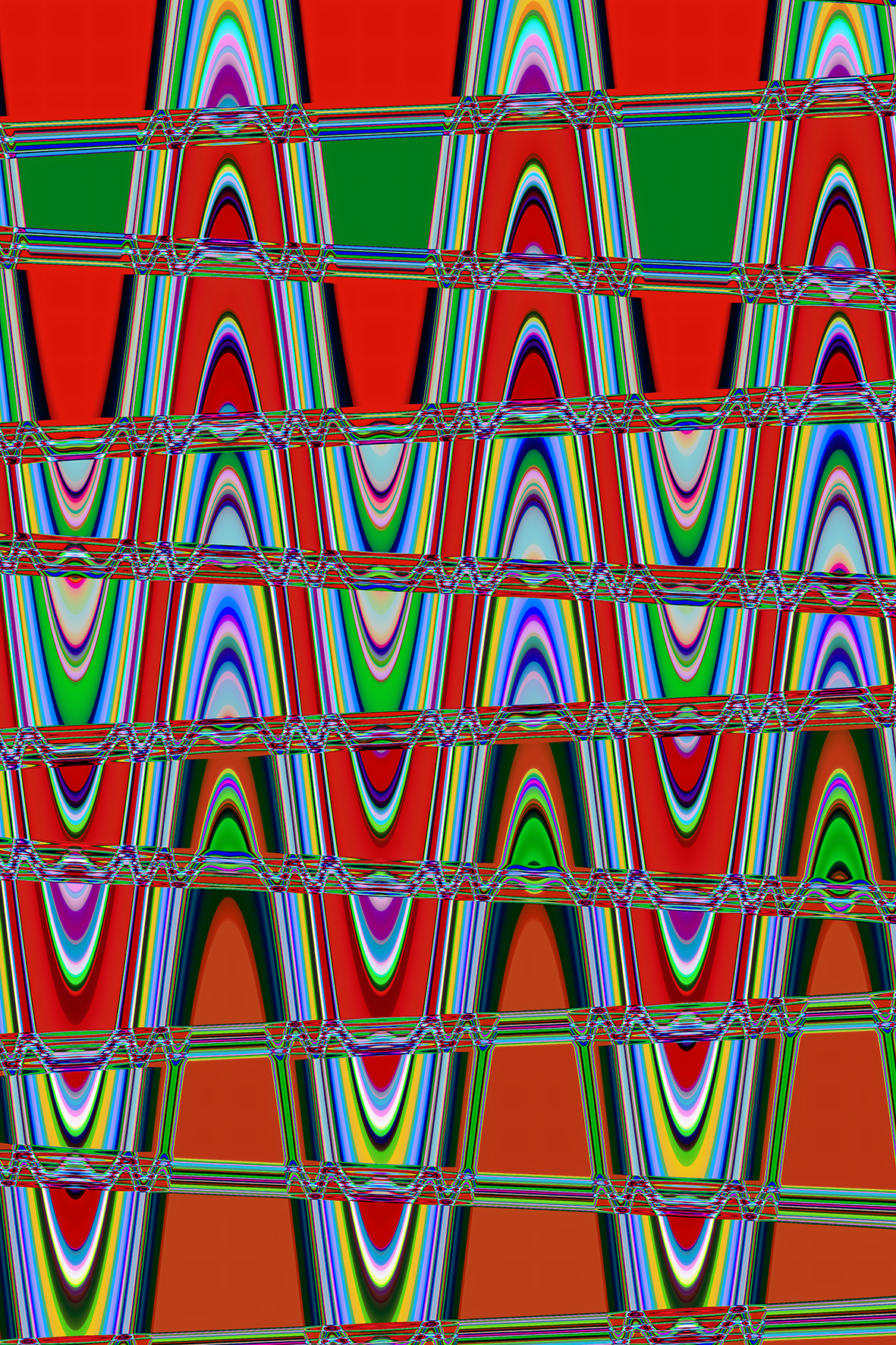
In 2023, bringing AI into my process felt like a natural evolution rather than a break. I was immediately interested in how much chance and unpredictability AI introduces, which reminds me of surrealist automatism. Because my practice is already tuned to working with the unconscious, I’m able to steer and refine what emerges. I still take most AI images into Photoshop and work on them by hand, keeping a physical, intuitive connection to the image —even though the overall energy of the process now feels distinctly different.
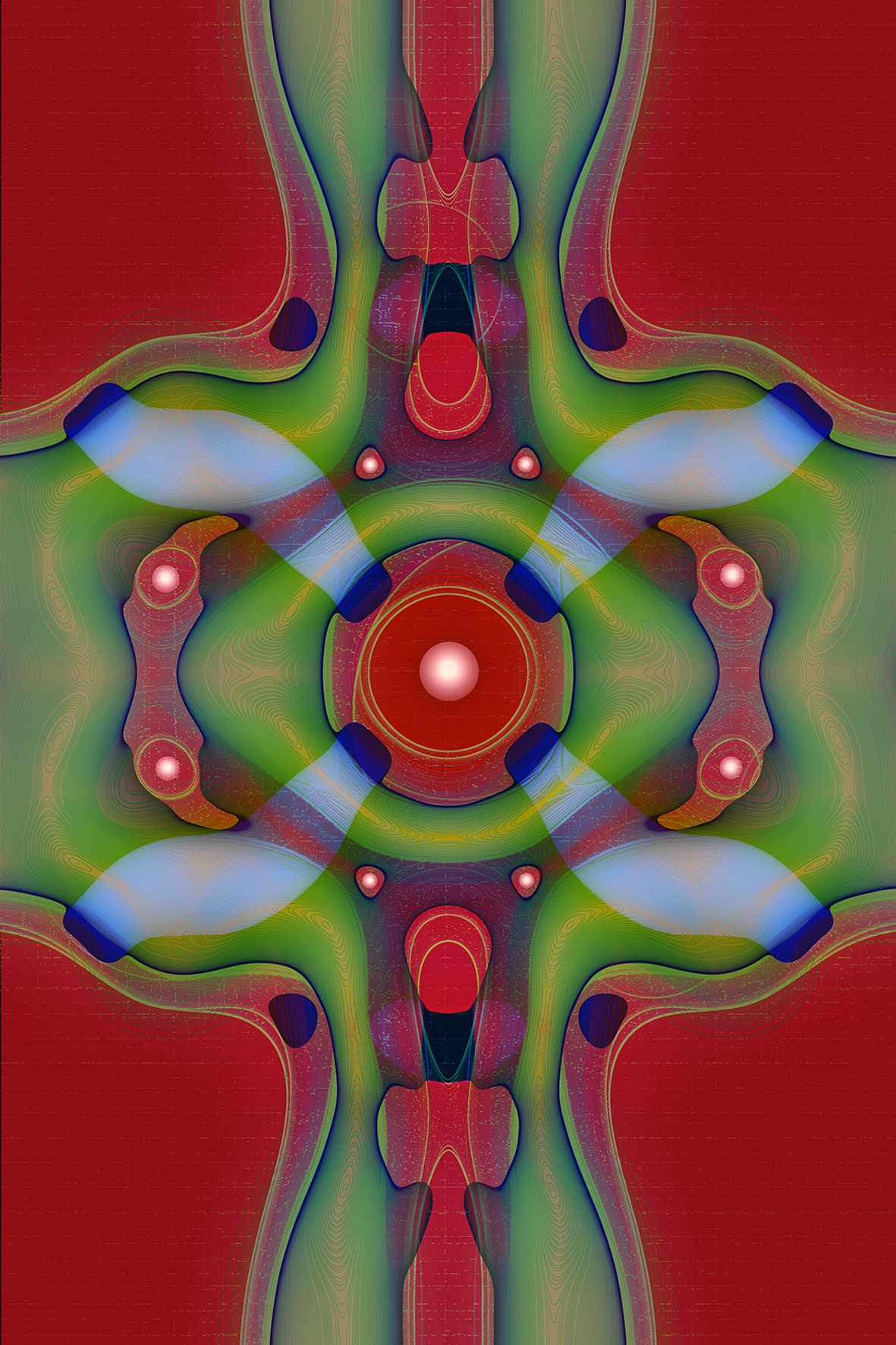
You integrate AI through a surrealist text-automatism approach. What does that look like in practice? And what do you feel AI adds or challenges in your work?
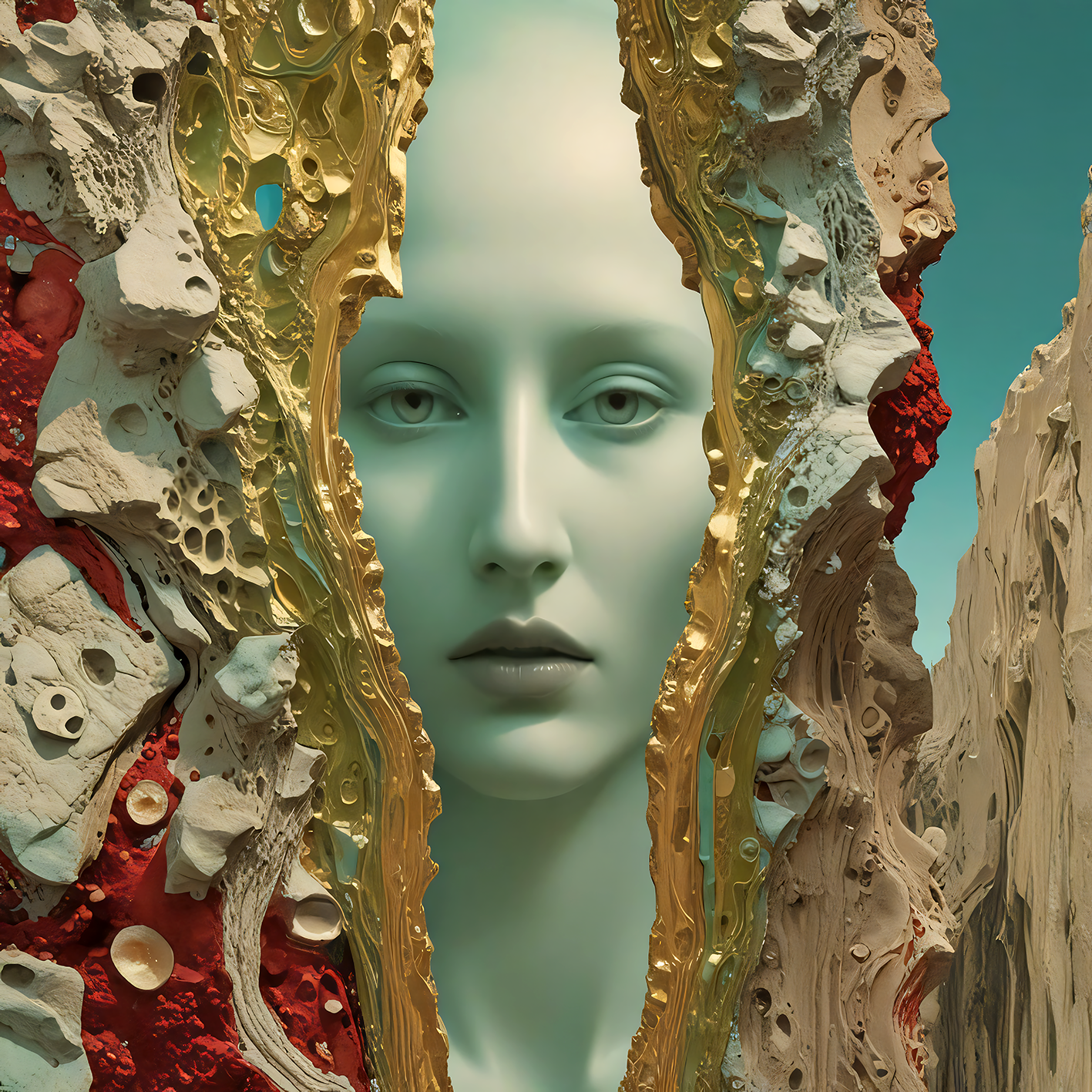
I came to AI the way one comes to automatism—without a map. I worked through impulse and interruption, letting chance lead before intention caught up. It felt like using a camera’s motor drive: fast, language-based, and open to surprise. Over time, patterns surfaced and a modest vocabulary took shape. I am embracing flaws and imperfections and attribute the to surrealism instead of trying to aim at perfection because the models are evolving and I took the chance to work this way. I didn't complain about the way it behaves or how the output shows, I simply adopted to it via surrealism to find another visual language.
After that period of intense exploration, I stepped back to focus on selection, upscaling, and refinement. Now I’m intentionally slowing the process—both creatively and energetically bringing greater deliberation to how the work is made and resolved.
What else fills your time when you’re not creating art?
I spend my time to recharge away from the computer. Stepping offline helps me rest my eyes and clear my perspective.
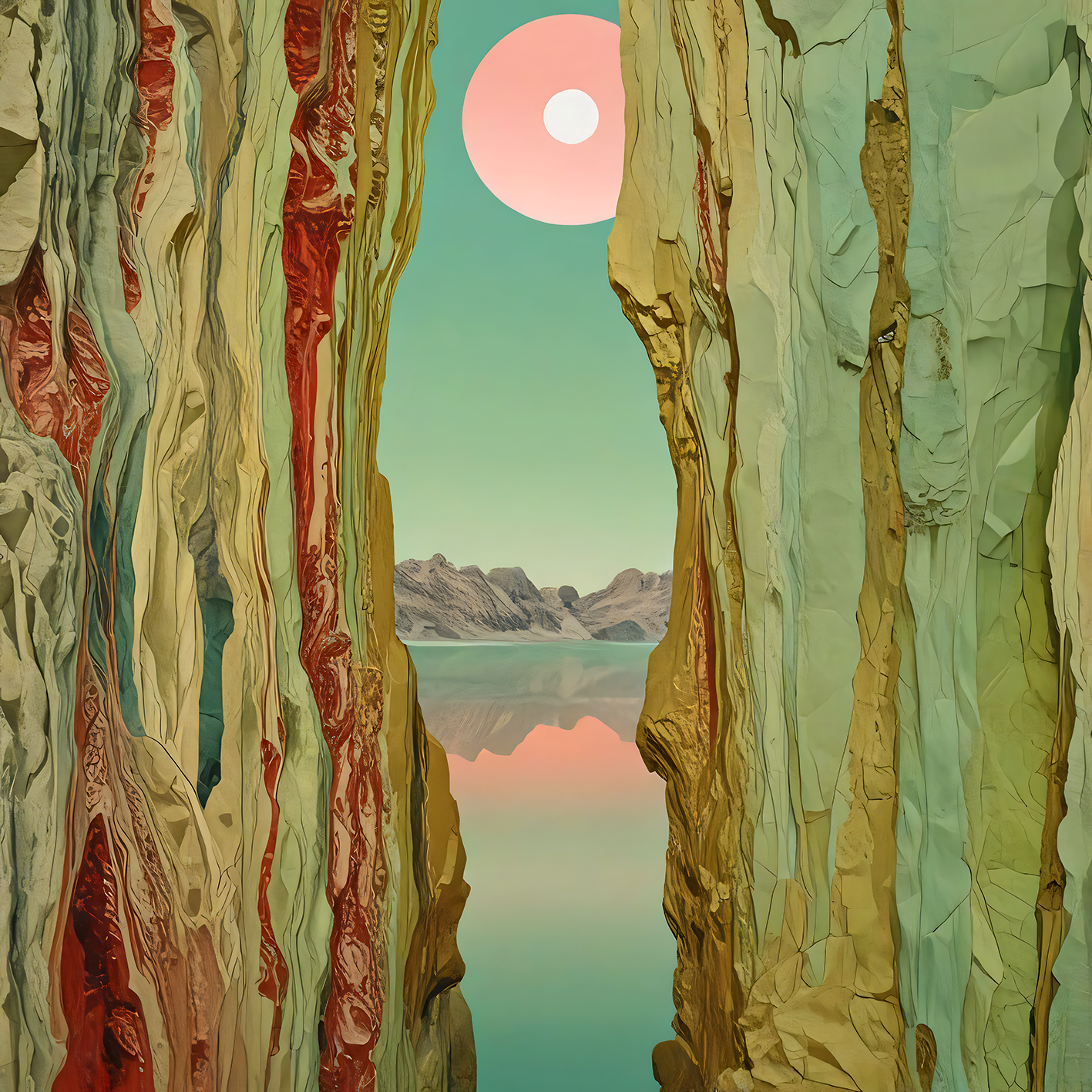
You’ve travelled through many stages — analogue, digital, spiritual, and now AI-assisted art. How do you see your practice evolving next?
It is a continuous, evolving exploration, where each experience naturally informs the next. After over a decade of creating digitally I am not in a race for something. I can imagine things happening without constantly on a hunt.
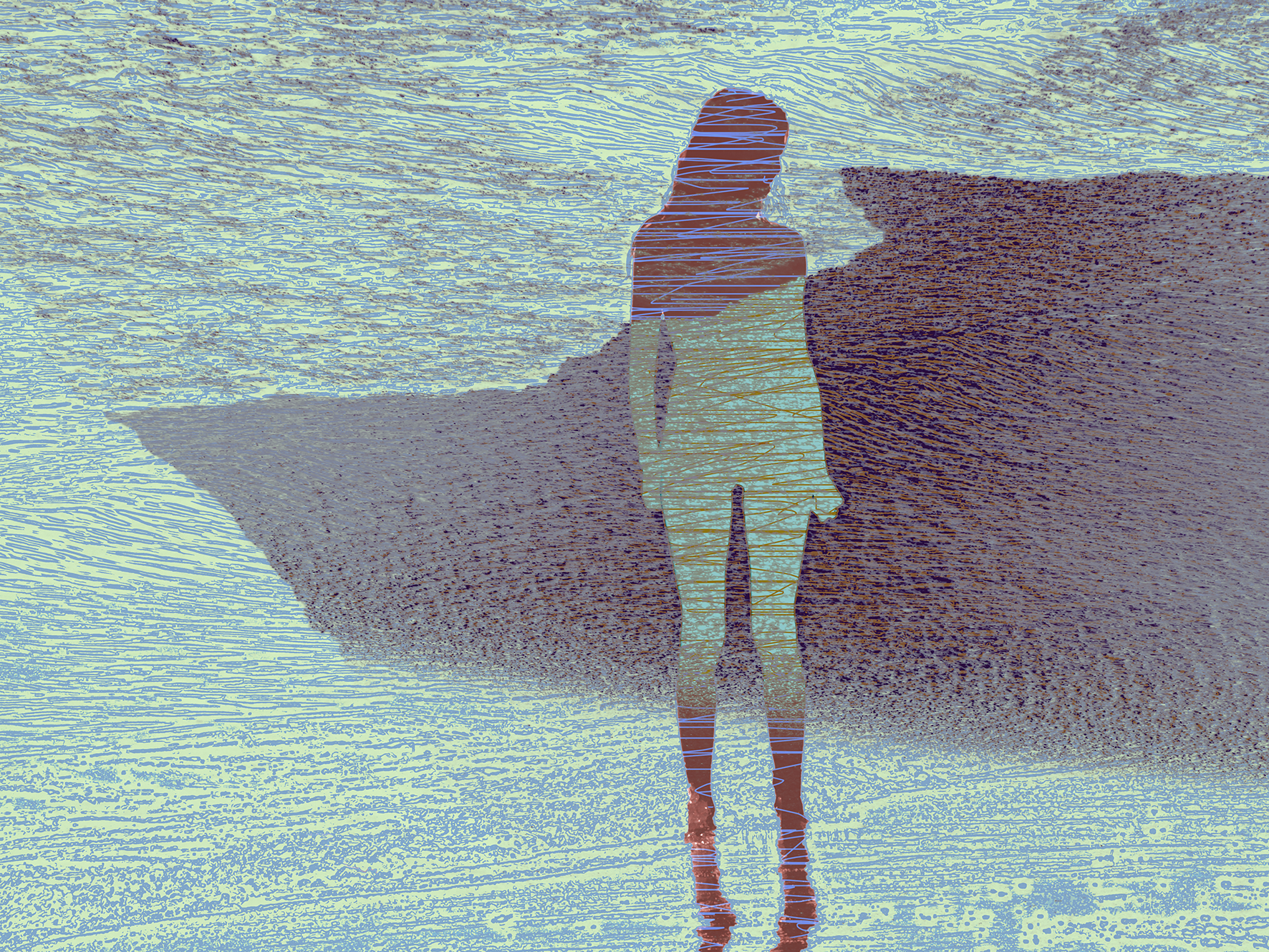
Looking ahead, what are you excited to explore that you haven’t touched yet?
I am excited to explore picture-based video animation using my own material, while being mindful of energy efficiency. Down the line, I’m also interested in generative photography or creative coding, though I’m still figuring out what resonates best without any urgency.
Are you our next spotlight artist? Submit the form to apply to be featured!
We share works by digital artists as well as digital arts exhibitions, events, and open calls daily on Instagram — follow us for more and subscribe to our newsletter so you don’t miss new blog posts.
![Project Spotlight: pifmgr.dll’s [M]ETAL✨ @pifmgr.dll is a digital artist working at the intersection of audiovisual design, 3D experimentation, and atmospheric world-building. His project [M]ETAL explores metal both as a physical material and a](https://images.squarespace-cdn.com/content/v1/63b2fdbe4376de5bfdc6771f/1779108338452-QO04Q3MMJ3VMU8PJV1MD/image-asset.jpeg)