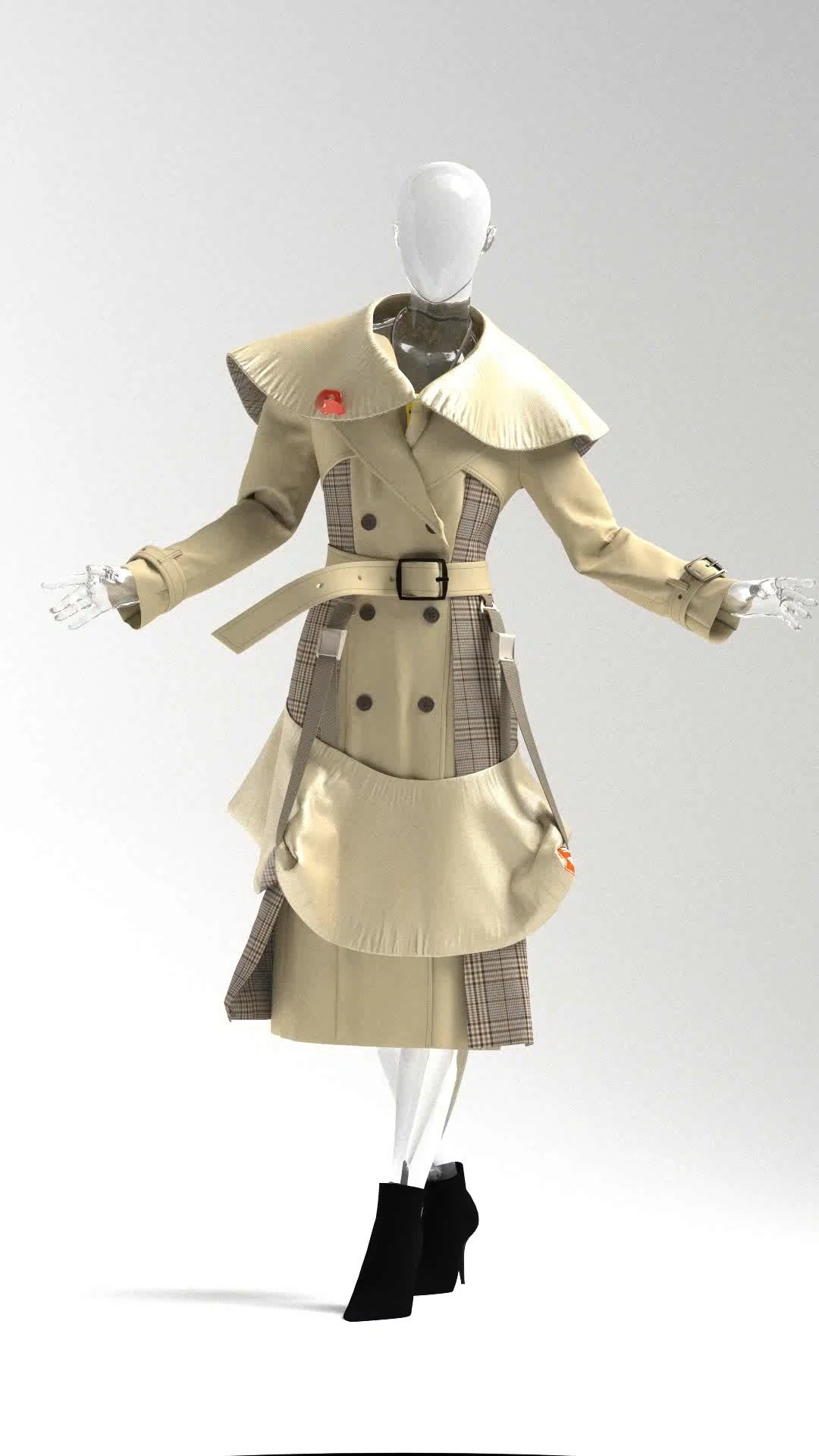
Online and Offline Identities: Feixue Mei on Cross-Cultural Design and Diaspora
A long-form interview exploring process, tools, influences, and the realities of working in contemporary digital art.
By Cansu Waldron
Feixue Mei is a designer, illustrator, artist, and educator from China, now based in Virginia, US. Her work often grows out of questions about whose stories get told, how they circulate, and what happens in the spaces in between cultures. She moves between client projects, books, installations, and self-initiated publications, with a particular interest in voices shaped by migration, diaspora, and cross-cultural dialogue.
Rather than treating research and theory as something distant or purely academic, Feixue approaches ideas as material. Concepts like translation, intersection, and memory become visual, tactile, and interactive through her design practice. She experiments with formats, from printed publications to more participatory experiences, to make complex questions feel accessible, alive, and open-ended.
Her work has been recognized by organizations such as the International Design Awards (IDA), Graphis, American Illustration, 3x3 International Illustration Awards, the JIA Illustration Award, and the Indigo Design Awards, and her projects have been exhibited internationally. She currently teaches as an Assistant Professor of Graphic Design at James Madison University, where she continues to explore how design can hold multiple perspectives at once and create space for overlooked and misunderstood voices.
We asked Feixue about her art, creative process, and inspirations.
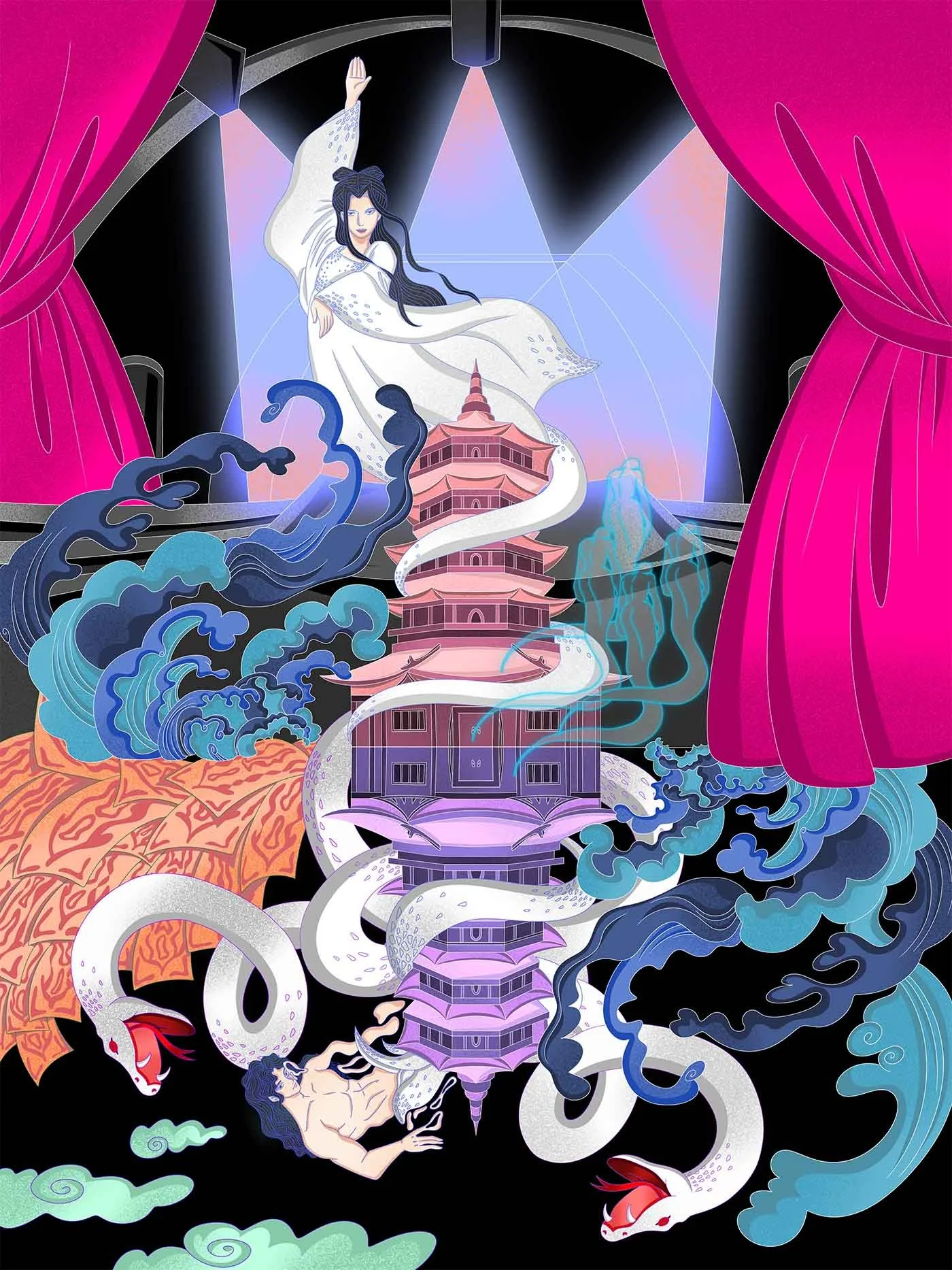
Your practice moves fluidly between design, illustration, research, and publishing. How do these roles inform one another in your day-to-day thinking and making?
My practice thrives on the interplay between these different modes. Research and theory provide me with frameworks and questions, which I then explore through visual forms and material experiments. Illustration allows me to test ideas playfully, while design gives structure and clarity to those explorations. Publishing, in turn, becomes a way to share, remix, and extend these investigations — it’s all part of a feedback loop where each role informs and enriches the others.
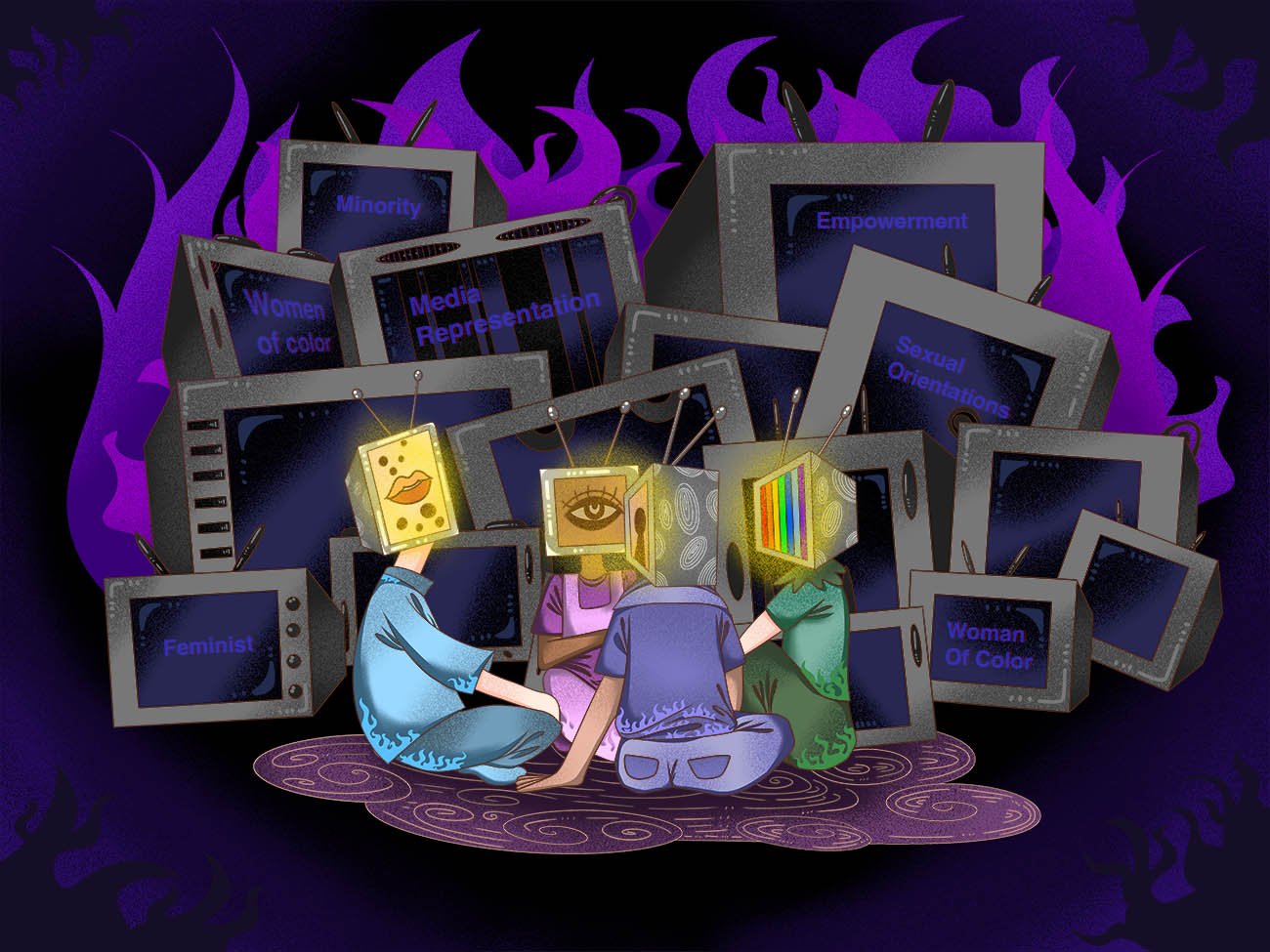
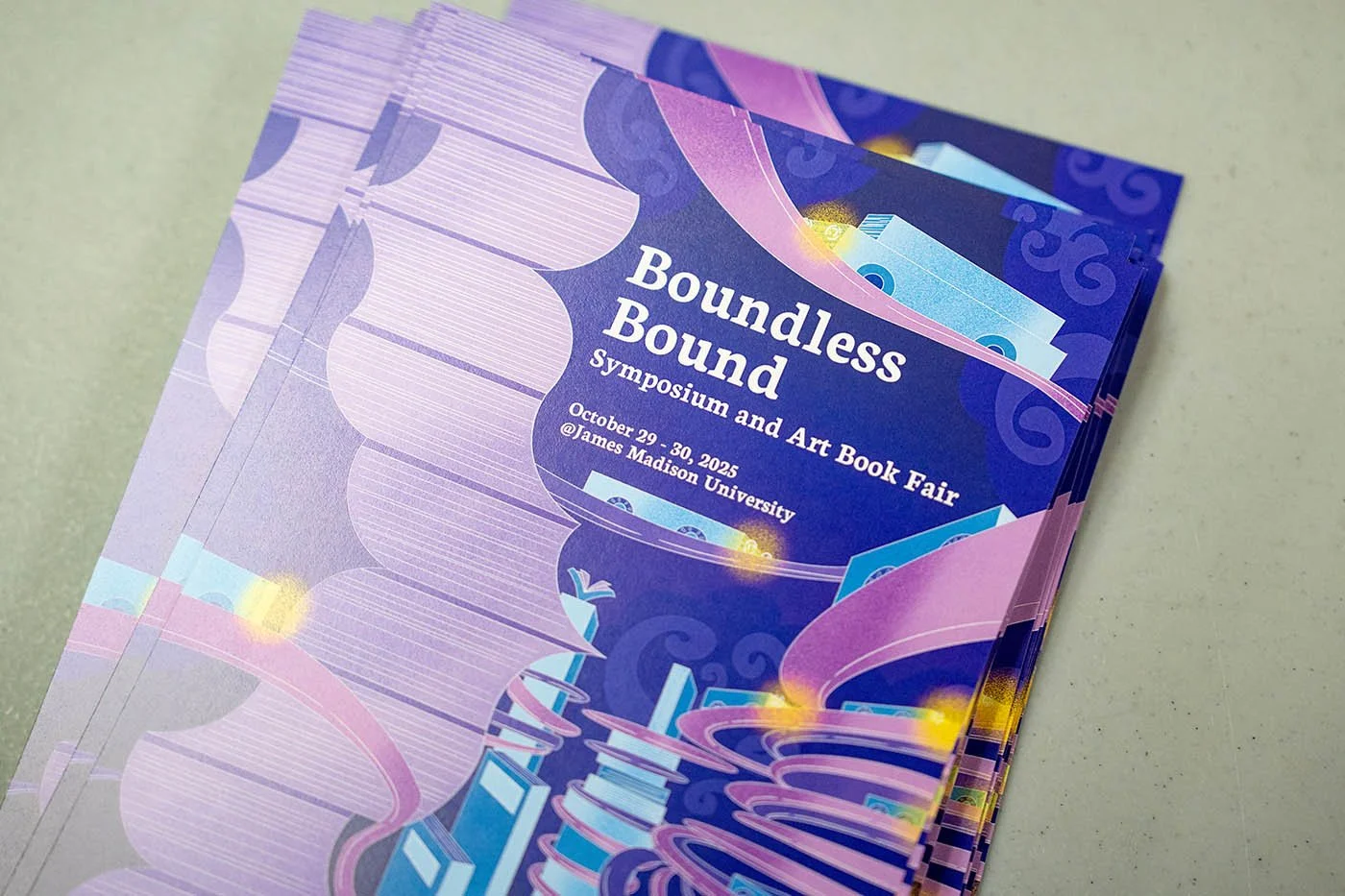
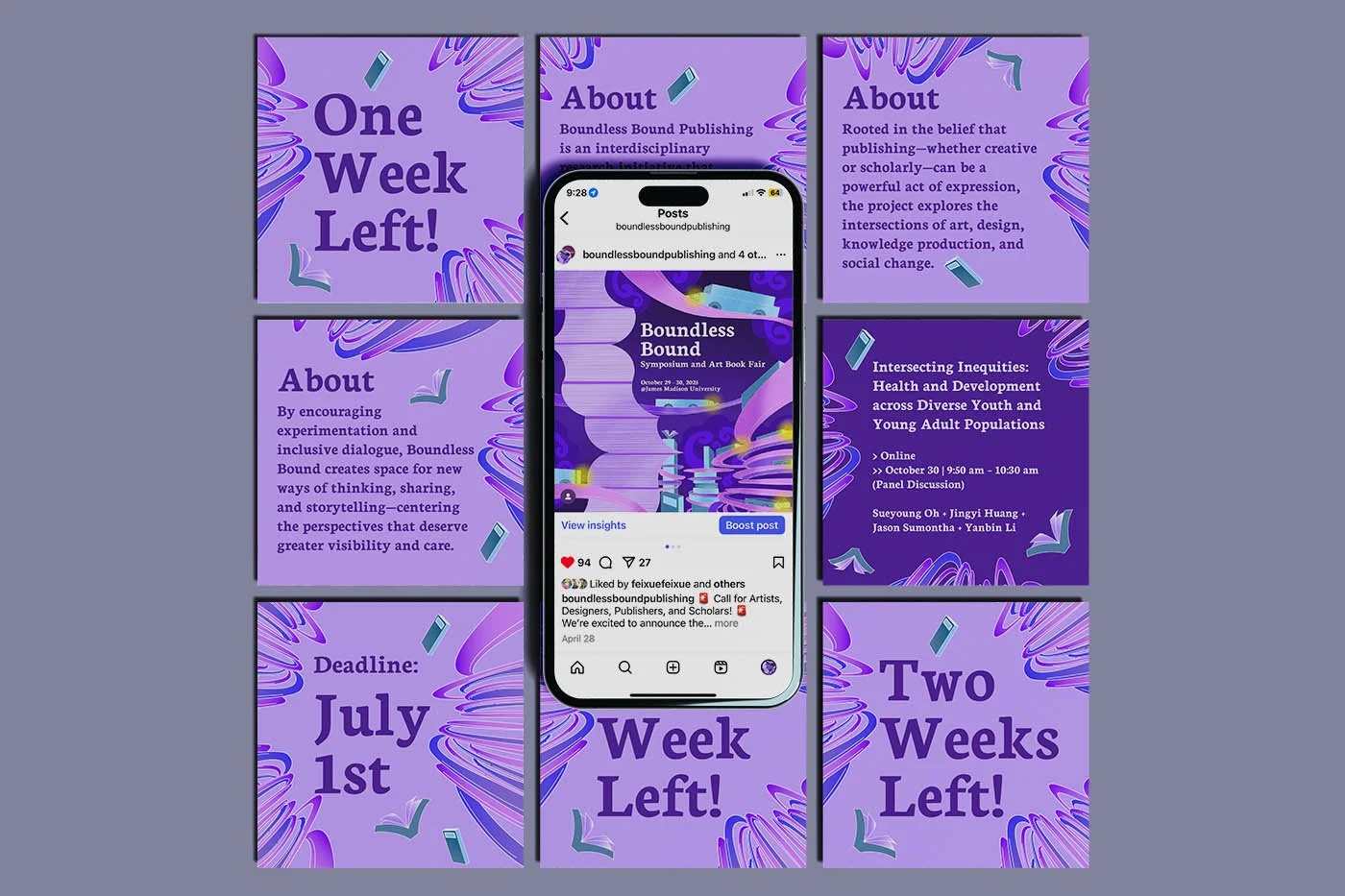
Boundless Bound Publishing centers overlooked and misunderstood voices — what moment or realization pushed you to create it?
It came from noticing gaps in whose stories get told and how they are circulated. I wanted a platform that could hold multiple perspectives at once — voices shaped by migration, diasporic experience, and cross-cultural dialogue — and allow them to exist in spaces that are often unseen or in-between. The realization was simple but profound: these voices deserve a space that is experimental, flexible, and open, just like the work itself.
Research and theory play a strong role in your work. How do you translate academic inquiry into visual or tactile forms that feel accessible and alive?
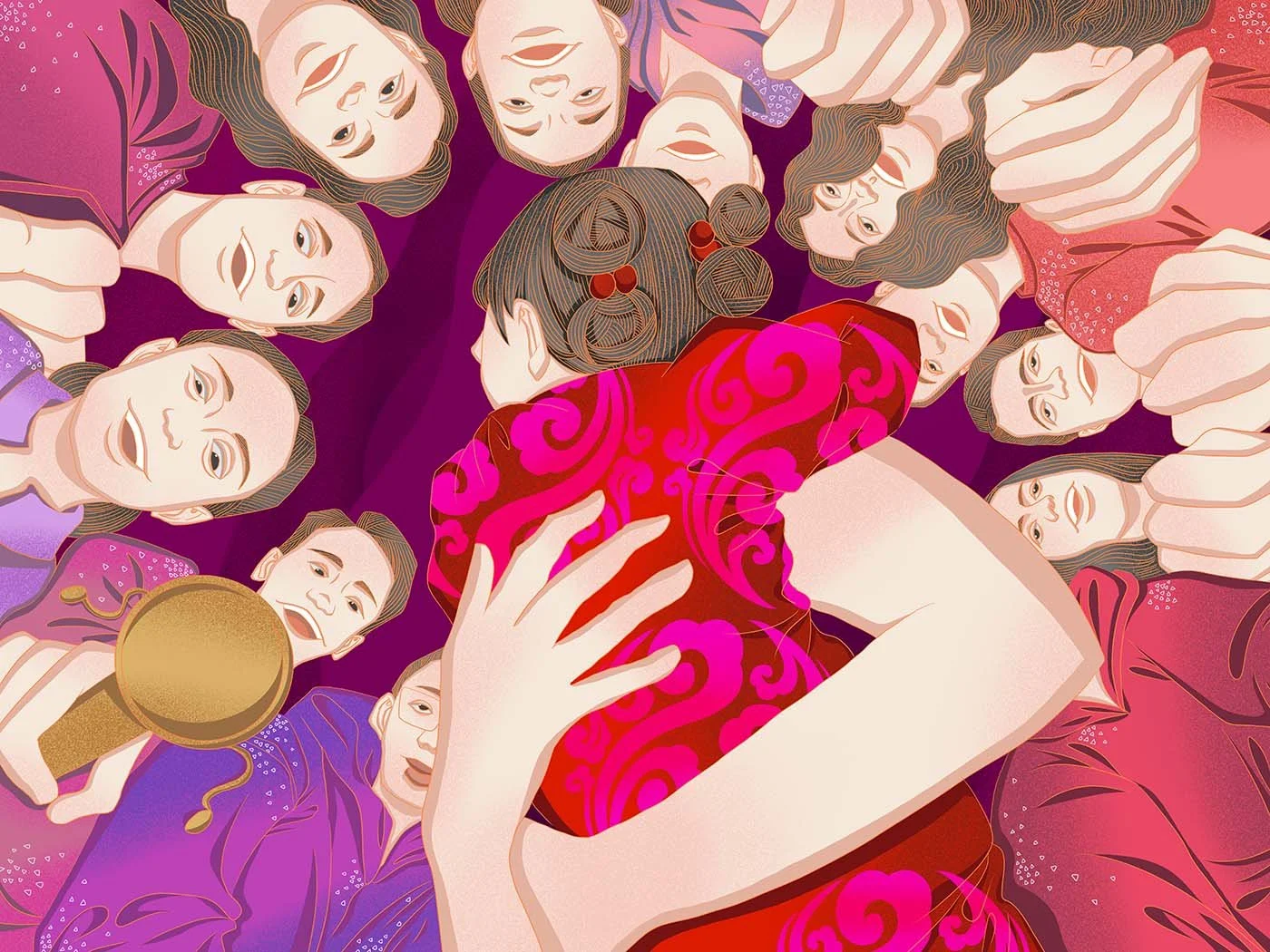
I try to approach theory as material. For me, ideas are not just written texts; they can be spatial, visual, and interactive. I experiment with formats — from publications to interactive formats— that embody concepts like flow, translation, and intersection. The goal is to make complex questions tangible: readers or viewers can experience them, manipulate them, and form their own connections, rather than being presented with abstract conclusions.
Many of your projects seem to sit between disciplines. What excites you about working in these in-between spaces?
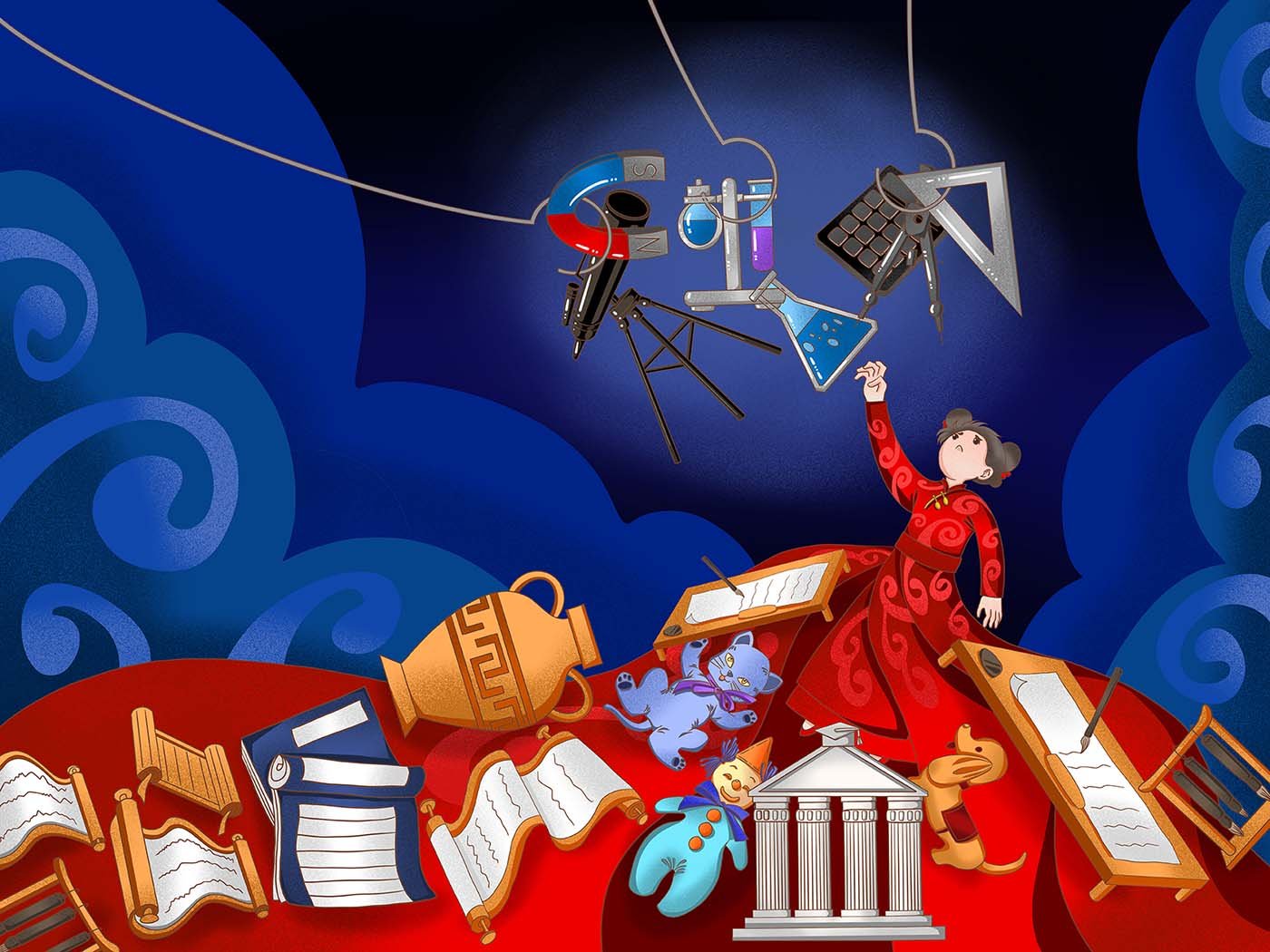
The in-between spaces are generative; they allow ideas and practices to collide in unexpected ways. I’m drawn to those moments where disciplines, cultures, or identities intersect and overlap — places where conventional boundaries blur. These spaces are rich with possibility, and they reflect the experiences I care about most: migration, diaspora, online/offline identity, and the ways we reinterpret tradition while moving through multiple worlds.
As both an artist and an educator, how does teaching influence your own creative practice — and vice versa?
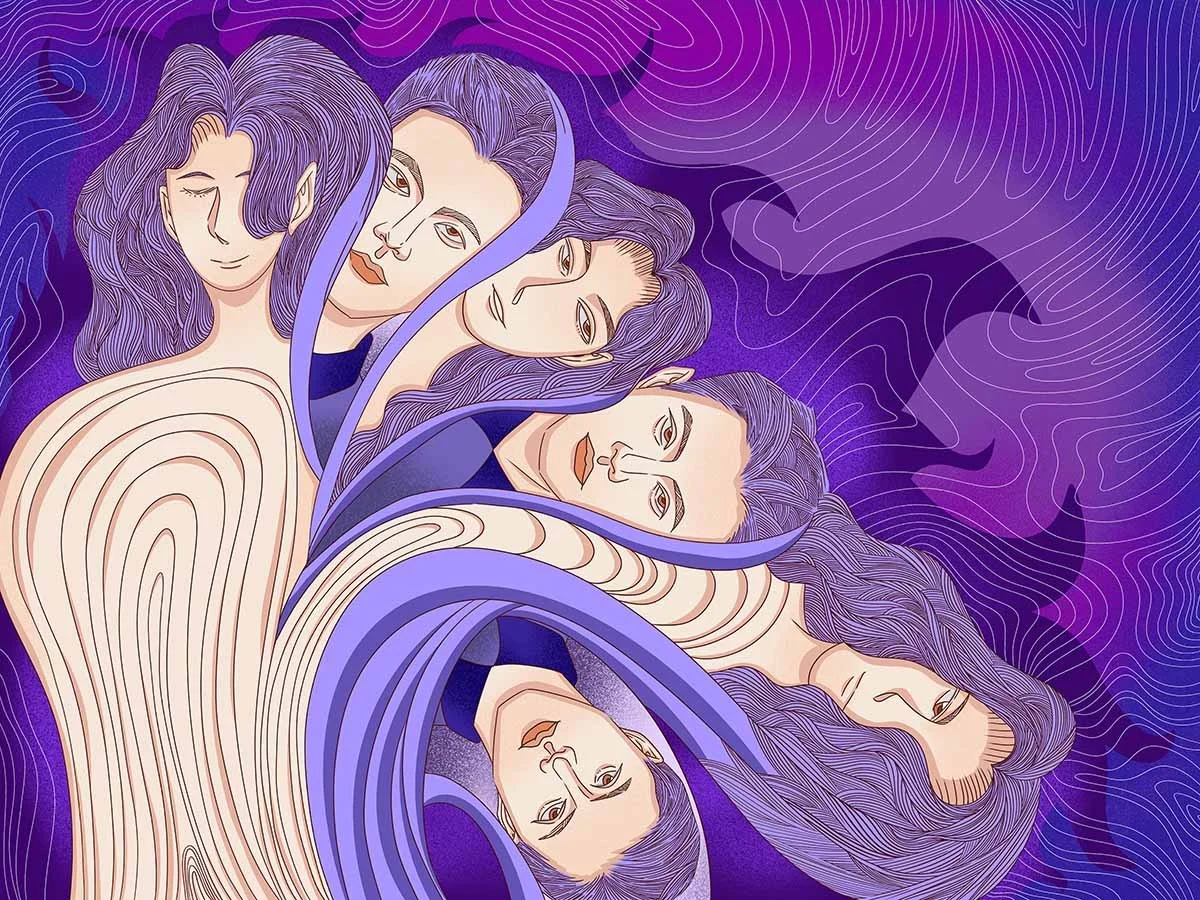
Teaching constantly reminds me to question assumptions and stay open to experimentation. Students often bring perspectives or approaches I hadn’t considered, which challenges and inspires my own work. Conversely, my practice informs my teaching: I try to model curiosity, interdisciplinarity, and risk-taking, showing that research and making are not separate but deeply intertwined.
Are there particular voices, histories, or formats you feel especially drawn to preserving or amplifying right now?
I’m drawn to voices at the margins — whether diasporic, migrant, or otherwise underrepresented — and to histories that exist in flux, not neatly archived. In terms of formats, I’m interested in publications that can be experimental, collaborative, or hybrid: zines, artist books, and digital/physical hybrids that allow ideas to unfold in unexpected ways.
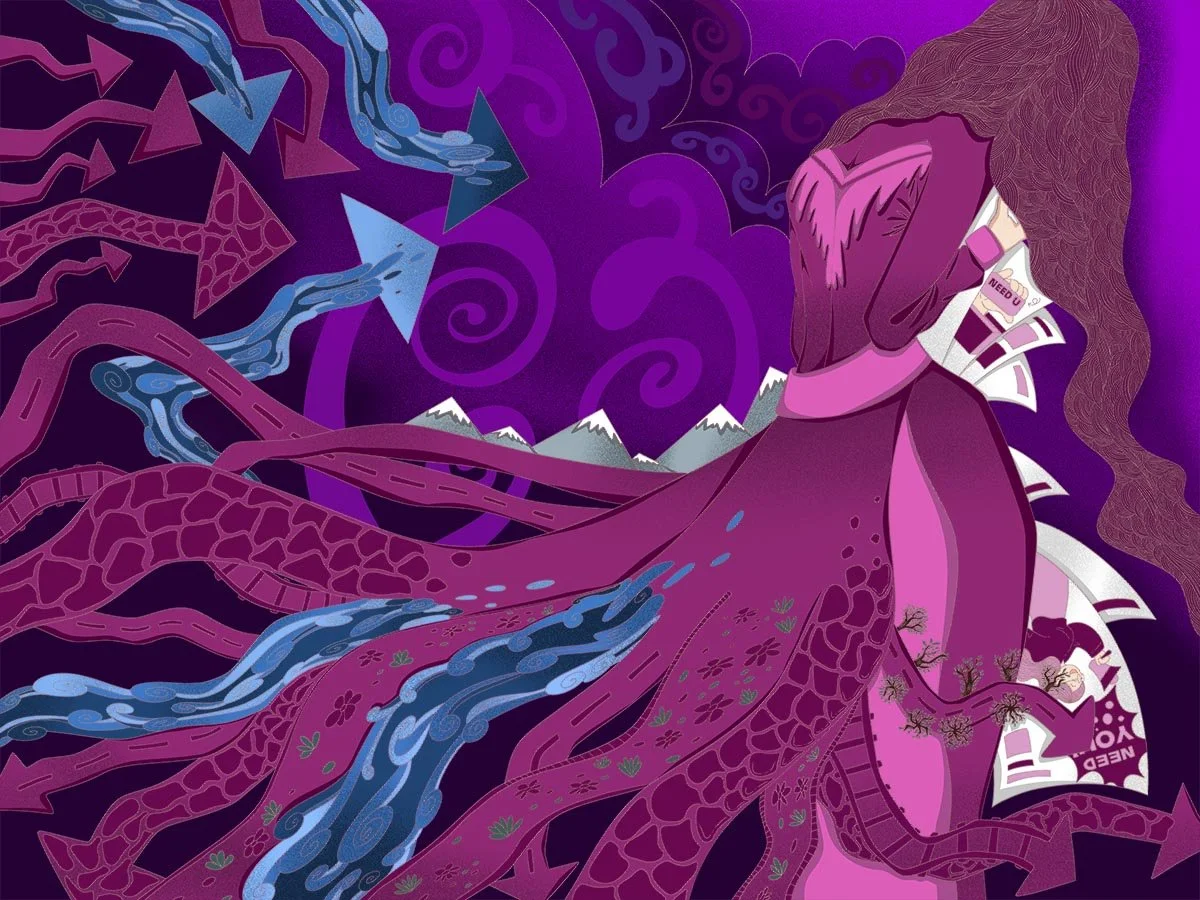
What is a fun fact about you?
I spend more time than I probably should reading comics and watching animation — sometimes I swear my sketches are secretly influenced by my favorite characters.
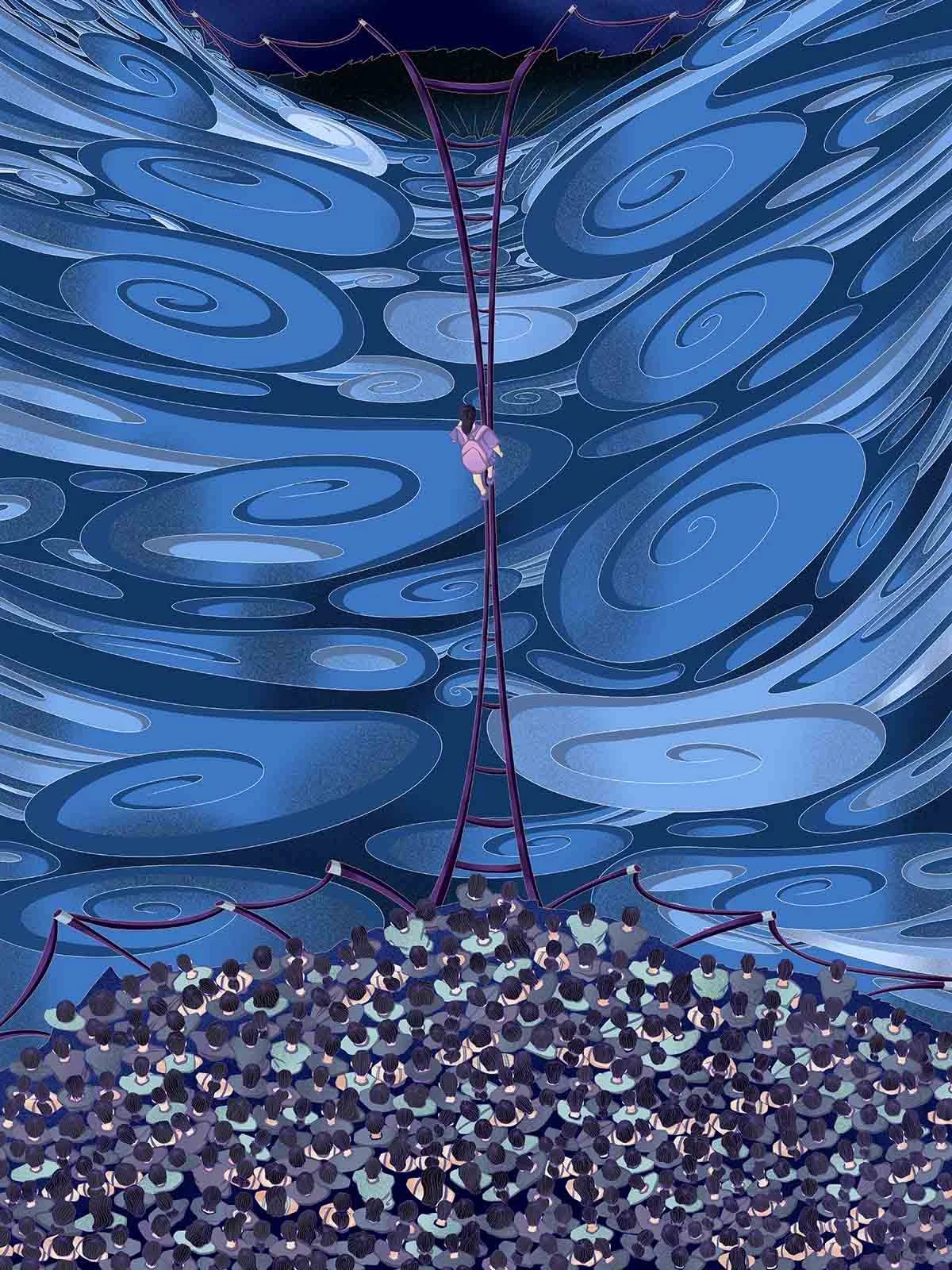
What else fills your time when you’re not creating art?
I enjoy reading widely — not just art or design books, but literature, history, and social science. I also like exploring local neighborhoods, and sometimes getting lost in online communities or archives, which often sparks ideas for new projects.
What is a dream project you’d like to make one day?
I’d love to create a fully immersive, cross-cultural publication experience: a book or series that exists simultaneously in multiple forms — print, digital, interactive installation — that people can navigate in different ways. It would embody the in-between spaces I care about: overlapping identities, diasporic histories, and the dialogue between online and offline worlds.
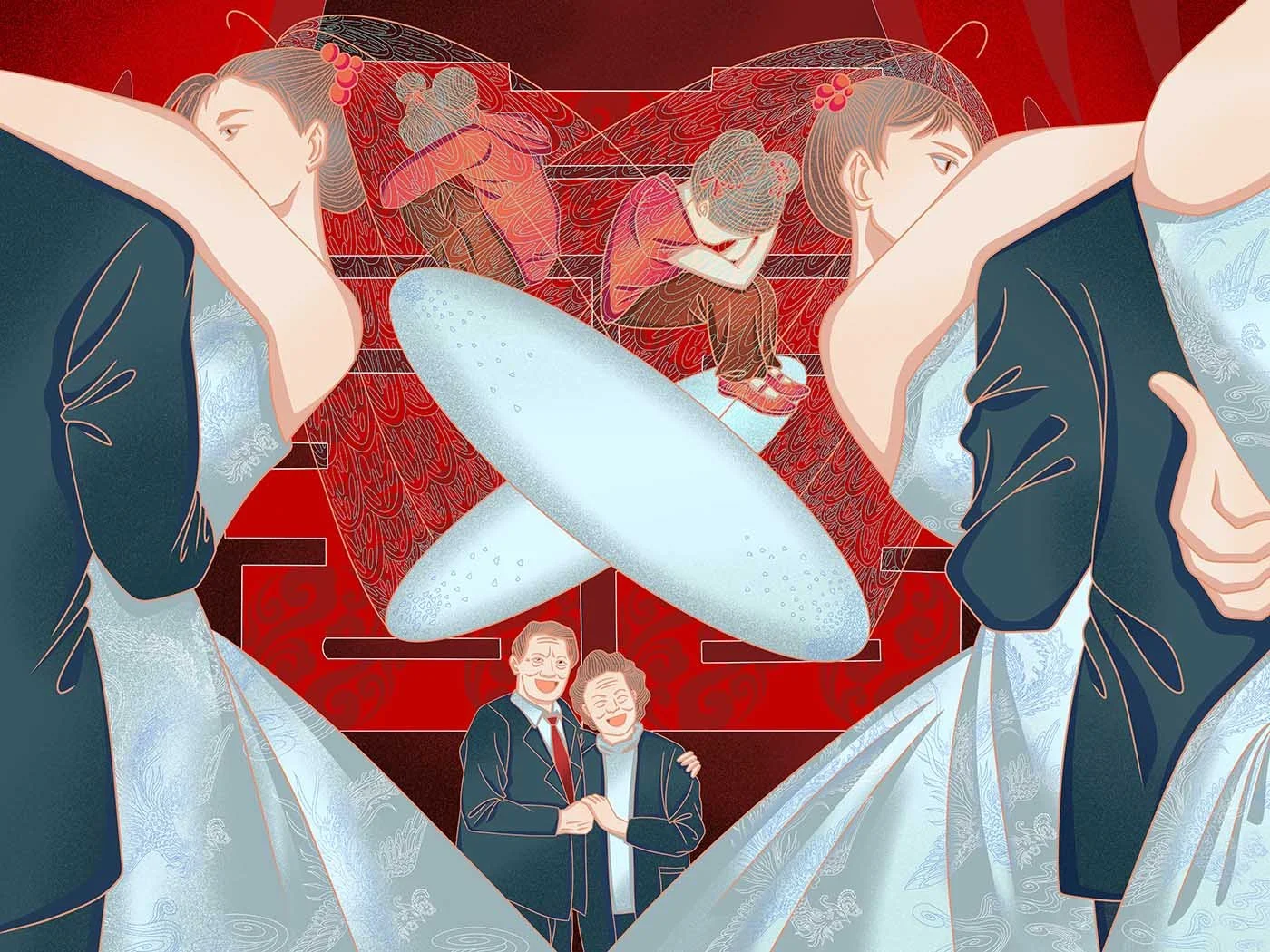
Are you our next spotlight artist? Submit the form to apply to be featured!
We share works by digital artists as well as digital arts exhibitions, events, and open calls daily on Instagram — follow us for more and subscribe to our newsletter so you don’t miss new blog posts.
![Project Spotlight: pifmgr.dll’s [M]ETAL✨ @pifmgr.dll is a digital artist working at the intersection of audiovisual design, 3D experimentation, and atmospheric world-building. His project [M]ETAL explores metal both as a physical material and a](https://images.squarespace-cdn.com/content/v1/63b2fdbe4376de5bfdc6771f/1779108338452-QO04Q3MMJ3VMU8PJV1MD/image-asset.jpeg)