almyre on Generative Art, Software Execution, and Creating Code as Performance
A long-form interview exploring process, tools, influences, and the realities of working in contemporary digital art.
By Cansu Waldron
almyre, aka Benoit Baudry, is a Professor of Computer Science and a generative artist based in Stockholm. In 2019, he founded the re|thread collective, a platform for exploring the intersection of software and art through generative projects, plotter art, the restoration of digital artworks, and collaborative NFT initiatives such as folkfigur.
Originally trained in computer science, almyre was drawn to generative art when he realized that software execution itself; the act of code running on a machine, could be treated as a performative and ephemeral artistic medium. This insight allowed him to merge his research and creative practice, emphasizing experimentation, discovery, and radical novelty. In his work, code is not simply a tool but a dynamic medium whose execution generates unpredictable, ephemeral, and enchanting results, blurring the lines between scientific research and artistic expression.
We asked almyre about his art, creative process, and inspirations.
You come from the world of computer science — what first inspired the shift from research to creating generative art?
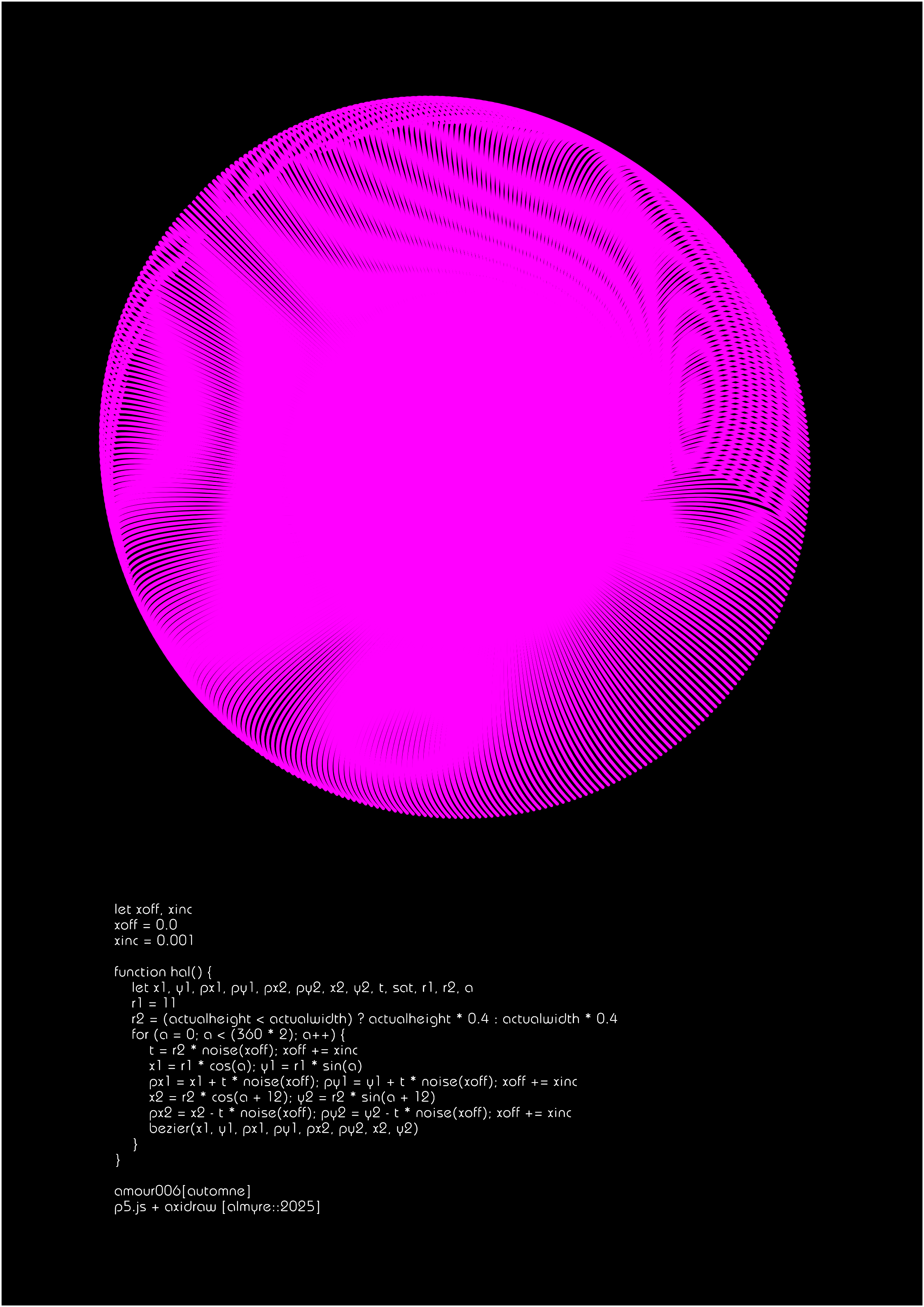
It came from the realization that software execution, this amazing and intangible phenomenon that is my core research object, can also be used to perform, generate, and fuel artworks. I have always been fascinated by the experiments of modern and contemporary artists. As a researcher, I explore ideas and perform experiments in order to discover new phenomena. So, I really appreciate the radical novelty of ideas, practices, or styles that can be found in many contemporary artworks. But around 2015, I found that the connection between art and software research can be even stronger when I realized that software execution is a medium for both.
That’s when I started reading about, discovering, and eventually creating generative art. What’s really amazing about this connection is that it’s not only the code that serves as an artistic medium, but really its execution, i.e., code that runs on a machine. Code alone does not generate the art. Code that runs, software that executes, generates the art, in a very performative way. And that really is the key that relates software research and generative art. In both cases, we write, evolve, improve, read a lot of code. Yet, software applications and generative artworks only exist, deliver, enchant when the code executes, in a very intangible and ephemeral way. And that realization really compelled me to pursue both lines of work.
When you’re moving between “Professor Benoit” and “artist almyre,” how do those two sides of your brain feed each other?
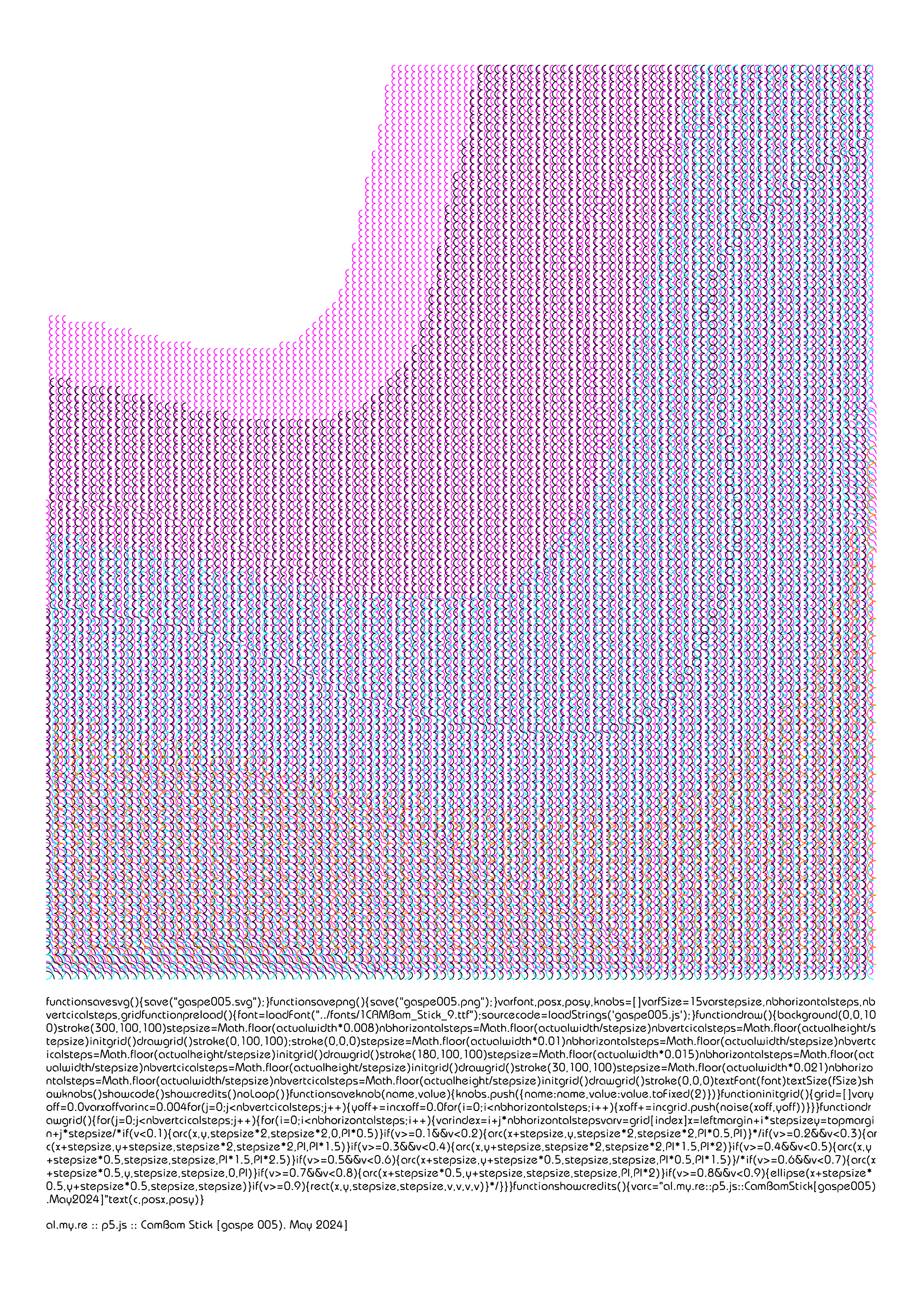
“Artist almyre” reminds “Professor Benoit” about the role that software plays in our culture. Many aspects of software research and computer science education relate to abstraction, maths, algorithms, processes, techniques, tools. We do not often discuss the impact that software, as an object and as a medium, has on the world around us. Having this practice of software-based art allows me to integrate the cultural dimension of software into my classes, as well as into my research. For example, when we select case studies to perform software experiments, or when I use examples to illustrate software concepts I will favor examples coming from visual arts or sound art.
“Professor Benoit”, whose daily job consists in experimenting with novel techniques to automate software engineering, inspires “Artist almyre” with new ideas for automatic processes of generating art. These inspirations can be related to new programming languages, for example trying Rust or tikz for generative art. They can be related to processes, for example the use of a continuous integration engine for generating art across the software development process. “Professor Benoit” also reads a lot of scientific literature, which inspires “Artist almyre” with new ideas for generative algorithms or narratives.
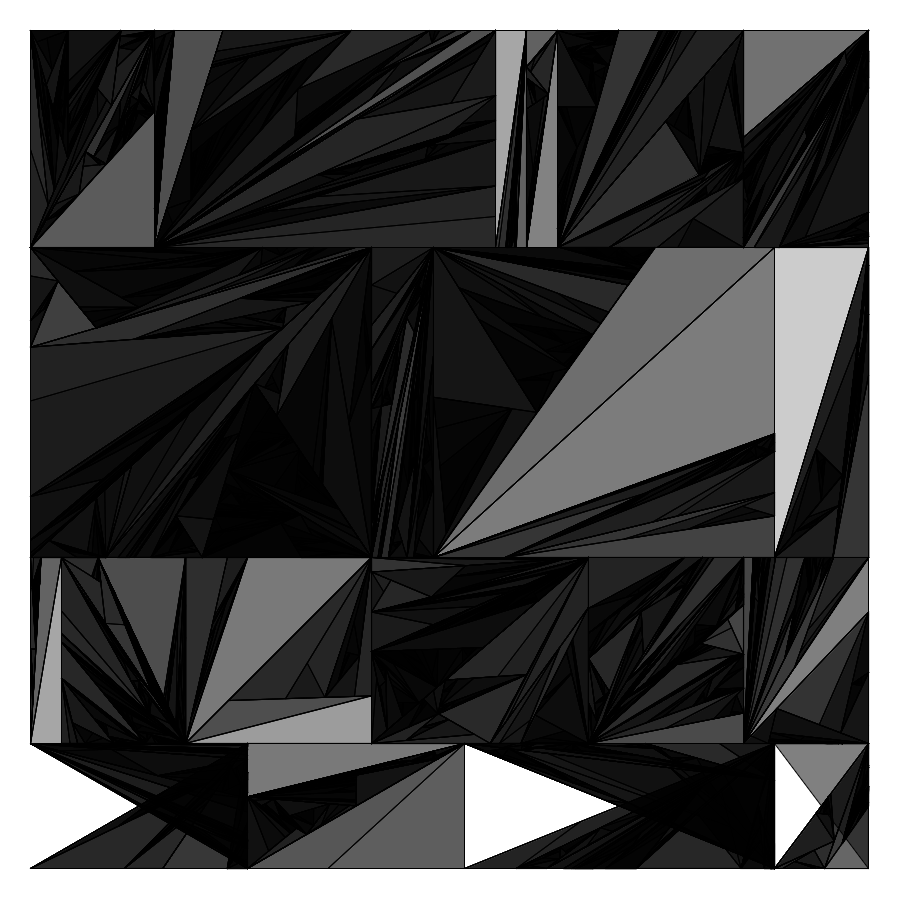
re|thread has grown into a fascinating hub where software becomes art. What inspired you to start the collective back in 2019?
Scientific outreach is the key motivation for re|thread. As a software researcher, I am sincerely amazed by the properties of software: its scale, its velocity, its ability to constantly evolve, its remarkable robustness. The presence of software keeps growing in our daily lives, while very few citizens know or wonder about how software operates. So, over time I have become more keen in reaching out to different audiences to let them experience software execution under the hood of their favorite digital service. That’s how re|thread was created: let citizens make sense of software execution through art. Each installation of re|thread focuses on a specific aspect of software (http packets, code evolution, system calls, etc.) and turns these invisible, intangible phenomena into audiovisual installations so that they become more accessible for the audience. For example pellow is an interactive piece, where we hook into the web browser, so that every time someone goes on a web page, we capture all packets that are processed by the browser to render the page in real time. We visualize and sonify this invisible activity, letting the audience realize the velocity and the diversity of software actions that are performed when they do something as mundane as browsing the web.
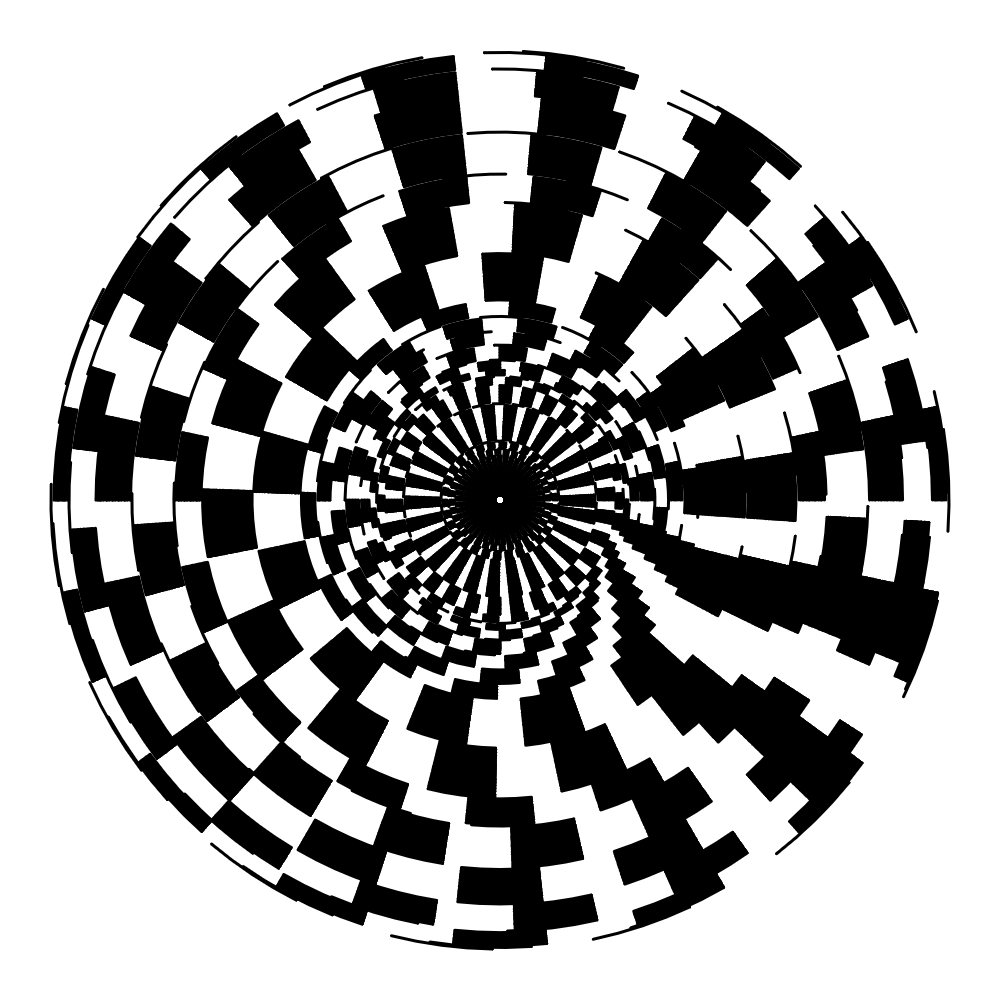
What have you learned from collaborating with other artists and technologists through re|thread that you wouldn’t have discovered alone?
I have learned a LOT. First, I learned about the diversity of practices, tools, and methods employed to do generative art. Second, I learned that many artists are also extremely knowledgeable about programming, embedded systems, and software engineering, and that they genuinely appreciate the world of computer science in a very positive way. In general, I also realized the extent to which science can be a source of inspiration for many art practices. I have also learned how complex and fragile some of these art installations can be, and the importance as well as the challenges of documenting these pieces. I have learned that this art practice is at the intersection of so many disciplines, from visual arts to signal processing, from the physics of light to music composition. All of this I learned because I collaborated with artists and participated in all aspects of the projects, from scouting a location, applying for festivals, setting up the installations in different indoor and outdoor locations, and meeting other artists as well as galleries, museums and University colleagues from the arts departments.
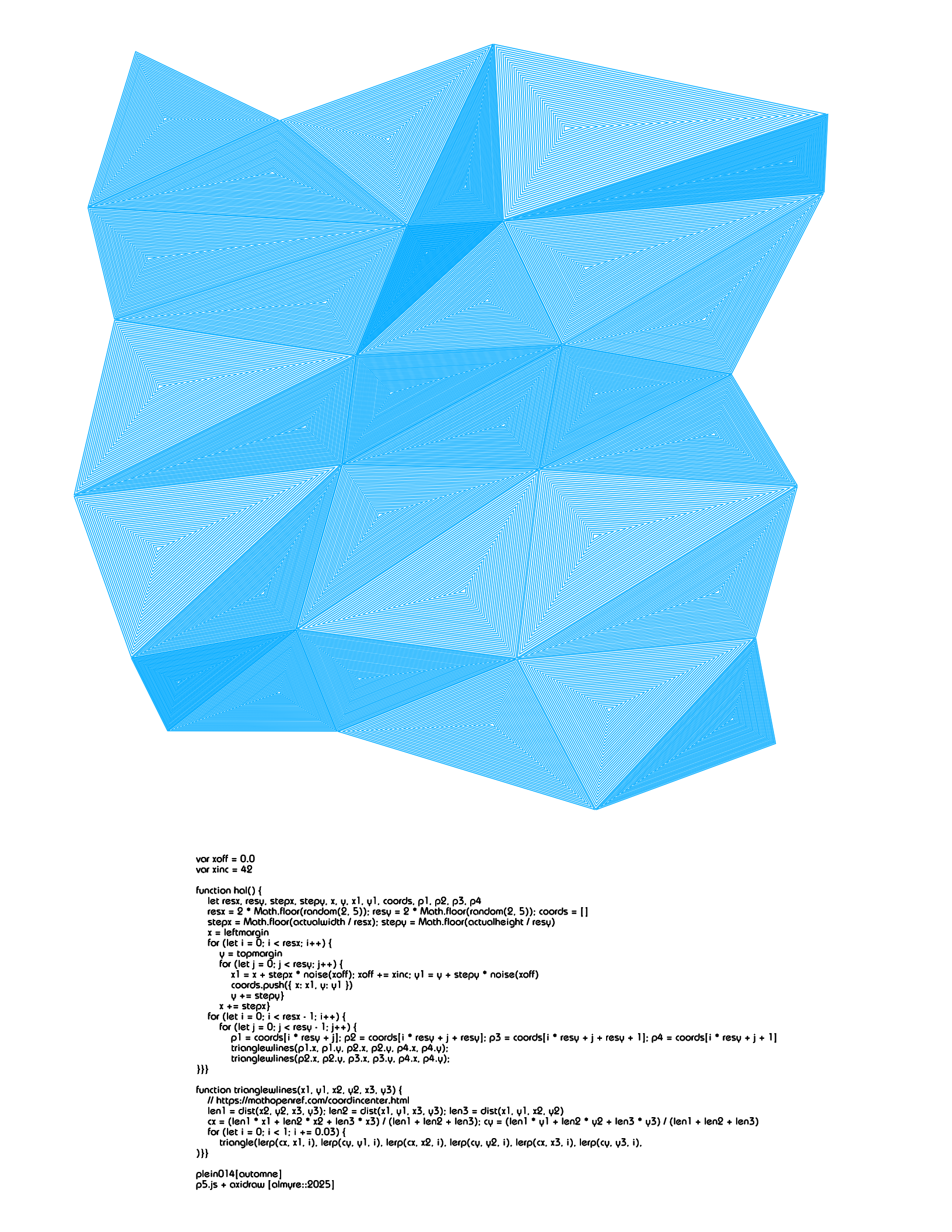
You’ve taught algorithmic art as well — what do you wish more students understood early about making art with code?
I wish for computer science students to understand the importance and the beauty of software beyond all the utilitarian aspects they have learned. I wish they understood that millions of people across the world build and maintain software with an artistic purpose, to enchant, create emotions, to make audiences think and feel.
I wish art and design students understood that they have the ability of creating generative processes themselves through code, instead of relying on ready-made proprietary software. I wish they knew about open-source communities, such as the Processing foundation, and that they realized that they can learn from other’s code, and that they can share their own code, to contribute to these world-wide communities of artists and makers.
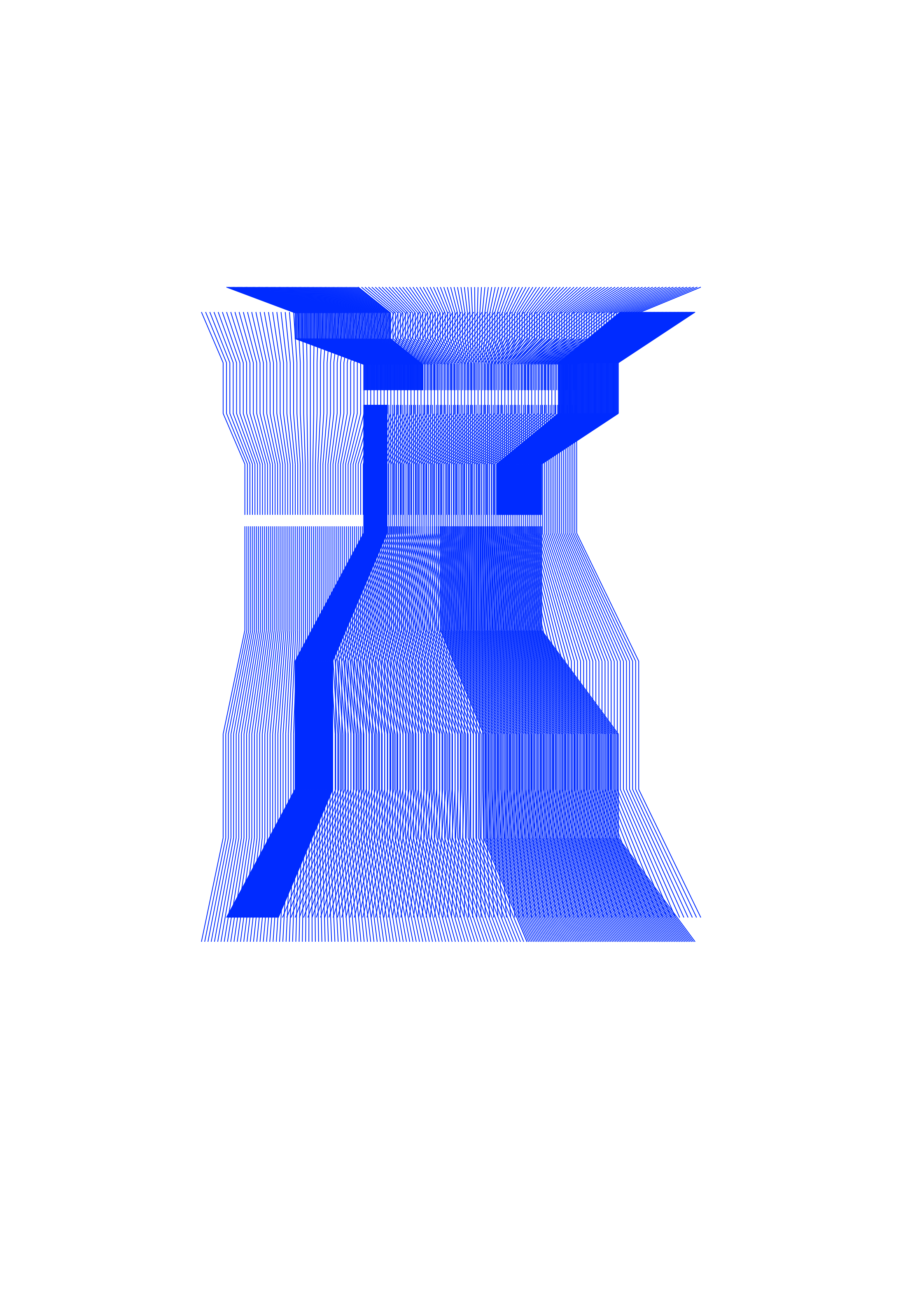
What’s the most surprising thing a piece of code has ever “taught” you during the making process?
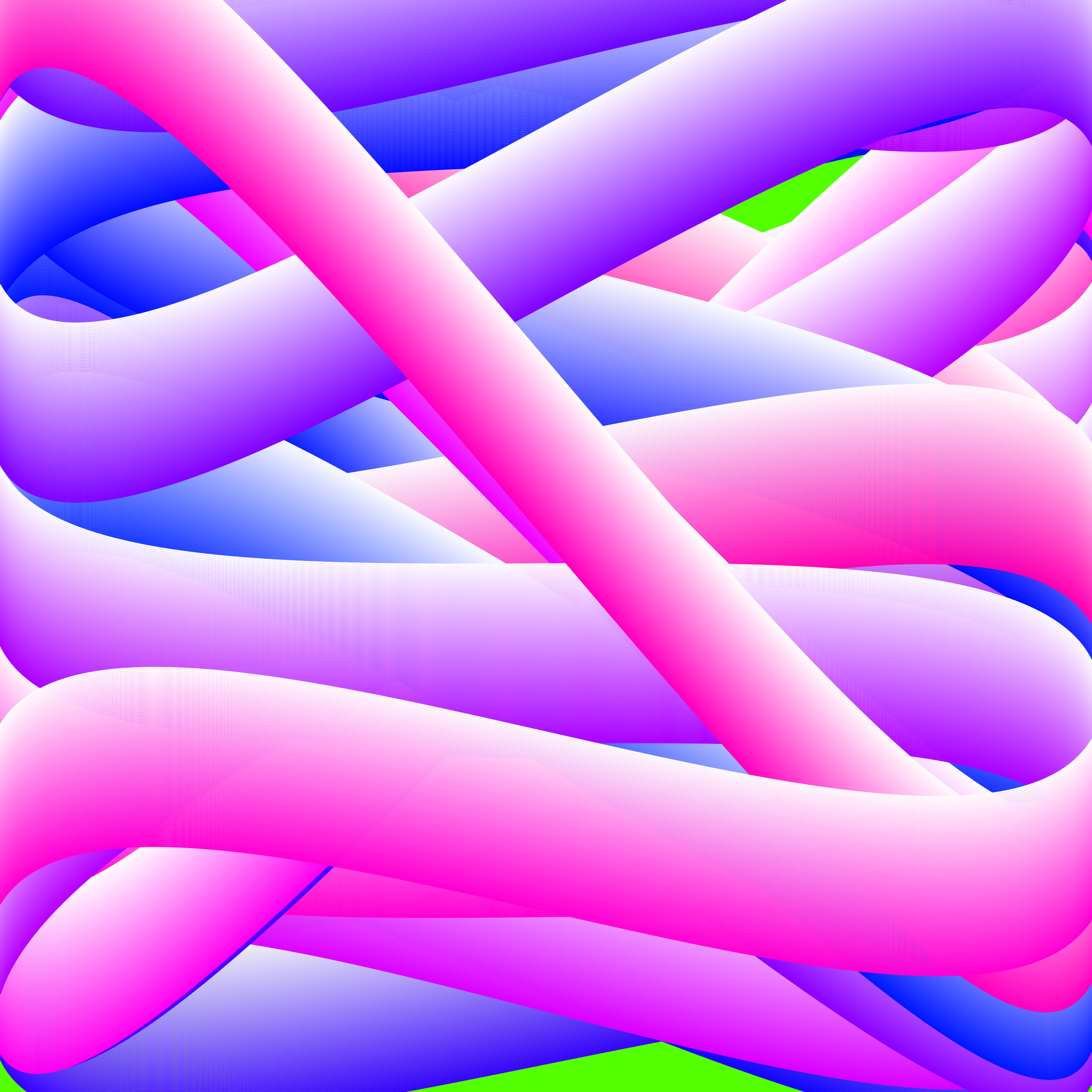
I love recursivity. It is a purely software phenomenon that lets you write very small programs that can turn into very large and unpredictable pieces. I love how recursive generative algorithms can produce pieces that are so different from each other and yet clearly all part of the same series.
What is a fun fact about you?
I love humor.
And looking ahead — what are you excited to try next in your practice?
In the past year, I have contacted many different people in museums, art studios, and Universities to learn more about, and eventually contribute to, the preservation and restoration of generative artworks. As the practice becomes more visible in galleries and big museums such as the MoMA, the question of preservation becomes pressing. Yet, it is very little studied. I believe that with my double experience in software analysis and generative art, I can contribute novel techniques to the preservation of our algorithmic cultural heritage. And eventually reconcile “Professor Benoit” and “Artist almyre” into one coherent research and art practice.
Are you our next spotlight artist? Submit the form to apply to be featured!
We share works by digital artists as well as digital arts exhibitions, events, and open calls daily on Instagram — follow us for more and subscribe to our newsletter so you don’t miss new blog posts.
![Project Spotlight: pifmgr.dll’s [M]ETAL✨ @pifmgr.dll is a digital artist working at the intersection of audiovisual design, 3D experimentation, and atmospheric world-building. His project [M]ETAL explores metal both as a physical material and a](https://images.squarespace-cdn.com/content/v1/63b2fdbe4376de5bfdc6771f/1779108338452-QO04Q3MMJ3VMU8PJV1MD/image-asset.jpeg)