Mizuki Tanahara on Algorithms, Urban Data, and the Art of Revealing Systems
A long-form interview exploring process, tools, influences, and the realities of working in contemporary digital art.
By Cansu Waldron
Mizuki Tanahara is a London-based media artist who loves exploring the hidden systems that quietly shape how we move through the world — algorithms, data infrastructures, surveillance tools, all the invisible machinery behind our screens. Working across installation, moving image, data-driven sculpture, and performance, she creates research-led artworks that make these systems feel tangible, sometimes even emotional.
Her fascination with algorithmic systems started during a job at an internet advertising agency, where she saw firsthand how personal data travels behind the scenes to power the “free” services we rely on. Learning about Cambridge Analytica’s role in Donald Trump’s first presidential campaign deepened that awareness, revealing how recommendation engines and profiling could sway public behaviour at scale.
Originally from Okinawa, she brings a mix of critical curiosity and computational playfulness to her work, informed by postgraduate study in Japan, time spent in Berlin’s media-art community, and a Distinction-awarded MA in Data Visualisation from the University of the Arts London. Her projects have been shown internationally at places like Ars Electronica, Dubai Design Week, and The Wrong Biennale, and she’s currently preparing solo exhibitions in Brighton and London.
We asked Mizuki about her art, creative process, and inspirations.
Can you tell us about your background as a digital artist? How did you get started in this field?
I’m originally from Okinawa, Japan, and I’m now based in London as a media artist. I work across multiple forms—video, installation, sculpture, performance—often using programming and electronics to explore how technology shapes contemporary life.
My interest in this field began during my university years, when platforms like Instagram and Facebook were rapidly becoming part of everyday life. As digital infrastructures started to embed themselves into daily routines, I became fascinated not only by their convenience but also by the ways surveillance and algorithmic filtering might influence society. This led me to explore these systems through media art.
After graduating, I worked at a major internet advertising agency in Japan to better understand the technical and economic structures behind the online world. There, I witnessed firsthand how personal data is used for targeted advertising, which deepened my awareness of the relationship between data and power. This experience strongly shaped my ongoing interest in the “health” of the internet and the ethics surrounding it.
I later pursued research at a graduate program specialising in media art, where I created works that addressed surveillance and privacy. Some of these projects were exhibited at Dubai Design Week and Ars Electronica, where I explored how invisible digital forces operate within online environments.
After moving to Berlin, my focus shifted further toward the algorithms underpinning AI and internet services, and how these computational systems influence urban life. To expand this line of inquiry, I studied data visualization at the University of the Arts London (UAL), where I developed methods for using algorithms themselves as artistic material.
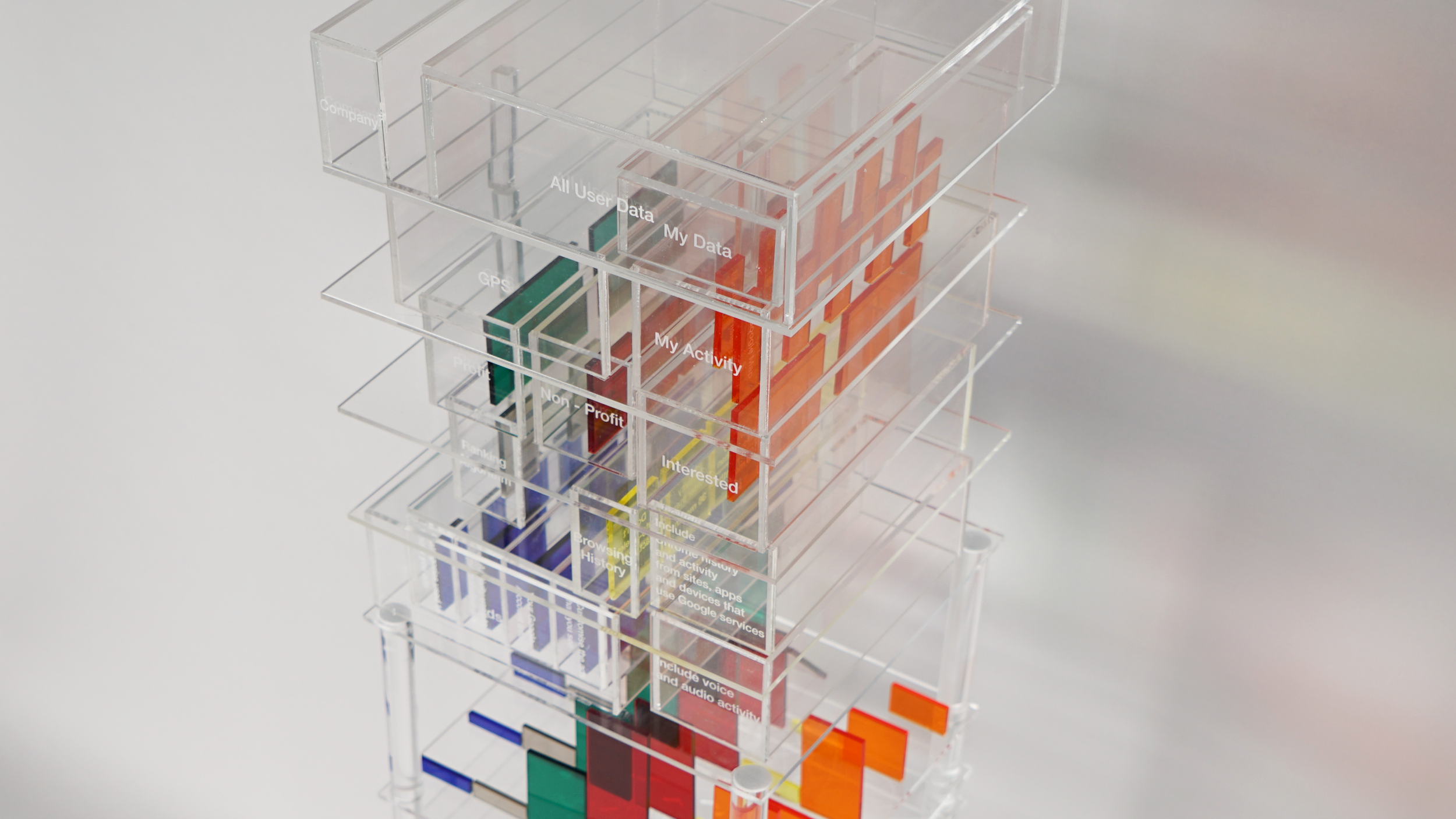
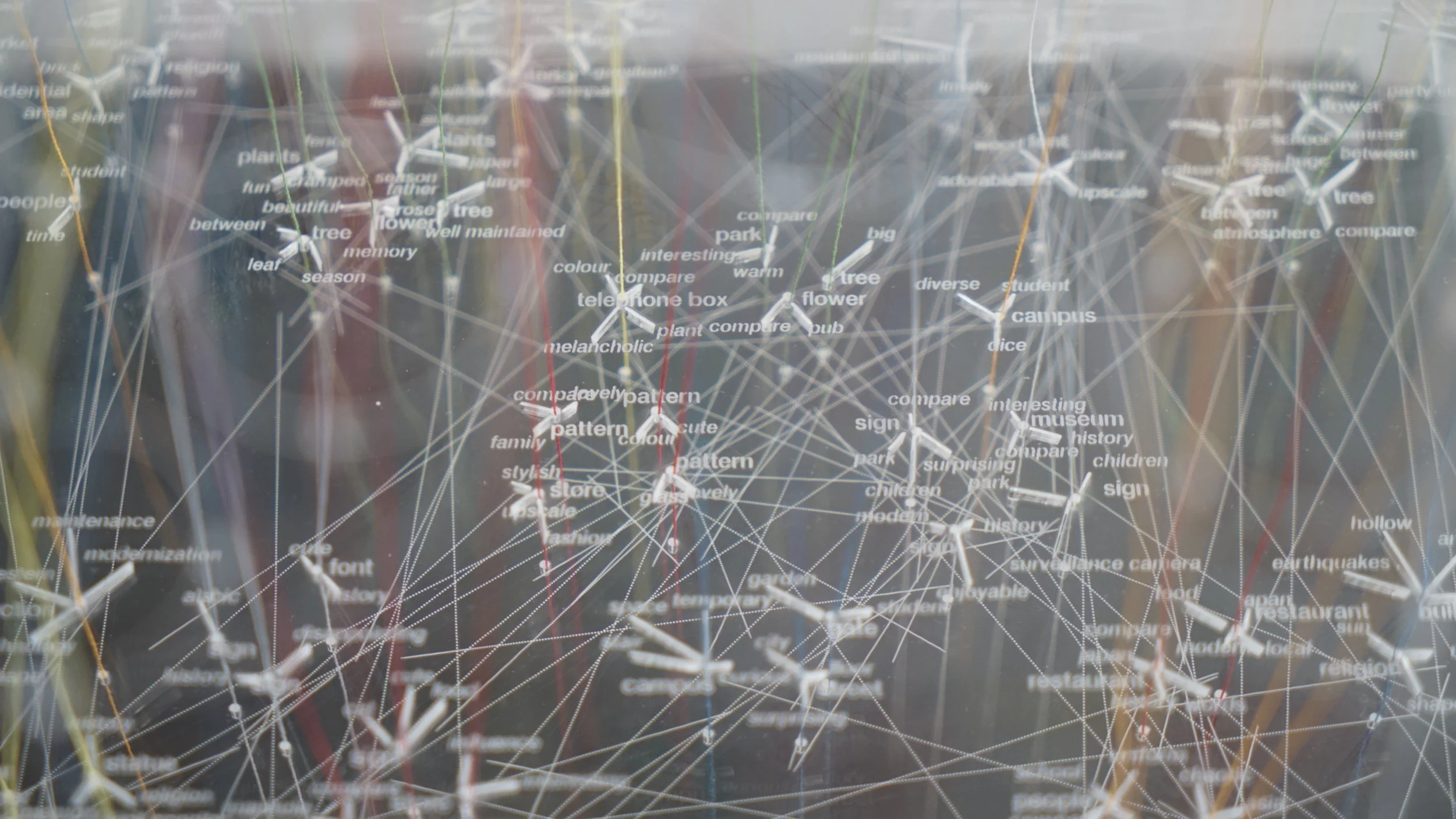
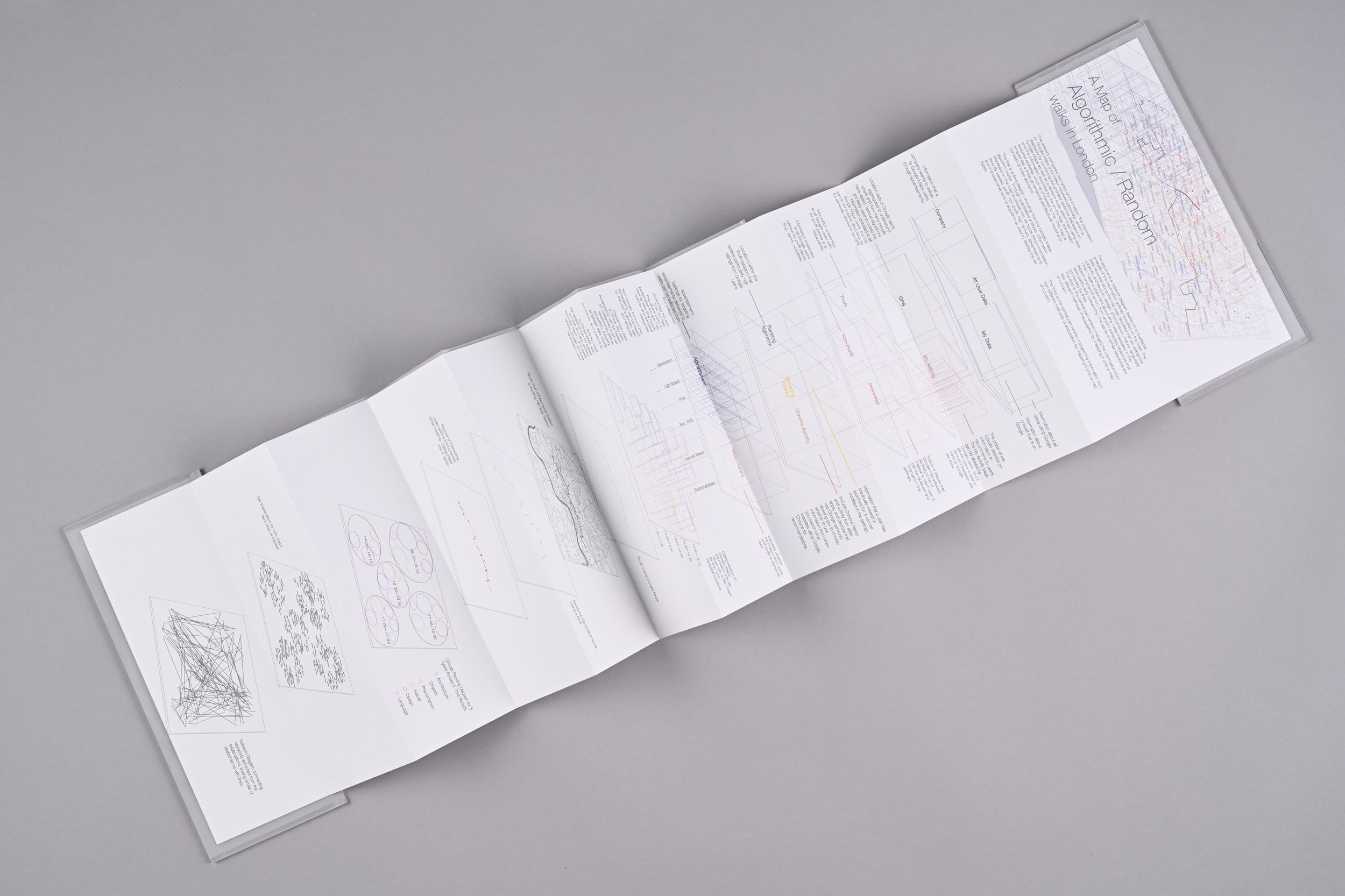
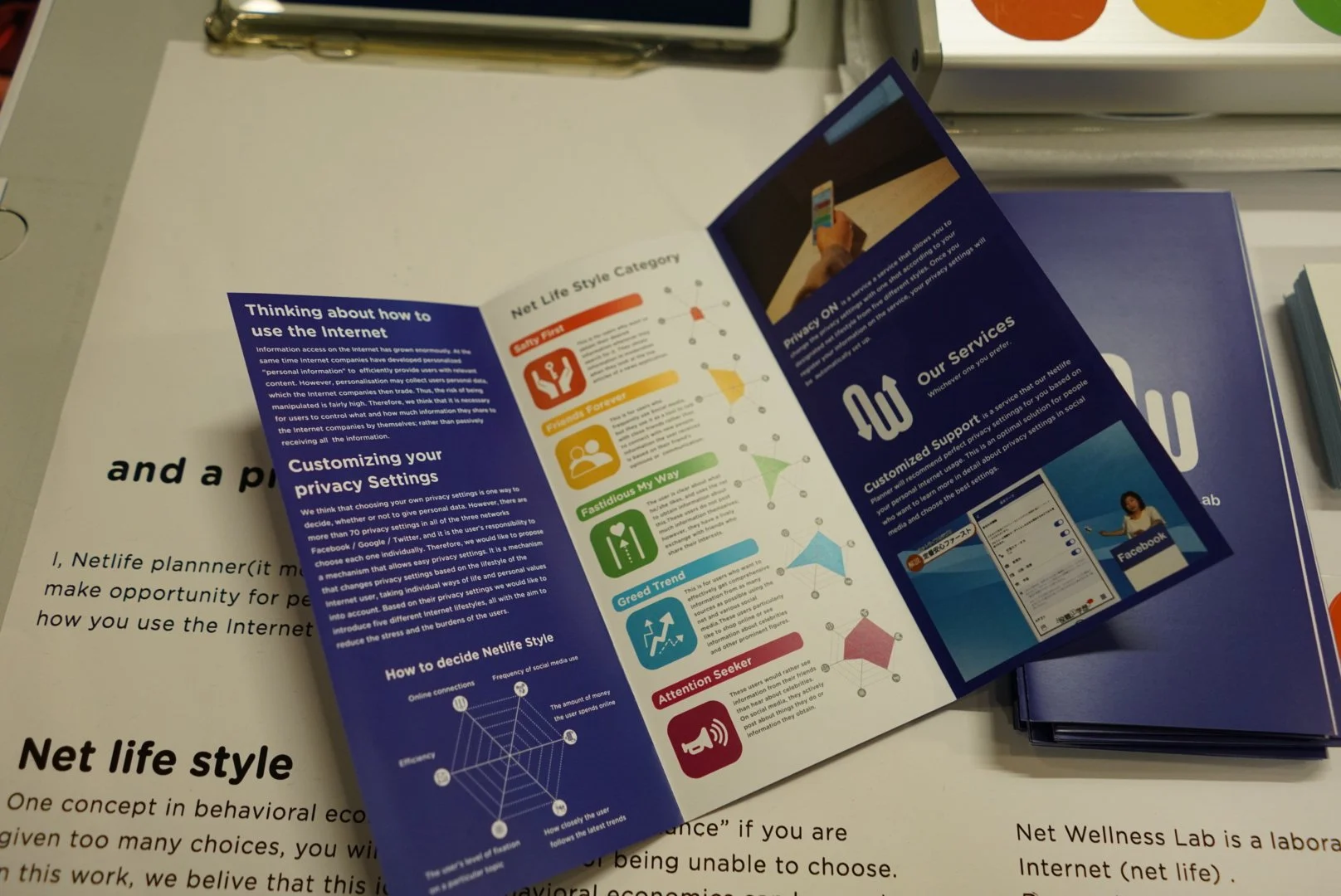
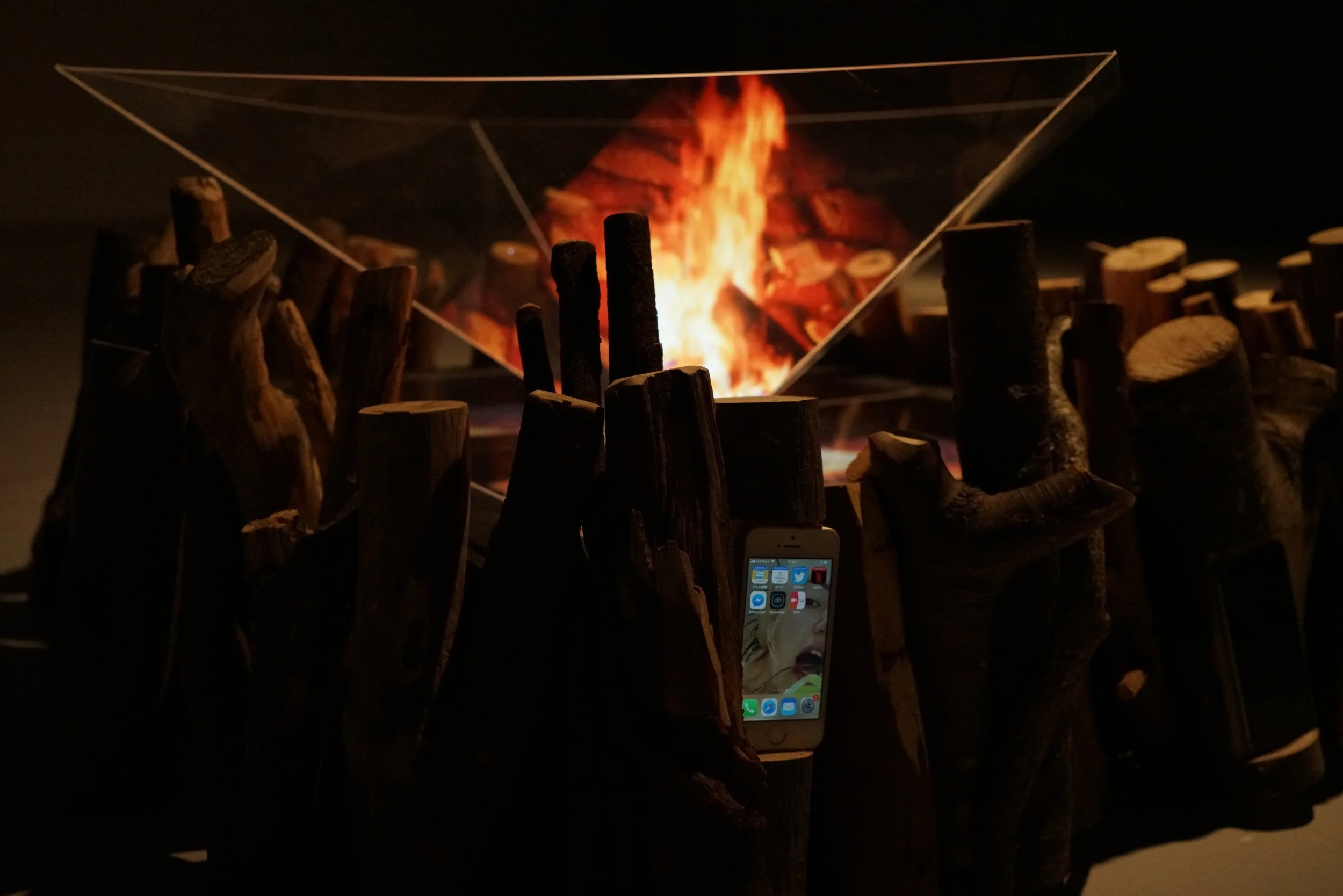
Today, my work often reconstructs algorithmic processes—such as Google Maps’ routing logic—or explores automated privacy settings as a way to transform hidden computational processes into experiences that can be felt and questioned. Algorithms increasingly shape the structures of our cities and societies, yet their presence remains largely invisible. For me, art is a powerful way to reveal these concealed mechanisms and bring them into public consciousness.
Your work is deeply research-led. What does the beginning of a project usually look like for you?
My projects often begin by taking a step back and observing the technologies we use every day. New features and updates are constantly added to our devices—often without us noticing—and our behaviour gradually adapts to them. I pay close attention to these unnoticed shifts and the moments when something feels slightly “off.”
Simple questions like “Why does this app behave this way now?” or “Who was this feature designed for, and with what intention?” often become the seeds of a new project. By unpacking these small moments of curiosity, I start to see the underlying mechanics and power structures at play.
From there, I move into research—looking at documentation, technical behaviour, academic texts, or urban observations—before translating those findings into forms that can be experienced physically or visually. This process of questioning, analysing, and materialising is central to how my projects develop.
Many of your projects explore hidden systems like surveillance, automated decision-making, and recommendation engines. What draws you to these invisible forces?
My interest in these invisible systems is strongly connected to my time working at an internet advertising agency. It was there that I learned how personal data circulates behind the scenes, enabling users to access “free” services while their information becomes part of a larger economic system. Witnessing how everyday online behaviour is repurposed within corporate infrastructures was eye-opening.
Another pivotal moment was learning about the role Cambridge Analytica played during Donald Trump’s first presidential campaign. Their use of Facebook data for targeted political advertising revealed how recommendation systems and algorithmic profiling could influence public opinion and behaviour on a large scale.
These experiences made me acutely aware of how algorithms shape decision-making and values in ways that are often subtle and unnoticed. I became interested in revealing these systems not only technically, but also culturally and emotionally—examining how they affect the rhythms of everyday life.
In your view, what’s one algorithmic mechanism most people interact with daily without realizing it?
One of the most influential yet unnoticed mechanisms is the ranking algorithm. We encounter it constantly—search results, social media feeds, restaurant listings, video recommendations, even the routes suggested by mapping apps.
The “order” of information feels natural, but it subtly guides our decisions: which café we choose, which article we read first, which route we take through a city. Although these rankings often appear neutral, they reflect specific design choices and priorities embedded in the algorithm.
Because ranking feels invisible, we rarely question it—but it quietly shapes how we move, consume, and understand the world. For me, this hidden influence makes it one of the most fascinating algorithmic systems to study.
How do you think artists can meaningfully intervene in or expose these systems?
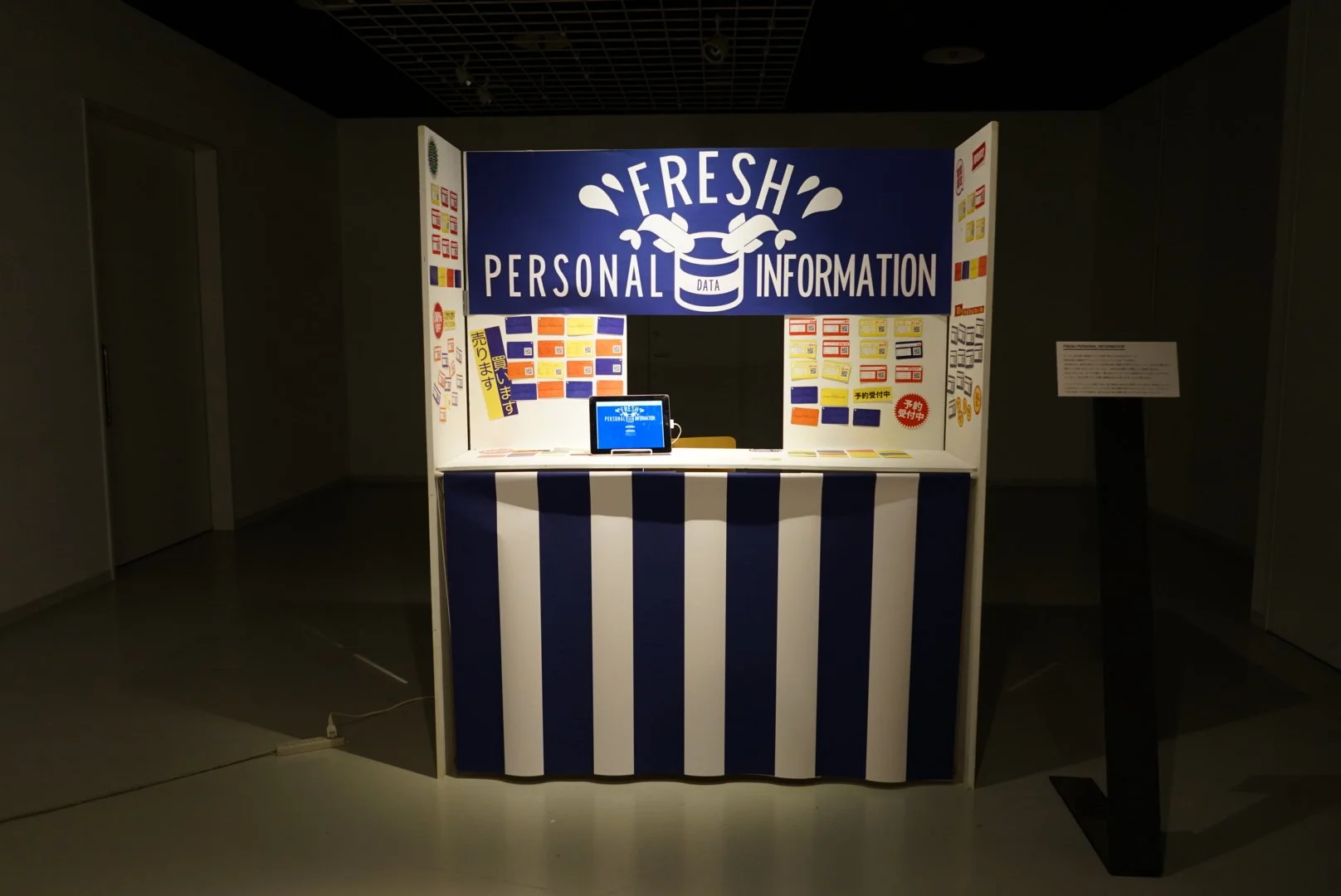
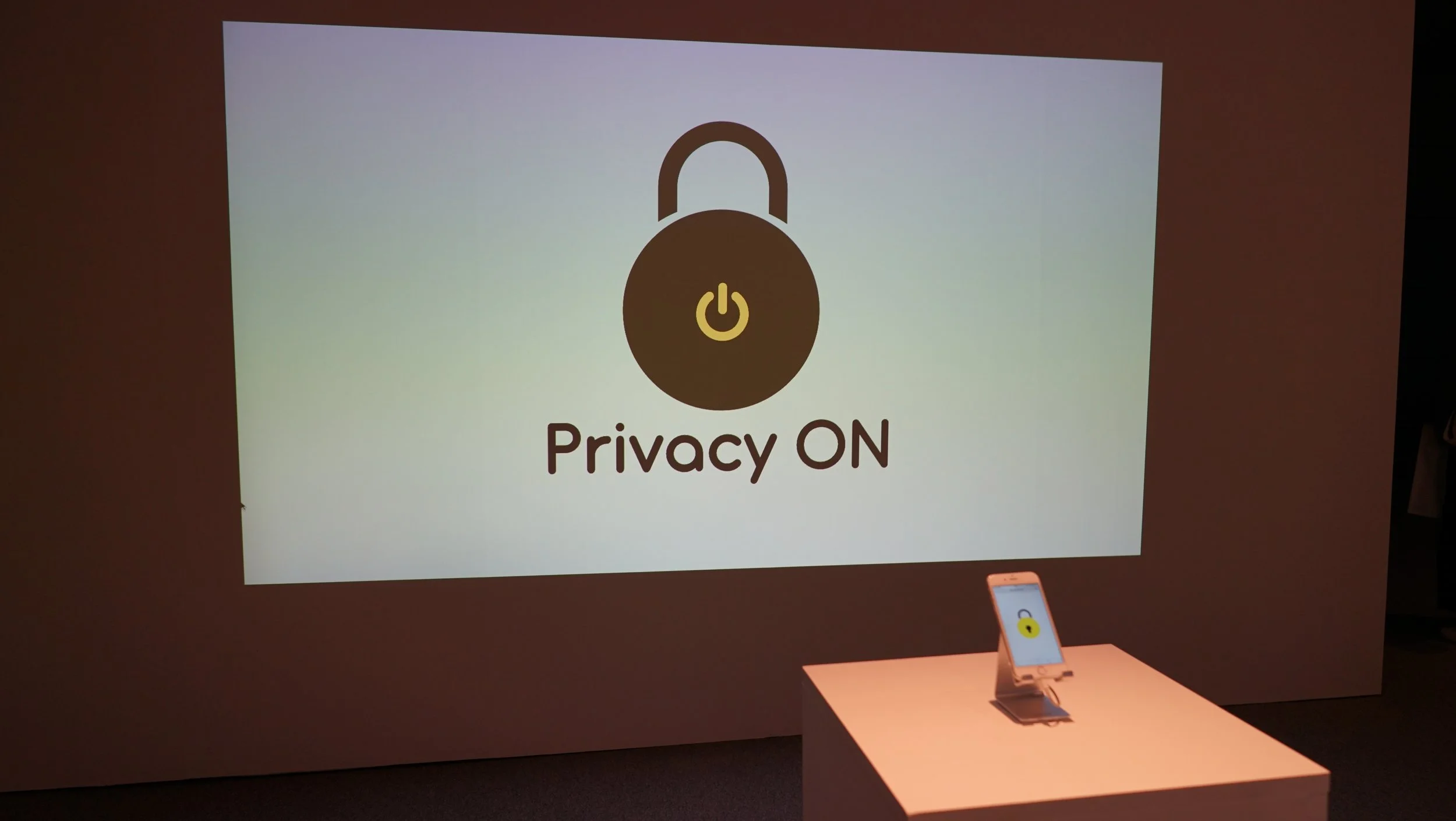
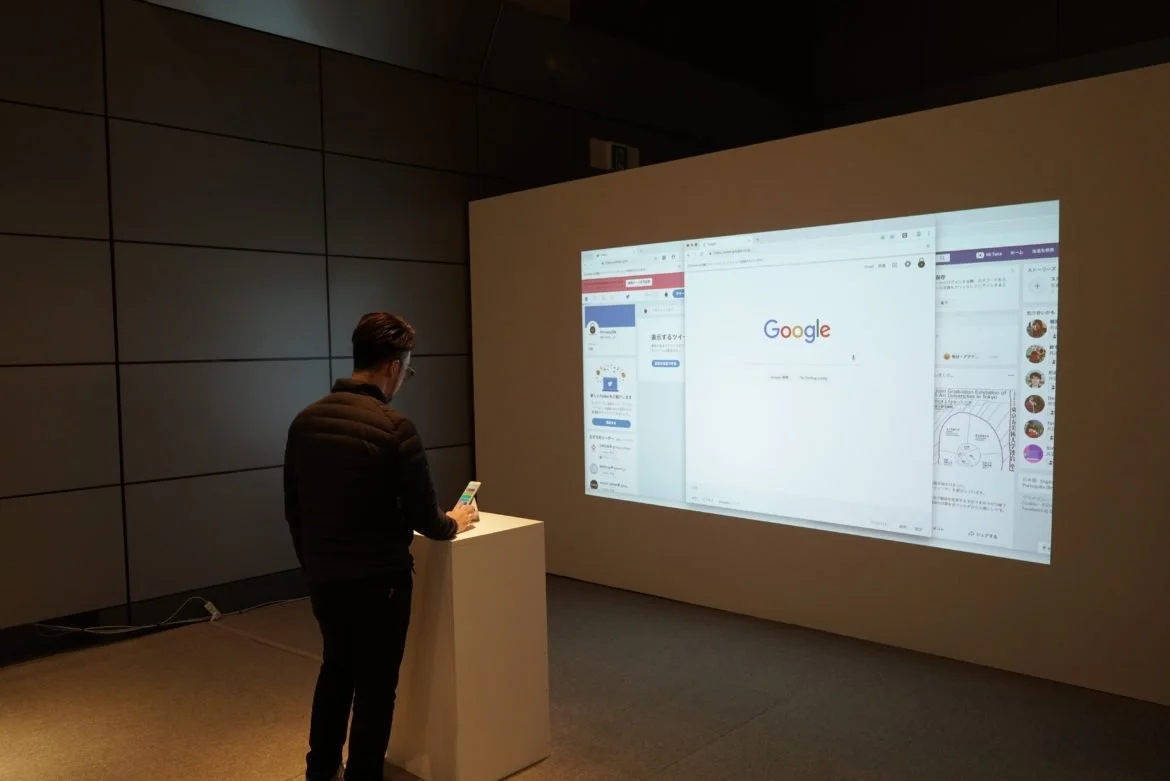
I believe artists can intervene by creating works that reveal or disrupt the internal logic of these systems. For example, I once developed a piece that automatically adjusted the privacy settings of Facebook, Google, and Twitter (X). While we can’t directly alter the core algorithms—especially when using these platforms for free—modifying privacy settings becomes a small but concrete way to influence how data is handled and how the system responds.
Visualisation is another form of intervention. Platforms like X publicly share parts of their recommendation system, making it possible to analyse or reinterpret its structure. However, most companies keep their algorithms opaque, treating them as black boxes. That gap between what shapes our lives and what we’re allowed to see is exactly where artistic intervention becomes powerful.
Your work often looks at how cities are shaped by data. What aspects of contemporary urban life feel most transformed by algorithmic decision-making?
One of the most dramatic shifts is how our movement through the city is quietly guided by algorithms. Google Maps now displays real-time congestion data and automatically suggests alternative routes. People follow these suggestions almost unconsciously, meaning that the flow of the city is subtly reorganised by the algorithm itself.
Similarly, ranking and recommendation algorithms influence where we go—restaurants, shops, exhibitions—because visibility determines desirability. Urban choices increasingly reflect what algorithms present to us first.
Historically, cities were shaped by architecture, infrastructure, and human behaviour. Today, algorithms act as an additional, invisible layer of urban planning. This transformation is a major starting point for my work.
Is there a specific urban experience that continues to inform your thinking?
My experience living in Tokyo has had a lasting influence on how I think about cities. In recent years, I’ve noticed that many neighbourhoods have become filled with the same kinds of restaurants, shops, and malls—places shaped by trends that spread rapidly online. The unique character that once defined different districts feels increasingly diluted.
Recommendation systems and targeted advertising accelerate this cycle. Something becomes popular for a moment, related stores appear everywhere, and once the trend fades, they disappear just as quickly. This constant turnover creates a sense of homogenisation across the city.
Observing this shift made me think deeply about how technology influences not only individual behaviour but also the identity of urban spaces. That awareness continues to shape my artistic practice.
What is a fun fact about you?
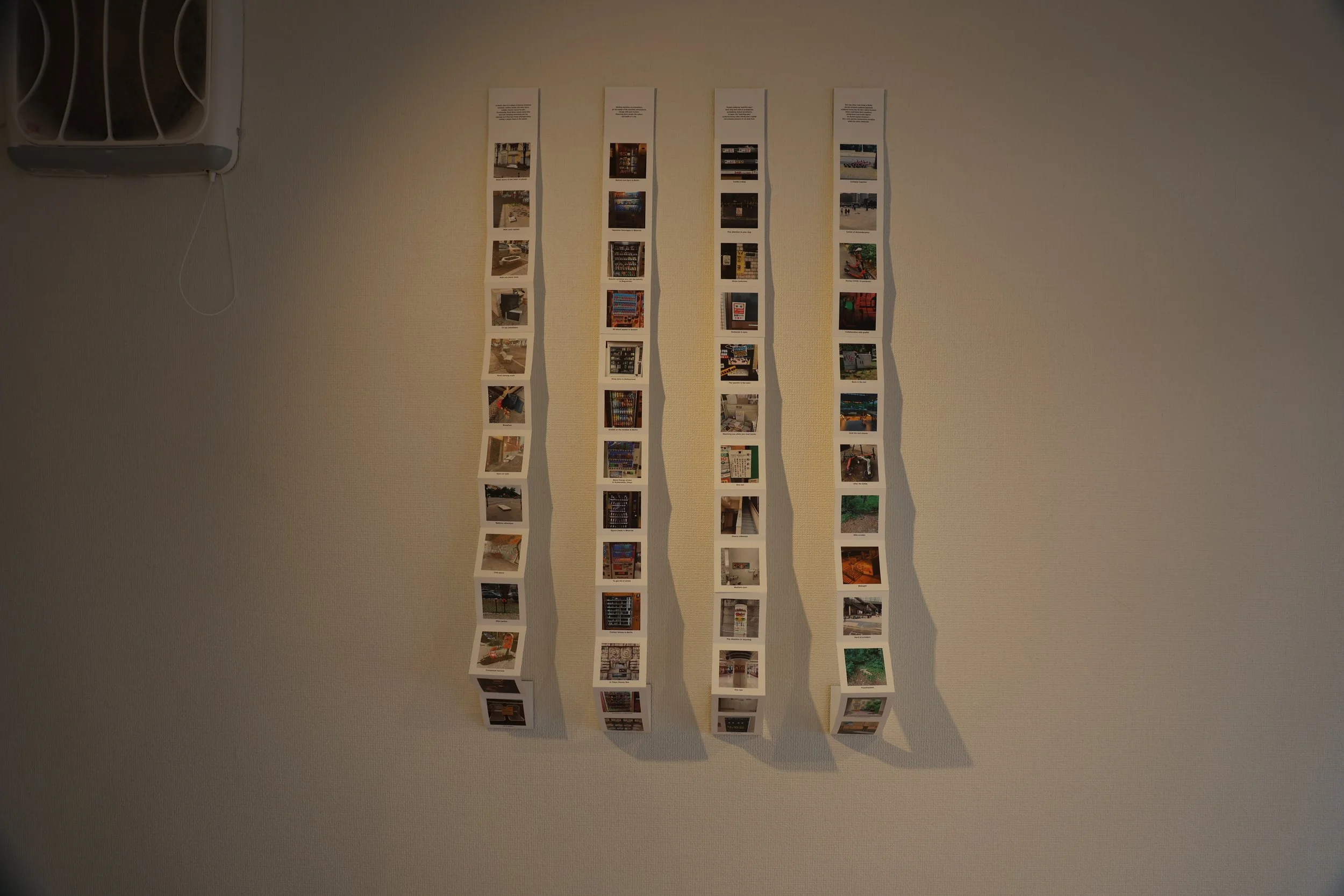
I’ve always loved collecting things based on small themes I find in daily life. For example, photograph vending machines I come across, or I pick up unusual character goods. These objects often reveal something about the culture of the place where I found them, which I find fascinating. Last year, I even made a zine using photos from one of these collections. This habit of observing and gathering small details often finds its way into my artistic process.
What else fills your time when you’re not creating art?
I spend a lot of time outdoors, and I especially enjoy visiting galleries and museums. One of the things I love about London is that you can encounter everything from historical objects to cutting-edge contemporary art in a single day. Exploring these spaces offers a different rhythm from my studio work and provides essential inspiration and input for my practice.
Are you our next spotlight artist? Submit the form to apply to be featured!
We share works by digital artists as well as digital arts exhibitions, events, and open calls daily on Instagram — follow us for more and subscribe to our newsletter so you don’t miss new blog posts.


![Project Spotlight: pifmgr.dll’s [M]ETAL✨ @pifmgr.dll is a digital artist working at the intersection of audiovisual design, 3D experimentation, and atmospheric world-building. His project [M]ETAL explores metal both as a physical material and a](https://images.squarespace-cdn.com/content/v1/63b2fdbe4376de5bfdc6771f/1779108338452-QO04Q3MMJ3VMU8PJV1MD/image-asset.jpeg)