Between Brutalism and Biomorphism: pifmgr.dll’s [M]ETAL
By Cansu Waldron
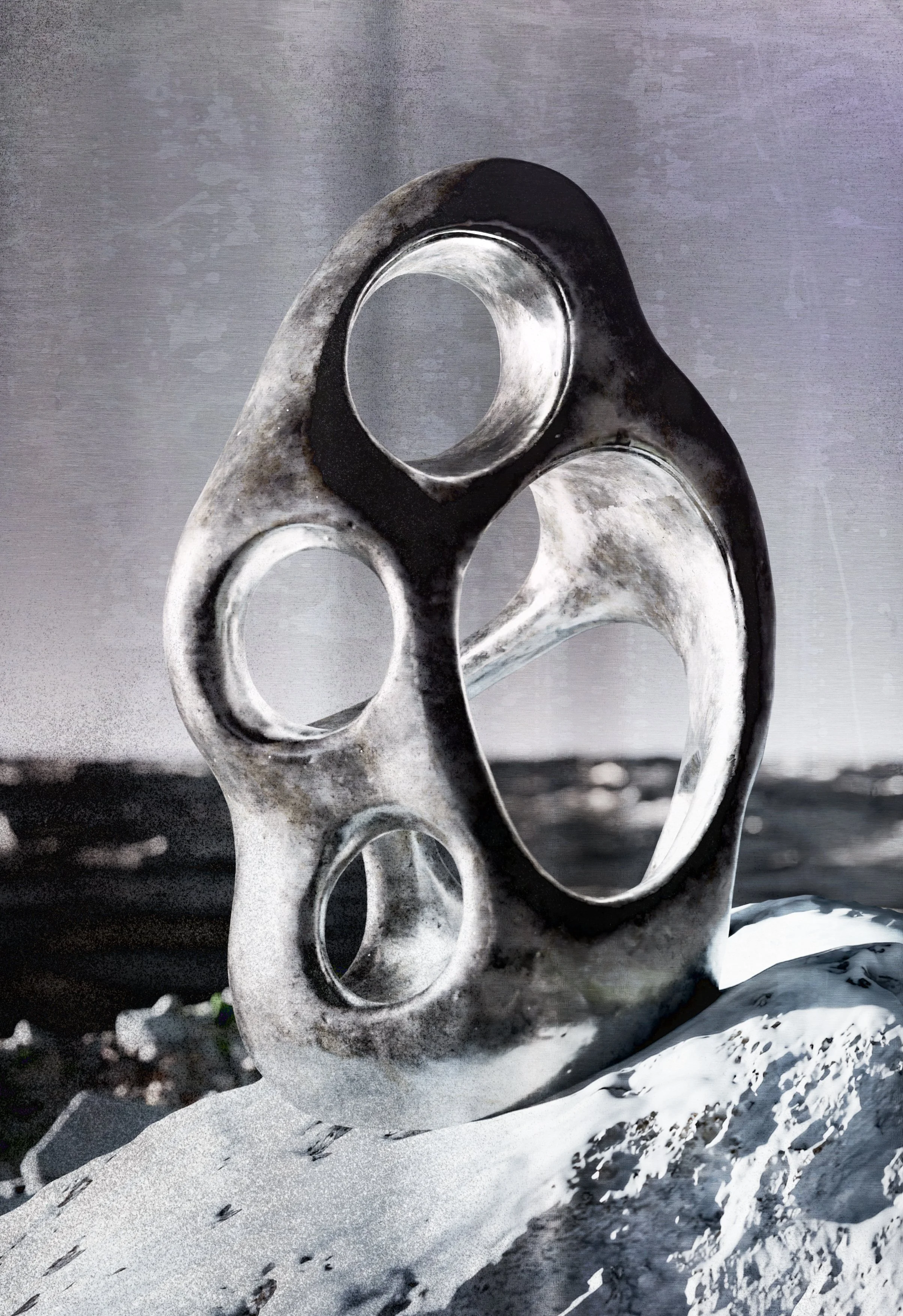
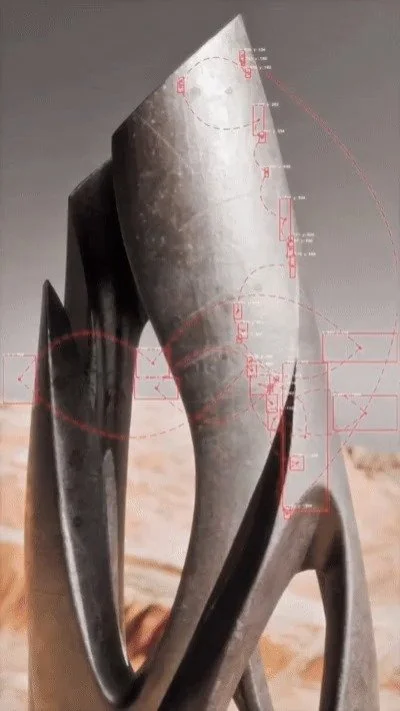
pifmgr.dll is a digital artist working at the intersection of audiovisual design, 3D experimentation, and atmospheric world-building. His project [M]ETAL explores metal both as a physical material and as a symbolic image — something simultaneously rigid, industrial, alien, and unexpectedly fragile. Built around nine digitally created objects, the project examines form, surface, and volume through carefully constructed visual tension, using digital tools to give seemingly inanimate structures a sense of presence and life.
Working entirely within a digital environment, pifmgr.dll combines 3D modeling, motion, sound, and post-processing into a unified creative process. The objects in [M]ETAL were modeled and rendered in Blender, refined in Photoshop, animated in After Effects, and paired with original sound design and music created in Ableton. For him, the audio and visual components are inseparable, designed together as a single immersive experience rather than independent layers. His practice reflects an interest in how digital spaces can evoke materiality, emotion, and atmosphere through carefully controlled audiovisual composition.
We asked pifmgr.dll about [M]ETAL, his creative process, and inspirations.
Can you tell me the story behind how [M]ETAL first started? What was the initial spark?
The idea for [M]ETAL came about around a year and a half ago, when I started delving deeper into 3D graphics and felt the desire to create not just a single object, but an entire conceptual project with its own visual system and atmosphere. Almost immediately, metal became the center of this idea – a material I had always been intuitively drawn to.
Before working in 3D, I was involved in graphic design, but over time I began to feel constrained by the flat surface. 3D opened up a completely different sense of freedom for me: the ability to literally build space and work with light, material, form, and atmosphere.
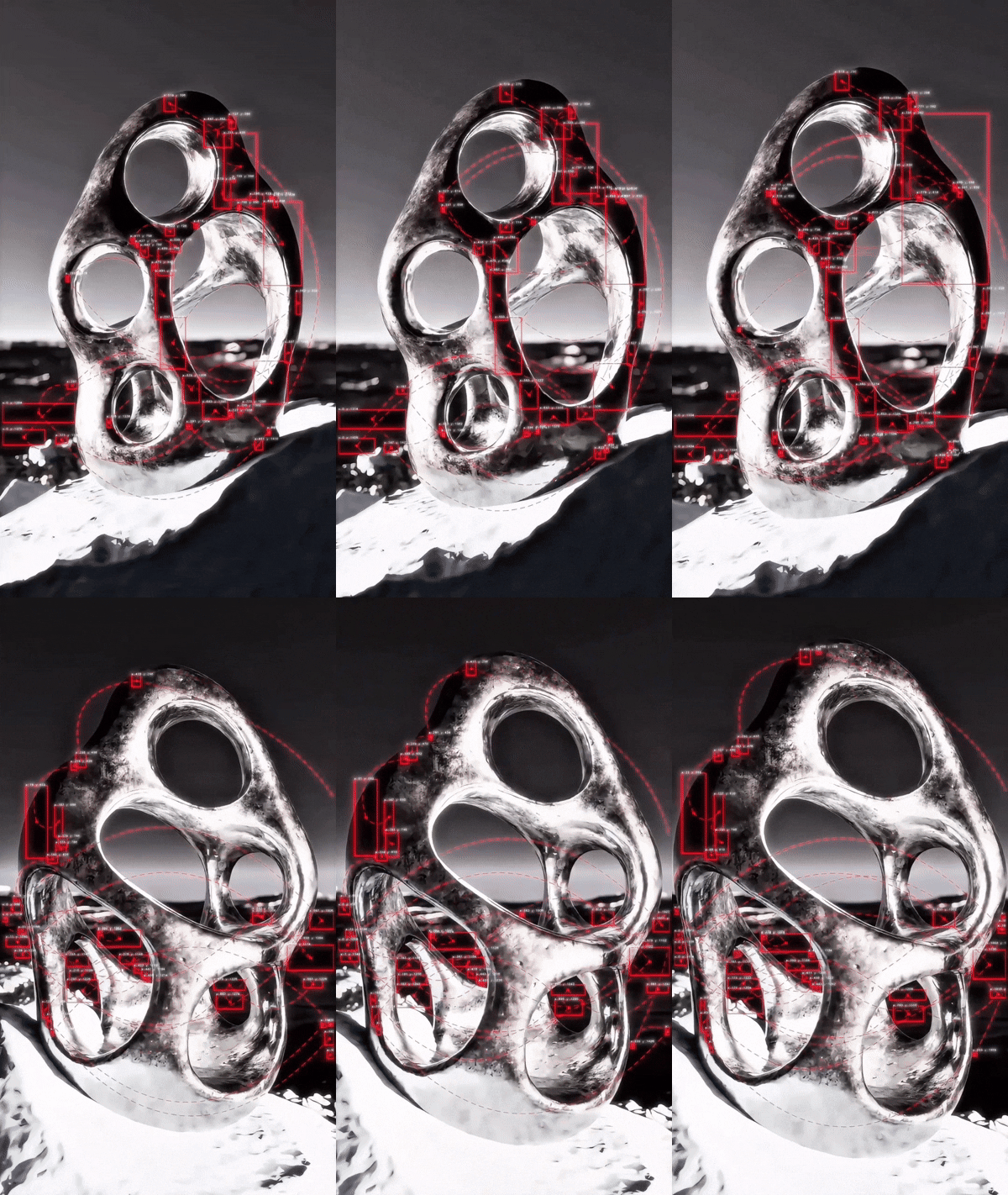
The first object, AMORPH, appeared almost accidentally during experiments in Blender. At that point, I didn’t yet understand what the project would eventually become. I was creating forms and discovering compelling imagery, but there was no coherent system or idea holding everything together, so I put the project aside for a while.
A year later, I returned to it with a different perspective. I realized that [M]ETAL was not simply a series of visuals, but a collection of objects, each with its own state, character, and voice. That’s when the idea emerged to connect every object with its own soundtrack and build a unified audiovisual environment.
[M]ETAL treats metal as both a material and a metaphor. What drew you to metal specifically, and what does it allow you to express that other materials wouldn’t?
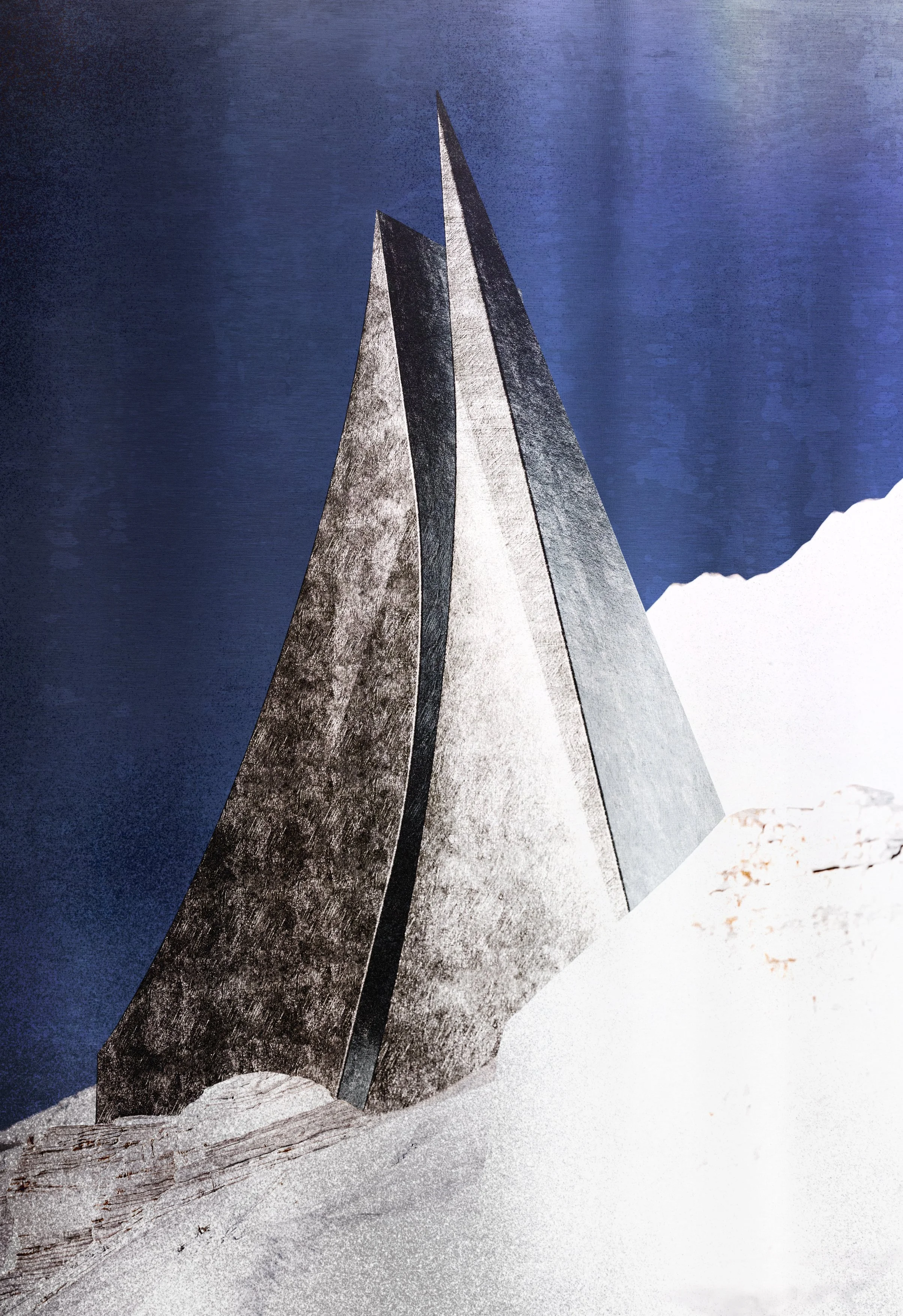
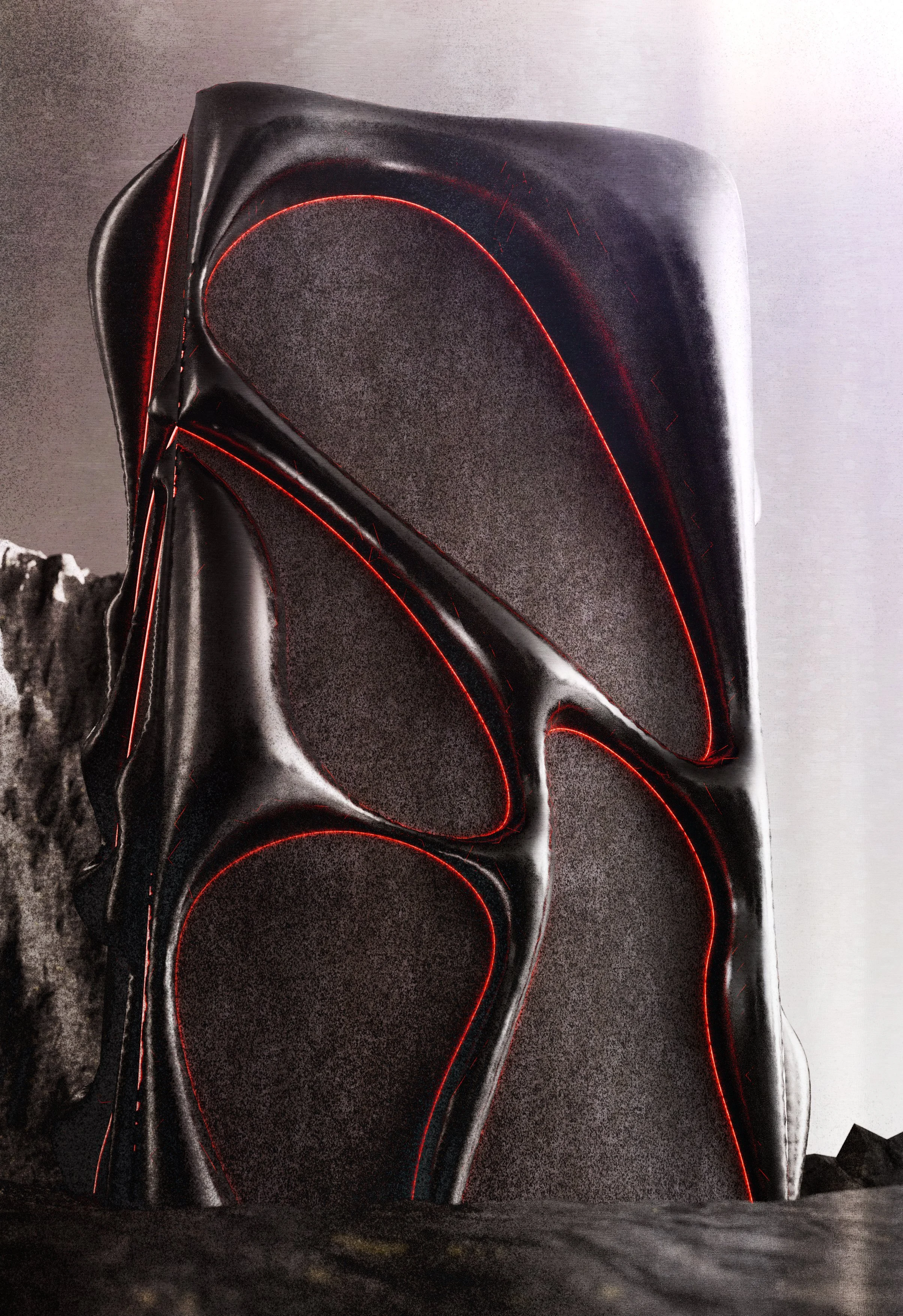
Metal has always attracted me because of its duality. At first glance, it appears cold, heavy, and impenetrable, but the longer you look at it, the more vulnerable it begins to feel: micro-cracks, corrosion, creases, traces of time and pressure. At a certain point, the material stops seeming monolithic and starts to reveal its fragility.
It is precisely this contradiction that led me to [M]ETAL. Neither wood, nor plastic, nor any other material creates such a strong contrast between strength and inner instability. Metal allows me to speak about tension that outwardly appears as power and control, while internally concealing vulnerability.
You describe metal as “hard, unyielding,” but also carrying fragility. How do you explore that contradiction visually in your work?
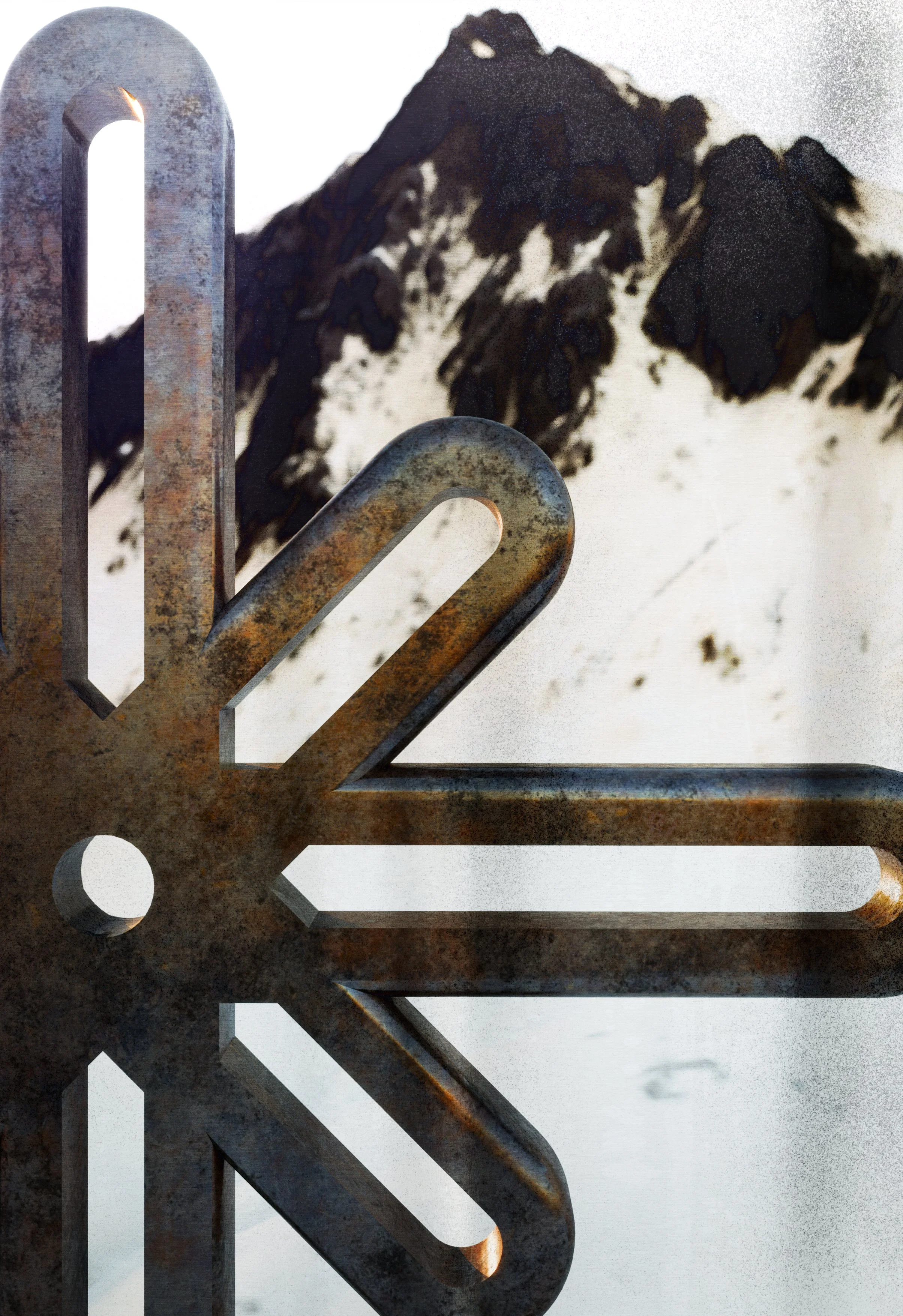
For me, the fragility of metal exists not in spite of its strength, but within it. It is already embedded in the material itself – in fractures, corrosion, deformations, and cracks. Even when metal appears monolithic and unshakable, an inner vulnerability can still be felt.
In my work, I am interested in presenting the object as a solid, resilient mass – a monumental form that retains tension without collapsing. It was important for me to create a sense of something stable yet emotionally ambiguous.
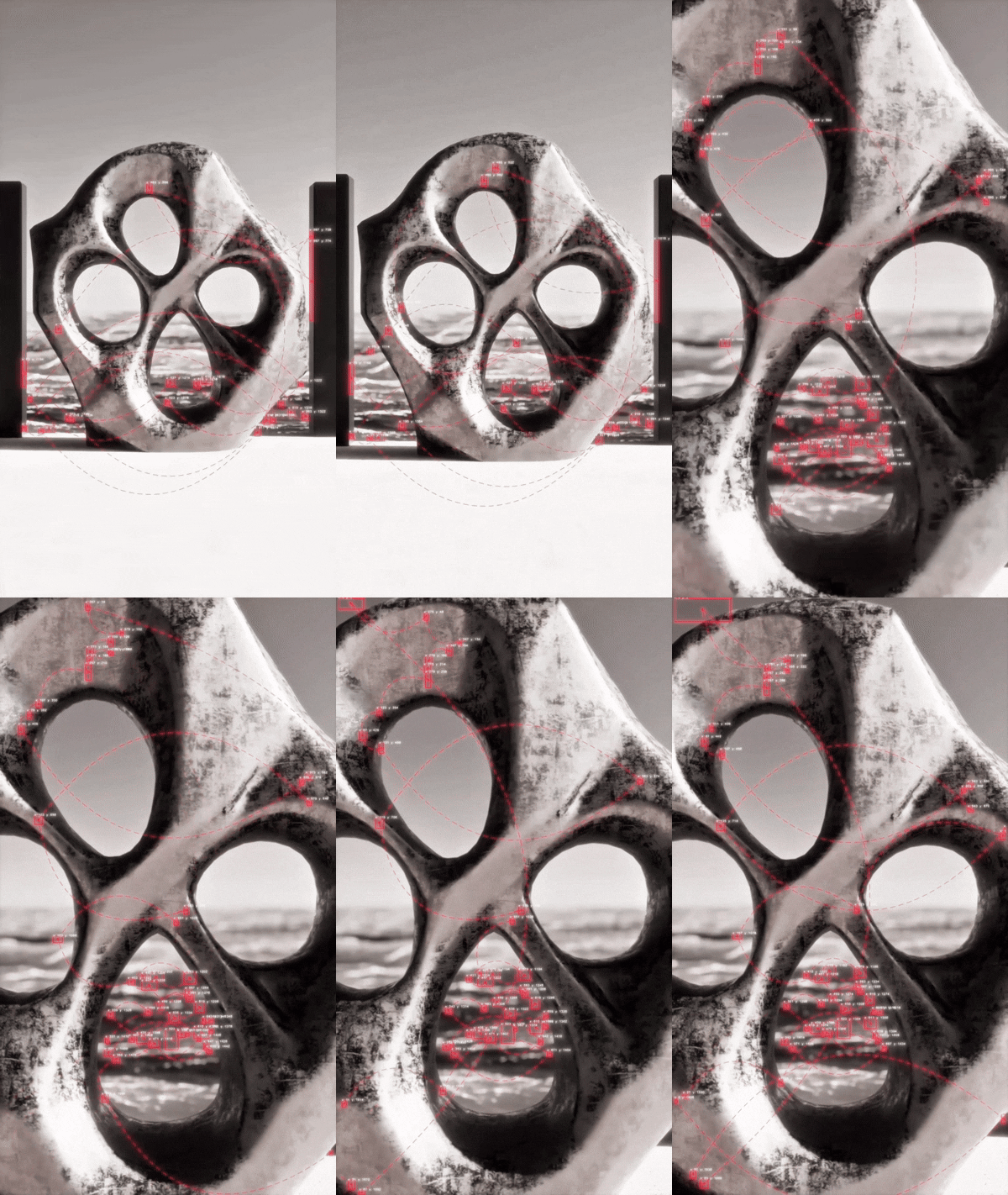
Light plays a huge role in this process. It is one of the main tools I use to shape the character of an object. Through light, metal begins to reveal itself: in some areas the surface appears smooth and cold, while in others its imperfections suddenly emerge. Light does not hide the material’s weak points, but instead turns them into part of its aesthetic language.
I’m interested in moments when an object evokes several sensations at once: aesthetic attraction, slight anxiety, uncertainty, and an almost physical sense of presence. For me, the visual life of the object is born precisely within this tension between monumentality and hidden fragility.
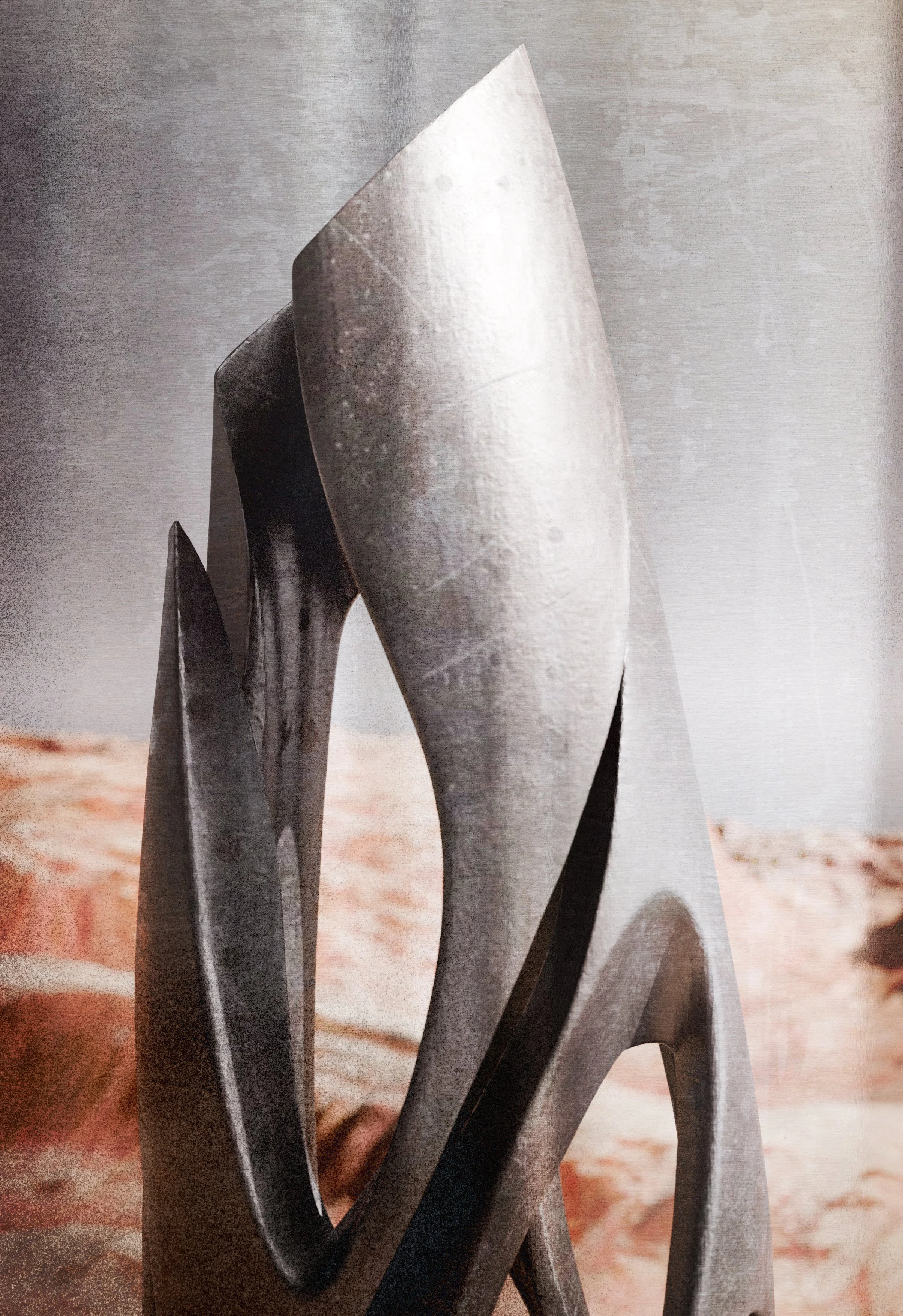
Each object has its own soundtrack, created alongside the visuals. How do sound and image influence each other in your process?
From the very beginning, it was important for me that [M]ETAL exist not only as a visual project, but as a complete audiovisual environment. The soundtrack for each object was created alongside the visual work in collaboration with musician and sound engineer Vladislav Parenkin (The Lecturer).
The music does not simply accompany the image or function as background sound. Instead, it reinforces the internal state of the object – its character and sense of presence. Sometimes sound becomes the element that finally reveals the object emotionally.
For me, the moment an object becomes “alive” happens through the combination of form, space, light, and sound. At that point, it stops feeling like a 3D model and begins to exist as an independent artifact with its own atmosphere and internal logic.
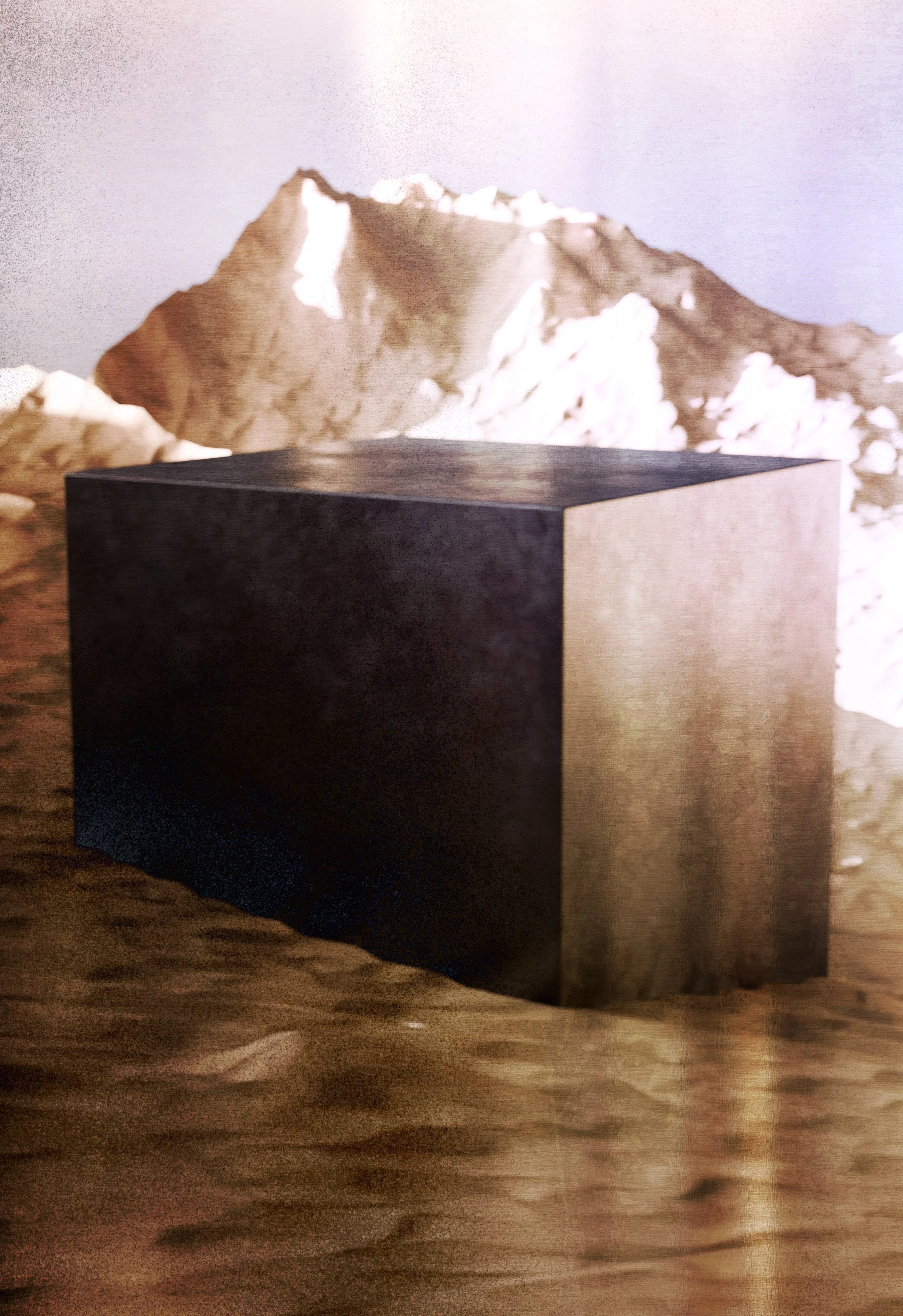
You mention the idea of an object “breathing life” through digital interpretation. What does it mean for a digital object to feel alive to you?
For me, a digital object becomes “alive” not at the moment of modeling, but when the entire environment around it comes together – space, light, and sound. Music does not so much create the object’s character as reinforce it. Eventually, the object stops feeling like merely a form and begins to exist as something separate from me.
I often perceive the objects in [M]ETAL as artifacts of unknown origin – something alien and inexplicable, as if discovered in a foreign environment or another time. They exist somewhere between biomorphism and brutalism: frozen in space, yet fluid at the same time, combining industrial aesthetics with organic qualities. A strict, almost monumental form collides with an underlying sense of vulnerability.
Perhaps that contradiction is what makes them feel alive to me.
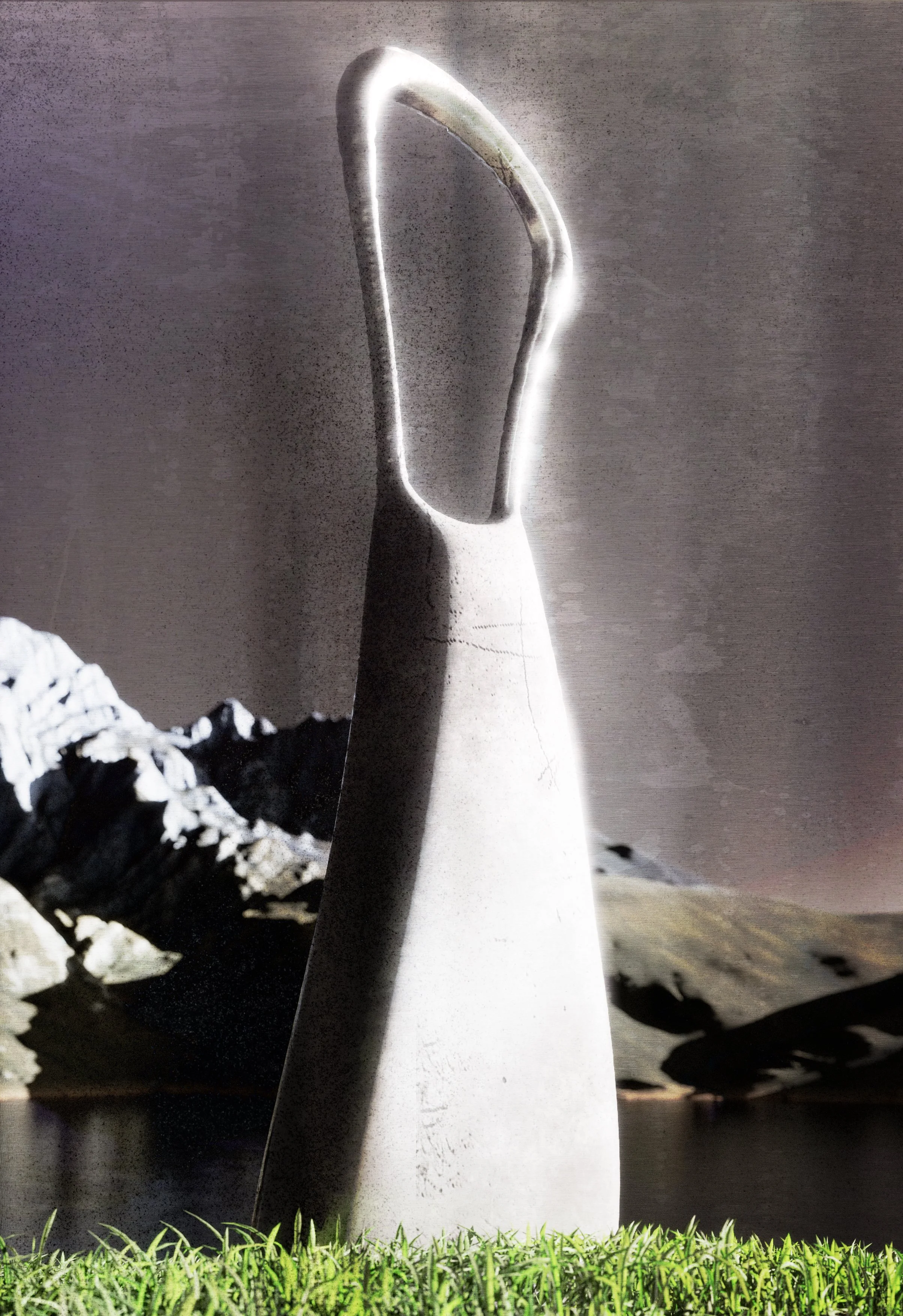
What does a typical day in your practice look like when you’re in the middle of a project like this?
I usually begin working during the day, but my most productive state comes closer to night. It is at night that the necessary concentration and sense of isolation from the outside world appear, making it easier to fully immerse myself in the process.
Work almost always begins with sketches. I rarely build a form according to a rigid plan; instead, I search for it intuitively through experimentation and sensation. While working, I almost always have coffee nearby to help maintain focus.
Of course, there are moments when the work simply does not come together. When that happens, I try not to force the process – I usually switch to other projects to create some distance. After some time, I return with a fresher perspective, and that is often when it becomes clear what was missing from the scene or form.
Were there any unexpected challenges or discoveries that shaped the direction of [M]ETAL?
Almost everything about the project turned out to be challenging at once – the technical side, discipline, and the internal understanding of what the project should become. The easiest part was probably generating ideas and imagery. The process of bringing them to life, however, was long and multilayered: it began with abstract drawings on paper, then moved into modeling, rendering, post-processing, and finally sound.
While working on [M]ETAL, I realized how important it is to continue working even during periods when inspiration is absent. For me, the process is not about waiting for the right state, but about constant movement: searching for references, writing down thoughts, or even simply turning ideas over in my mind. Gradually, the final result emerges from that process.
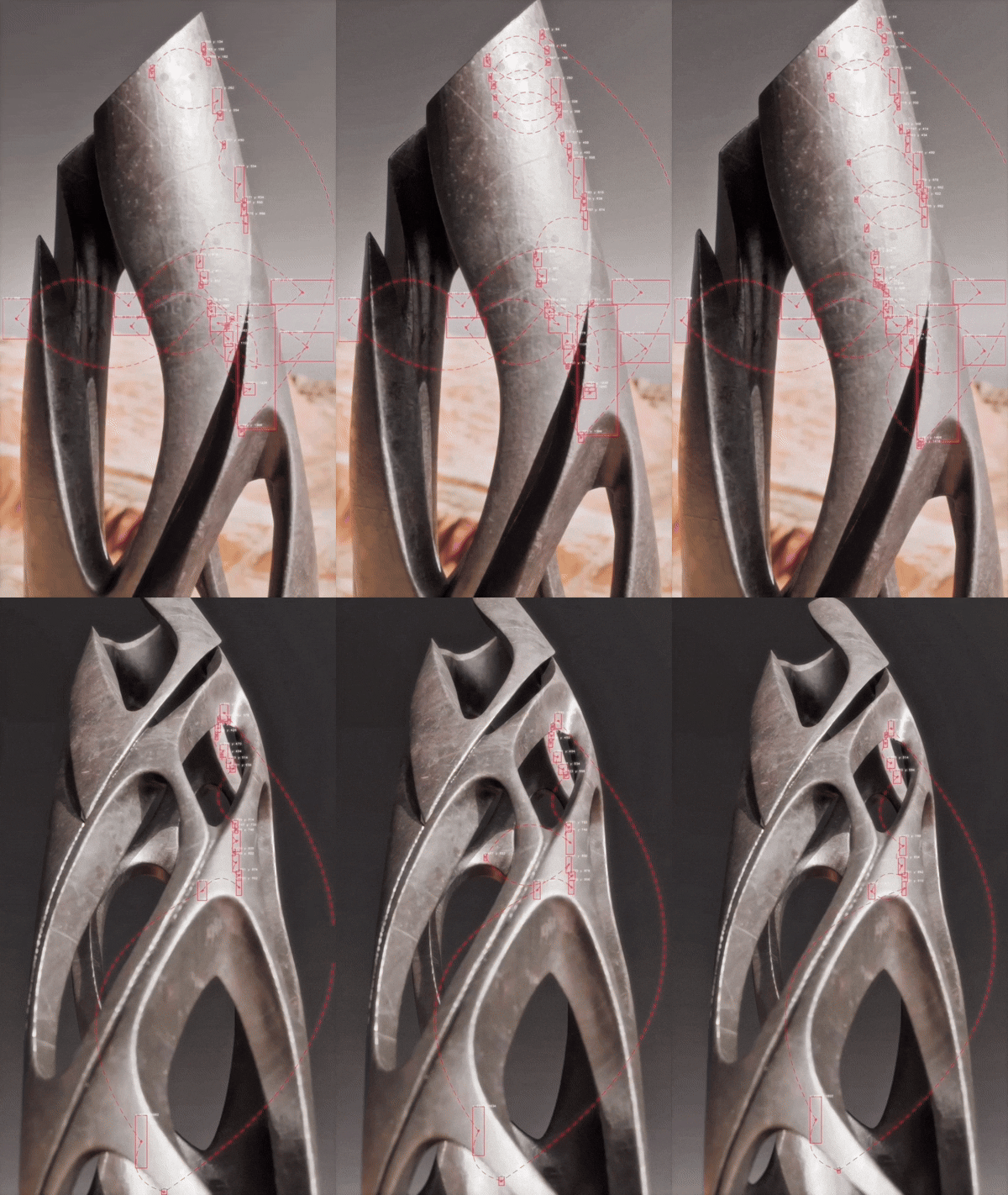
The project itself also changed significantly along the way. Initially, I imagined [M]ETAL as a series of twenty objects, but over time I realized I wanted the statement to feel more concentrated, so I reduced the project to nine. The music was also originally intended to function as a single atmospheric theme for the entire series, but later evolved into individual soundtracks for each object, which ultimately made them feel more independent.
One of the most important things I learned while working on the project was the importance of letting go of perfectionism. The constant desire to endlessly refine the work can eventually paralyze the process. At a certain point, you have to allow the object to exist as it has become. Without that decision, [M]ETAL might have remained unfinished in folders and drafts.
Are there recurring themes or ideas that you find yourself returning to across different projects?
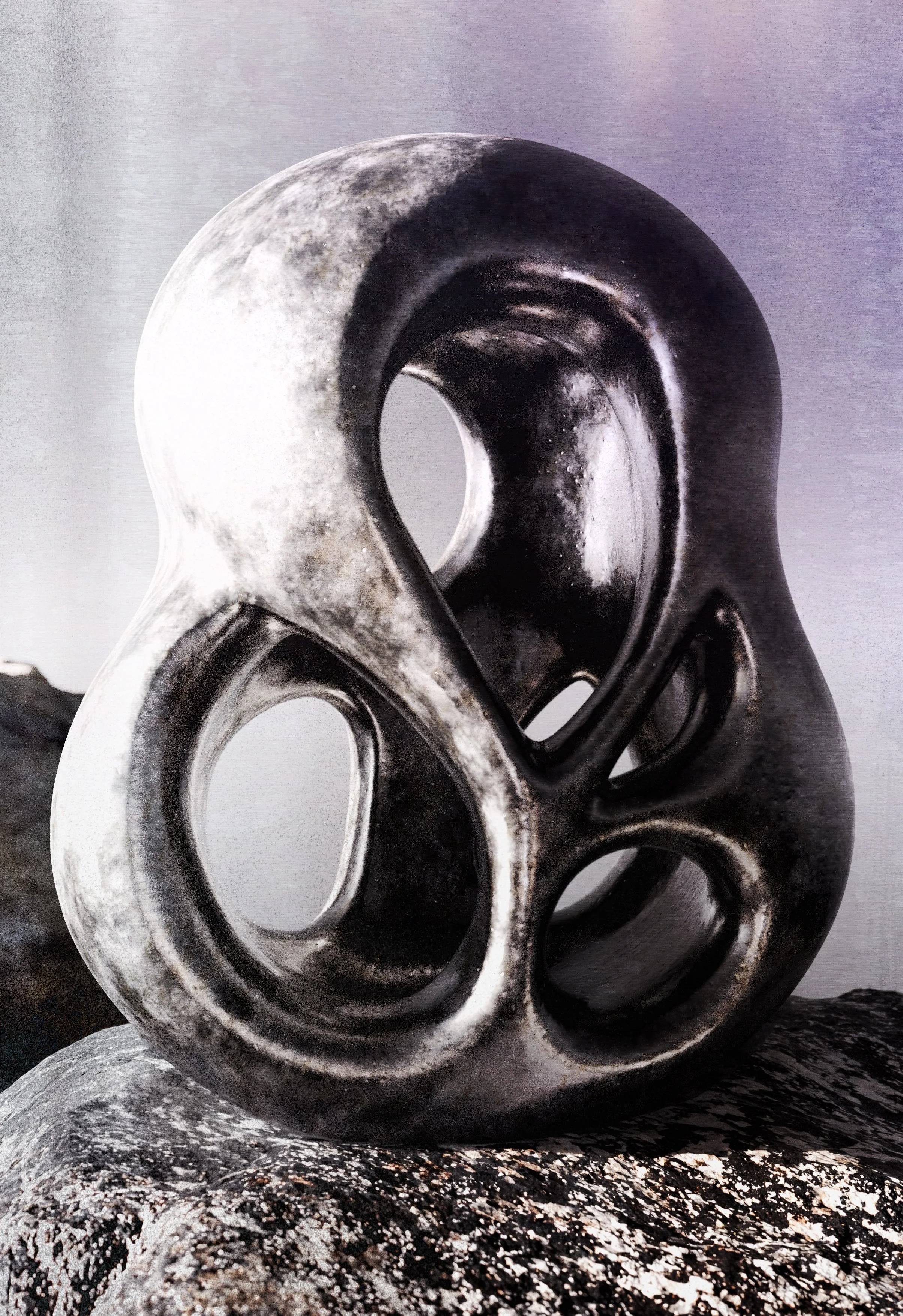
Almost all of my work, in one way or another, revolves around the idea of duality. I have always been drawn to states in which an object feels simultaneously monumental and fragile, alien and alive. The aesthetic aspect is important to me, but even more important is the sense of inner tension that remains after interacting with the work.
This was strongly influenced by the idea of ambivalence described by Lev Vygotsky in The Psychology of Art. He viewed contradiction as the foundation of artistic impact – the moment when form and content begin to conflict with one another, creating a complex emotional state in the viewer. That idea deeply resonates with me.
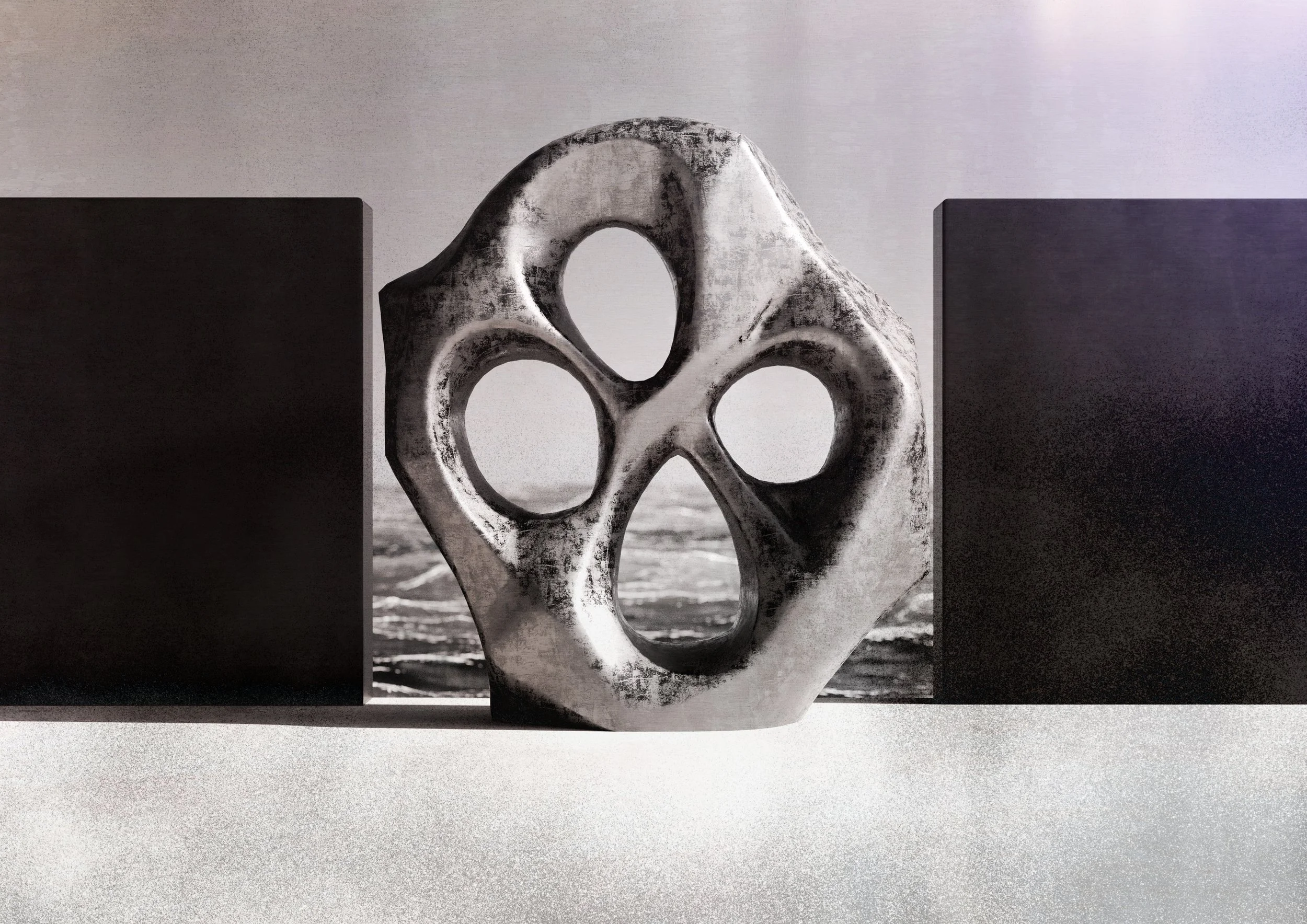
Perhaps that is why I am so drawn to contrasts: strength and vulnerability, rigidity and fluidity. I am interested in creating objects that resist a single interpretation. When a form simultaneously attracts and unsettles, when a sense of fragility suddenly emerges within monumentality – that is where true emotional depth begins for me.
To me, art becomes truly alive precisely when there is still space for contradiction and ambiguity.
Are you our next spotlight artist? Submit the form to apply to be featured!
We share works by digital artists as well as digital arts exhibitions, events, and open calls daily on Instagram — follow us for more and subscribe to our newsletter so you don’t miss new blog posts.
![Project Spotlight: pifmgr.dll’s [M]ETAL✨ @pifmgr.dll is a digital artist working at the intersection of audiovisual design, 3D experimentation, and atmospheric world-building. His project [M]ETAL explores metal both as a physical material and a](https://images.squarespace-cdn.com/content/v1/63b2fdbe4376de5bfdc6771f/1779108338452-QO04Q3MMJ3VMU8PJV1MD/image-asset.jpeg)