R. Gopakumar and the Art of Changing How We Think
By Cansu Waldron
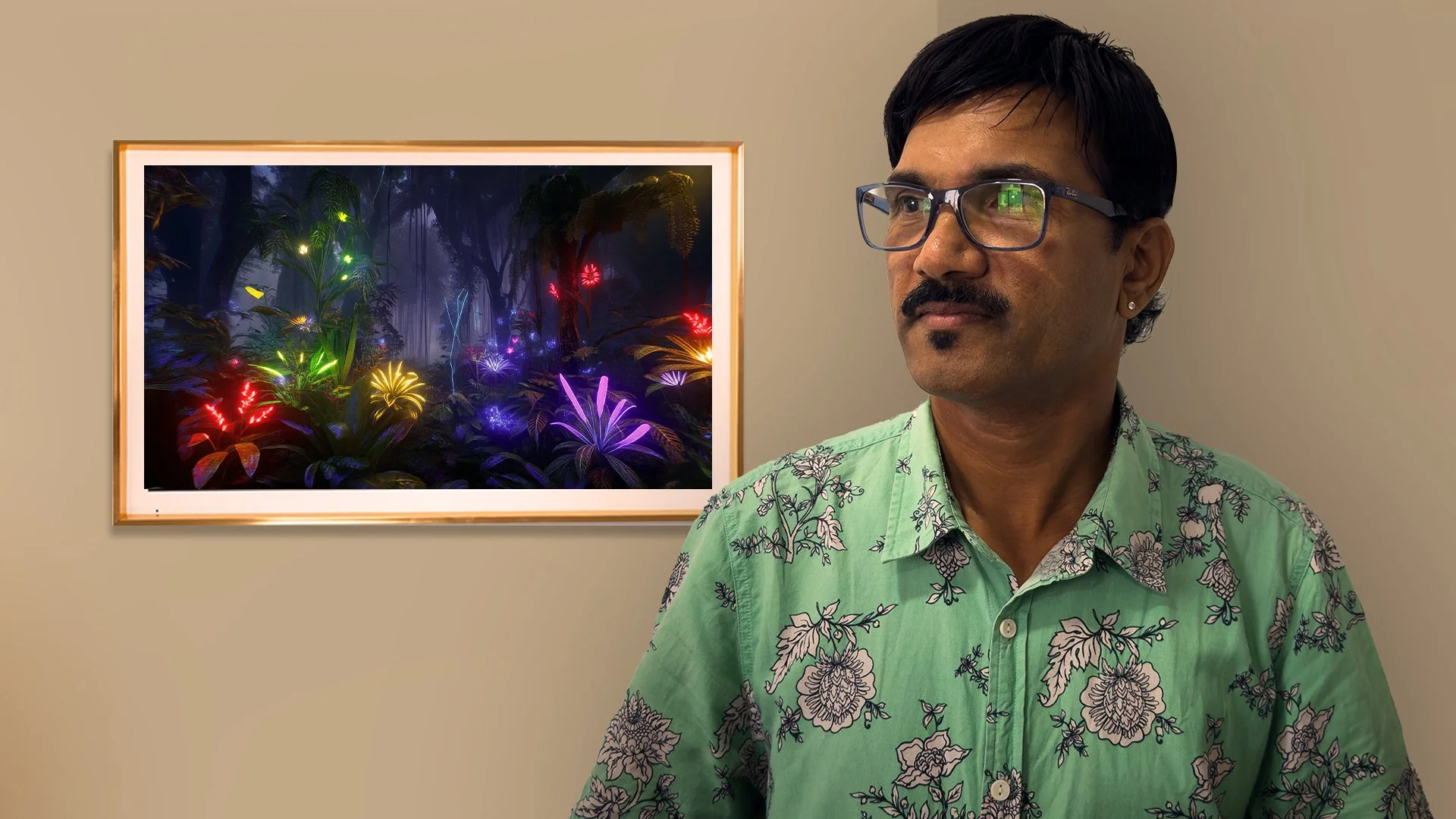
R. Gopakumar is an India-based multidisciplinary artist whose practice moves fluidly between art and technology. His work explores pressing environmental, social, and political questions, using digital and experimental approaches to create visually layered, thought-provoking pieces. With a focus on how technology shapes contemporary life, he treats it not just as a medium but as a critical lens — one that allows him to examine the complexities of the world we’re living in.
Gopakumar studied Fine Arts (Painting) at Raja Ravi Varma College of Fine Arts in Kerala, and later expanded his practice through programs at institutions such as the London Art College, the Museum of Modern Art, and Duke University. His work has been exhibited internationally, including at Saatchi Gallery and Tate Britain in the UK, as well as at the Kochi-Muziris Biennale. He has also shown at venues and platforms across the U.S., Europe, and Asia, reflecting a practice that continues to evolve across disciplines and global contexts.
We asked Gopakumar about his art, creative process, and inspirations.
Sedition
Your work explores the idea that art should transform our visual, intellectual, and aesthetic sensibilities. What experiences or influences first led you to think about art in this transformative way?
My thinking about art as something that must transform our visual, intellectual, and aesthetic sensibilities was first ignited by the Dadaists especially the work and attitude of Marcel Duchamp. But that belief became more structured and deeper after I studied 2012 the Contemporary Art Course at the Museum of Modern Art (MoMA), New York, USA, led by instructor Pablo Helguera. The course didn’t just introduce contemporary practices it trained me to see art as a system of experiences and decisions, shaped by how we evaluate and respond to it.
What stayed with me most from MoMA was the way the course focused on Beauty, Concept, Value, Experience, and Originality. Instead of treating these categories as separate topics, I began to understand them as forces that actively shape how art is perceived and how meaning is formed. I realized that “beauty” isn’t only visual pleasure it can also be a tool of persuasion or even a trap. “Concept” isn’t simply an explanation after the fact it can be the engine of the artwork. “Value” isn’t neutral it’s influenced by institutions, histories, and power. “Experience” matters because the viewer’s encounter completes the work. And “originality” can be questioned, tested, and even reinvented through context.
Ephemeral Void, Elements
Those ideas connected immediately with Duchamp’s Dada spirit. Encountering Duchamp’s readymades was a turning point because they embodied exactly what the course taught me: how concept and context can challenge visual expectations, how value is socially constructed, and how the viewer must actively interpret rather than simply admire. The objects didn’t ask for comfort they demanded skepticism and intellectual participation. In that moment, I began to understand art as an instrument of transformation: it could unsettle visual habits, challenge intellectual assumptions, and disrupt the usual agreement between “art” and “aesthetics.”
From Dada, I also learned that transformation can be intentionally critical. Artists like Duchamp didn’t simply want to create new images they wanted to expose the systems behind judgment itself: taste, authority, originality, and the rules that decide what “counts.” That reshaped my questions about art. Instead of only asking, Is it beautiful? I started asking, What does it make me doubt? What does it reveal about how I think? Dada taught me that aesthetic experience is inseparable from intellectual experience.
Later, I found a similar kind of urgency in the Young British Artists (YBA), particularly Tracey Emin. Her work showed me that transformation isn’t only formal it can also be deeply personal and confrontational. When I think of her bed, I don’t just see an object. I see a refusal to keep art “clean” in the way society expects. It transforms the viewer’s sensibilities by forcing negotiation with discomfort: vulnerability, honesty, memory, and the boundary between private life and public meaning. Emin’s work broadened what “aesthetics” can mean less about polish and control, more about presence and lived reality.
In that trajectory, I also came to understand Fluxus as a crucial bridge between critique and life an art movement that treats transformation as something immediate, playful, disruptive, and everyday. Fluxus wasn’t only interested in making objects; it was invested in actions, instructions, chance, misfires, and the small failures that reveal how much of “art” depends on framing and expectation. It helped me feel more concretely that art can alter sensibility not by presenting a finished ideal, but by changing the rules of engagement how attention works, what counts as an artwork, and how much authority the viewer is asked to accept. In Fluxus, the artwork is often inseparable from the situation around it: timing, gesture, interruption, audience participation, and the willingness to let meaning remain unsettled.
The Lungi
Within that Fluxus atmosphere, Nam June Paik felt like an artist who pushed transformation into the world of media itself. Where Dada challenged the stability of value and taste through context, Paik challenged stability through technology by treating communication systems as artistic material and exposing how media shapes perception. His work made me feel that “beauty” and “value” in contemporary life are not only aesthetic categories but media categories: they emerge from what images are allowed to appear, how audiences learn to read them, and which experiences become legible as “important.” Paik’s practice also aligns with what MoMA taught me about “experience” because his works don’t merely depict ideas; they place the viewer inside a sensory and conceptual negotiation with signal, noise, distortion, and transmission. The viewer is not outside the artwork. The viewer becomes part of how meaning is processed.
Thinking about Paik also sharpened my understanding of originality as something unstable. Paik’s relationship to reproduction, broadcast, and remix implies that originality is not simply an individual achievement it’s a condition produced by networks, formats, and reception. Originality becomes less like a fixed signature and more like an event: what happens when familiar systems are interrupted, reframed, or remixed into unexpected forms.
In this time, I’m also seeing digital artists like Rafael (Rafeek) Anadol, and what I think along with what I’m reading is matching these same ideas even more clearly. Anadol’s work makes experience feel real and immediate through data and machine perception, challenging how we understand beauty, originality, and value in a contemporary world shaped by technology. It feels like art is once again transforming sensibilities but now through new tools: the artwork is not only an image, it’s a way of thinking about information, memory, and interpretation.
Ultimately, across these influences Dadaism through Duchamp, Fluxus through the broader redefinition of art-as-life, YBA through Tracey Emin, and contemporary digital practice through artists like Anadol grounded by my structured learning at MoMA with Pablo Helguera, I came to believe that art should not only reflect the world. It should change how we relate to it. Art becomes transformative when it challenges beauty as something unquestionable, tests concept as something active, reveals value as constructed, makes experience unavoidable, and questions originality as a stable idea.
The Wild Awakening Vol III
You studied painting at Raja Ravi Varma College of Fine Arts in Kerala, India. How did your foundation in traditional fine art shape the way you later approached digital and technology-driven work?
My foundation in traditional fine art especially in painting shaped the way I approached digital and technology-driven work in a very direct, practical way. I studied painting at Raja Ravi Varma College of Fine Arts in Kerala, specialized in painting, and built my early identity through exhibitions, recognition, and consistent studio practice. That background gave me discipline, visual training, and a deep understanding of composition, color, light, and form.
When I later joined advertising agencies for survival, I began to see how those painting skills could become communication tools. Painting taught me how to create impact through aesthetic decisions; advertising taught me how to make those decisions serve clarity, audience attention, and message. That transition made me more comfortable with thinking beyond “art” as an isolated practice and more as something connected to perception and persuasion.
Then, when I joined the Kingdom of Bahrain as a Creative Design Manager in an IT firm, my approach shifted even further. Working in an IT environment especially through collaboration on art and technology-related projects made me realize that digital design is also an art form, but with different rules: interaction, user experience, usability, systems thinking, and technology constraints all become part of the creative process.
At that stage, I started reading more about technology and began shaping my art in digital forms not abandoning my traditional foundation, but translating it. The painting techniques I learned never disappeared; they evolved. Instead of applying paint, I started applying structure: how elements are arranged, how meaning is guided, how color works on screens, and how an artwork can respond to an audience through design logic.
So, my traditional fine art training became my creative “language,” and technology became the “new grammar.” That’s how I moved from painting-based expression to digital and tech-driven work by keeping the core of artistic understanding, while expanding the tools and thinking required to create with modern systems.
The Wild Awakening Vol III
Environmental and social themes are central to your practice. Is there a particular project where you felt art truly opened a conversation about these issues in a meaningful way?
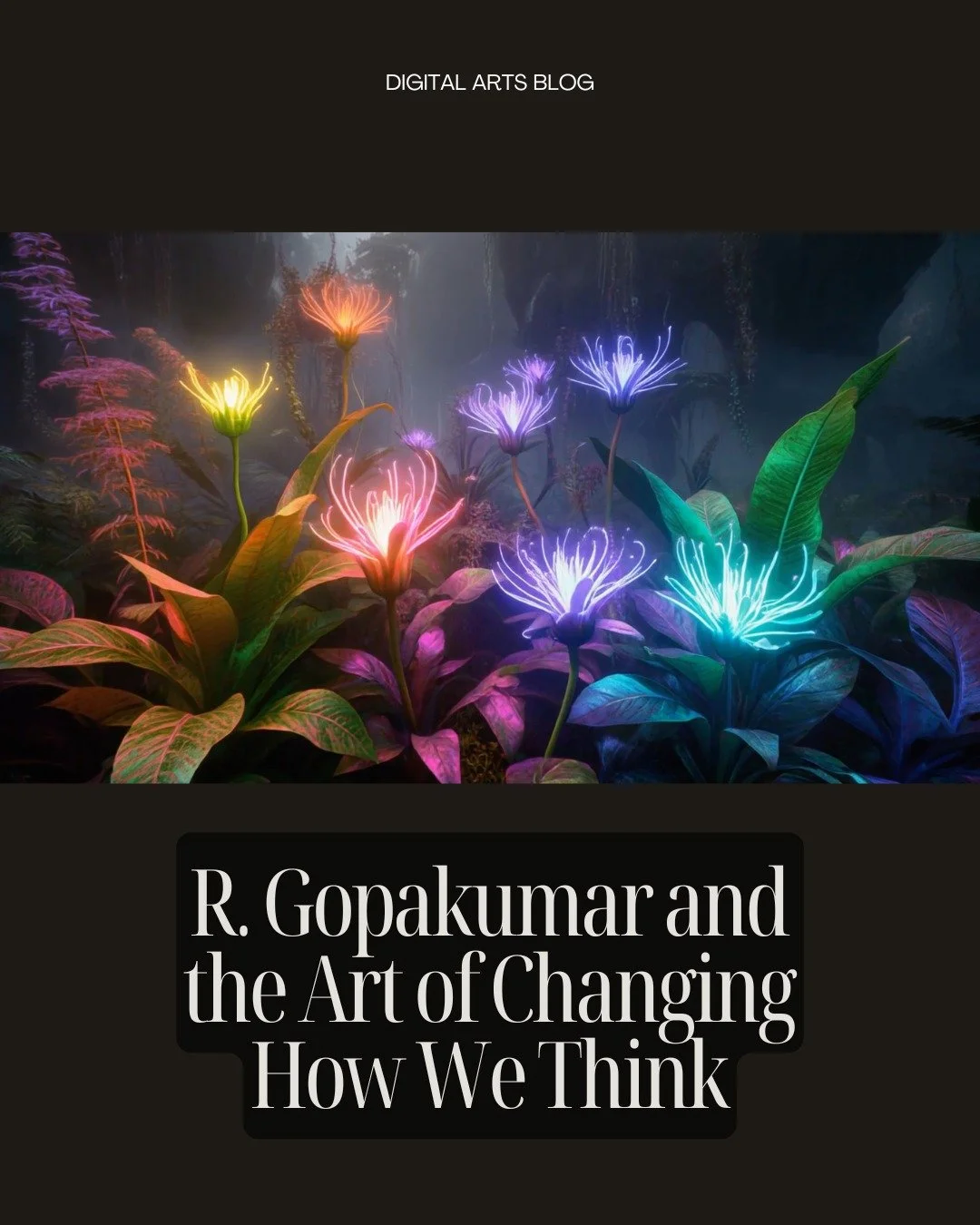
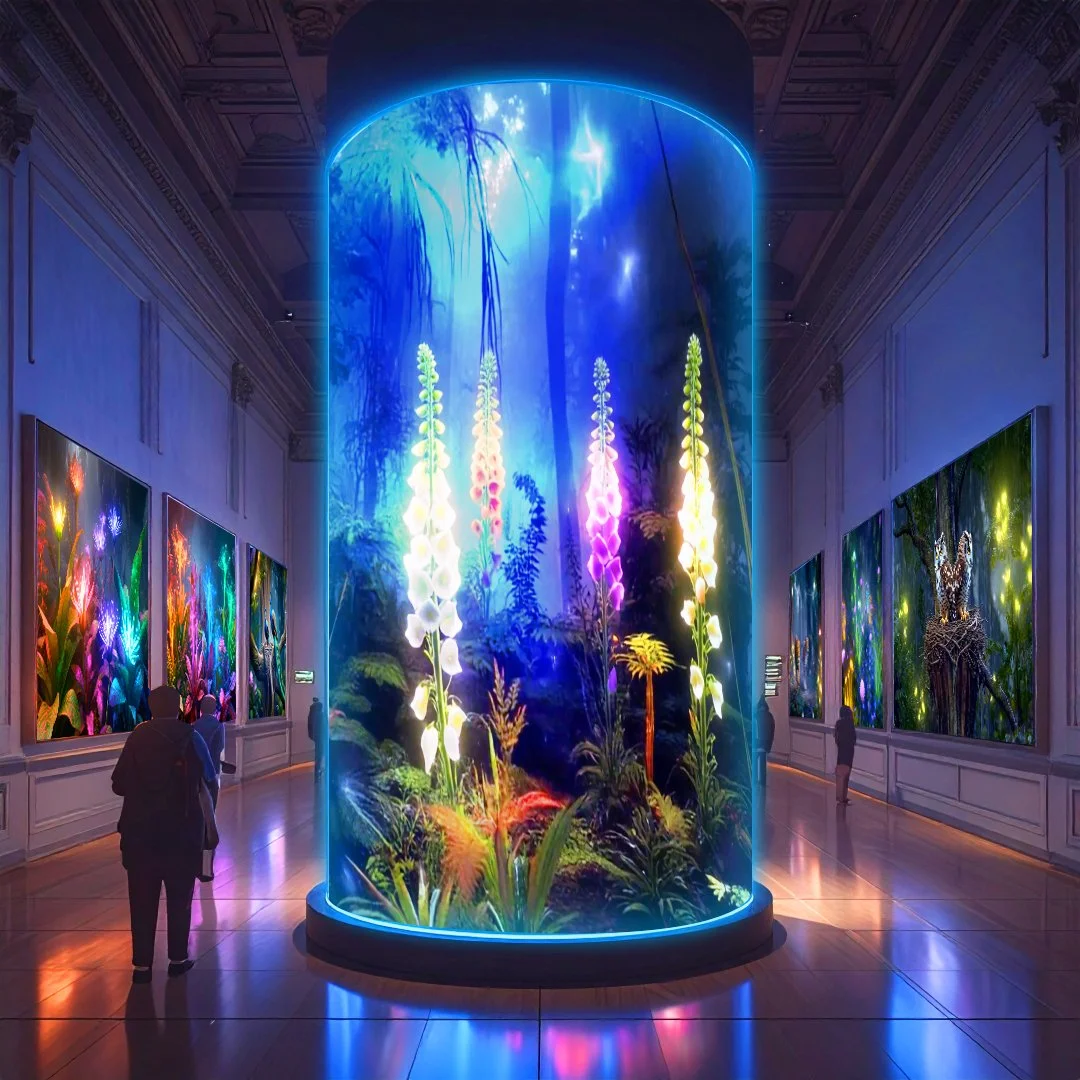
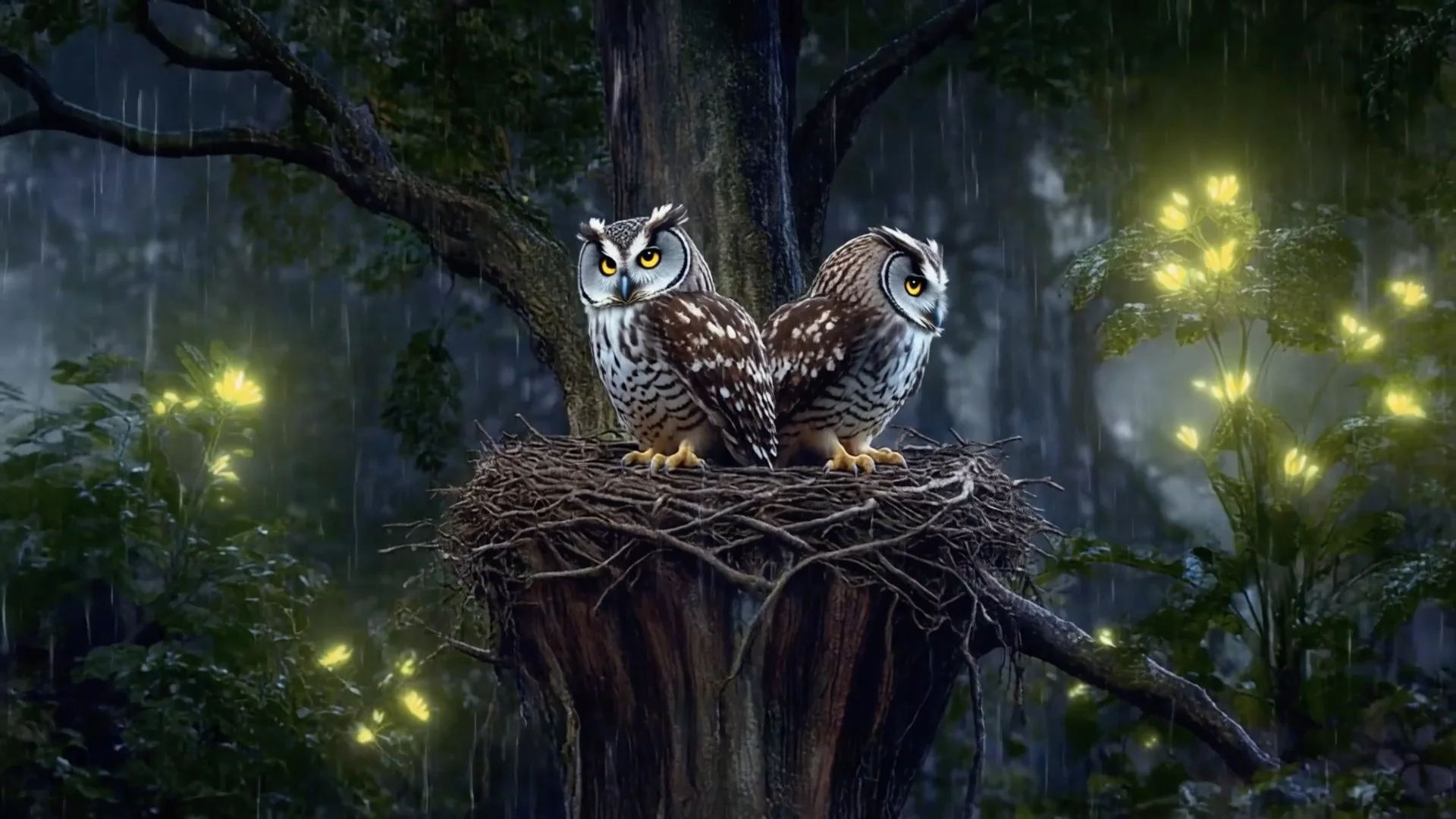
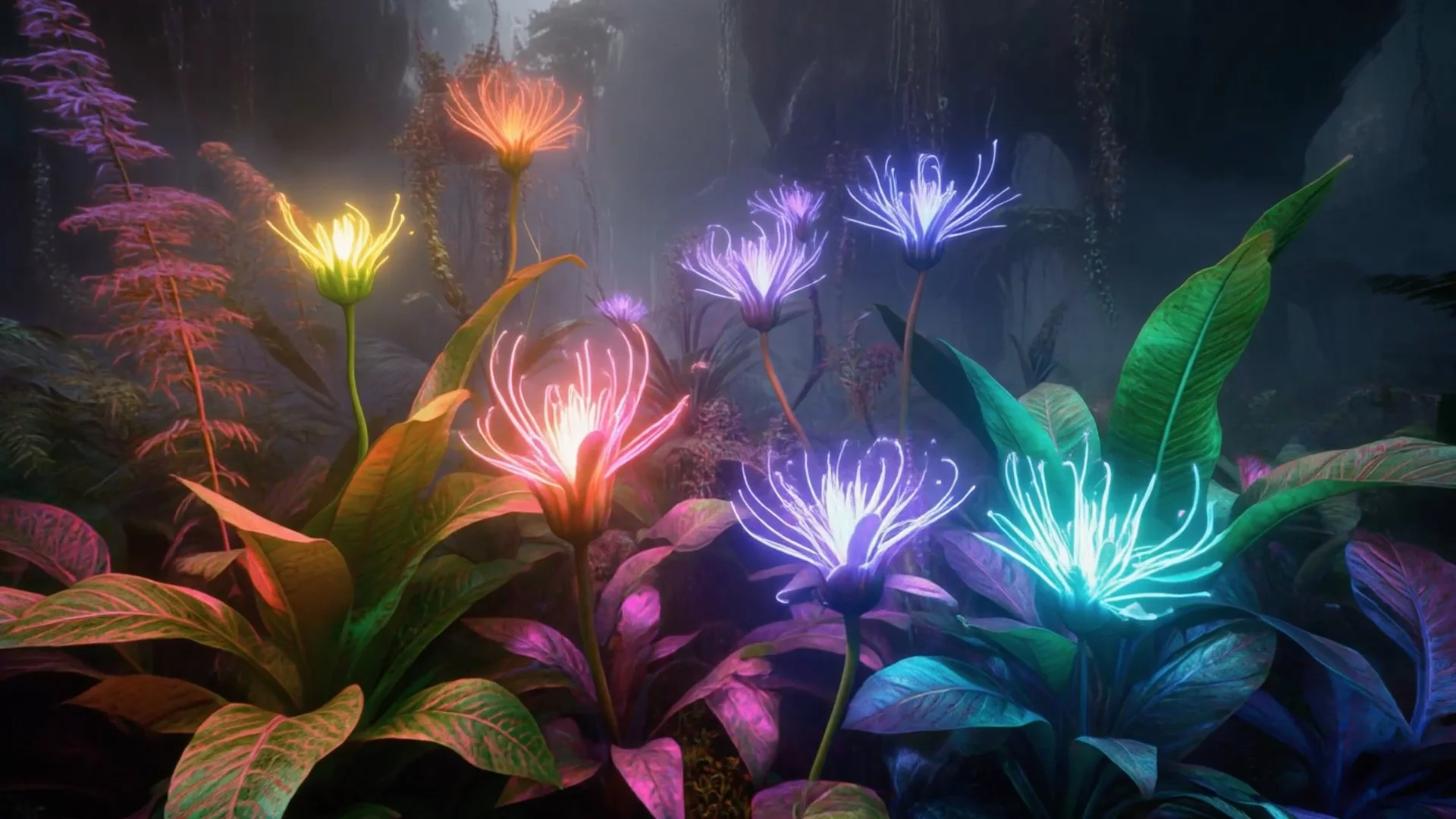
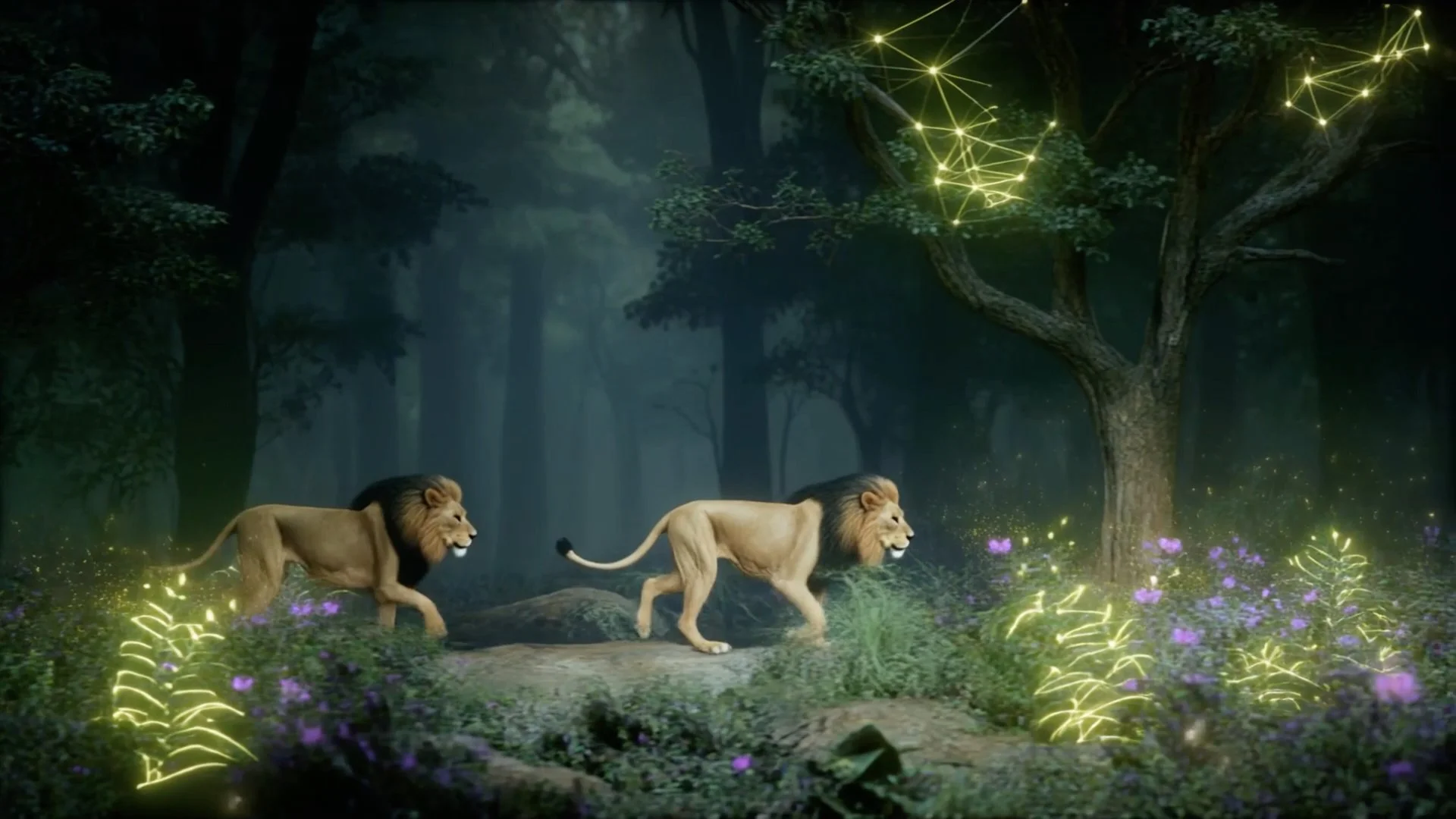
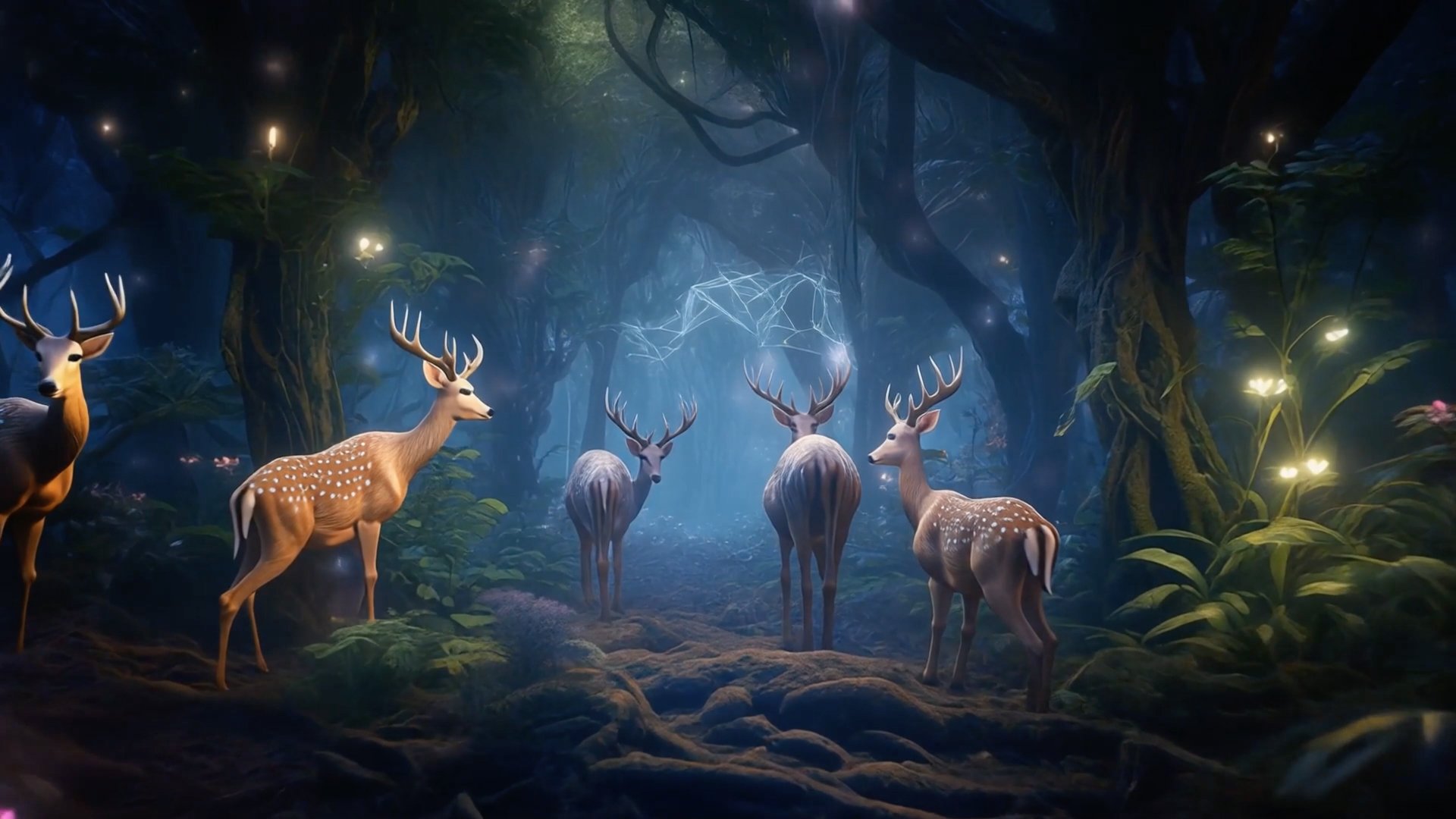
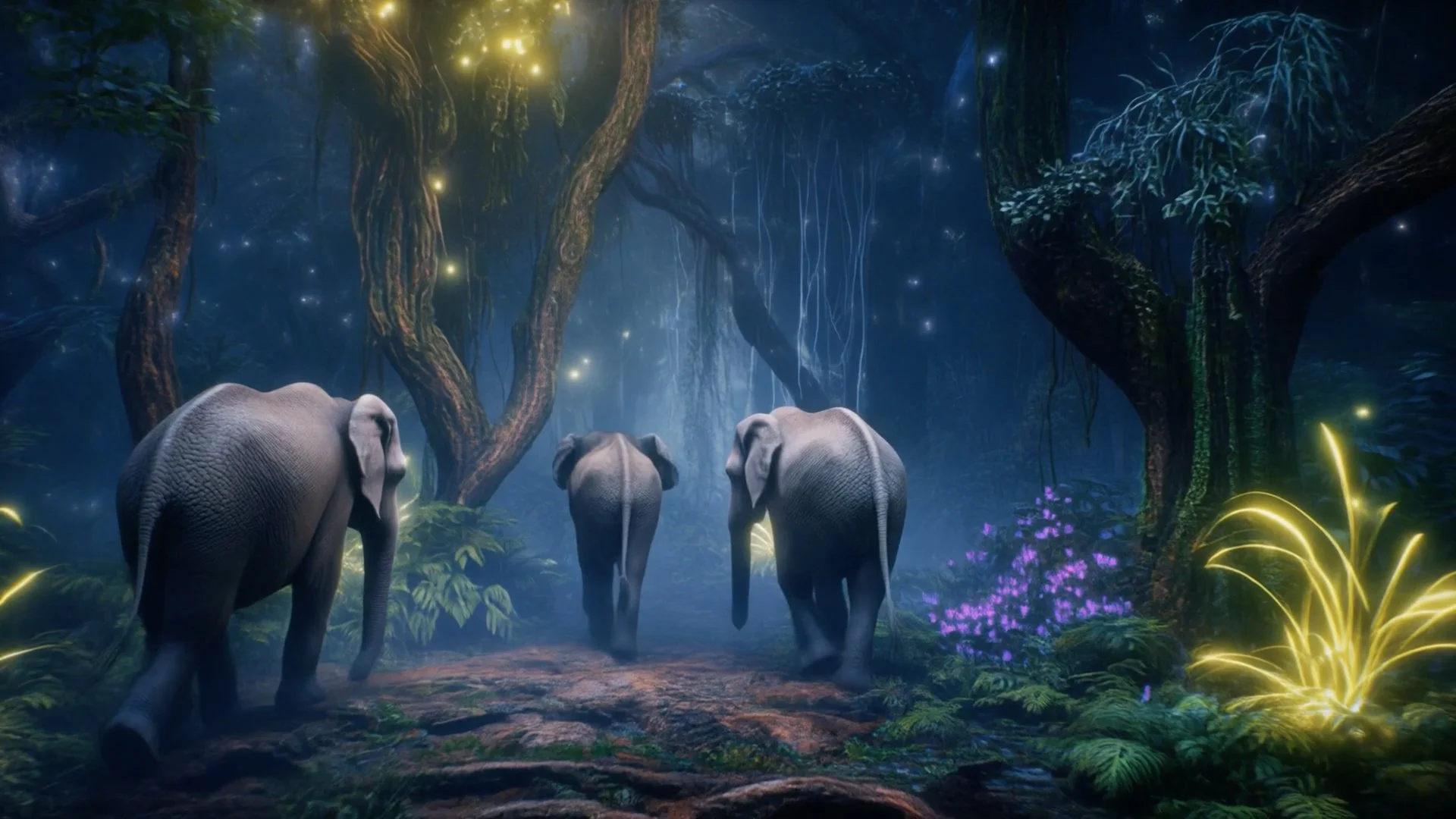
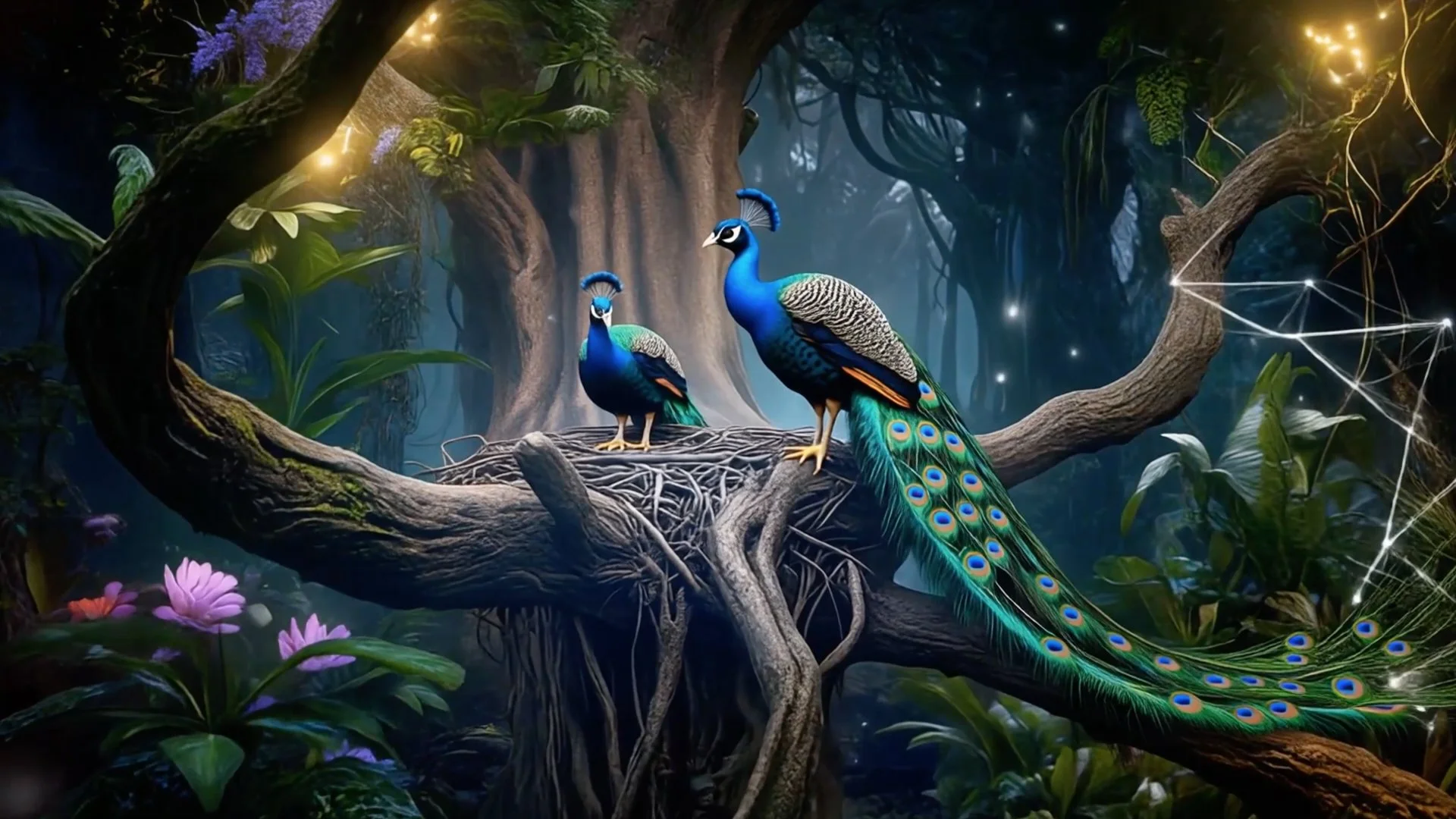
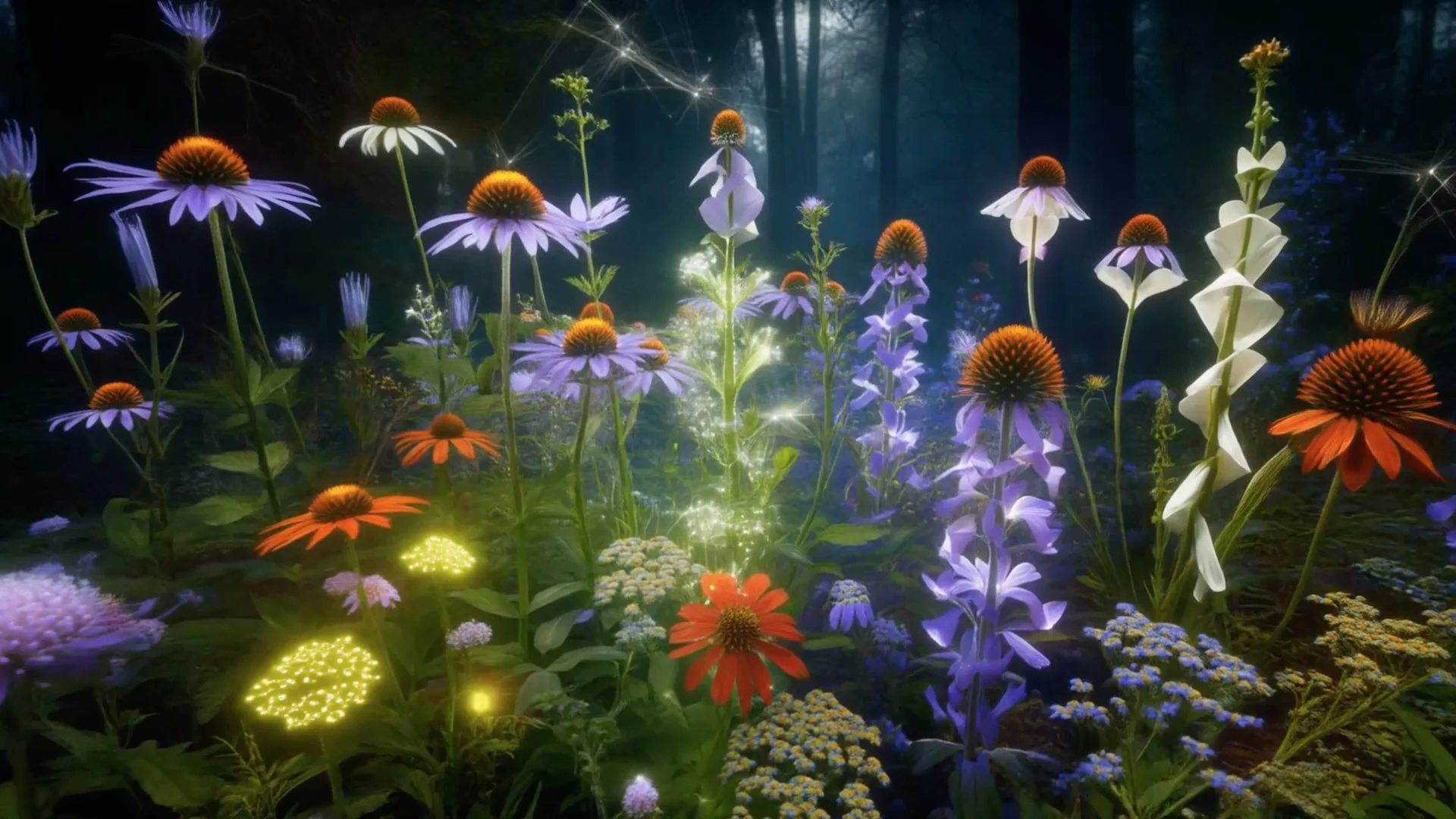
One project that truly opened a meaningful conversation for me about environmental and social responsibility is my new digital art series “The Wild Awakening,” curated and presented by the world-leading digital art platform Sedition Art.
At the vibrant crossroads of nature and technology, The Wild Awakening brings forward the untamed beauty of the natural world while confronting the urgent reality of climate change. The series is built from the tension and the connection between two forces that increasingly define our era: the wildness of living ecosystems and the synthetic intelligence of digital innovation. Rather than treating nature as a distant subject, the work immerses the viewer in a living encounter where organic forms feel energized by digital rhythm, as if chaos and order are negotiating the future in real time.
What makes this series more than an environmental theme is that wildness becomes a philosophy. It represents the raw, powerful energy of nature but also the fragility underneath it. Through vibrant hues, intricate visual textures, and layered digital compositions, the series captures the essence of landscapes that feel both present and at risk. It asks viewers to reconnect with instinct, attention, and wonder feelings that are often dulled when the world becomes only data, only convenience, or only consumption.
As the global public faces climate impacts that are no longer abstract, The Wild Awakening functions as both a mirror and a call to action. It reflects what we are doing to the environment, and it challenges us to reconsider how we value ecosystems, biodiversity, and the life-support systems we depend on. In this sense, the work also carries a social message: conservation is not only an environmental issue it is a shared human responsibility.
Each artwork in the collection holds a delicate balance: celebrating resilience and beauty even as transformation threatens what we recognize. The series aims to keep the conversation alive about protecting habitats, respecting nature’s complexity, and understanding that regeneration is possible, but only if we choose it. Through digital art, I hope to kindle curiosity and urgency together: a renewed reverence for the wild, and a clearer sense that the future must be shaped through care, not only exploitation.
The Wild Awakening Vol III
Your work often crosses disciplines and mediums. How do you decide which medium or technological approach best serves a particular idea or concept?
I decide on a medium or technological approach by asking what the idea requires in order to be understood: does it need a concrete cultural material, a sense of time and transformation, a physical gesture, or a system that behaves like the concept itself? The “best fit” isn’t about novelty; it’s about whether the medium can carry the idea’s core mechanism its metaphor, its logic, or its emotional tempo without translating it into something flatter or less precise.
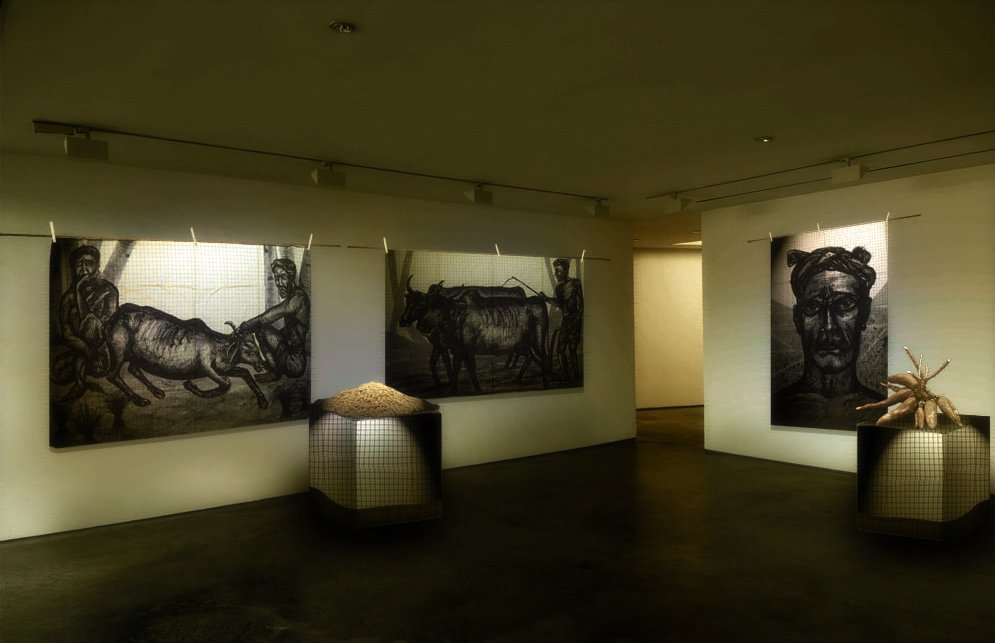
In my The Lungi series, the choice of a traditional object-based format matters because the concept is rooted in lived, everyday experience. A lungi is not a neutral symbol; it’s an item with daily contact, labor associations, comfort and discomfort, and cultural specificity. Using traditional artistic handling (ink on fabric) lets the work feel materially honest: the viewer encounters the metaphor as something tactile and socially recognizable rather than purely representational, so the political and human meanings remain close to the body and its routines.
The Wild Awakening Vol III
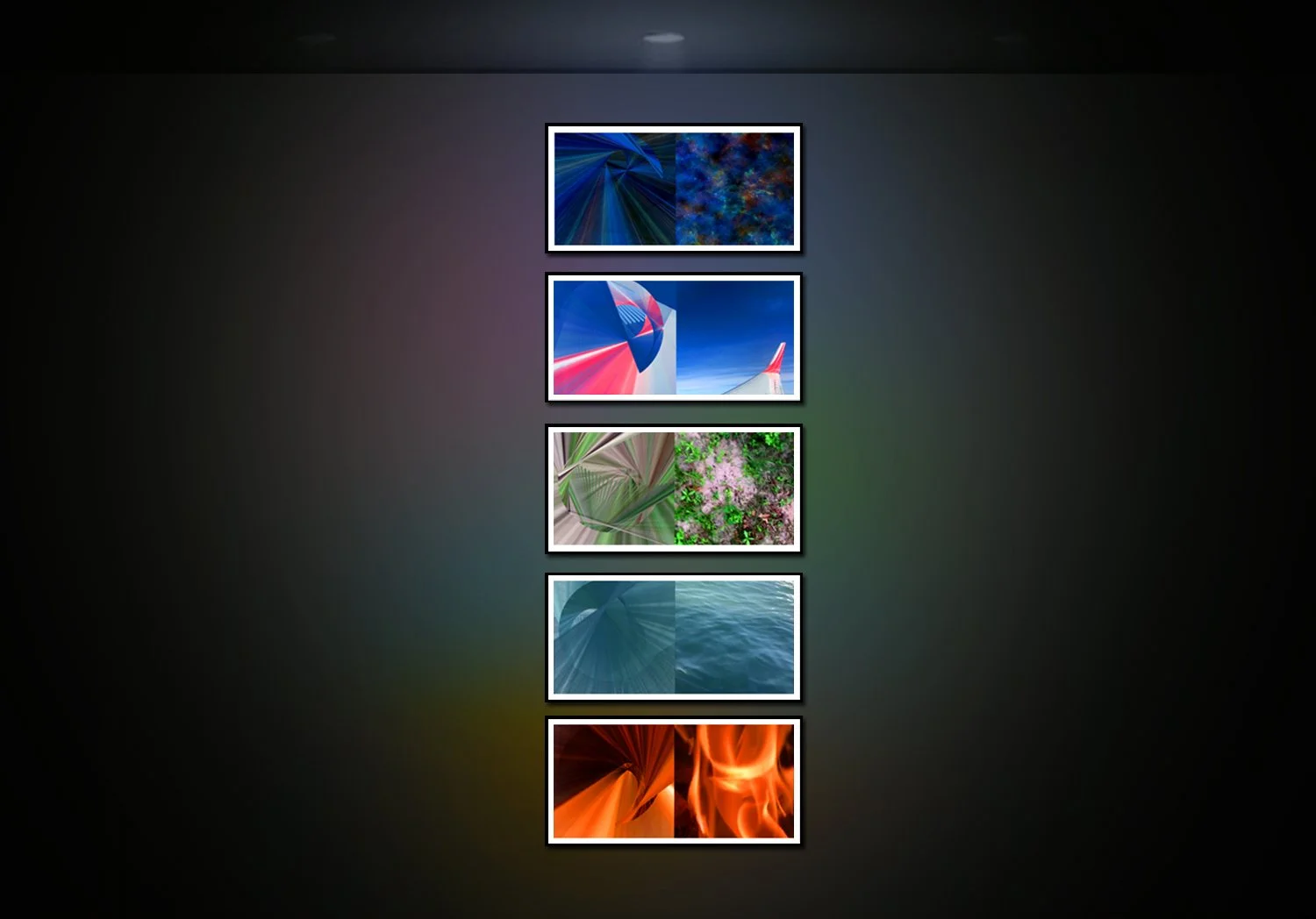
By contrast, the Ephemeral Void series treats ephemerality as something to be experienced, not merely depicted. Here the idea is tied to transformation, emergence, and the way patterns change across “seasons” or through elemental logic. Generative and algorithmic digital approaches are well suited because they can run continuously producing motion, variation, and systemic complexity so the medium performs the concept (time-based change) instead of only illustrating it.
In Ephemeral Void: Seasons, the technology supports a layered artwork where visuals are shaped by computational rules and are further composed through audio and machine-like processes. This makes the medium act like a model of nature’s cycles: the viewer doesn’t just see “seasons,” but encounters evolving structures whose forms feel contingent, probabilistic, and transient matching the philosophical claim of impermanence.
In Ephemeral Void: Elements, the same logic deepens: elemental ideas (earth, water, fire, air, space) are abstract forces that are hard to freeze into a single static image. Digital animation, particle behavior, and code-based systems let those forces appear as dynamic fields rather than fixed drawings. So the decision across these series can be summarized simply: when the concept depends on embodied cultural material, traditional fabric-based art serves best; when the concept depends on change, emergence, and system behavior, generative digital tools serve best.
The Wild Awakening Vol III
What else fills your time when you’re not creating art?
When I’m not creating art, I’m working 9 hours in an IT company. After I finish my art practices, I usually make time for activities that help me stay focused and balanced such as reading, listening to music, spending time with my family and continuing my routine of yoga and meditation.
Have there been any surprising or memorable responses to your work?
Surprising and memorable responses to my work continue to emerge. Recently, The Wild Awakening was curated by Sedition Art, an international online platform, where it sold many editions. The platform also features major contemporary artists, including Damien Hirst, Elmgreen & Dragset, Tracey Emin, Universal Everything, Mat Collishaw, Jenny Holzer, Bill Viola, AES+F, Refik Anadol, Shepard Fairey, Yinka Shonibare, Ryoichi Kurokawa, Wim Wenders, Michael Craig-Martin, Lawrence Weiner, Jeremy Deller, Tim Noble & Sue Webster, Mark Titchner, Isaac Julien, Aaron Koblin, Terry Flaxton, Casey Reas, Yoko Ono, Christian Boltanski, Lee Lee Nam, Ryoji Ikeda, Francesco Clemente, and many others.
“On Your Own” features a central rotating self-portrait, representing my personal journey and the cyclical nature of life. It visually depicts my evolution and growth over time, exploring the tension between the grotesque and spiritual dimensions of humanity. This conceptual work examines the duality of existence life emerging from a void and returning to the same state while challenging conventional standards of beauty.
In 2014, “On your own” (People category) was shortlisted by the Saatchi Gallery and Google+ for The Motion Photography Prize, and it was exhibited at the Saatchi Gallery, London. The competition received 4,000 entries from 52 countries across six categories, and the judging panel included Baz Luhrmann, Shezad Dawood, Tracey Emin, Cindy Sherman, and Nigel Hurst.
The Wild Awakening Vol III
Must not be beautiful, this thought-provoking conceptual work explores the complex duality of existence, delving into the tangible reality of the physical body and the intangible depths of the soul, trapped in illusion. Through powerful visual imagery, it reveals the tension between the grotesque and the spiritual, challenging conventional standards of beauty and confronting the ugliness that lies beneath the surface. Inspired by Marina Abramović’s “Art Must Be Beautiful,” the silent movie questions societal ideals of art and beauty by using the absence of sound as a deliberate artistic choice relying on ambient environmental audio to create an immersive, cinematic experience. The work was exhibited at Tate Britain.
The Wild Awakening Vol III
Looking ahead, what kinds of artistic experiments are you most excited to explore in the coming years?
In 2022, I co-founded the Techspressionism India Node. Techspressionism was proposed as an art-historical term to describe fine artists who use digital technology to convey subjective and emotional content.
I am currently developing an immersive, interactive digital artwork that integrates generative visuals, AI, real-time sound, and audience movement. The work is conceived as a living environment one in which viewers do not simply observe, but actively participate in shaping the form, rhythm, and meaning of the experience. Through this dynamic interaction, the artwork evolves in response to presence and motion, creating an open-ended relationship between technology, emotion, and perception.
Are you our next spotlight artist? Submit the form to apply to be featured!
We share works by digital artists as well as digital arts exhibitions, events, and open calls daily on Instagram — follow us for more and subscribe to our newsletter so you don’t miss new blog posts.
![Project Spotlight: pifmgr.dll’s [M]ETAL✨ @pifmgr.dll is a digital artist working at the intersection of audiovisual design, 3D experimentation, and atmospheric world-building. His project [M]ETAL explores metal both as a physical material and a](https://images.squarespace-cdn.com/content/v1/63b2fdbe4376de5bfdc6771f/1779108338452-QO04Q3MMJ3VMU8PJV1MD/image-asset.jpeg)