Ronen Tanchum on Generative Art, Data, and Living Digital Environments
By Cansu Waldron
Ronen Tanchum is an artist and technologist whose immersive practice explores the relationships between technology, nature, and human perception. Working with generative systems and real-time data, he creates digital environments that behave like living ecosystems, transforming environmental signals, such as weather patterns, biological processes, and human interaction, into evolving visual landscapes. Originally trained in computational design and visual effects for major films, he now treats technology itself as an artistic medium, using it to investigate environmental systems, artificial intelligence, and the emotional dimensions of data.
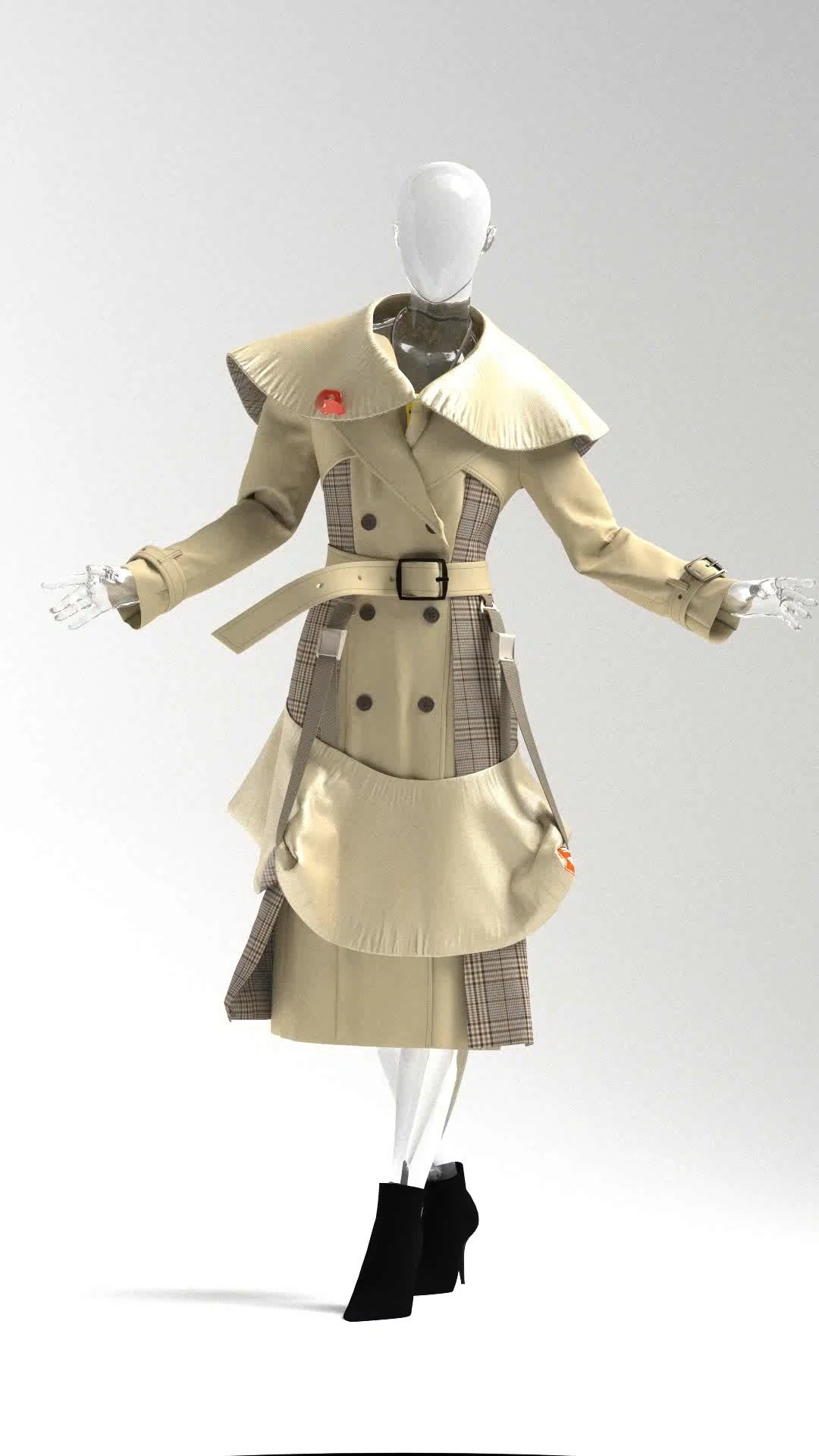
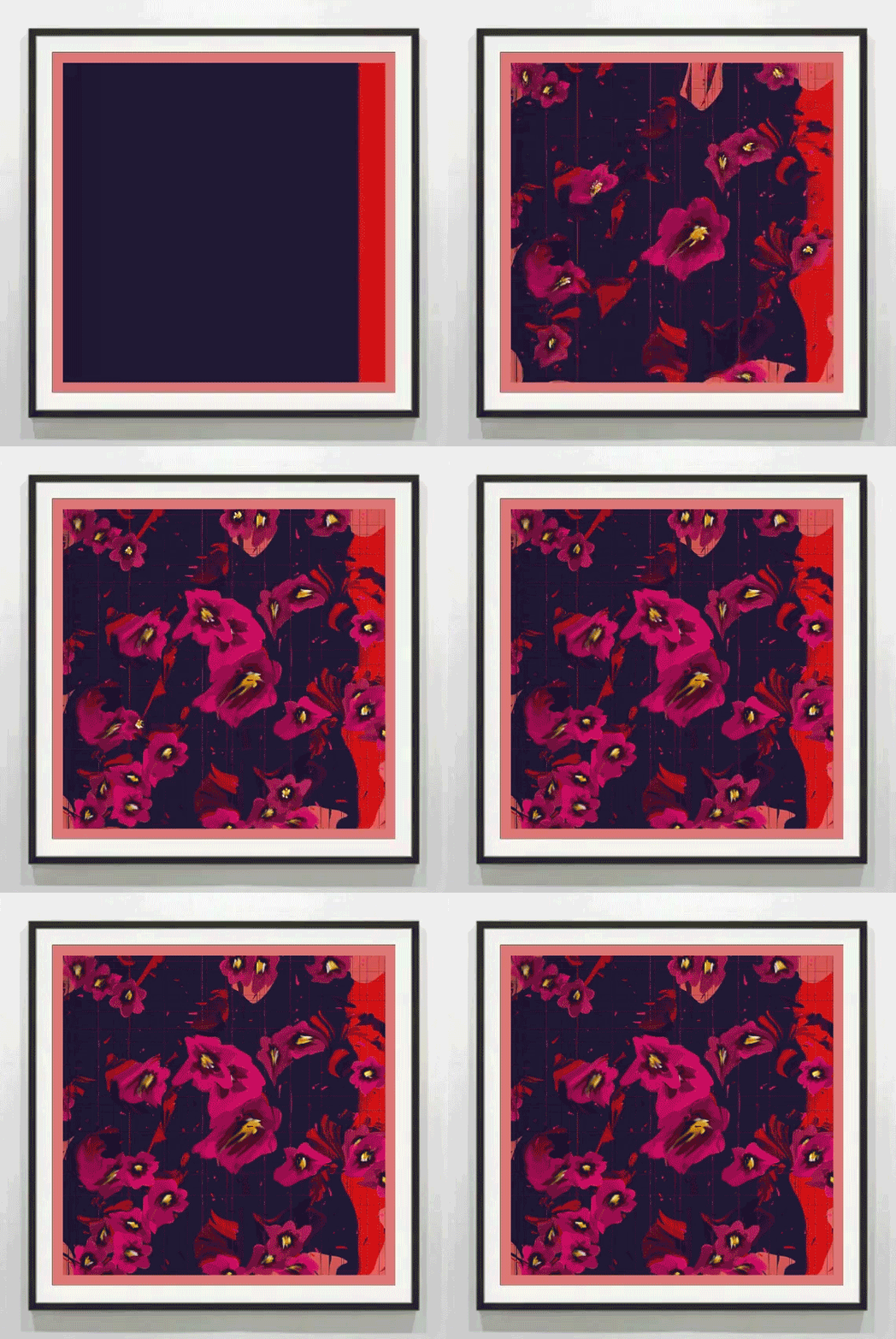
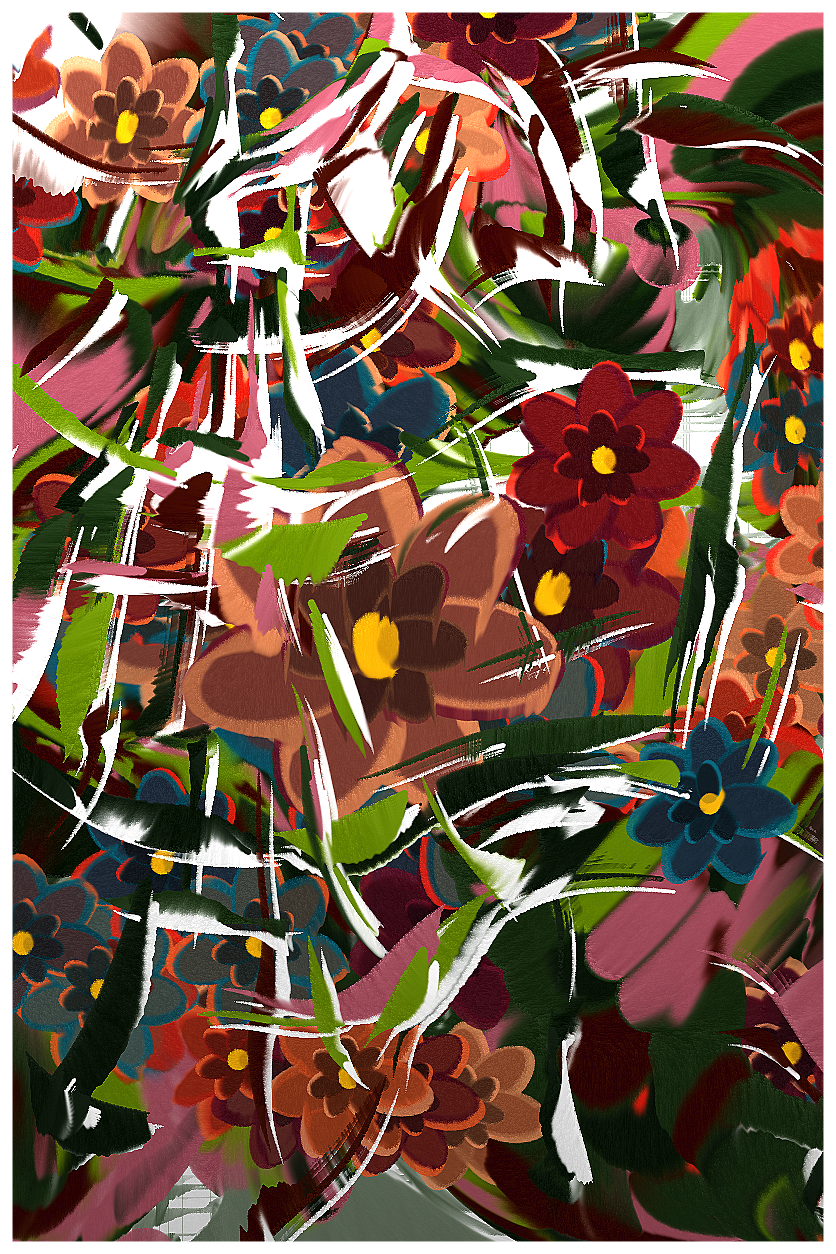
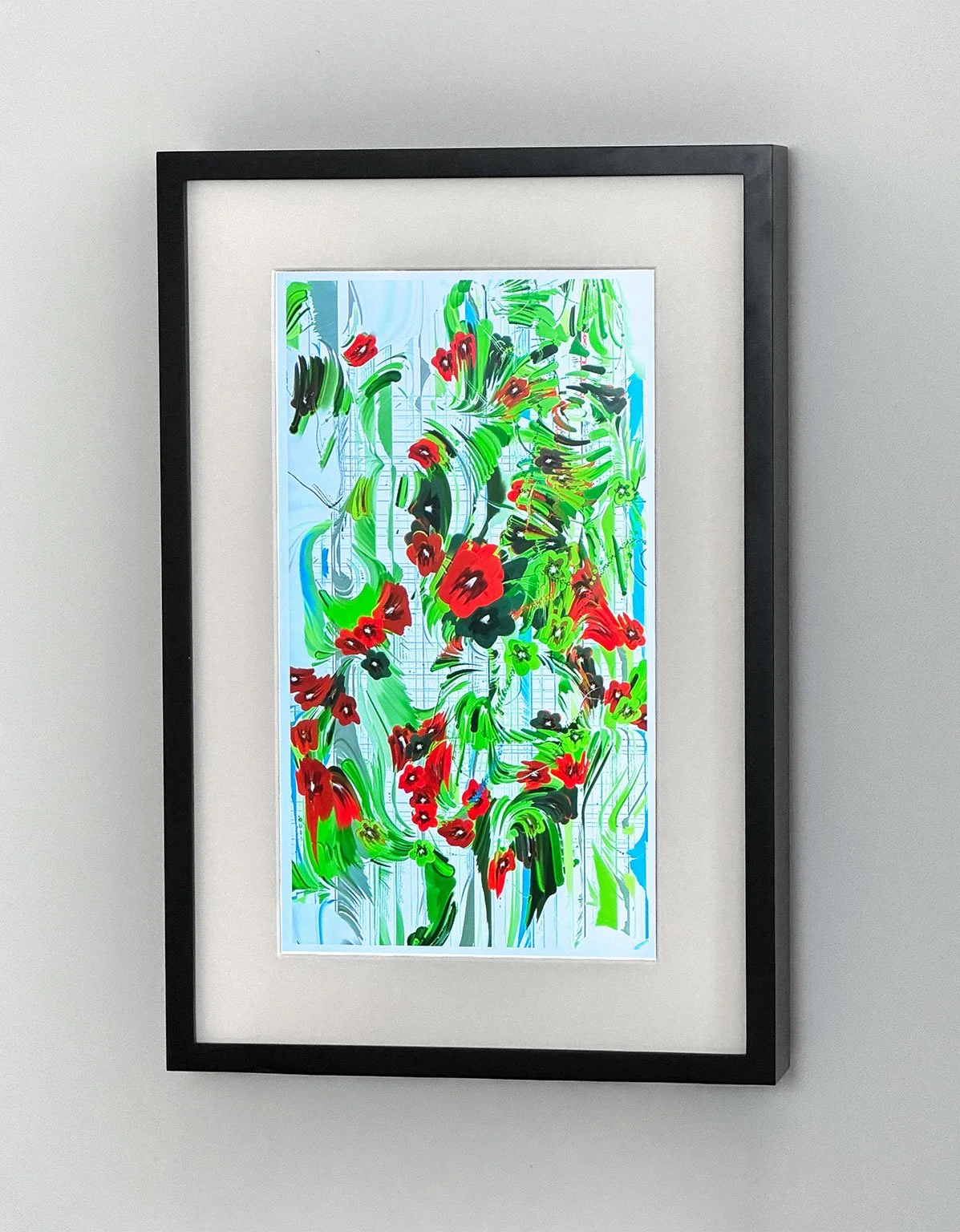
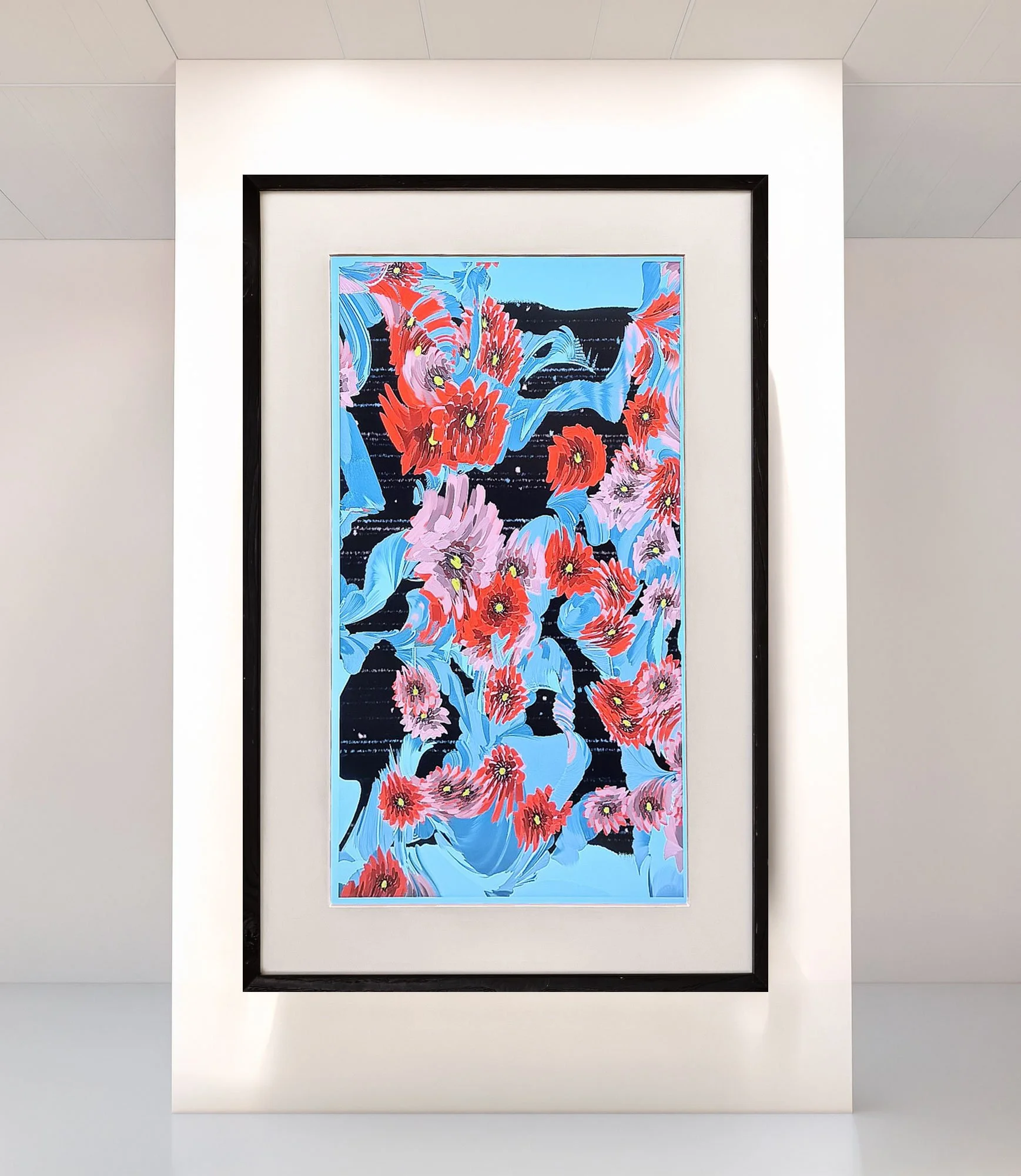
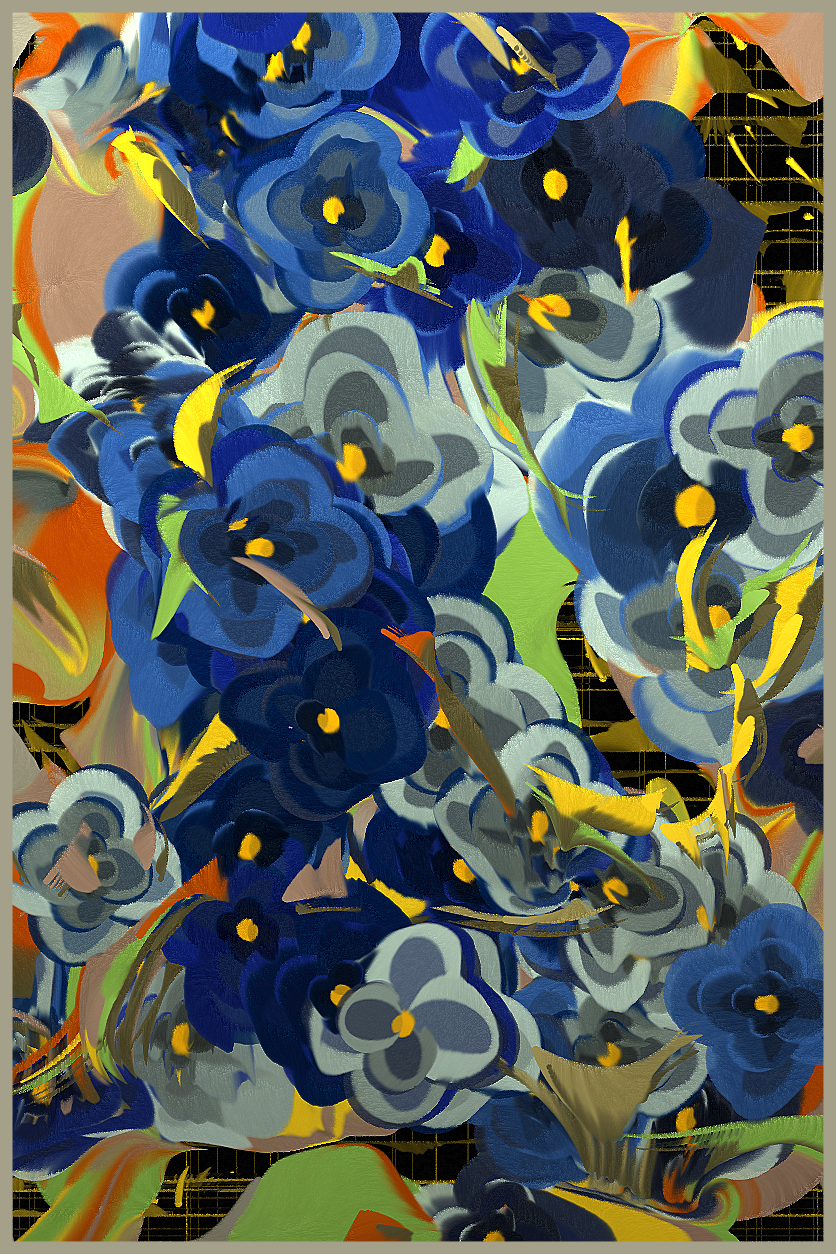
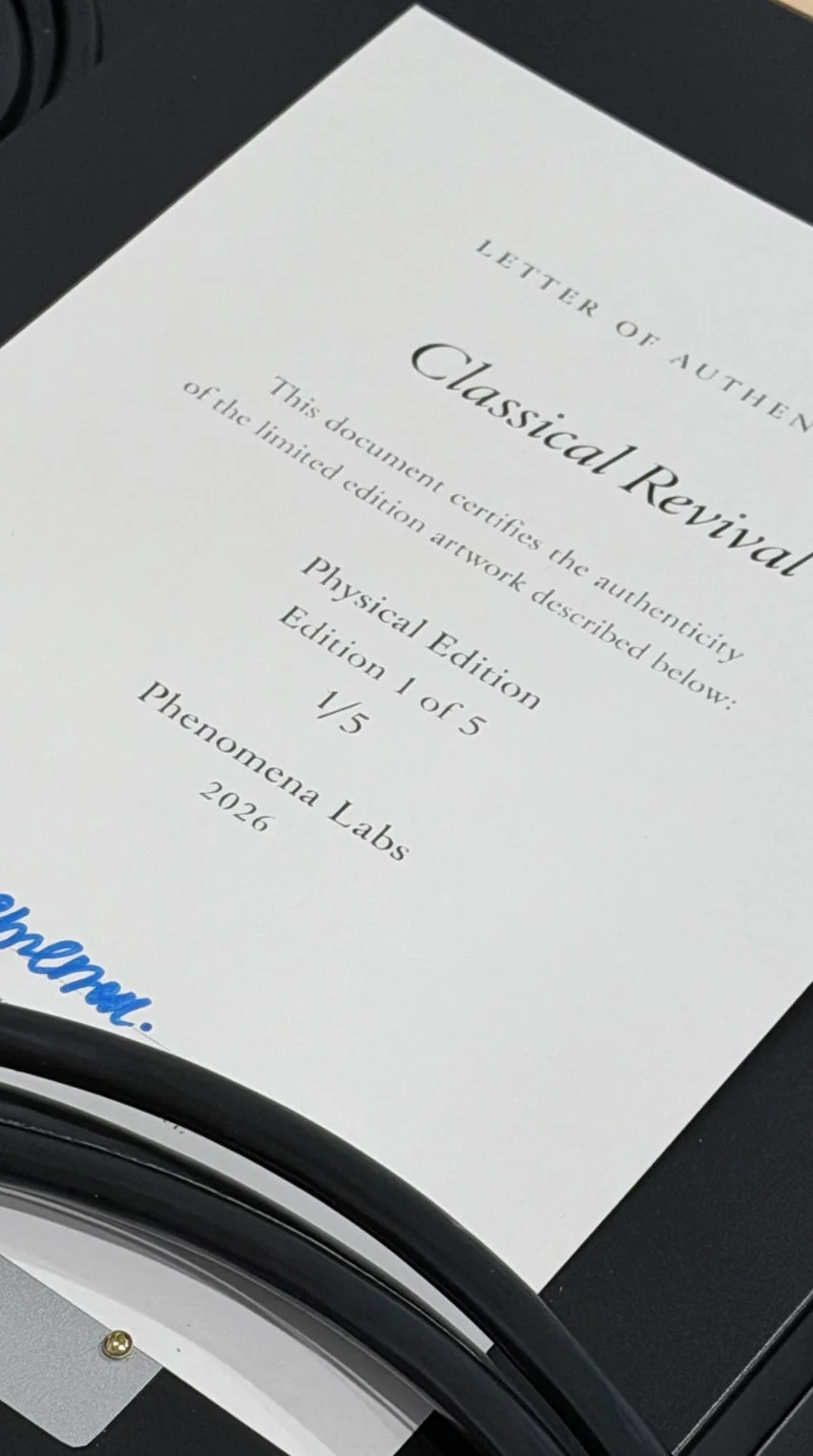
In recent projects, Ronen has continued to expand how generative art can connect human expression with natural systems. His project Classical Revival presents living generative objects that exist somewhere between painting and machine, where computational forms respond to human gestures and evolve over time. Meanwhile, his installation Human Atmospheres, presented during the World Economic Forum in Davos, transformed real-time Alpine weather data into a responsive digital landscape. During the opening concerts, the work also translated live performances by the Mahler Chamber Orchestra, Renaud Capuçon, and Jon Batiste into dynamic visual imagery.
We asked Ronen about his art, creative process, and inspirations.
You began your career in computational design and visual effects for major films. How did that background shape the way you approach art and technology today?
Working in film trained me to build complex systems in service of emotion and narrative. Everything had to be precise, believable, and ultimately invisible as a system.
What stayed with me is that translation layer, taking something abstract and giving it form.
Today the shift is fundamental. Instead of directing simulations toward a fixed outcome, I build systems that remain open. The focus moved from control to conditions. Not composing a single image, but constructing a living framework that continuously produces images.
Much of your work uses generative systems and real-time data to create environments that behave like living ecosystems. How do you approach designing systems that evolve over time?
I approach it as behavior design, not image making.
The core is a set of rules, constraints, and sensitivities. Once that is resolved, form emerges rather than being imposed.
The work reaches a point where it stops feeling rendered and starts feeling like it has its own continuity. Time is not simulated, it becomes intrinsic to the piece. The work exists through time, not just in it.
Environmental signals such as weather patterns, biological processes, and human interaction often play a role in your projects. What draws you to working with these kinds of data sources?
They hold a level of complexity and unpredictability that you cannot convincingly fabricate.
Weather systems, biological growth, human presence. These are already operating with their own logic. By connecting to them, authorship becomes distributed.
The work is no longer a closed system. It becomes a site of negotiation between computational structure and external forces. That tension is where it becomes alive.
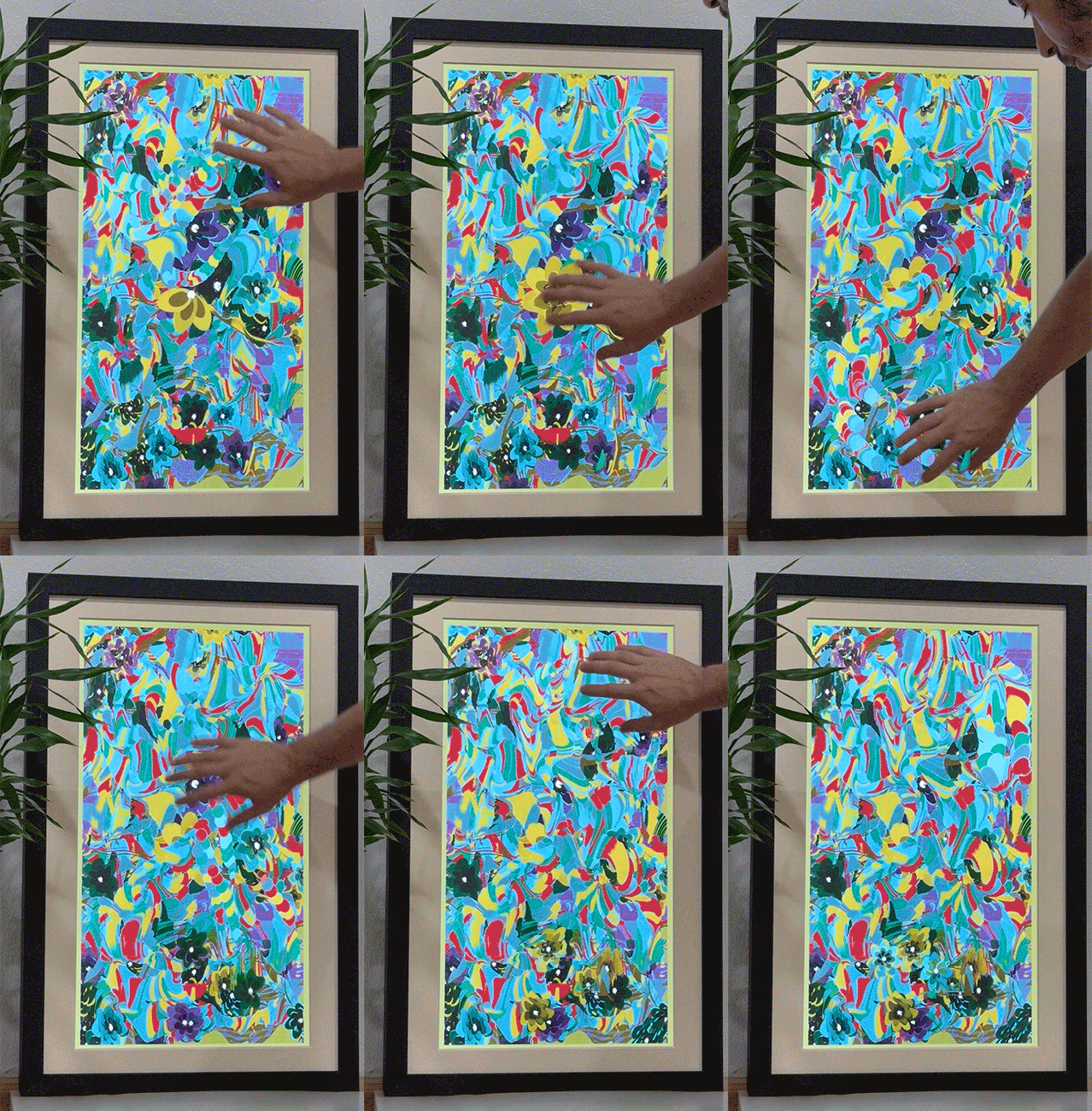
Can you talk about the ideas behind your project Classical Revival and how the interaction between computational systems and human gesture shapes the work?
Classical Revival starts from the idea that historical visual language is not static, it’s latent.
The system rebuilds this language as a living structure. When a viewer interacts, their gesture is not added on top, it is absorbed into the system’s logic. It reshapes how the composition continues to evolve.
Over time, the work becomes a convergence of system memory and human trace. Authorship becomes shared, and the image becomes a record of continuous transformation rather than a fixed state.
Your installation Human Atmospheres transformed real-time Alpine weather and live music into responsive imagery during the World Economic Forum. Were there any memorable responses from the attendees?
What was most striking was the shift in pace.
In a highly accelerated environment, people slowed down. They stayed longer than expected, often returning. There was less urgency to interpret and more willingness to just be with it.
That transition, from analysis to presence, is something I’m increasingly interested in creating.
What ideas or questions are currently shaping the direction of your work?
I’m focused on systems that can hold memory and evolve through accumulation.
Not only reacting in real time, but retaining traces of interaction. Letting the work carry a history of encounters.
At the same time, I’m exploring AI as a more autonomous participant, not just executing, but introducing its own tendencies into the system.
What is a fun fact about you?
For years, I photographed clouds every time I traveled. It became a kind of personal archive, a way of tracking movement, time, and atmosphere.
What else fills your time when you’re not creating art?
A lot of observing. Walking, looking at patterns in nature, light, weather systems.
Most of the work begins there, before it becomes computational.
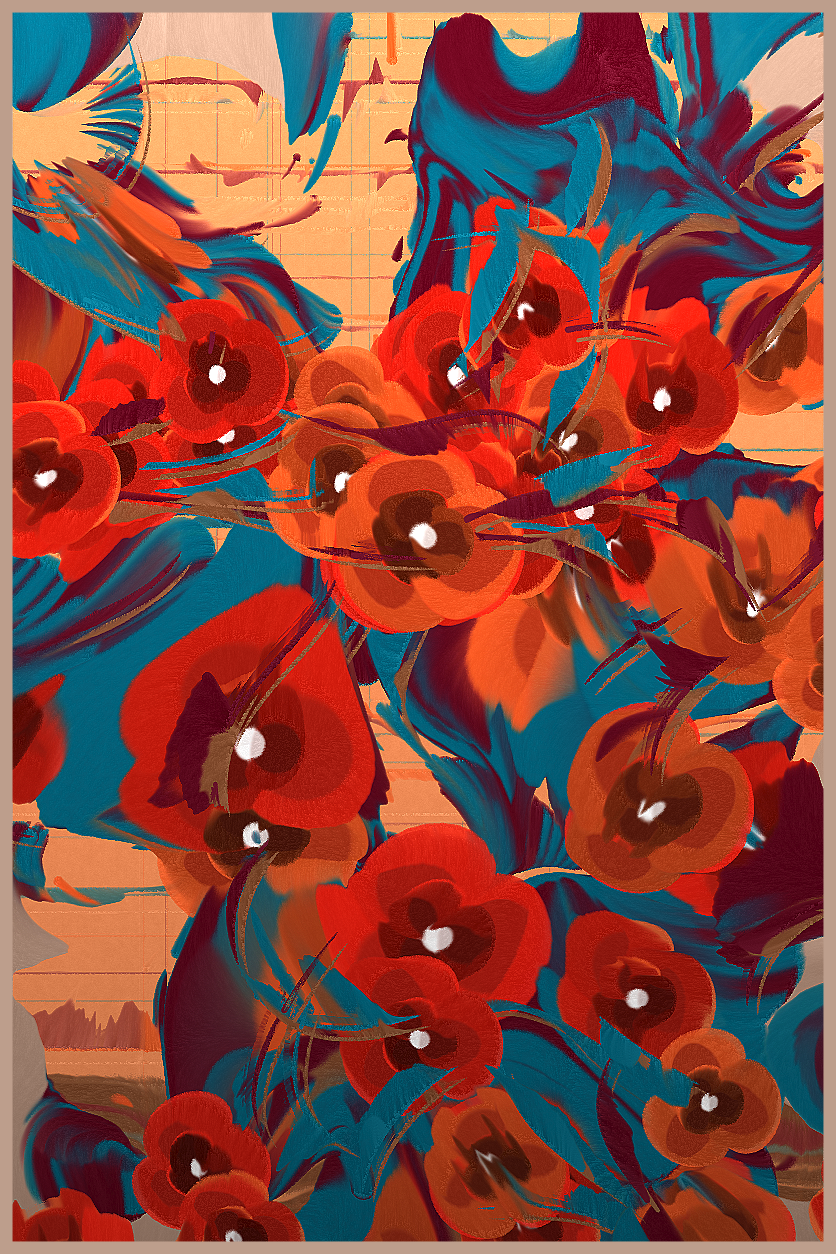
What is a dream project you’d like to make one day?
A large-scale environment where an entire landscape behaves as a living system.
A space you can move through, where presence continuously reshapes the environment, and the system retains memory over time.
Not as a spectacle, but as an ongoing condition you enter into.
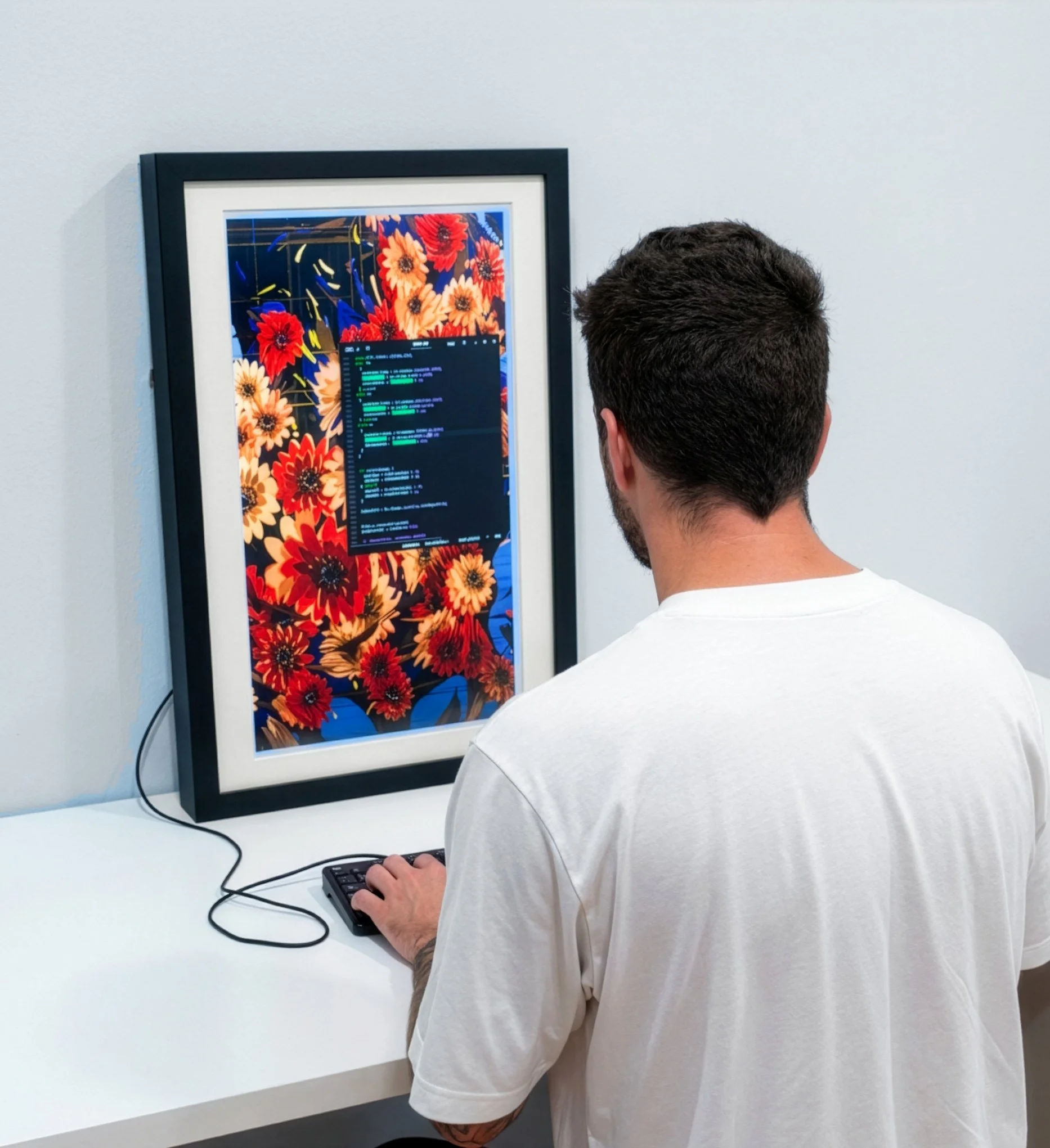
Are you our next spotlight artist? Submit the form to apply to be featured!
We share works by digital artists as well as digital arts exhibitions, events, and open calls daily on Instagram — follow us for more and subscribe to our newsletter so you don’t miss new blog posts.
![Project Spotlight: pifmgr.dll’s [M]ETAL✨ @pifmgr.dll is a digital artist working at the intersection of audiovisual design, 3D experimentation, and atmospheric world-building. His project [M]ETAL explores metal both as a physical material and a](https://images.squarespace-cdn.com/content/v1/63b2fdbe4376de5bfdc6771f/1779108338452-QO04Q3MMJ3VMU8PJV1MD/image-asset.jpeg)