By Cansu Waldron
Taha Bostancı is a Turkish 3D artist, creative technologist, and photographer whose practice spans 3D environment design, digital sculpting, visual effects, and deep-space astrophotography. Drawing inspiration from the cosmos, he creates digital artworks that balance expansive worlds with intricate details, inviting viewers to look beyond the surface and discover hidden meanings. Alongside his independent technology and game development projects, Taha creates 3D concept art and animations for the music industry, contributing to projects by Alan Walker. His work has been exhibited internationally at events including New York Art Week, Miami Art Week, and NFT.NYC from 2023 to 2025, with his artworks featured on Times Square billboards.
For Taha, astrophotography is more than a technical pursuit; it offers a sense of peace and perspective, reminding him of humanity's place within the vastness of the universe. Time spent observing and photographing the night sky has shaped the way he approaches digital art, where he is interested in the relationship between the whole and its individual parts. Just as a reflection can offer a glimpse of the cosmos without revealing its full complexity, his images present expansive scenes filled with smaller details, messages, and emotions waiting to be discovered. A graduate of Atatürk University's Faculty of Fine Arts, where he is now pursuing postgraduate studies, Taha continues to explore how digital imagery can inspire curiosity and reward those who take the time to look closer.
We asked Taha about his art, creative process, and inspirations.
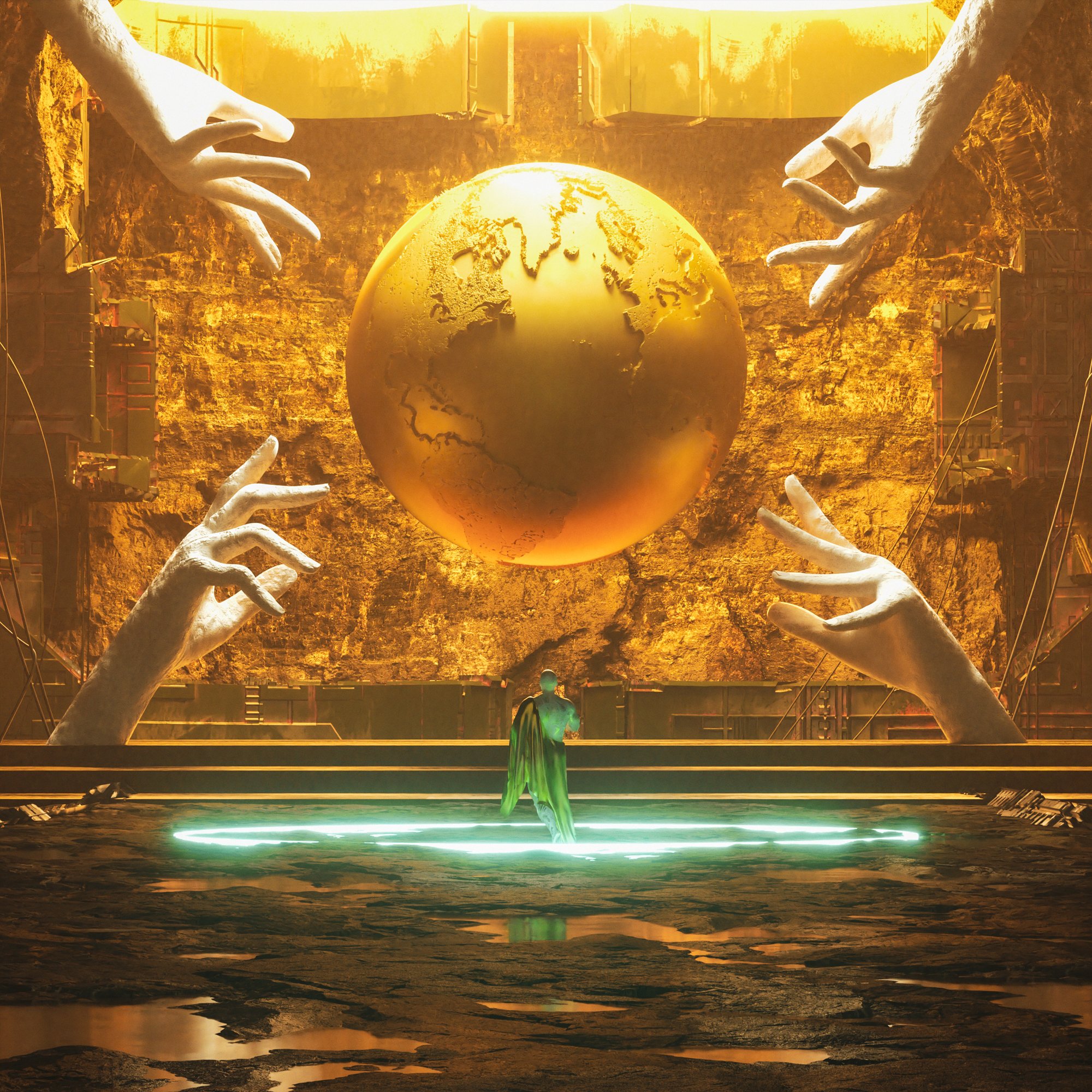
What makes an environment feel believable to you, even when it depicts an entirely fictional world?
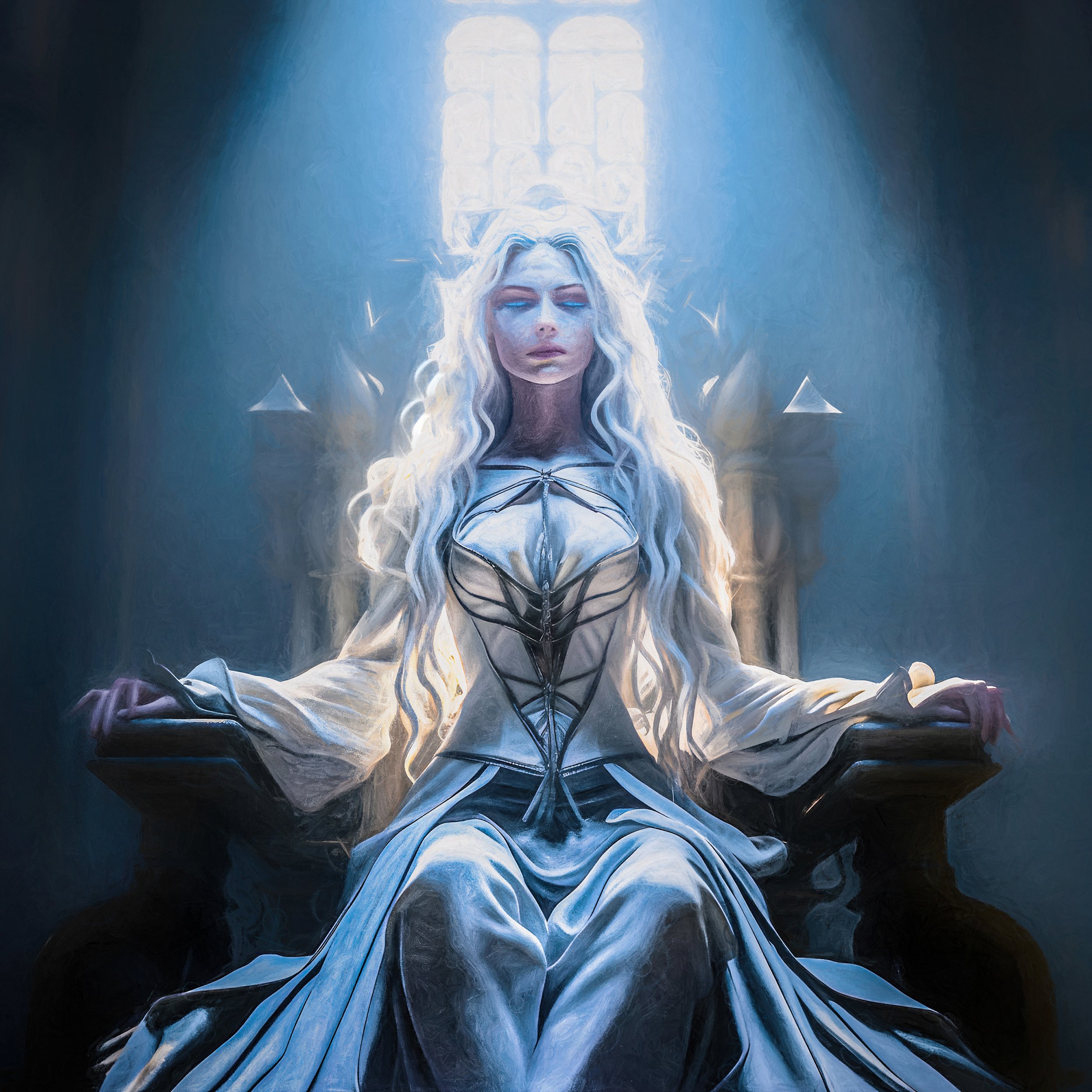
In my earlier works, creative fiction was always at the forefront; however, these days I am adopting a more "documentarian" approach in my art. I used to rely on traces of life and fictional lighting to provide believability. For example, to convey emotion, character, and a message, I was deeply influenced by the baroque and dramatic use of light in Rembrandt's The Storm on the Sea of Galilee. Rather than rendering a sharp 3D image, applying digital brush strokes over the scene and painting the light freely satisfied me much more. My work titled Venus Sang Real is one of the clearest examples of this; because ensuring that sunlight selectively turns a woman's white hair golden within a pure 3D render is quite difficult.
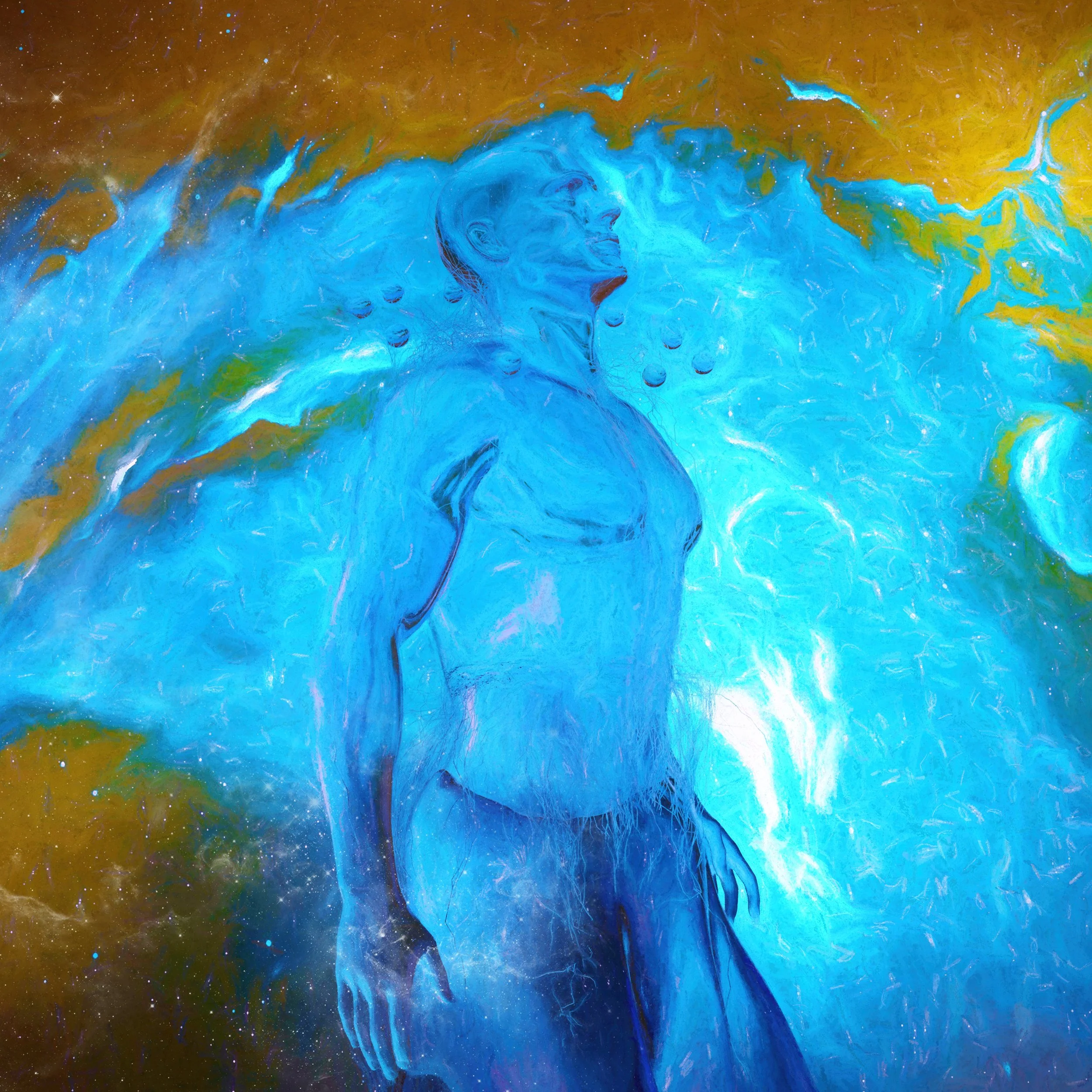
What draws you to the cosmos, and has photographing it changed how you approach scale and atmosphere in your 3D work?
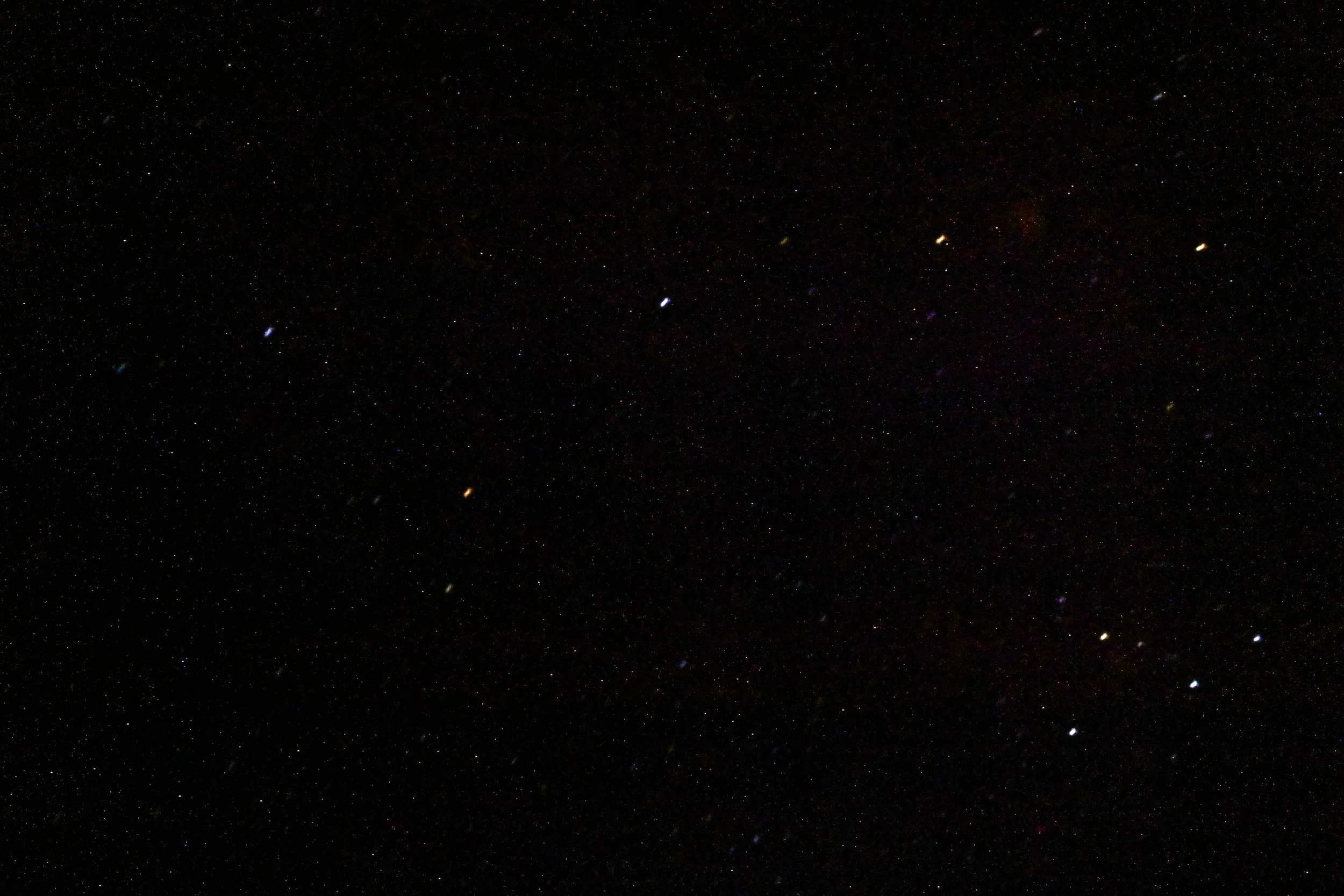
The cosmos is a profound source of humility that reminds humanity of its place in the universe. For me, astrophotography is not just a technique, but a spiritual escape. The most liberating and peaceful moments where I feel I truly belong are those quiet times sitting in my camp chair in the dead of night, observing and recording the sky. I believe that to truly understand a subject, one must first see the whole, then dive into the details and almost taste it. You can fit the vast universe into the reflection of a bowl of water on a dark night; however, that reflection is never enough to understand the universe in its entirety. Yet, you keep searching because the more you discover, the more your curiosity is fueled. This is exactly what I do in my digital artworks: While presenting the whole to the viewer, I hide dozens of details, messages, and emotions inside that can only be found by those who seek meaning and love to explore.
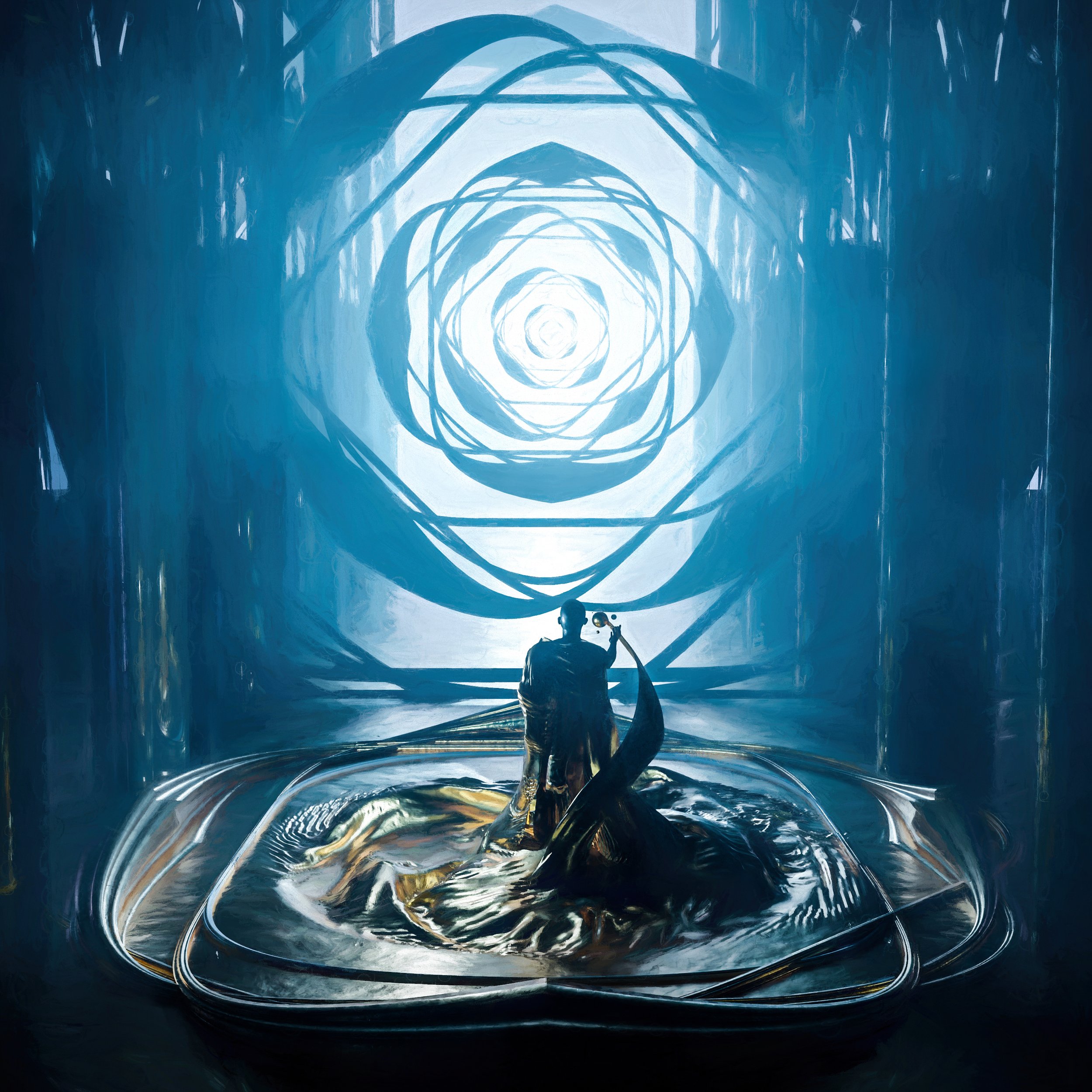
How does creating visuals for music differ from developing an independent artwork, particularly with projects like Alan Walker?
In Alan Walker projects, I work closely with director Alexander Zarate every year to produce new projects. Working with them is a great pleasure because they generally give me the freedom to reflect my own style. Of course, there are also projects shaped by consultation, where we need to adhere to a specific concept or special requests. I have never complained about that creative environment where there is an open exchange of ideas and constructive criticism; on the contrary, I believe these are the experiences that mature me the most. Because these people I work with are visionary professionals who create globally resounding works. Sharing the same creative excitement with them and being part of a team that wakes up to brand new ideas every day is my greatest source of inspiration.
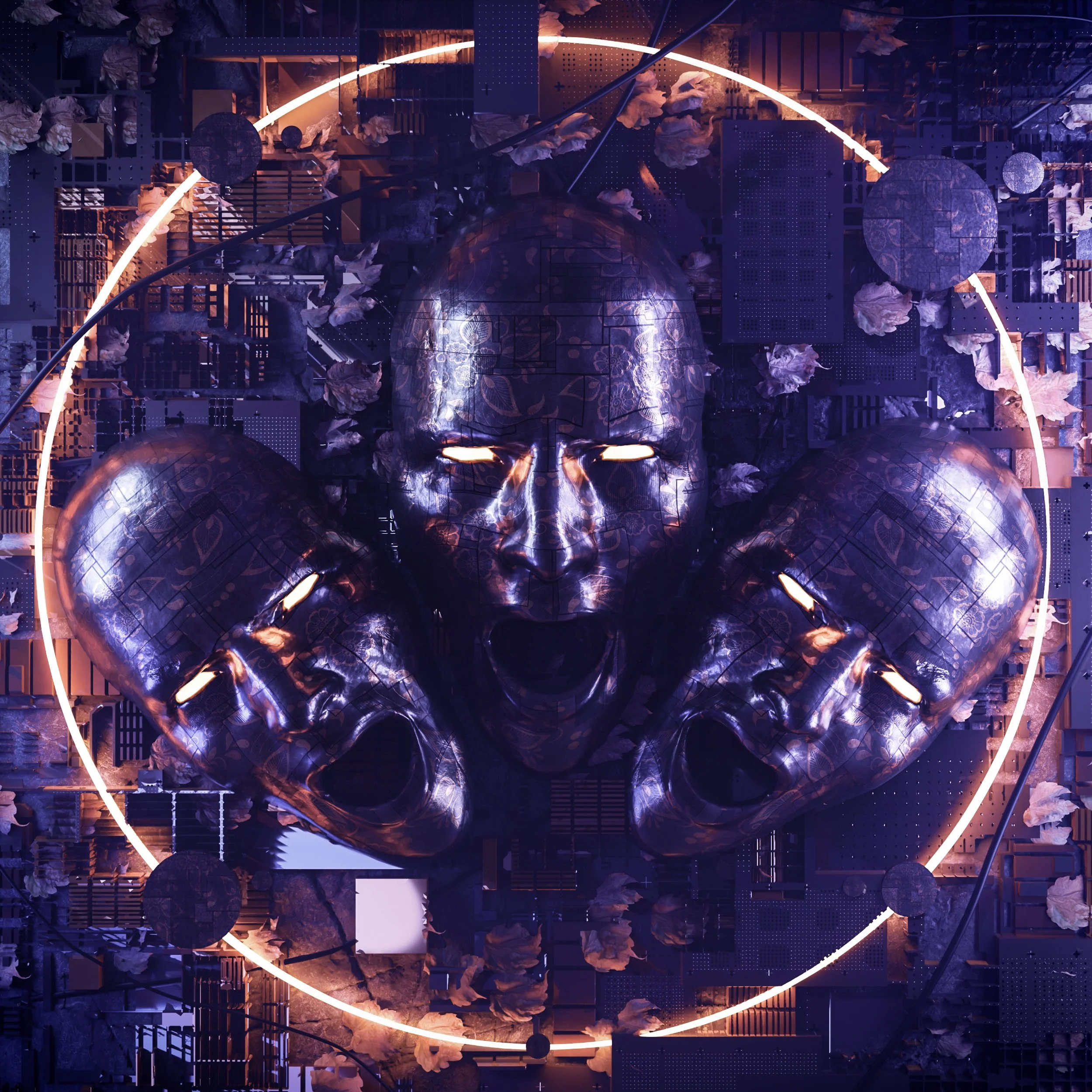
How does thinking like a creative technologist or game developer influence the way you approach visual storytelling and world-building?
One of the most valuable virtues I learned from my esteemed mentor Canan Tülay Kayabekir is simplification. The "less is more" philosophy applies not only in art but in every aspect of life. As a person gets to know themselves, they grasp this understanding much more deeply. There were times when I went to extremes and pushed the boundaries within myself; however, after experiencing those extremes, I was able to find the true balance. Of course, you can provide rich details when telling a story, but the real skill is being able to convey those complex details in the simplest possible language; that is exactly where the fine line lies. Lately, I am working on simplifying narrative through visual metaphors. Allowing the viewer to complete the entire meaning of the work in their own mind ensures that they become an active part of this artistic journey.
What is a profound childhood memory?
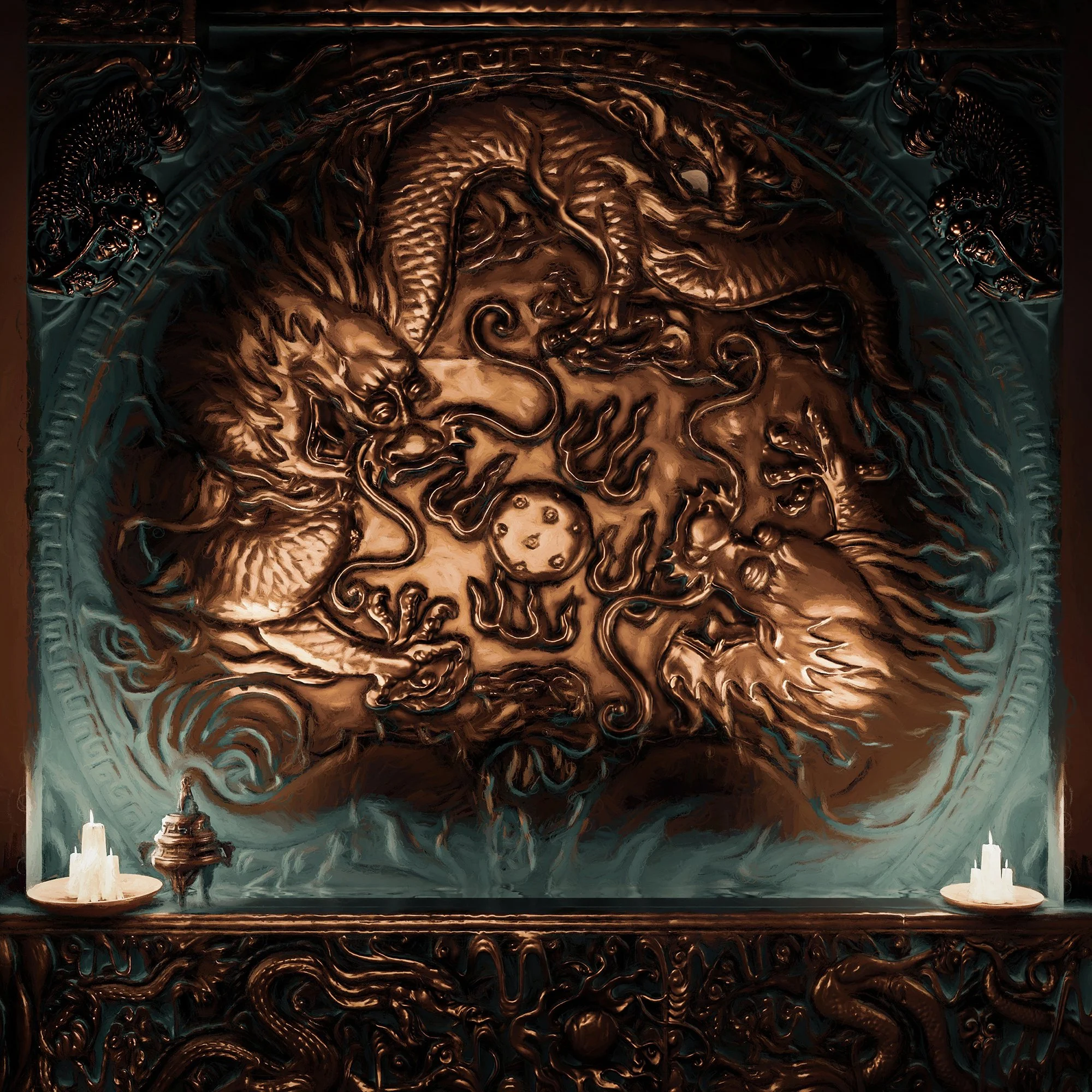
A deeply profound moment for me was when I was around five years old, watching my older brother Volkan Bostancı draw, and grabbing a pen and paper to imitate him. What I drew was actually the classic landscape that most of us imagined in our minds as children: a winding river flowing between distant mountains, lush green shores, a small campfire, and peaceful nature. Throughout my primary school years, for exactly five years, I constantly improved this drawing, redrew it every year, and had it exhibited in my school. However, what deeply affected me was not the landscape itself, but that first moment of drawing that started by imitating my brother. Going beyond playing with toys, I experienced that immense feeling of being able to imagine something in my mind and build a world from scratch for the very first time.
What else fills your time when you’re not creating art?
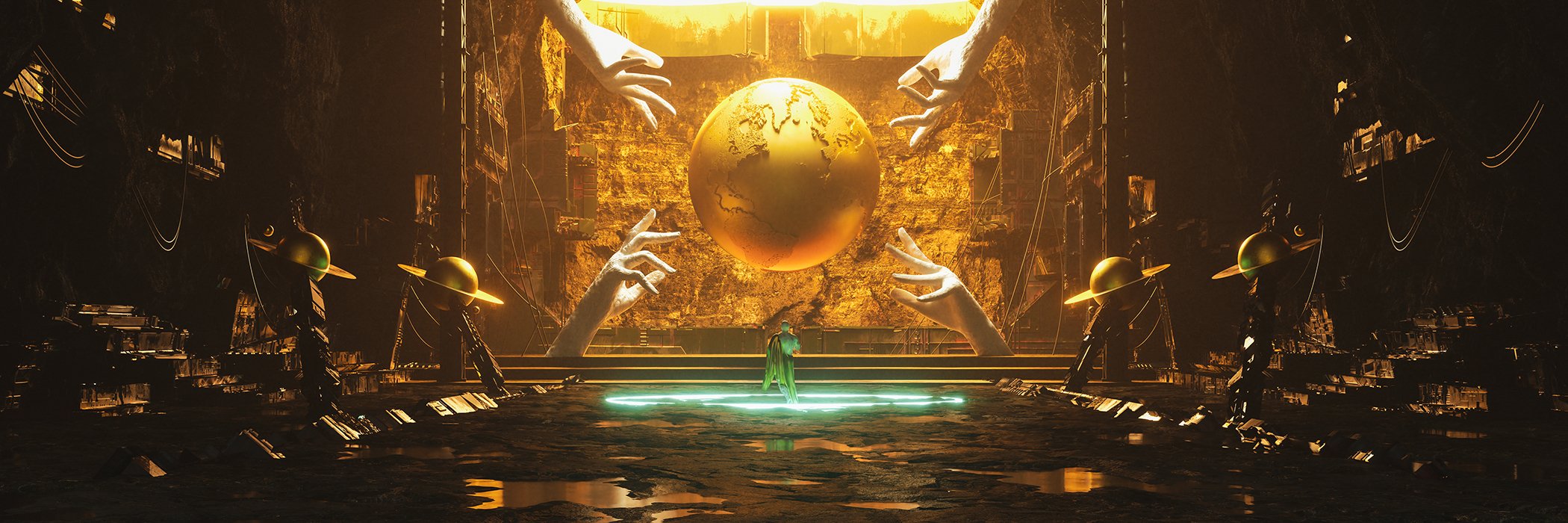
I believe that the Creator loves people who produce. Producing something, not just in terms of art but in any area of life, is the only medicine that relaxes me. Especially at this age, it is the only way to calm that intense flow of thoughts and voices in my mind. Even when I look back at the periods when I felt completely exhausted, feeling like a 'zombie' so to speak, I realize that I was actually always learning and producing something during those times. When I put it this way, people sometimes think I only focus on work and forget to live. But looking at the reality; observing the balance of nature while camping, retreating to a corner to sketch, or pressing the shutter button is also a form of production. Breathing the culture of different cities while traveling, and reading those silent messages left to us on historical monuments, is actually an inseparable part of producing new ideas in my mind. Because for me, living is already a state of production in itself.
What is a dream project you’d like to make one day?
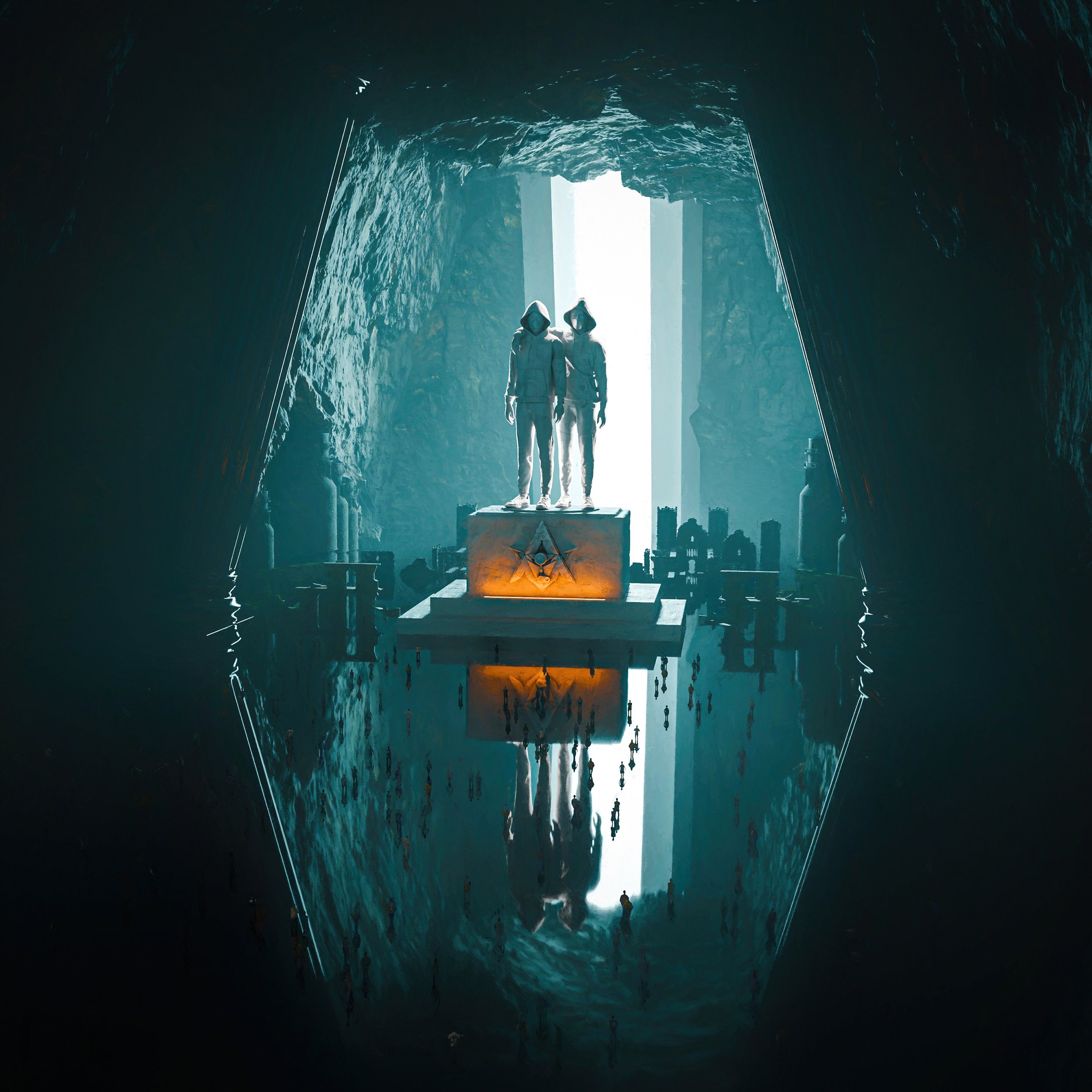
Actually, right now, I am living the very life and projects I once dreamed of. I am exactly at the center of my artistic journey, my academic studies, and that inner desire to be an explorer. My only goal now is to take these beautiful things I have one step further. Throughout my life, I never got stuck on a single dream; I dreamed of countless things, made a great effort for them, and now I continue to swim in this endless ocean. I do not know to which shore the waves will take me at the end of the day. I guess only time will tell.
Have there been any surprising or memorable responses to your work?
My work titled Venus was a sociological experiment for me. I was questioning why and how modern humans, just like in the Middle Ages or Antiquity, can still be slaves to their own desires (beauty, power, wisdom, addiction) today. I designed Venus as a symbol of power, nobility, grace, and wisdom—as a self-aware and completely independent character. I meticulously crafted the aesthetic, historical, and sociological background of the piece. To find a real answer to these questions, the work had to be exhibited in a global place where people of every culture and nation could see it. Being exhibited for three days in Times Square with The Monument selection, curated by NFT.NYC and Superchief Gallery, was a perfect fit for this. During those days, I received incredible messages from about 15-20 people. Their common questions were: "Is Venus a real person? Is she really alive? Who did you look at to model her?" The fact that the piece made the viewer consider the possibility of her existing in reality was, for me, the greatest proof that the artwork had achieved its purpose.
Across your work in astrophotography, 3D art, VFX, and creative technology, what kinds of worlds or experiences are you most interested in exploring next?
While continuing my digital art productions and academic journey with the same passion, I want to feed that childhood dream inside me: the desire to become a true 'explorer'. For me, the knowledge closest to the truth comes not just from reading, but from listening, experiencing it firsthand, and tasting it. Therefore, in the future, I want to travel more, get right to the heart of new cultures, and learn by living them. I aim to continue my search for meaning by focusing much more on documentary photography and astrophotography.
Are you our next spotlight artist? Submit the form to apply to be featured!
We share works by digital artists as well as digital arts exhibitions, events, and open calls daily on Instagram — follow us for more and subscribe to our newsletter so you don’t miss new blog posts.