How Tong Zhao Balances Brand Design with Slower Forms of Craft
By Cansu Waldron
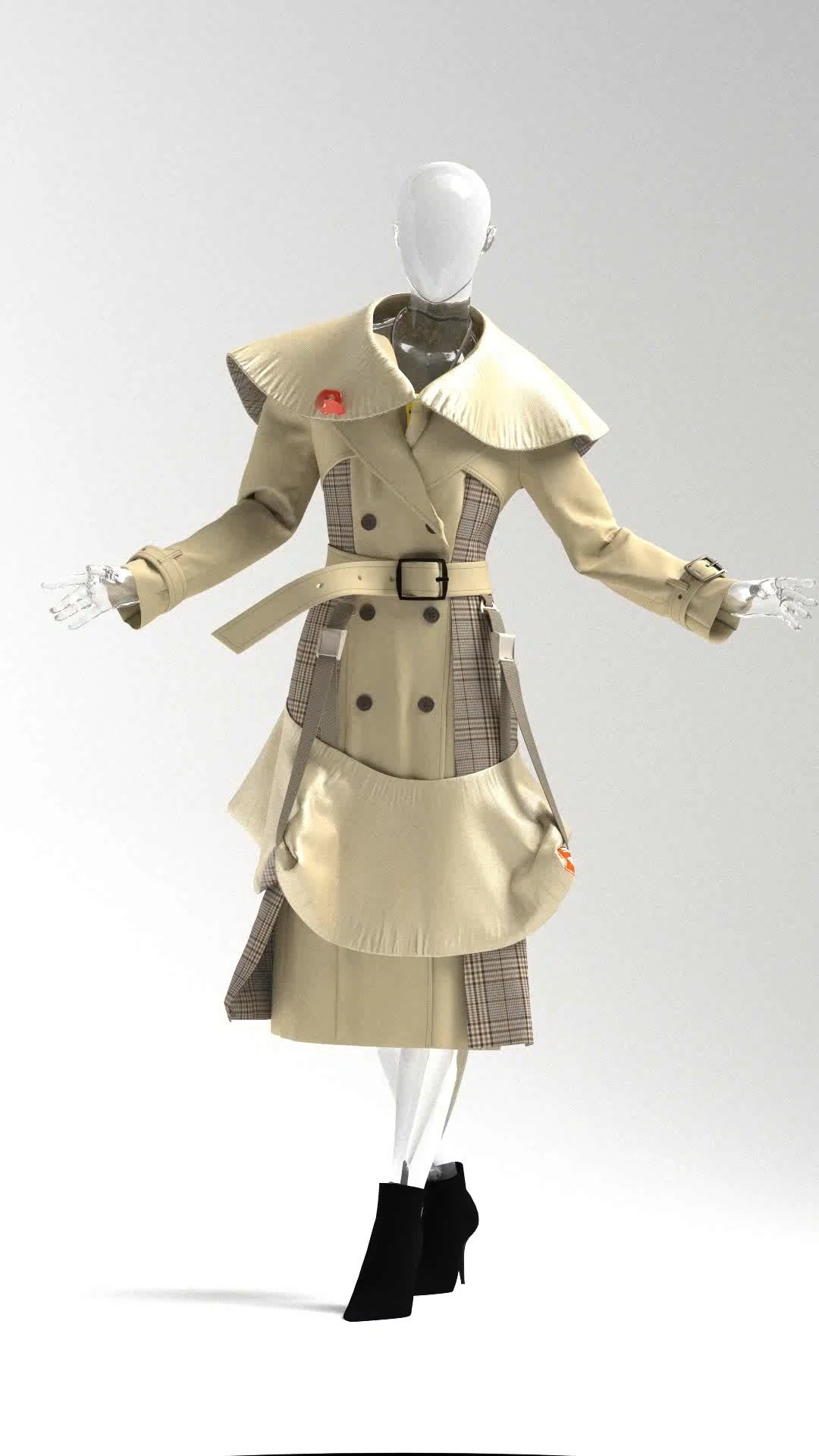
Tong Zhao is a New York–based multidisciplinary designer whose practice spans brand identity, art direction, digital experiences, motion, and object-making. Currently a Senior Visual Designer at Robinhood, she approaches design with a curiosity for how ideas can evolve across different mediums, moving fluidly between digital and physical forms. Alongside her professional work, she maintains an independent practice where she explores jewelry, ceramics, textiles, and other slower, hands-on methods of making, bringing the same thoughtful attention to craft and storytelling into every project.
Tong’s path into design was anything but conventional. After studying economics, she realized she was far more interested in visual storytelling and creative expression, leading her to pursue an MFA in Communications Design at Pratt Institute. Since then, she has worked across independent studios, agencies, and in-house creative teams, contributing to projects for companies including Apple, Microsoft, and Nike. Rather than defining herself by a single discipline, Tong continues to follow her curiosity, allowing new materials, mediums, and experiences to shape an ever-evolving creative practice.
We asked Tong about her art, creative practice, and inspirations.
Can you tell me about your journey into design? How did you get started in this field?
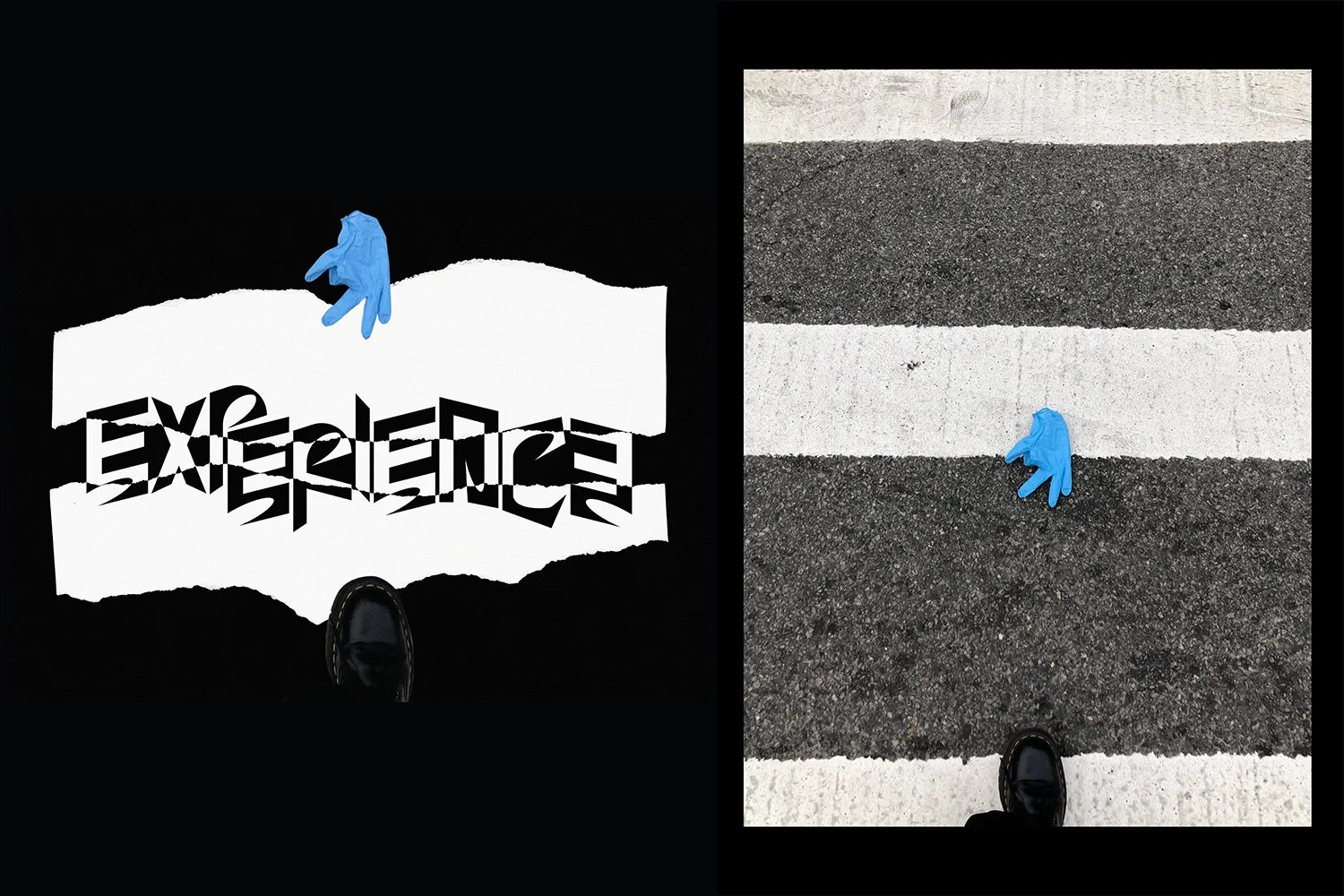
I actually studied economics before transitioning into design. Growing up, I was always drawn to visual culture, making things by hand, and paying attention to small details. During college, I realized I was much more excited by storytelling, image making, and creating experiences than by traditional business work, which eventually led me to pursue an MFA in Communications Design at Pratt Institute in New York. Since then, I've worked across studios, agencies, and in-house teams—including branding studios, tech companies, and global brands—which has allowed me to move between identity systems, campaigns, digital experiences, motion, and product storytelling. I think my path into design has been less linear and more driven by curiosity, constantly following mediums and disciplines that spark excitement.
Your practice spans everything from brand identity and digital experiences to jewelry and ceramics. What connects these different mediums for you?
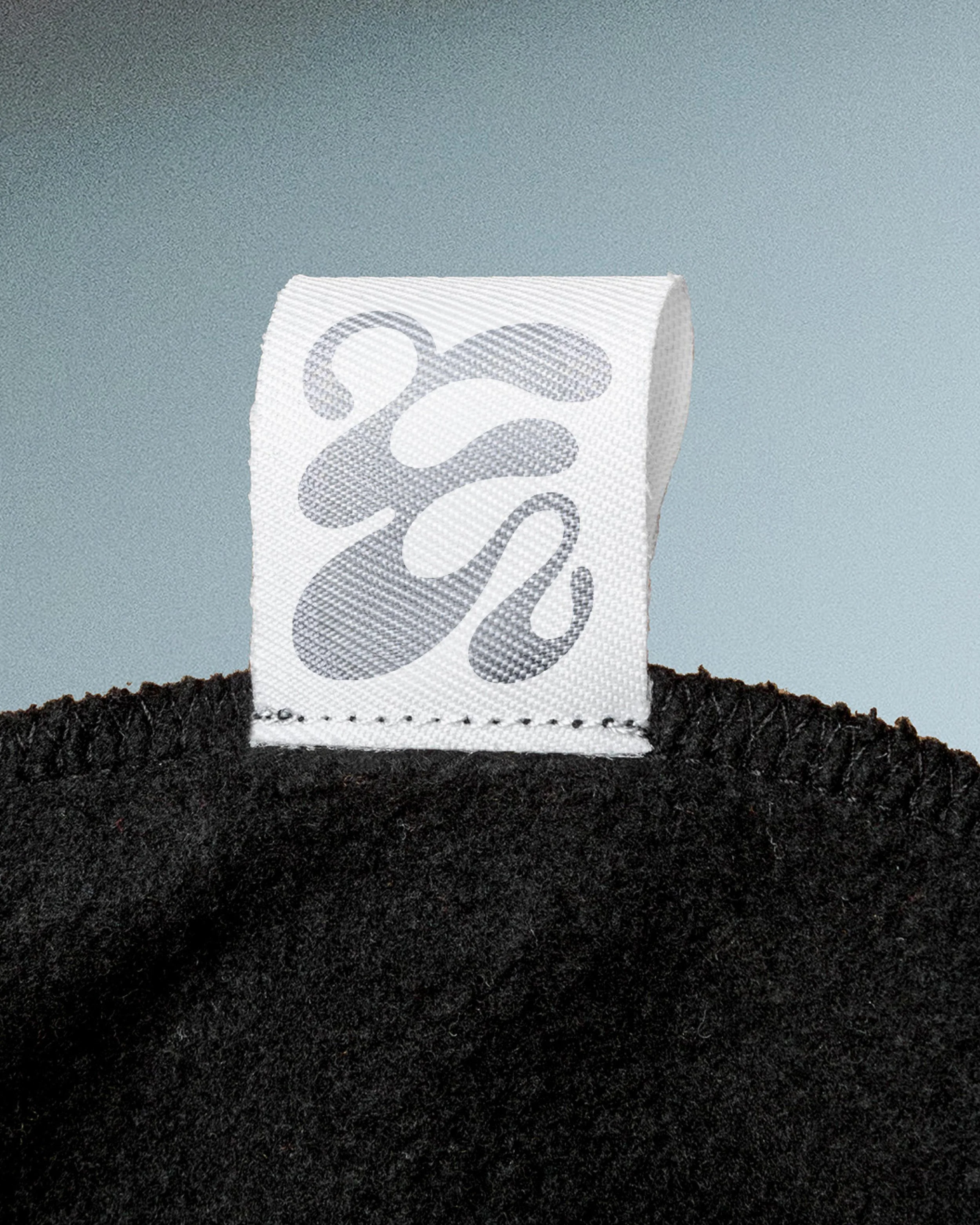
At their core, they all revolve around observation, storytelling, and materiality. Whether I'm designing a visual identity, building a digital experience, carving wax for a ring, or throwing clay, I'm interested in how ideas take shape through form, texture, rhythm, and interaction. Different mediums simply offer different ways to communicate the same intention. I also enjoy the tension between precision and unpredictability. Digital design often allows for endless refinement, while ceramics or jewelry-making invite chance, imperfections, and physical constraints. Moving between these worlds keeps my practice balanced and reminds me that design can exist beyond screens.
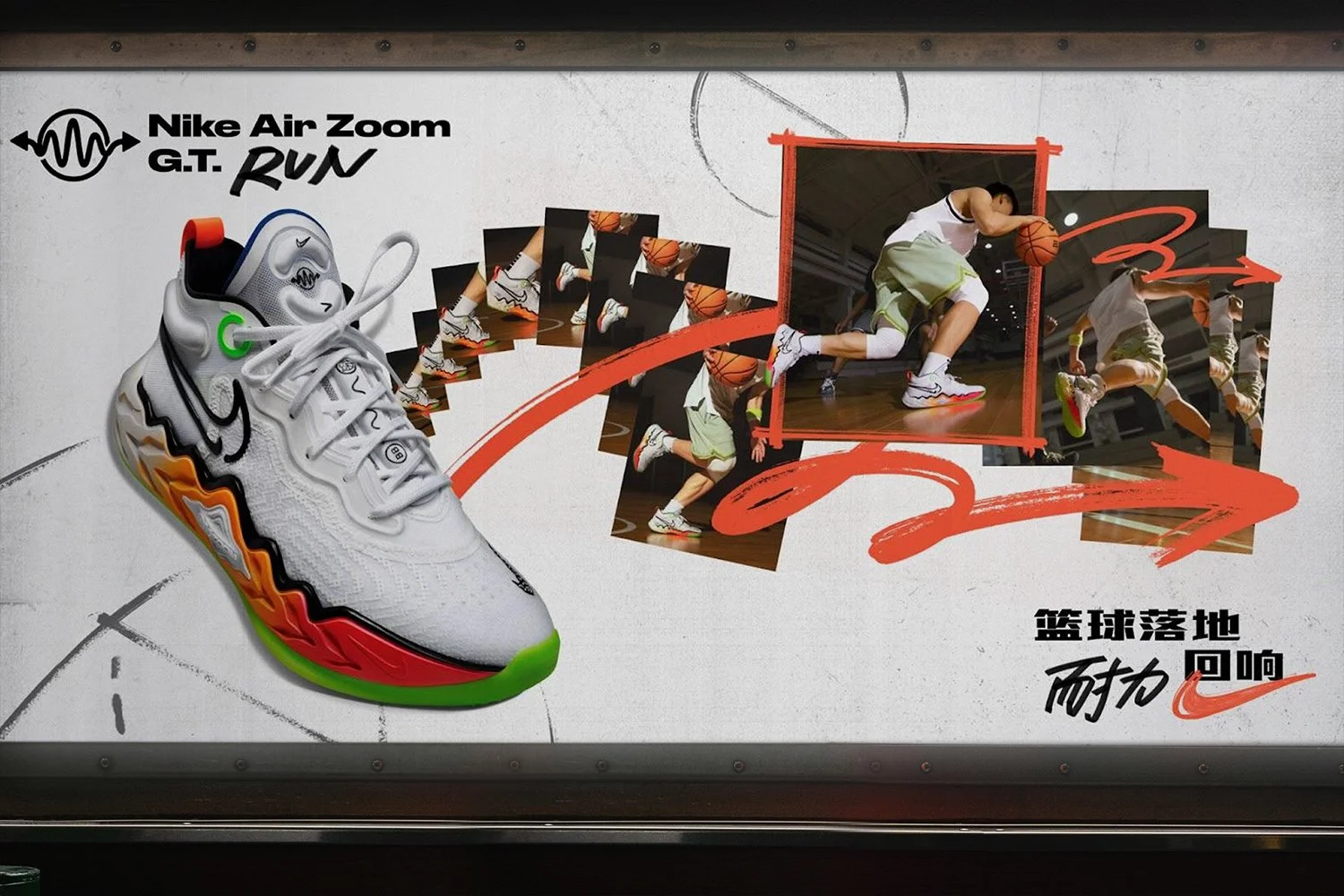
Alongside your professional work, you maintain a personal practice centered around slower, more tactile forms of making. What inspired you to explore these mediums outside of your day-to-day design work?
Working in design professionally can be incredibly rewarding, but it can also be fast-moving and highly outcome-driven. I found myself craving activities where the process mattered as much as the result. Ceramics, knitting, crochet, and jewelry making became spaces where I could slow down, experiment, and reconnect with making in a more intuitive way. There's something grounding about working with materials that require patience, you can't rush clay drying, metal casting, or knitting row by row. These practices also remind me that creativity doesn't always have to be optimized or strategic. Sometimes it's simply about spending time with an idea and seeing where it leads.
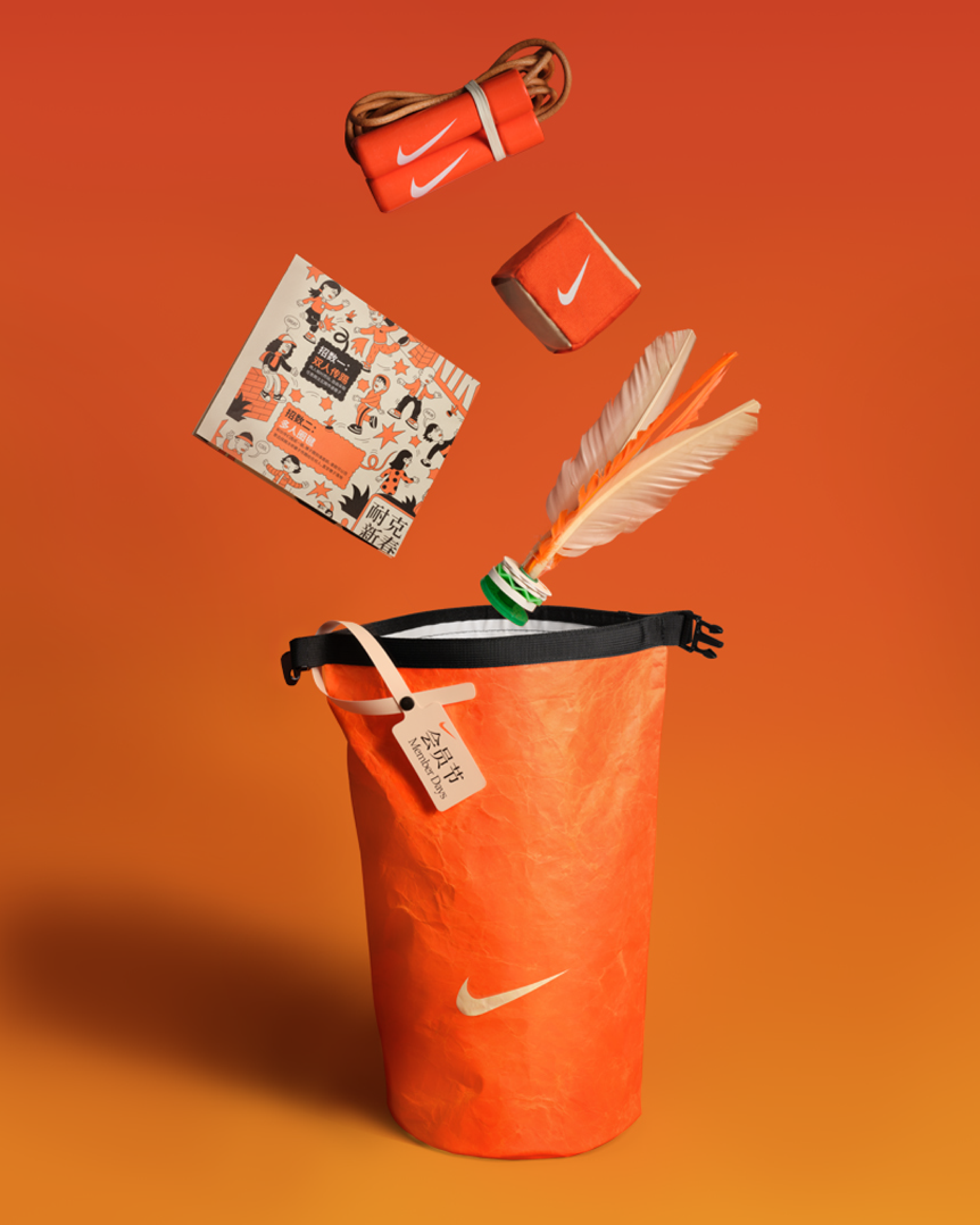
How does your creative process change when you're designing for a client versus making something purely for yourself?
Designing for clients is an exercise in empathy and problem solving. I spend a lot of time understanding context, audience, business goals, and constraints. The challenge becomes finding the most compelling expression within a framework. Personal work is much more exploratory. It often starts with a feeling, a material, or a small observation rather than a defined brief. I allow myself to follow curiosity without needing to justify every decision. That said, the two practices continuously inform one another. Professional work sharpens my systems thinking and communication skills, while personal projects help preserve a sense of play and experimentation.
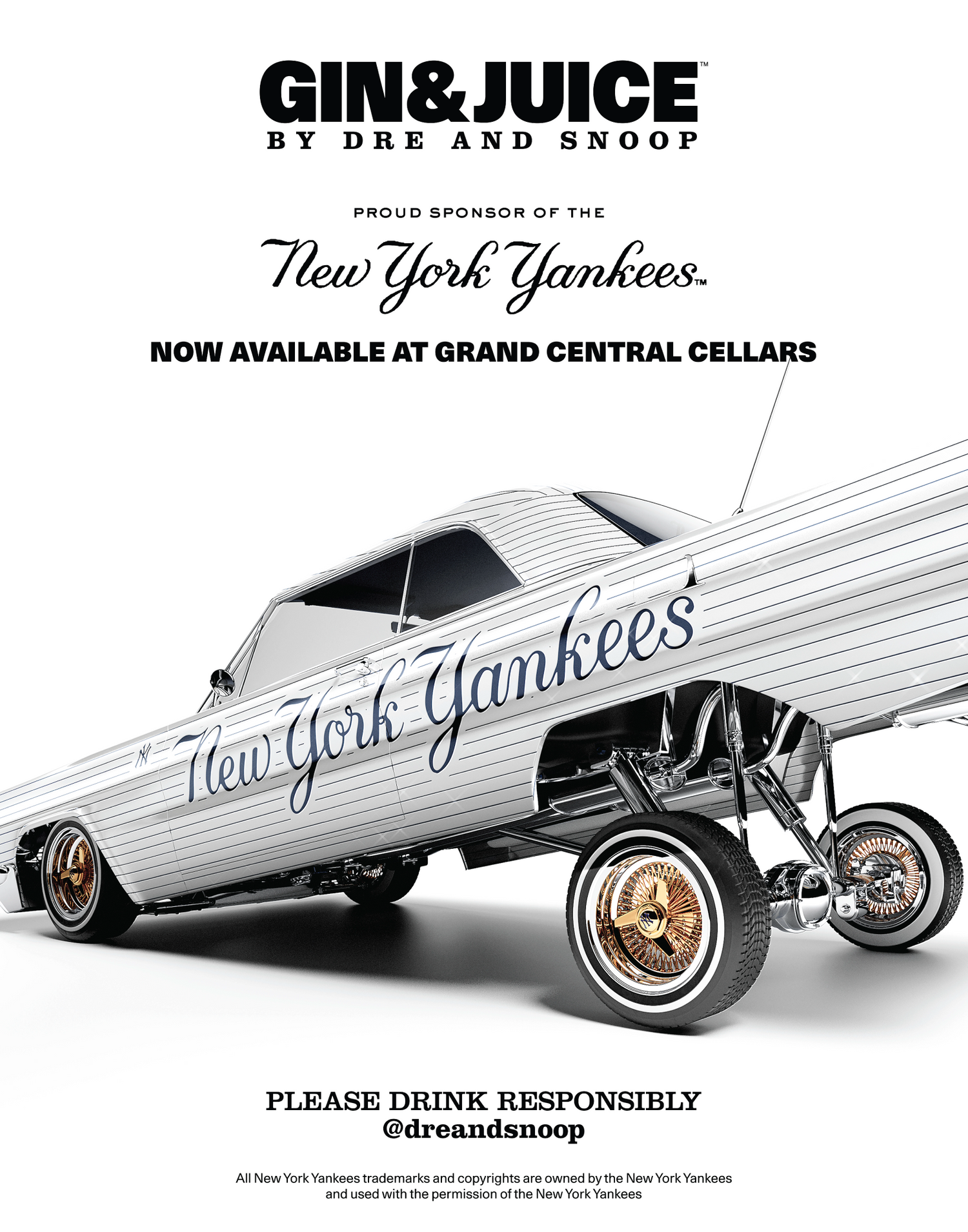
Have there been any surprising or memorable responses to your work?
One memorable moment was seeing people connect emotionally with work that was originally created as a personal exploration. It reminded me that the things we make for ourselves often resonate with others because they come from a genuine place. I've also been pleasantly surprised by how many people are interested in the process behind making, whether that's sketches, prototypes, unfinished experiments, or behind the scenes moments. People often connect with the journey just as much as the final object.
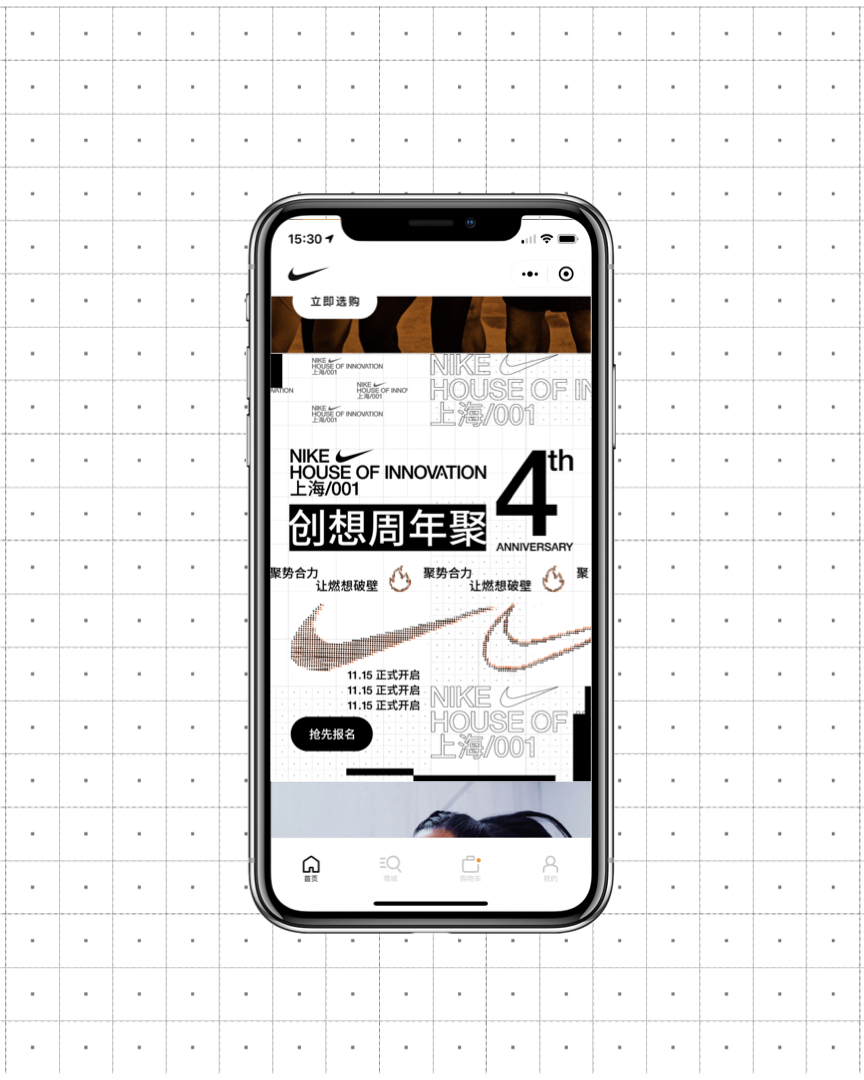
Your work moves fluidly between digital and physical objects. What excites you about translating ideas across different formats and materials?
I love that every medium reveals something new about an idea. A concept that begins as a graphic system might become an object, a website, a motion piece, or even a piece of jewelry. Each translation introduces new constraints, which often leads to unexpected discoveries. Physical objects invite touch, weight, texture, and presence in ways that digital experiences can't. At the same time, digital spaces offer scale, movement, and interactivity. Moving between them allows me to think about design more holistically, as something people can see, hold, experience, and remember.
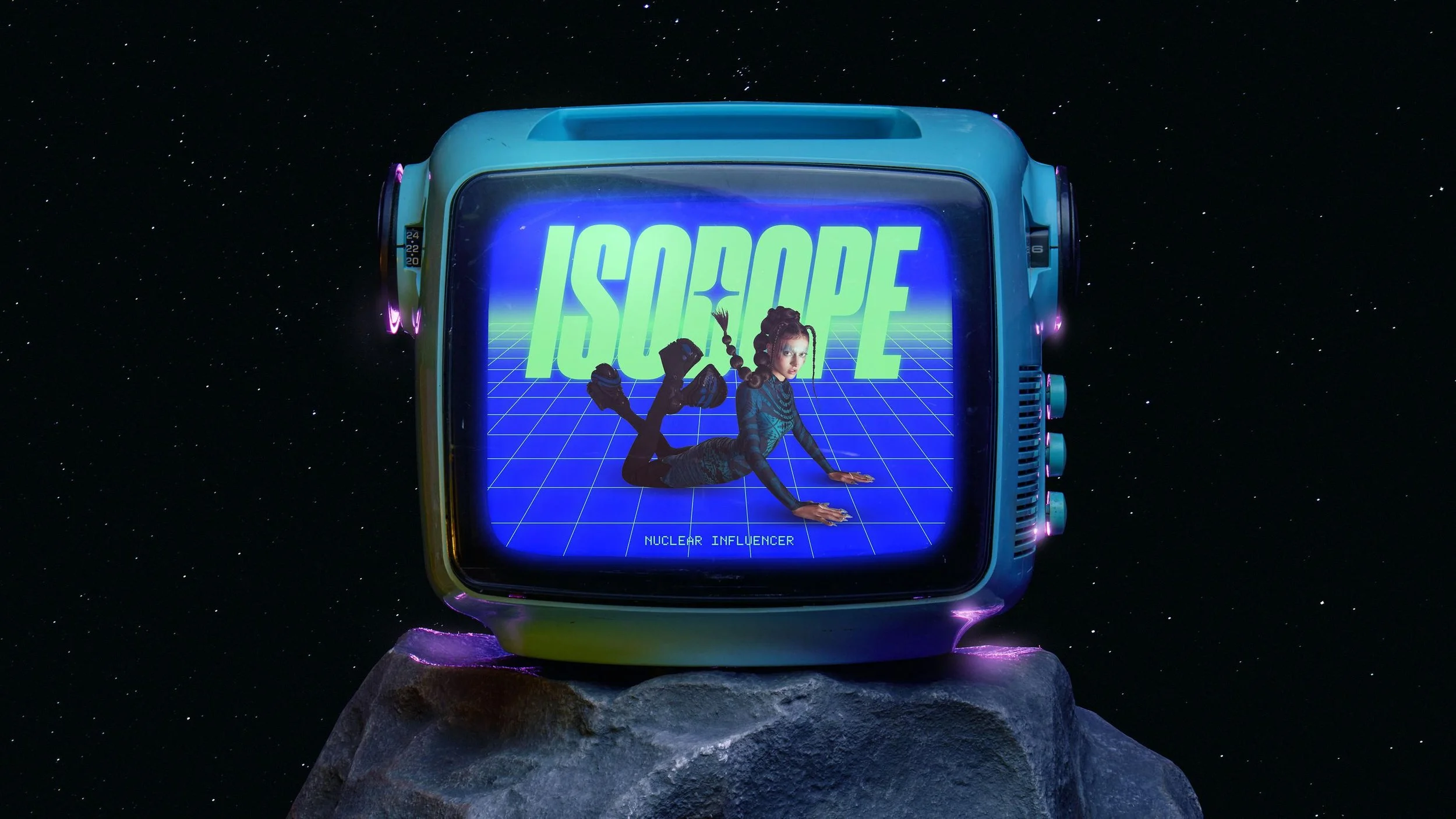
Many creatives struggle to balance commercial projects with personal exploration. How do you make space for experimentation while working in a fast-paced industry?
I've learned not to wait for large blocks of free time. Experimentation often happens in small moments, an evening spent knitting, trying a new ceramic technique, making a ring over a weekend, or documenting everyday observations. I try to treat personal practice as a way of staying curious rather than another productivity goal. Removing expectations around outcomes has been important for me. Some experiments eventually evolve into larger projects, while others simply exist as moments of play, and both feel equally valuable.
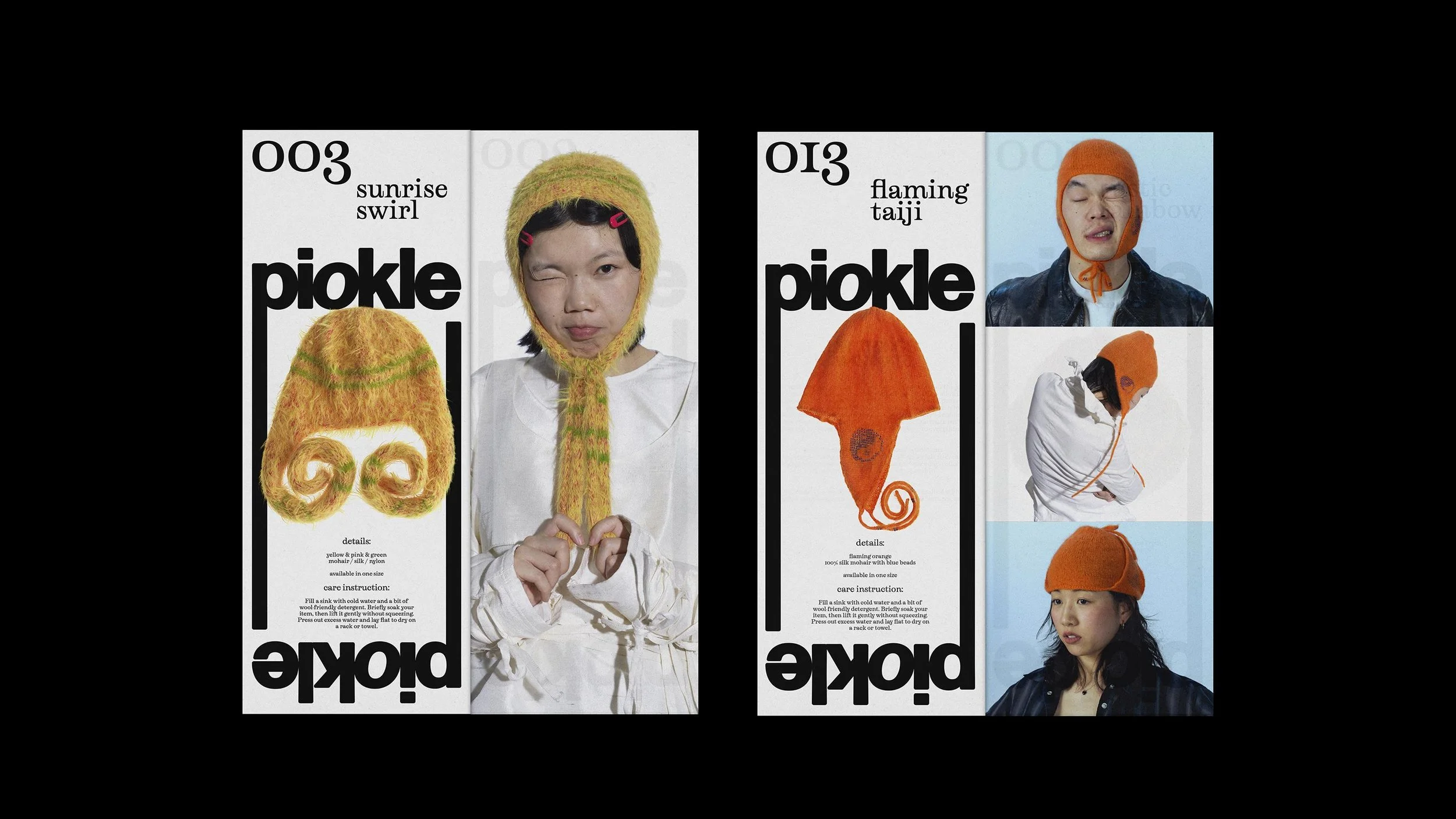
What is a dream project you’d like to make one day?
I'd love to create an immersive multidisciplinary project that combines branding, physical objects, exhibitions, and community experiences. I imagine it as a space where visitors could move through a visual identity system not only on screens and printed materials, but also through ceramics, jewelry, textiles, sound, and interactive installations. I would like to build something that blurs the boundary between graphic design, craft, and storytelling. Over time, I hope to build my independent practice into a small studio and shop where design and handmade objects can coexist and evolve together.
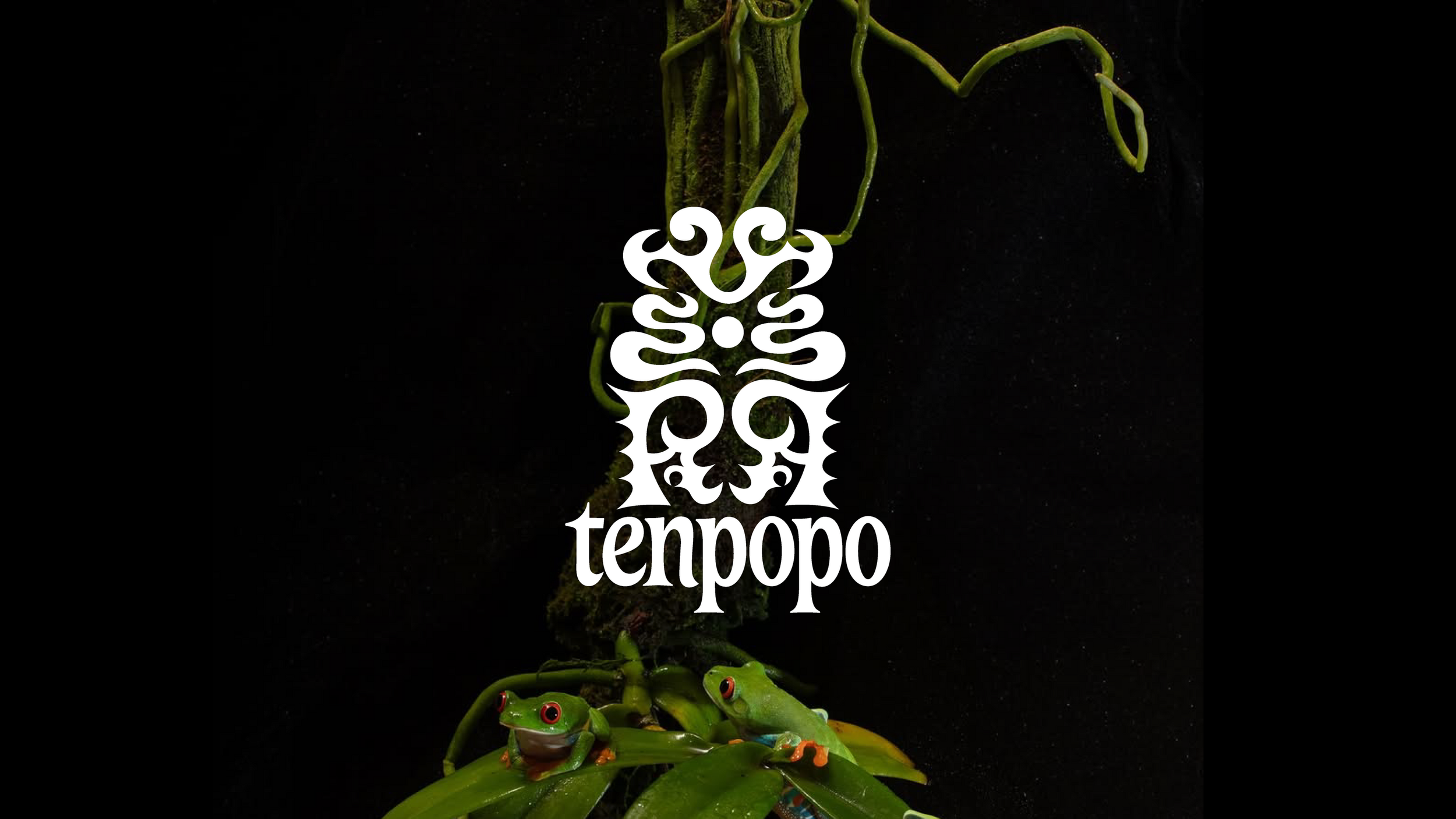
Are you our next spotlight artist? Submit the form to apply to be featured!
We share works by digital artists as well as digital arts exhibitions, events, and open calls daily on Instagram — follow us for more and subscribe to our newsletter so you don’t miss new blog posts.
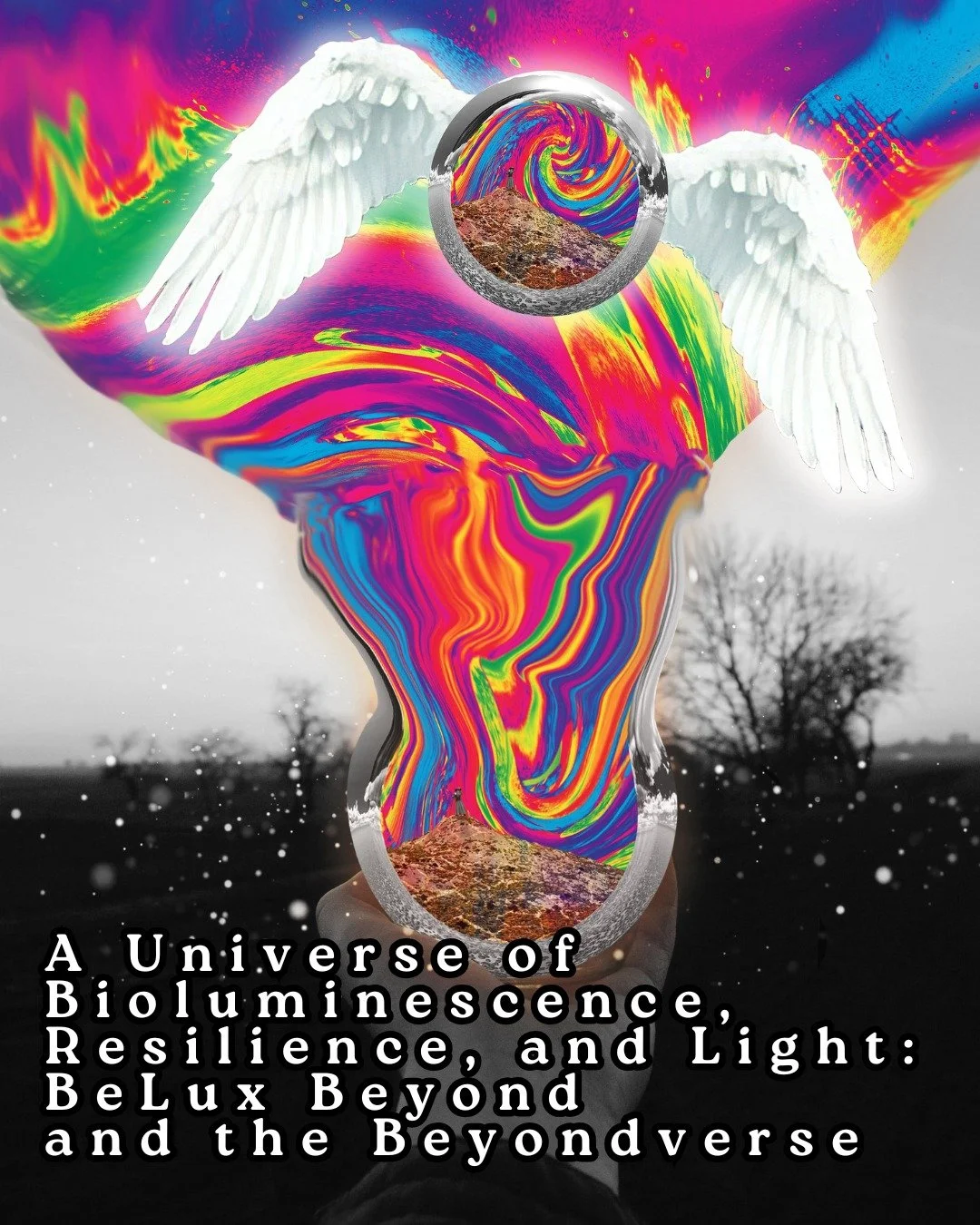
![Project Spotlight: pifmgr.dll’s [M]ETAL✨ @pifmgr.dll is a digital artist working at the intersection of audiovisual design, 3D experimentation, and atmospheric world-building. His project [M]ETAL explores metal both as a physical material and a](https://images.squarespace-cdn.com/content/v1/63b2fdbe4376de5bfdc6771f/1779108338452-QO04Q3MMJ3VMU8PJV1MD/image-asset.jpeg)