Between Cultural Memory and Speculative Imagination: A Conversation with Fanuel Leul
By Victor Murari
In a field still marked by the illusion that technical innovation, in itself, amounts to aesthetic and political renewal, Fanuel Leul’s work matters for more demanding reasons. An Ethiopian artist trained at the Alle School of Fine Arts, with a background in industrial design and three-dimensional modeling, Leul works precisely at the point where the digital image ceases to be mere software virtuosity and becomes a dispute over who has the right to project the future, through which signs, and from what cultural memory.
His 3D production, as well as projects such as Afromask and Bugnad, rejects the reductive formula that opposes ancestry and technology, proposing instead a tense continuity between ritual forms, speculative imagination, and narrative sovereignty. Within Afrofuturism, his work introduces an important shift: rather than framing Africa’s future presence as the recovery of a lost heritage from a distance, Leul draws on traditions lived in the Ethiopian present to consider how they might persist, mutate, and acquire new digital materialities.
This inflection changes the critical problem. It is no longer simply a matter of inserting African images into the global repertoire of digital art, but of interrogating the historical conditions through which the continent has repeatedly been turned into a theme, a market, or a surface onto which external imaginaries are projected.
What comes to light in this interview is precisely the singular position of an artist who understands technology with instrumental clarity, free of fetishism, and who recognizes its potential to circumvent exclusionary circuits of international legitimation. Leul shows us that the real point of inflection lies in the force of language, the coherence of the imaginary, and the capacity to produce, from Africa, images that do not seek epistemological authorization from the Global North.
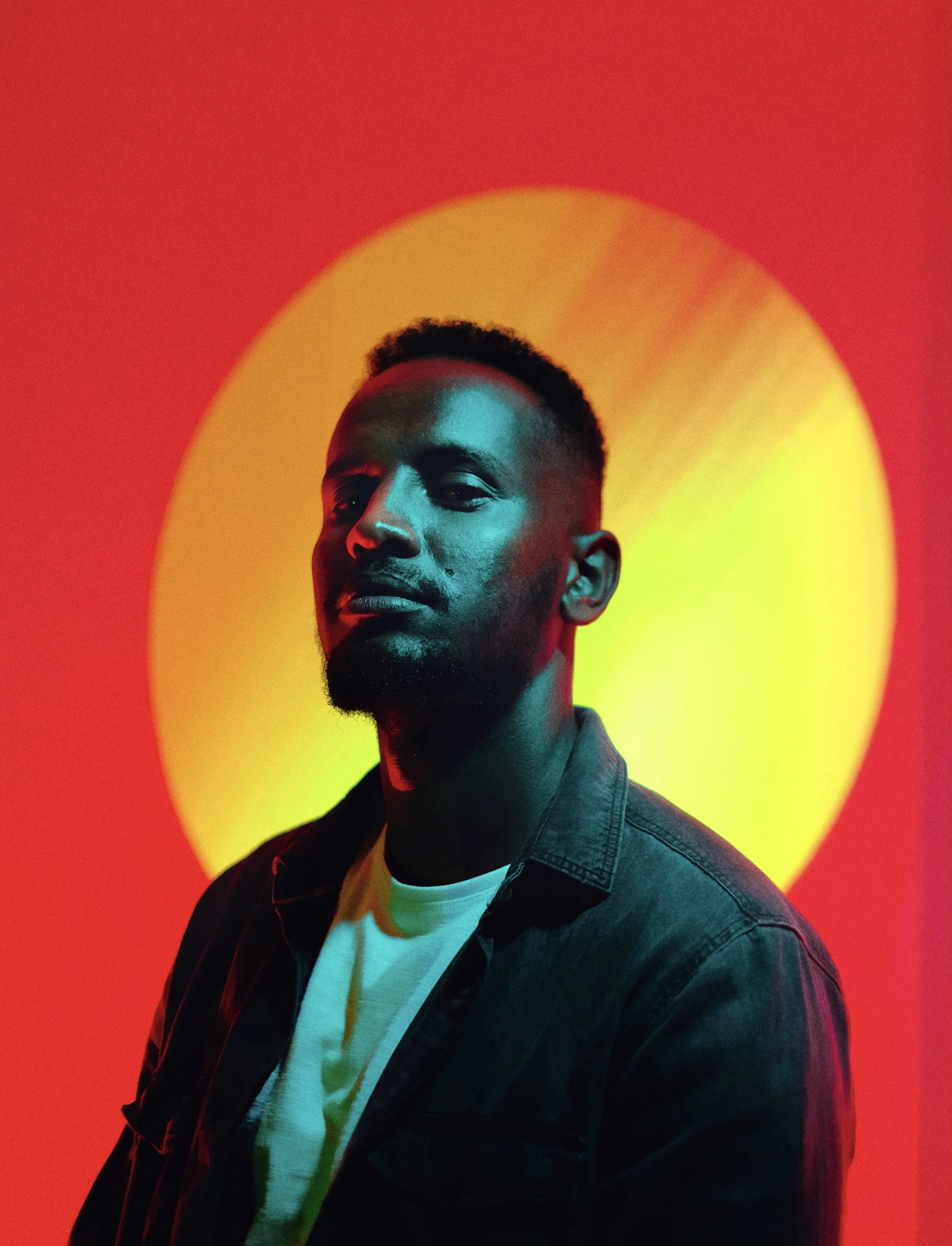
In several accounts of your trajectory, drawing appears as an early space of creative escape during childhood, even before any formal artistic training. Later, contact with the visual imagination of superheroes seems to have shaped your relationship with futurism and with the construction of characters. How did this early experience of imagining heroes and alternative worlds influence your decision to develop a futuristic iconography deeply rooted in Ethiopian culture?
When I first started drawing as a kid, most of what I drew were superheroes. I was fascinated by dramatic scenes characters flying between buildings, intense fight moments, or powerful figures standing in heroic poses. I remember spending hours drawing things inspired by characters like Spider-Man or other comic heroes. At the time it was simply exciting to imagine people with extraordinary abilities moving through worlds that felt larger than reality.
Those early drawings were really my first way of building worlds. Even though they were inspired by global superhero culture, the process itself imagining characters, their powers, and the environments they lived in became something that stayed with me. I realized later that what interested me most was not only the characters themselves, but the idea of creating entire visual universes around them.
As I grew older and began studying art more seriously, I started to reflect on the imagery I had grown up with. I noticed that many of the futuristic or heroic narratives I admired rarely included African cultures or histories in a meaningful way. That realization slowly shifted my perspective. Instead of simply drawing heroes from other worlds, I became interested in imagining heroes, characters, and futures that grow from African traditions and Ethiopian cultural symbols.
In many ways, my work today still carries the spirit of those early drawings. The difference is that the worlds I build now are rooted in my own cultural landscape. The futuristic elements, the masks, the characters, and the environments are my way of imagining a future where African identity is not on the margins, but at the center of the story.
Projects such as the Qedamawi studio and the development of the comic Bugnad suggest a growing interest in creating narrative universes and heroic characters inspired by African experiences. What kind of African hero are you seeking to construct in these projects, and which values or historical experiences shape this contemporary mythology?
Through projects like Bugnad and the work developed with Qedamawi Studio, I am interested in building narrative worlds that are inspired by real African histories and cultural experiences. Africa already has powerful stories filled with dramatic events, legendary figures, and heroic struggles. In many ways, these stories are just as epic as the kinds of mythologies we see in global fantasy narratives.
For example, Bugnad is inspired by real historical events and cultural memories, but the story is reimagined and expanded through fiction. It takes elements from real history and twists them into a new narrative universe. In that sense, it is similar to how many popular fantasy worlds are built. They often draw inspiration from real histories, but reinterpret them into something mythological and cinematic.
The heroes in these stories are shaped by values that come from African experiences such as courage, resilience, unity, and cultural pride. Ethiopia itself has a long history of resistance, independence, and strong cultural identity, and those elements naturally influence the characters and worlds I create.
For me, building these heroes is also about representation. Growing up, most of the heroic narratives I encountered came from outside Africa. I believe it is important for younger generations to see stories where African cultures and histories are the foundation of the mythology. Projects like Bugnad are a way of imagining those stories on a larger scale and showing that African histories already contain the ingredients for powerful heroic narratives.
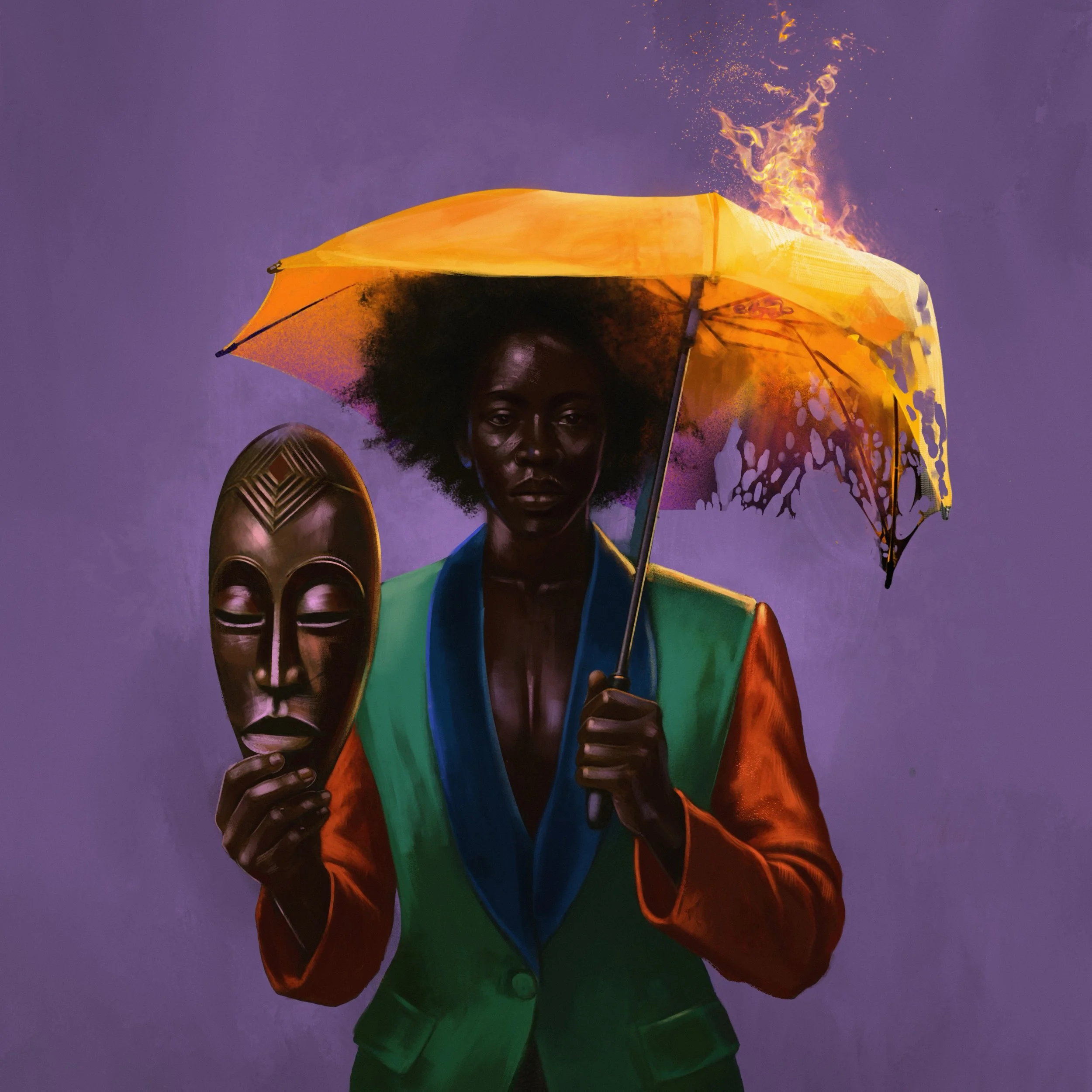
Your time at the Alle School of Fine Arts in Addis Ababa appears to have been decisive in consolidating a visual vocabulary that combines industrial design, fine arts, and three-dimensional digital modeling. In what ways did your academic training influence your approach to technology, especially in the transition from drawing to the construction of complex visual universes in 3D?
I graduated from the Alle School of Fine Arts where I studied fine art, but my major was industrial design. One of the reasons I chose industrial design was because I was interested in understanding computer graphics and learning more about the possibilities of working in three dimensional digital space.
Before art school I was mostly drawing characters and scenes, but studying industrial design helped me think differently about form and structure. It made me more aware of how objects exist in space, how they are constructed, and how design decisions influence the way we experience them.
That perspective naturally influenced my transition into digital tools such as 3D modeling. When I began working in programs like Blender, I was no longer only drawing images. I was building environments, characters, and objects that could exist in a spatial world.
This combination of drawing, fine art training, and design thinking helped me move from creating single illustrations to constructing entire visual universes. It allowed me to imagine worlds where architecture, characters, and cultural objects interact together, which is an important part of how I approach Afrofuturist storytelling today.
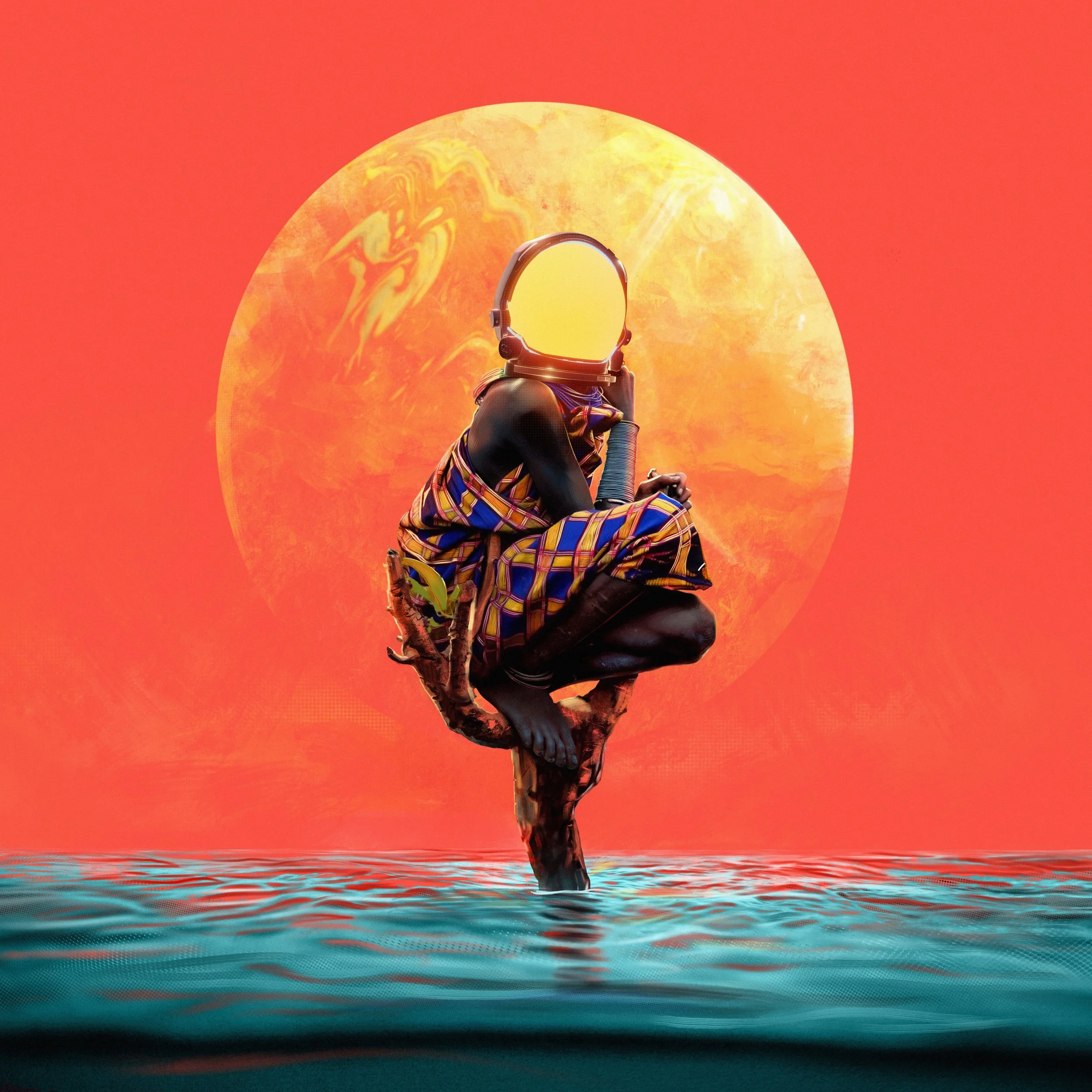
Much of Afrofuturist production historically emerged within the African diaspora, particularly in the United States. Your work, however, originates from within the continent itself and engages directly with local cultural symbols. What differences do you perceive between an Afrofuturism shaped by diasporic experience and one that emerges from within contemporary Africa?
Afrofuturism that comes from the diaspora often reflects experiences shaped by histories of displacement, racism, and the struggle for freedom and recognition. Many artists working in those contexts explore themes related to the body, memory, and the recovery of histories that were suppressed or erased. In that sense, their work often carries a strong political and historical urgency, reclaiming space for Black identity within narratives about the future.
My perspective is somewhat different because I am creating from within the continent itself. Living in Ethiopia means that many of the cultural symbols I work with are part of my everyday environment. Traditional clothing, rituals, architecture, and historical references are things I encounter directly rather than something I imagine from a distance.
Because of that, my work is less about recovering a lost heritage and more about extending living traditions into the future. I am interested in imagining worlds where African culture naturally evolves into futuristic forms. Sometimes that includes humor, beauty, playfulness, and everyday cultural scenes, not only struggle or resistance.
In that sense, the Africa I imagine is not disconnected from its past. It is a place where tradition, imagination, and futurism coexist naturally, and where cultural identity continues to grow into the future rather than simply being reclaimed from the past.
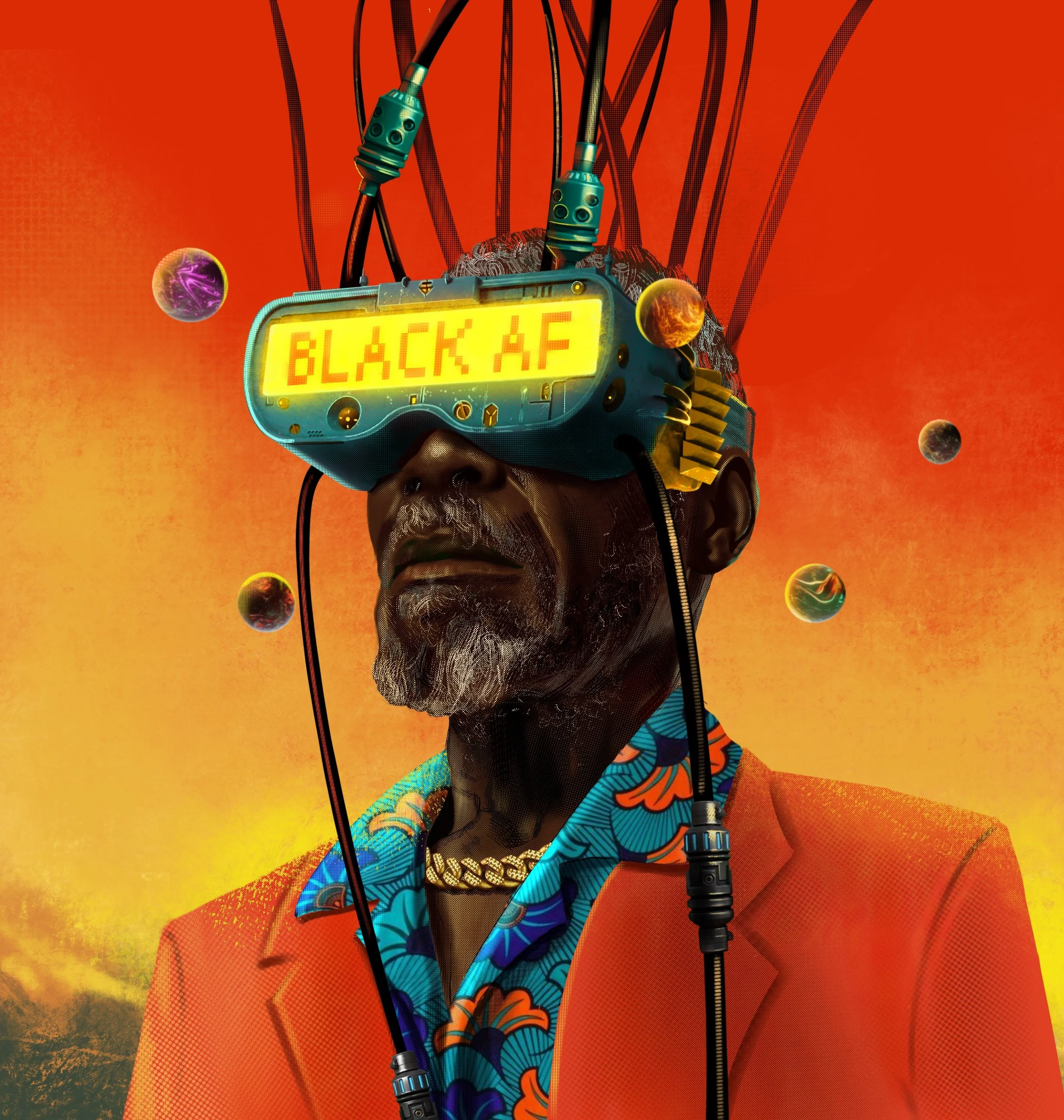
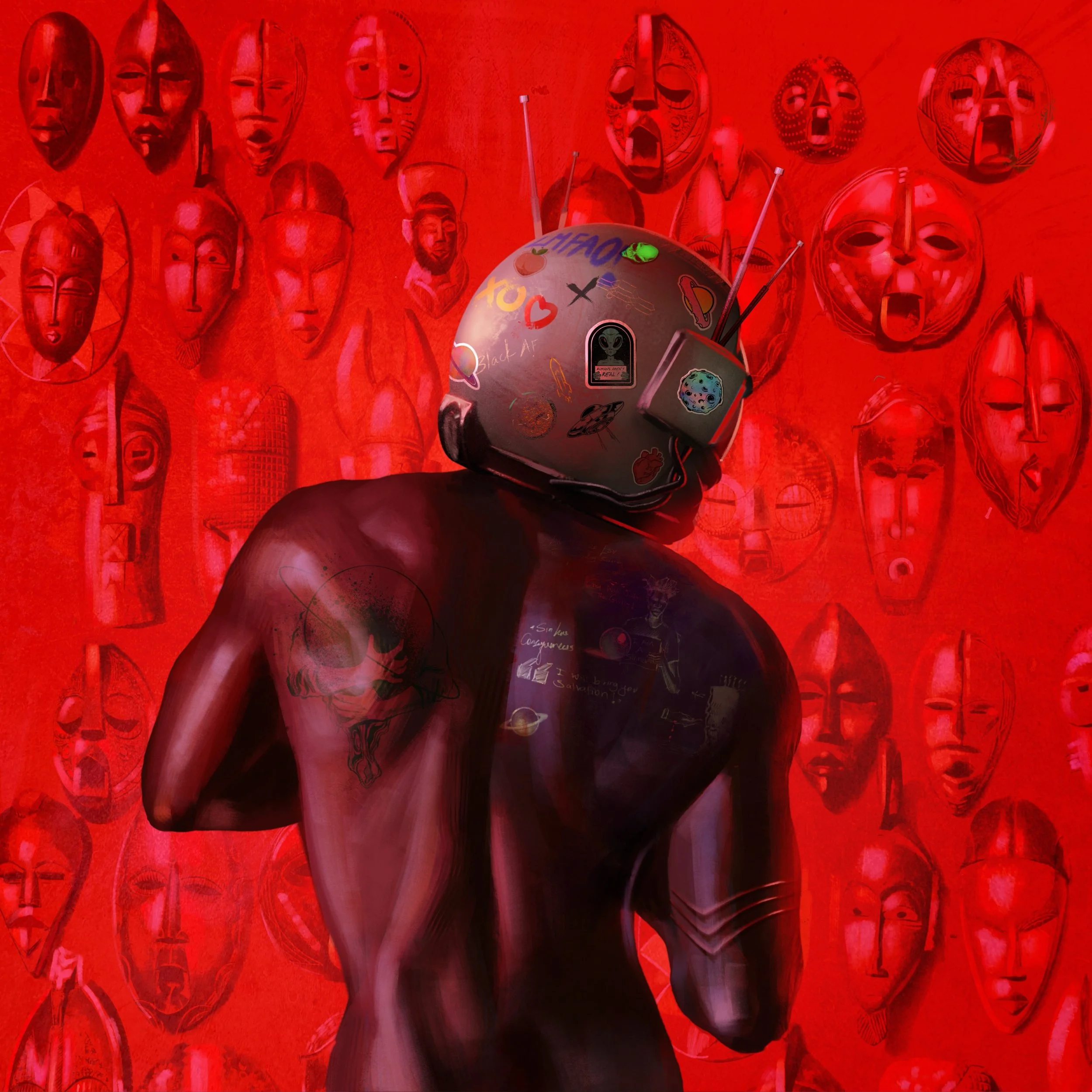
In the Afromask series, traditional African masks are reimagined as technological interfaces or biotechnological devices. This operation suggests that the future can be imagined through ancestral forms. By transforming ritual masks into futuristic devices, do you intend to propose a continuity between tradition and technology, or to create a critical tension between these two domains?
In the Afromask series, I am more interested in continuity than tension. Mask making in many African cultures is a sacred tradition that is passed down through generations. A mask is not always a fixed object. Often, each generation adds its own interpretation, decoration, or variation while still preserving the essence of the original form.
Because of this, masks already carry a history of transformation. They evolve through time while remaining connected to their cultural and spiritual meaning. This idea was very important in how I approached the Afromask project.
What we are doing is imagining our own generation’s interpretation of that tradition. Instead of carving wood or adding new ornaments in a traditional way, we reinterpret these masks through digital tools and futuristic aesthetics. In that sense, the project is not replacing the tradition but extending the same process of reinterpretation into the future.
The futuristic elements become our generation’s contribution to the long lineage of mask making. It is a way of imagining how these cultural symbols might continue to evolve, while still carrying the identity and stories embedded in them.
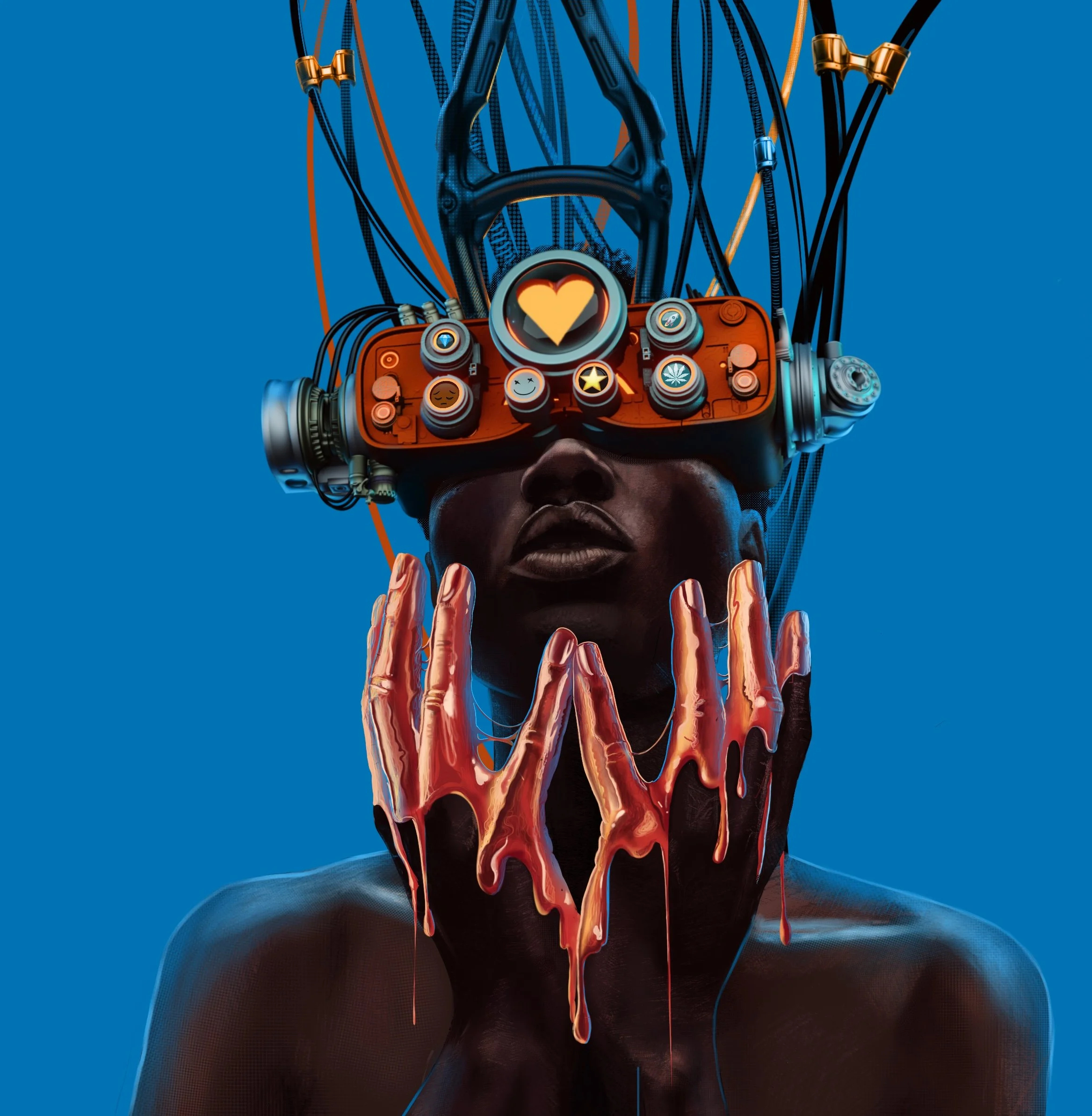
At other moments, you have described your artistic practice as the production of “souvenirs for the future,” an expression that suggests a distinctive relationship between cultural memory and speculative imagination. How do you conceive the role of the artist in constructing these future memories, especially in a continent whose visual history has often been narrated through external perspectives?
When I talk about creating souvenirs for the future, I am thinking about how cultural memory travels through time. For a long time, many narratives about Africa have been shaped by external perspectives, which often overlook the complexity and richness of local cultures.
Artists can intervene in that process by creating images that carry cultural memory forward. In my work traditional objects, clothing, and symbols become starting points for imagining possible futures.
The role of the artist is not only to document the present but also to construct images of futures that are rooted in cultural memory. These futures are speculative, but they are still connected to history.
The release of the Afromask collection as NFTs represented a turning point in your career, allowing you to bypass the structural limitations of the local art market and establish a direct relationship with international collectors. Do you believe blockchain technologies can redefine the economic autonomy of African artists, or do you see this phenomenon as a transitional phase within the digital economy of art?
The release of Afromask as NFTs was an important moment for me because it opened a direct connection with a global audience. Artists working from Ethiopia often face structural barriers such as limited access to galleries, collectors, and international networks. Blockchain technology briefly created a space where some of those barriers became less significant.
At the same time, technology changes very quickly, and it is difficult to predict whether blockchain itself will remain the main system for artists in the long term. Like many new technologies, it has both strengths and limitations, and the digital economy is constantly evolving.
For me, the most important shift is not necessarily the technology itself, but the possibility for artists to reach global audiences more directly. Artists in Ethiopia and across Africa are increasingly finding ways to connect internationally through digital platforms, storytelling, and consistent visibility.
In many ways, success today depends on how clearly an artist positions their work and the story they are telling. Authenticity and consistency become very important. The artists who manage to connect with global audiences are often those who develop a strong identity and continue sharing their vision over time. Technology can help enable that connection, but ultimately it is the strength of the narrative and the artist’s voice that allows the work to travel.
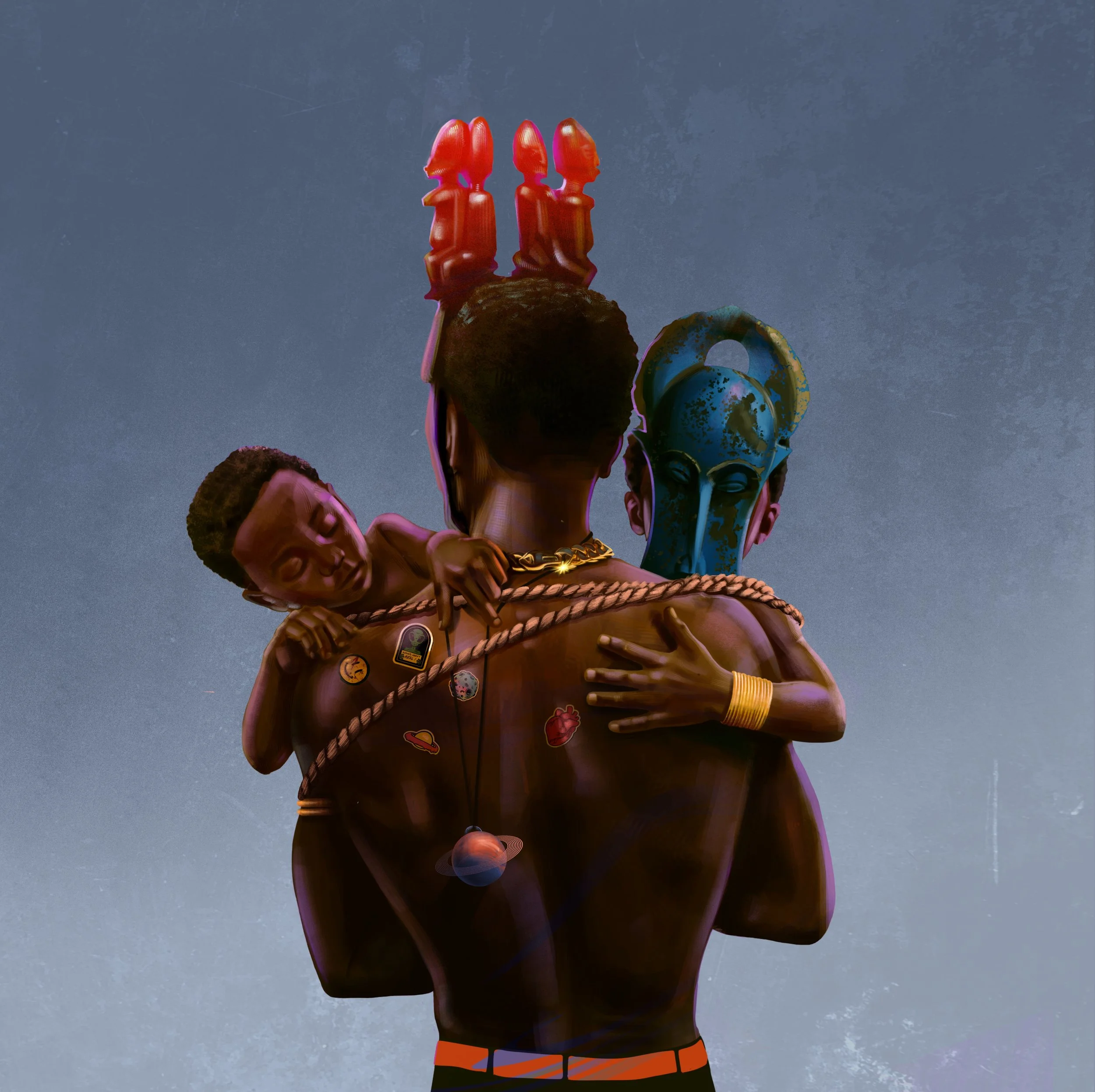
Ethiopia is currently experiencing a period marked by political tensions, regional conflicts, and occasional restrictions on freedom of expression and digital connectivity. Within this socio-political context, can the choice to depict images of joy, peace, and technological prosperity be understood primarily as an aesthetic gesture or as a form of cultural resistance?
In many global narratives, Africa is often represented through images of conflict, crisis, or struggle. While those realities exist, they do not fully represent the complexity and richness of life on the continent.
In my work, depicting images of joy, imagination, and technological possibility is a way of expanding those narratives. It is not about ignoring challenges but about showing that Africa is also a place of creativity, beauty, innovation, and cultural depth.
Afrofuturism allows me to imagine futures where African cultures continue to evolve and thrive. In that sense, optimism can also become a form of cultural resistance. By creating images that highlight dignity, creativity, and possibility, artists can challenge narrow representations and offer new ways of seeing the continent.
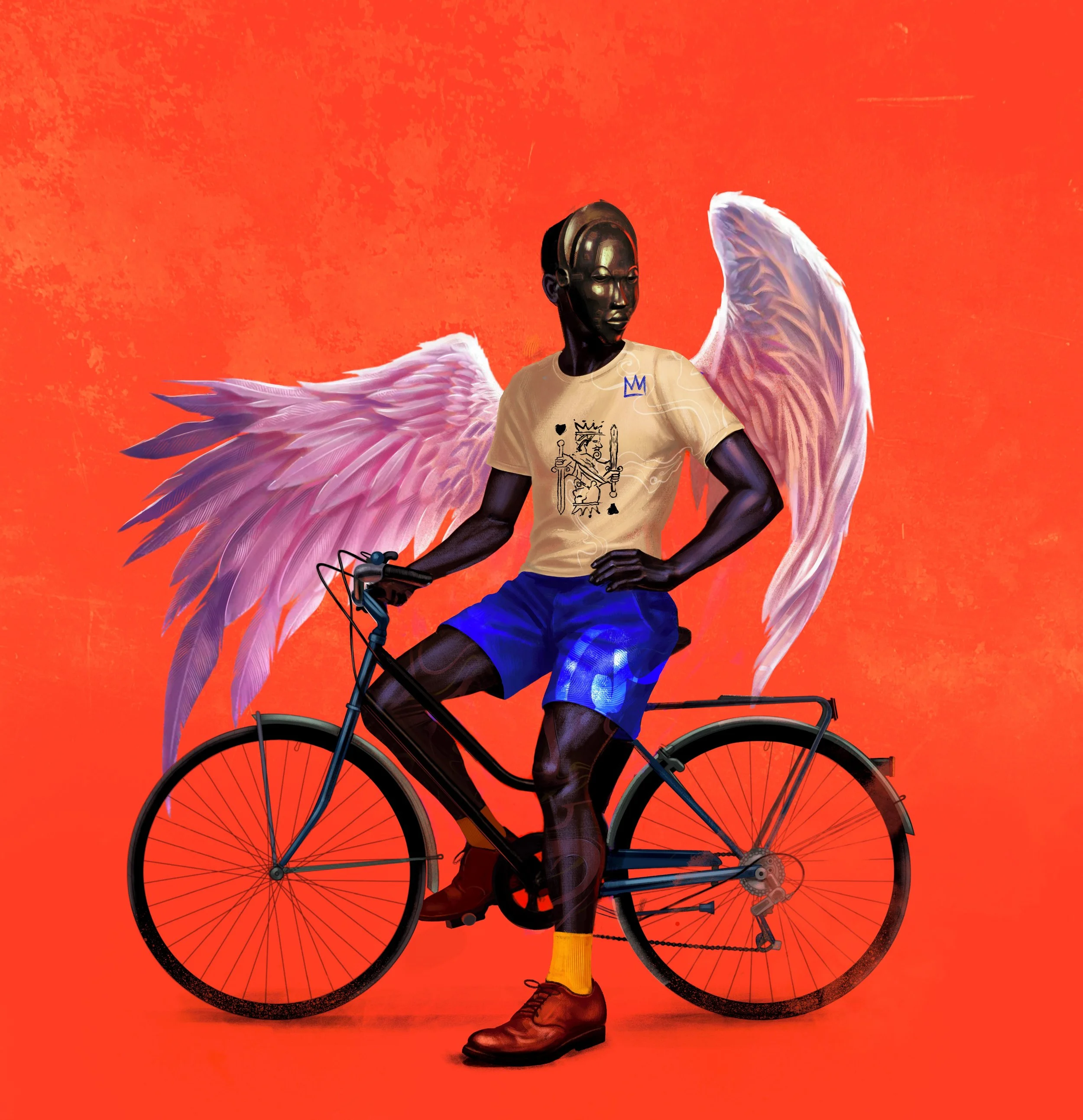
In recent years, you have also worked as a visual consultant for institutions and cultural projects connected to the Ethiopian state, contributing to the construction of a futuristic image of the country on the international stage. How do you balance the critical autonomy of the artist with participation in projects that contribute to the symbolic construction of national identity?
Working with institutions or cultural initiatives connected to national representation can be complex, but it can also be an opportunity for artists to contribute to how a country imagines itself visually.
For me, the most important thing is maintaining creative honesty and authenticity. When participating in these kinds of projects, I try to approach them not as propaganda but as an opportunity to expand the visual language of Ethiopian culture.
Artists have the ability to reinterpret national identity through imagination, storytelling, and cultural symbolism. By doing so, we can present images of Ethiopia that are contemporary, creative, and connected to both tradition and future possibilities.
Balancing these roles requires reflection, but I believe artists can participate in shaping national imagery while still preserving their independent voice.
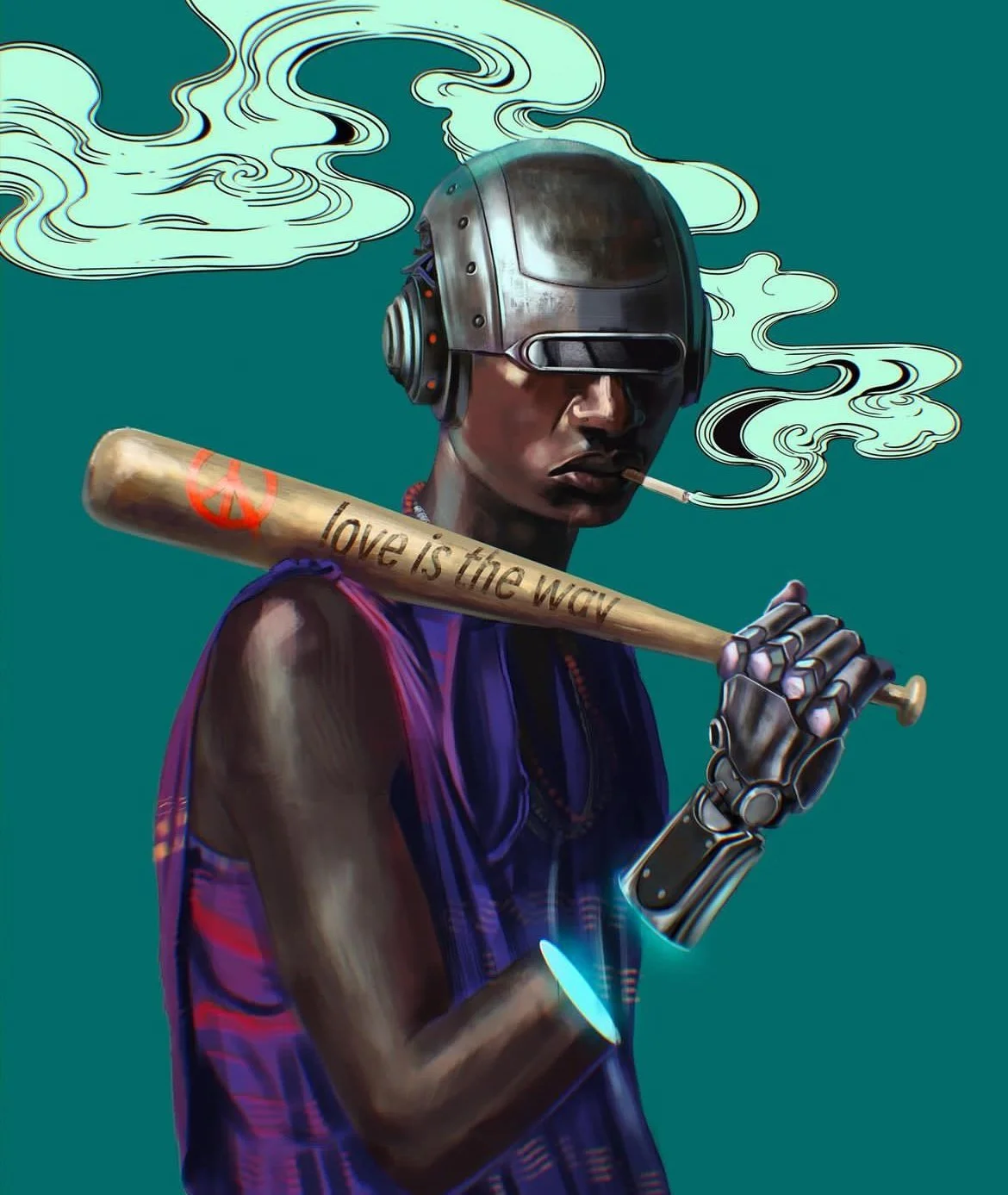
Your work already explores 3D animation, augmented reality, virtual reality, and experiments with artificial intelligence, suggesting a continuous expansion of the field of digital art. When you imagine the future of Ethiopian and African art in the coming decades, do you believe technology will function primarily as an aesthetic tool or as an instrument of cultural and narrative sovereignty?
Technology will certainly continue to change the way artists create and share their work. Tools such as 3D modeling, digital paintings, artificial intelligence, and digital platforms allow artists to build new kinds of visual experiences and reach audiences across the world.
However, I see technology not only as an aesthetic tool but also as an opportunity for cultural storytelling. For artists in Africa, digital platforms make it possible to share our own narratives directly with global audiences without relying entirely on traditional gatekeepers.
In that sense, technology can become a tool for cultural sovereignty. It allows African creators to shape how our stories, histories, and futures are represented. If used thoughtfully, these tools can help amplify African voices and ensure that the visual narratives about the continent are created by those who live within it.
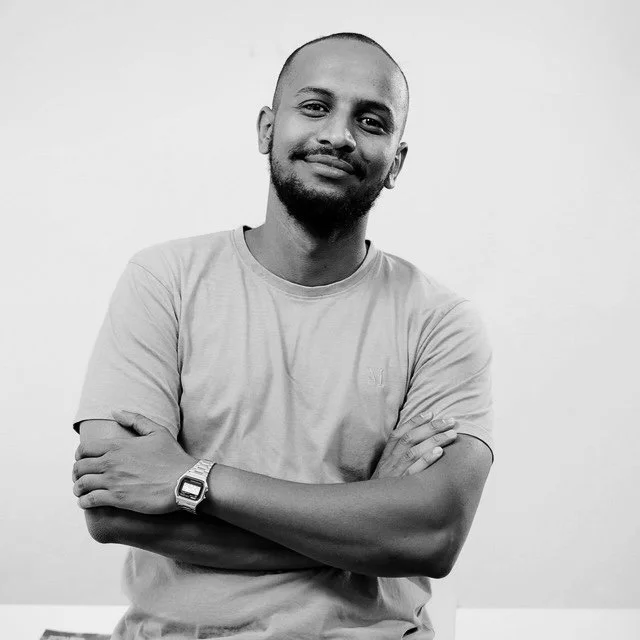
Are you our next spotlight artist? Submit the form to apply to be featured!
We share works by digital artists as well as digital arts exhibitions, events, and open calls daily on Instagram — follow us for more and subscribe to our newsletter so you don’t miss new blog posts.
![Project Spotlight: pifmgr.dll’s [M]ETAL✨ @pifmgr.dll is a digital artist working at the intersection of audiovisual design, 3D experimentation, and atmospheric world-building. His project [M]ETAL explores metal both as a physical material and a](https://images.squarespace-cdn.com/content/v1/63b2fdbe4376de5bfdc6771f/1779108338452-QO04Q3MMJ3VMU8PJV1MD/image-asset.jpeg)