How Contemporary Art Galleries Are Building Digital Revenue Streams in 2025-2026's Slow Market
By Emile Haffmans
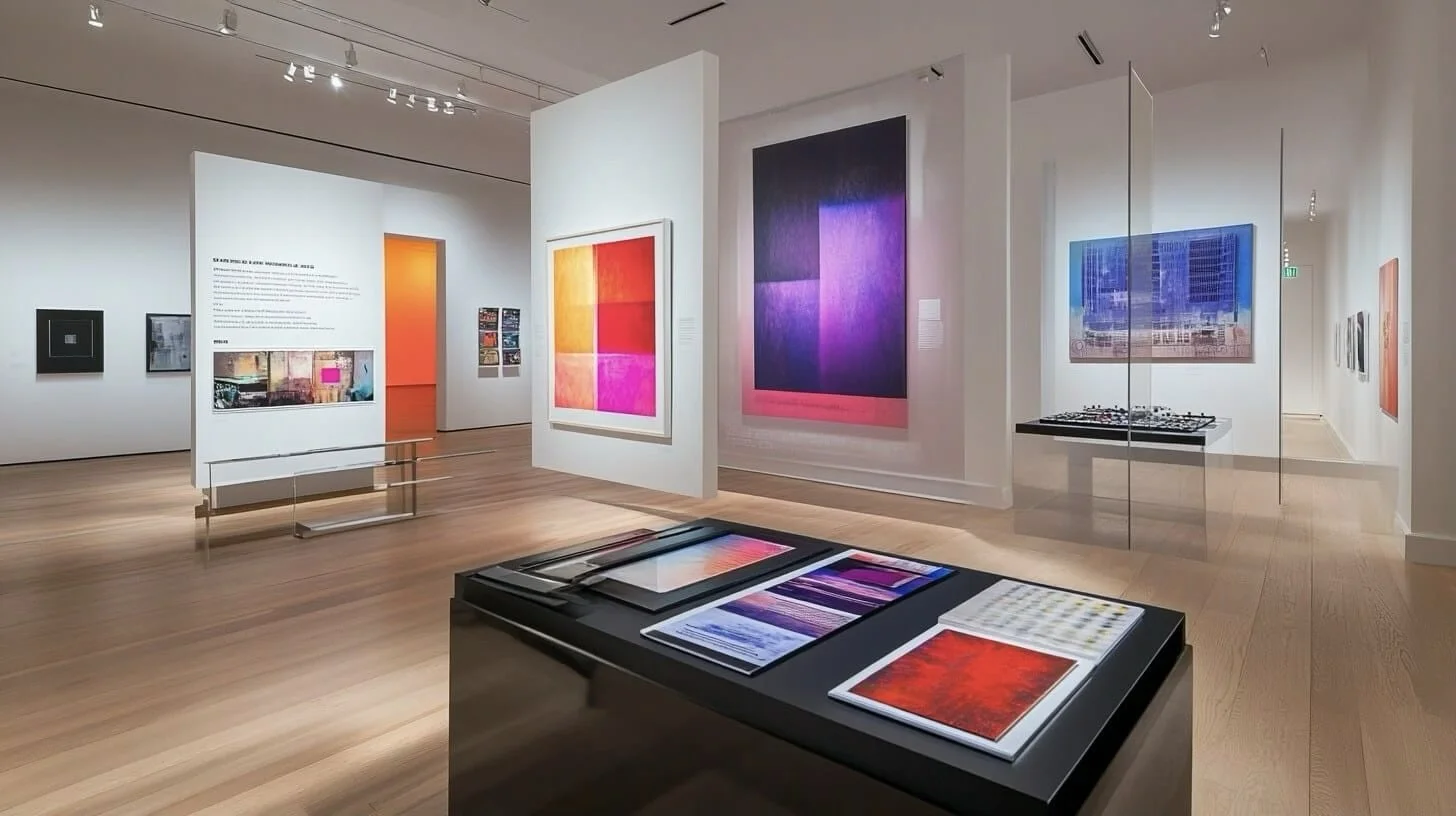
The contemporary art market continues to face challenges in 2025 and 2026, with many galleries reporting slower sales compared to the peak years of 2021-2022. However, galleries that have invested in online strategies are discovering new ways to reach collectors and generate revenue beyond traditional methods.
The Reality of Today's Art Market
According to the Art Basel and UBS Global Art Market Report, the art market has shown resilience despite global economic volatility, but many galleries are still adapting to changed collector behavior. Buyers are more selective, taking longer to make decisions, and increasingly researching artists and artworks online before engaging with galleries.
This shift has created both challenges and opportunities. While foot traffic to physical galleries may be down in some markets, online art sales have grown significantly. Collectors who might never have visited a gallery in person are now discovering and purchasing artworks through digital channels.
Beyond Basic Websites: Strategic Digital Presence
Most contemporary art galleries now have websites, but having an online presence and having an effective digital strategy are entirely different things. The galleries seeing the strongest results are those approaching digital marketing as a comprehensive system rather than isolated tactics.
Successful digital transformation for galleries involves several key components: search engine optimization to help collectors find specific artists and artworks, social media strategies that showcase both artworks and the gallery's expertise, and integration with established art marketplaces and other platforms where collectors actively browse.
The challenge is that art gallery marketing requires specialized knowledge. Unlike retail businesses, galleries must balance commercial objectives with cultural sensitivity, understanding both the relationship-driven nature of art sales and the technical requirements of digital marketing.
The Long-Term Investment Approach
One of the biggest shifts in gallery thinking is viewing digital marketing as infrastructure investment rather than advertising expense. Unlike paid advertising that stops generating results when spending ceases, well-executed digital strategies continue attracting collectors over time. That makes them a vital part of art marketing in 2025 and beyond.
Search engine optimization exemplifies this principle. When galleries optimize their websites for relevant keywords - artist names, art movements, collecting terms - they can appear prominently in search results months or years later. This requires patience and consistent effort, but the results compound over time.
Many galleries working with specialized art gallery marketing agency partners are discovering that digital strategies need at least six months to show meaningful results, but those results often continue growing well beyond the initial investment period.
Data-Driven Insights for Relationship Building
Contemporary art galleries are becoming more sophisticated in their use of analytics, not to replace personal relationships but to identify the most promising opportunities for relationship building.
Successful galleries track which artists generate the most online interest, which content formats engage their audience most effectively, and where their website visitors convert from browsers to serious inquiries. This information helps galleries allocate their limited resources more strategically.
For instance, if analytics show that certain artists consistently generate high-quality inquiries, galleries can create more content around those artists or feature them more prominently in their digital presentations.
Content Strategy and Authority Building
The galleries gaining the most traction online are positioning themselves as authorities in their specialization areas. This involves creating valuable content about the artists they represent, providing market insights for collectors, and sharing expertise about specific art movements or collecting categories.
Effective content strategy for galleries requires balancing commercial objectives with genuine art world knowledge. The audience expects sophistication and cultural sensitivity, making it essential to work with partners who understand both marketing technology and art world dynamics.
Looking Forward: Sustainable Growth Through Digital Innovation
As the contemporary art market continues evolving, galleries that have invested in comprehensive digital strategies are better positioned for both current challenges and future opportunities. The combination of traditional art world expertise with modern digital marketing creates sustainable competitive advantages.
Working with experienced marketing partners allows galleries to maintain their focus on curatorial activities and collector relationships while ensuring their digital presence effectively represents their expertise and attracts serious inquiries.
The galleries thriving in today's market aren't necessarily those with the biggest budgets or most established artists. They're the ones that have recognized digital transformation as an essential complement to their existing strengths, creating new pathways for collector discovery while preserving what makes art transactions special.
Emile Haffmans is Art World Marketing’s Founder & Digital Marketing Director
We share works by digital artists as well as digital arts exhibitions, events, and open calls daily on Instagram — follow us for more and subscribe to our newsletter so you don’t miss new blog posts.





![Project Spotlight: pifmgr.dll’s [M]ETAL✨ @pifmgr.dll is a digital artist working at the intersection of audiovisual design, 3D experimentation, and atmospheric world-building. His project [M]ETAL explores metal both as a physical material and a](https://images.squarespace-cdn.com/content/v1/63b2fdbe4376de5bfdc6771f/1779108338452-QO04Q3MMJ3VMU8PJV1MD/image-asset.jpeg)