How Contemporary Galleries Are Using Digital Tools to Make Original Art Feel Accessible
By Emile Haffmans
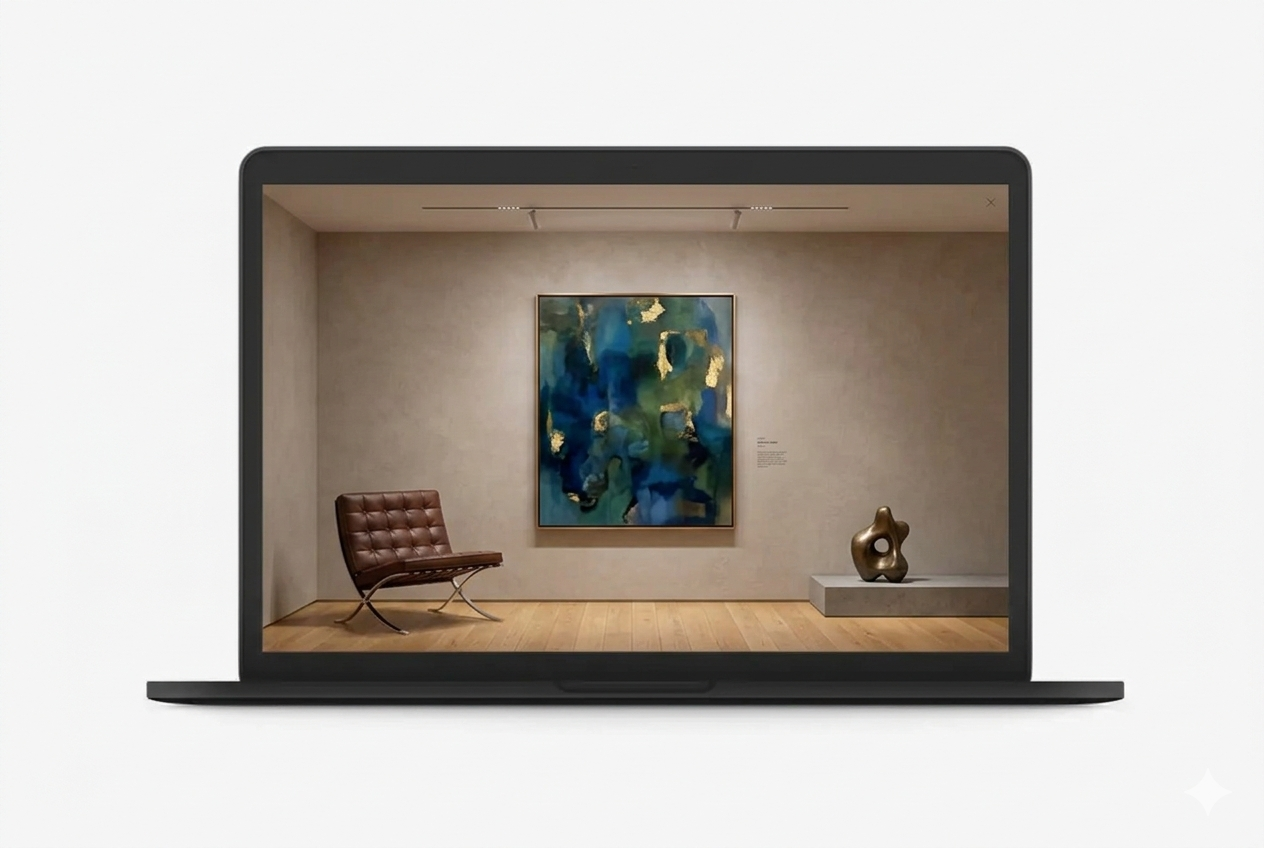
For most people, the thought of walking into a traditional art gallery can feel overwhelming and intimidating. The environment often seems exclusive, designed for those already in the know. Fortunately, the experience of buying original art is evolving, and digital tools are at the forefront of this transformation. Today, galleries are embracing technology not just as a marketing tool but as a means to genuinely extend their services to collectors, making art more accessible than ever before.
Virtual Viewing: Bringing Art to Your Space
One of the most revolutionary tools being adopted by galleries is in-situ viewing technology. This allows potential buyers to digitally "place" a piece of artwork on their own walls using augmented reality. This tool is particularly beneficial for those who find it challenging to visualize how a piece will fit into their personal space. By using a smartphone or a tablet, collectors can see how a painting or sculpture will look in their own homes before making a purchase. This technology not only enhances the buying experience but also reduces the hesitation associated with such significant investments.
Flexible Payment Options: Making Art Ownership Feasible
Financial accessibility is another barrier that contemporary galleries are working to lower. Programs like OwnArt offer payment schemes that spread the cost of purchasing original art over several months. This approach makes it feasible for more people to own art they love without the burden of a large upfront payment. Such schemes democratize art ownership, opening the doors for budding collectors who may have previously felt priced out of the market.
Mailing List Strategies: Early Access and Exclusive Offers
Building a relationship with collectors is crucial for galleries, and many are using tailored mailing list strategies to do just that. By offering early access to new works and exclusive offers to subscribers, galleries can cultivate a sense of community and belonging among their collectors. This strategy not only fosters loyalty but also allows collectors to feel like they are part of an insider group, privy to opportunities before the general public.
Social Media: Building Genuine Relationships
While social media has long been used by galleries to showcase their inventory, forward-thinking galleries are shifting their focus from simple broadcasting to genuine community-building. Platforms like Instagram and Facebook are being leveraged to engage with collectors on a more personal level. By sharing behind-the-scenes content, artist interviews, and interactive stories, galleries can create meaningful interactions with their audience. This approach not only humanizes the gallery but also builds trust and rapport with potential buyers.
Graystone Gallery: A Case Study in Digital Innovation
An exemplary model of embracing these digital tools is Graystone Gallery in Edinburgh. This contemporary gallery is known for its innovative use of technology to make original Scottish art more approachable and accessible. Graystone Gallery combines try-before-you-buy technology with personal one-on-one consultations, ensuring that potential buyers feel supported throughout their purchasing journey. Their digitally connected collector community allows art lovers to engage with the gallery and artists on a deeper level, transforming the art-buying experience into a collaborative and enriching process.
Graystone Gallery’s strategy highlights the importance of treating digital tools as an integral part of the gallery's operations rather than an afterthought. By doing so, they have successfully created an environment where art feels not only accessible but also inviting and inspiring. This approach not only supports collectors but also empowers artists by providing them with a platform where their work can reach a wider audience.
The Future of Art Galleries in a Digital World
As the art world continues to embrace digital transformation, galleries that integrate technology thoughtfully into their operations will likely thrive. The use of digital tools to enhance accessibility is not just about keeping up with trends; it is about reshaping the way art is experienced and consumed. By breaking down barriers and fostering genuine connections, galleries can create an inclusive space where art is celebrated and accessible to all.
The evolution of the art-buying experience through digital tools signifies a shift toward a more democratized art world. As collectors and galleries continue to navigate this digital landscape, the potential for innovation and growth is boundless. The key lies in leveraging technology to enhance, rather than replace, the personal touch and connection that make the art world so uniquely enriching.
We share works by digital artists as well as digital arts exhibitions, events, and open calls daily on Instagram — follow us for more and subscribe to our newsletter so you don’t miss new blog posts.





![Project Spotlight: pifmgr.dll’s [M]ETAL✨ @pifmgr.dll is a digital artist working at the intersection of audiovisual design, 3D experimentation, and atmospheric world-building. His project [M]ETAL explores metal both as a physical material and a](https://images.squarespace-cdn.com/content/v1/63b2fdbe4376de5bfdc6771f/1779108338452-QO04Q3MMJ3VMU8PJV1MD/image-asset.jpeg)