After the First Glance: Behnam Raeesian and the Politics of the Sign
By Maciej Zdanowicz

DIVERSION © Behnam Raeesian
What first strikes the viewer in Behnam Raeesian’s posters is their visual accessibility. An intense, monochromatic background; a centrally positioned object or human silhouette; an almost complete elimination of space and detail; occasionally, a single additional colour breaking the blackness of the figure. The forms are soft, precisely polished, stripped of graphic noise and expressive excess. Yet this minimalism is by no means ascetic. On the contrary, it is visually refined, attractive, almost sensuous in its appeal. There is a paradox here. Raeesian’s visual language resembles that of contemporary commercial and digital communication: an image designed to function effectively on a smartphone screen, to arrest attention immediately, to be instantly recognisable and just as easily reproduced. It is an aesthetic of frictionless surfaces, akin to the visual logic through which advertising, branding and social media tend to render reality more ordered, simpler and more pleasurable than it is actually experienced. Raeesian, however, employs this same language to address violence, control, political crisis, war, the instrumentalisation of religion and social anxiety.

ARMED IMMATURITY
This tension between the gentleness of form and the brutality of meaning seems to me one of the most characteristic features of his practice. The image does not shout. It does not confront us with wounds, bodies or direct representations of violence. On the contrary, violence is presented in an almost perfect form: visually cleansed, polished and ready for consumption. It is difficult not to recognise here an affinity with Baudrillard’s diagnosis of the virtualisation of war, in which the mediated image of violence becomes subject to a kind of cosmetic treatment.* In Raeesian’s work, a related mechanism takes the form of an aestheticisation of opposites: disturbing content is given a smooth and seductive surface characteristic of contemporary visual communication. Rather than attempting to escape the economy of the contemporary image, Raeesian works from within it. His posters first seduce through their legibility; only afterwards do they begin to disclose unease.
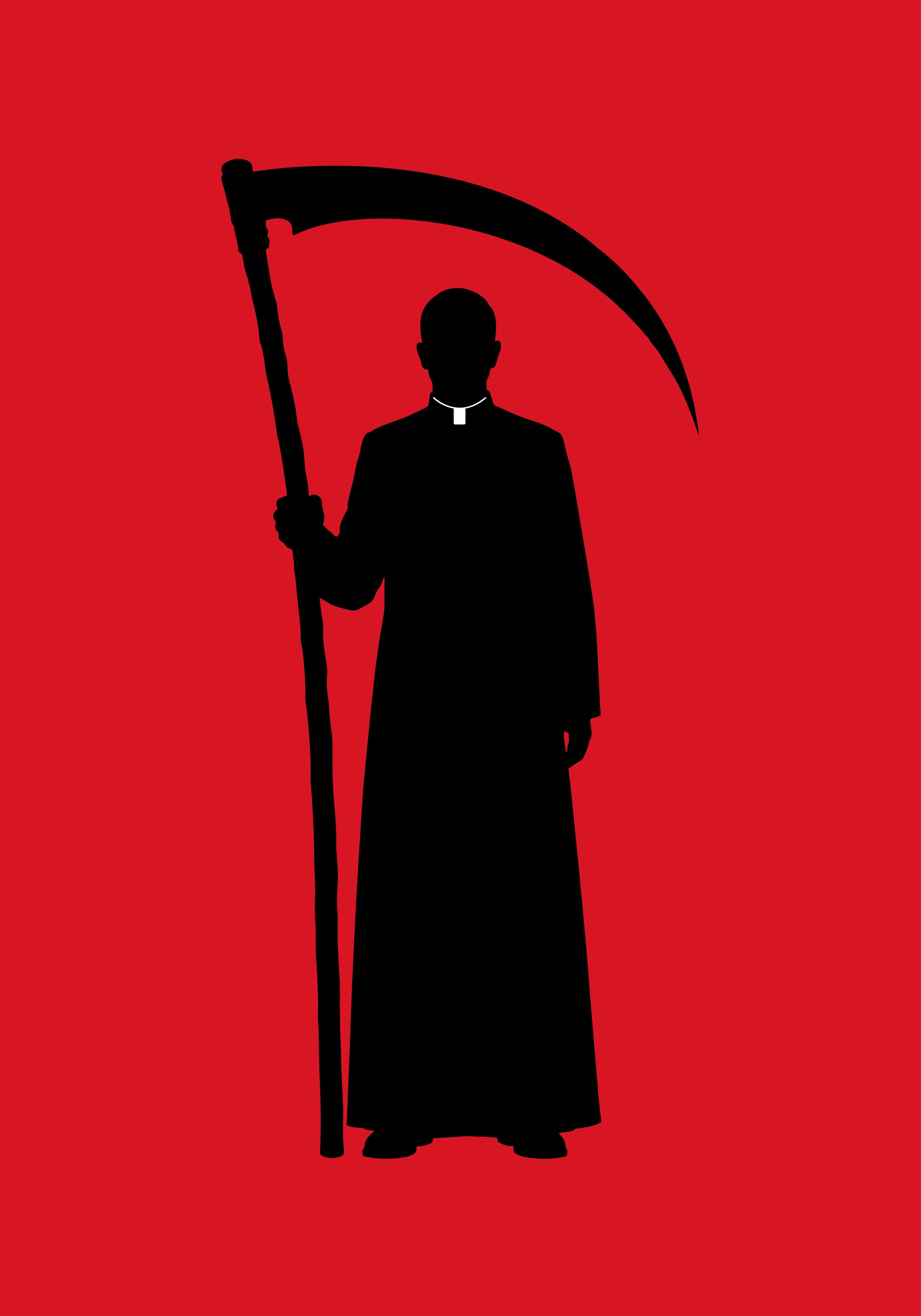
THE RED SERMON
This mechanism depends upon an exceptionally consistent symbolic construction. Raeesian describes his practice in terms of “symbolic minimalism” and distinguishes between the passing glance and a gaze that pauses before the image and attempts to move beyond its surface.** His works are generally built from very few signs, yet these signs rarely remain autonomous. They are juxtaposed, superimposed or crossed; most significantly, one sign is often allowed to take the place of another. A ballot box assumes the shape of a coffin. A whistle becomes a weapon. A radiation symbol merges with a gramophone. An umbilical cord is replaced by a cable. A clerical figure is split by a red necktie. A policeman retains his baton, but a child’s pacifier occupies the place of his mouth. One might speak here of a strategy close to subversion, although it does not depend upon simply negating a symbol. Raeesian does something subtler: he keeps the sign alive while altering its internal logic. The ballot box remains a ballot box; the whistle can still be recognised as a whistle; the silhouette of the police officer retains the attributes of institutional authority. It is only through the intrusion of the second element that a semantic short circuit occurs.
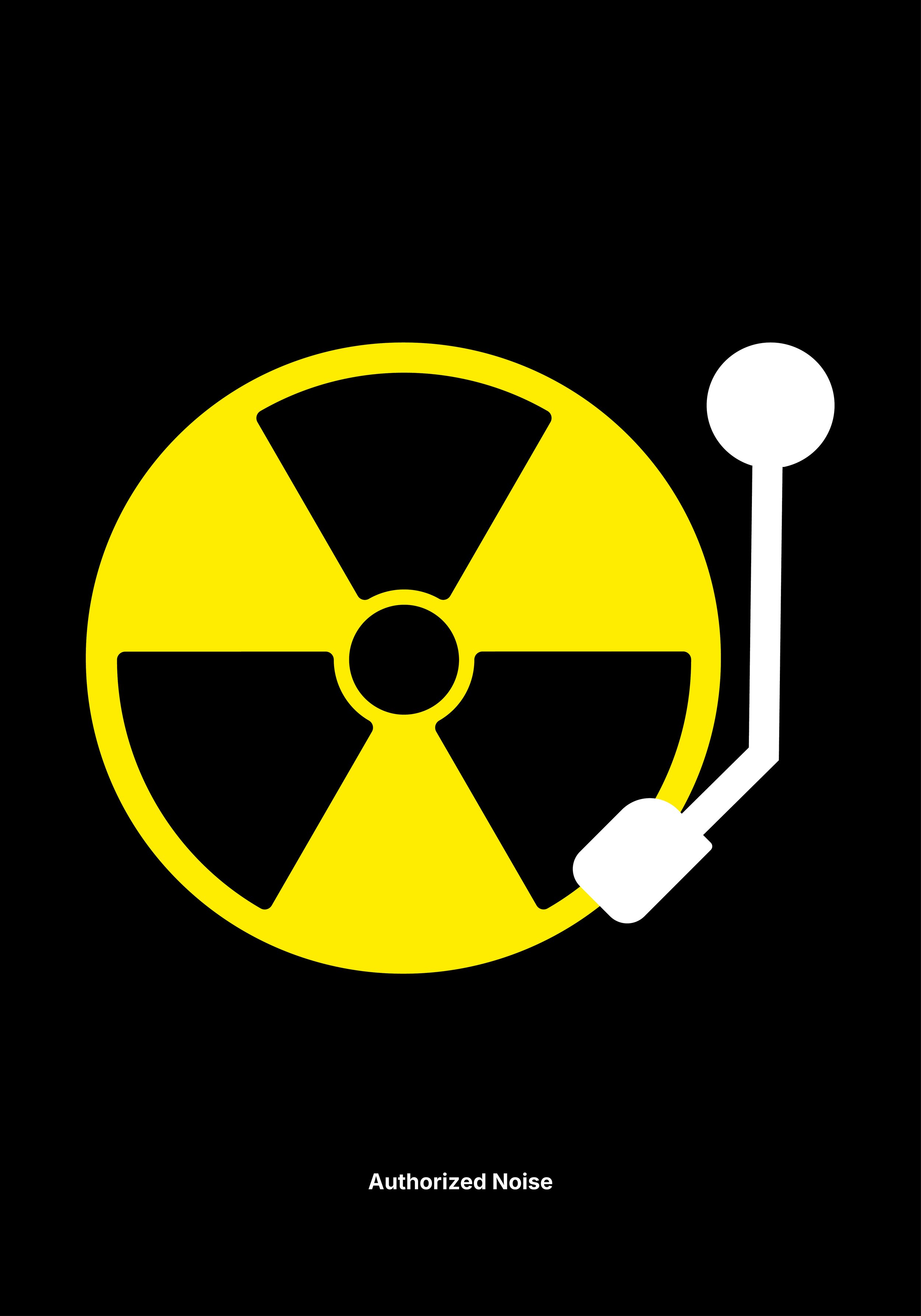
AUTHORIZED NOISE
The symbol is thus destabilised from within by its own contradiction. A sign of order discloses the possibility of violence; a sign of peace, the presence of threat; a sign of political participation, the emptiness of procedure; a sign of biological life, dependence upon technological infrastructure. Rather than simply playing with a relation between symbol and simulacrum, Raeesian operates within the tension between representation and simulation: the moment at which a sign continues to declare a particular value even as the reality it was meant to represent begins to drift away from it. Baudrillard describes successive phases of the image, moving from the representation of reality towards a condition in which the sign no longer maintains a necessary relationship with its referent and begins to function as its own simulacrum.*** In Raeesian’s posters, what is particularly compelling is the moment preceding this complete rupture: the sign continues to function, yet it begins to expose its own unreliability. The political character of these works therefore does not arise primarily from the representation of political events. It lies in the politics of the signs themselves.
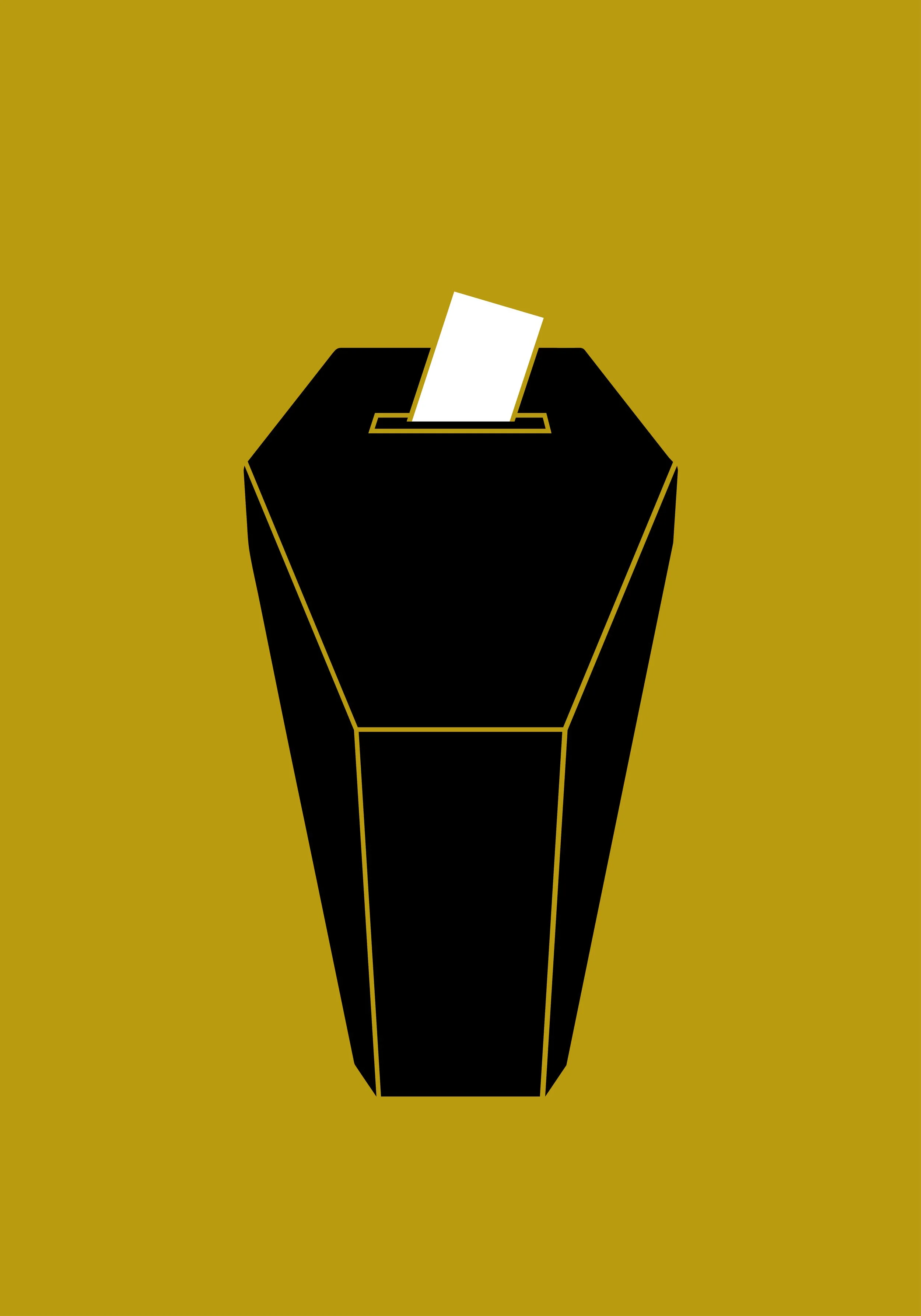
DEMOCRACY’S LAST NAIL
This becomes especially clear in Democracy’s Last Nail. The ballot box is in the form of a coffin. There is no demonstration, politician, act of violence or explicitly identified state. The sign of a democratic institution is sufficient; its form begins to contradict the meaning it is expected to guarantee. The work is therefore more than a relatively straightforward allegory of the “death of democracy”. Far more interesting is the possibility of simulating democracy through the preservation of its signs. Voting may still take place; the ballot box may remain in position; the procedure may continue to be meticulously performed, while the experience of political agency is weakened or gradually disappears. In the case of an Iranian artist, this image cannot be entirely detached from the place from which his practice emerges. Raeesian lives and works in Sari in northern Iran. In an interview with Steven Heller for PRINT, he describes his visual language as shaped by experiences of pressure, silence and uncertainty, as well as by the necessity of reading power through symbols.**** At the same time, he consciously avoids an explicitly local iconography, allowing his images to move beyond the context of a single country. This distinction matters. There is no reason to reduce Democracy’s Last Nail to a commentary on Iran. Iran is better understood here as a place that lends intensity to the problem. Raeesian works from a concrete experience of the relationship between power and its representation, yet he employs a sign capable of operating across different political systems. The simulation of democracy does not necessarily require democracy to disappear altogether. On the contrary, it may become most effective when its scenography remains intact.
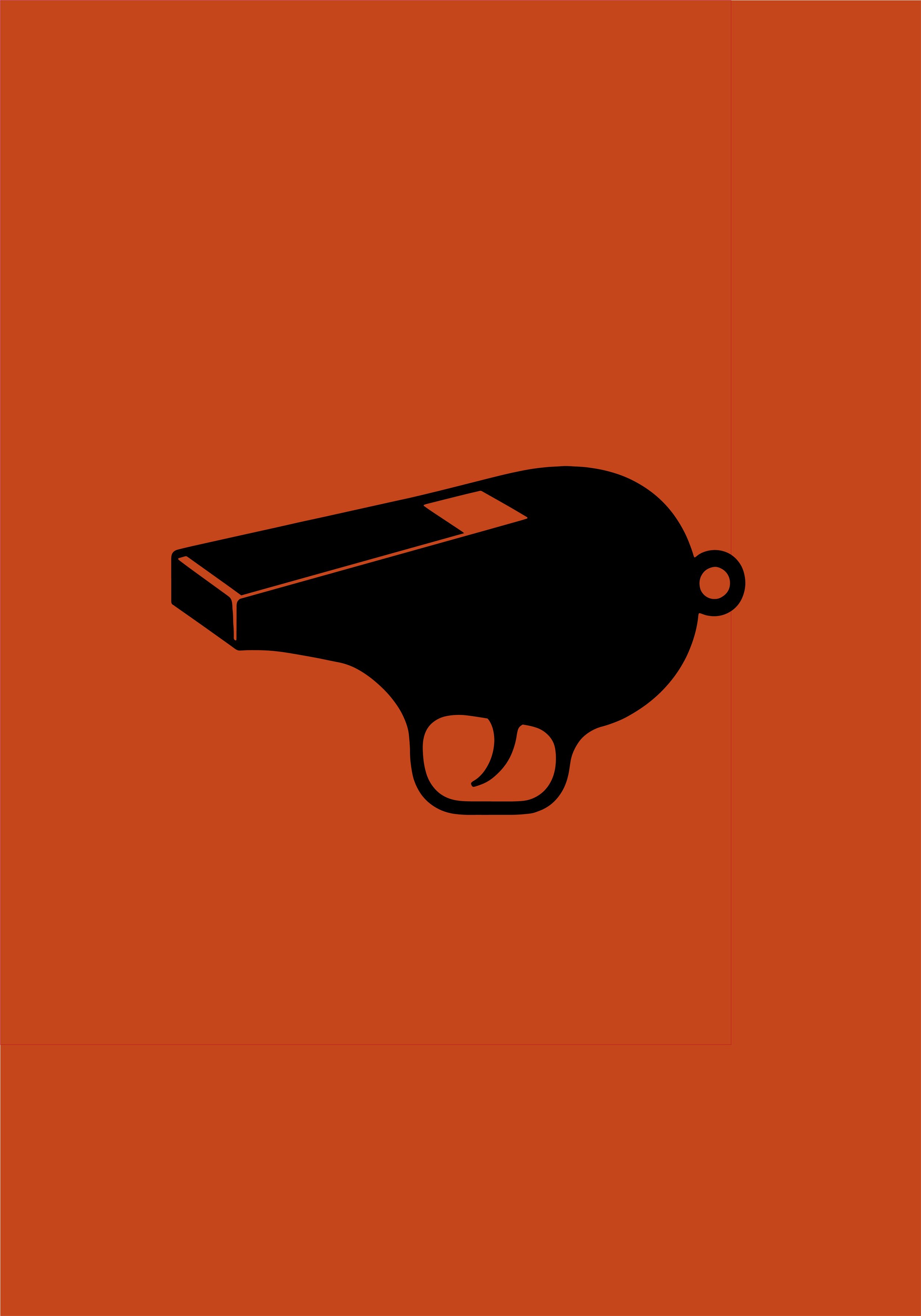
PEACE OFFICER
The same logic can be traced in other figures of order recurring throughout these works: religion, policing, peace and security. Each carries a particular social promise — protection, representation, meaning, stability — yet Raeesian is interested precisely in the moment at which the sign of a promise begins simultaneously to signify its opposite. Authorized Noise is particularly suggestive in this respect. A radiation symbol is fused with a device for reproducing sound: the sign of danger meets the sign of its transmission. Crisis does not merely exist; it is broadcast, reproduced, formatted and consumed. Baudrillard’s reflections on war become especially pertinent here. Writing about the Gulf War, he draws attention to its amplification through information, the systematic manipulation of data and the artificial dramatisation of the event.***** Authorized Noise touches upon a related condition without depicting war itself. The sign of catastrophe circulates; it can be multiplied, domesticated and transformed into yet another message positioned somewhere between an advertisement, a news item and an image passed beneath a finger on a screen. What becomes disturbing is therefore not only the possibility of simulating war, but also the simulation of security and order within a world that communicates crisis without interruption.
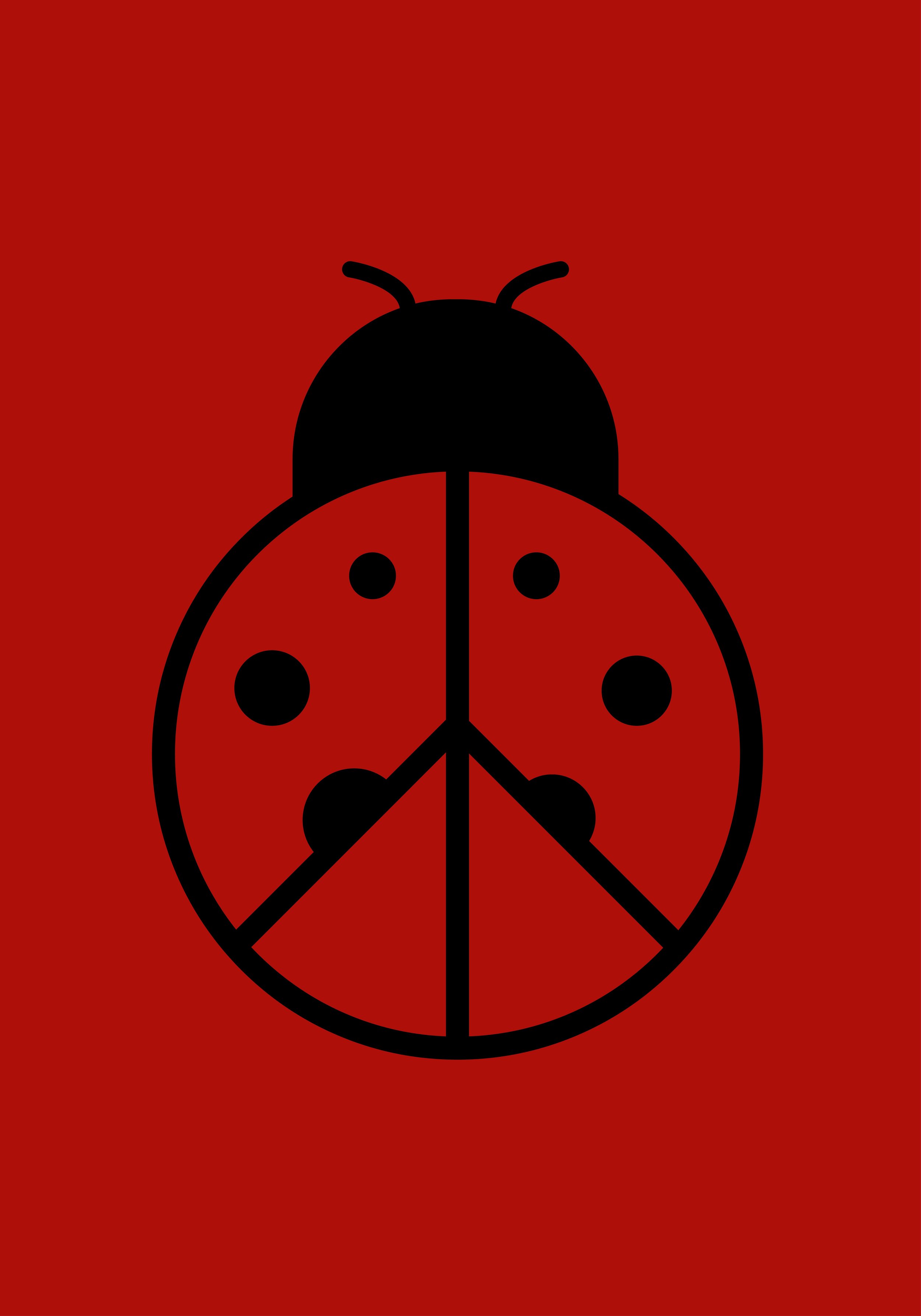
PEACE IS NOT BULLETPROOF
Perhaps it is here that the significance of Raeesian’s aesthetics becomes most apparent. The smoothness of his images does not diminish their political dimension; it is part of it. Disturbing content appears in an attractive, light, almost commercial form because contemporary visual culture has learned to present almost everything in precisely this way: products, catastrophes, politics, war and death. The contemporary image no longer requires aesthetics of shock in order to speak about violence. On the contrary, horror can be smoothed out, ordered and aesthetically domesticated, and thereby enter even more easily into the everyday circulation of images. This contradiction becomes one of the fundamental mechanisms of Raeesian’s work. His posters first allow themselves to be seen with ease; only afterwards do they begin to resist. The first glance recognises the sign. The second notices that the sign can no longer safely represent what it is supposed to mean. It is precisely within this fissure — between the polished surface and its political reverse — that, I believe, the force of Behnam Raeesian’s posters resides.

ADMINISTERED FAITH
* Jean Baudrillard, The Gulf War Did Not Take Place, trans. Paul Patton, Indiana University Press, Bloomington–Indianapolis, 1995, p. 28
** Behnam Raeesian, Artist Statement. A Short Statement on Visual Language, Symbolic Minimalism, and the Second Gaze, unpublished artist’s statement, 2026
*** Jean Baudrillard, Simulacra and Simulation, trans. Sheila Faria Glaser, University of Michigan Press, Ann Arbor, 1994, p. 6
**** Steven Heller, “The Daily Heller: How an Iranian Designer Questions His Guardians of Faith,” PRINT, June 4, 2026, accessed August 14, 2026
***** Jean Baudrillard, The Gulf War Did Not Take Place, trans. Paul Patton, Indiana University Press, Bloomington–Indianapolis, 1995, p. 58
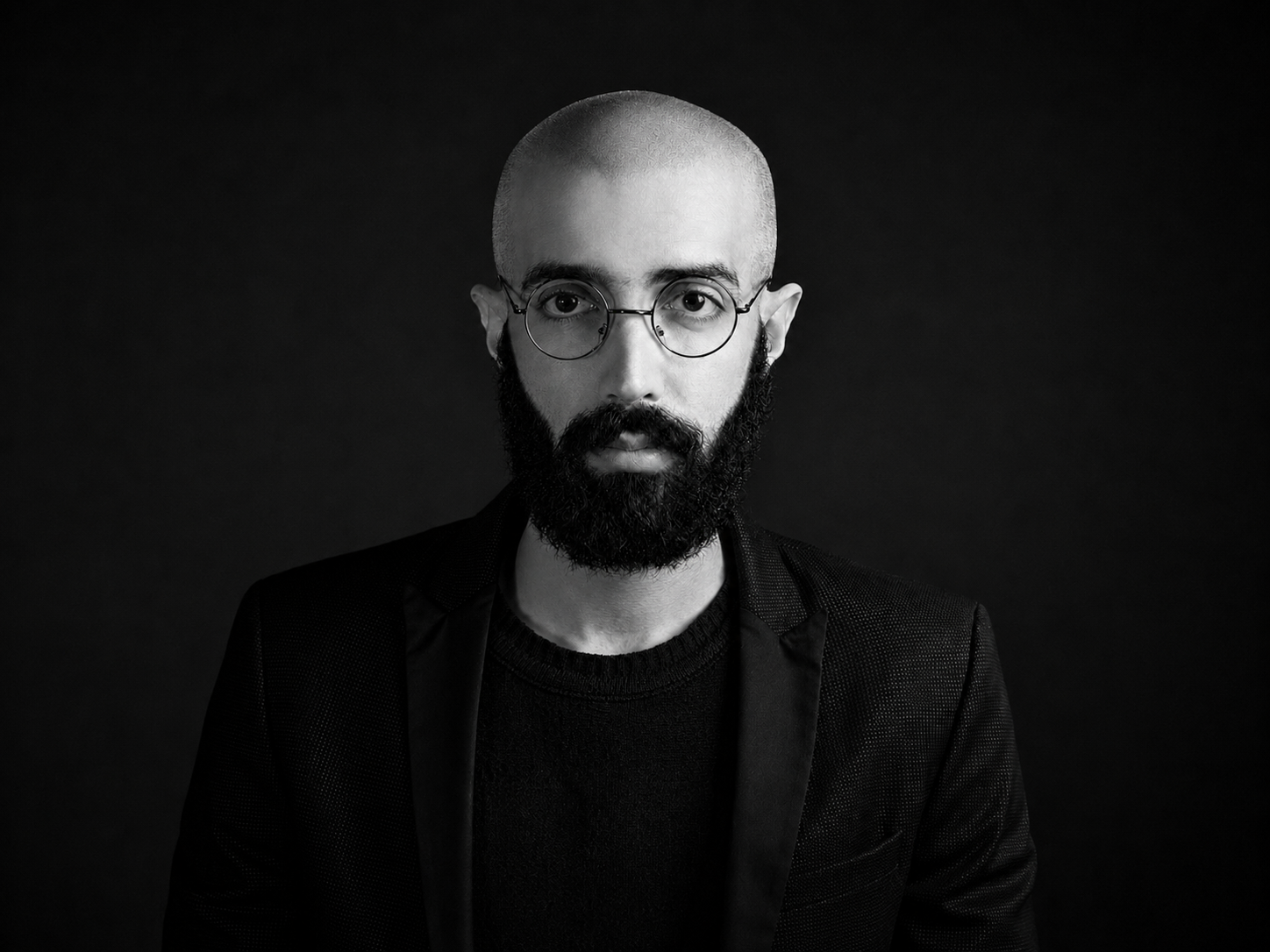
Behnam Raeesian is an Iranian visual artist and poster designer whose practice explores the intersection of symbolic minimalism, visual metaphor, and social and political commentary. Working primarily through poster design, he transforms familiar signs and everyday objects into concise visual statements addressing power, censorship, conflict, faith, public silence, and collective anxiety. His work has been presented in more than 170 exhibitions across 50+ countries and has appeared in international publications, archives, and cultural platforms. Raeesian has served on juries for poster and visual communication events in Europe, the Americas, and Asia, and has contributed to exhibitions, editorial projects, and educational initiatives. His 2026 book, EYE TO EYE: Selected Poster Works by Behnam Raeesian, brings together a selection of his recent practice. His work has also been featured by PRINT Magazine / The Daily Heller and other international media and design platforms.
About the author
Maciej Zdanowicz, Doctor of Arts
AICA – International Association of Art Critics, Polish Section
Jan Kochanowski University in Kielce
Maciej Zdanowicz (b. 1982, Poland) is an intermedia artist, art theorist, researcher and curator. He holds a PhD in Fine Arts and is Assistant Professor at the Faculty of Art, Jan Kochanowski University of Kielce, Poland. His artistic and research practice focuses on perception, memory and embodied experience, as well as the social and political conditions that shape individual and collective experience. His recent projects increasingly engage with artistic research, participatory practices and the social dimensions of art, with a particular focus on contemporary Central and Eastern Europe and Ukraine. Alongside his artistic and research practice, he works in art education and expressive arts therapies. He is Head of the postgraduate program Art Therapy: Expressive Arts Therapies at Jan Kochanowski University in Kielce and Head of the Somaesthetic Art Therapy Section of the Polish Art Therapy Society Foundation. His international practice includes interdisciplinary and socially engaged projects in Ukraine, including NEW SPACE in Kyiv, which integrates artistic practice, embodied experience, participation, and art-therapeutic approaches. He is a member of AICA, InSEA and the Society for Somaesthetics.

![Project Spotlight: pifmgr.dll’s [M]ETAL✨ @pifmgr.dll is a digital artist working at the intersection of audiovisual design, 3D experimentation, and atmospheric world-building. His project [M]ETAL explores metal both as a physical material and a](https://images.squarespace-cdn.com/content/v1/63b2fdbe4376de5bfdc6771f/1779108338452-QO04Q3MMJ3VMU8PJV1MD/image-asset.jpeg)