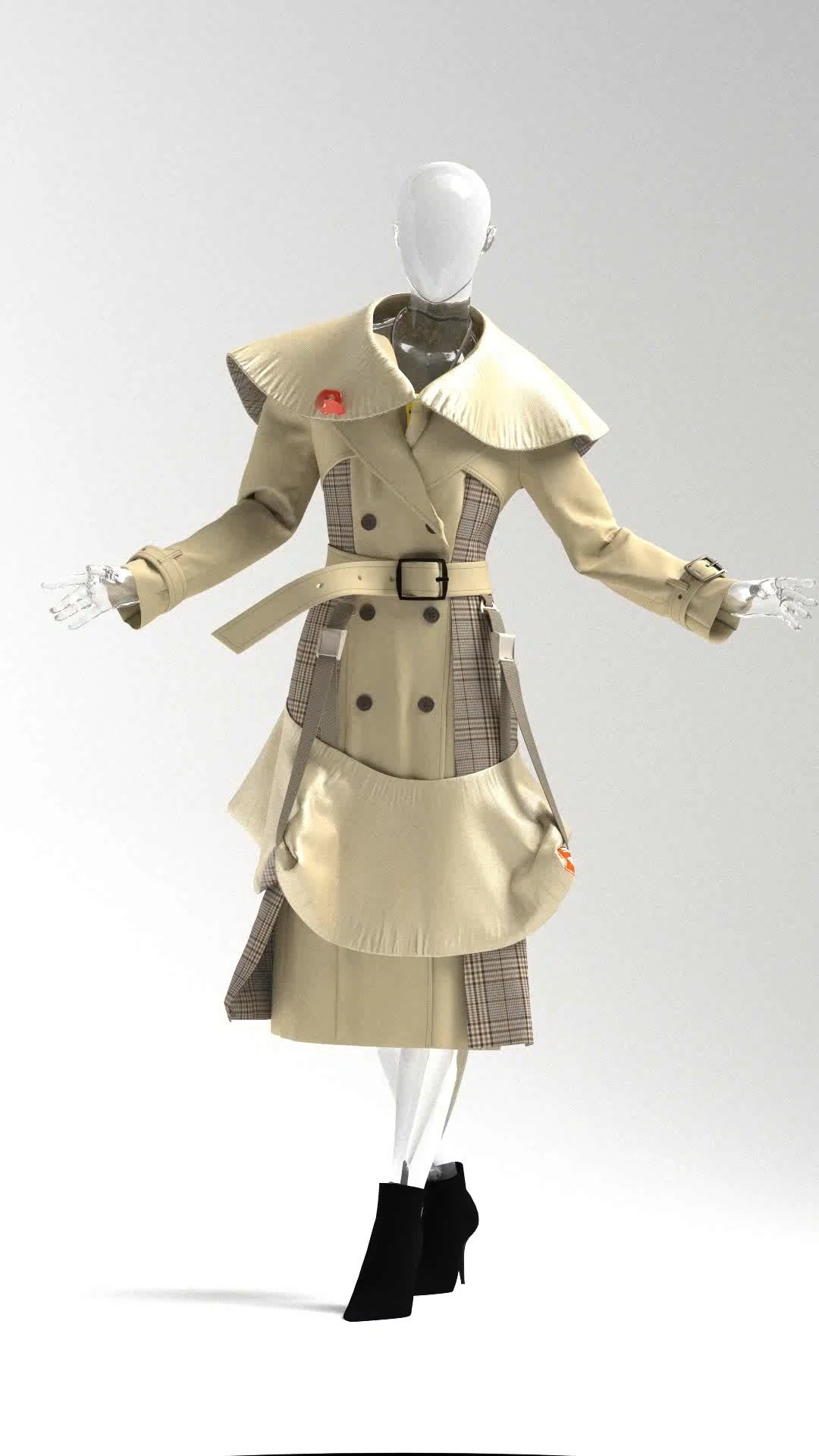
Bitcoin as Genetic Material: The Origins by Jakub Špaček
By Cansu Waldron
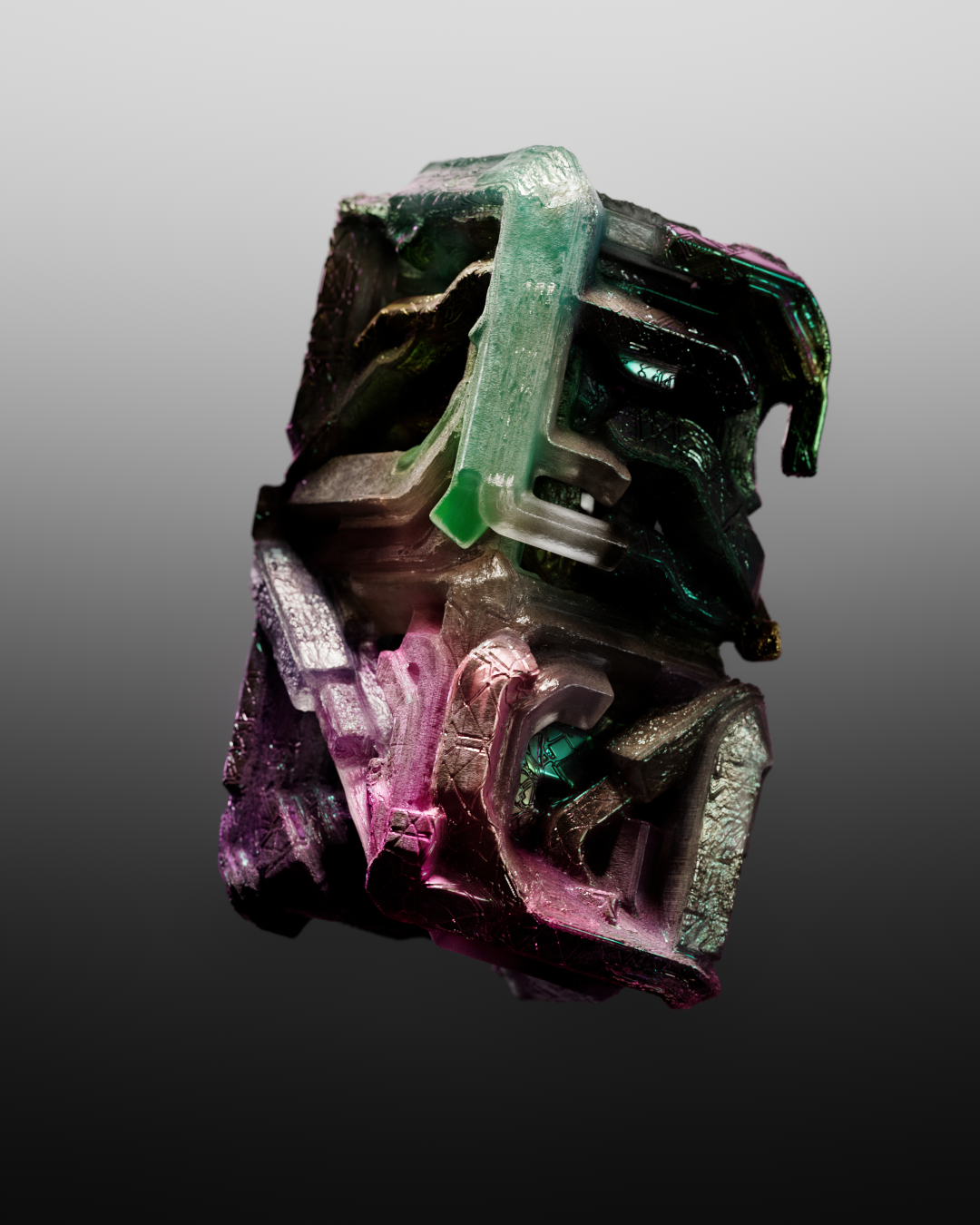
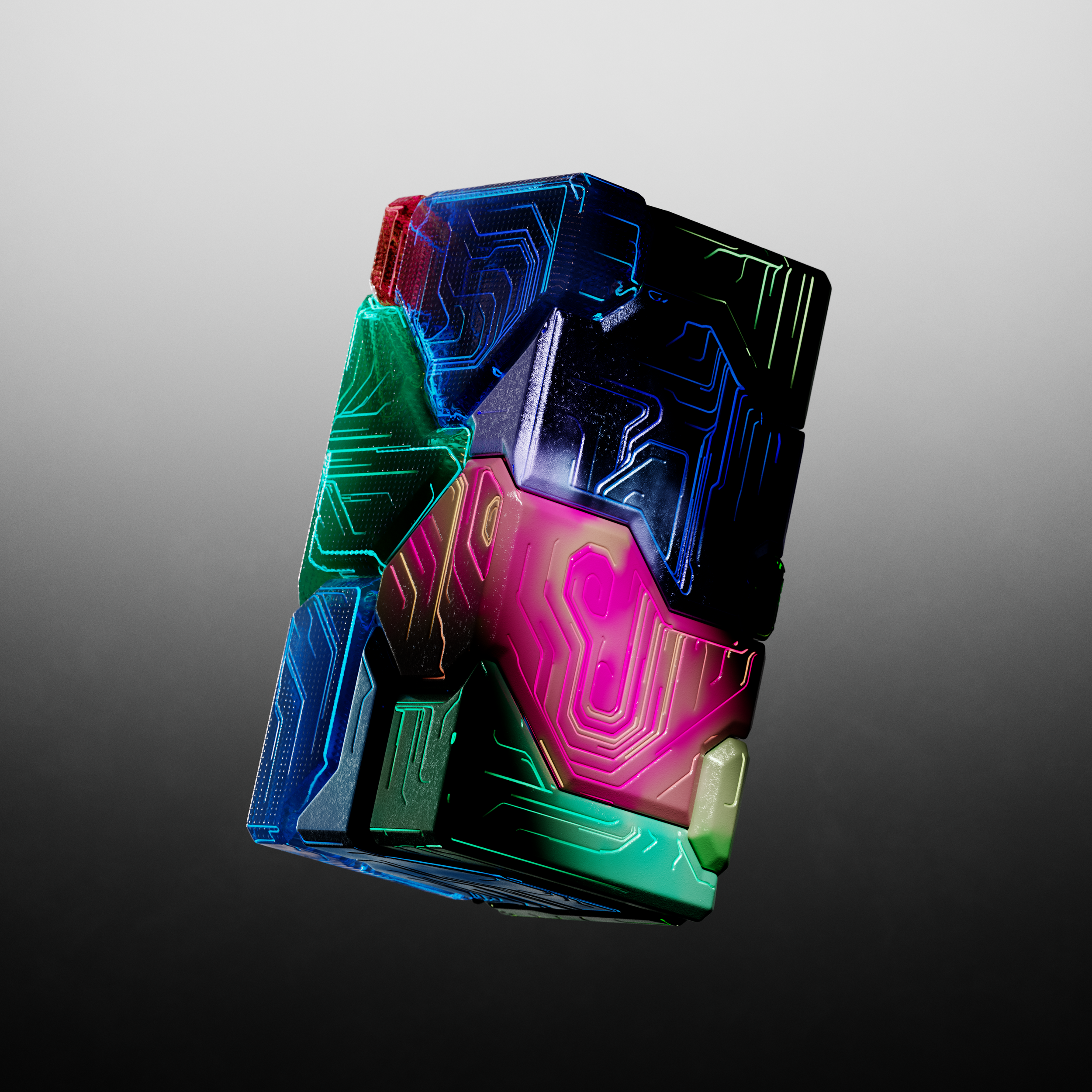
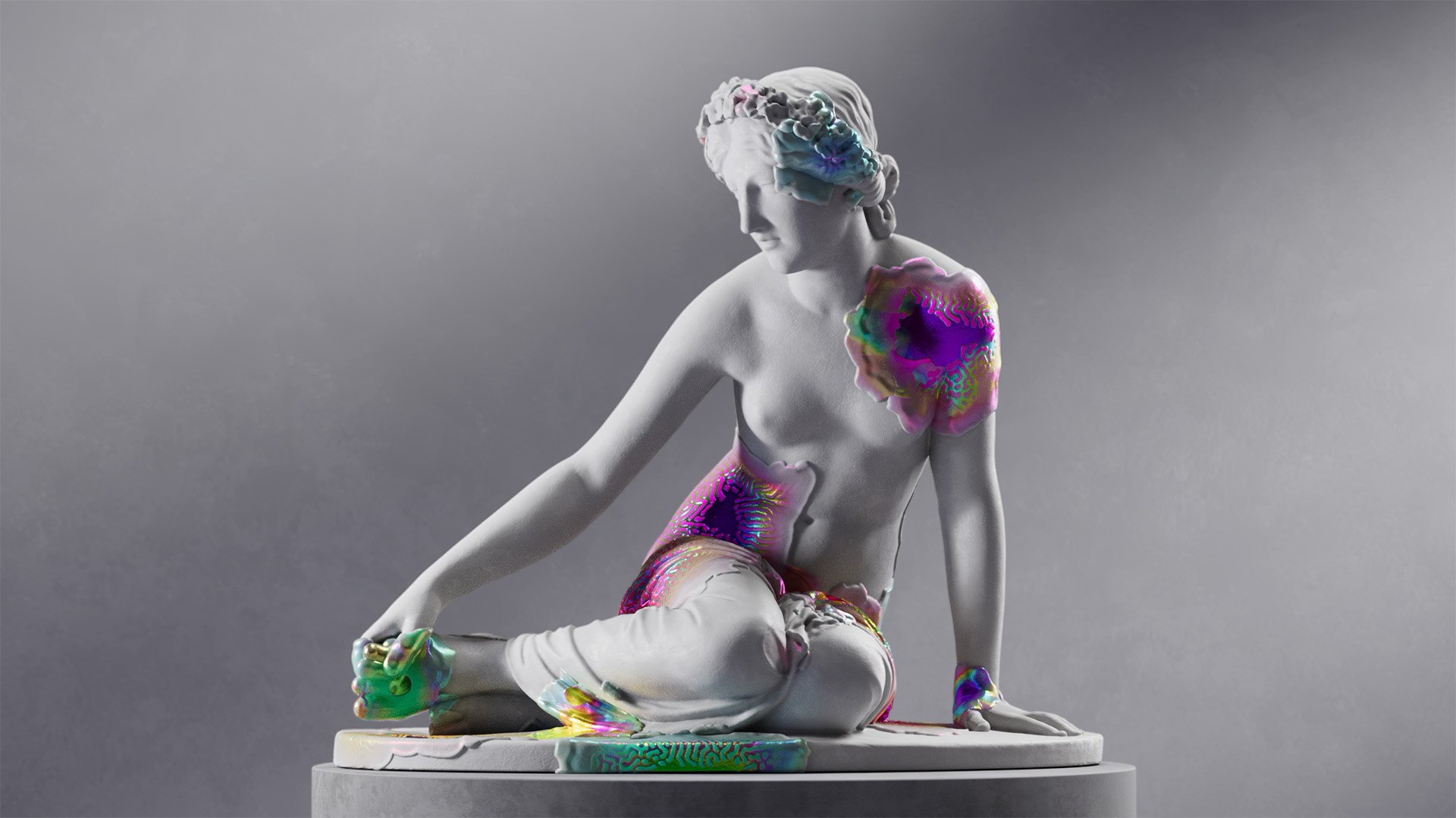
Jakub Špaček is a London-based Czech visual-effects artist working at the intersection of generative art, data, and moving image. His practice explores how systems can become creative material, with an interest in the relationship between information, structure, and visual expression. In his generative video-art collection The Origins, he draws directly from Bitcoin block data, using each day in the blockchain’s history as the starting point for a unique artwork. Rather than simply representing Bitcoin visually, Jakub treats its underlying data as a kind of genetic code, allowing it to influence how each piece forms, moves, and develops its own character.
The Origins begins with Bitcoin’s Genesis Block on January 3, 2009, and unfolds chronologically, with each artwork connected to a specific date and the historical events associated with it. Jakub establishes the visual language and rules of the system, while the data determines how those rules are expressed in each individual work. The collection is accompanied by a custom-built database documenting milestones across Bitcoin, crypto, and Web3 alongside wider world and macroeconomic events, adding another layer of context to the visual archive. Together, the works turn the history of a digital system into an evolving record of its own.
We asked Jakub about The Origins, his inspirations, and creative process.
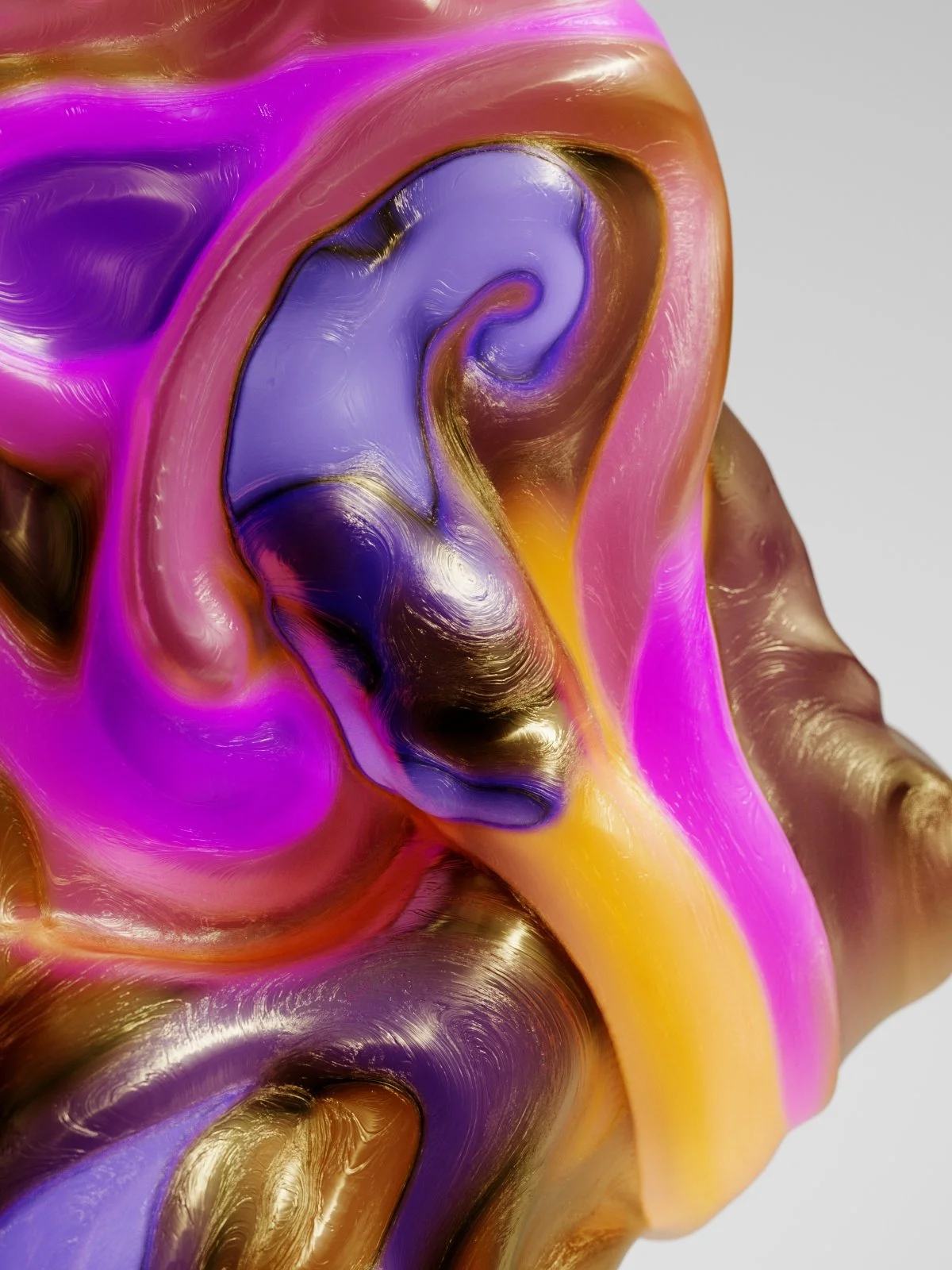
The Origins uses Bitcoin in a way that goes beyond representing it visually, instead drawing directly from the data contained in the Bitcoin block header. What interested you about treating this data as the raw material for an artwork?
I began thinking about the data almost as genetic code. It doesn’t simply describe the artwork; it gives the artwork its identity.
I created the visual language and rules of the system, but the Bitcoin data brings it to life. It influences how each piece forms, moves and develops its own character. Every artwork belongs to the same visual world, but no two respond to the data in exactly the same way.
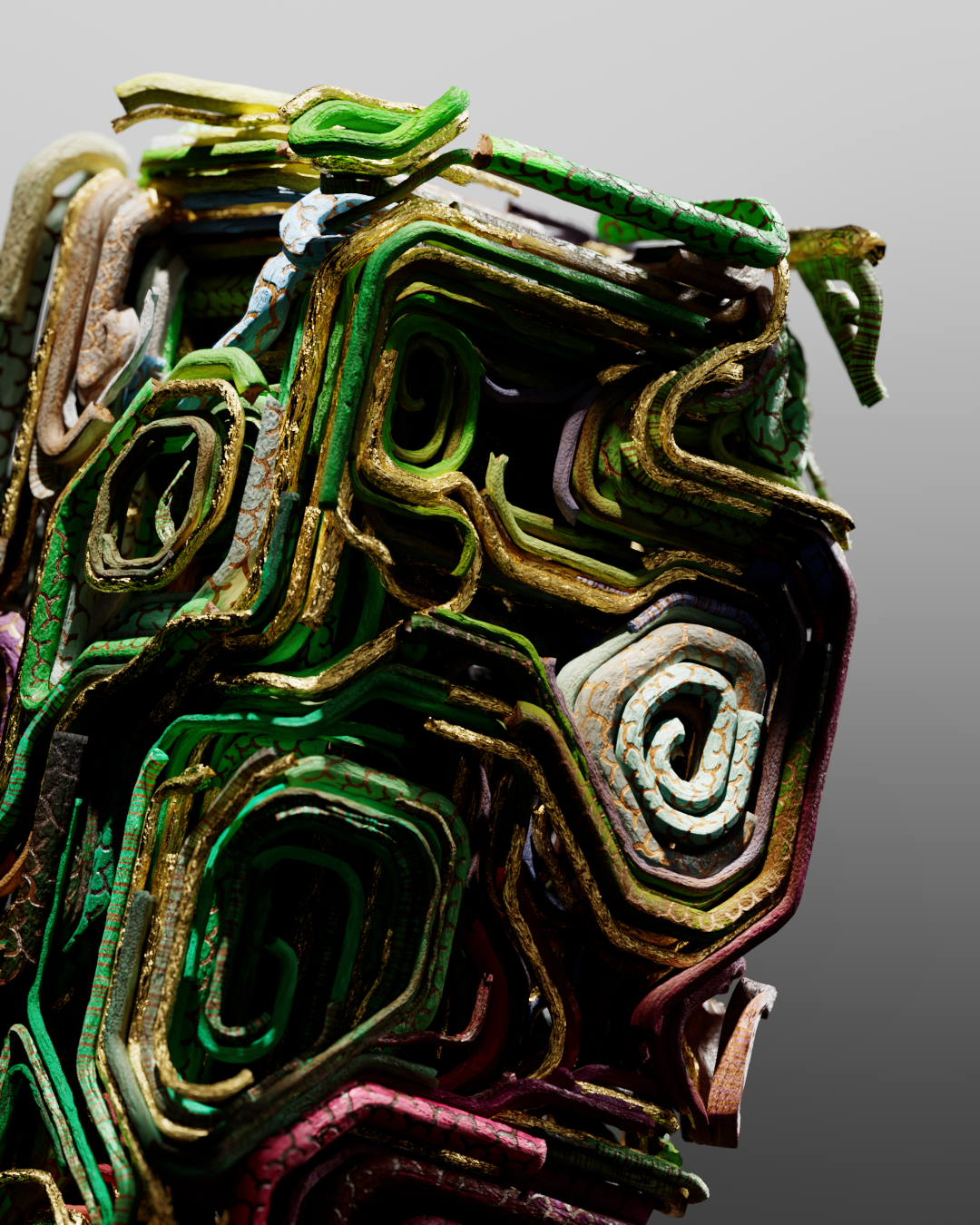
There’s an interesting tension in The Origins between something highly structured, like the rules and data of the Bitcoin blockchain, and something visually unpredictable and organic. How do you balance structure and emergence within the system?
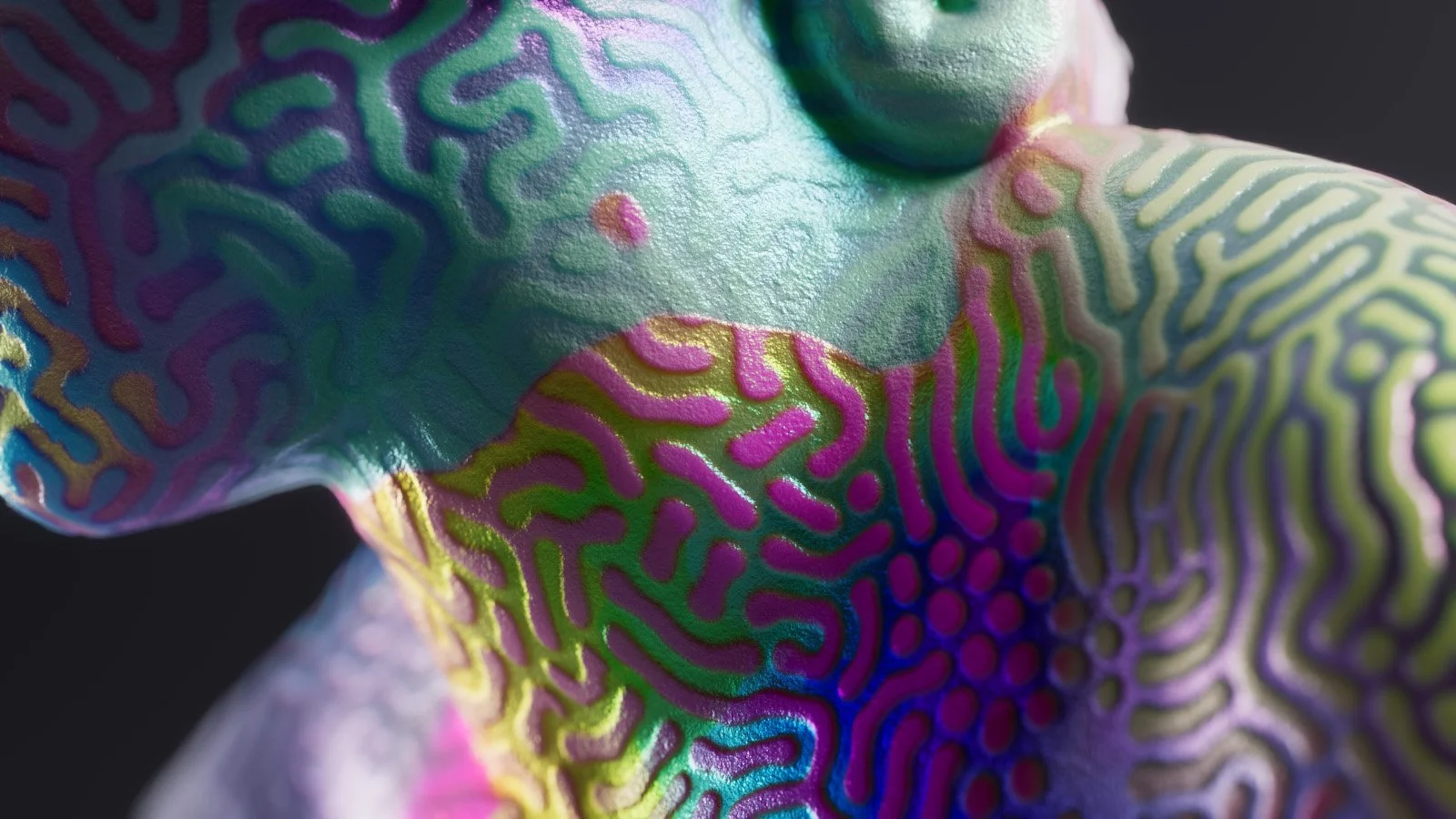
Different parts of the block header play different roles. Certain elements, such as the hash data, help determine the artwork’s underlying structure. Other inputs act more like random seeds, introducing variation into smaller details and hidden features.
I define the visual rules and boundaries, and the data works within them. This creates continuity across the collection without making every artwork feel the same.
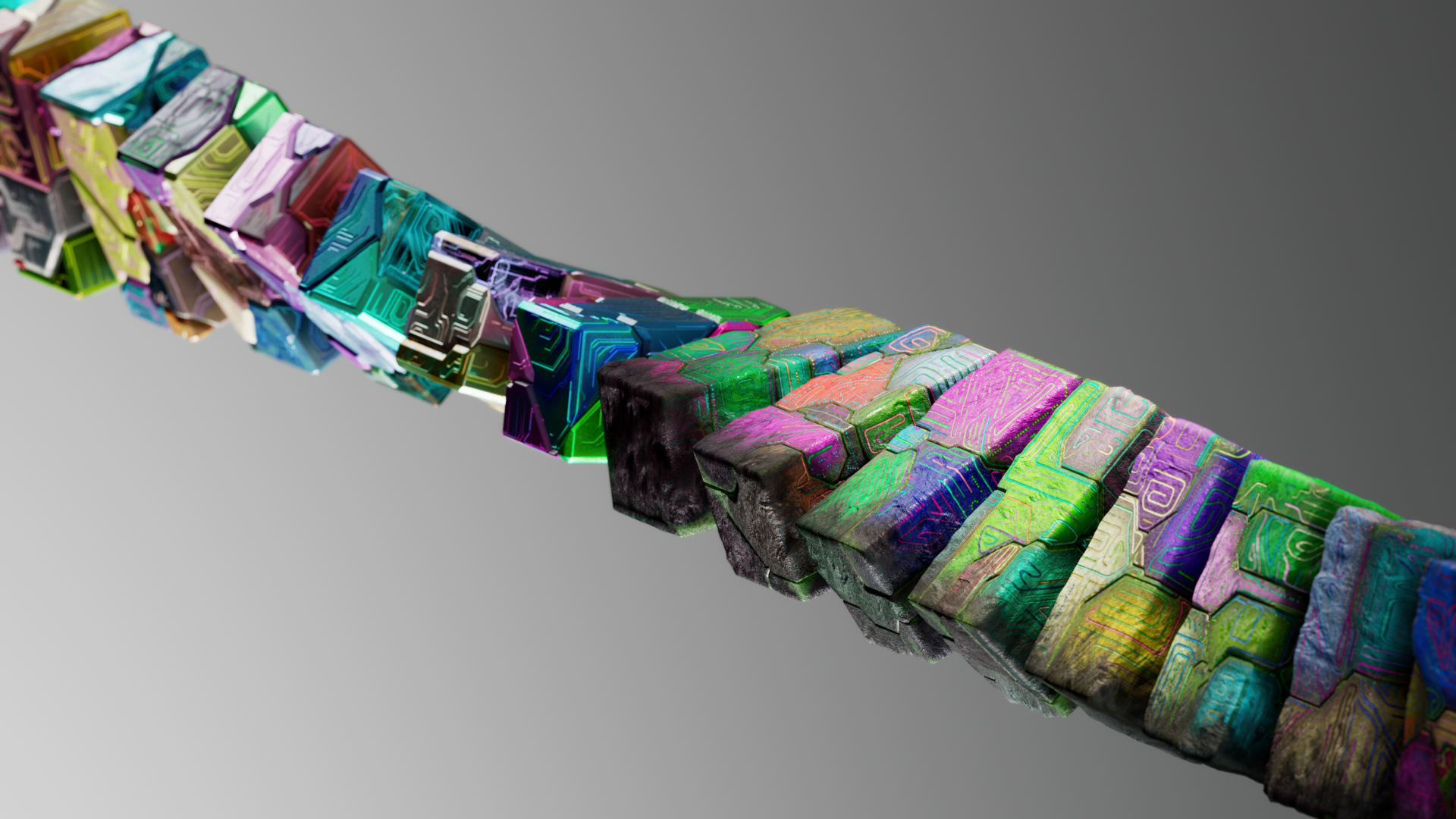
Your professional work includes projects for Nike, Sony and LG, while your personal practice is more exploratory and experimental. How do these two sides of your practice influence each other?
Commercial work has taught me how to solve complex creative and technical problems under real constraints. Often, the most challenging work happens behind the final image and is never visible to the audience.
My personal practice gives me the freedom to return to those discoveries and take them further, without the restrictions of a fixed brief or deadline. Commercial work gives me new tools and problem-solving experience, while my personal work gives me the time to question and reshape how I use them.
You also work closely with SideFX as a Houdini educator and speaker. Does teaching other artists and designers affect the way you think about your own tools and processes?
Definitely. Teaching makes me explain decisions that might otherwise remain instinctive. It often reveals where a process could be simplified and reminds me how much more there is to learn.
Meeting other artists and educators also exposes me to completely different perspectives. Those conversations encourage me to rethink my own processes and explore other possibilities.
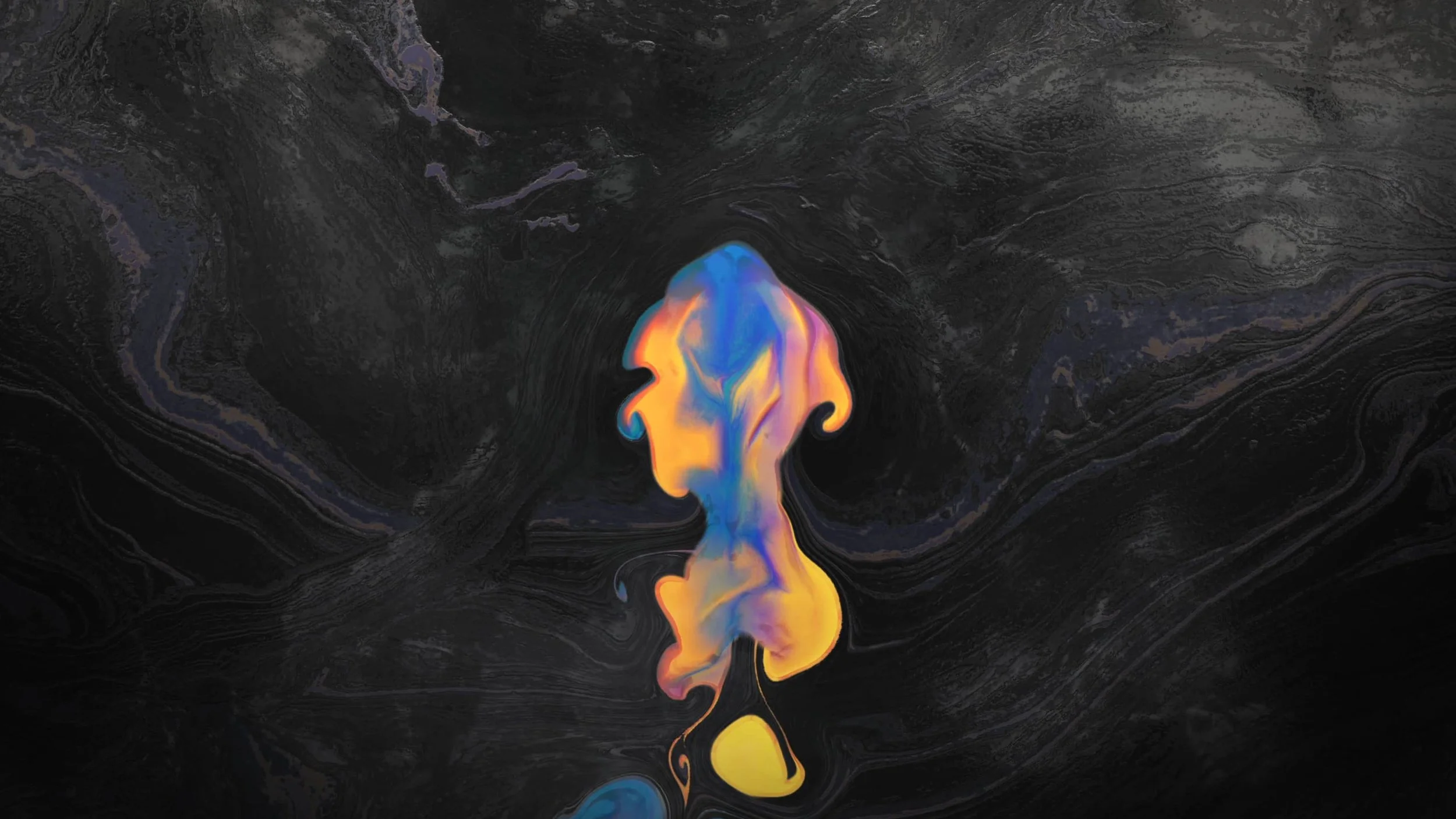
Your other personal projects, including Ceraflow and Bloom, have moved between digital and physical exhibition contexts. Do you see The Origins primarily as a digital artwork, or could its generative logic eventually exist physically?
The Origins is currently focused on the digital experience, but I don’t see it as being limited to a screen.
Its forms could eventually translate into large-format prints, three-dimensional pieces and installations. The digital collection is the foundation, but my longer-term ambition is to find meaningful ways of bringing The Origins into physical spaces.
What is a fun fact about you?
I can pause a film and scrub backwards and forwards through the same scene repeatedly, just to understand how a particular visual effect was created.
It probably explains why I became so obsessed with this work. I enjoy observing visual effects almost as much as I enjoy making them.
What fills your time when you’re not creating art?
Sport is my main counterbalance to spending long hours in front of a screen. I alternate between weightlifting, Muay Thai and other forms of strength training, and I try to spend as much time outdoors as possible.
Spending time with friends and family has also become increasingly important to me. Ideally, I can combine that with training or being somewhere in nature.
Have there been any surprising or memorable responses to your work?
People tend to respond in one of two ways. Some become excited by how much there is to discover, while others are initially unsure where to begin because the system contains so many layers.
Both responses are useful. I understand the project so closely that it can be easy to assume everyone else sees what I see. These reactions remind me that The Origins needs to reward technically minded collectors while still working visually for someone encountering it simply as art.
After fifteen years of working professionally with digital image-making, what continues to surprise you about generative systems?
What continues to surprise me is how much remains unexplored. A generative system can produce something I would never have designed frame by frame. I create the rules, but the system can still reveal possibilities I didn’t know were there. That balance between control and discovery is what keeps me interested.
The Origins gives me a framework that can continue evolving alongside Bitcoin. As long as Bitcoin continues, new data and events will give me more material to explore and more room to expand the project.
Are you our next spotlight artist? Submit the form to apply to be featured!
We share works by digital artists as well as digital arts exhibitions, events, and open calls daily on Instagram — follow us for more and subscribe to our newsletter so you don’t miss new blog posts.
![Project Spotlight: pifmgr.dll’s [M]ETAL✨ @pifmgr.dll is a digital artist working at the intersection of audiovisual design, 3D experimentation, and atmospheric world-building. His project [M]ETAL explores metal both as a physical material and a](https://images.squarespace-cdn.com/content/v1/63b2fdbe4376de5bfdc6771f/1779108338452-QO04Q3MMJ3VMU8PJV1MD/image-asset.jpeg)