By Cansu Waldron
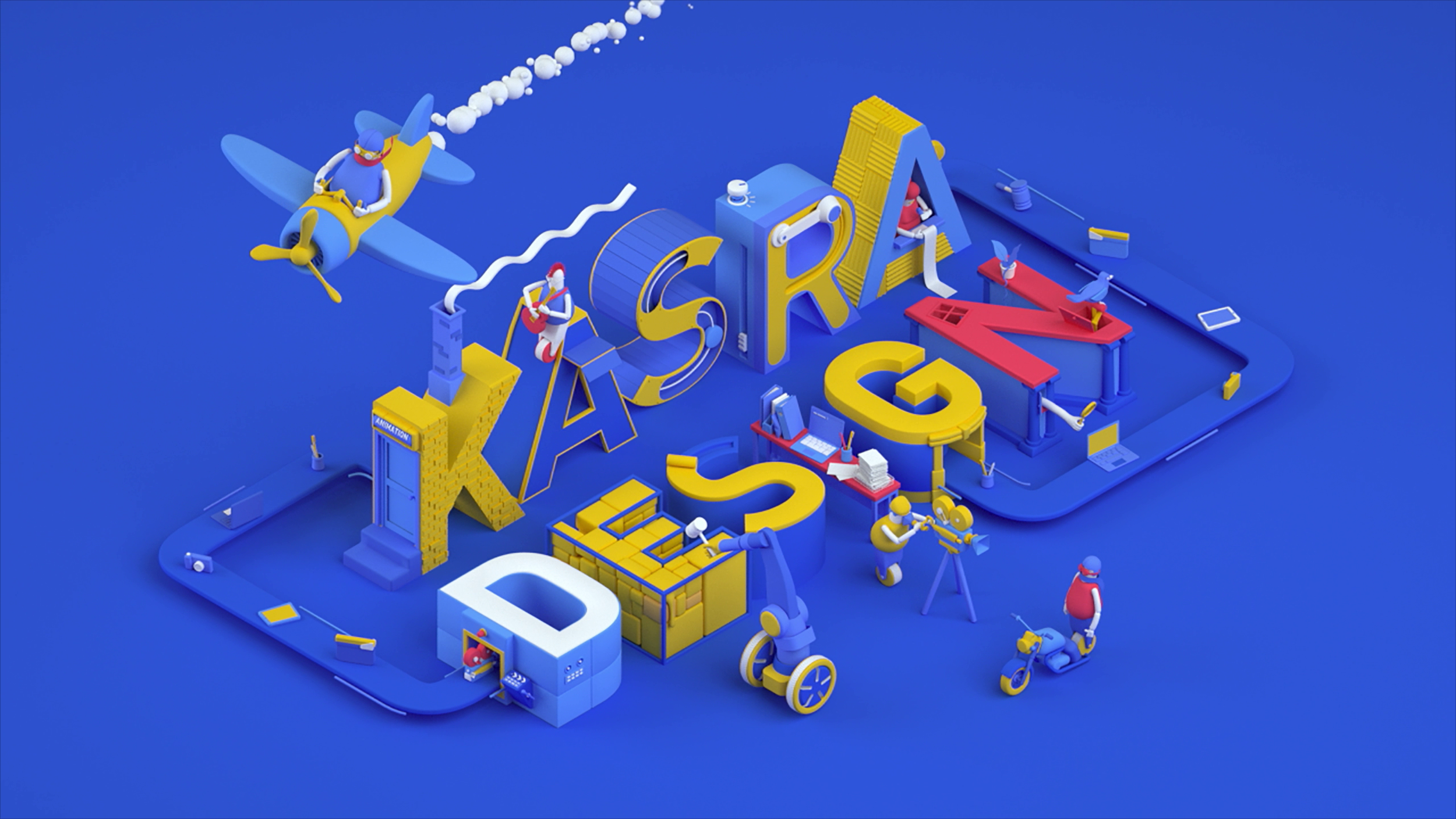
Alex Safavinia is an award-winning creative director and founder of Kasra Design©, an animation studio specializing in 3D animation and explainer videos. He began his career as a motion graphics artist in 2006 and later started freelancing as an animator just as explainer videos were gaining traction alongside YouTube’s rapid growth. Spotting the potential early, Alex began building a team of talented artists, which eventually evolved into Kasra Design© — now operating offices in Singapore and Malaysia.
Today, Alex leads creative direction across a wide range of global projects, collaborating with clients including Shell, Petronas, VISA, PepsiCo, HP, Panasonic, IATA, and other Fortune 500 companies. His work blends storytelling, strategy, and motion design, driven by a passion for helping brands communicate complex ideas through engaging, visually compelling animation.
We asked Alex about his art, creative process, and inspirations.
Can you tell us about your background as a digital artist? How did Kasra Design® come to be?
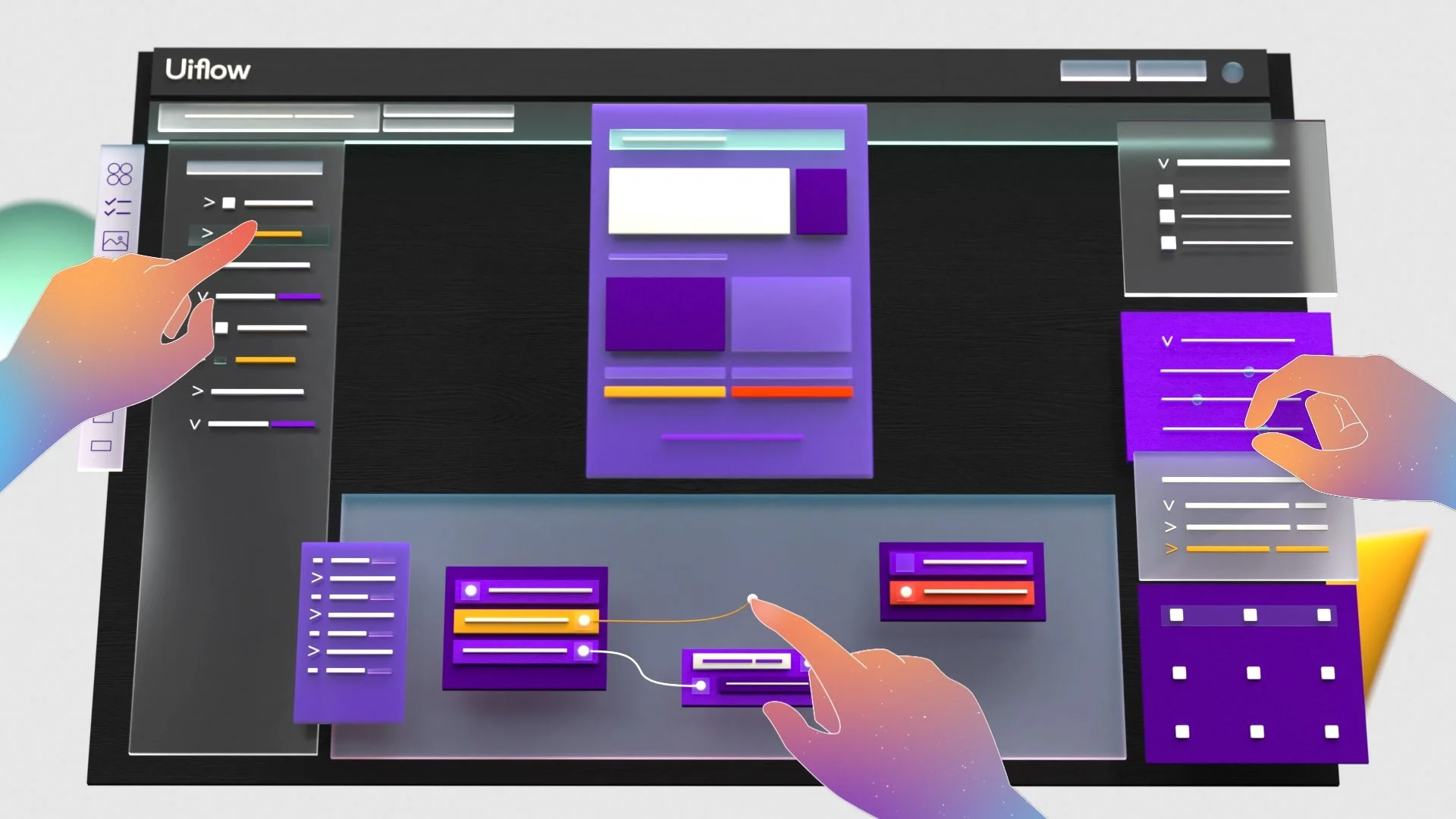
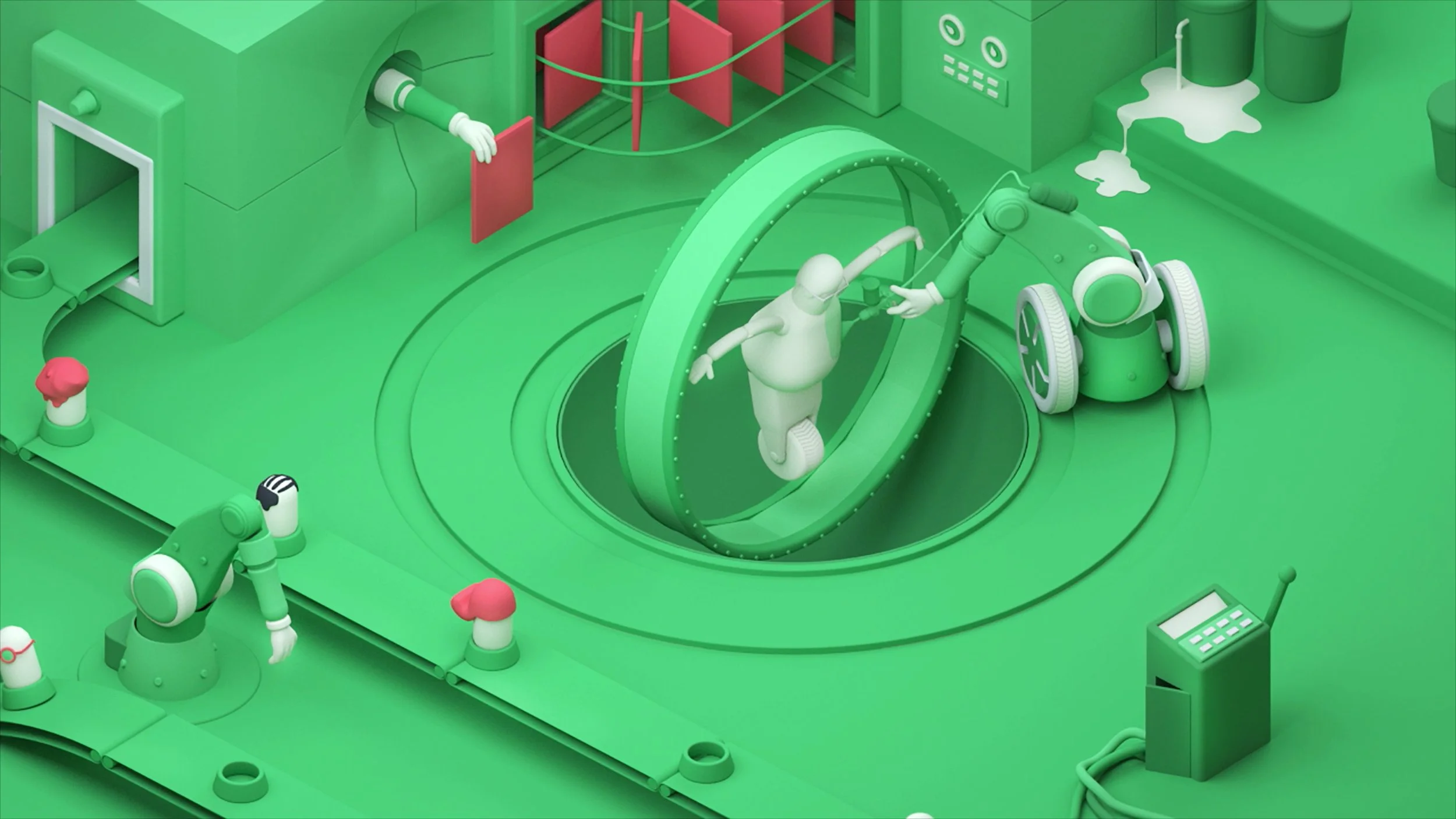
I started as a freelance animator back in 2009. Explainer videos were starting to get noticed by brands as YouTube was also rising in popularity. Every business wanted to be there and be seen by millions of viewers. After dozens of successful projects, I realized there was a lot of potential in animated videos, and that led me to form a team of talented artists and slowly establish Kasra Design®.
When a new client project comes in, what’s the first thing you look for creatively before any visuals are made?
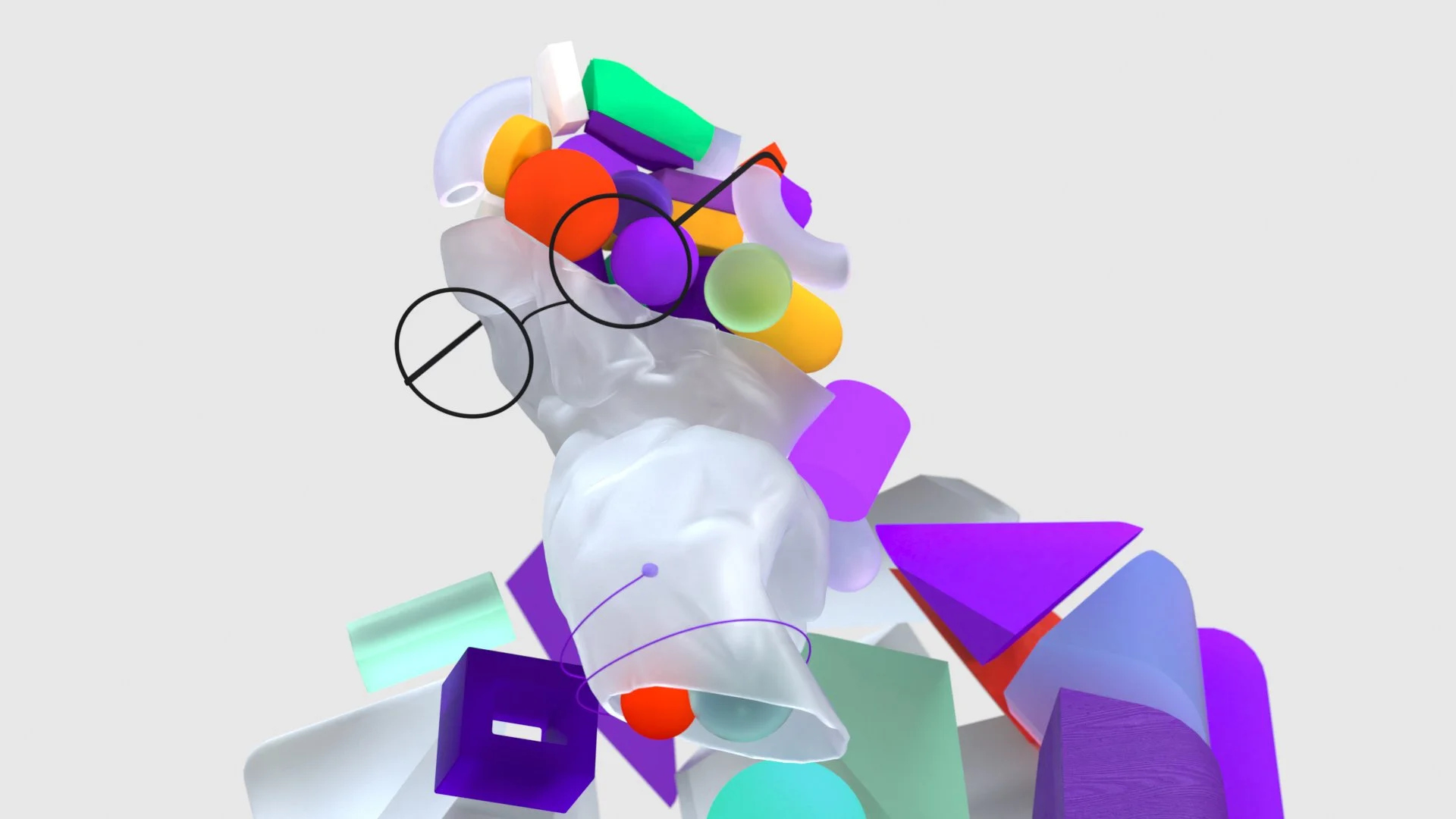
Naturally, I will look at the client’s past work, their branding, the visual mistakes they may have made, and their competitors. Then I fine tune my visual approach and suggestions. Not everyone is open minded when it comes to art styles, so we usually need to suggest a range of options for our clients to choose from. And of course, persuade them not to opt for an abhorrent approach.
Looking back, was there a project or moment that felt like a real turning point for the studio?
Yes. It was when we established our presence in Singapore. We started to get larger clients with better budgets. It snowballed from there, and I guess you can call it a turning point for the studio.
Animation and explainer videos have changed a lot since 2006. What shifts in the industry have excited you the most, and which ones have been the most challenging?
I have seen the quality of business animations improve significantly since 2006. I guess we should thank the likes of Adobe, Blender, Cinema 4D and Houdini for their constant improvements and for making the software easier to use for artists. There are many amazing videos made for the web now that previously we could only see during the Super Bowl or as TV commercials.
I think AI is the most challenging thing that has happened in our industry. It brought good opportunities and relief to artists from doing repetitive tasks and opened a Pandora’s box of features. But it also started to attract many businesses and make them think AI can replace artists. I see the trend slowly losing momentum as these businesses realize what they are getting out of AI is far from perfect. Things might change in the future, but you cannot replace a human artist entirely with AI. AI is a tool, just like Adobe, and it needs creativity, experience, taste, and determination to work. In my opinion, seeing failed projects such as “Coca-Cola - Holidays Are Coming” is proof of that.

What advice would you give to motion designers or animators who want to grow from freelancers into studio founders or creative leaders?
Build your portfolio. Look at each client as a ticket to the next client. If the project you are working on turns out great, you will have another piece to be proud of in your portfolio. Also, learn to offer good customer service. Most clients do come back for more if they are happy with the result. All of this helps you create a customer base you can depend on and establish your studio.
What is a profound childhood memory?
From a young age, I was into making flipbooks during school breaks. It taught me to be patient and led me to get into animation later in life. That early curiosity stayed with me and shaped how I think about movement and storytelling today.

Have there been any surprising or memorable responses to your work?
Yes. Once we received a surprise gift from the PetroChina team as our work received a very positive response from all of their offices around the world. We totally did not expect that and were grateful for their appreciation.
What else fills your time when you’re not creating art?
Gym, traveling, playing video games, and exploring online motion design magazines.
What is a dream project you’d like to make one day?
I would like to start a unique animation series that allows complete creative freedom without the usual client constraints or commercial limitations. It has always been a plan, but it kept getting postponed due to ongoing studio work and client priorities. This series would be a space to experiment with storytelling and unique visual styles that are seldom possible in commercial projects.
Are you our next spotlight artist? Submit the form to apply to be featured!
We share works by digital artists as well as digital arts exhibitions, events, and open calls daily on Instagram — follow us for more and subscribe to our newsletter so you don’t miss new blog posts.
![Project Spotlight: pifmgr.dll’s [M]ETAL✨ @pifmgr.dll is a digital artist working at the intersection of audiovisual design, 3D experimentation, and atmospheric world-building. His project [M]ETAL explores metal both as a physical material and a](https://images.squarespace-cdn.com/content/v1/63b2fdbe4376de5bfdc6771f/1779108338452-QO04Q3MMJ3VMU8PJV1MD/image-asset.jpeg)