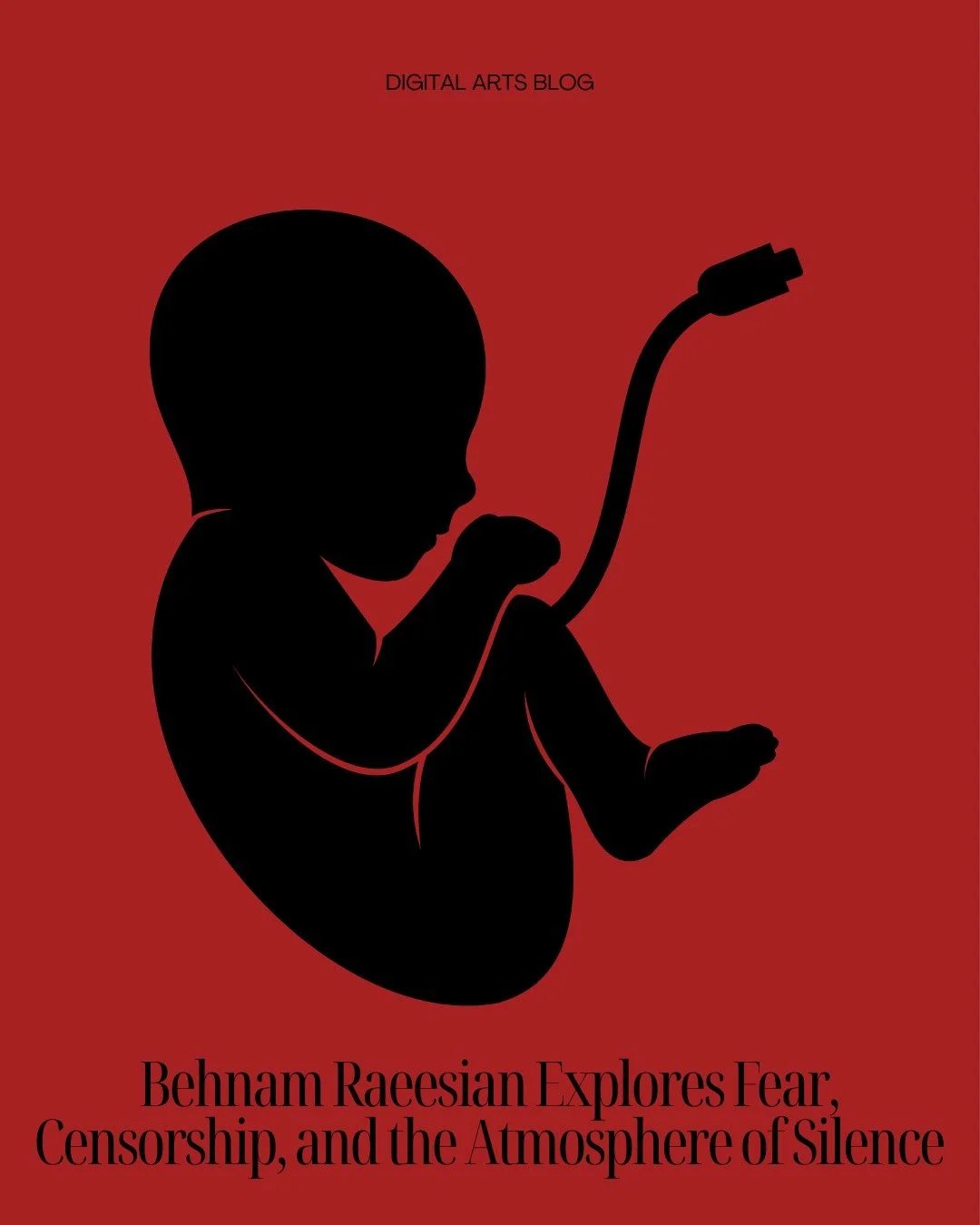
Behnam Raeesian Explores Fear, Censorship, and the Atmosphere of Silence
By Cansu Waldron
Behnam Raeesian is an Iranian visual artist and poster designer whose work operates at the intersection of political urgency and symbolic minimalism. Through graphic design, exhibitions, curatorial collaborations, and international jury roles, he explores themes of power, censorship, conflict, and the psychological weight carried by contemporary societies. His visual language is often restrained yet emotionally charged, using minimal forms and sharp symbolism to reflect collective states of fear, control, and unease within modern culture.
Much of Behnam’s work grows from an interest in how repeated exposure to violence and crisis reshapes human perception over time. His project CONDITIONED SILENCE emerged from what he describes as an almost instinctive response to the constant flow of disturbing images, warnings, and political tension that quietly accumulate in the mind. Rather than focusing only on violence itself, the work examines the normalization of it — the way danger becomes routine and silence transforms into a form of survival. Through this approach, Behnam creates work that feels both deeply personal and socially reflective, exploring the invisible psychological pressures that shape everyday life.
We asked Behnam about his art, creative process, and inspirations.
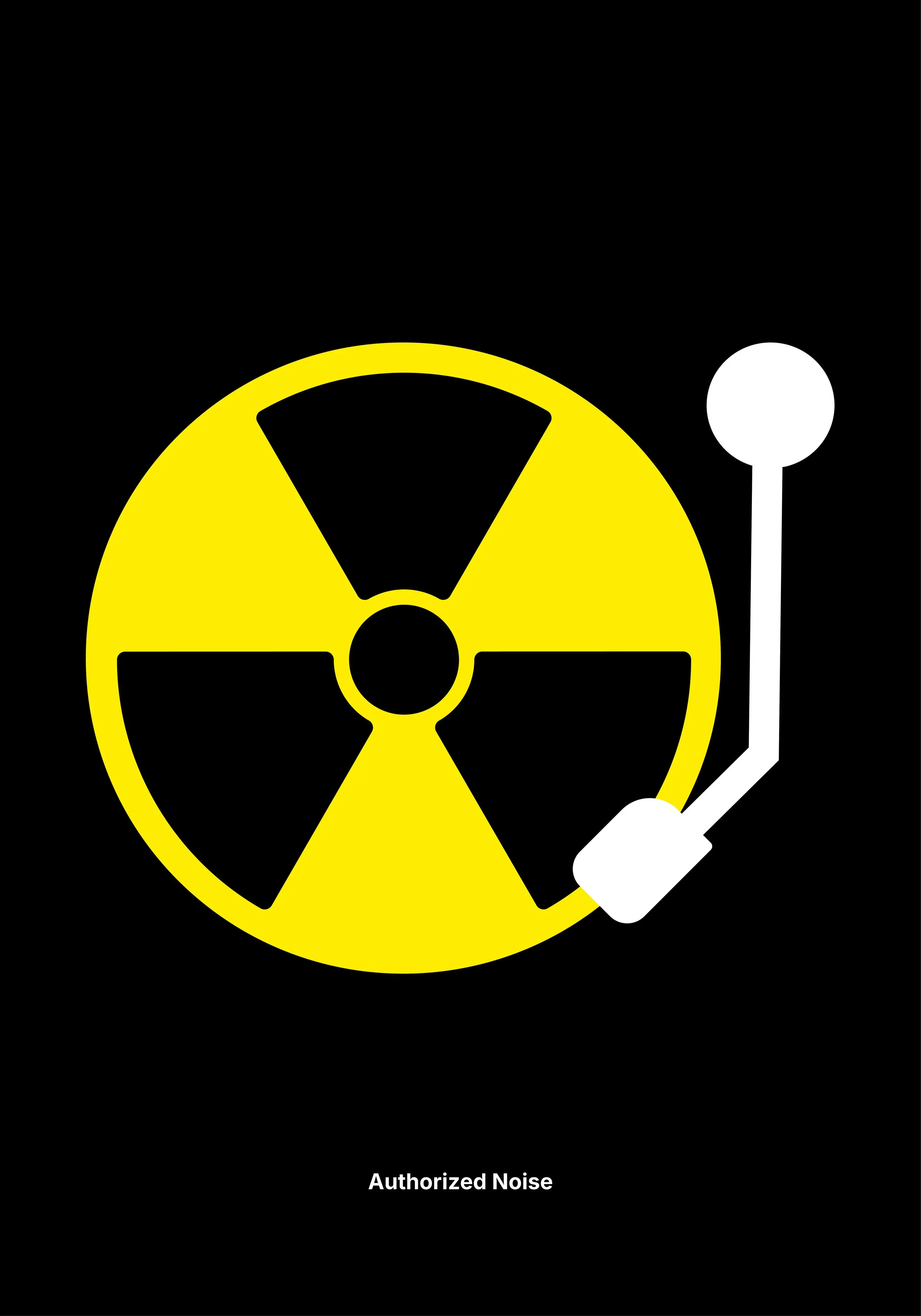
Authorized Noise — Behnam Raeesian
Can you tell me about the path that led you to poster design and visual art? What first drew you to this form of expression?
For as long as I can remember, speaking has never felt like my most natural language. It was not that I could not speak; it was that words often felt too narrow for what I wanted to express. Images allowed me to hold contradiction, silence, fear, tenderness, and anger at the same time.
Poster design attracted me because it exists between art and public speech. A poster does not ask for much time. It confronts the viewer quickly, almost physically. It can enter the street, the screen, the archive, or someone’s memory in a few seconds.
I wanted to make images that do not explain too much, but still leave a mark — images that speak where language begins to fail.
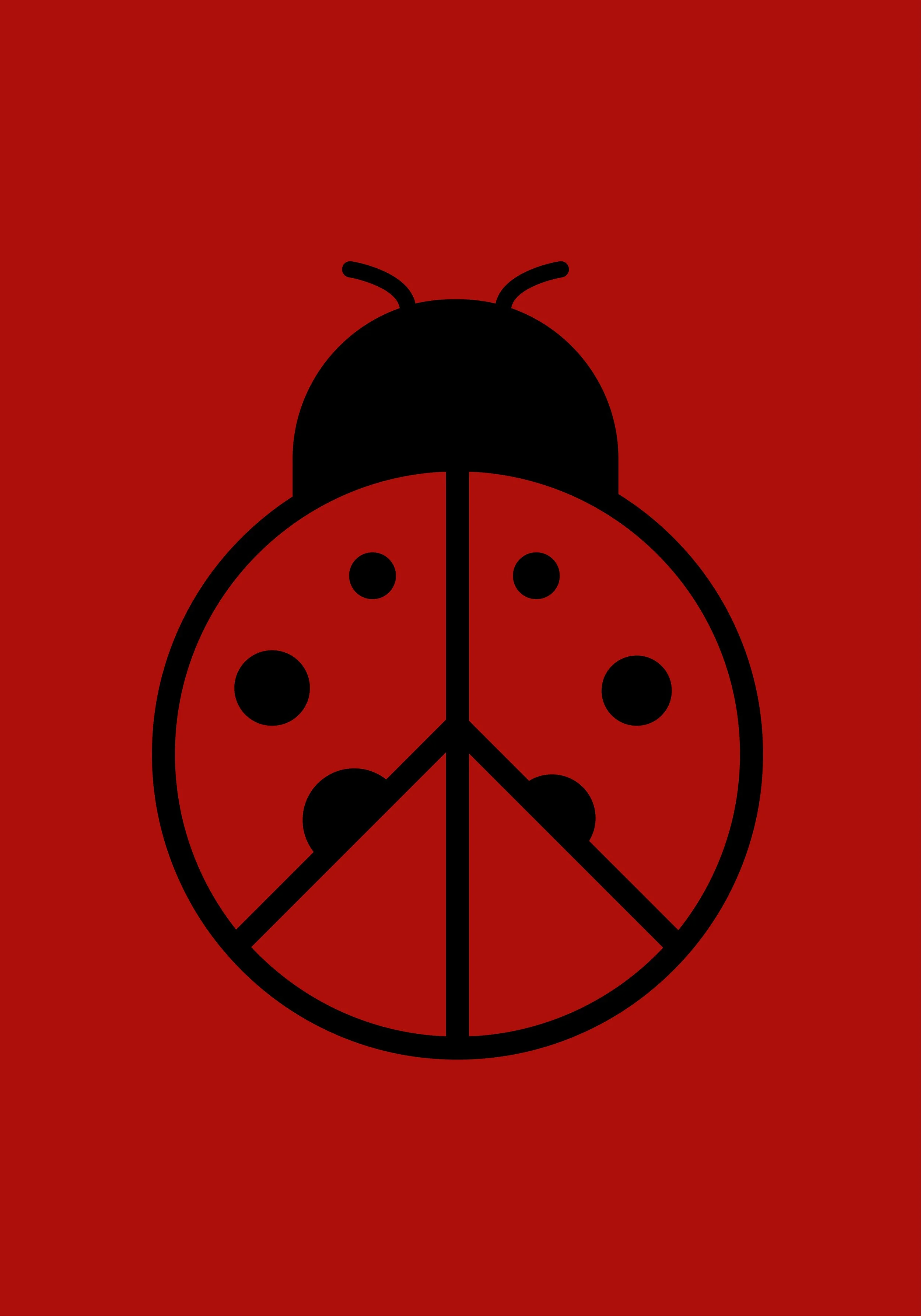
Peace Is Not Bulletproof — Behnam Raeesian
Let’s talk about your recent project, CONDITIONED SILENCE – it explores themes like power, fear, and the normalization of violence. What drew you to these particular ideas at this moment?
CONDITIONED SILENCE came from a natural, almost biological place.
Our minds are constantly receiving news, images, warnings, threats, and fragments of violence — sometimes consciously, sometimes without us even realizing it. The mind archives these fragments until they stop being information and become pressure.
For me, this project was that pressure taking form.
What disturbed me most was not only violence itself, but the way people begin to adapt to it. Danger becomes routine. Silence becomes a survival mechanism. Society continues to function while something deeply wrong becomes normal.
CONDITIONED SILENCE is about accumulation — fear, control, censorship, indifference, and survival inside the mind. It is about the moment when silence stops being empty and becomes evidence.
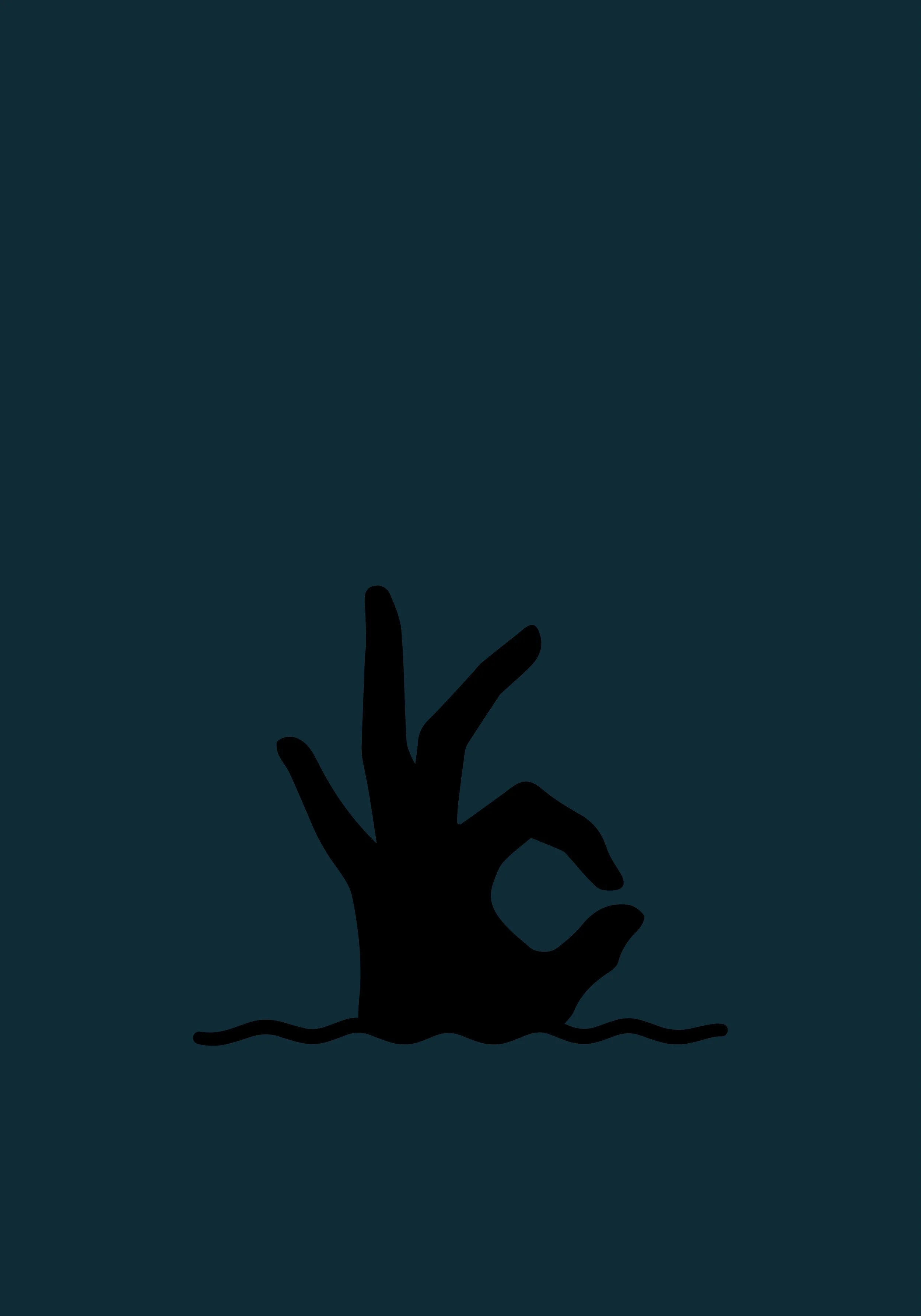
Do You Hear Us — Behnam Raeesian
You’re working with minimal visual symbols across eight posters. How did you decide which symbols could carry the weight of such complex themes?
Many of the forces that shape our lives do not arrive in complicated forms. Fear can enter through a simple object. Control can hide inside an ordinary gesture. Violence can appear in something we see every day and no longer question.
That is why I am drawn to familiar symbols: a hand, a bell, a tree, a heart, a scale, a cable. They already belong to our daily visual memory. My work begins when I disturb that familiarity.
For CONDITIONED SILENCE, I wanted each symbol to carry two lives at once: the life we recognize, and the darker meaning that appears after a second look.
The image is reduced, but the meaning is not reduced. The form becomes quieter, while the tension becomes louder.
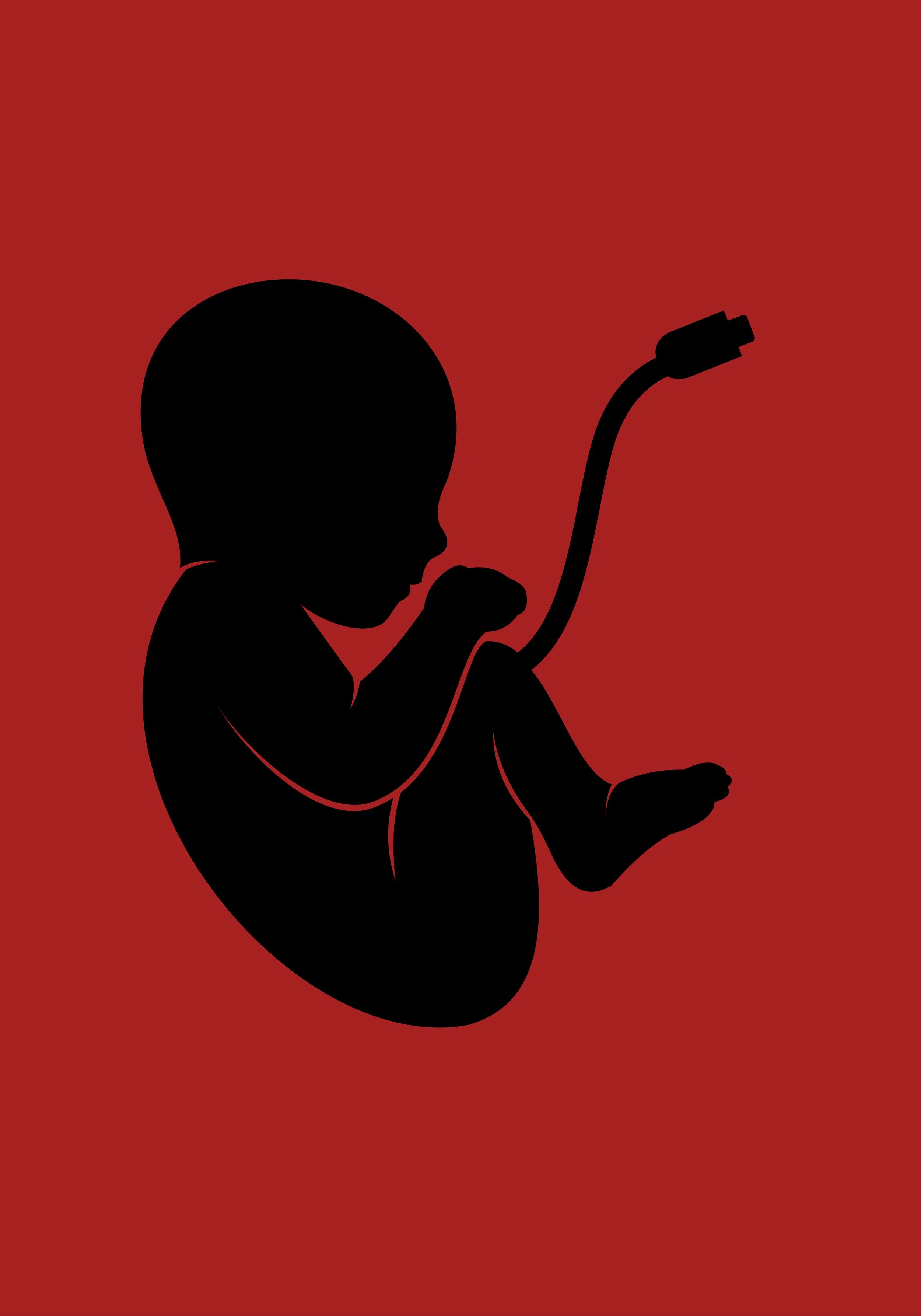
Offline Is Death — Behnam Raeesian
Silence can be interpreted in many ways — absence, control, survival. How do you approach silence as a visual and conceptual element?
I do not see silence as emptiness. For me, silence is full of what has not been said.
It can contain fear, hesitation, grief, survival, complicity, exhaustion, and memory. Sometimes silence is forced on people. Sometimes people choose it because speaking becomes dangerous. And sometimes it becomes a habit — perhaps the most frightening form, when silence no longer feels like pressure, but like normal life.
Visually, I approach silence through restraint. I leave space around the image so the viewer has to enter that quiet area and feel the tension for themselves.
The posters do not scream, but they are not calm. They hold something back — and I think that withheld energy is where the real violence often appears.
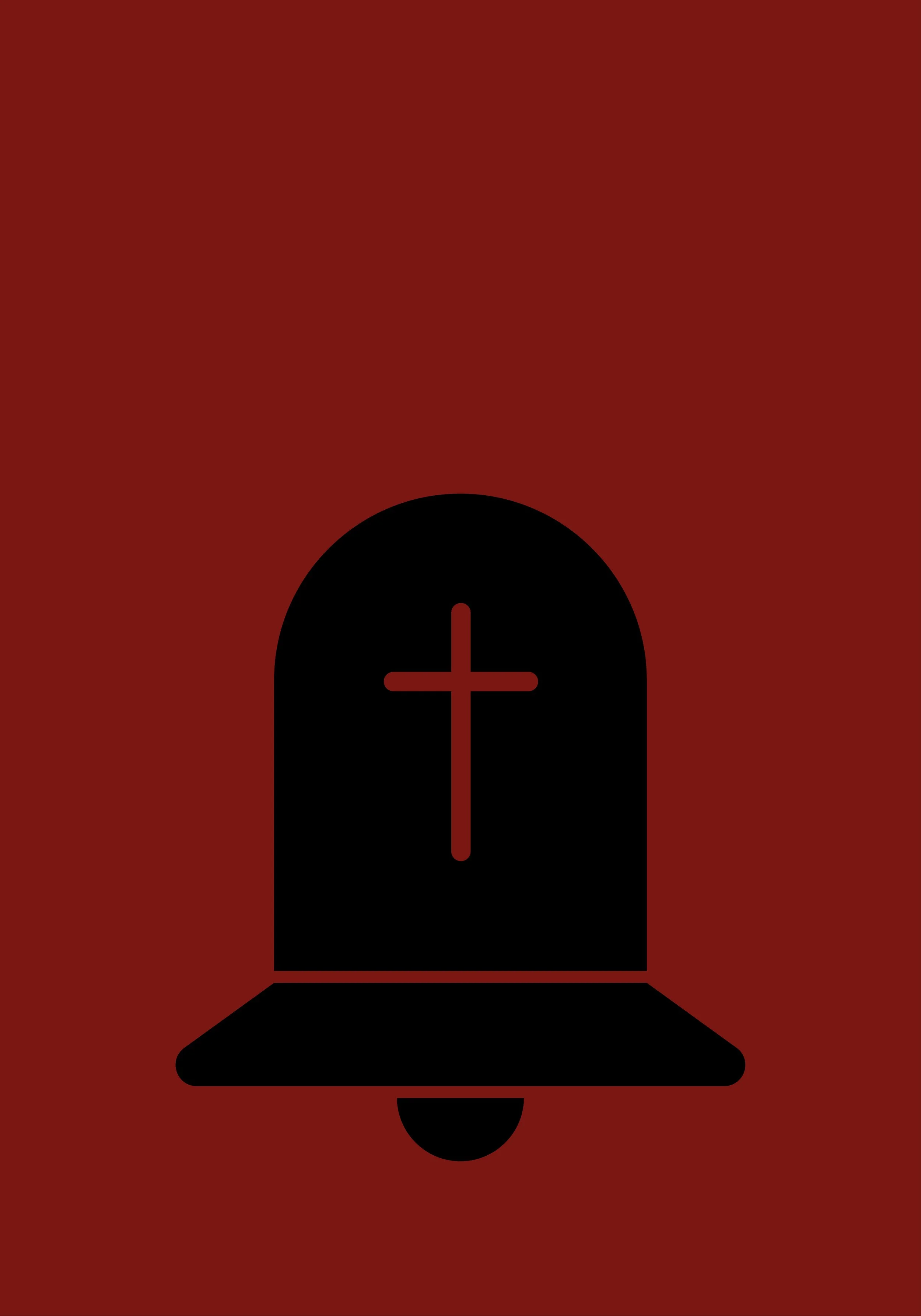
Buried Signal — Behnam Raeesian
After completing CONDITIONED SILENCE, did your own understanding of silence or complicity shift in any way?
I think the real shift usually happens before the work is made.
For me, an artwork begins when my understanding of something changes, or when a subject becomes too present in my mind to remain unformed. In that sense, CONDITIONED SILENCE was not something I made first and understood later. It was the result of a pressure that had already been building.
But after completing the project, that understanding became sharper. I began to see silence less as a passive condition and more as an active atmosphere.
Silence is not always agreement, but it can become a structure that protects violence. Complicity does not always look dramatic. Sometimes it appears as adaptation, fatigue, or the decision to continue daily life while something unacceptable becomes normal.
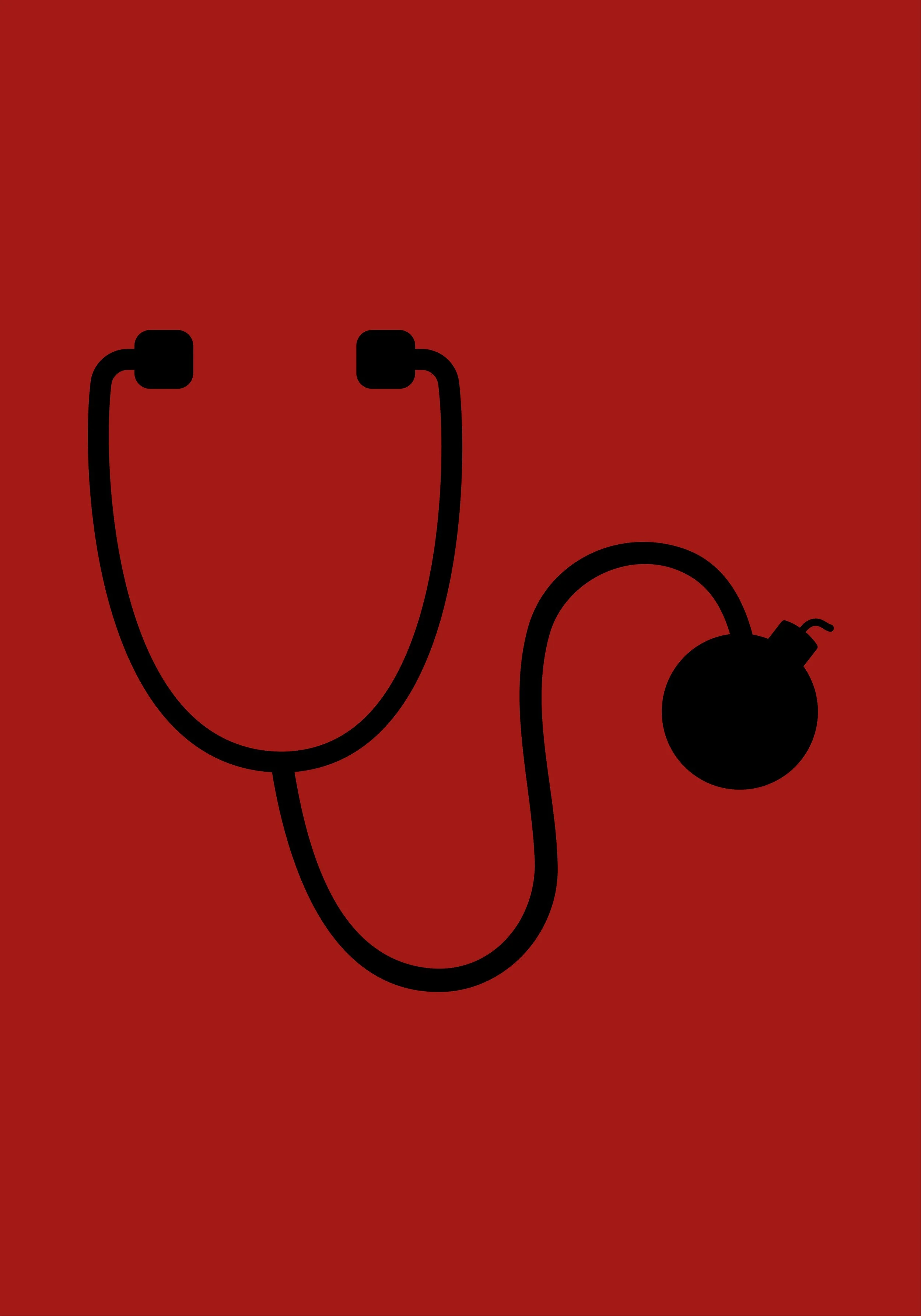
Weaponized Heart — Behnam Raeesian
Minimalism plays a key role in your visual language. What draws you to reduction, and how do you decide what to leave out?
For me, finishing an image is often where the real work begins.
The first version of a poster may contain the idea, but it is usually still too loud, too explanatory, or too crowded. My process really starts when I begin removing things. I take away every element that does not carry pressure.
Reduction, for me, is not about making the work look clean. It is about making the final impact heavier.
A poster should not need to speak in many directions. It should arrive like one precise blow. So I decide what to leave out by asking one question: does this element increase the tension, or does it weaken it?
If it weakens the image, even if it is beautiful, I remove it.
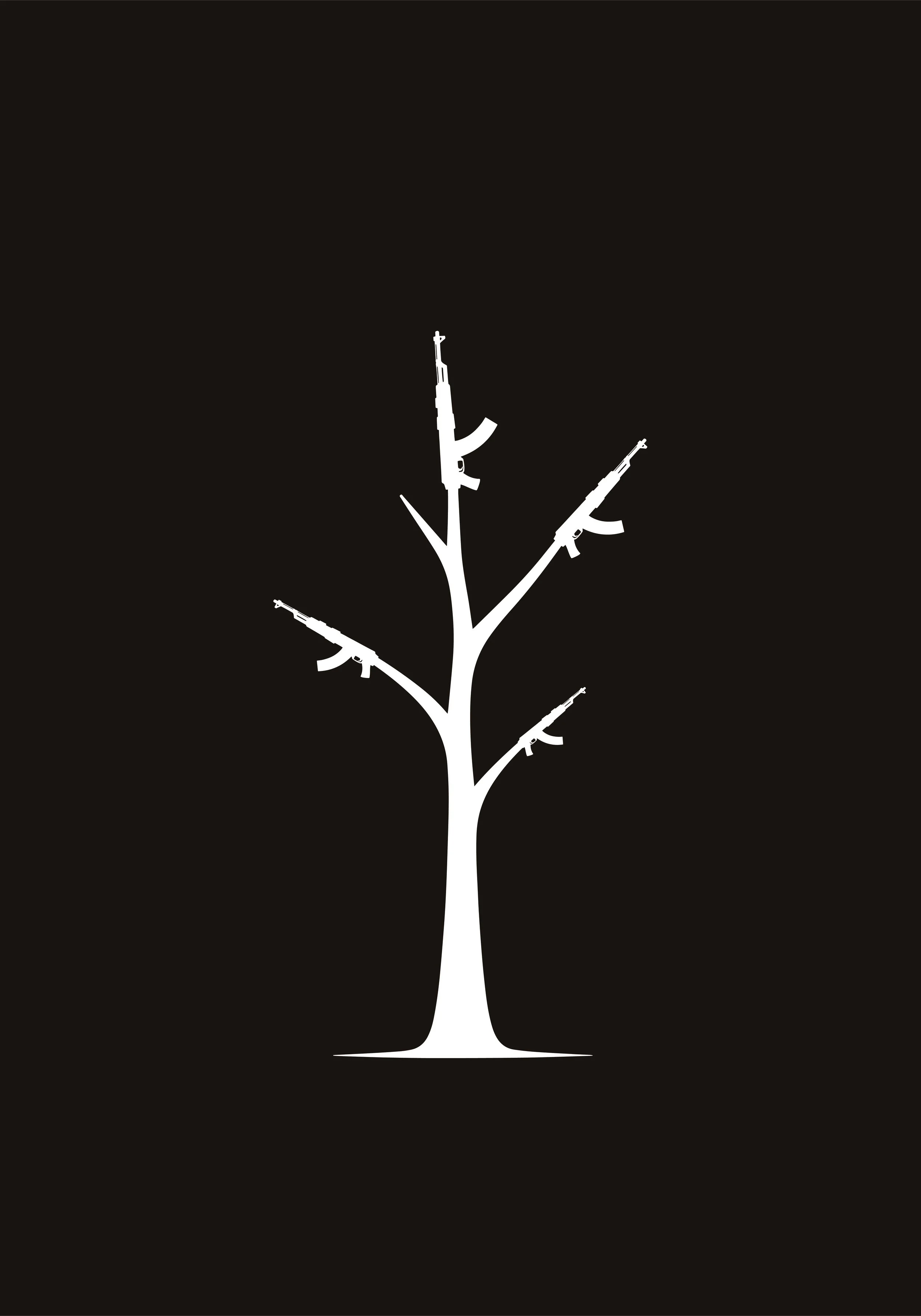
We Grow War — Behnam Raeesian
You’ve exhibited internationally across many different contexts. How have different audiences responded to your work, especially when dealing with sensitive or political themes?
One of the most interesting responses I remember came from someone I did not know personally. They wrote to me about my political perspective, my way of seeing power, and even parts of my inner world — not because I had explained these things, but because they had read them through my images.
At first, that felt strange and a little unsettling. Political work can be sensitive, and when someone reads you so clearly through your art, you realize that an image is never completely silent. It carries traces of the person who made it.
Different audiences respond from different cultural and political backgrounds, but the strongest reactions often happen when the image bypasses language. A viewer may not know my exact context, but they can still recognize pressure, silence, danger, and injustice.
That is what I value most in poster design: it can travel across borders without asking for permission.
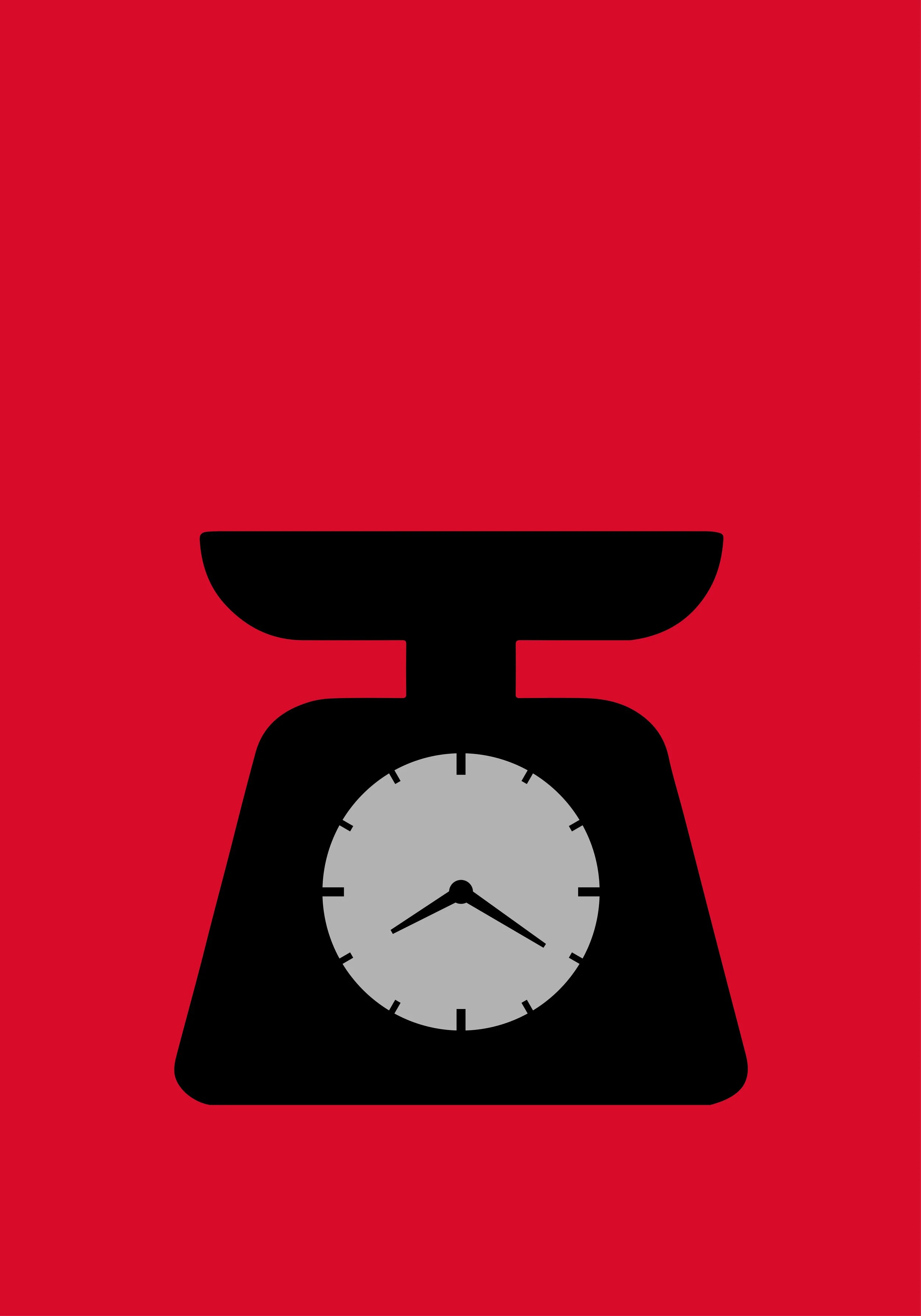
Wrong by Design — Behnam Raeesian
As a member of the International Peace Bureau, how does your involvement with peace-focused initiatives influence your artistic practice?
I should say that my involvement with the International Peace Bureau is not an official or executive role. I am a member, and I do not speak on behalf of the organization. But being connected to peace-focused spaces matters to me because it reminds me that peace is not a decorative word. It is a political, human, and visual responsibility.
In my work, peace is rarely shown as something soft or sentimental. I am more interested in the systems that make peace fragile: war, fear, censorship, silence, propaganda, and the normalization of violence.
A poster cannot stop a war by itself, but it can disturb indifference. It can keep a question alive. It can make silence visible.
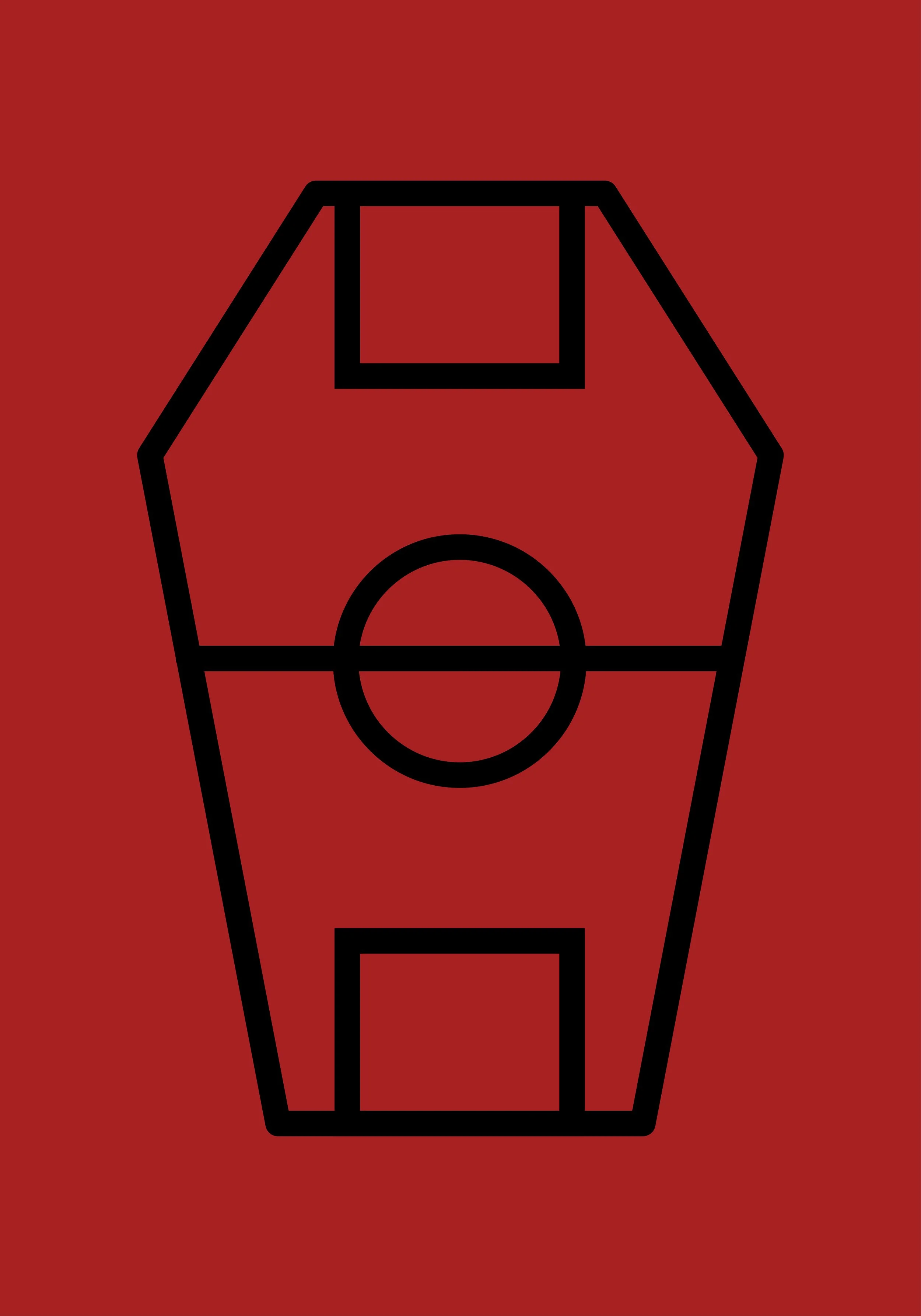
Center Circle — Behnam Raeesian
What else fills your time when you’re not creating art?
At this moment, much of my time is filled with thinking about movement — geographically, mentally, and professionally.
Migration has become an important concern in my life. Not simply as a personal change, but as a way to find a wider space for my voice, my work, and the questions I want to ask through images.
I want my posters to travel further, to enter more conversations, and to speak in places where silence is harder to maintain.
So even outside the studio, I feel I am still inside the work. I am preparing the conditions for the work to speak louder.
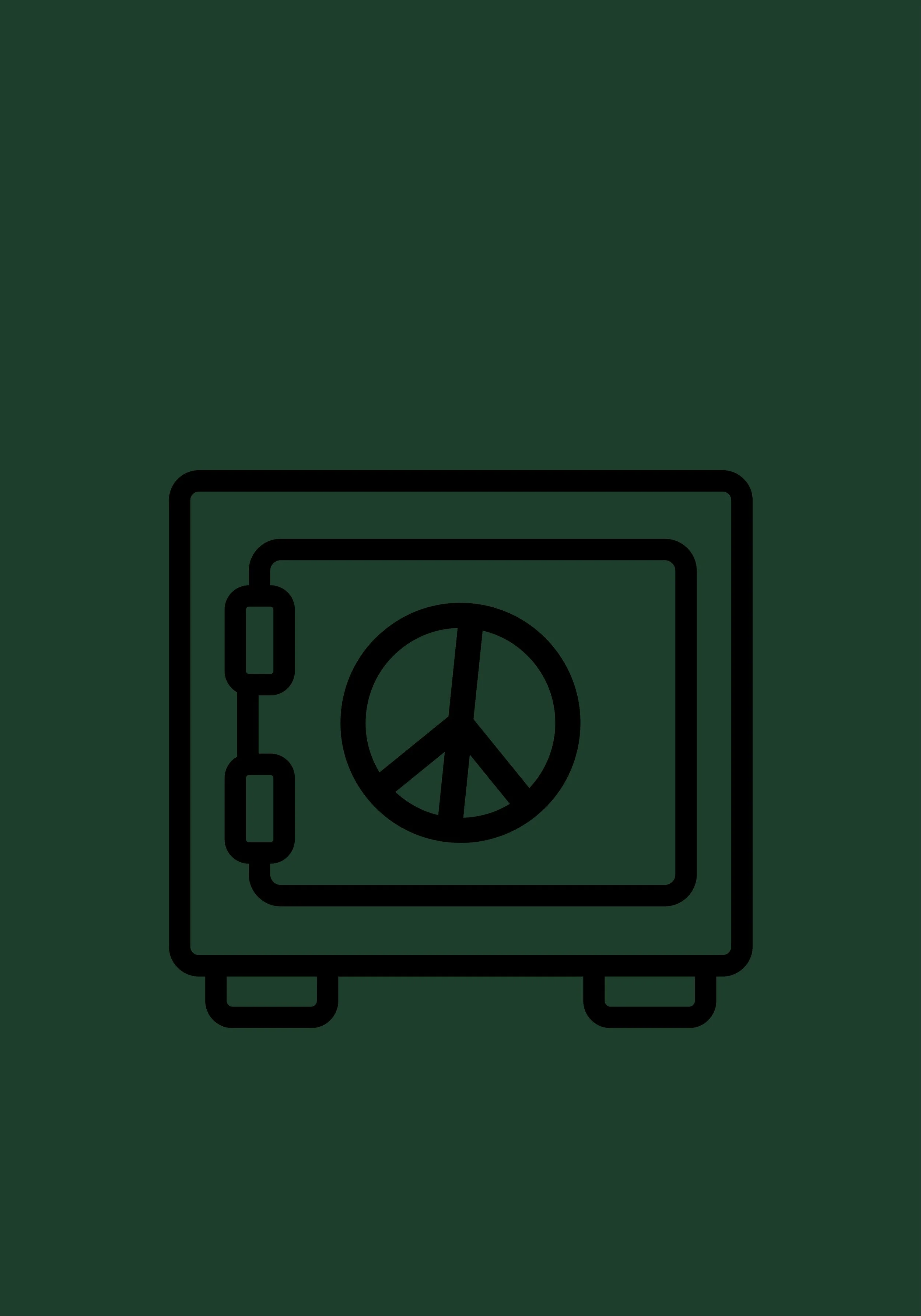
PEACE IS MANAGED — Behnam Raeesian
Are you our next spotlight artist? Submit the form to apply to be featured!
We share works by digital artists as well as digital arts exhibitions, events, and open calls daily on Instagram — follow us for more and subscribe to our newsletter so you don’t miss new blog posts.
![Project Spotlight: pifmgr.dll’s [M]ETAL✨ @pifmgr.dll is a digital artist working at the intersection of audiovisual design, 3D experimentation, and atmospheric world-building. His project [M]ETAL explores metal both as a physical material and a](https://images.squarespace-cdn.com/content/v1/63b2fdbe4376de5bfdc6771f/1779108338452-QO04Q3MMJ3VMU8PJV1MD/image-asset.jpeg)