Cain on Scars, Trust, and the Art of Leaving a Mark
By Cansu Waldron
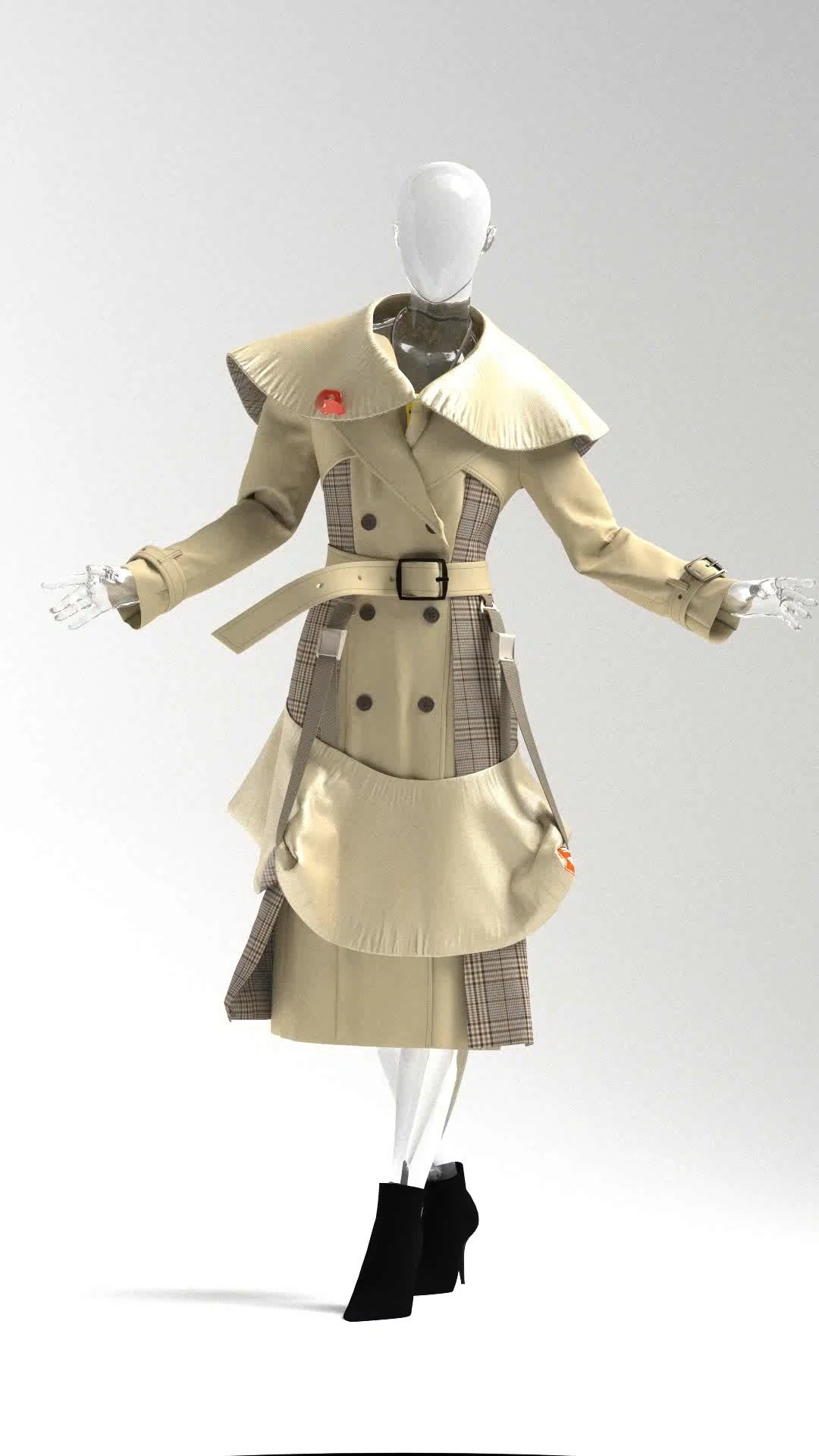
Cain is a multidisciplinary artist whose practice spans tattoo design, digital illustration, graphic design, product collaborations, and 3D concept development. Working primarily with digital tools, he creates bold, striking imagery that often makes its strongest impact through simplicity and immediacy. Whether designing for the screen or the body, his work is driven by an interest in visual language that captures attention first and gradually reveals deeper emotional and personal meaning. For Cain, digital creation is not an endpoint but the beginning of a process that ultimately transforms ideas into lived, physical experiences.
Inspired by people who challenge limits and redefine their own paths, Cain sees creativity as a process of constant evolution. Since adopting digital tools in 2018, his practice has shifted dramatically, allowing him to experiment more freely and keep pace with the flow of new ideas. While his work begins on an iPad or in digital software, he is most fascinated by the moment an image leaves the screen and enters the real world — especially through tattooing, where it becomes part of a person's identity, changing and aging alongside them. That transformation, from digital concept to lasting mark, sits at the heart of his creative philosophy.
We asked Cain about his art, creative process, and inspirations.
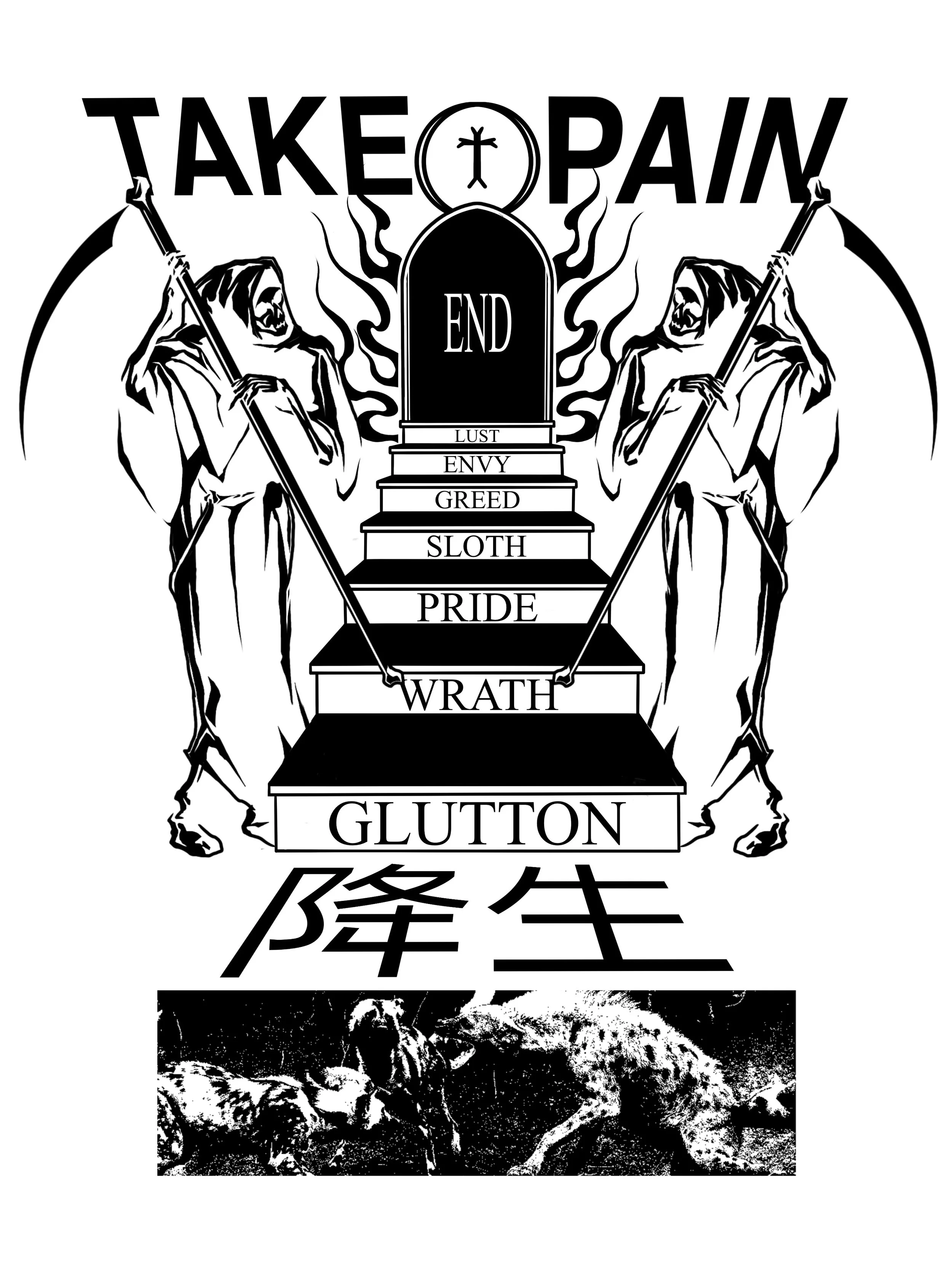
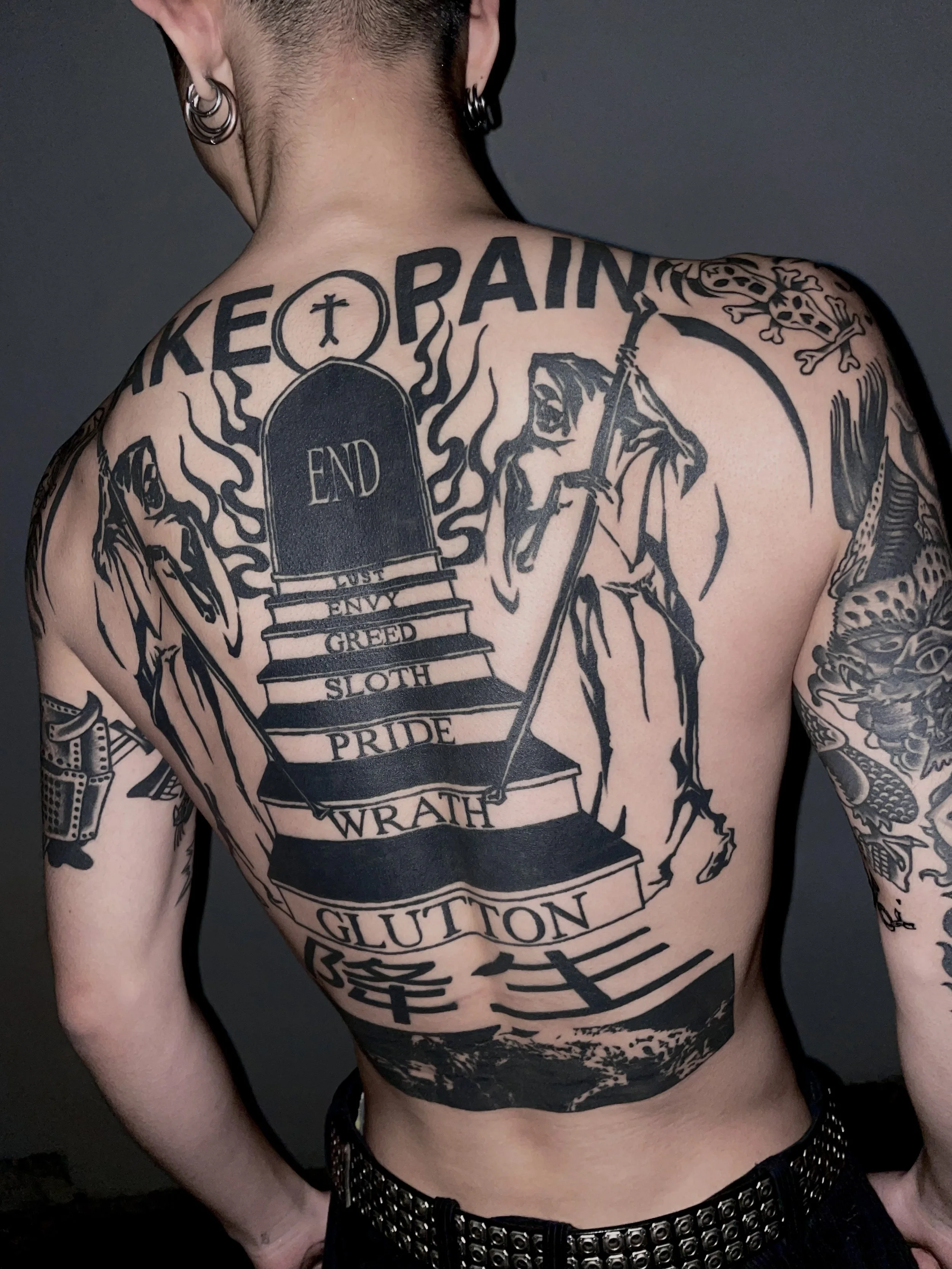
Can you tell me about your journey into tattooing and how digital tools became part of your creative process?
I’ve always been drawn to people who push beyond their own limits. The earliest example was Mike Tyson—a man who came from nothing and refused to accept the destiny that was handed to him. Later it was skateboarding, rock music, and tattoo culture. Looking back, I realized that all the people I considered “cool” shared something in common: they were constantly challenging some kind of limitation, whether it came from their environment, social expectations, or themselves.
What first attracted me was always the image itself. Strong, direct, and sometimes even aggressive visual language has always fascinated me. I’ve always believed that an image should strike the eye first, and only then make its way into the mind. If a piece can’t make someone stop and look, it’s difficult for it to reach anything deeper.
Tattooing embodies both of those qualities. On one hand, it is a powerful form of visual expression. On the other, it becomes part of a person’s life, changing and aging alongside them. As my practice evolved, I realized that what truly interested me wasn’t just the image itself, but the marks left on people—experiences, desires, scars, choices, and the ways those things shape who we become.
Buying my first iPad in 2018 completely changed the way I worked. Before that, I was committed to drawing everything by hand and believed tattooing should preserve a certain traditional craft mentality. But digital tools didn’t weaken that spirit. Instead, they transformed the way I think.
For the first time, I felt like the speed of my creation was beginning to catch up with the speed of my thoughts. I will always have more ideas than I have time, and digital tools allowed me to experiment, reject, rebuild, and test those ideas faster than ever before. They taught me that the medium itself is never the boundary. What matters is how an idea continues to evolve.
To this day, that process of transformation remains an essential part of my work. From stylus to tattoo needle, from screen to skin, from digital image to physical reality. What fascinates me is not just the image itself, but what happens when an idea leaves the screen, enters the real world, and ultimately leaves its mark on a living body.
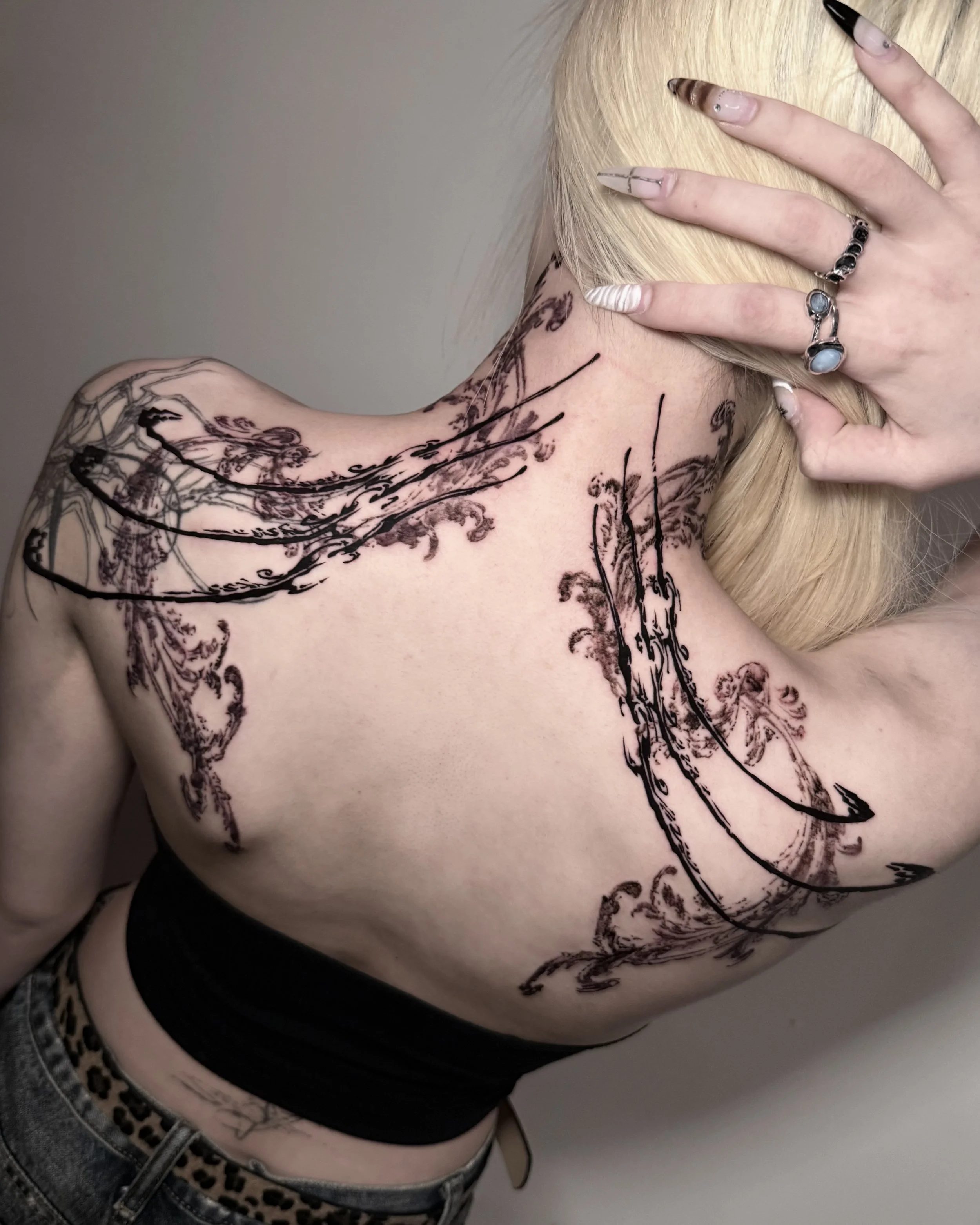
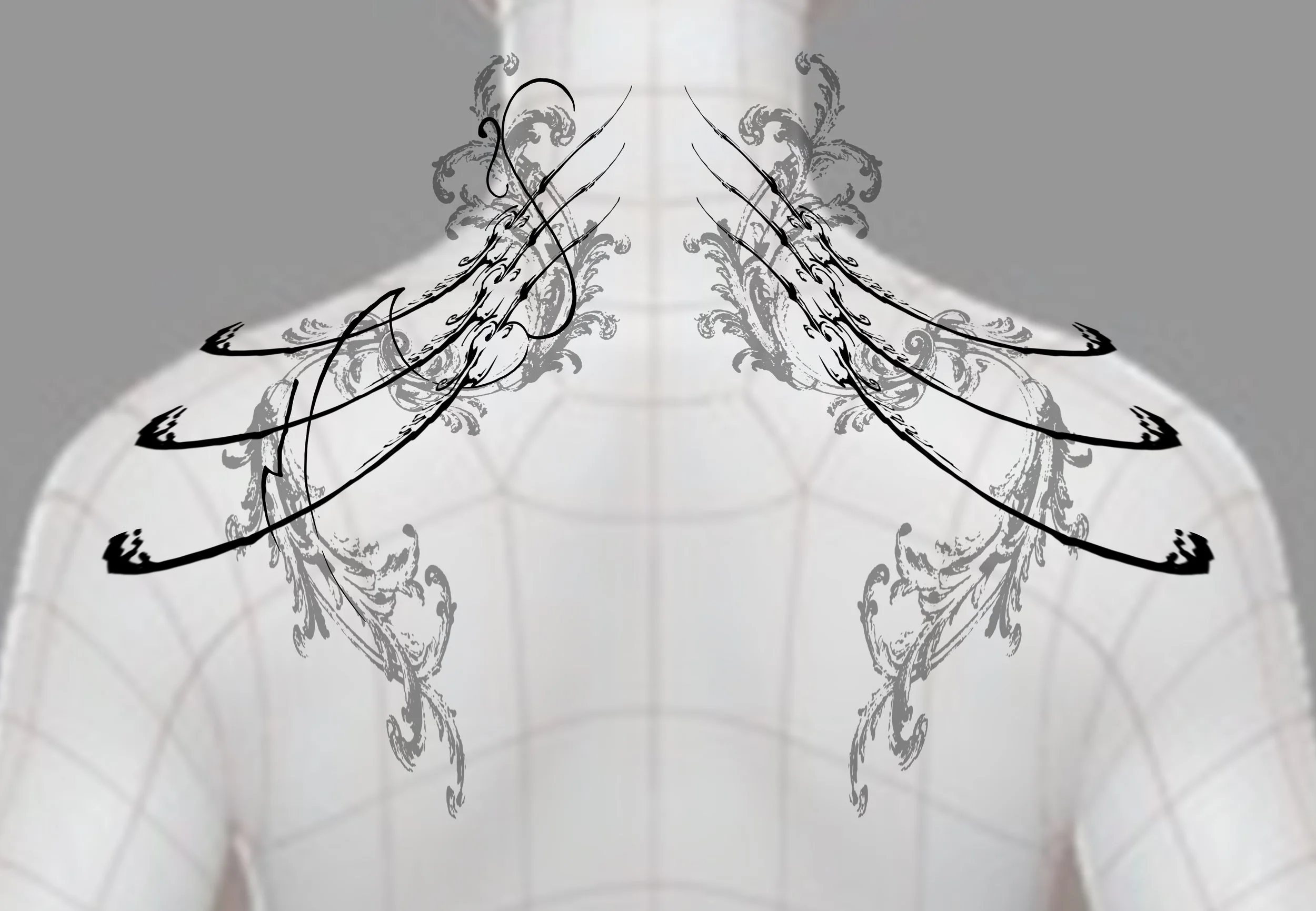
There’s something unique about taking a digital image and turning it into a permanent tattoo. What does that transformation mean to you as an artist?
For me, the most fascinating part of turning a digital image into a tattoo is not just the change of medium—it’s the moment when it suddenly becomes real.
Images on a screen are too light. They can be copied, deleted, replaced, or endlessly reproduced. They exist in a world with almost no consequences.
A tattoo is different.
The moment the needle enters the skin, those pixels that once existed only on a screen begin to bleed. They scab, heal, and grow old alongside the body that carries them. For the first time, they have a pulse. For the first time, they have weight in the real world.
A tattoo can begin as decoration, but it rarely ends there. The body is the vehicle through which we experience life, and tattooing is a way of leaving your own evidence on that vehicle. A tattoo records far more than an image. It records what you believed in, what you chose, and what you were willing to pay a price for.
That’s why I’m so fascinated by this process. Every day, I watch ideas that once existed only on a screen enter flesh and blood. They bleed, scab, heal, and eventually become part of someone’s life.
At that point, it is no longer just an image.
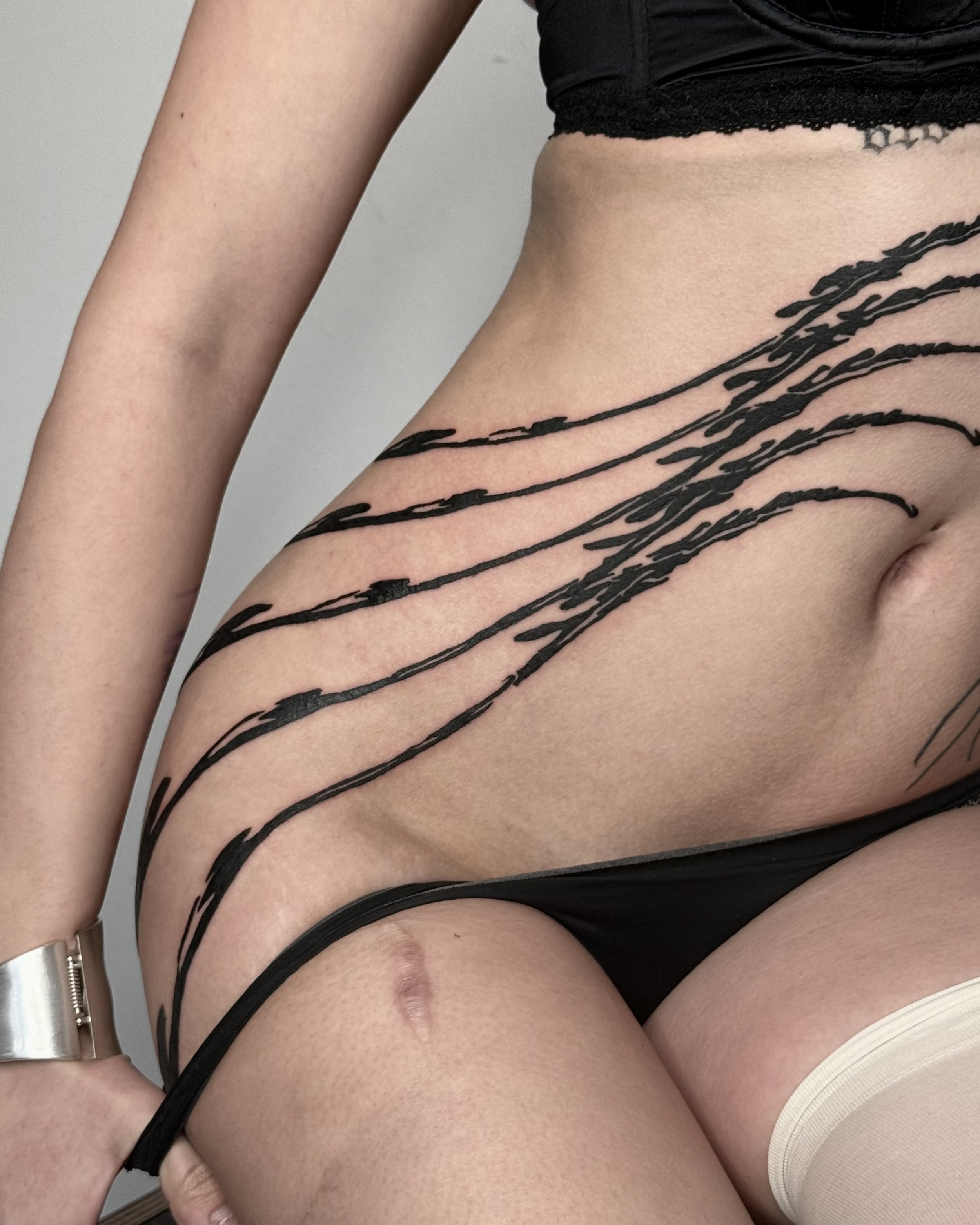
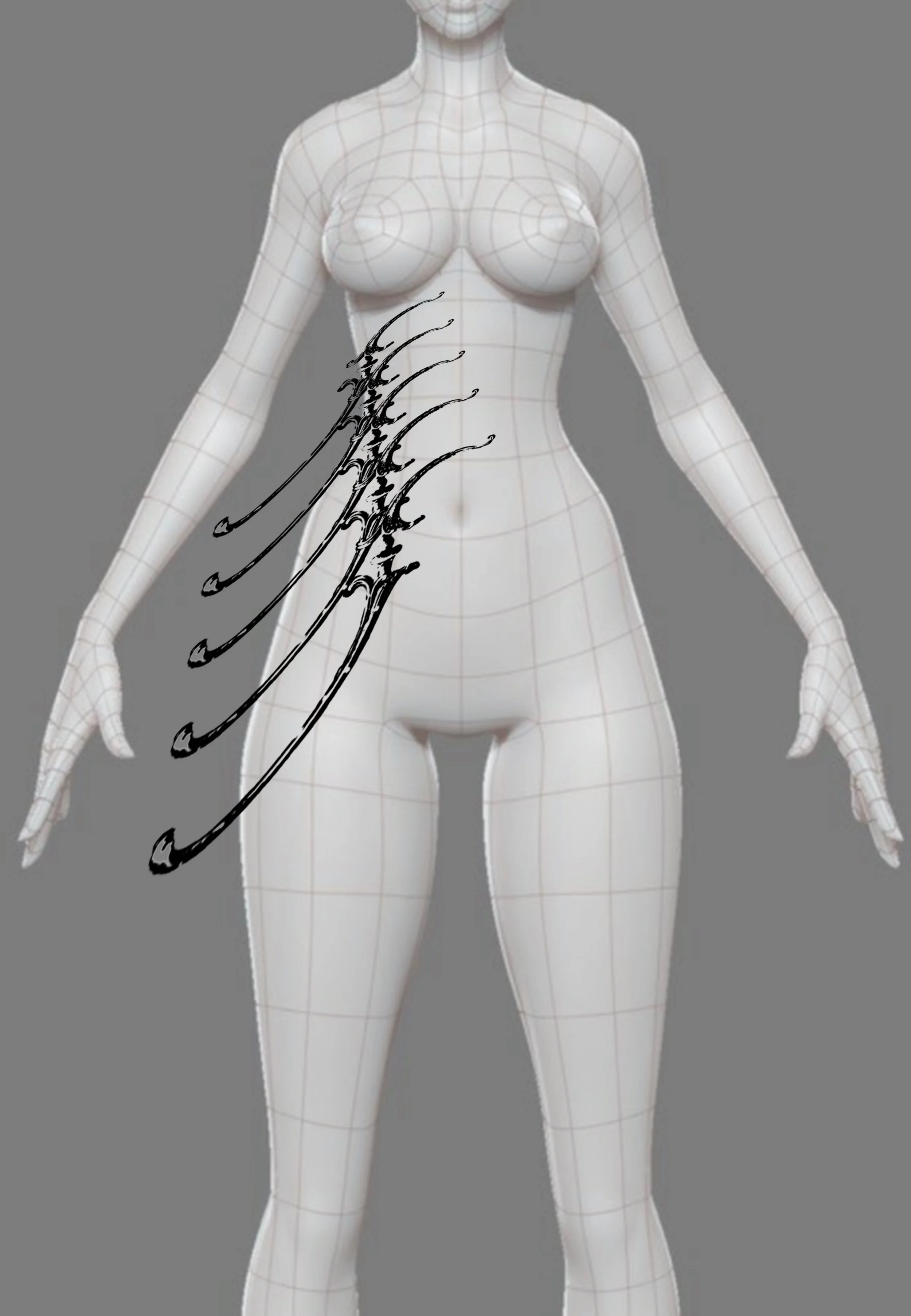
Tattooing sits at an interesting intersection of art, craft, and human connection. What aspects of the medium continue to inspire you?
What continues to inspire me about tattooing is how absurd and beautiful it is.
Think about it.
A complete stranger sees your work and decides to hand you their body, their time, and their trust. They let you hurt them. They let you leave something permanent behind. Then they thank you for it.
The more I think about it, the crazier it seems.
I’ve never felt like I was working on a canvas. A canvas doesn’t bleed. It doesn’t get nervous. It doesn’t grow old.
People do.
And that’s the fascinating part.
The work I make will probably witness things I’ll never see. Love, loss, change, mistakes, victories, entire chapters of a person’s life.
Every person who gets tattooed is, in a way, inviting you into their story.
Every tattoo is a collaboration between two imperfect people. One has to trust. The other has to be worthy of that trust.
Beyond tattooing, you work across graphic design, product collaborations, and 3D concepts. How do these different creative disciplines influence one another within your practice?
To be honest, I’ve never really seen these as completely separate disciplines.
I’m more interested in ideas than mediums.
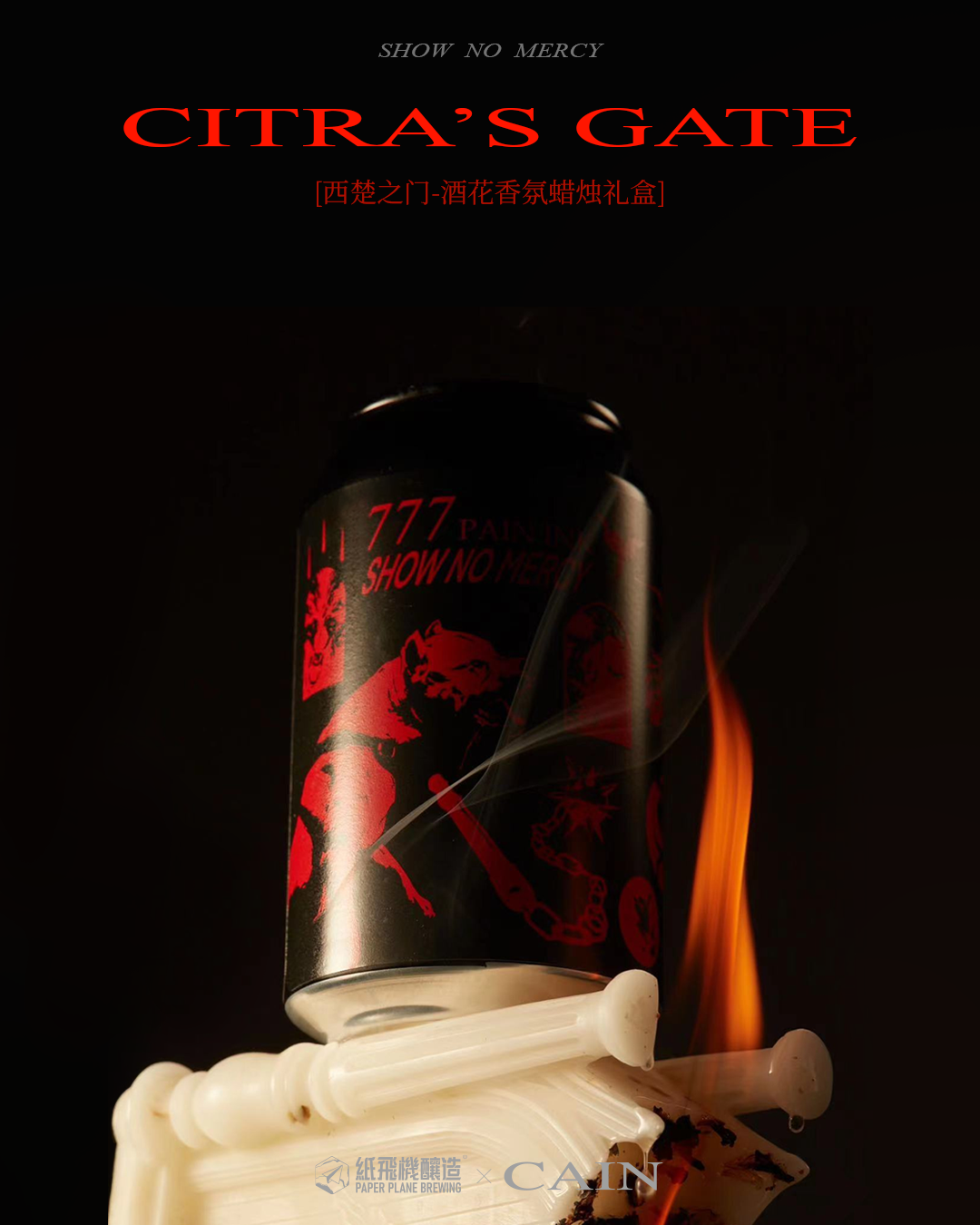
Whenever a new idea appears, I rarely ask myself what tool I should use. What interests me more is: what does this idea want to become?
Some ideas belong on a wall. Some belong on the body. Some belong beneath the skin.
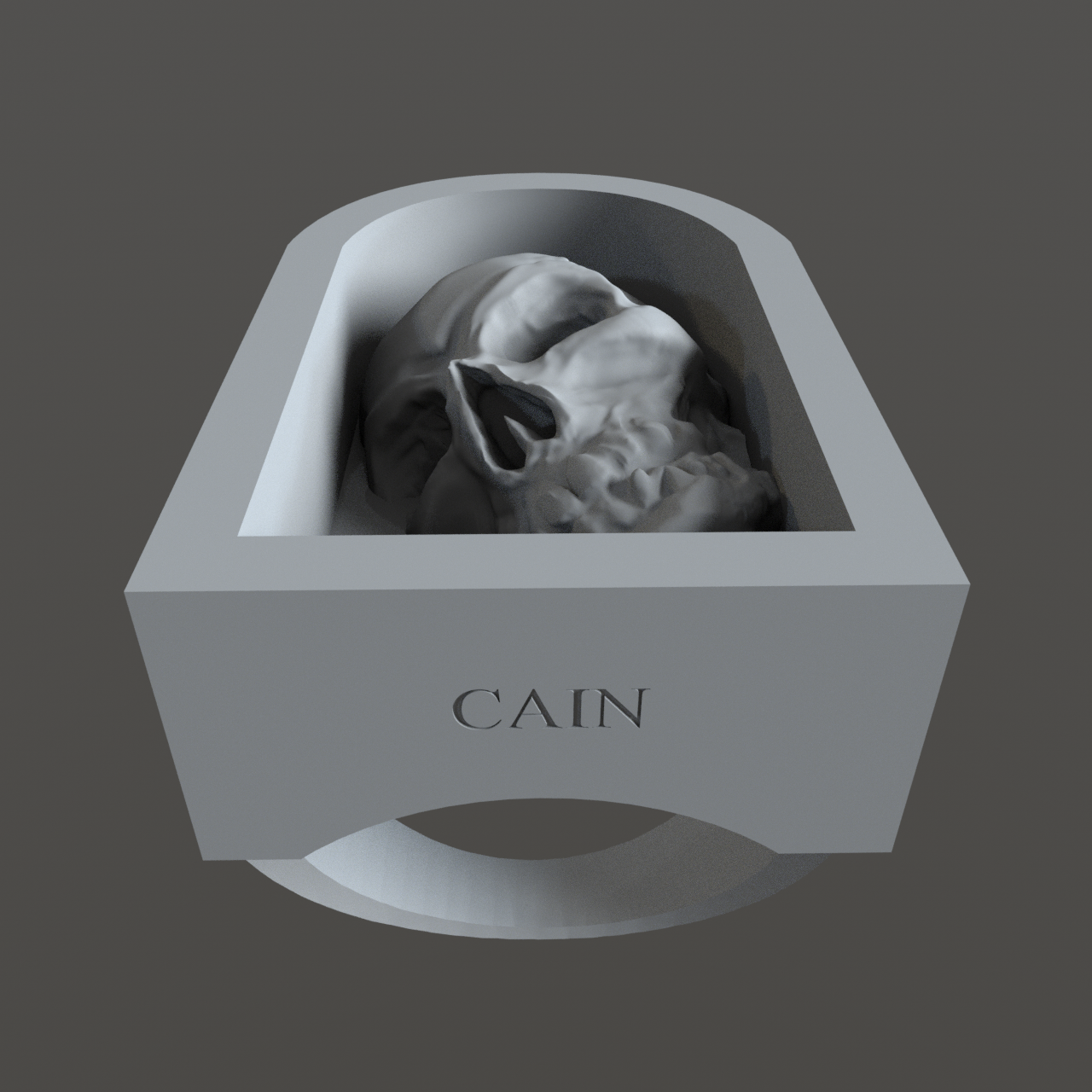
For me, tattooing, painting, 3D work, product design, and brand collaborations are all part of the same conversation. They’re simply different forms of the same idea searching for a different body.
What makes different mediums interesting is that each comes with its own limitations. Tattooing has its limitations. Sculpture has its limitations. Product design has its limitations. And very often, those limitations force me to look at the same idea from a completely different angle.
I’ve always believed that mediums are not boundaries—they’re pathways. The important thing is never the tool itself, but how an idea evolves and eventually finds the form it was meant to take.
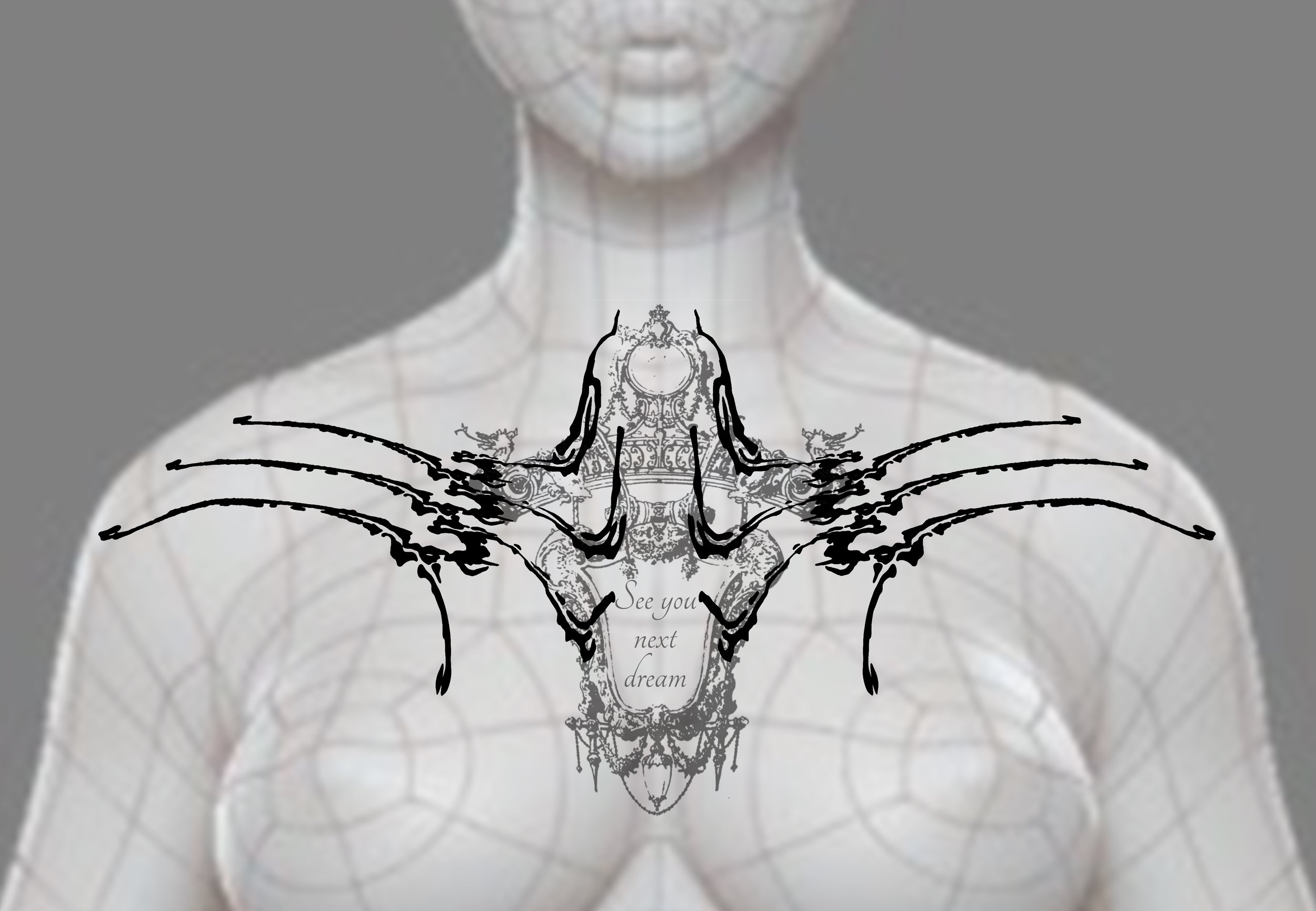
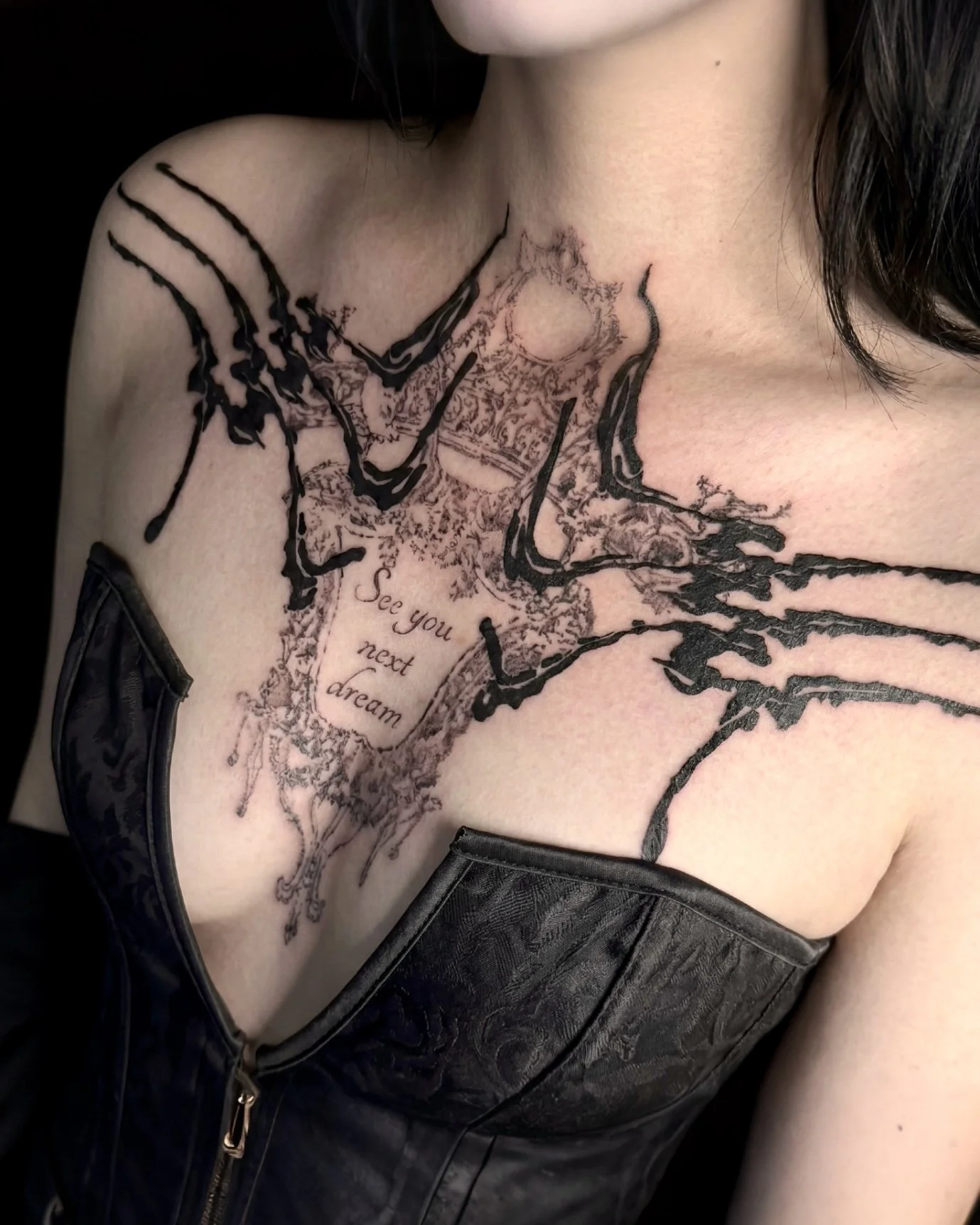
In an era when so much visual content is consumed quickly on screens, what does it mean to create something that becomes part of a person's body?
We live in a time where we're surrounded by images.Most pass by without leaving much behind
Tattooing feels different.
You have to choose, and you have to live with that choice.
Maybe that's what gives it weight.
Not the image itself— but the decision to keep it.
Your recent work seems more concerned with scars, transformation, and endurance than your earlier work. What changed?
Before moving to New York, many of the ideas in my work came from observation, history, and personal reflection. But over the last two years, those ideas became much more personal.
Not long after arriving in New York, I was involved in a serious motorcycle accident. What followed was a long period of recovery, physical therapy, and multiple surgeries. It forced me to slow down and confront things that I had previously only thought about in a more abstract way—pain, vulnerability, limitation, and the body’s ability to heal.
As someone who works directly on the body every day, that experience changed my perspective. I became less interested in the image itself and more interested in what marks, scars, and transformations actually represent. To me, a scar is not simply evidence of damage. It is evidence that something was survived, endured, and transformed.
Outside of tattooing and art, I’ve always been drawn to experiences that challenge my limits. Whether it’s boxing, riding motorcycles, or deliberately placing myself in unfamiliar environments, these experiences have shaped the way I understand risk, pain, growth, and willpower. Their influence on my work is no less significant than that of books, exhibitions, or artistic movements.
Many of the ideas I am exploring now come from that realization: the body records our experiences, and the marks we carry often tell a deeper story than words ever can.
Are you our next spotlight artist? Submit the form to apply to be featured!
We share works by digital artists as well as digital arts exhibitions, events, and open calls daily on Instagram — follow us for more and subscribe to our newsletter so you don’t miss new blog posts.
![Project Spotlight: pifmgr.dll’s [M]ETAL✨ @pifmgr.dll is a digital artist working at the intersection of audiovisual design, 3D experimentation, and atmospheric world-building. His project [M]ETAL explores metal both as a physical material and a](https://images.squarespace-cdn.com/content/v1/63b2fdbe4376de5bfdc6771f/1779108338452-QO04Q3MMJ3VMU8PJV1MD/image-asset.jpeg)