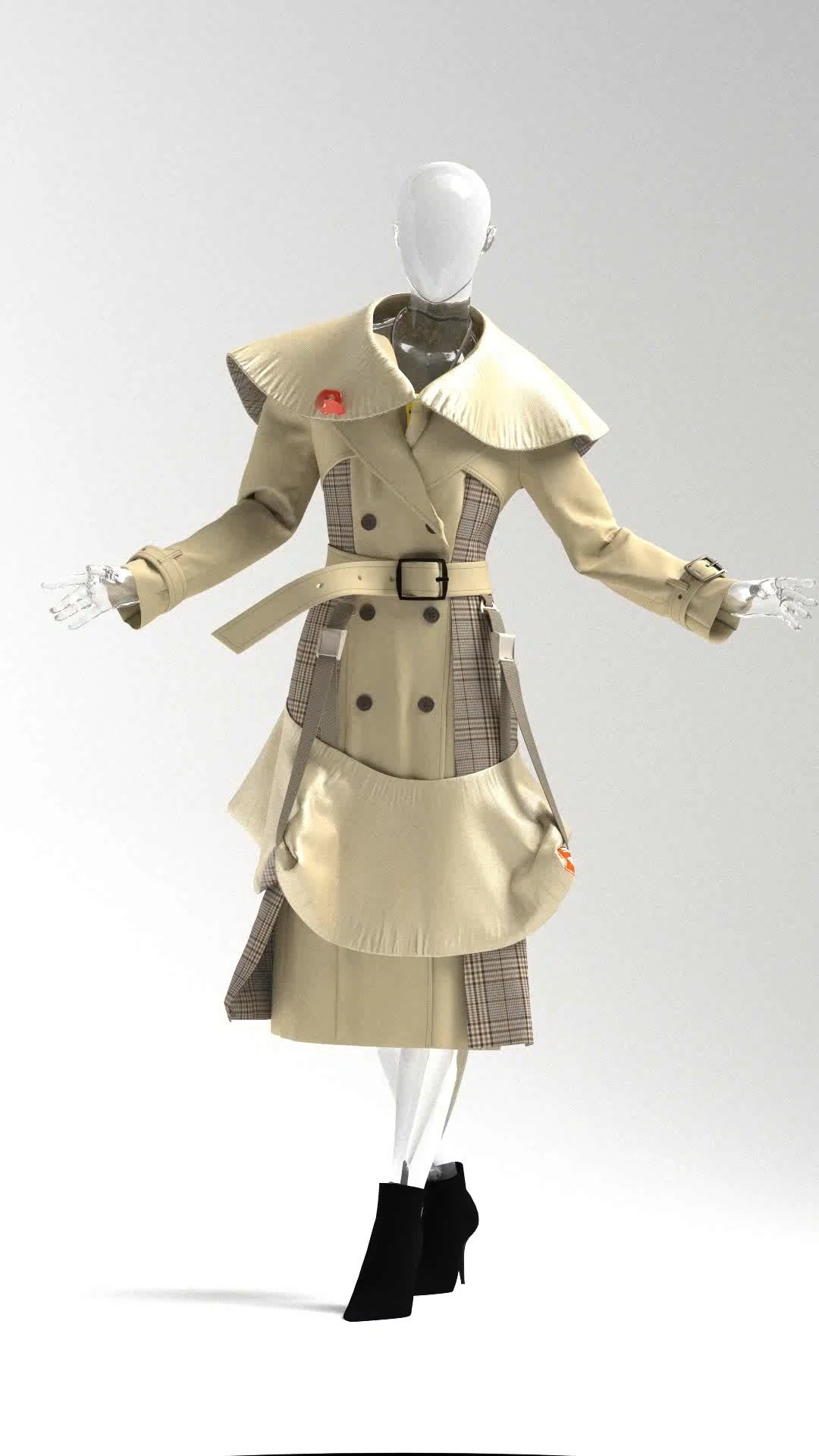
Where Dreams End and the Internet Begins: A Conversation with Daniel Todd
By Cansu Waldron
Daniel Todd is a multidisciplinary creative whose practice spans photography, digital art, post-production, and design. A recent graduate of Manchester Metropolitan University with a BA in Fashion Art Direction, they use digital image-making as a way to explore perception, imagination, and the increasingly complex relationship between physical and virtual life. Their work often blends surreal visual elements with personal reflection, creating immersive images that question how technology shapes our experiences, identities, and understanding of reality.
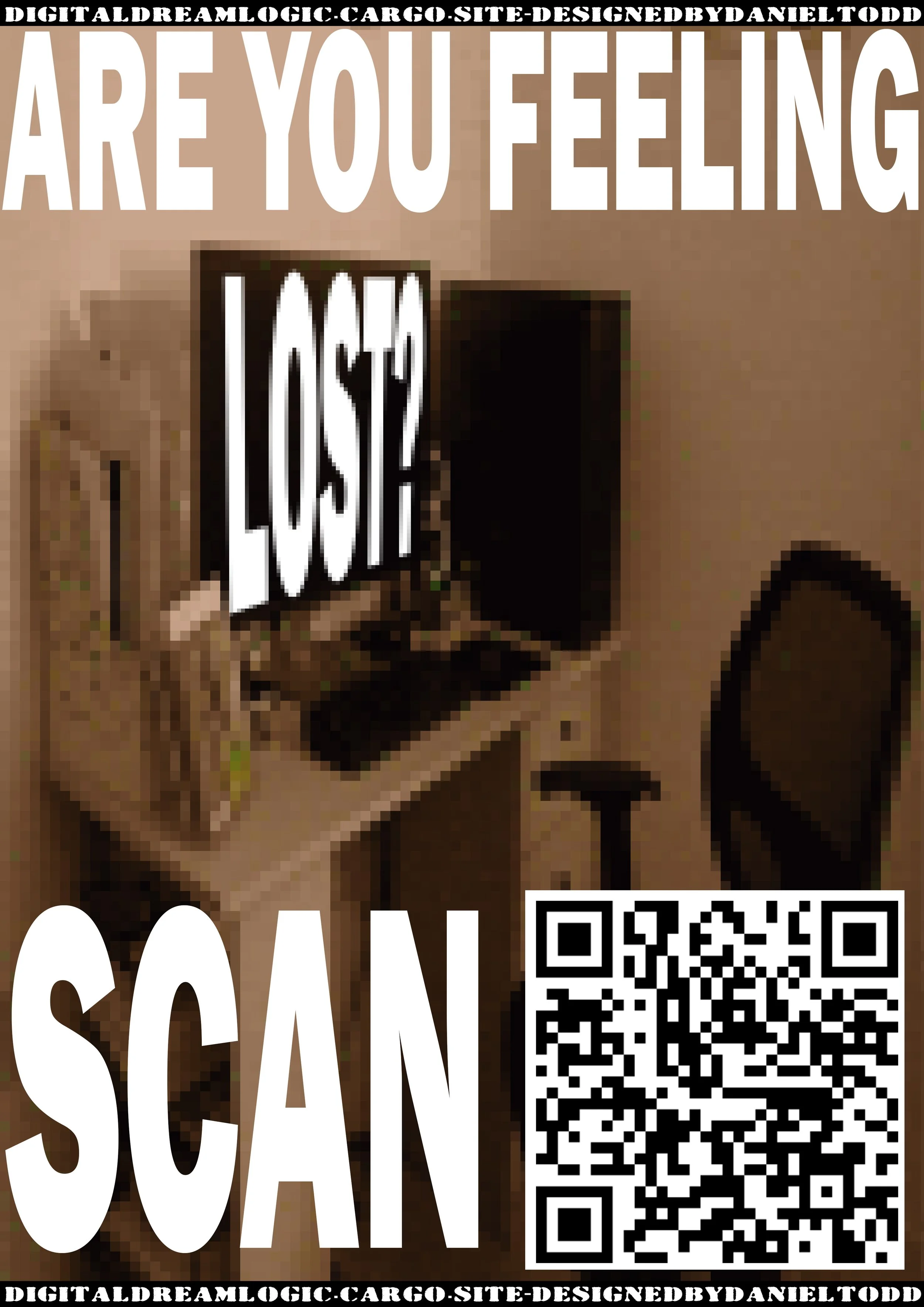
Much of Daniel’s recent work revolves around Digital Dream Logic, a project that examines the blurred boundaries between the online world and lived experience. Drawing from a lifelong fascination with dreams, fantasy, and digital culture, they explore the idea that our time online can feel like entering an alternate reality — one that operates with its own logic, much like the subconscious state of dreaming. Influenced by their personal experiences as an autistic person and by years spent navigating digital spaces, Daniel’s work reflects on how virtual environments shape the way we think, imagine, and connect, while raising broader questions about the evolving relationship between human consciousness and technology.
We asked Daniel about their art, creative process, and inspirations.
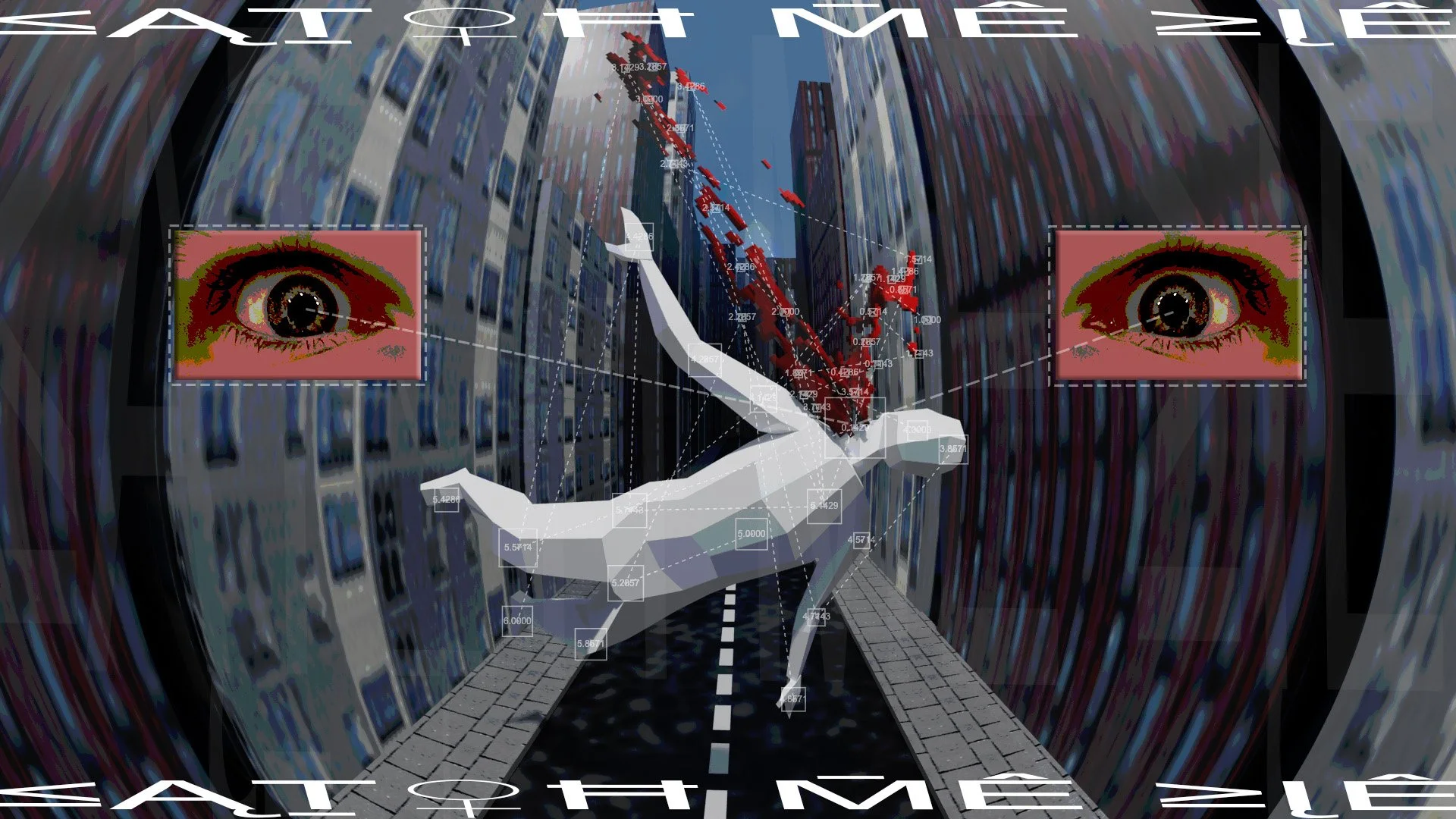
Can you tell me about the idea behind Digital Dream Logic and how the project first began to take shape?
I have always had a fascination with dreams and fantasy worlds. I feel like growing up, I spent a lot of time absorbed in different media and very little time in reality. I would daydream a lot (generally the maladaptive kind) and discovering the internet led me into various hyper-fixations and down many rabbit holes that would then affect my dreams. I think, whether I knew it or not, this idea began to take shape when I was a child, as logging on and spending time online was comparable to my dreams of other worlds.
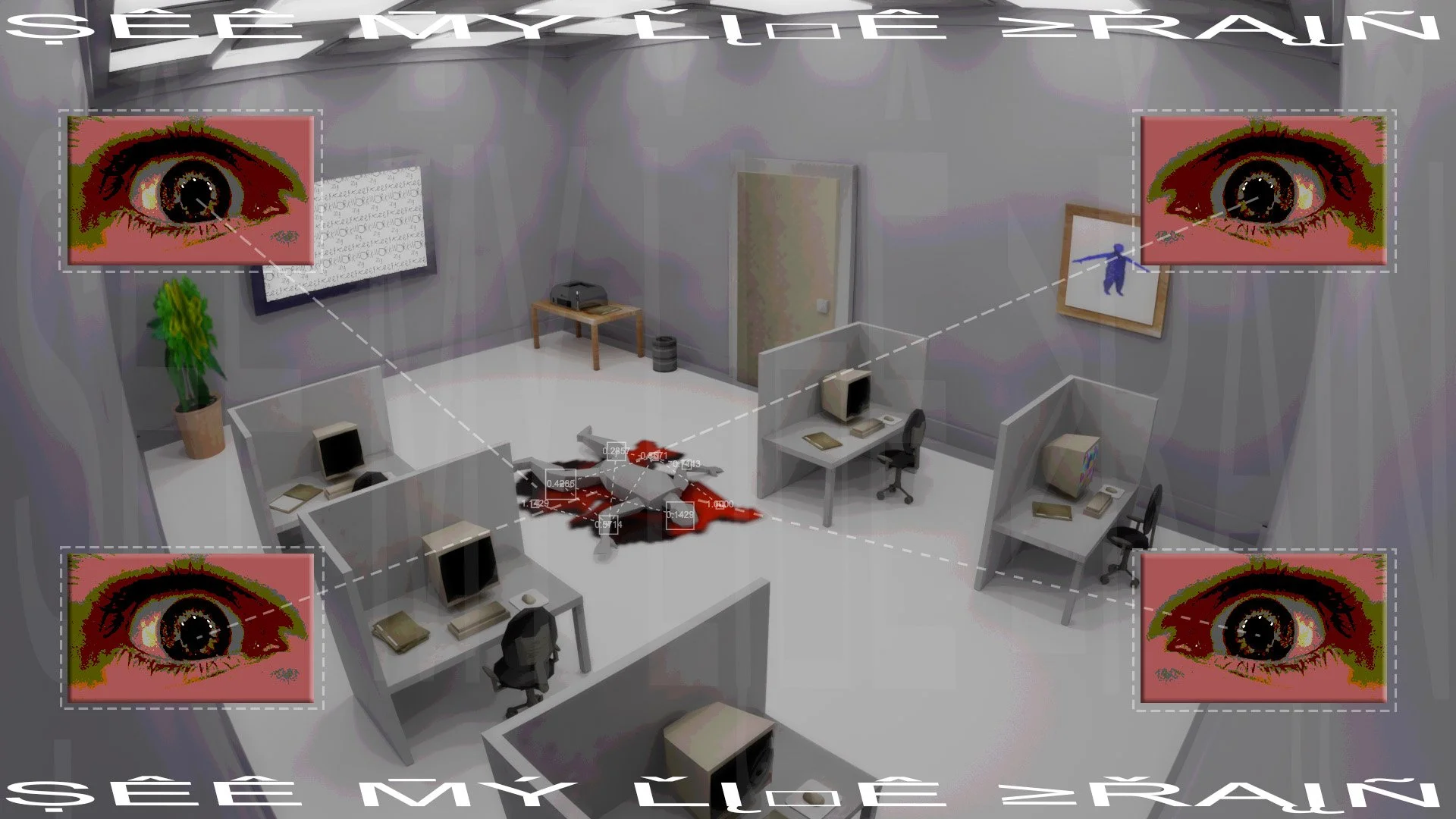
You describe the project as deeply personal, especially in relation to your experience as a person with autism. How has your relationship with digital spaces influenced the way you approach this work?
I would say I was quite a lonely child, not from lack of love but more so lack of understanding. I didn't feel very seen, and I was diagnosed as an adult, so autism wasn't really in the question. This experience pushed me to be online a lot more and indulge in escapism. Old flash animations and online games definitely shaped my project a lot as I would visit Newgrounds and Youtube a lot. My project is inspired by my experience on the internet as a whole, so lots of different conscious and unconscious inspiration went into it.
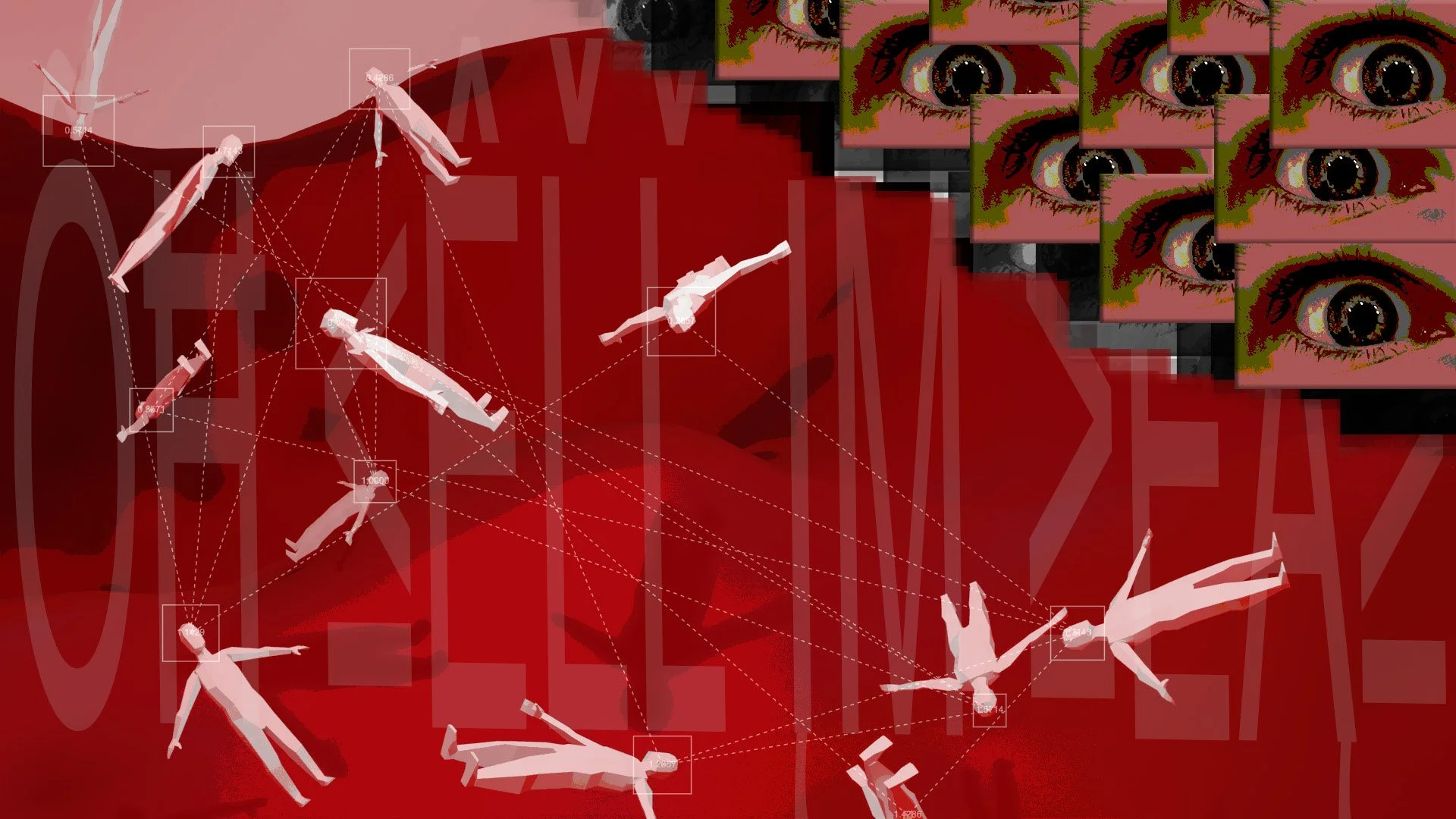
You compare online existence to the subconscious state of dreaming. What similarities do you see between digital spaces and dream logic?
Digital spaces follow their own rules. They can be manipulated but also can have an absurd quality to them. I find this to be similar to dreams in that they mirror real life but can also be completely different.
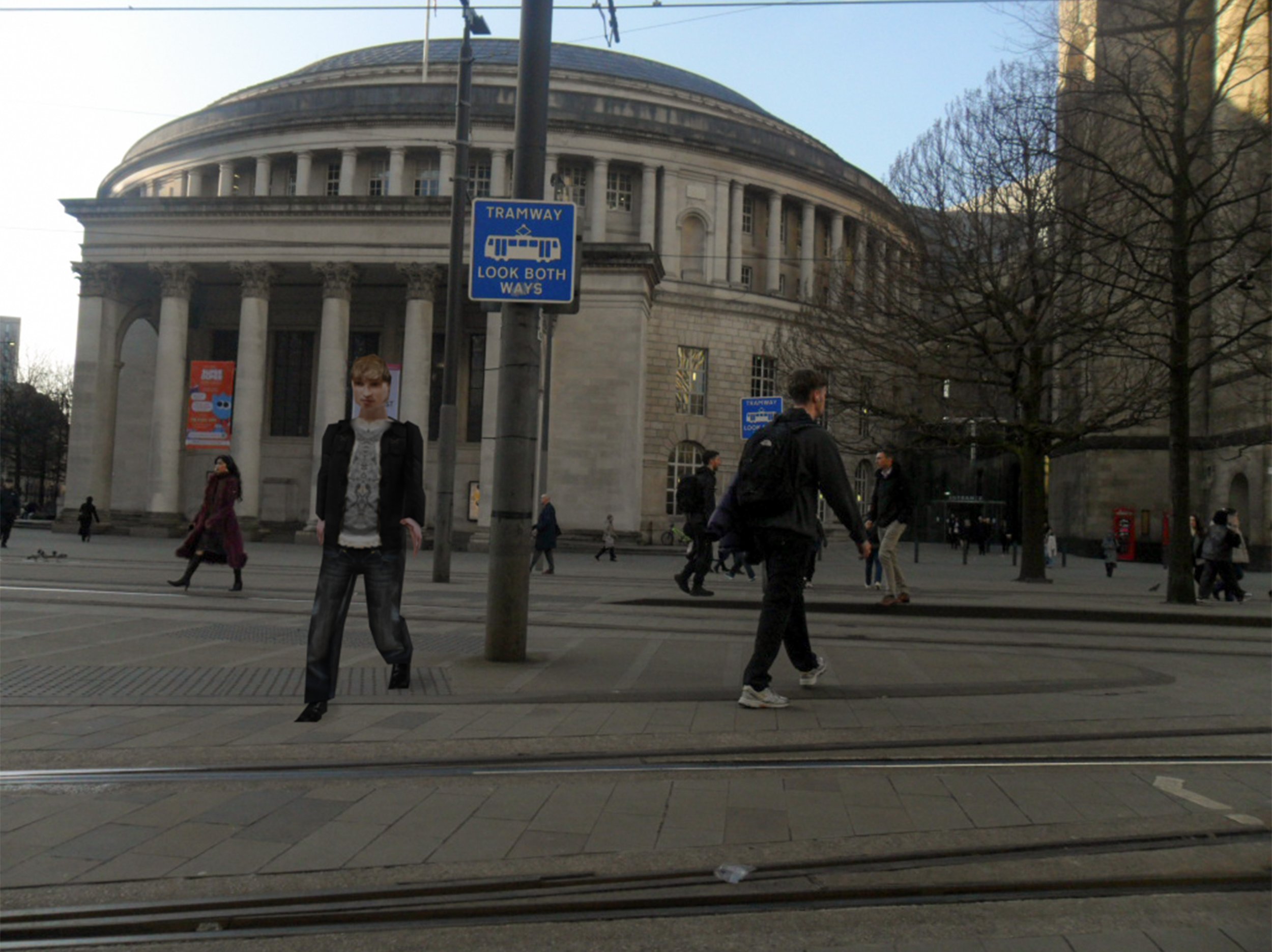
Are there any artists or creative influences that have had a significant impact on your work? How have they shaped your artistic style or approach?
A lot of different inspirations: Nick Knight; Jun Takashi and Undercover; old ps1 games like Resident Evil and Max Payne; and Satoshi Kon. I think these influences have shaped my visual style a lot, however I think a lot of conceptual influence just comes from various online posts and websites. Another big inspiration for me is David Lynch and the dreamlike qualities of his work, specifically his short films from the 2000s (e.g. Dumbland). I find these quite emblematic of what was going on online at that time and I think are quite similar to artists like David Firth, who is also a big influence on me.
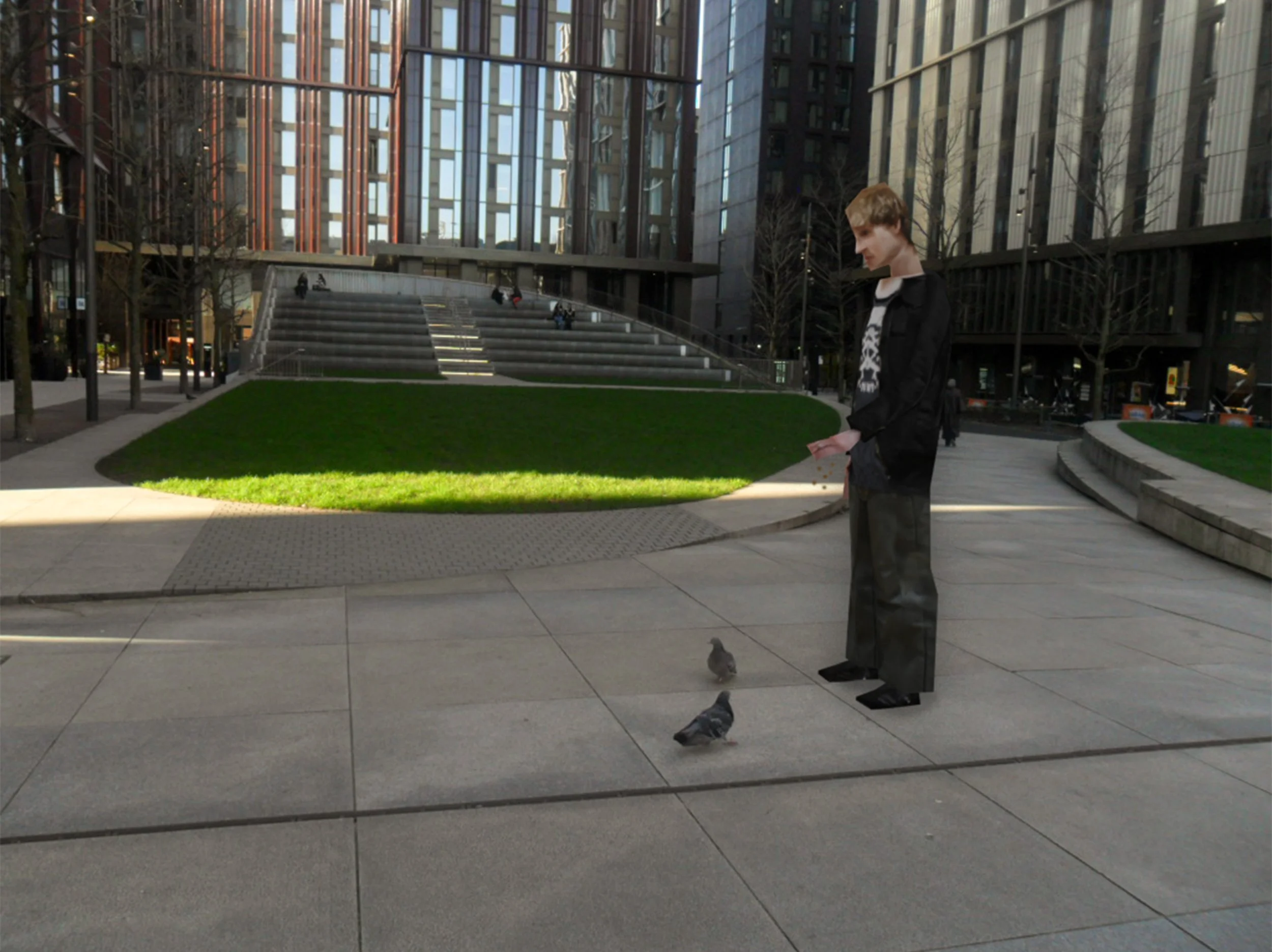
As you graduate and continue developing your work, what ideas or questions are you most interested in exploring next?
I definitely want to explore the internet further through my creative practice, especially reflecting on the many different subcultures and niche corners I have discovered, often by accident. I am also interested in securing commercial work in digital media, as my strengths are in editing and post-production and I really enjoy bringing out an additional quality through this work.
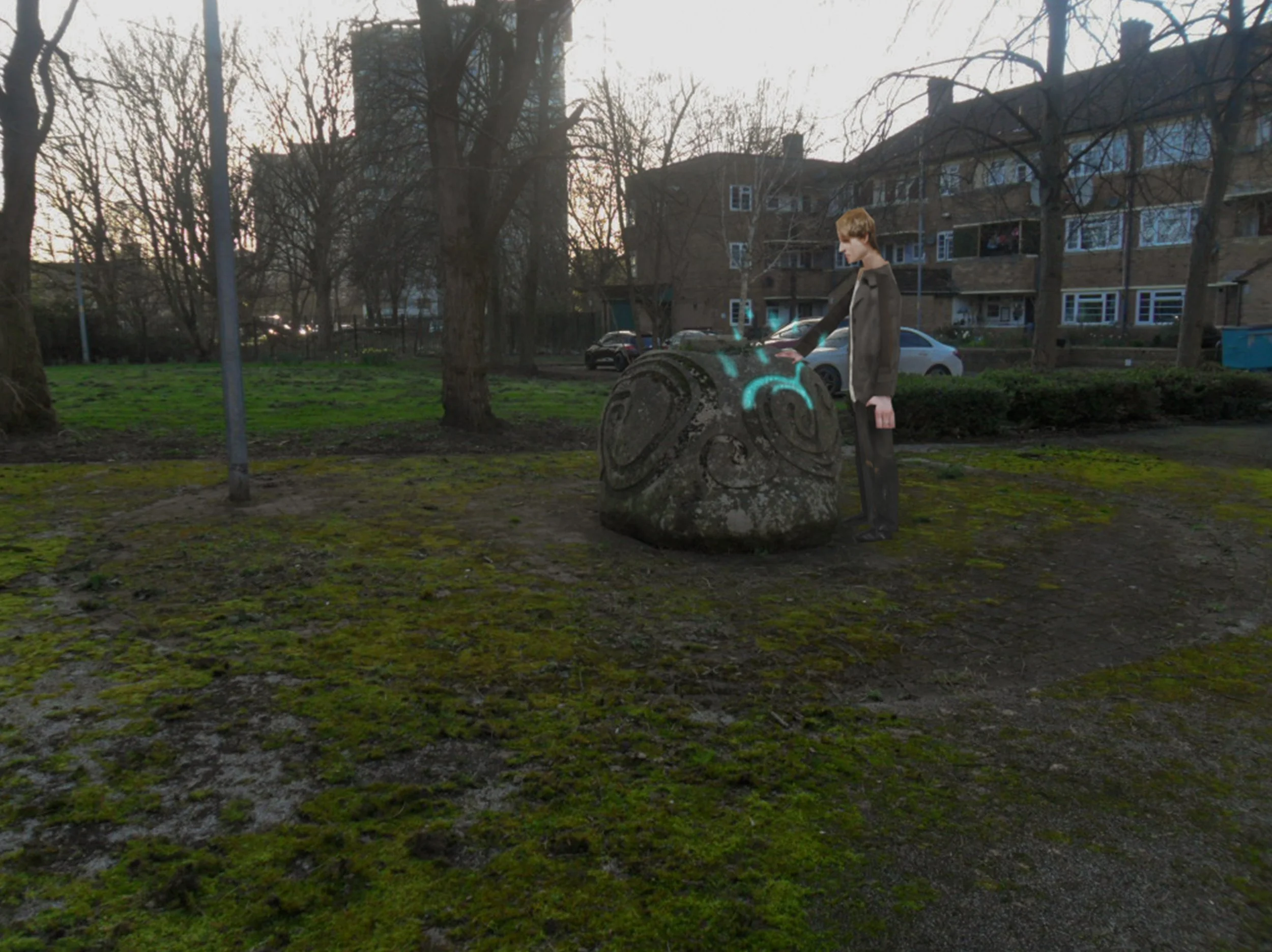
What is a profound childhood memory?
I have an early memory playing this old PC rom game for Windows XP. It was an educational game that took you around the world into different places and would tell you facts and ask trivia questions. It had a profound impact on me, I loved the immersive quality of it and would play it constantly. Annoyingly I can’t find the disc for the game or remember the name of it so can’t relive these memories. It is almost like it was all a dream.
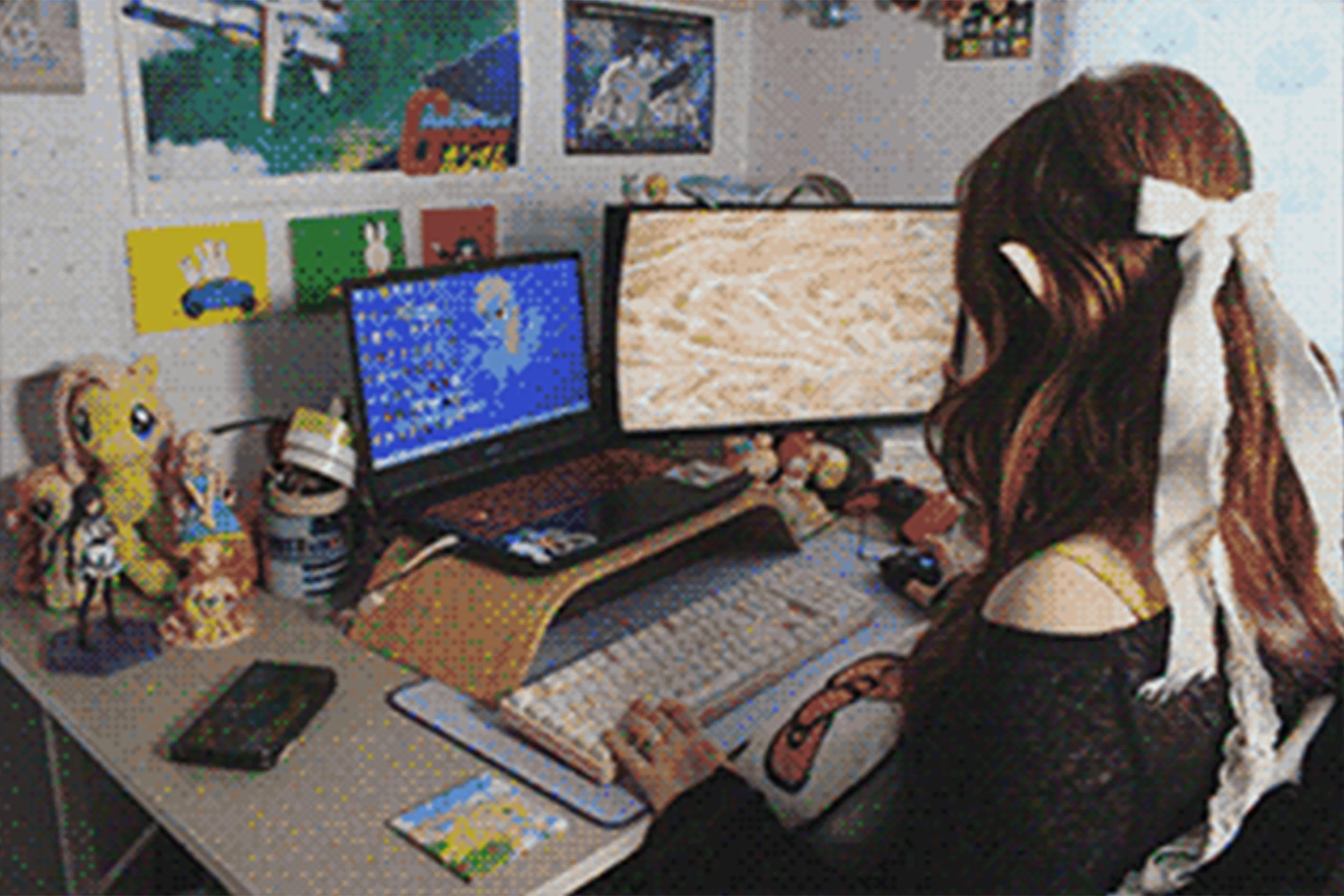
What is a fun fact about you?
I collect Sonic the Hedgehog figures.
What else fills your time when you’re not creating art?
I enjoy going to charity shops and finding bargains, especially items from the early 2000s. I also still enjoy browsing the internet and going down rabbit holes.
What is a dream project you’d like to make one day?
I would love to make a video game. I think I would like to take a mixed media approach and build environments that utilise real-life textures, but I don't really know much about making video games. I would love to learn but also would love to work with someone else as I think I work well collaboratively. In terms of the images, I made a website which displays all of my final outcomes in a puzzle game style, which can be accessed here.
Are you our next spotlight artist? Submit the form to apply to be featured!
We share works by digital artists as well as digital arts exhibitions, events, and open calls daily on Instagram — follow us for more and subscribe to our newsletter so you don’t miss new blog posts.
![Project Spotlight: pifmgr.dll’s [M]ETAL✨ @pifmgr.dll is a digital artist working at the intersection of audiovisual design, 3D experimentation, and atmospheric world-building. His project [M]ETAL explores metal both as a physical material and a](https://images.squarespace-cdn.com/content/v1/63b2fdbe4376de5bfdc6771f/1779108338452-QO04Q3MMJ3VMU8PJV1MD/image-asset.jpeg)