Daniel Novague: Where Fashion Meets Material
By Cansu Waldron
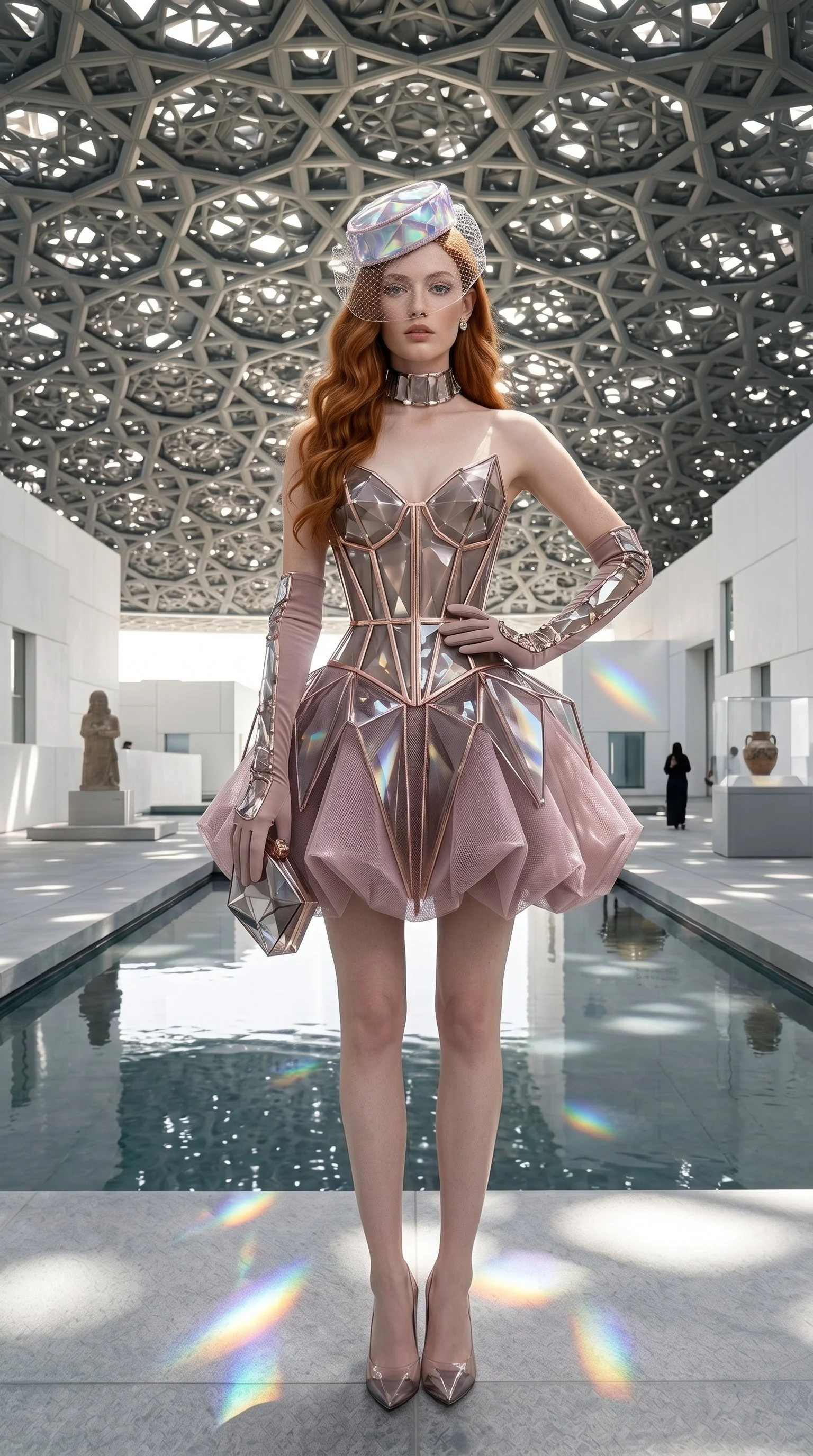
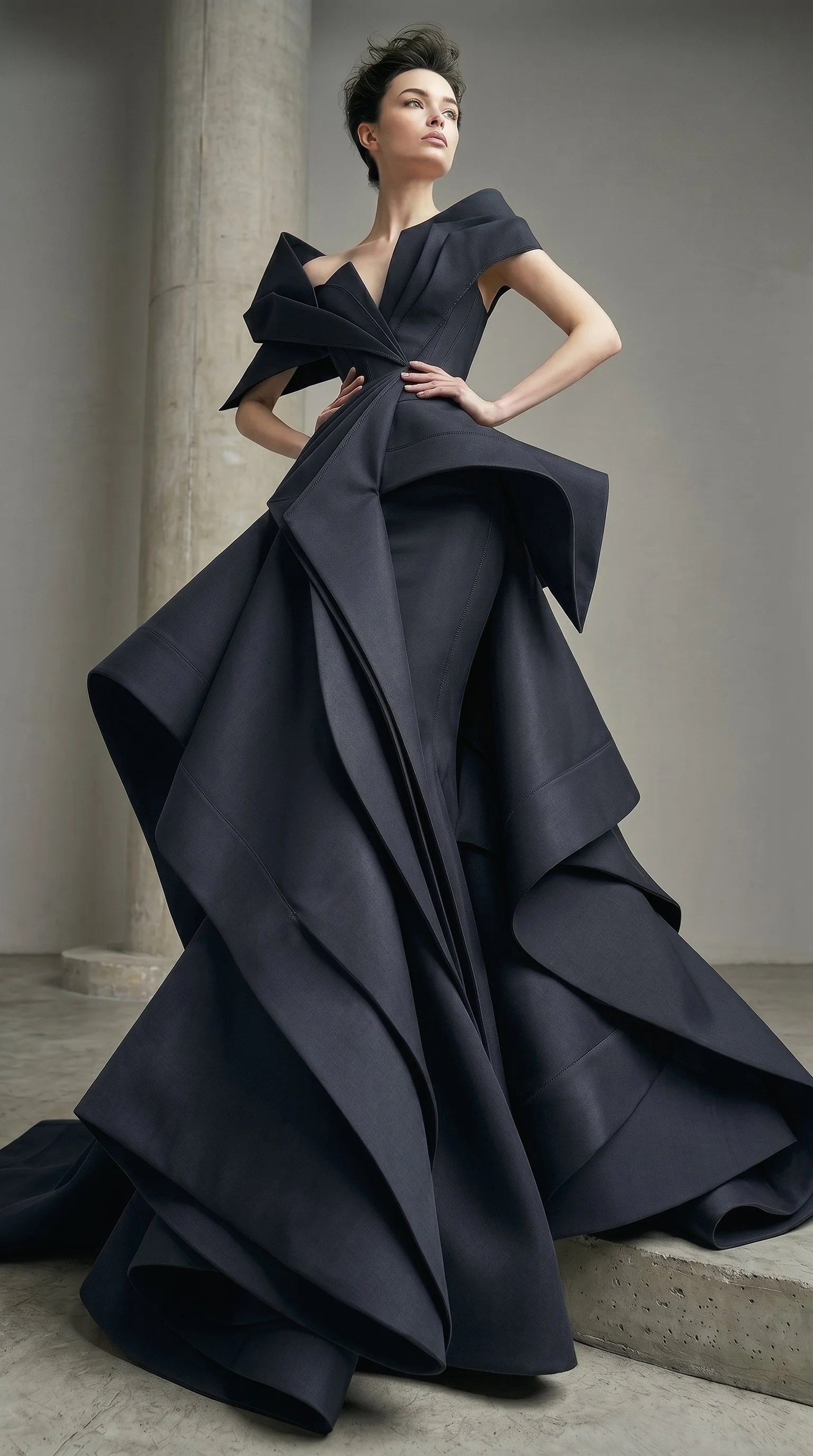
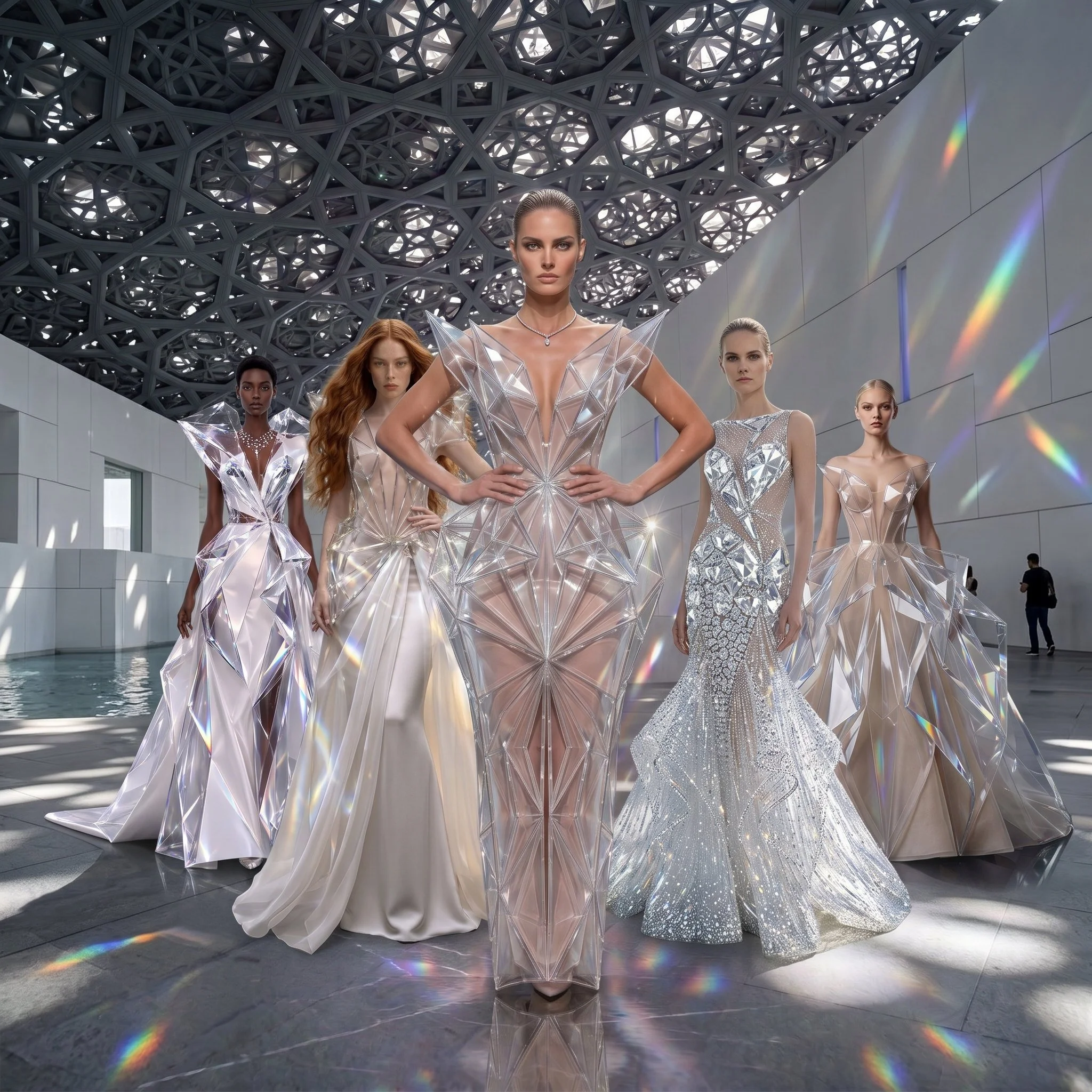
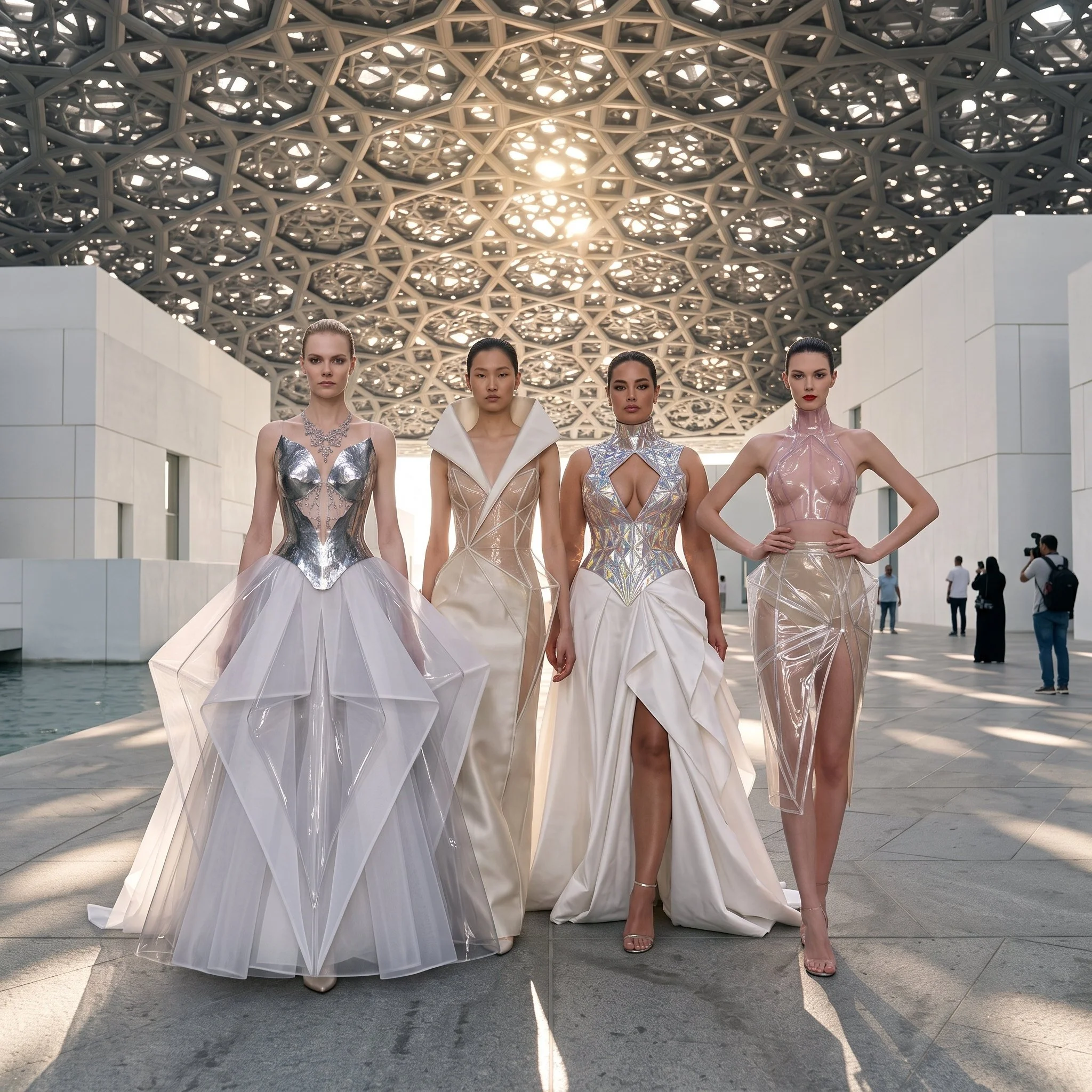
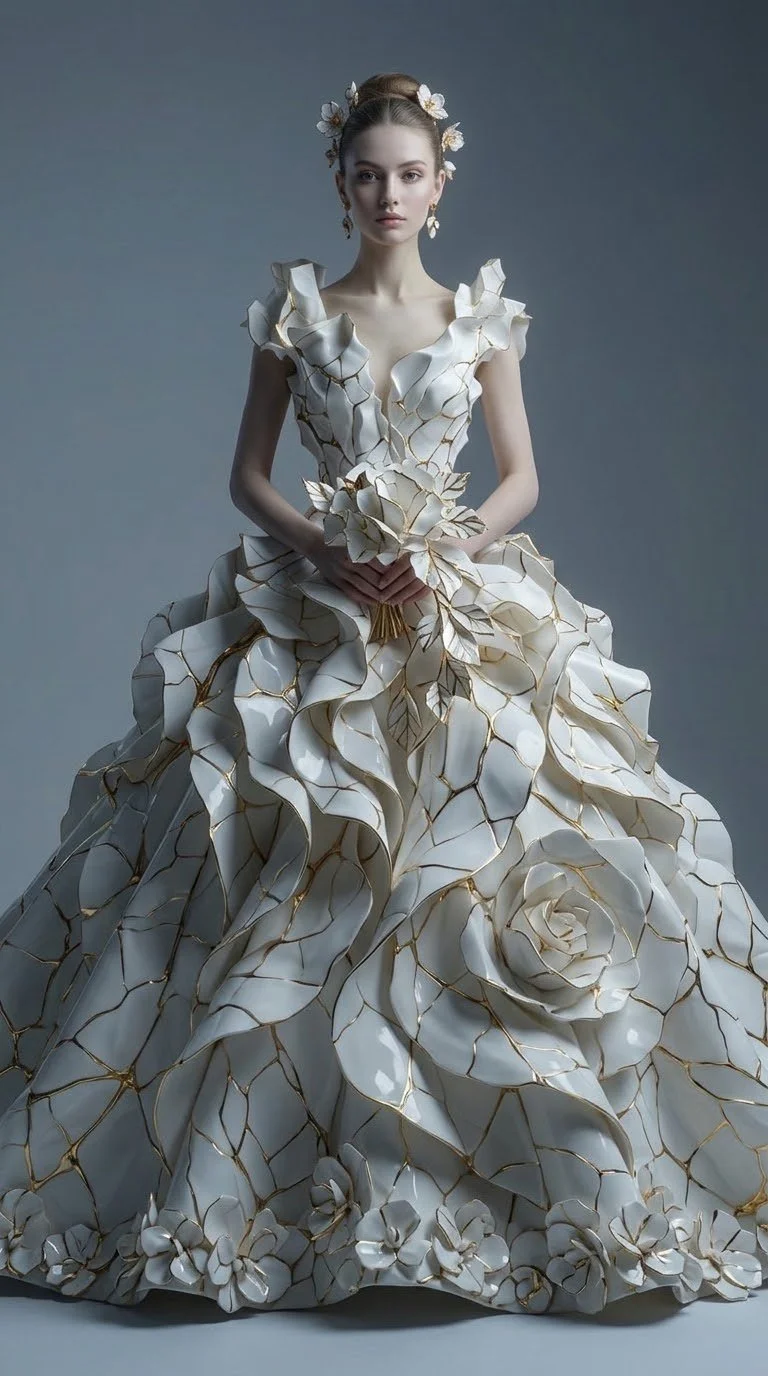
Daniel Novague is a digital image artist based in the Czech Republic whose work uses generative systems to explore fashion, materiality, and visual storytelling. Much of his practice begins with the question of how a material, structure, or idea can be translated into couture. His Diamonds Collection draws directly from the crystal lattice, geometry, and interaction of light within a diamond, while his X-ray series turns inward, using radiography to explore structure through the body. Elsewhere, he transforms brutalist architecture into garments and uses the Japanese art of kintsugi in Kintsugi × Wedding Haute Couture to explore repair, relationships, and the beauty of what has been broken.
Daniel came to visual work through writing, which continues to shape his approach to AI-assisted image-making. Rather than thinking of the process as drawing, he sees himself more as an editor, setting an intention and then responding to the unexpected details generated by the system. That space between intention and result is often where his work develops. His fascination with fashion comes in part from its symbolic power and its direct relationship with the body: when concrete, glass, a crack, or another structural element becomes a garment, its original qualities take on a new meaning as something physically carried and experienced.
We asked Daniel about his art, creative process, and inspirations.
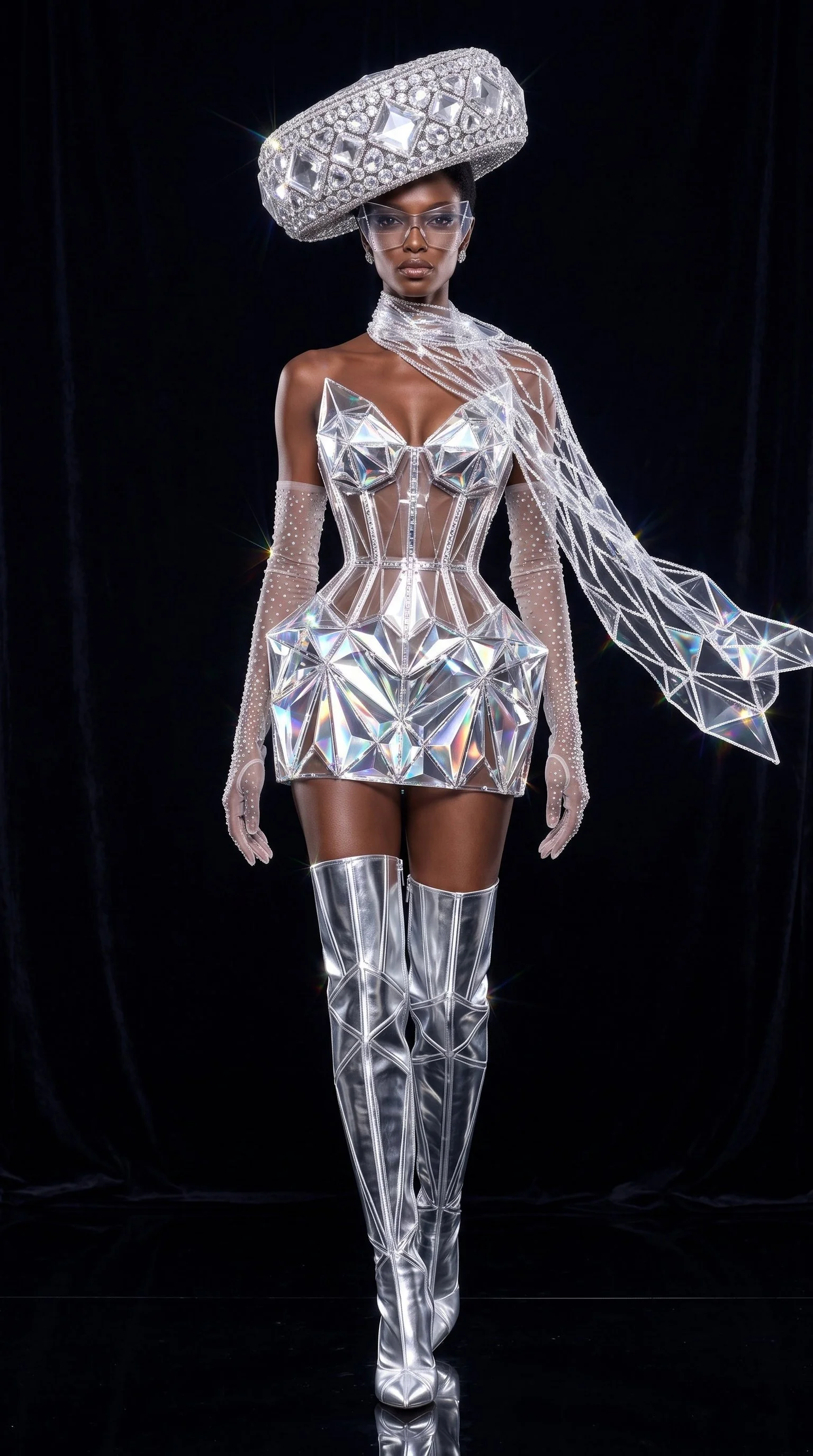
You often begin with a material, structure, or idea and ask how it might be translated into couture. What is it about fashion that makes it such a compelling language for exploring these very different materials?
Fashion is something that concerns all of us. For many groups of people, it has sometimes even been the only way to express themselves. That is what fascinates me about it in my own work as well: symbolism.
At the same time, fashion is unique because it exists directly on the body. Concrete, glass, or a crack can suddenly become something wearable, and that completely changes their meaning. When I translate a brutalist structure into a garment, its sense of weight doesn’t disappear — someone simply carries that weight on their body.
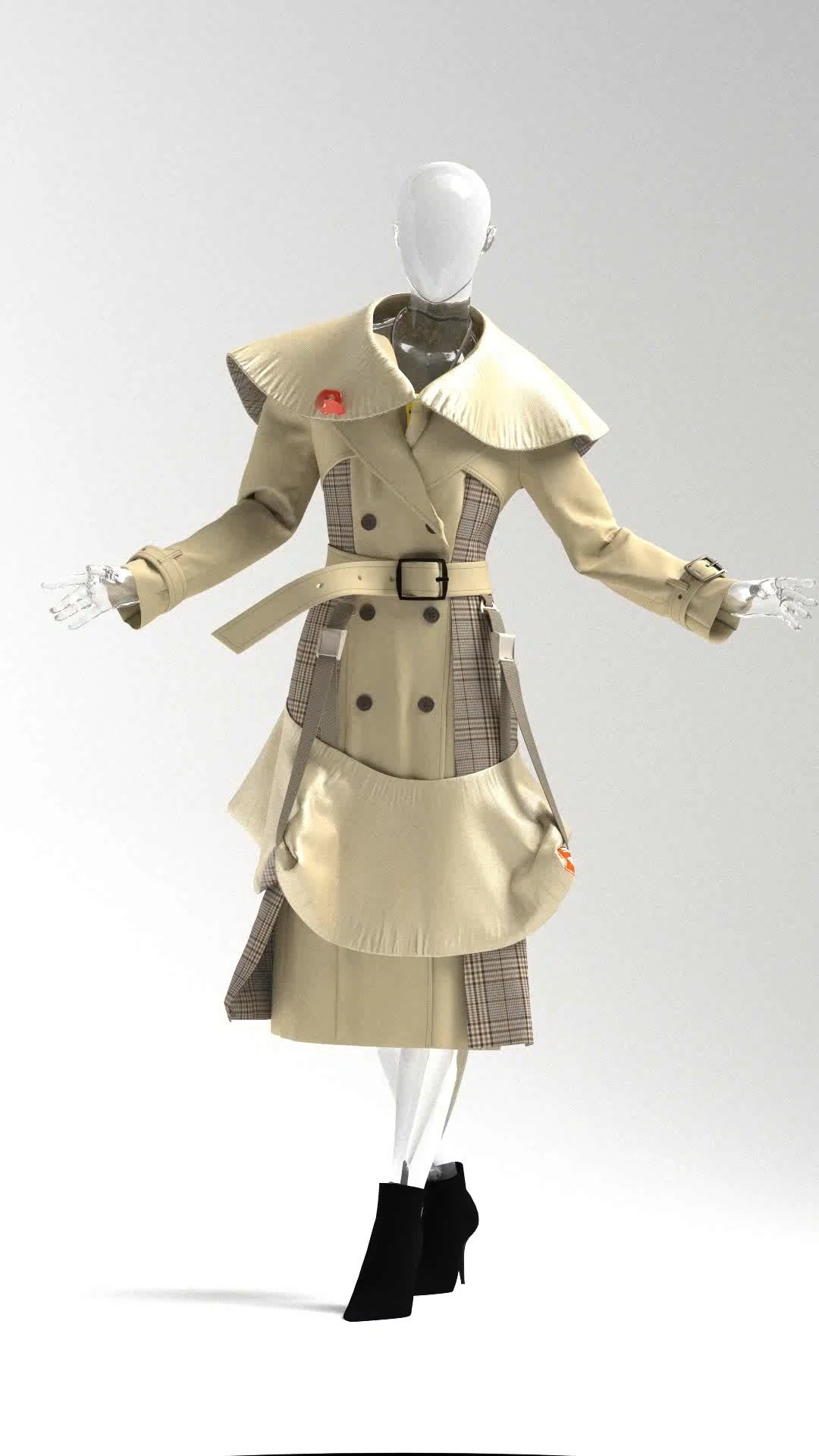
You’ve also translated brutalist architecture into couture. What do you look for when transforming something architectural into clothing?
Of course, I’m interested in lines, colors, sculpture, and materials, but also in the feeling itself. For me, architecture is primarily about how it makes you feel.
It is something that surrounds all of us, so when I translate architecture into clothing, I’m not only interested in its physical appearance. I’m interested in capturing the feeling of the space and turning it into something that can be worn.
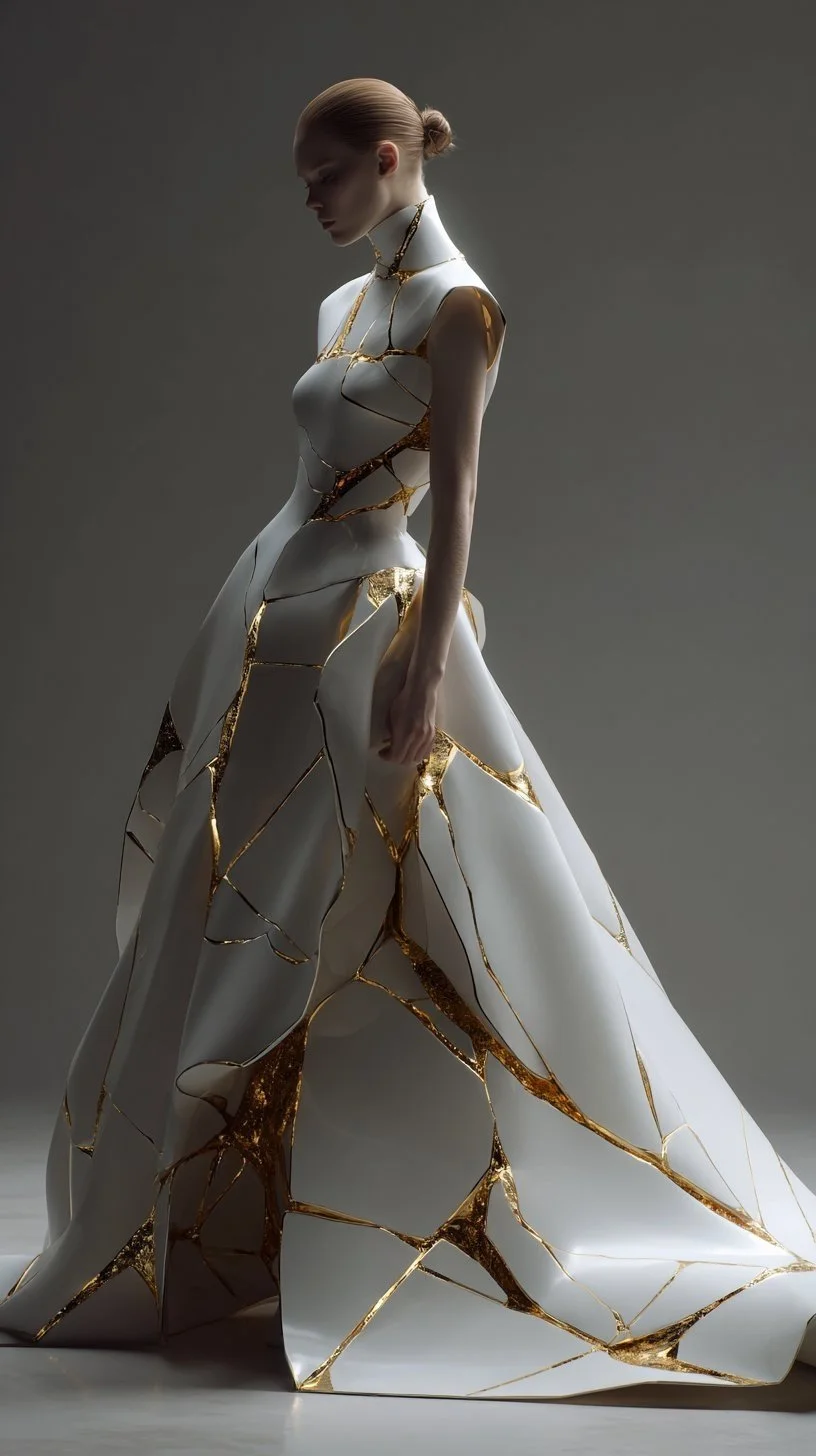
Kintsugi × Wedding Haute Couture uses the idea of repair to think about relationships and the beauty of what has been broken. How did this emotional and philosophical idea become a visual language for the collection?
Kintsugi fascinates me in itself. I love the idea that something we consider broken can become something even more beautiful. I see a strong metaphor for what it means to be human in that idea.
Life can be pretty unforgiving, and every scar is also something that shapes us.
That is why combining kintsugi with wedding gowns felt like a natural choice to me. There is so much symbolism in it. A wedding is also a symbol of the beginning of something new — the union of two imperfect beings becoming a whole.
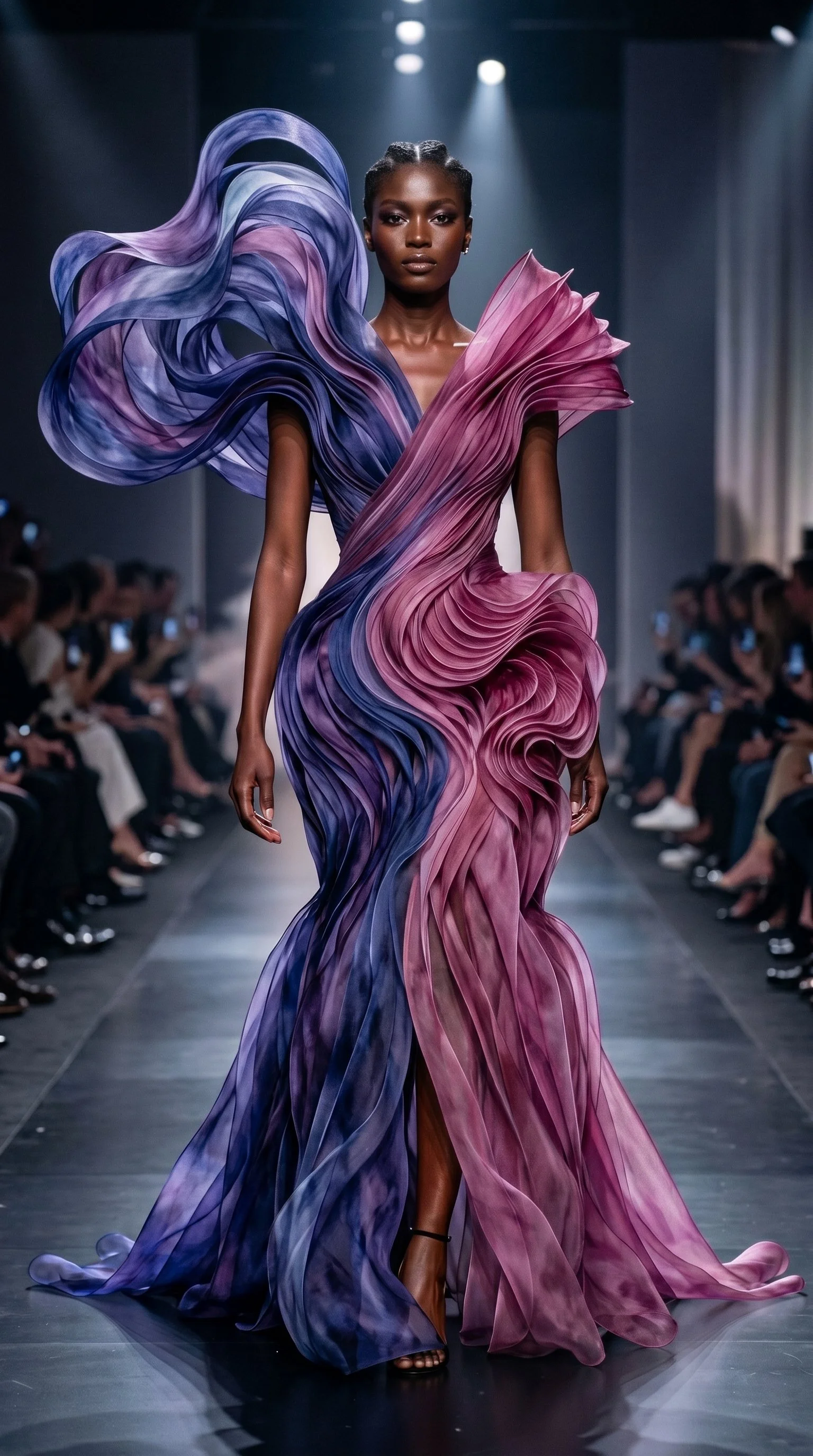
You describe your use of AI less as drawing and more as “editing.” Can you walk us through what that means in your actual creative process, from the initial idea to the final image?
I usually start with an idea, preferably a theme. Then I look for a way to translate it visually — from the silhouette and materials to the details and whatever feels right visually.
One of the beautiful, but also slightly frightening, things about today is that almost any idea can be visualized very quickly. You can immediately see what works and what doesn’t.
Sometimes I discover a silhouette or a way of working with a material completely by accident — something I would never have thought of originally. Then I fall in love with it, and it ends up inspiring my next work.
And then, of course, editing the details becomes extremely important, because the devil is in the details.
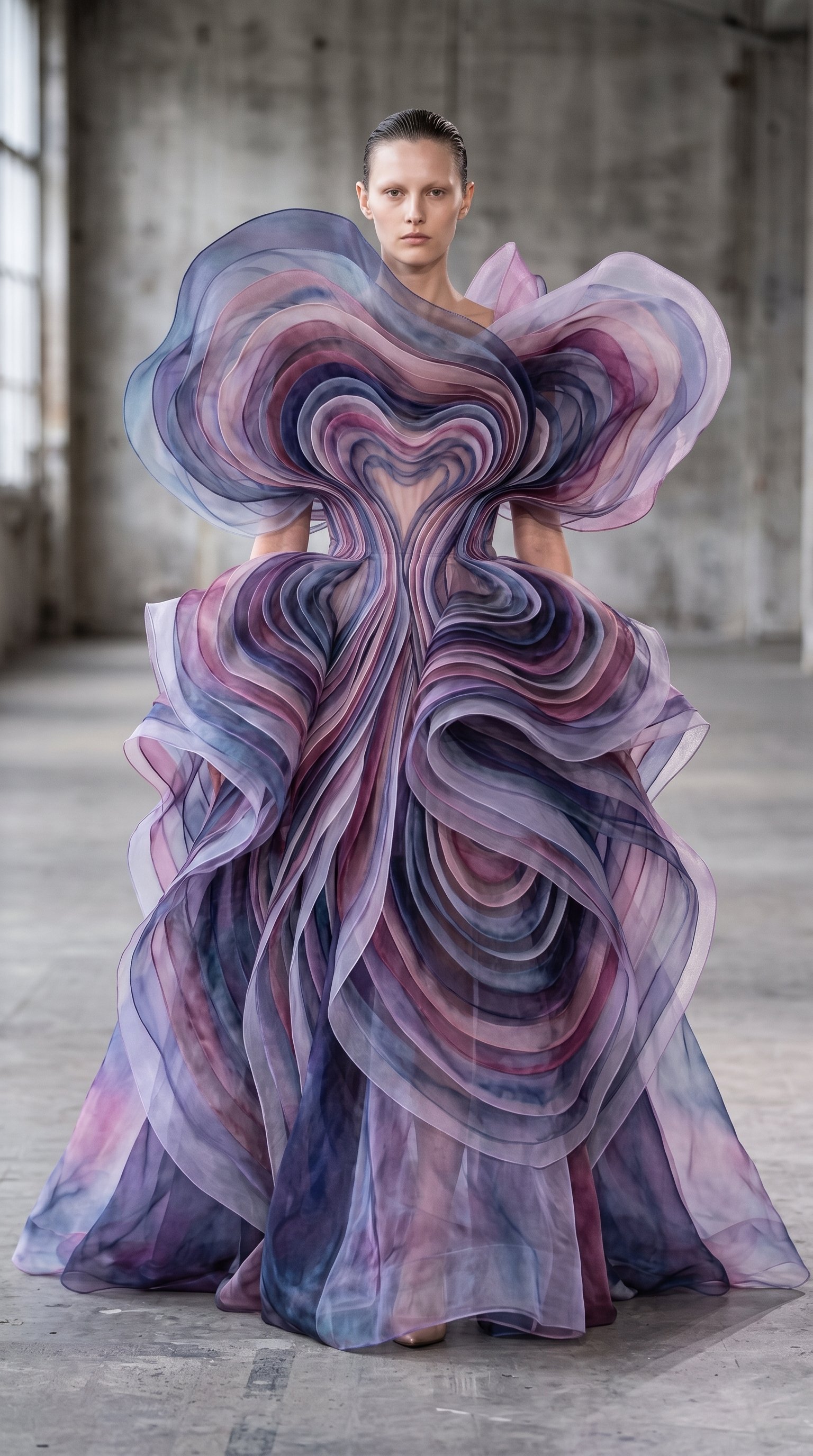
You came to visual art from writing. How has being a writer shaped the way you construct images, particularly when it comes to storytelling, atmosphere, and the ideas behind a collection?
I have always felt the need to express myself somehow — to show the world something from my own perspective.
I love almost every form of art because, essentially, any great work can speak to you. It doesn’t matter whether it is an 18th-century painting, a book, a contemporary pop song, or fashion.
I have always loved fashion. I see a strong parallel between fashion and writing because through fashion we can express who we are while also telling a story.
Over time, I realized that some things are easier for me to communicate through visual art. Turning my imagination into something that can be seen at first glance is incredibly satisfying — especially for my inner child.
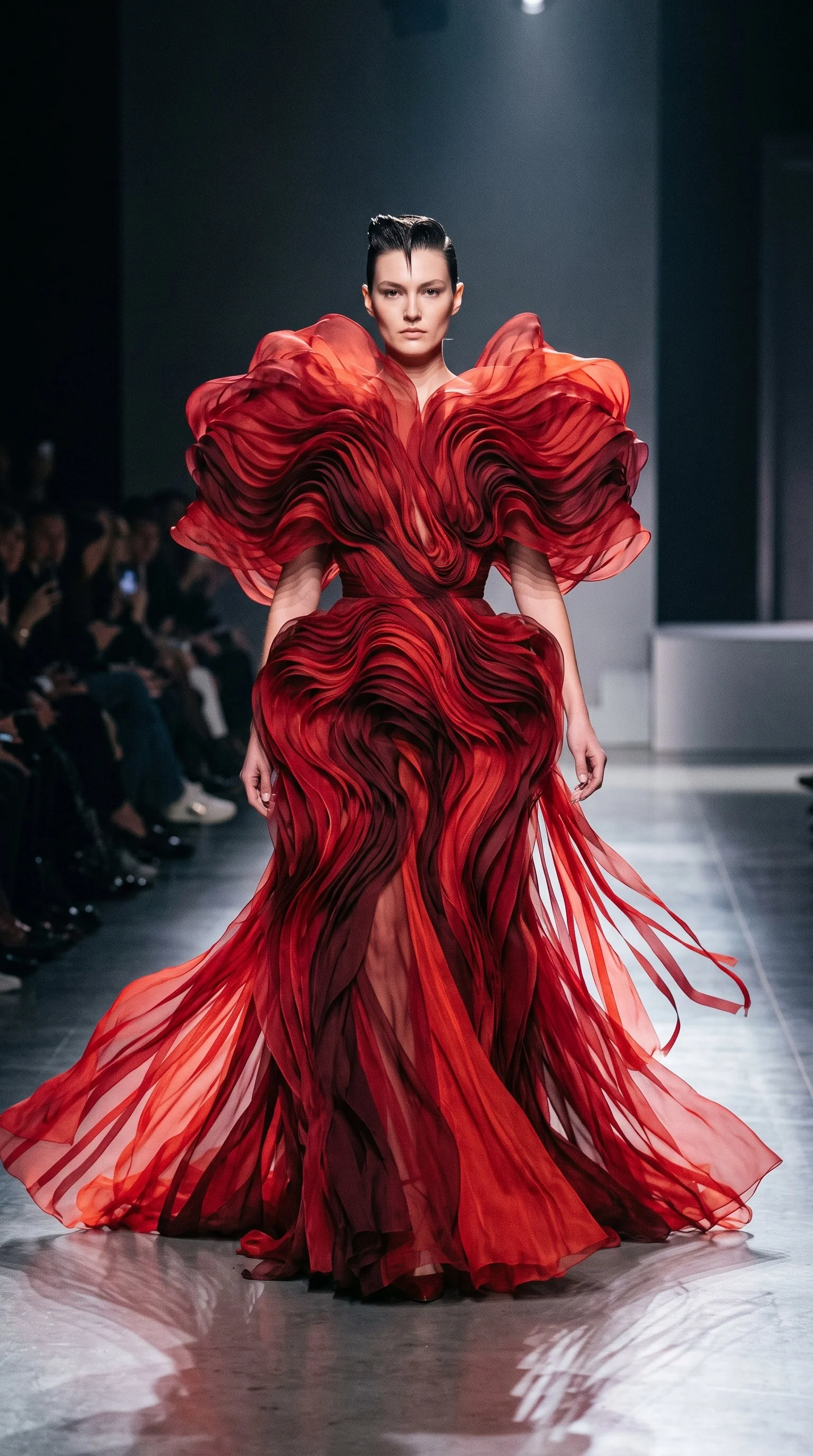
Across diamonds, X-rays, brutalist architecture, and kintsugi, there seems to be a recurring interest in looking beneath the surface — at structures, fractures, materials, and what they reveal. Is there a larger idea connecting these different collections that you are continuing to explore?
Yes, I think that is exactly it.
Diamonds fascinate me because of their internal structure. X-rays reveal what is underneath the skin. In brutalism, the material is exposed and nothing is hidden. And kintsugi directly highlights the place where something has been broken.
In all of these collections, I think I’m ultimately exploring the same idea: what matters is beneath the surface, not on it.
I don’t do this entirely consciously. It is probably more about my attention to detail. I tend to think about things for a long time, usually until I get to their core. I think I naturally look for connections between things that might not seem connected at first.
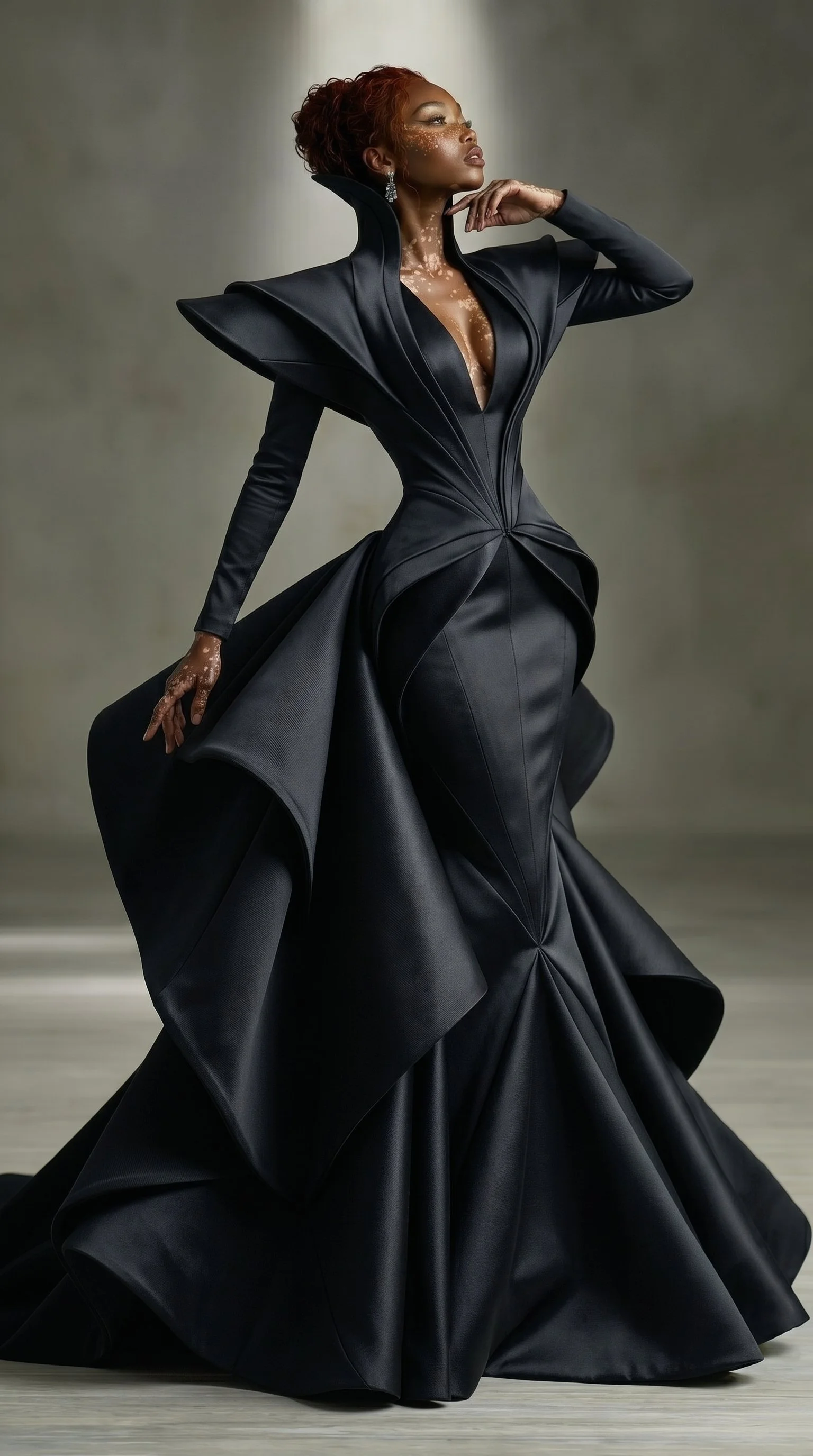
Have there been any surprising or memorable responses to your work?
So far, I’ve received mostly positive reactions. Of course, some people are uncomfortable with the use of AI tools, and I completely understand that. I believe, though, that any tool can be used creatively.
I’m also a technology enthusiast, so I naturally enjoy discovering new tools and exploring what new possibilities they can offer artists.
What is a fun fact about you?
I have a slightly unexpected guilty pleasure: I absolutely love The Secret Lives of Mormon Wives. Sometimes you just need to switch off your brain and watch reality TV.
What else fills your time when you’re not creating art?
When I’m not creating, I’m quite often thinking about creating. Or simply consuming art.
I’m also interested in politics. I think it’s very important for more young people to take an interest in politics. But when I really want to switch off, I’m perfectly happy to put on a reality show.
Are you our next spotlight artist? Submit the form to apply to be featured!
We share works by digital artists as well as digital arts exhibitions, events, and open calls daily on Instagram — follow us for more and subscribe to our newsletter so you don’t miss new blog posts.
![Project Spotlight: pifmgr.dll’s [M]ETAL✨ @pifmgr.dll is a digital artist working at the intersection of audiovisual design, 3D experimentation, and atmospheric world-building. His project [M]ETAL explores metal both as a physical material and a](https://images.squarespace-cdn.com/content/v1/63b2fdbe4376de5bfdc6771f/1779108338452-QO04Q3MMJ3VMU8PJV1MD/image-asset.jpeg)