Between Charcoal and Chrome: A Conversation with Eddie Kim
By Cansu Waldron
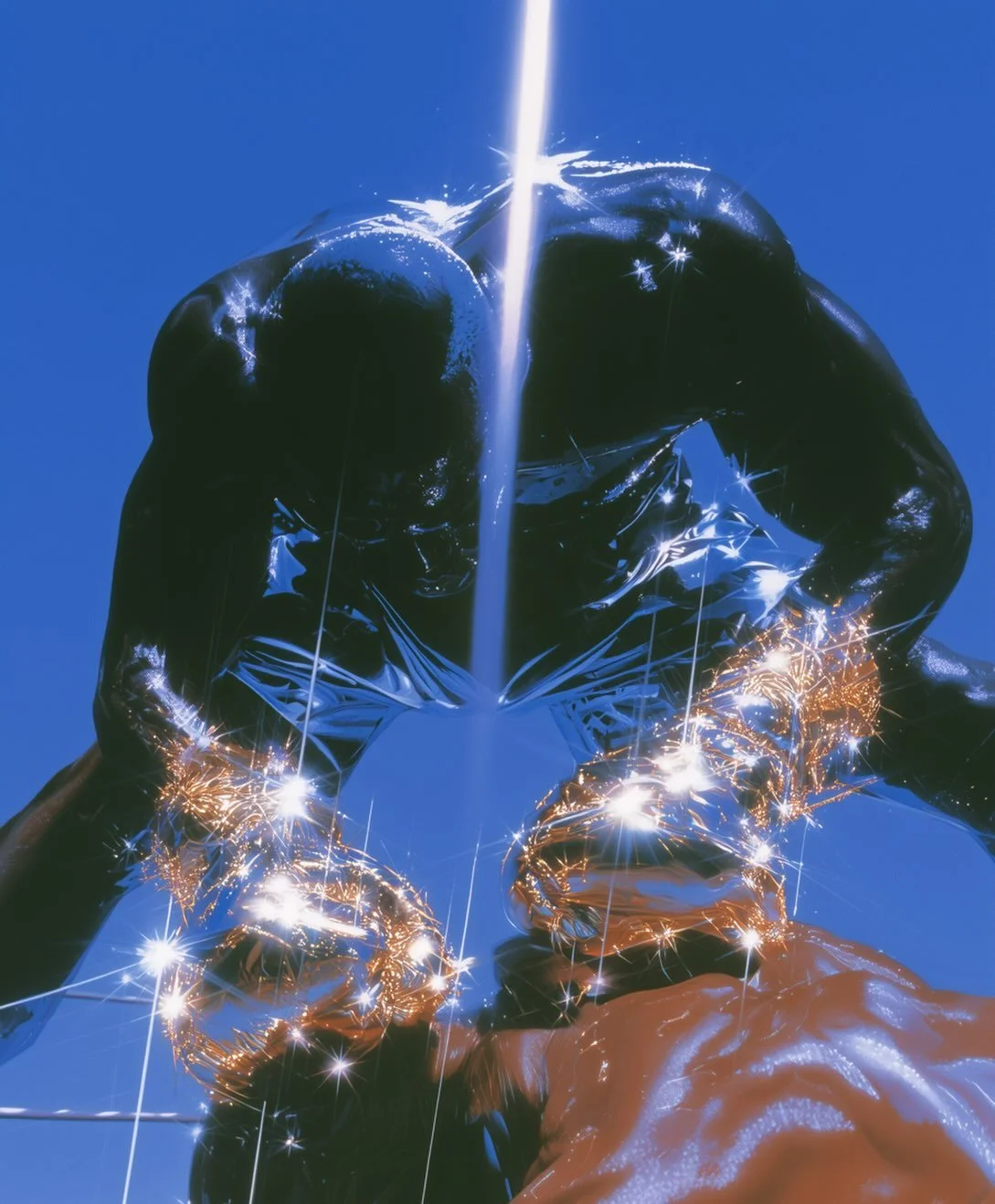
Eddie Kim is a multidisciplinary artist whose practice began with charcoal, pencil, and mixed media, often focusing on figures and faces and the emotional weight that can emerge from just a few marks. More recently, he has moved into AI-assisted digital work, using the medium to experiment with materials, lighting, camera angles, and entire environments at a much faster pace. His latest piece, The Part That Couldn’t Keep Up, continues that evolution, shifting his earlier charcoal sensibility into a striking cobalt-and-chrome world. The seven-frame silent work follows a chrome rider whose human reflection suddenly stops following her, using a simple surreal premise to explore ideas of identity, separation, and transformation.
For Eddie, the move into AI-assisted image-making hasn’t changed the way he thinks about authorship. If anything, it has made the act of editing and choosing more important. Where charcoal makes an artist’s hand visible through pressure, erasure, and individual marks, his digital process places that authorship in the concept, references, constraints, selection, revision, and sequencing of images. Working with MidJourney as a tool within that process, he remains interested in the judgment behind the image rather than the speed at which it can be produced. As his work moves between physical and digital approaches, that sense of discernment remains a constant: not every image that can be made is necessarily an image worth keeping.
We asked Eddie about his art, creative process, and inspirations.
Can you tell us about your background as a digital artist? How did you get started in this field?
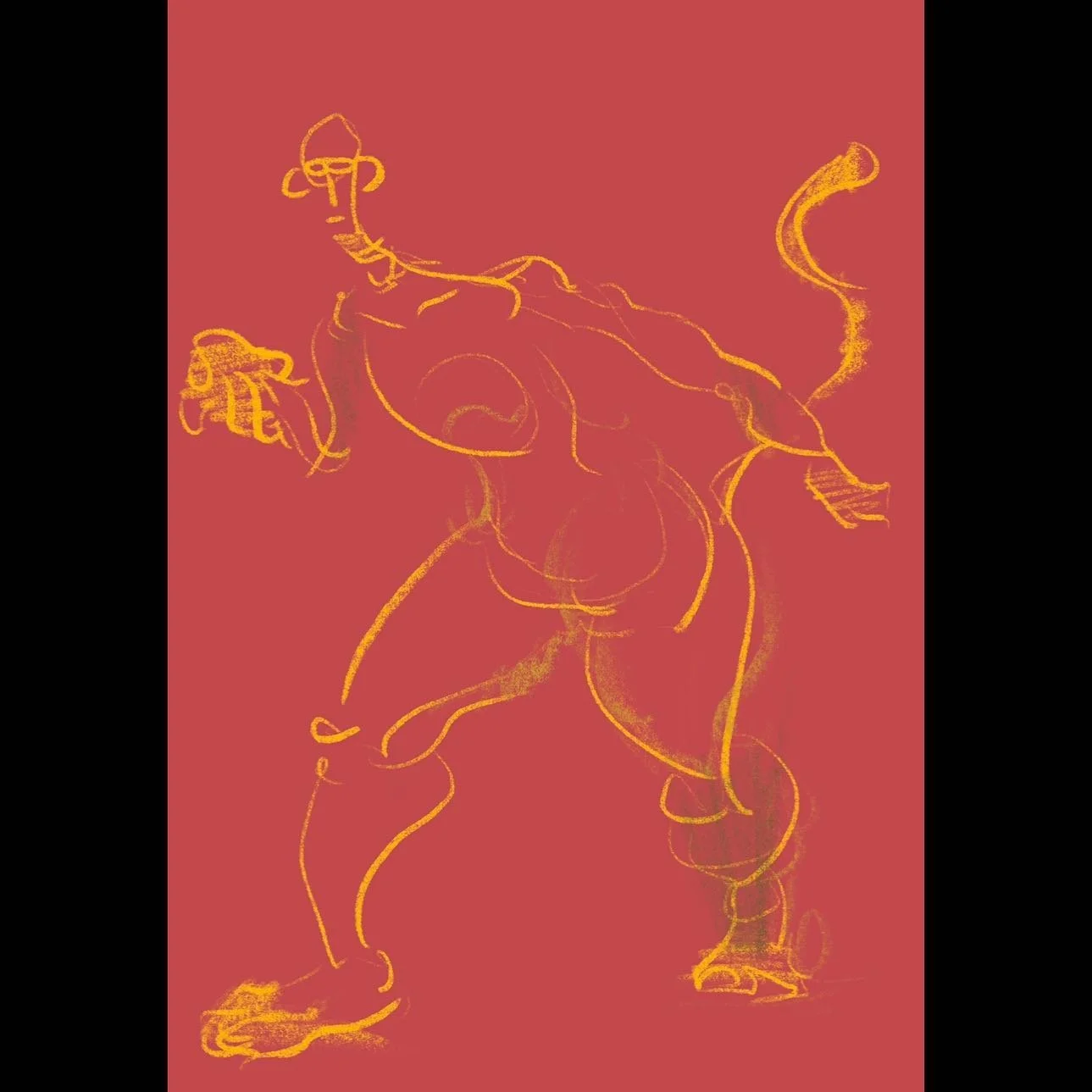
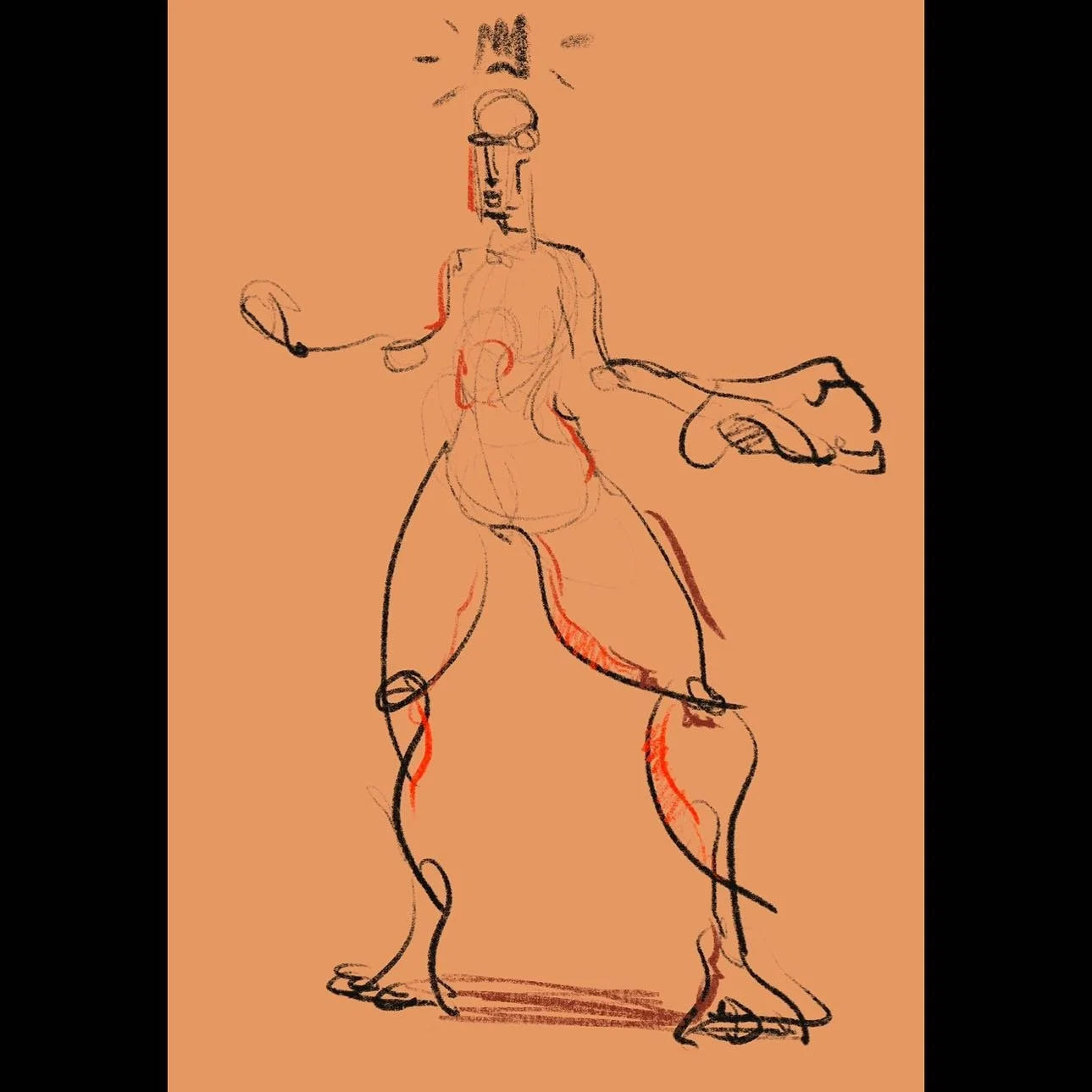
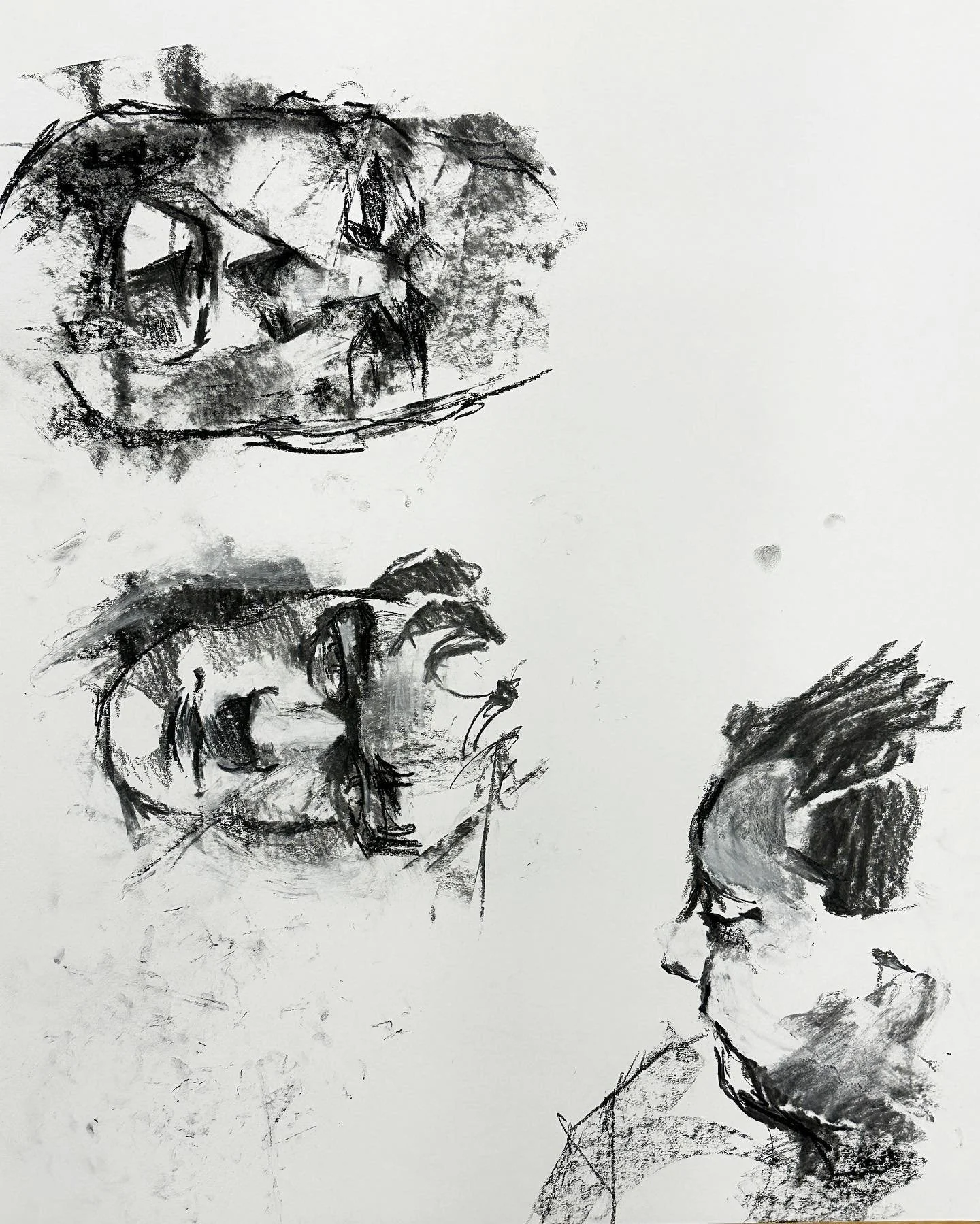
I started with charcoal, pencil, and mixed media, mostly drawing figures and faces. I was always interested in how much weight or emotion could come through with only a few marks. AI-assisted digital work came later because it let me test materials, lighting, camera angles, and entire scenes much faster. The tool changed, but the way I judge an image mostly didn’t.
Your recent work, The Part That Couldn’t Keep Up, tells a story without dialogue or text. Can you tell us about the idea behind the piece and how it came to life?
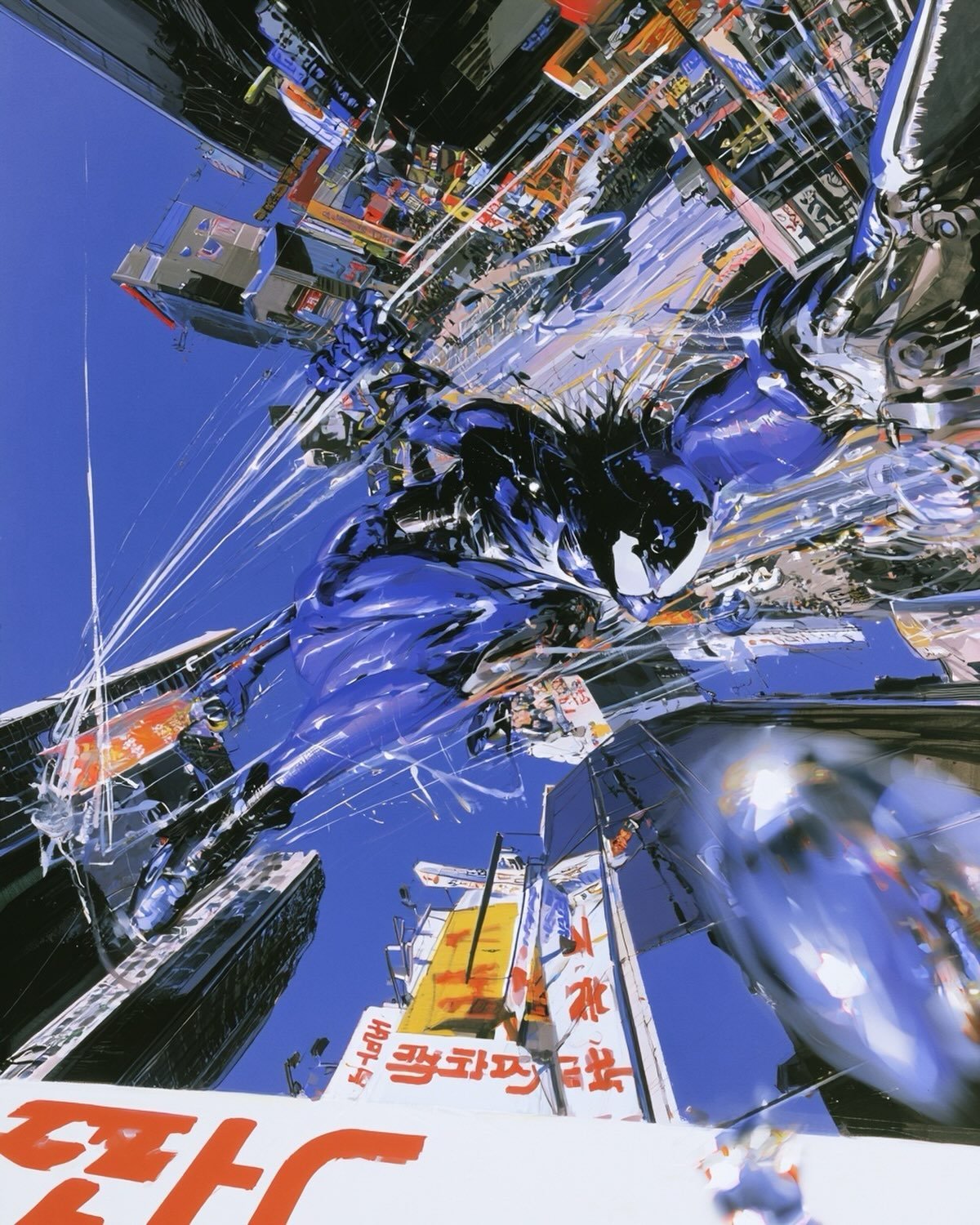
It started with the feeling of moving forward while another part of you hasn’t caught up yet. I pictured a chrome rider continuing ahead while a more human version of her slowly stops matching her movement. I’m now working out how to make that idea readable in around 15 seconds without dialogue or text. It’s still in development; the attached works are context for its visual direction, not finished frames.
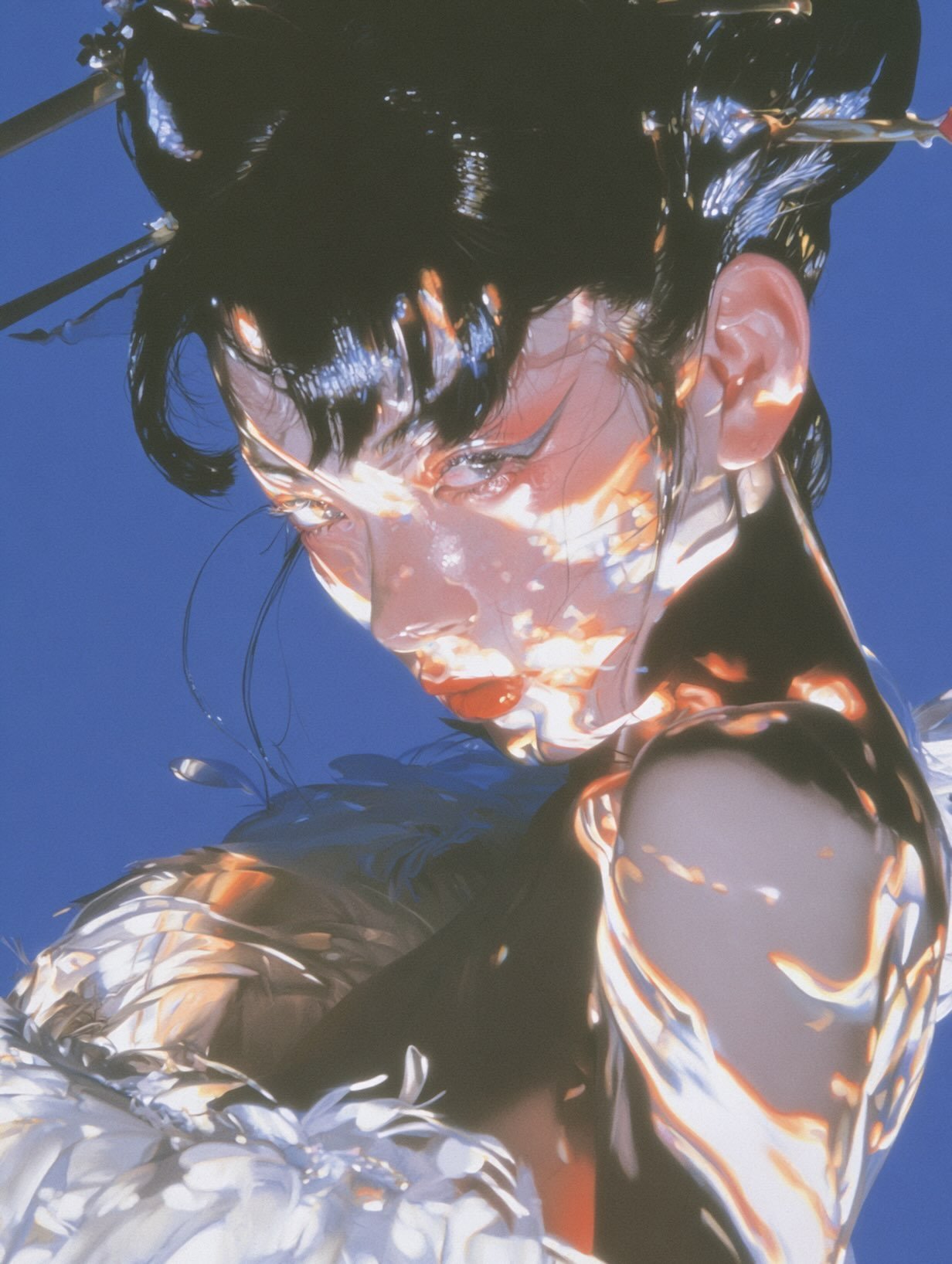
The image of a chrome rider whose human reflection no longer follows her is both surreal and emotionally familiar. What inspired this metaphor?
I was thinking about the distance between how someone appears from the outside and what they’re still carrying underneath. Chrome feels polished, fast, and protected. A hand-drawn human reflection feels more fragile and exposed. Putting them together gave me a simple way to explore that difference without explaining it in words.
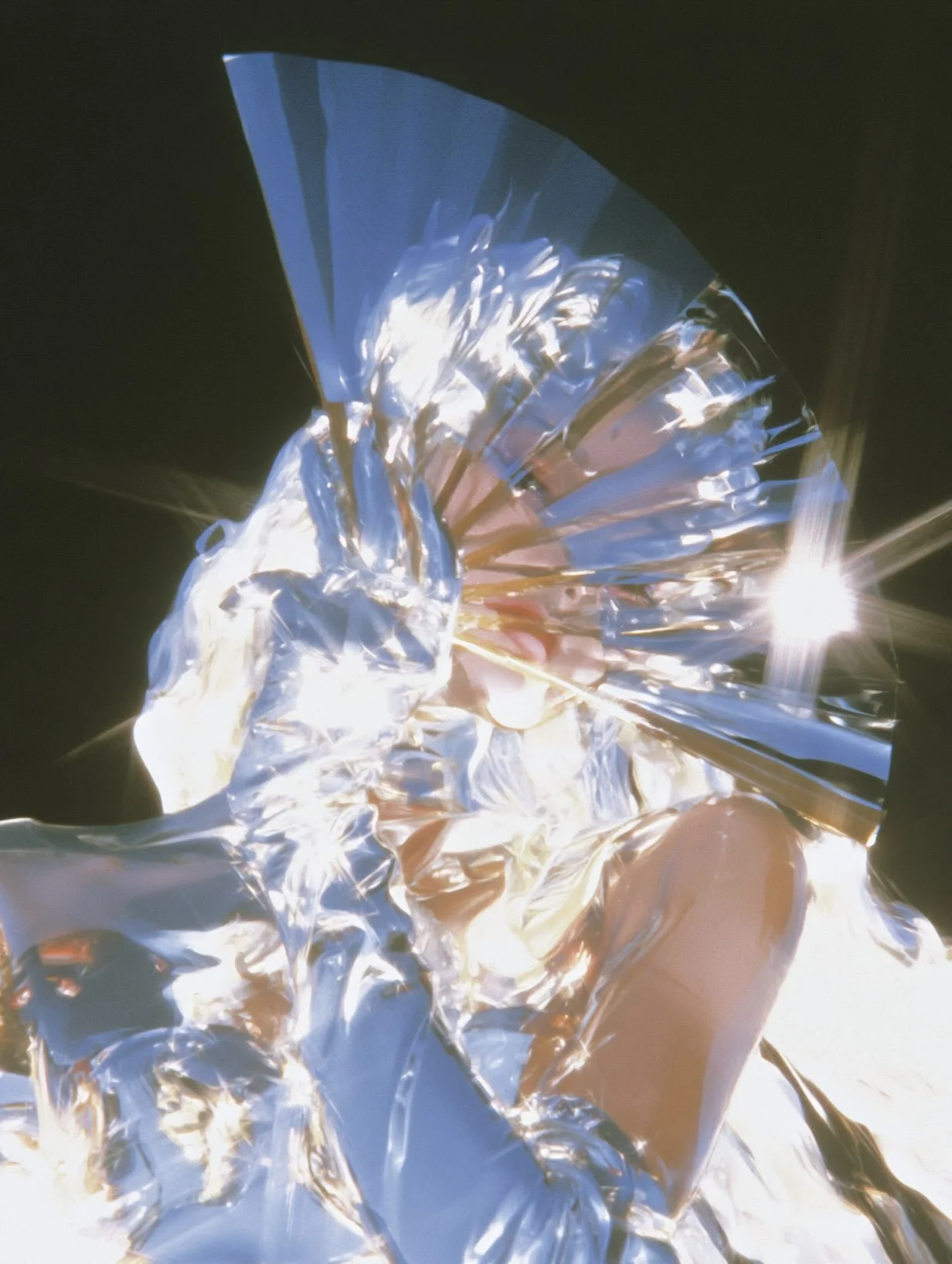
How do you approach directing AI as part of your creative process?
I usually begin with a specific shot: camera height, pose, movement, screen direction, lighting, and what needs to carry over from the previous image. Then I make variations, reject most of them, and keep refining until the images feel like they belong to the same world. AI gives me possibilities; my job is directing, editing, and knowing which ones actually serve the idea.
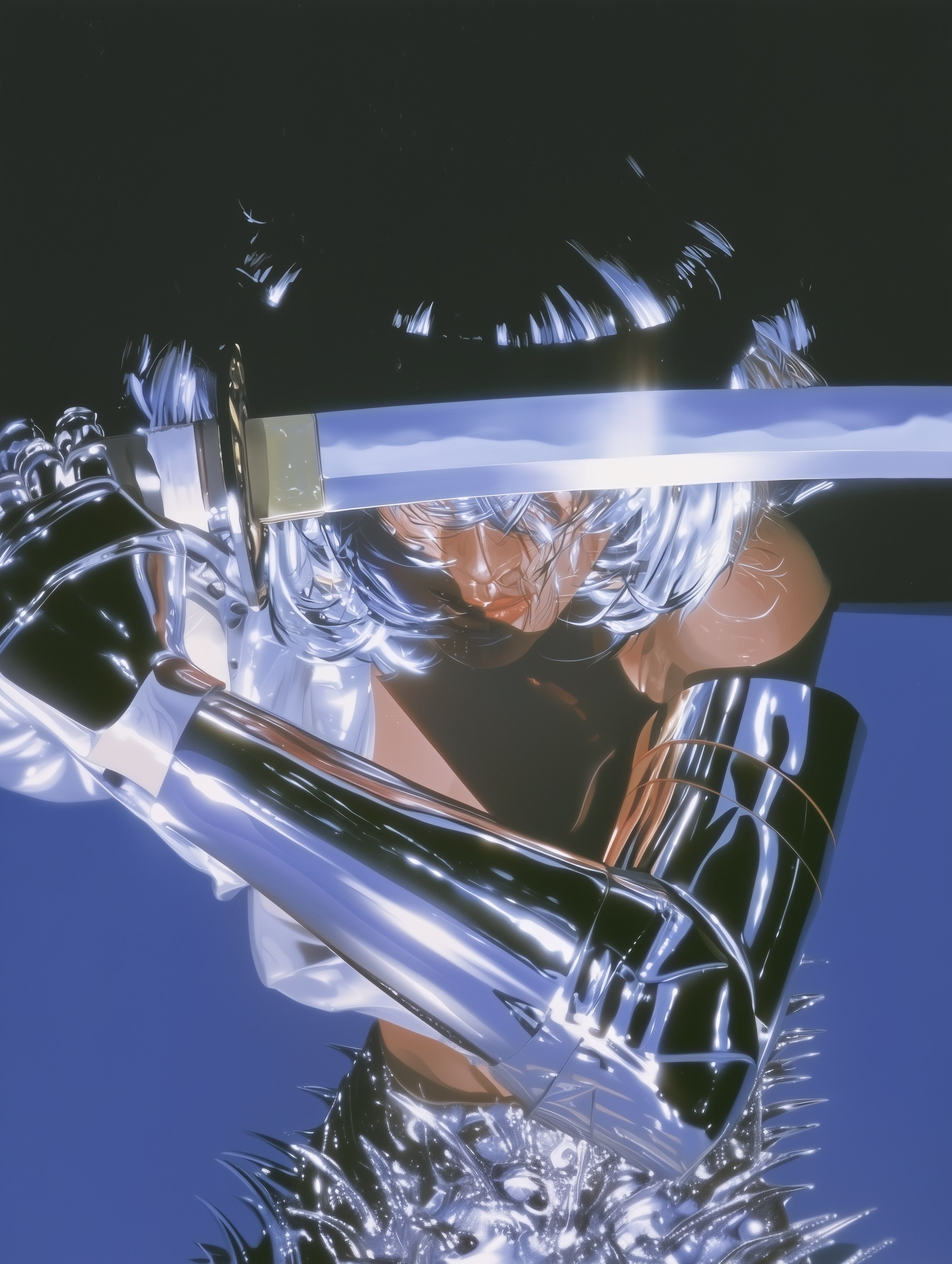
Many artists worry that adopting AI means abandoning traditional skills. How has your background in charcoal drawing shaped the way you work with AI today?
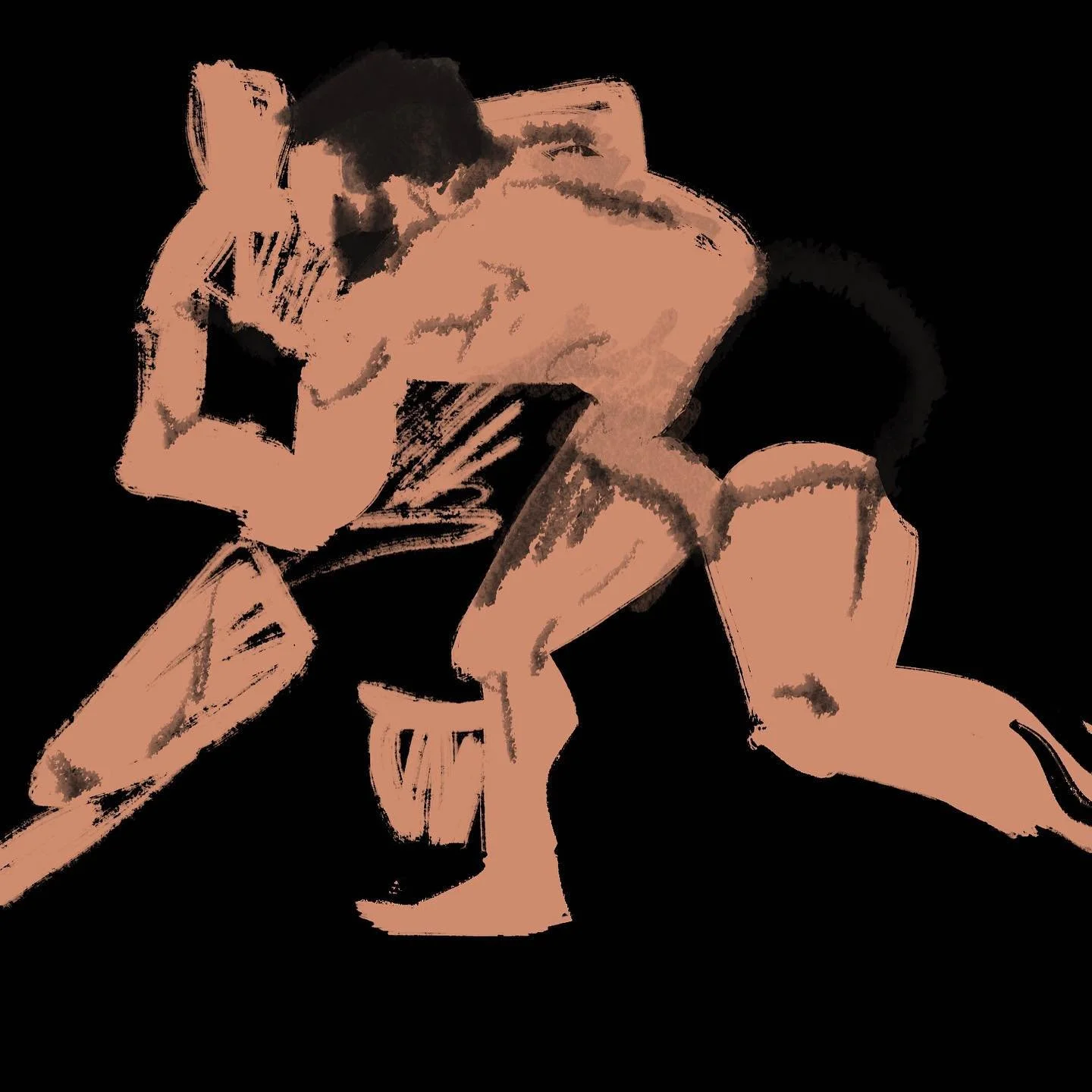
Charcoal taught me to look at mass, gesture, silhouette, and negative space before detail. A polished surface can’t rescue an image if the pose has no weight or the composition leads the eye nowhere. I still use those same instincts when I’m working with chrome, reflections, and digital light.
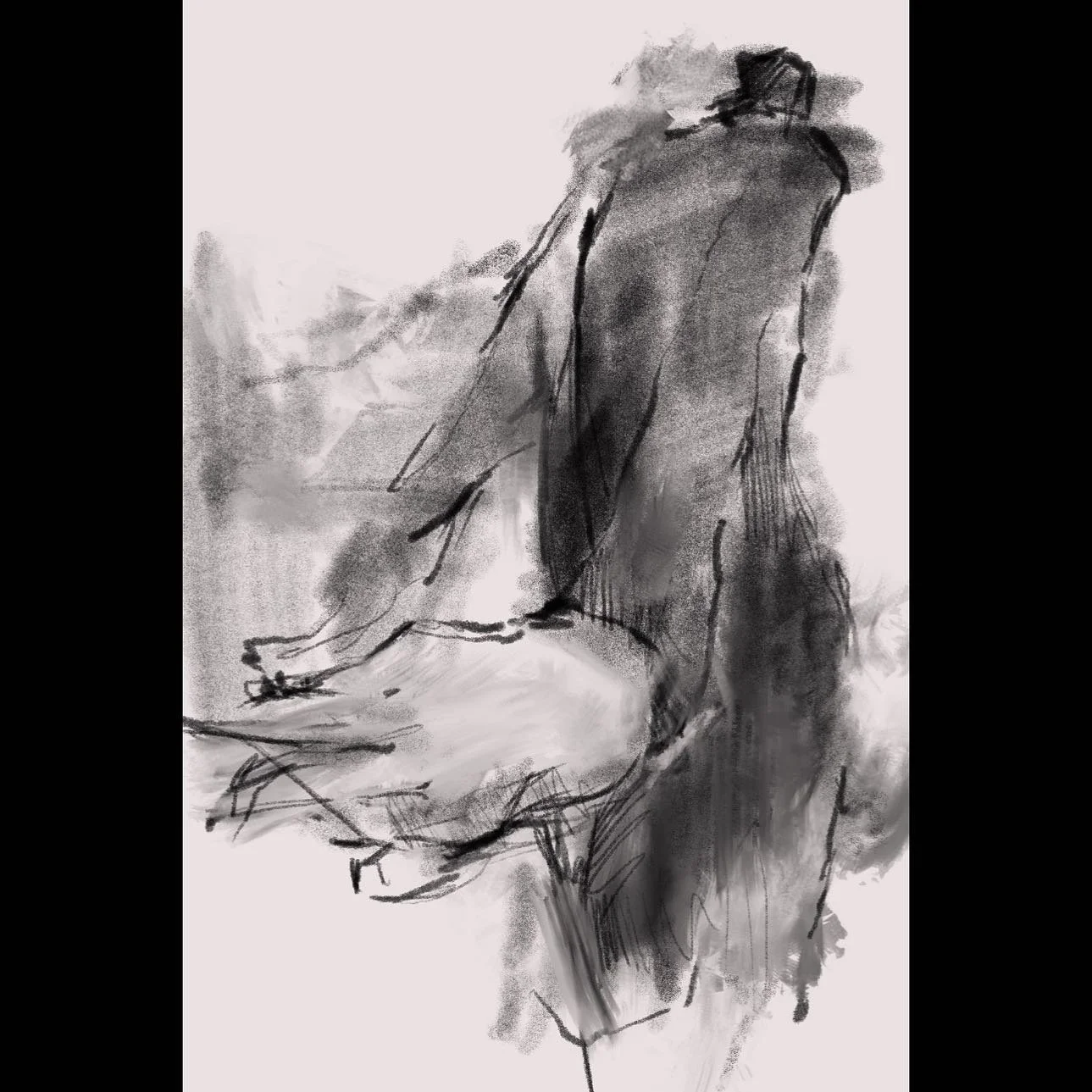
Your transition into AI-assisted art wasn’t about leaving one medium behind, but expanding your practice. How has working across both traditional and digital mediums changed the way you think about authorship and creativity?
The mechanics are different, but the responsibility is the same. With charcoal, authorship is visible in pressure, erasure, and every mark. With AI-assisted work, it’s in the concept, references, constraints, selection, revision, and sequence. It also means being honest about what the tool contributed. The fact that an image can be generated quickly doesn’t mean it deserves to be kept.
Looking ahead, where do you see your practice evolving next? Are there stories or ideas you’re now able to explore that weren’t possible before?
I want to build original short films and recurring visual worlds rather than only making isolated images. Right now, my Instagram can look like two periods sitting beside each other: the earlier charcoal and gesture work, then the newer chrome and cobalt images. I want the next body of work to make those feel like one practice and bring that language into motion.
What is a fun fact about you?
I keep telling myself I’m going to use a different palette, and somehow I always end up back at electric blue.
What else fills your time when you’re not creating art?
Honestly, a lot of it still circles back into the work. I collect film frames and references, and I pay attention to things like clothing, machines, city light, or small gestures that might become an image later.
Are you our next spotlight artist? Submit the form to apply to be featured!
We share works by digital artists as well as digital arts exhibitions, events, and open calls daily on Instagram — follow us for more and subscribe to our newsletter so you don’t miss new blog posts.
![Project Spotlight: pifmgr.dll’s [M]ETAL✨ @pifmgr.dll is a digital artist working at the intersection of audiovisual design, 3D experimentation, and atmospheric world-building. His project [M]ETAL explores metal both as a physical material and a](https://images.squarespace-cdn.com/content/v1/63b2fdbe4376de5bfdc6771f/1779108338452-QO04Q3MMJ3VMU8PJV1MD/image-asset.jpeg)