The Art of Asking Better Questions: A Conversation with Lila Rui Lan
By Cansu Waldron
Lila Rui Lan (蓝睿) is a London-based multidisciplinary artist from China whose practice spans photography, moving image, and interactive installation. Through participatory works, she explores the relationships between individuals, communities, nature, and technology, questioning how these systems shape one another and how they might be reimagined. Rather than offering fixed conclusions, her installations invite viewers to engage through embodied experience, creating open-ended encounters that encourage reflection on the social and algorithmic structures that influence everyday life.
Lila’s artistic journey grew out of her own experience navigating the expectations of the society she grew up in. After studying finance in China, she found herself questioning the assumption that success follows a single prescribed path, especially as she watched many of her peers struggle with exhaustion and disillusionment despite doing what was expected of them. Searching for alternatives led her toward art as both a form of inquiry and a language for imagining different ways of living and relating to one another. Today, that curiosity continues to shape her practice, which has been presented internationally through exhibitions, residencies, and festivals, including recent projects such as Laugh out loud (LOL), Left or Right?, and Kill Heroes, each inviting audiences to reconsider the systems they inhabit rather than simply accept them.
We asked Lila about her art, creative process, and inspirations.
Your work often explores the relationship between individuals and larger systems. What first drew you to this idea, and why has it become central to your practice?
The journey starts from my personal struggles in understanding the social and cultural environment I grew up in. I studied finance for my bachelor’s in China, which is one of the most popular subjects, as in most places around the world. I felt demotivated about this path; I didn’t understand why it was the best choice for me and my life. Through my observations, I realised many of my friends in the field felt the same. There is an urge to choose it, build a career on it, and dedicate oneself to it, all while feeling exhausted, empty, and depressed. When I asked my mother why that was, she told me, "This is life. There is no other choice." I was rather disappointed. "Is it really?" At the same time, some of my close friends were pursuing careers they were passionate about. I wondered about the spark and energy I perceived in them. ‘There must be an alternative,’ I thought. From here, I began my journey to study the individual and the system, and art happened to be a language I found comfortable and inspiring to express myself with.
Rather than presenting fixed narratives, your installations invite people to participate and form their own interpretations. What do you hope participation can reveal that observation alone cannot?
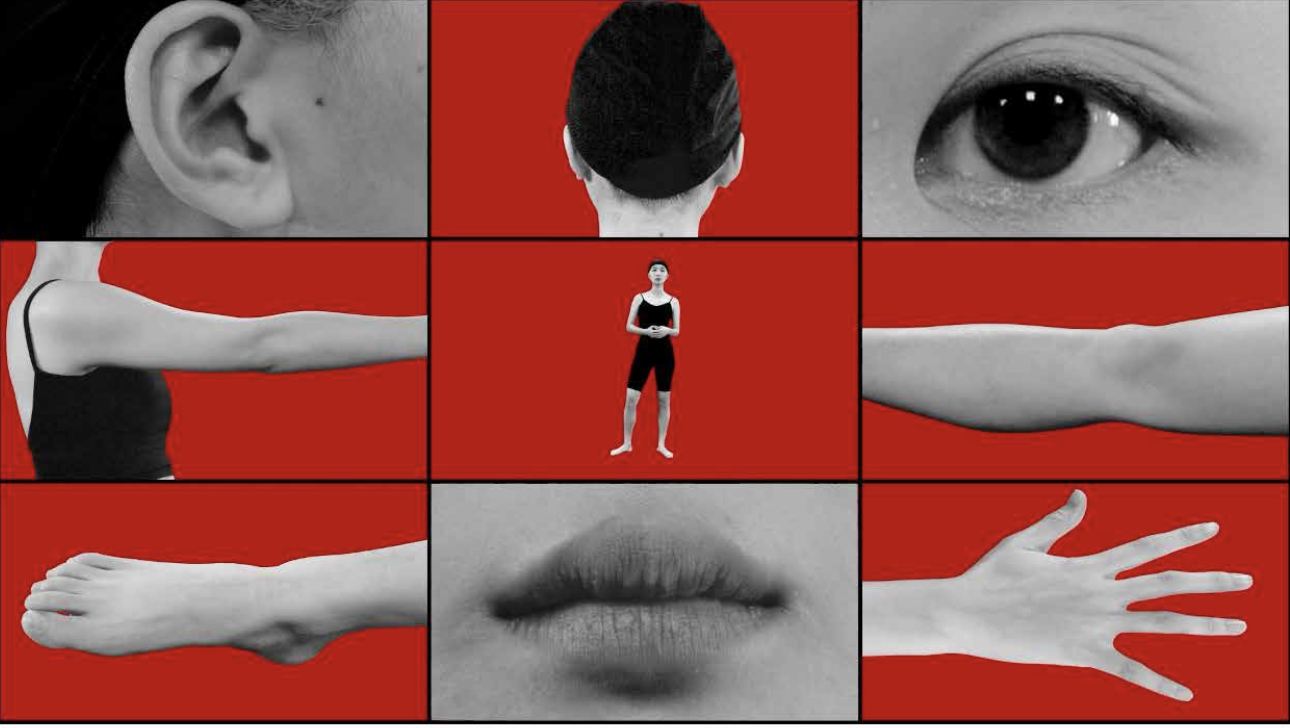
Observation is valid and very important, but also insufficient to shape cognition. My creative practice is rooted in constant observation of myself and of people. Yet what really drives one to question is experience. Experiences are the real materials that enrich our lives. We learn our preferences, our position, and build our structures based on them. The power of experience is beyond words; the emotions and feelings evoked in an experience don’t just offer instant reflection but also plant a seed for us to relate to and understand the world and the relations around us. Another thing is that, by focusing on constructing experience rather than a fixed narrative, my work gives people space to grow their own interpretations of the phenomena I amplify through my work. For me, my work is not just about my opinions of the world, but a space for me to share my observations in a conversational form: “Did you notice that? Why do you think that is?”
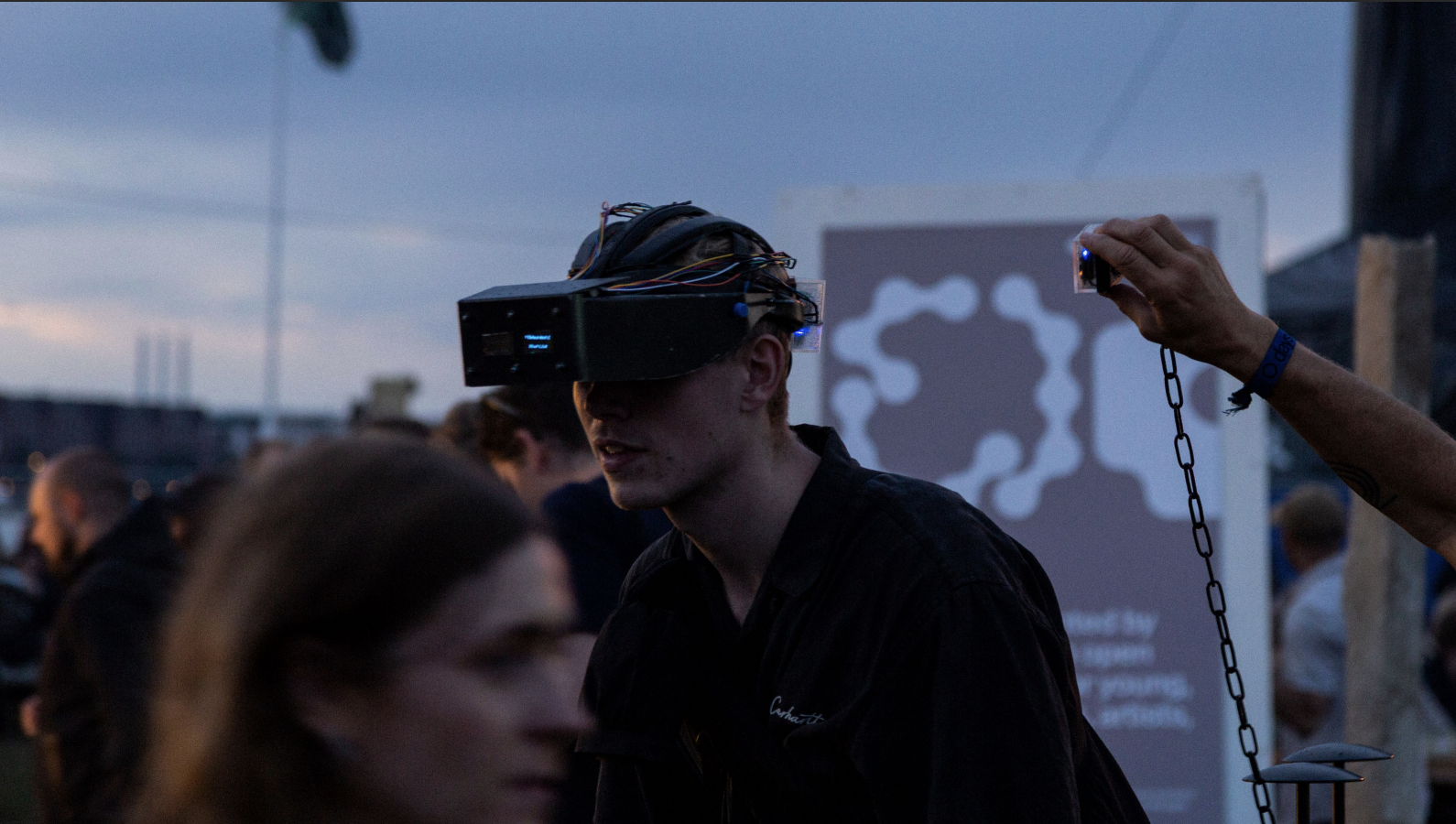
You describe your work as imagining systems where people, nature, and technology grow together rather than compete. What does that future look like to you?
This is a difficult question. I imagine it based on the issues I’ve identified in our current one, yet I have no answer for what it could be or how. The goals and structures of our current social systems need to be reflected on, interrogated over and over, and calibrated and refined based on that. I imagine a future in which we have a stronger connection with each other, where individual creativity is encouraged to be discovered and developed. Technology functions as a facility to sustain the well-being of humans and nature, rather than as a tool for incessant expansion of power. Nature has its health maintained and restored. It’s an idealistic and vague view of the future — one I believe won’t be realised but is worth working towards.
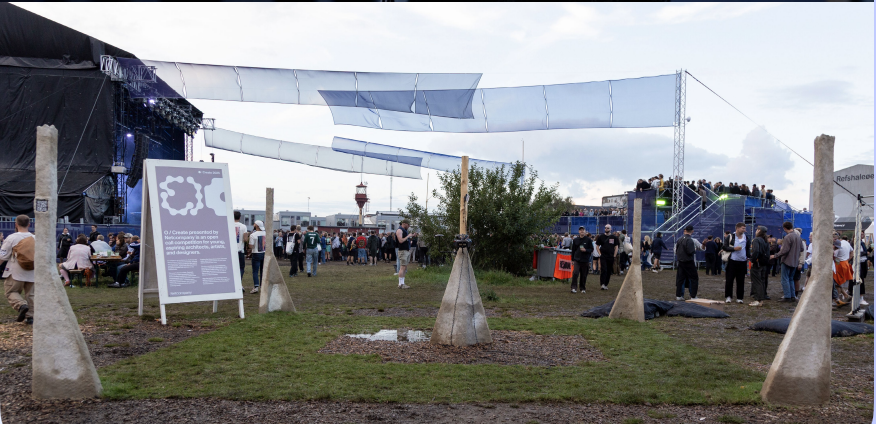
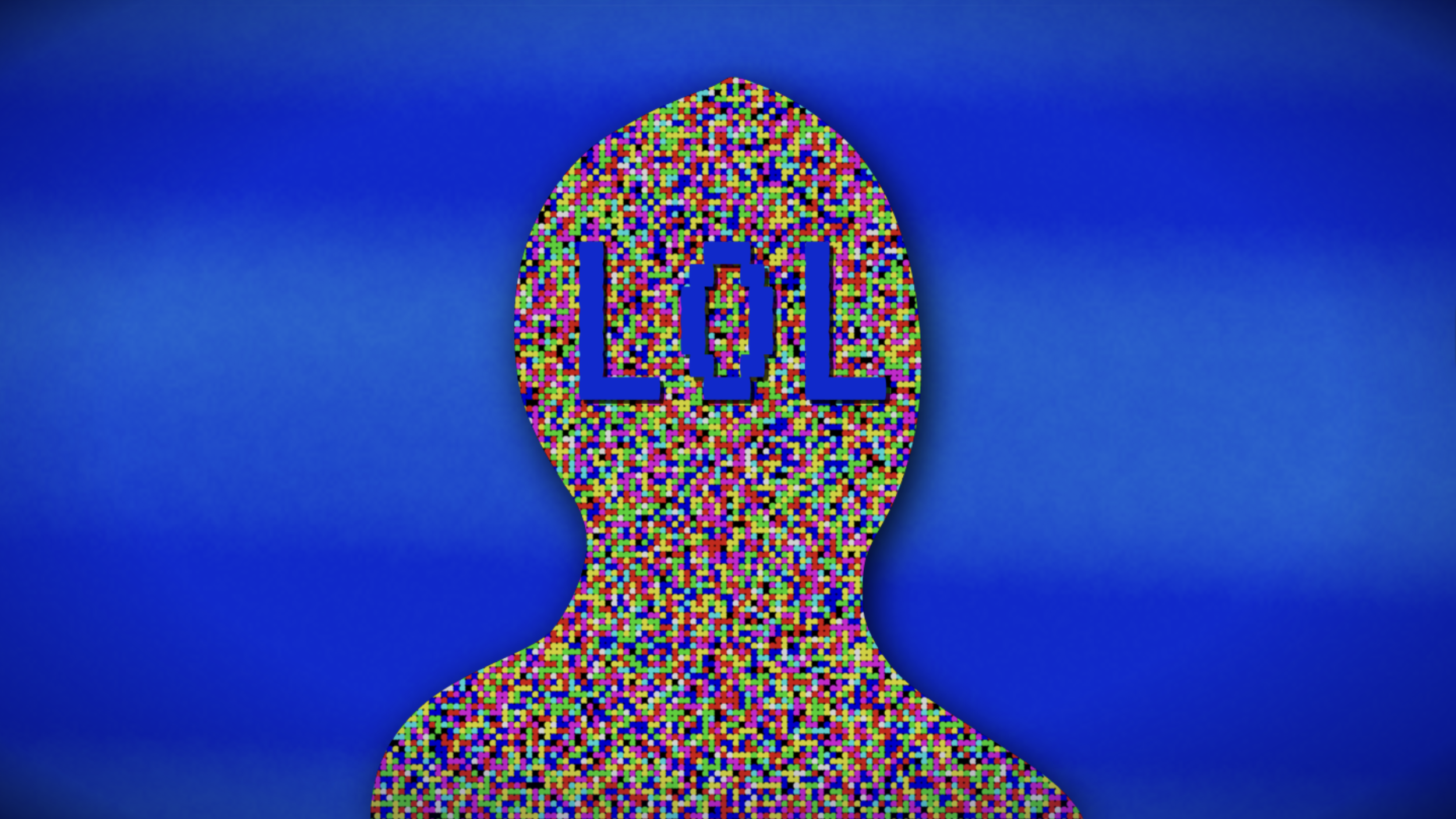
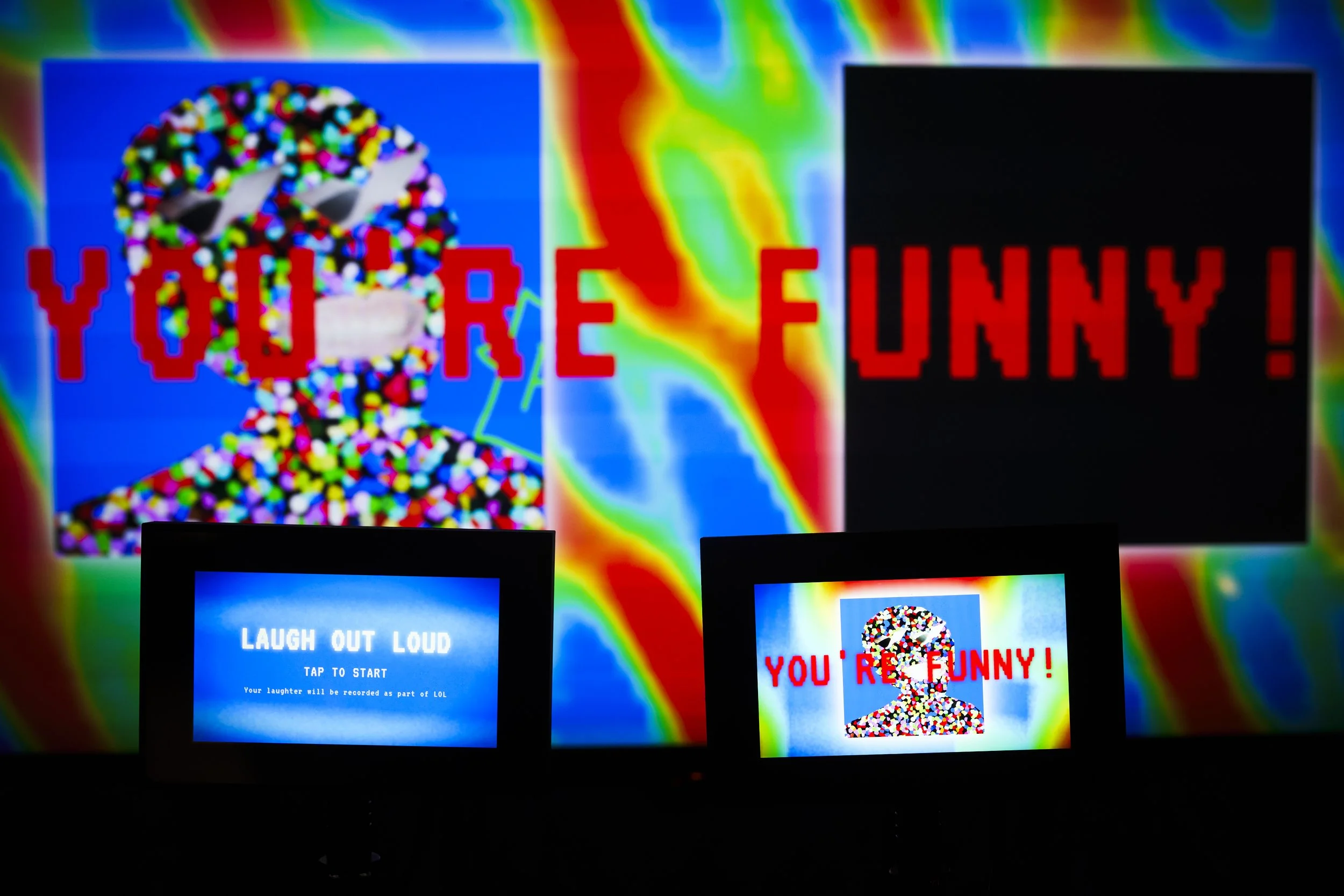
Your latest project, Laugh Out Loud (LOL), explores contemporary digital culture. Can you tell us about the ideas behind the project and what inspired its creation?
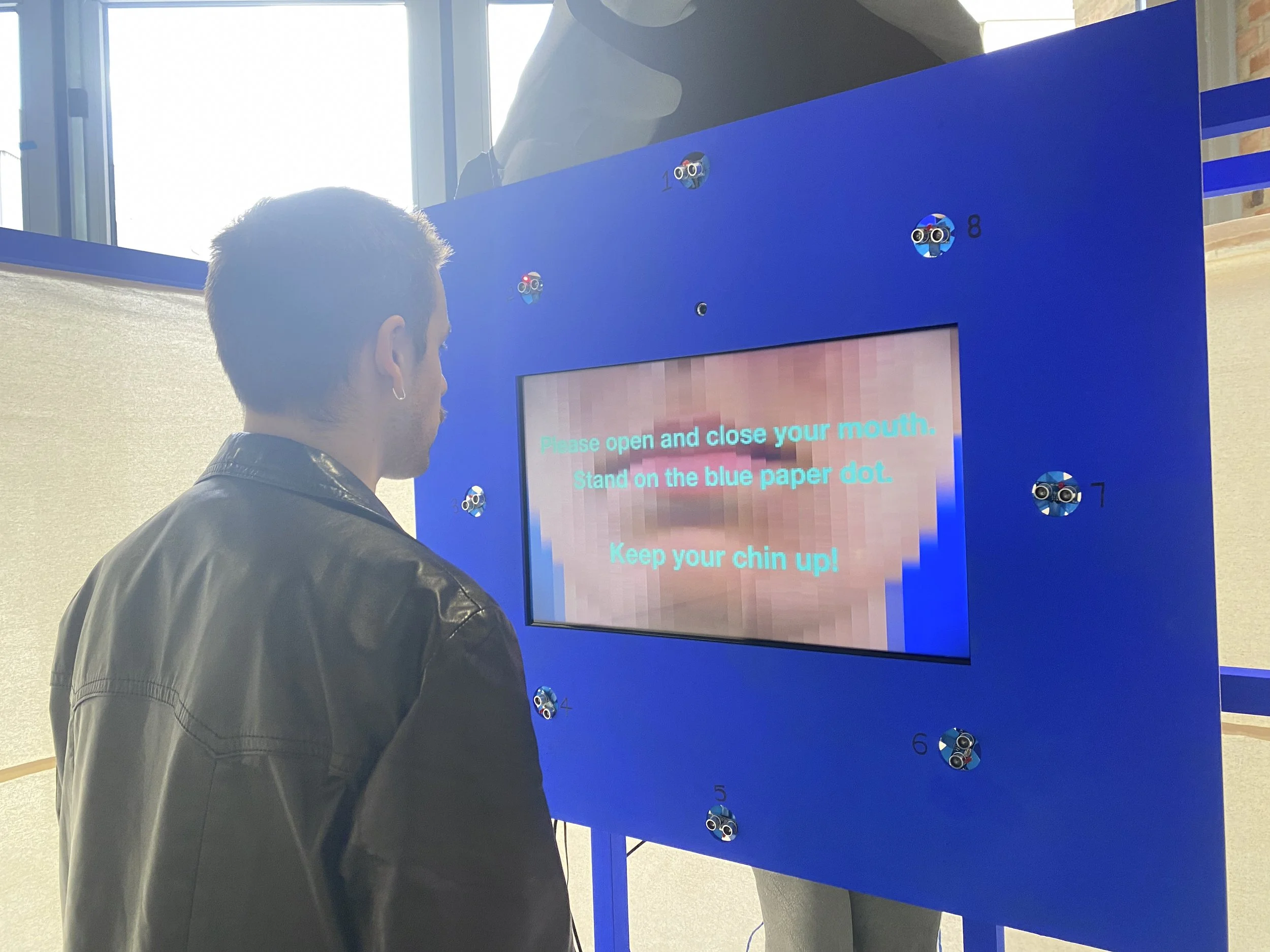
I was researching the human–AI symbiotic relationship through incongruent affect, especially around revealing the cognitive difference between humans and AI in the face of complex laughter. It took its artistic shape during an online residency I participated in, where all cohorts met regularly in a meta space, holding critiques and discussions of each other's work. During those sessions, we normally muted ourselves when someone else was speaking, and had to unmute to respond. I was struck by the absurdity of this when one of us made a joke — I laughed on mute, then had to unmute myself to deliver the laughter, which by then was no longer spontaneous. From here, I began to develop the idea of building a simulated social system that mechanises laughter, and using that system to explore what remains distinctly human, and how the role of AI is framed within it.
Technology is often portrayed as either utopian or dystopian. How does your work challenge these more binary ways of thinking?
My work positions technology as a participant in the system, alongside all other entities within it. Technology is part of these relations; it carries hope for an ideal version of life and mirrors the shadows of reality. So rather than defining a fixed role for technology, I emphasise the importance of exploring sustainable relations, within which the role of technology fluctuates.
What else fills your time when you're not creating art?
Working for money, drifting around the streets, watching movies, swimming, dancing, drawing, and reading. Actually, they all end up becoming a source for my practice. It’s something I can’t help shifting toward, yet I’m also excited by it all the time.
Have there been any surprising or memorable responses to your work?
I witnessed some fun, exploratory responses to Laugh Out Loud. One participant put on his headphones and started to rap to pass the laughter detection, and another tried playing a video of a goat screaming. There was also a group of participants who experienced the work together and ended up holding their bellies, laughing hard at each other’s laughter — a reaction that lasted right until the end of the session.
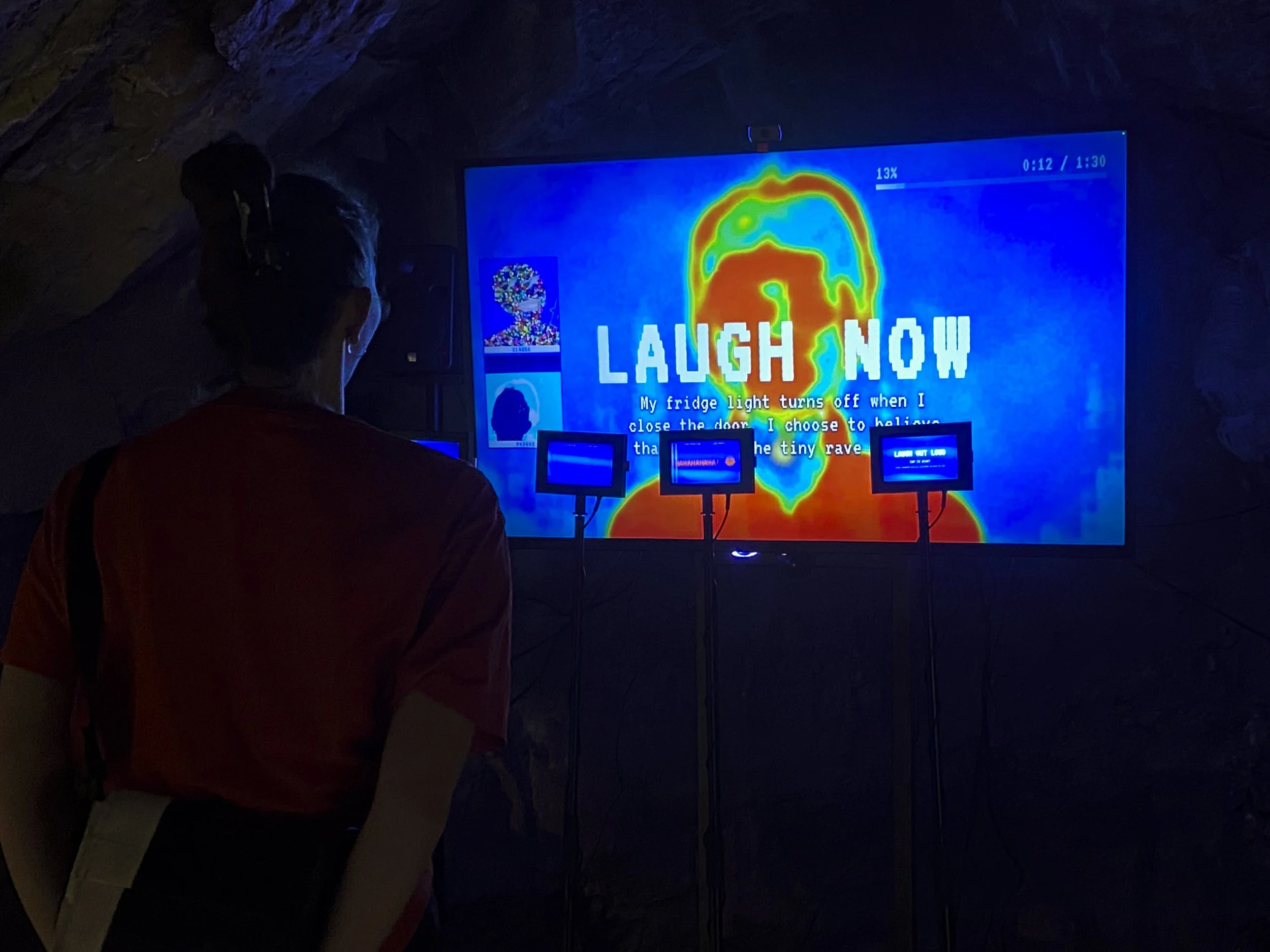
Looking ahead, what kinds of systems, relationships, or questions are you most interested in exploring next?
I’ll keep exploring human–AI symbiotic relations within AI-embedded systems designed to encourage collective exploration and collaboration. I’ll also focus more on experimenting with embodied experiences and on how to integrate participatory work into public spaces that are open to a broader range of audiences.
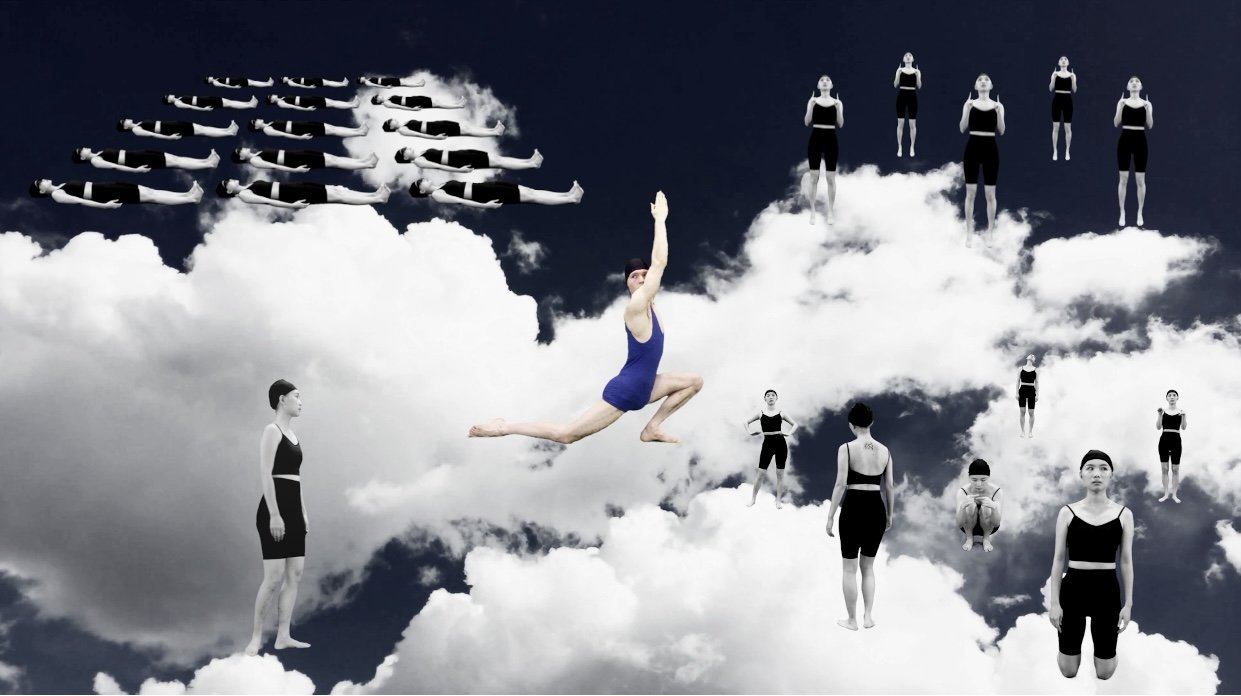
Are you our next spotlight artist? Submit the form to apply to be featured!
We share works by digital artists as well as digital arts exhibitions, events, and open calls daily on Instagram — follow us for more and subscribe to our newsletter so you don’t miss new blog posts.
![Project Spotlight: pifmgr.dll’s [M]ETAL✨ @pifmgr.dll is a digital artist working at the intersection of audiovisual design, 3D experimentation, and atmospheric world-building. His project [M]ETAL explores metal both as a physical material and a](https://images.squarespace-cdn.com/content/v1/63b2fdbe4376de5bfdc6771f/1779108338452-QO04Q3MMJ3VMU8PJV1MD/image-asset.jpeg)