Digital art has transformed from a niche creative pursuit into a dominant cultural force, shaping everything from contemporary exhibitions at massive museums to social media aesthetics. With this evolution, the "rules" of digital art are constantly shifting — what worked a couple years ago might not hold today. Whether you're a seasoned digital artist or just starting out, here are the new rules to navigate this (in my opinion) very exciting landscape.
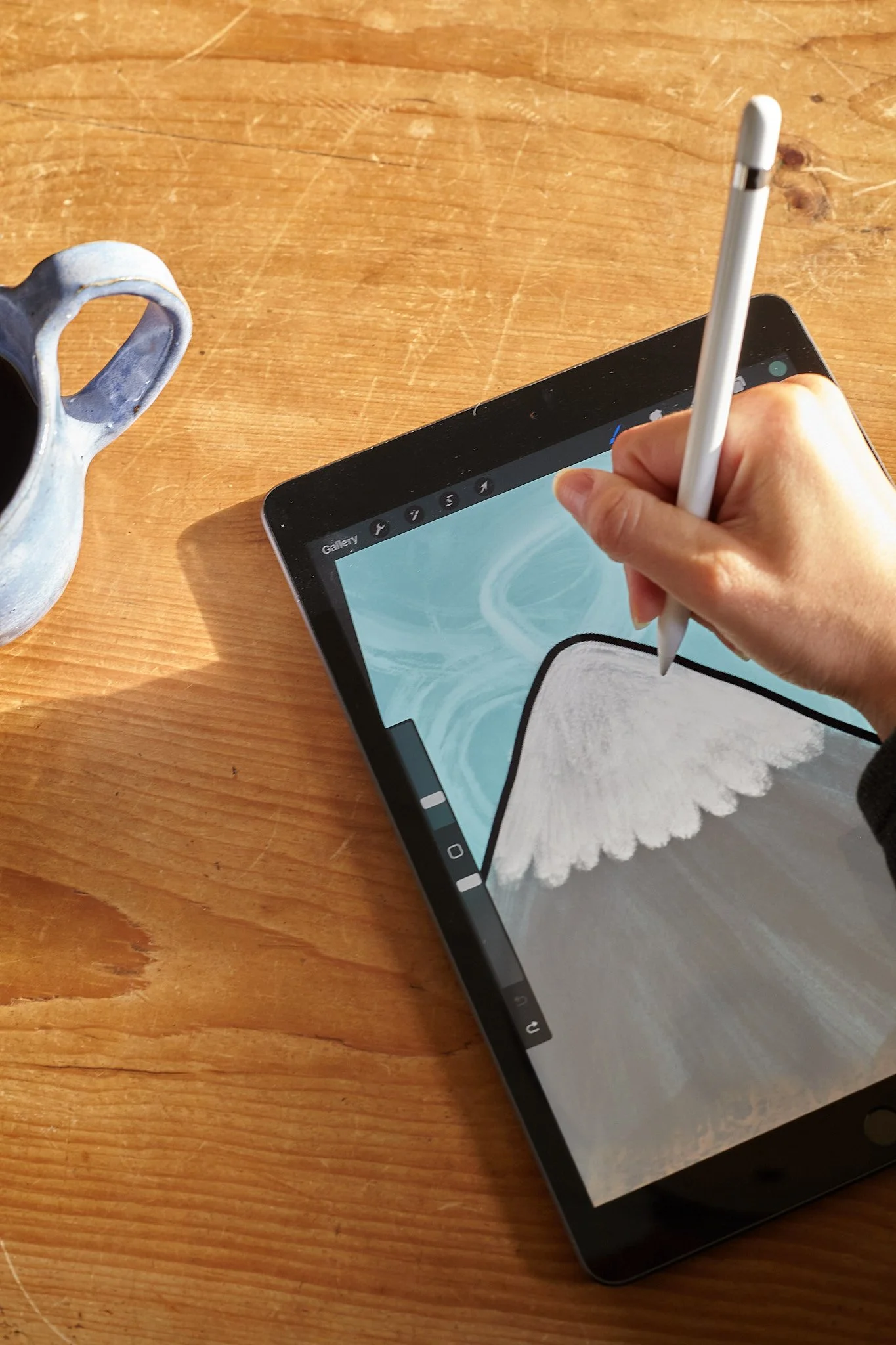
1. Your Online Presence Matters More Than Ever
Having a single portfolio website is no longer enough — you need an active, engaging online presence. Instagram, X, TikTok, and even Pinterest serve as both galleries and networking spaces for you and your art to get noticed.
The new rule? Be intentional with how you present your work and interact with your audience. Engage through process videos, behind-the-scenes content, and meaningful discussions rather than just posting finished pieces.
Read more: Platforms for Digital Art
2. Direct-to-Collector Relationships Are the Future
However, algorithmic visibility can’t be your only strategy. Social media algorithms change constantly. Artists relying solely on Instagram or TikTok for visibility risk losing control over their audience. Diversifying across multiple platforms, maintaining a strong newsletter, and establishing an independent website ensures sustainable reach and ownership over one’s audience.
NFT platforms, Patreon, and direct sales channels empower artists to bypass traditional gatekeepers like the need to be represented by a gallery. The lesson is to build and nurture your collector base through personal engagement, transparency, and exclusivity.
3. AI Is a Tool, Not a Shortcut
AI is here, and it’s not going away. But while many fear it will replace digital artists, the real power lies in using it thoughtfully. The strongest artists are those who integrate AI as an extension of their creative process rather than relying on it entirely.
For instance, Memo Akten’s work explores the philosophical implications of AI through generative art, using machine learning to create deeply conceptual pieces rather than simple aesthetic outputs. Meanwhile, Sofia Crespo blends AI-generated textures with hand-drawn elements, ensuring a human touch remains present in her biomorphic creations. Instead of allowing AI to generate entire works, consider using it for brainstorming, reference generation, or automating tedious tasks like color matching or background rendering. AI can enhance your creativity, but your unique voice and vision remain irreplaceable.
Read next: “How can I make my work feel more original when AI art is everywhere?”
4. Curators Matter More Than Ever
With an overwhelming flood of digital art online, thoughtful curation is what sets apart meaningful work from ephemeral trends. At ARS Electronica, curators contextualize digital pieces within broader cultural discussions, ensuring their lasting relevance. Digital artists should seek out curators who align with their vision, as strategic curation can significantly impact an artwork’s longevity and cultural significance.
The NFT market’s fluctuations have proven that quick trends fade, but well-curated digital art holds long-term value. As we discussed in our NFT.NYC talk proposal, curation ensures that meaningful work survives beyond speculation. Projects that emphasize artistic integrity, like The Whitney’s acquisition of digital works, demonstrate the shift toward digital art as a serious, lasting cultural investment.
5. Exhibitions Are Evolving
The traditional white-wall gallery model is no longer the only option for digital artists. Festivals, online exhibitions, AR/VR showcases, and projection mapping projects have created new ways for audiences to experience digital art.
Events like Paradise and Put the Kettle On highlight how digital art can exist beyond static screens, incorporating sound, interactivity, and immersive technologies. Meanwhile, digital artists like Claudia Hart have explored time-based digital works that blur the line between performance and exhibition. Platforms like NFT.NYC continue to explore how blockchain and decentralized ownership shape digital art’s future. Stay open to innovative exhibition formats that challenge how art is displayed and experienced.
Immersive exhibitions like Refik Anadol’s AI-driven installations and ARTECHOUSE’s interactive environments demonstrate that digital art is increasingly about the experience. The best digital artists are now considering how their work functions beyond the screen — whether in AR, VR, or large-scale projections. Thinking experientially opens new creative and commercial opportunities.
6. Your Online Presence is Your Brand
Social media is increasingly personality-driven. Artists who engage in authentic storytelling, like Sara Tepes, who shares process insights and personal narratives, cultivate stronger audience connections online. Developing a consistent visual language, a compelling narrative, and engaging directly with followers turns passive viewers into loyal supporters.
Trends come and go, but authenticity builds lasting recognition. Chasing aesthetics that are currently popular on social media might gain temporary traction, but it won’t sustain a meaningful career. Instead, focus on developing a style and voice that feel true to you.
While experimenting with trends can be fun, build a foundation based on your unique artistic voice and interests. Artists who stand the test of time are those who create from a place of curiosity, passion, and personal experience.
7. Community is Everything
Unlike traditional art spaces, where gatekeeping can be prevalent, digital art thrives on community. From Discord groups to collaborative projects, networking with other artists and supporting each other’s work is crucial.
Audiences want to feel part of something bigger. Artists who create spaces for discussion and foster an engaged community through Discord servers, Twitter Spaces, or live streams build deeper, more sustainable connections.
Look at communities like Feral File, which curate artist-led digital exhibitions, or the Processing Community which has fostered a generation of digital artists and creative coders through open-source tools and shared knowledge. Engaging in online forums, artist residencies, or collaborative projects can open doors to new opportunities and help digital artists gain visibility.
Building relationships with other artists, collectors, and curators strengthens the ecosystem and allows for cross-promotion, idea-sharing, and creative growth.
8. Think 50 Years Ahead
Digital art isn’t just about the now — it’s about the future. If the art world is to recognize digital art as a defining movement of this century, then artists, collectors, and curators need to think long-term.
Who will preserve digital works? What will be their cultural significance in half a century? The artists who create with longevity in mind, whether through meaningful curation, storytelling, or archiving, will shape the legacy of digital art. Organizations like Rhizome are already tackling the issue of digital art preservation, working on solutions to ensure digital works don’t become obsolete due to changing technologies.
Artists like Auriea Harvey consider digital permanence in their work, creating 3D sculptures that exist both in virtual and physical spaces, ensuring multiple avenues for preservation. If you want your work to last, consider making it accessible across multiple formats, backing up files properly, and engaging in discussions about long-term digital archiving.
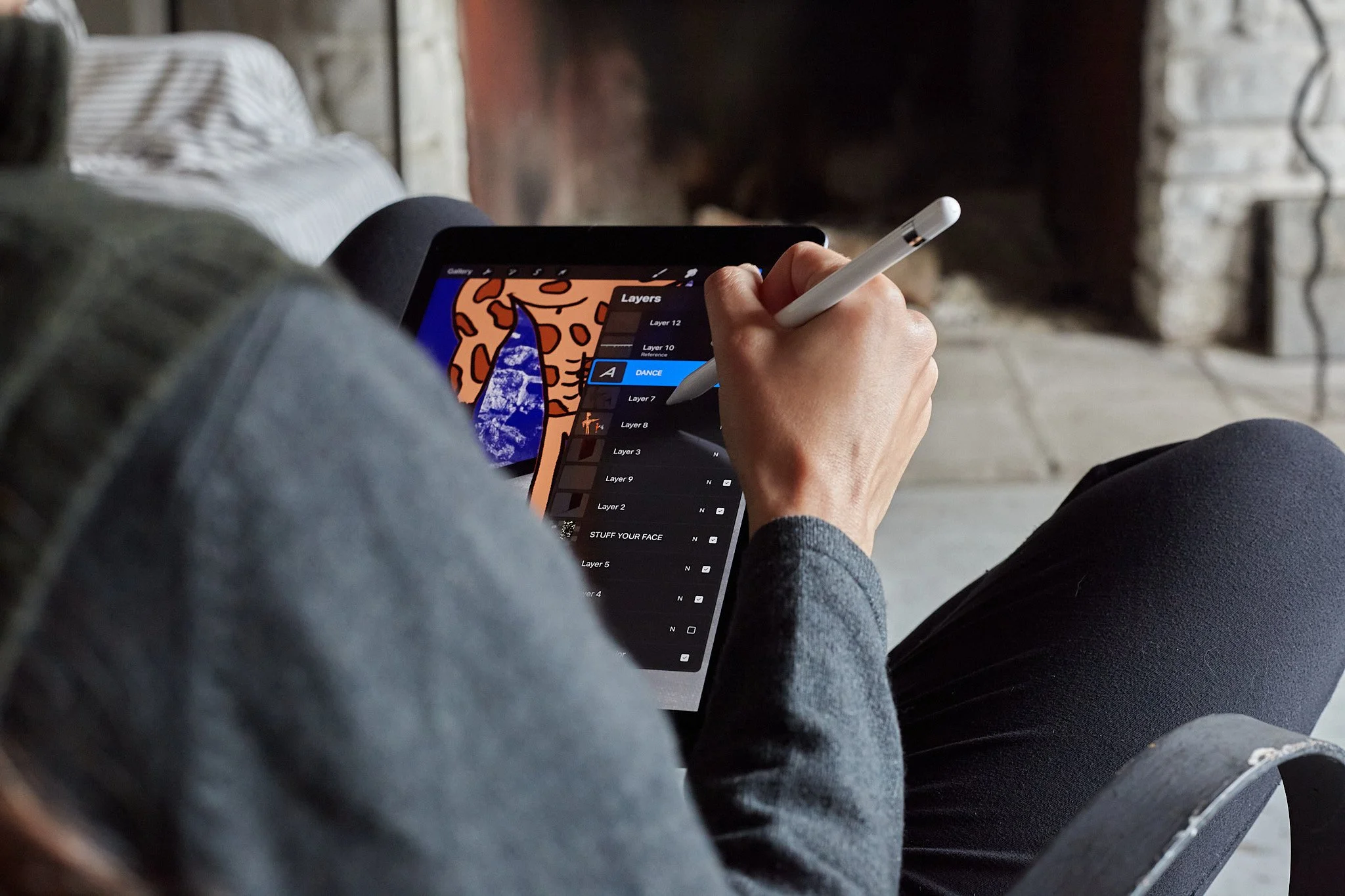
The digital art landscape is always shifting, but these new rules serve as a guide to navigating it with purpose. As technology, platforms, and audience expectations evolve, the artists who adapt while staying true to their vision will continue to shape the future of digital art.
What are your thoughts on these new rules?