Digital art continues to evolve as artists experiment with artificial intelligence, generative systems, immersive environments, and new ways of combining digital and physical media. From surreal AI imagery and expressive digital collage to algorithmic compositions and interactive installations, the field encompasses a wide range of styles, technologies, and ideas.
But what does digital art look like in 2027, and which trends are worth exploring?
Rather than pointing to a single dominant aesthetic, this guide looks at eight directions shaping contemporary digital art. Some build on established practices, while others reflect new possibilities opened up by emerging technologies. Together, they offer a snapshot of how artists are approaching image-making, storytelling, and creative experimentation today.
Whether you work with AI image generators, create digital illustrations, experiment with code, or develop interactive installations, these trends offer inspiration for your own practice and a starting point for discovering artists working at the intersection of art and technology.
By Kaji
1. Surrealism, Dreamlike Imagery, and Impossible Worlds
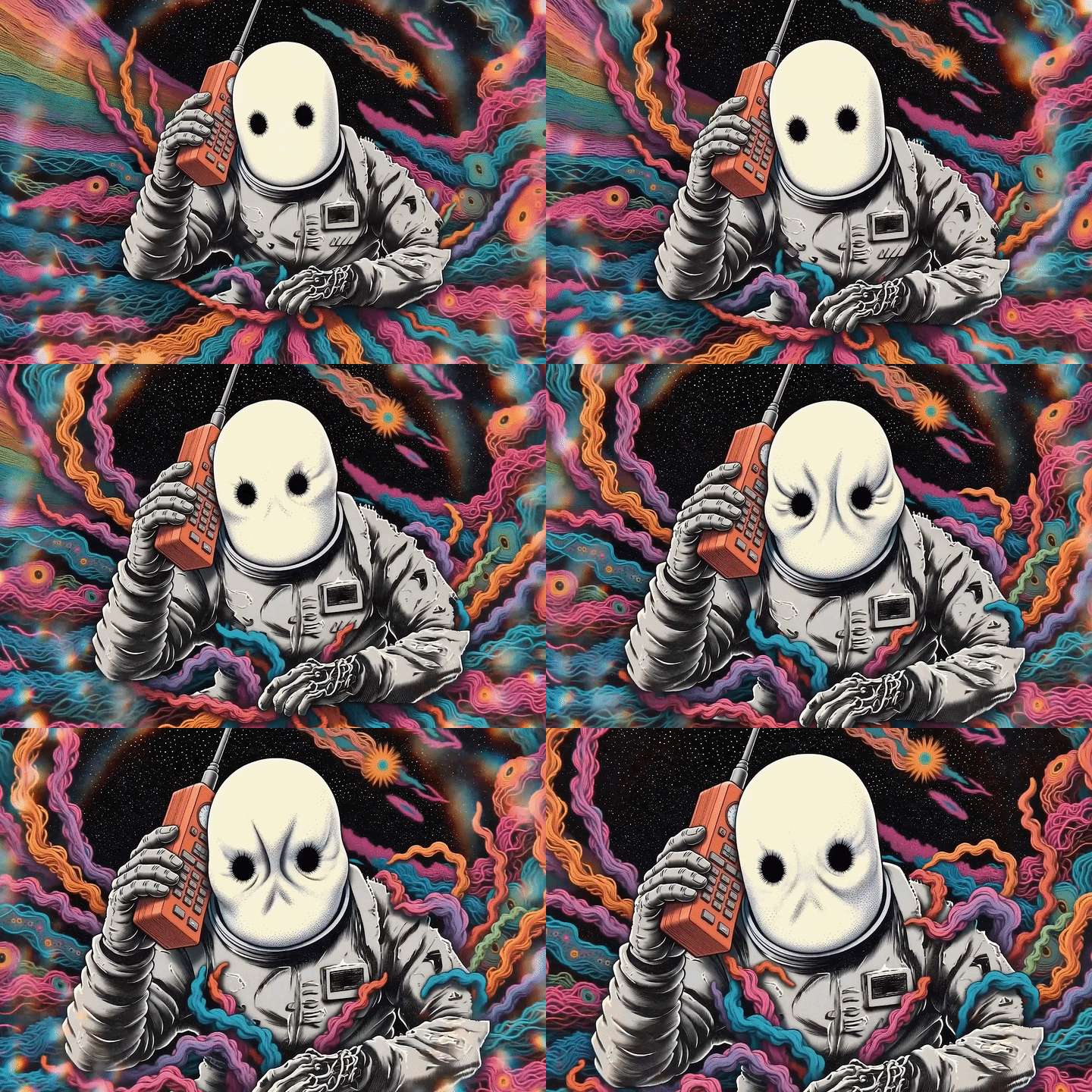
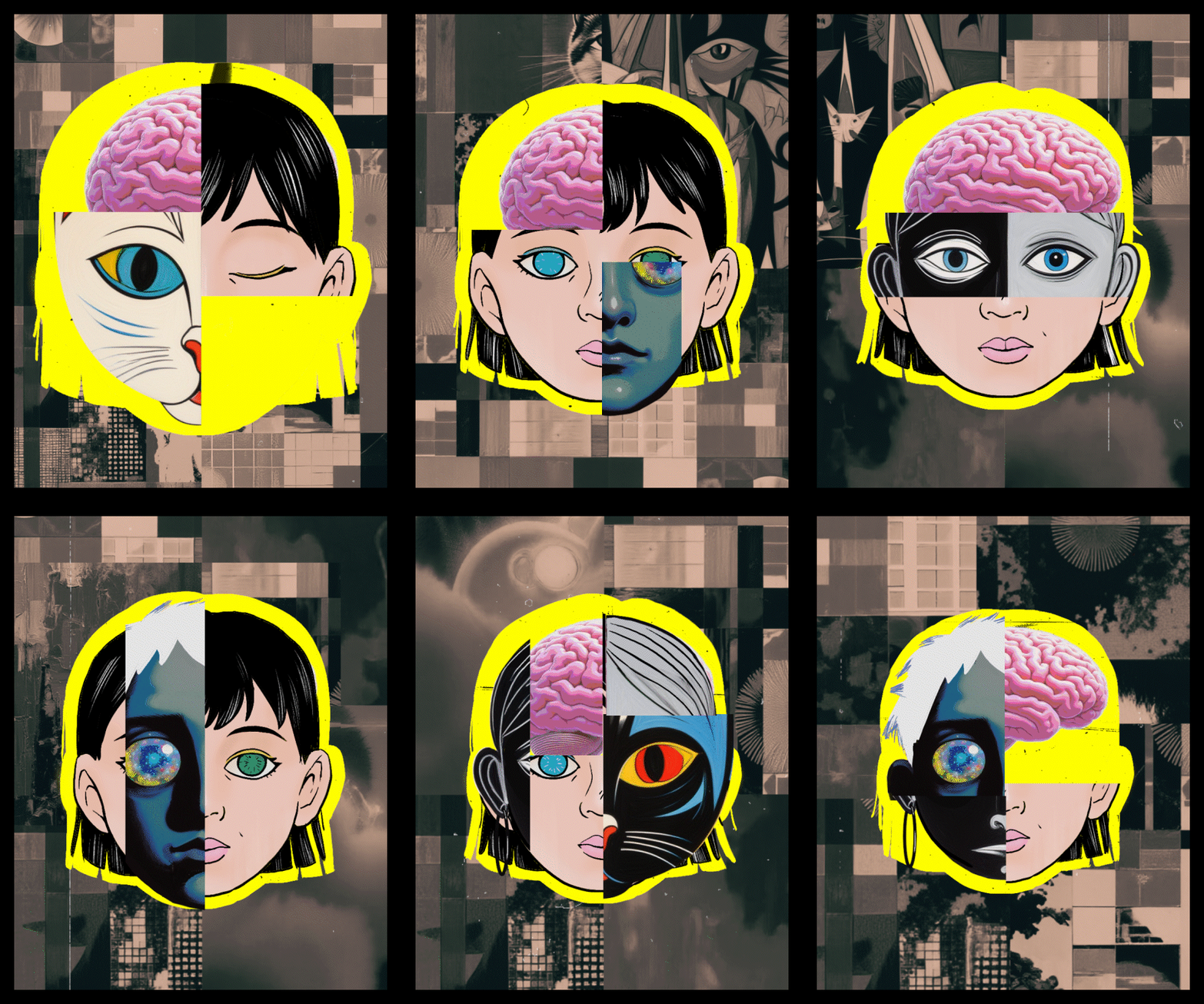
Surrealism has found new possibilities in digital art, particularly through AI image generation and digital compositing. Artists can combine unrelated objects, distort familiar environments, and create scenes that follow the logic of dreams rather than the rules of the physical world.
The resulting images might feature hybrid creatures, unexpected architectural forms, distorted bodies, or landscapes that feel simultaneously familiar and impossible. Some are playful and absurd, while others explore the uncanny, desire, memory, and the subconscious.
AI tools have made it easier to generate unusual visual combinations, but surrealism in digital art extends far beyond prompting an image generator. Artists can develop recurring symbols, construct fictional environments, or manipulate images until they express a specific emotional or conceptual idea.
The most compelling work often has a recognizable visual language or underlying narrative. Instead of relying on surprise alone, it invites viewers to spend time with an image and consider what its strange details might mean.
Kaji, for example, is an artist who constructs what he describes as “cute dystopias”—strange worlds populated by dream-hunting mercenaries, machine rituals, synthetic folklore, and civilizations shaped by uneasy relationships with technology. Presented through short films and richly textured illustrations, his work combines playful, almost childlike visuals with deeper questions about power, belief systems, progress, and the futures we may be building for ourselves.
What to explore: Dream logic, symbolic imagery, hybrid figures, unexpected juxtapositions, and visual storytelling that resists straightforward interpretation.
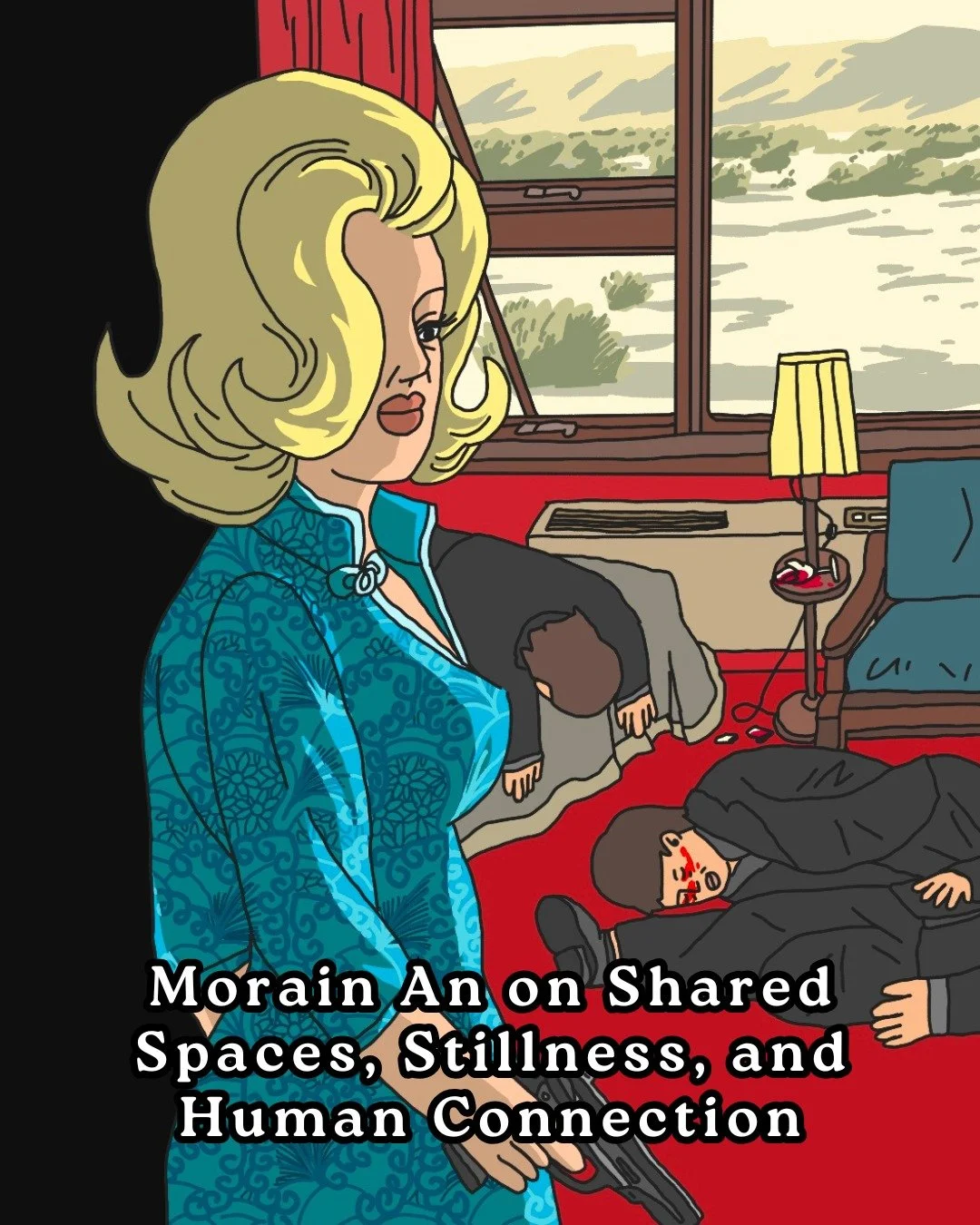
By Eddie Kim
2. AI Art Beyond the Prompt
AI-generated imagery remains one of the most visible areas of digital art, but the conversation is becoming more nuanced. As image generators become widely accessible, artists are finding ways to make their work more personal, deliberate, and conceptually grounded.
One direction is the development of hybrid workflows that combine AI-generated images with photography, digital painting, drawing, collage, and other techniques. Rather than accepting the first generated result, artists may use AI as one stage in a longer process of selection, manipulation, and refinement.
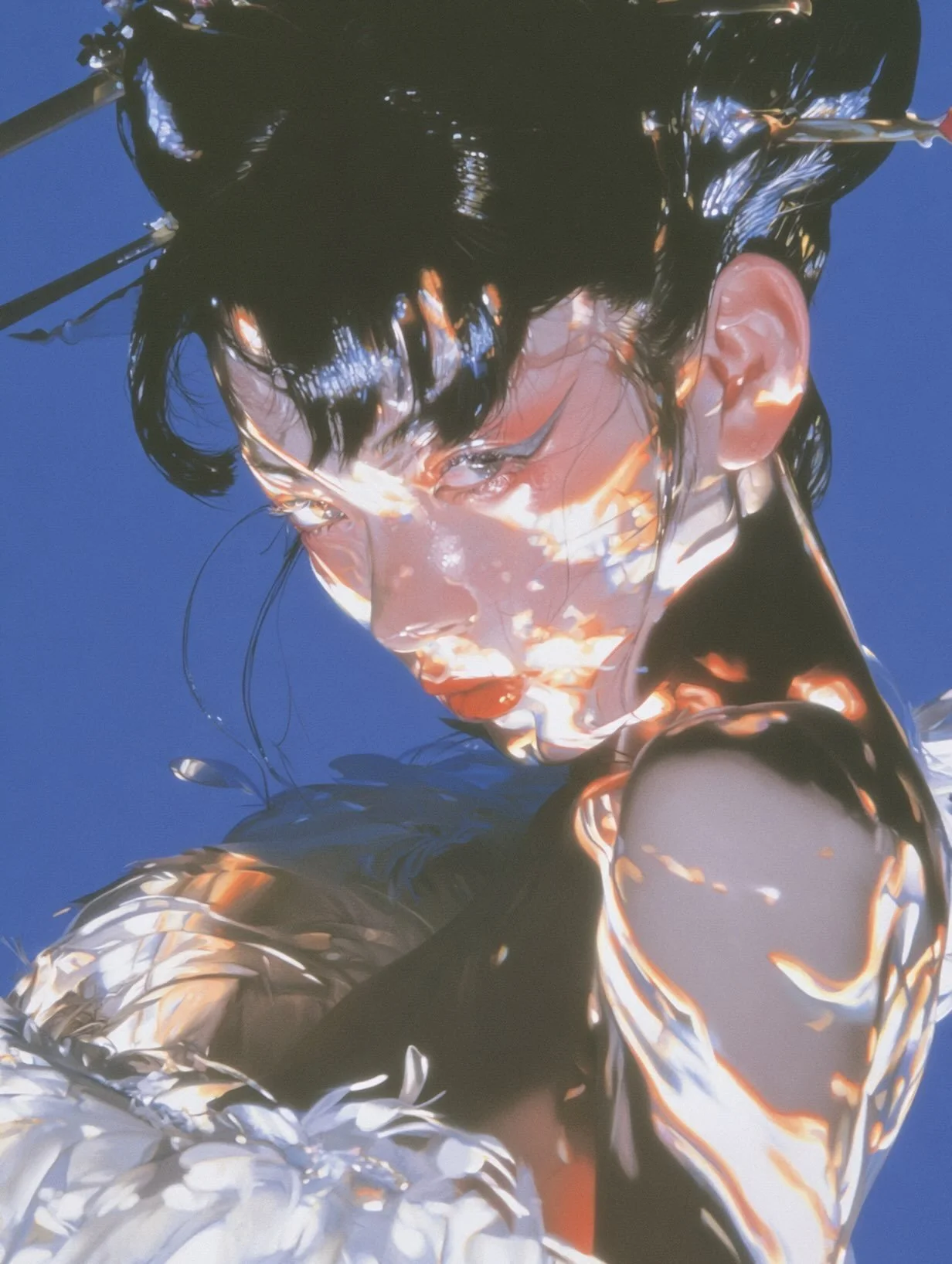
For instance, Eddie Kim is shifting his earlier charcoal sensibility into a striking cobalt-and-chrome world using AI. His recent seven-frame silent work follows a chrome rider whose human reflection suddenly stops following her, using a simple surreal premise to explore ideas of identity, separation, and transformation.
AI is a tool, but it can also be a medium through which artists investigate authorship, identity, and the relationship between human decisions and machine-generated outcomes.
The technology itself does not determine the artistic value of the result. What matters is how an artist uses it, what choices they make, and what the finished work communicates.
What to explore: Hybrid workflows, personal visual systems, AI-assisted photography, custom models, deliberate image selection, and the relationship between human intention and machine-generated imagery.
3. Handmade Aesthetics, Digital Collage, and Materiality
As digital imagery becomes increasingly polished and abundant, many artists are drawn to the qualities that make an image feel physical, imperfect, or distinctly personal.
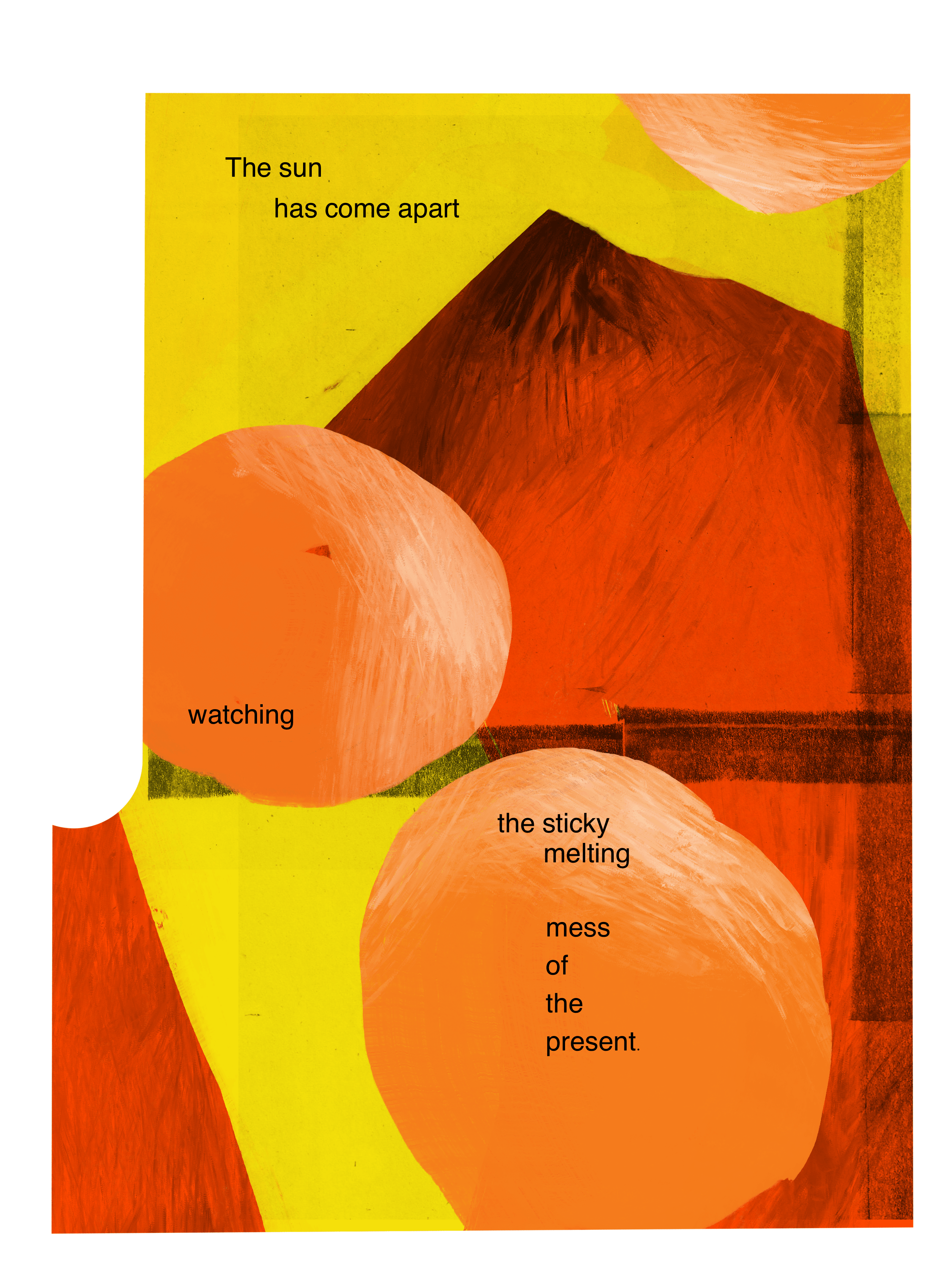
Visible brushstrokes, scanned paper, grain, torn edges, irregular lines, and layered textures can introduce a sense of materiality into digital work. Some artists combine traditional printmaking or drawing with digital tools, while others deliberately recreate the imperfections associated with analog processes.
This interest is not simply a rejection of technology. Instead, it reflects an expanding understanding of what digital art can be. A work can be created on a screen while retaining the visual language of a handmade object.
For example, Mrudula Kulavekar, a London-based illustrator and printmaker, explores queerness, memory, home, and migration through monoprint, collage, drawing, and writing. Her multidisciplinary practice demonstrates how tactile processes and personal storytelling can work together, offering an alternative to the seamless finish often associated with digital production.
The broader appeal of this direction lies in the relationship between technique and meaning. An irregular line might preserve the immediacy of a gesture. A collage might suggest fragmented memory. A layered surface might reflect the complexity of an identity or personal history.
For artists working digitally, incorporating physical materials or handmade marks can also create a more recognizable visual language.
What to explore: Digital collage, scanned textures, printmaking, mixed media, visible imperfections, analog photography, and combinations of physical and digital processes.
By Jakub Špaček
4. Generative Art and Algorithmic Systems
Generative art uses systems, rules, or computational processes to produce visual, sonic, or spatial outcomes. Rather than manually determining every detail, artists establish parameters that shape how a work develops. The system might respond to data, randomness, mathematical relationships, or real-time information.
Although generative art has a long history, it remains an important area of contemporary digital practice. Advances in creative coding, accessible software, and computational tools continue to expand the possibilities for artists interested in the relationship between structure and unpredictability.
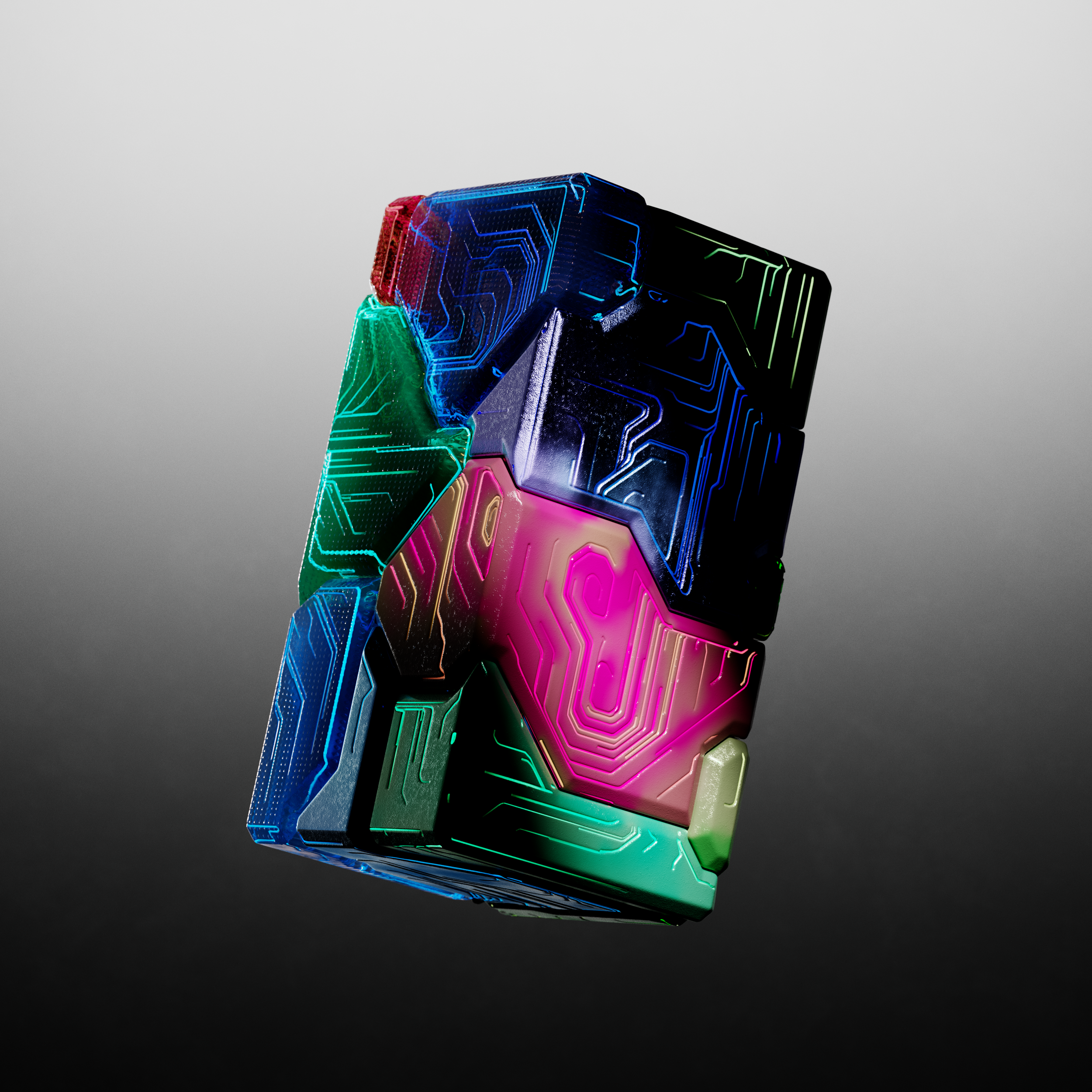
Jakub Špaček's generative video collection The Origins offers a compelling example. The project treats Bitcoin block data as a kind of genetic code, using it to shape the form, motion, and character of individual works. The resulting collection becomes a visual archive in which the underlying data influences each composition.
Such practices raise interesting questions about creative control. When a system generates multiple possible outcomes, where does the artist's role lie? Is it in writing the code, selecting the parameters, deciding which results to keep, or designing the rules that govern the work?
For generative artists, the process can be as important as the final image. The artwork may exist as a single output, a collection of variations, or a system that continues producing new results over time.
What to explore: Creative coding, procedural graphics, algorithmic patterns, data-driven imagery, randomness, generative animation, and systems that evolve over time.
By CompMonks
5. Immersive Art, Interactive Installations, and Responsive Environments
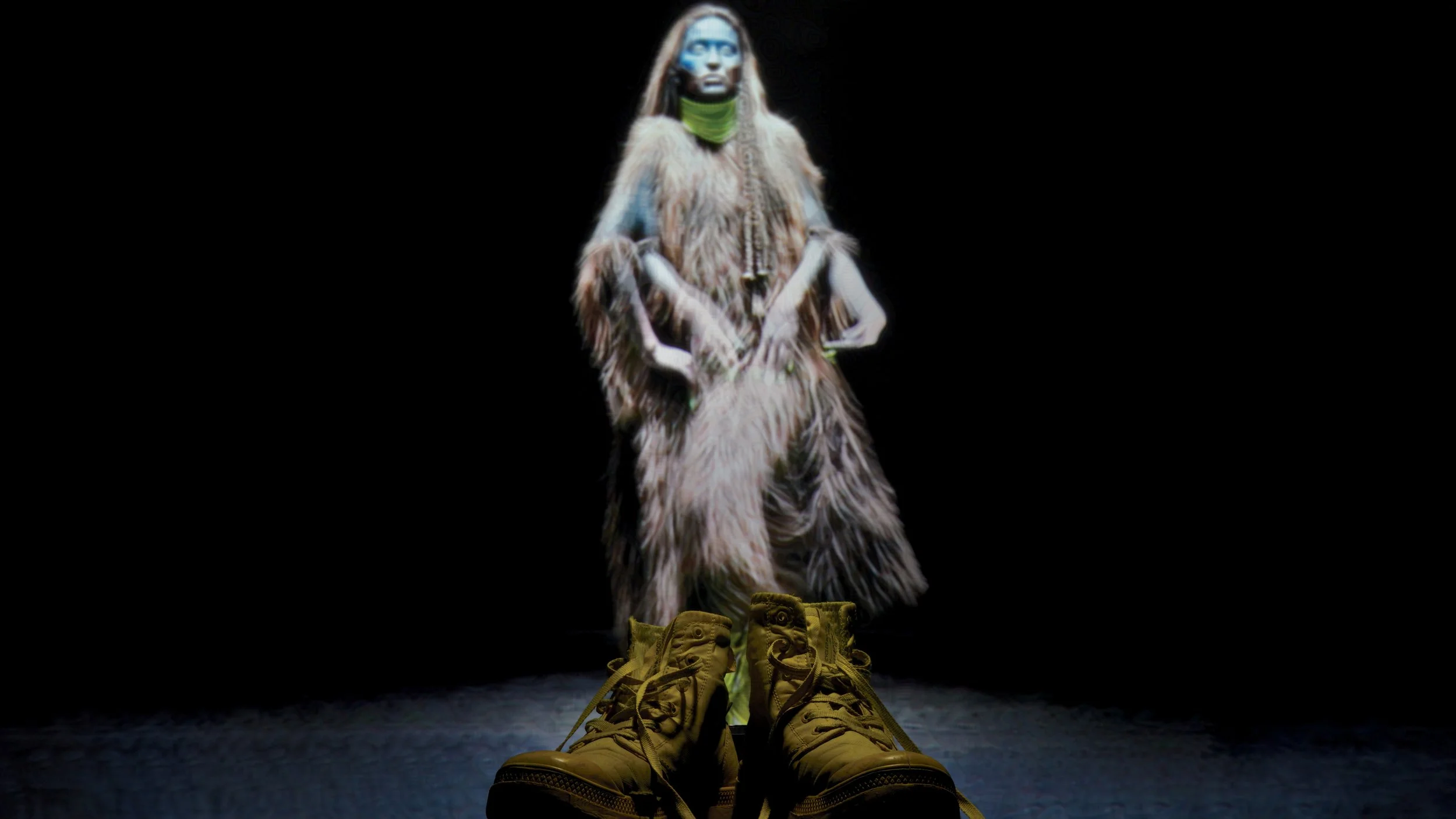
Digital art is increasingly experienced beyond the screen. Projection environments, spatial video, interactive installations, and responsive systems invite viewers to move through an artwork rather than simply look at it.
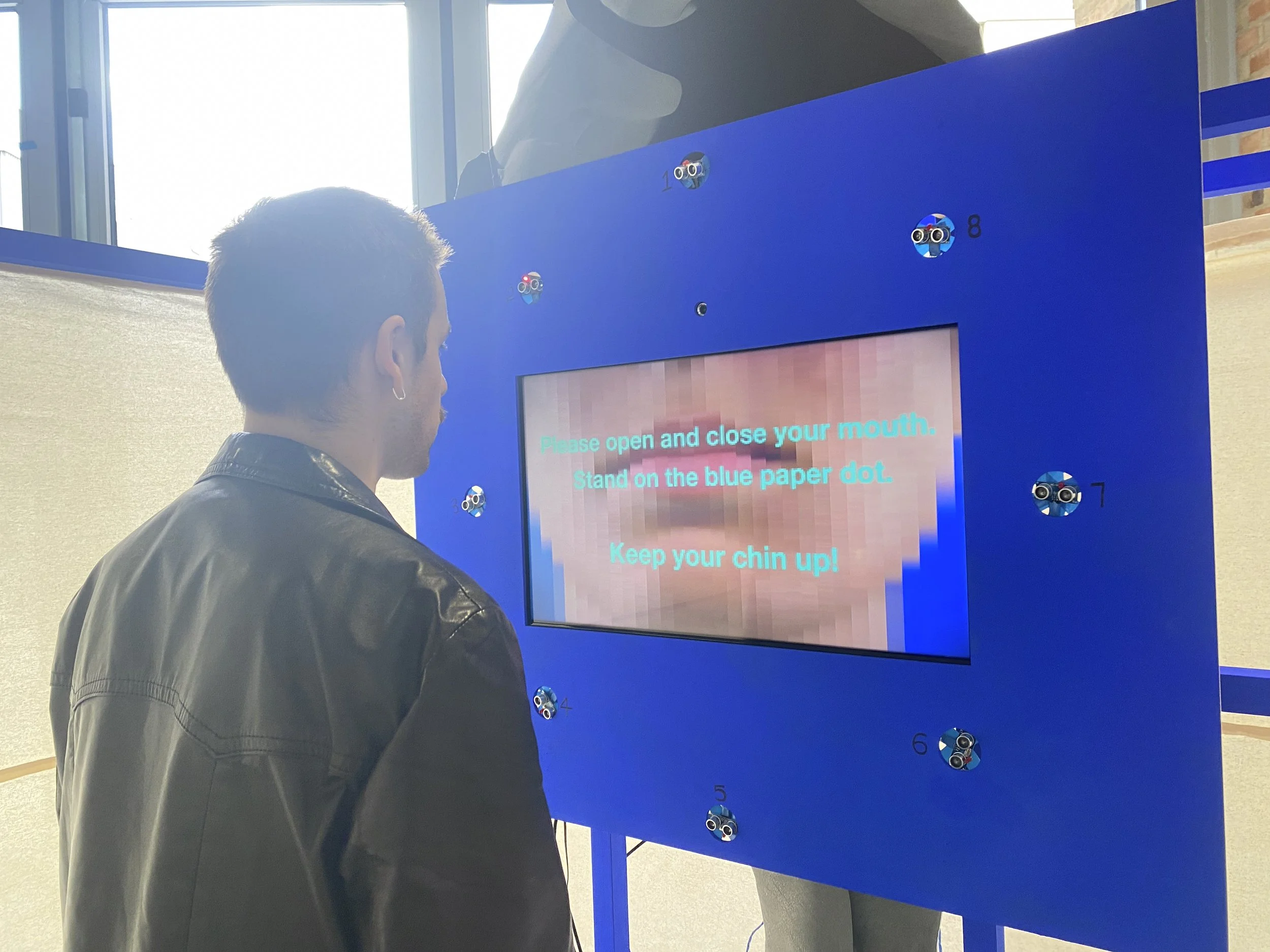
These works can respond to movement, sound, environmental conditions, or audience participation. Some use sensors and real-time data to alter what appears, while others create immersive environments in which light, sound, and moving images transform the surrounding space.
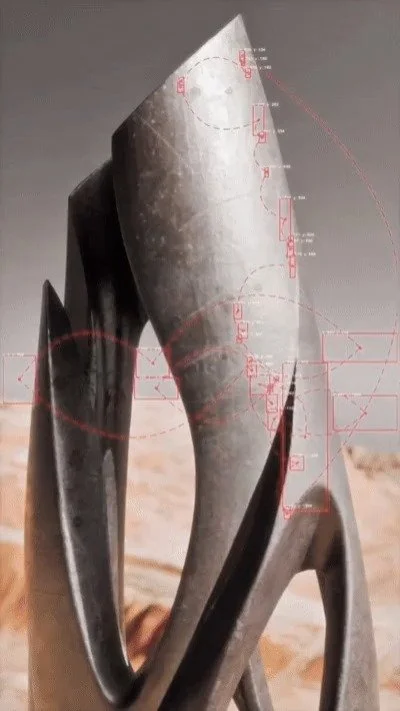
For instance, CompMonks, a new-media architect whose practice brings together architecture, cognitive science, mythology, generative aesthetics, and artificial intelligence, explores how visual memory and intelligence can inform interactive systems and immersive installations. His research into brain-computer interfaces also points toward emerging questions about how technological systems might respond to human cognition and perception.
Immersive art is not necessarily about creating the most spectacular visual experience. Interactivity can also introduce uncertainty, encourage participation, or reveal the systems shaping an audience's experience.
As digital art enters galleries, museums, and public spaces, the relationship between artwork and viewer becomes an increasingly important part of the creative process.
What to explore: Interactive installations, projection mapping, spatial video, responsive environments, audience participation, sound and light, and artworks that change according to external inputs.
6. Glitch Art, Internet Nostalgia, and Digital Decay
Digital errors, pixelation, corrupted files, obsolete interfaces, and early internet aesthetics continue to offer artists a rich visual vocabulary.
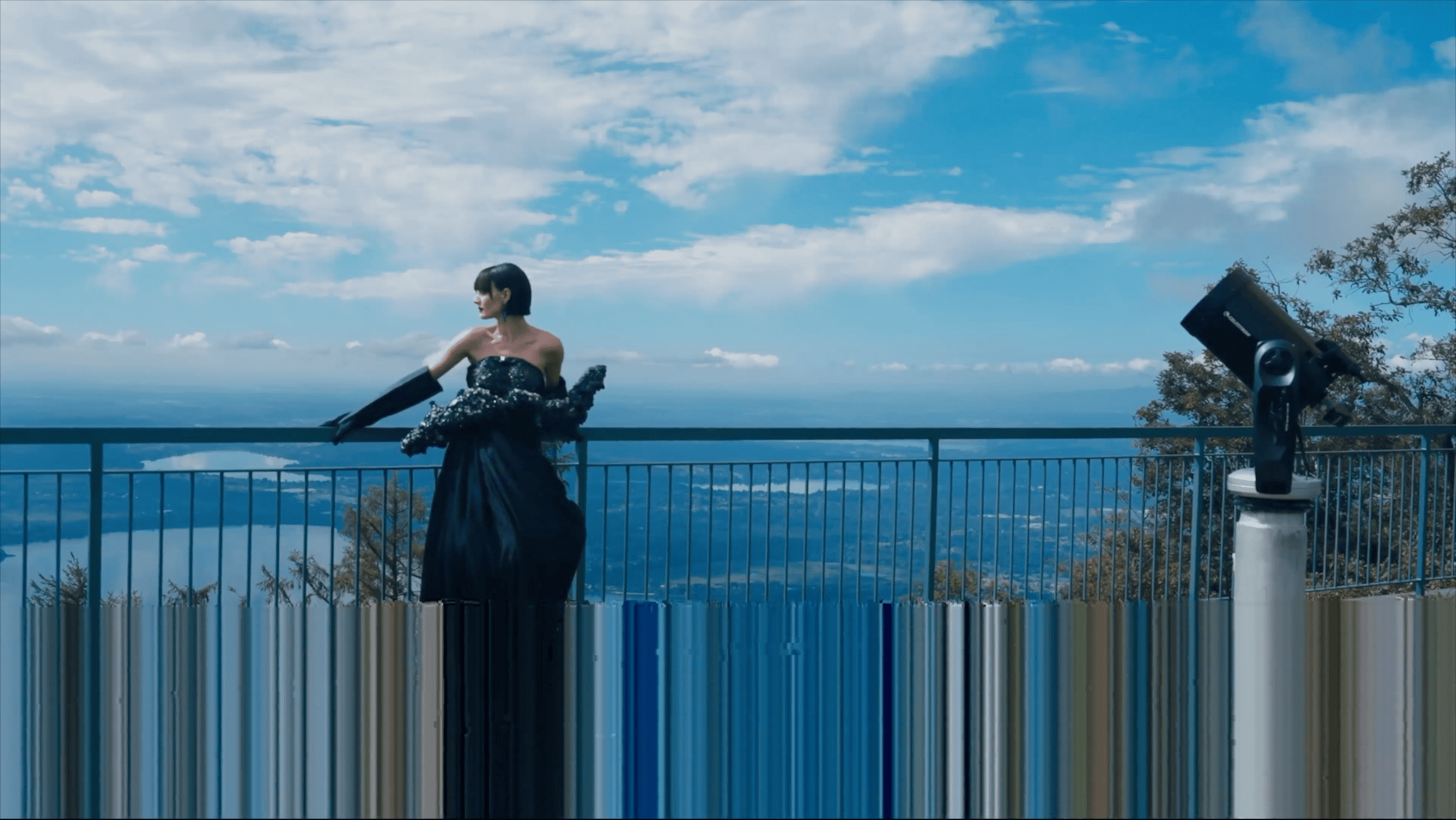
Glitch art often uses technological failure as a creative method. Compression artifacts, broken pixels, distorted images, and disrupted signals can become compositional elements rather than imperfections to correct. The result might feel chaotic, fragmented, nostalgic, or deliberately unsettling.
Internet nostalgia offers a related direction. Artists revisit early web graphics, retro computer interfaces, low-resolution imagery, and the visual culture of older digital platforms. These references can evoke a particular period of online life while also inviting reflection on how technology has changed.
Beyond their visual appeal, these approaches can raise questions about digital memory and preservation. Files become inaccessible, formats become obsolete, and platforms disappear. The internet may seem permanent, but its cultural artifacts can be surprisingly fragile.
Natascia Menegatti's project RGB_N.E.AtA connects glitch and error with body metamorphosis, sound, image, code, and costume. Rather than treating digital disruption merely as an aesthetic effect, the work brings technological processes into a broader exploration of transformation and embodiment.
This is where glitch aesthetics become especially interesting: when the distortion is connected to the concept of the work, rather than added simply to make an image look digital.
What to explore: Glitch manipulation, pixel art, obsolete interfaces, corrupted imagery, early web aesthetics, digital archives, and the relationship between technological error and artistic expression.
By BeLux Beyond
7. Speculative World-Building and Alternative Realities
Many digital artists are creating entire visual worlds rather than individual images. These worlds might include fictional environments, imagined histories, alternative ecosystems, invented characters, or speculative futures.
World-building can draw on AI image generation, 3D modeling, animation, digital painting, and generative systems. Artists may develop recurring visual motifs or create a consistent atmosphere across a series of images, videos, and interactive experiences.
What makes this direction compelling is the opportunity to establish a world with its own internal logic. A single image can introduce a setting, but a series can reveal how that world works, who inhabits it, and what questions it raises.
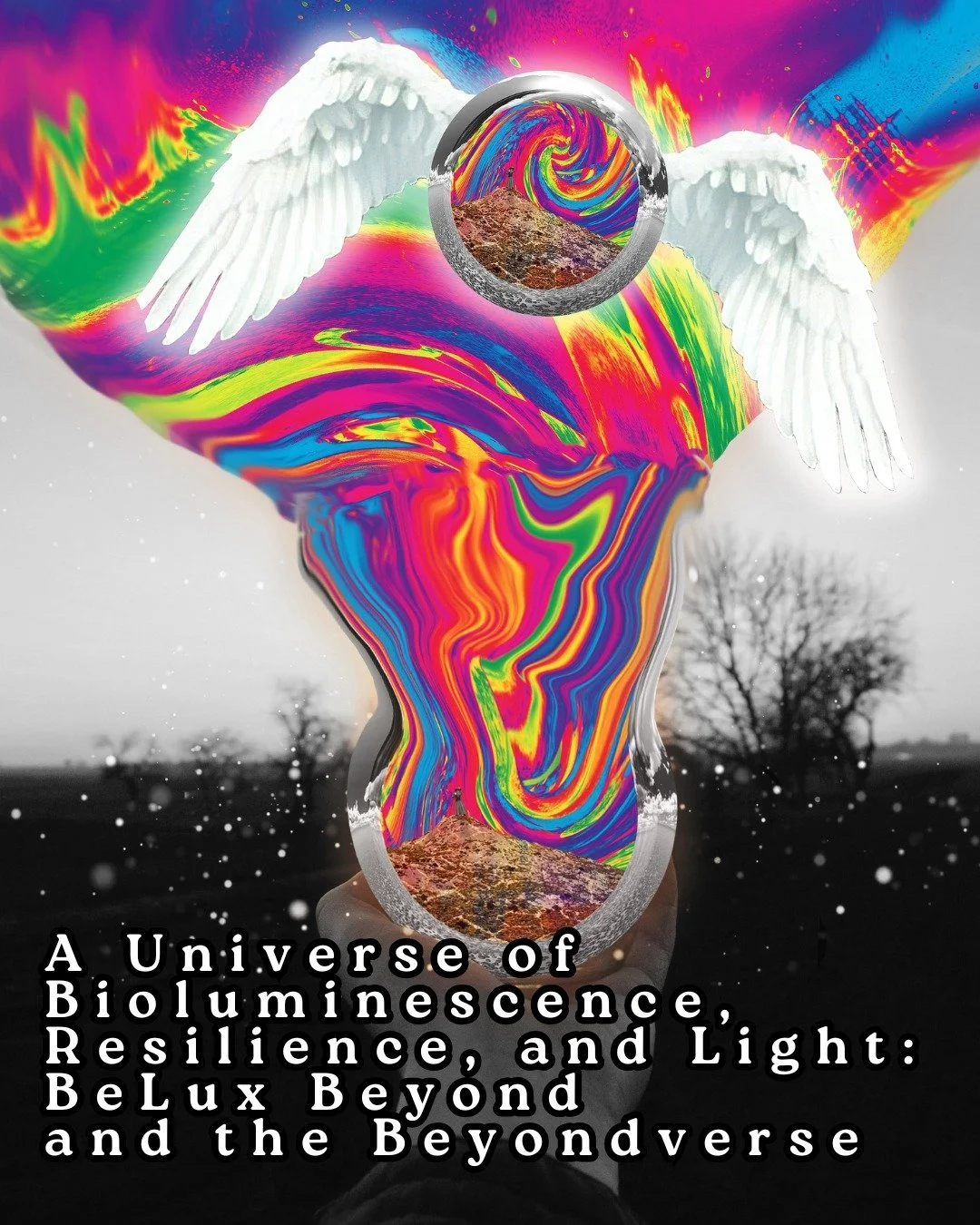
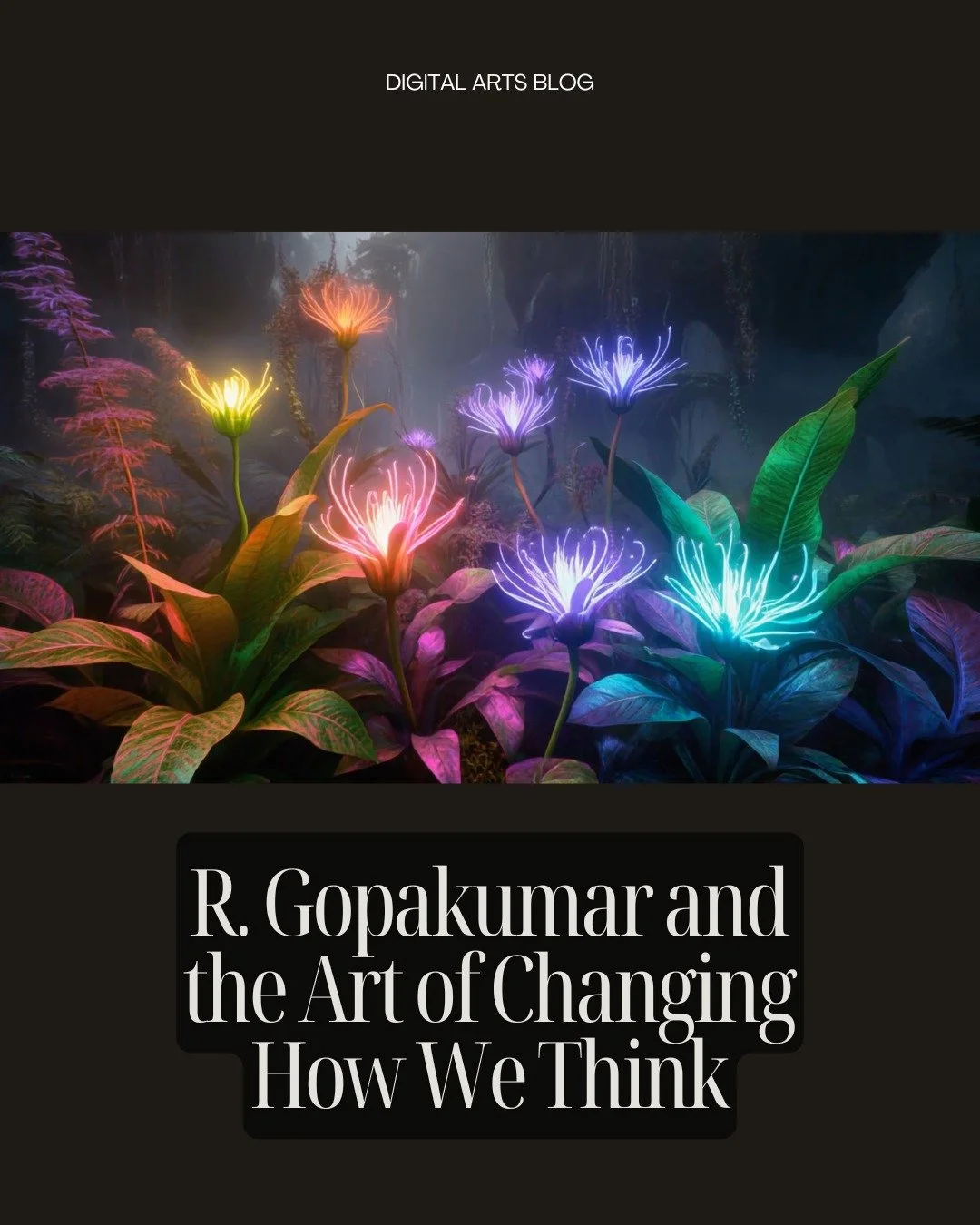
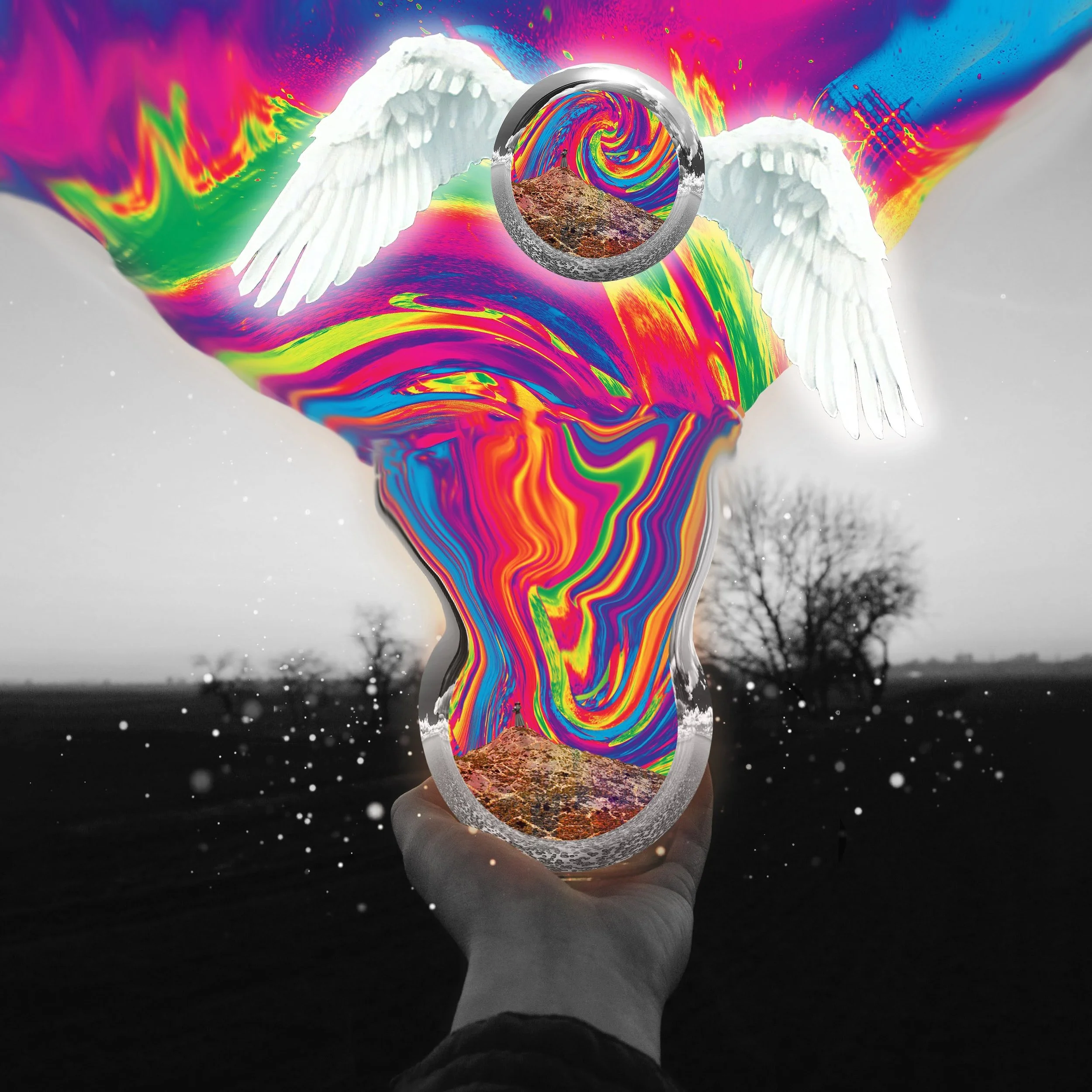
BeLux Beyond, for example, is a 3D artist whose work invites viewers into immersive digital worlds shaped by nature, imagination, and emotion. Working within a self-created universe known as the Beyondverse, he creates surreal landscapes filled with bioluminescent forests, floating waterscapes, cosmic skies, and mysterious thresholds. Rather than functioning as standalone images, his works are designed as places to enter — environments that explore themes of resilience, transformation, and the enduring presence of light within darkness.
AI-assisted world-building also raises questions about authorship and consistency. Generating individual images may be relatively straightforward, but developing a coherent visual universe requires decisions about atmosphere, narrative, recurring elements, and the relationship between different works.
For artists, this approach can offer an alternative to producing disconnected images for social media. A sustained world can become the foundation for a larger body of work, an exhibition, an animation, or an interactive project.
What to explore: Fictional archives, speculative architecture, invented ecosystems, alternate histories, recurring characters, cinematic environments, and interconnected visual narratives.
8. Nature, Organic Forms, and Digital Ecology
Natural systems have long inspired artists working with technology, from early algorithmic experiments to contemporary AI-generated imagery and interactive installations.
In digital art, this interest can take many forms: abstract patterns inspired by cellular structures, synthetic organisms, fluid simulations, digitally constructed plants, and visualizations of environmental data. Some artists use computational systems to explore natural processes, while others imagine hybrid environments in which biological and technological forms become difficult to distinguish.
Generative art is particularly suited to this territory because natural systems often involve repetition, variation, and complex relationships between individual elements. Algorithms can help artists explore these structures without attempting to reproduce nature literally.
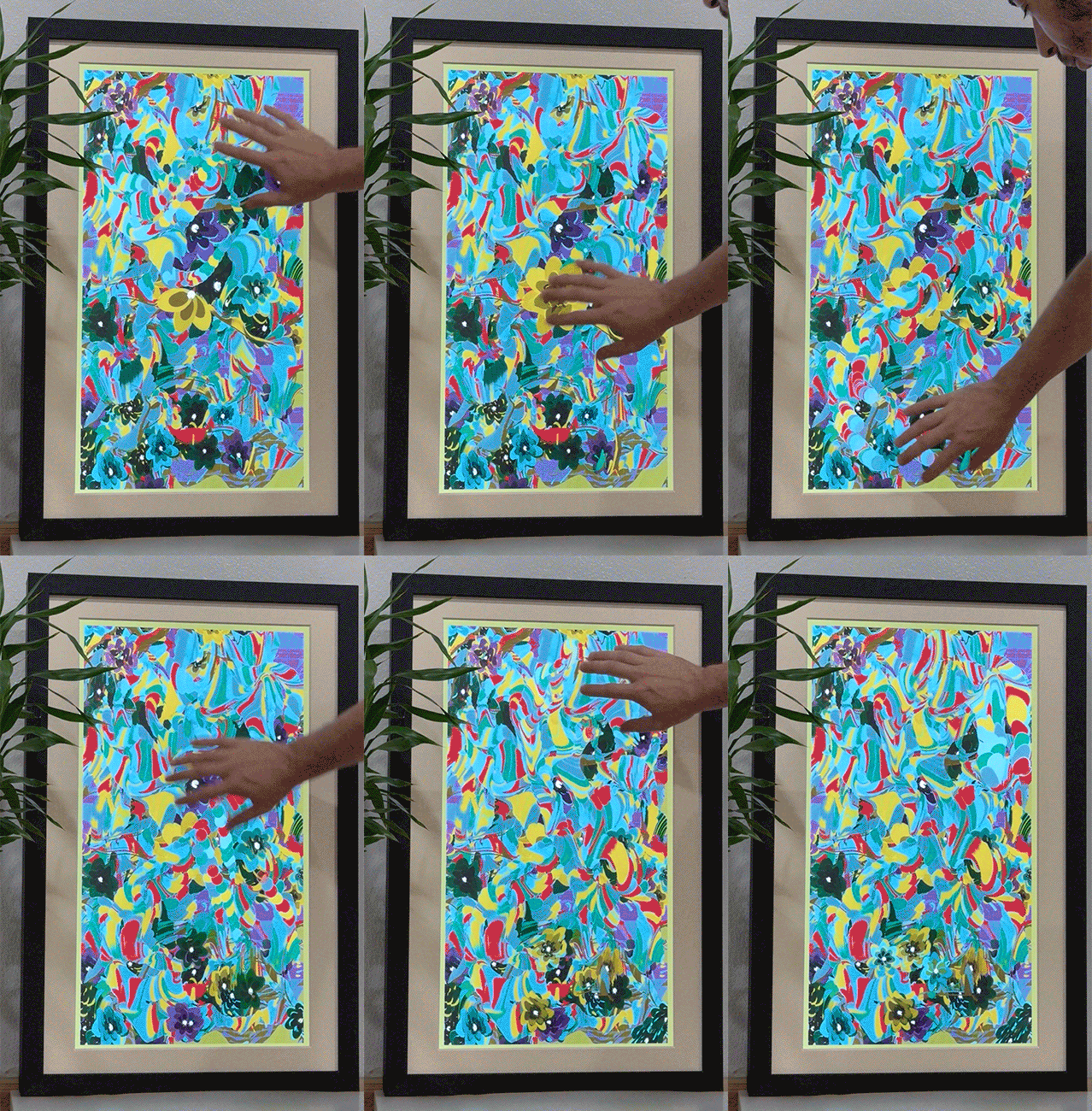
For your inspiration, Ronen Tanchum is an artist and technologist whose immersive practice explores the relationships between technology, nature, and human perception. Working with generative systems and real-time data, he creates digital environments that behave like living ecosystems, transforming environmental signals, such as weather patterns, biological processes, and human interaction, into evolving visual landscapes.
Digital ecology also raises questions that go beyond aesthetics. How do technological systems affect the environment? What happens when natural processes become data? How might digital tools help people understand ecological change, or challenge the assumption that technology and nature are separate?
The most engaging work in this area uses organic imagery to investigate those relationships rather than relying on nature-inspired visuals alone.
What to explore: Biomorphic abstraction, procedural growth, synthetic organisms, environmental data, simulated ecosystems, and relationships between computation and living systems.
By Lila Rui Lan
What These Trends Tell Us About Digital Art in 2027
Looking across these directions, one thing becomes clear: digital art is not moving toward a single visual style. It is expanding across different technologies, materials, and modes of experience.
AI-assisted imagery is part of this landscape, but so are generative systems, digital printmaking, interactive environments, and practices that combine computational tools with traditional techniques. Artists are approaching these possibilities from different perspectives, using technology to develop personal visual languages, investigate complex ideas, or create experiences that would otherwise be difficult to realize.
There are also signs of renewed institutional interest in digital art. In 2026, Whitney Museum of American Art has acquired two works from Gretchen Andrew’s Facetune Portrait Universal Beauty series — a unanimous decision that marks a major moment not just for the artist, but for digital art’s evolving place in institutional collections. The series expose the hidden systems of digital modification that define modern ideals of beauty, while reasserting the painter’s hand as an act of reclamation. As institutions like the Whitney begin to collect work born out of this intersection, it feels like a recognition that art made with (and against) technology can be both conceptually rigorous and emotionally resonant.
At the same time, the wider art world continues to debate AI's role in creative practice. Questions about authorship, training data, originality, and artistic labor remain unresolved. These debates are part of the field's current development, not separate from it.
For artists, this means that understanding digital art trends involves looking beyond what is visually popular. The underlying ideas, processes, and decisions can be just as important as the finished image.
How to Find Your Own Direction as a Digital Artist
Trends can be useful starting points for experimentation, but they are not formulas for making successful work. A style that attracts attention online might not align with your interests, and an emerging technique may be more valuable as a way to explore an idea than as a visual signature.
If you want to experiment with the directions discussed here, consider the following approaches:
Start with a question, not a style. Instead of deciding to make surreal AI art because it is popular, begin with a subject that interests you. Think about how surrealism, collage, generative systems, or interactive media might help you investigate it.
Experiment with unfamiliar processes. If you primarily work with AI image generators, try incorporating photography, drawing, or physical materials. If you create static images, explore animation or a system that generates variations. A change in process can reveal possibilities that are difficult to discover within a familiar workflow.
Study artists, not just aesthetics. Pay attention to how artists develop their ideas, structure their processes, and make decisions. Understanding the relationship between an artist's methods and the finished work is often more useful than copying a visual effect.
Develop a consistent body of work. Recurring themes, symbols, materials, and methods can help individual works become part of a recognizable practice. Consistency does not mean repeating the same image. It means giving your experiments room to build on one another.
Look beyond social media. Online platforms are useful for discovering work, but they do not provide a complete picture of contemporary digital art. Explore exhibitions, artist interviews, digital art festivals, galleries, and publications to encounter practices that may not fit neatly into popular visual trends.
Use new tools intentionally. The availability of a technology does not mean every project needs it. Consider what a tool allows you to explore, what limitations it introduces, and whether it meaningfully contributes to the work.
Ultimately, the most productive way to engage with trends is to treat them as invitations to experiment rather than instructions to follow.
By Anna Wang
Final Thoughts
Digital art in 2027 encompasses a wide range of practices, from AI-assisted surrealism and tactile digital collage to algorithmic compositions, speculative worlds, and immersive installations. These directions demonstrate how artists continue to redefine the relationship between technology, image-making, and creative expression.
For artists looking for inspiration, the opportunities lie not only in adopting new tools but also in asking new questions. How can a digital process express a personal experience? How might an algorithm become part of a narrative? What can an interactive environment reveal about the relationship between people and technology?
There is no single trend that every digital artist needs to follow. The most interesting work often emerges when an artist finds a meaningful connection between a medium, a subject, and a way of seeing the world.
Explore the artists featured on Digital Arts Blog to discover how contemporary practitioners are approaching these questions in their own work.